Film Treatment Basics
A film treatment is a document that outlines the story, characters, and key elements of a potential movie. Its purpose is to provide a comprehensive overview of the film’s concept and serve as a blueprint for further development. Unlike other script development tools, such as outlines or screenplays, an example movie treatment focuses on capturing the essence of the story in concise language rather than delving into specific dialogue or scene details.
Definition and Significance
A film treatment can be defined as a written pitch that conveys the core elements of a movie idea. It serves as an essential tool in the industry because it allows filmmakers to present their concepts to producers, studios, and investors in a clear and compelling manner. A well-crafted treatment can generate interest and secure funding for a project, serving as a stepping stone towards turning an idea into an actual film. Many successful films have started with strong treatments that effectively conveyed their unique stories and captured the imagination of decision-makers.
One example of this is “Jaws,” directed by Steven Spielberg. The film’s treatment by writer Peter Benchley was instrumental in securing its production. The treatment vividly described the suspenseful plot, memorable characters, and intense shark attacks that would come to define the iconic thriller. Another notable example is “Star Wars.” George Lucas’ detailed treatment showcased his vision for an epic space opera filled with adventure, mythology, and groundbreaking visual effects. These treatments played crucial roles in convincing studios to take risks on these projects that went on to become blockbuster successes.
Key Elements
When crafting a an example movie treatment, certain key elements should be included to effectively convey the essence of your story:
- Title: Clearly state the title of your movie.
- Logline: Provide a brief one or two-sentence summary that encapsulates your story’s main concept.
- Synopsis: Present an overview of your story’s plot, including the main characters, their goals, and the central conflict.
- Themes and Tone: Describe the underlying themes or messages of your film, as well as the overall mood or atmosphere you aim to create.
- Visual Style: Discuss any unique visual elements or stylistic choices that will enhance the storytelling.
- Target Audience: Identify the intended audience for your film, which can help shape its marketing and distribution strategies.
To effectively structure and format your treatment:
- Keep it concise: Aim for a length of 5-10 pages, focusing on capturing the core elements of your story without unnecessary details.
- Use clear language: Write in a way that is easy to understand and conveys your vision vividly.
- Create a compelling opening: Hook readers from the start with an engaging introduction that draws them into your story.
- Maintain a logical flow: Organize your treatment in a coherent manner, ensuring each section seamlessly transitions into the next.
Importance in Screenwriting
Film treatments play a crucial role in the development of screenplays. An example movie treatment serves as a blueprint for writers, helping them shape their scripts and explore various narrative possibilities. By using treatments, screenwriters can collaborate effectively during the script development process.
Role in Script Development
Film treatments are essential tools that assist writers in refining their ideas and structuring their stories. These documents provide a concise summary of the plot, characters, and major story beats. By outlining the key elements of the screenplay, treatments allow writers to visualize the overall arc of the story before diving into writing a full screenplay.
One significant advantage of using film treatments is that they enable writers to experiment with different narrative approaches and explore various options for character development. With this flexibility, screenwriters can refine their ideas and make informed decisions about how to best convey their vision on-screen.
Moreover, film treatments facilitate collaboration among writers, directors, producers, and other stakeholders involved in the project. By sharing these documents during script development meetings or pitch sessions, everyone can have a clear understanding of the story’s direction and offer valuable feedback or suggestions for improvement. This collaborative aspect enhances creativity and ensures that all parties are aligned on the project’s vision.
Comparing Outlines, Treatments, and Scriptments
While film treatments are essential components of script development, it is important to understand how they differ from outlines and scriptments.
Outlines provide a broad overview of the story’s structure by highlighting major plot points and character arcs but without delving into specific scenes or dialogue. They serve as an organizational tool for writers to outline their ideas before moving on to more detailed stages.
On the other hand, film treatments expand upon outlines by providing more detailed descriptions of scenes while still maintaining brevity. Treatments often include snippets of dialogue or significant visual moments to give readers a better sense of how the story will unfold on screen.
Scriptments combine elements from both treatments and full screenplays. They provide a more comprehensive narrative, including specific scenes, dialogue, and character actions. While scriptments offer more detail than treatments, they still allow for flexibility in the writing process.
The choice of using outlines, treatments, or scriptments depends on the stage of script development and personal preference. Outlines are useful during initial brainstorming sessions, while treatments help refine ideas before diving into a full screenplay. Scriptments can be beneficial when writers want to strike a balance between structure and creative exploration.
Crafting Your Film Treatment
How to Write a Treatment
Writing an example movie treatment is an essential step in the screenwriting process. It serves as a blueprint for your movie, outlining the story, characters, and key plot points. Here is a step-by-step guide to help you create a comprehensive film treatment:
- Start with brainstorming ideas: Begin by generating various concepts or themes that could be developed into a compelling story. Consider what interests you and what would captivate your audience.
- Develop your characters: Create well-rounded characters that will drive the narrative forward. Give them depth, motivations, and conflicts to make them relatable and engaging.
- Outline the plot points: Establish the major events of your story, including the inciting incident, rising action, climax, and resolution. Think about how these elements will unfold and connect with one another.
- Structure your treatment: Organize your treatment into sections such as logline (a brief summary of the story), synopsis (a condensed version of the plot), character descriptions, and scene breakdowns.
Free Template Usage
If you’re new to writing treatments or looking for guidance on formatting, there are free templates available that can assist you in creating your film treatment:
- Online resources: Websites like ScreenCraft offer downloadable templates specifically designed for film treatments. We’ve gathered a list of ours below:
Using pre-designed templates has several benefits. They provide a structured format that ensures consistency throughout your treatment while saving time on formatting tasks. They offer customization options so you can tailor them to fit your unique storytelling style.
Formatting and Content Guidelines
When crafting your example movie treatment, it’s important to consider both formatting and content guidelines:
Length Considerations
The ideal length of a film treatment may vary depending on factors such as genre or intended audience. However, it’s generally recommended to keep treatments concise while providing enough detail to convey the story effectively. Consider the following guidelines:
- Word count: Aim for a treatment length of 5,000 to 10,000 words.
- Page count: Keep your treatment within 10 to 20 pages.
Remember that brevity is key. Focus on conveying the main story beats and essential information without getting bogged down in unnecessary details.
Inclusion and Exclusion Criteria
When writing your film treatment, consider what elements should be included or excluded:
- Essential information: Include key plot points, character descriptions, and major conflicts that drive the story forward.
- Unnecessary details: Avoid tangents or excessive descriptions that do not contribute significantly to the overall narrative.
By carefully selecting what to include and exclude from your treatment, you can ensure that it effectively communicates your vision without overwhelming readers with unnecessary information.
Analyzing Successful Examples
Case Study of High-Profile Films
Analyzing successful examples can provide invaluable insights. Two high-profile films that offer a fascinating glimpse into the impact of treatments on the final product are “E.T.” and “The Shining.”
Analyzing the film treatments of “E.T.” and “The Shining” allows us to delve into how these documents influenced the creative direction and storytelling choices in these iconic movies. By examining key differences between the treatments and the finished films, we can gain a deeper understanding of the filmmaking process.
In Steven Spielberg’s treatment for “E.T.”, we see a concise yet evocative description of a young boy’s encounter with an alien being. The treatment captures the heartwarming essence of the story, showcasing Spielberg’s vision for an emotionally resonant film. As we compare this treatment to the final movie, we can observe how certain elements were expanded upon or modified while staying true to Spielberg’s original concept.
Similarly, Stanley Kubrick’s treatment for “The Shining” provides a chilling glimpse into his vision for this psychological horror masterpiece. The treatment outlines key scenes and character dynamics, setting the stage for Kubrick’s atmospheric exploration of isolation and madness. By comparing this treatment to the finished film, we can uncover how Kubrick brought his distinct directorial style to life while remaining faithful to his initial vision.
Other Notable Example Movie Treatment
Moving beyond specific case studies, let’s explore two other notable examples: James Cameron’s scriptment for “Avatar” and Christopher Nolan’s treatment for “Batman Begins.” These documents offer unique insights into how filmmakers shape their projects through early written materials.
Cameron’s scriptment for “Avatar” is an extensive document that combines elements of both a script and a treatment. It fleshes out detailed descriptions of Pandora, its inhabitants, and explores themes related to environmentalism and corporate greed. This scriptment served as a foundation for the visually stunning and thematically rich world that Cameron brought to the screen.
In contrast, Nolan’s treatment for “Batman Begins” provides a concise overview of his vision for rebooting the Batman franchise. It outlines key plot points, character arcs, and thematic elements that would define Nolan’s gritty and realistic take on the superhero genre. By examining this treatment alongside the final film, we can observe how Nolan’s initial ideas evolved into a critically acclaimed and commercially successful movie.
These examples demonstrate that movie treatments play a crucial role in shaping the direction of films. They provide filmmakers with an opportunity to refine their ideas, establish tone and atmosphere, and communicate their vision to collaborators. By studying successful examples like “E.T.”, “The Shining”, “Avatar”, and “Batman Begins”, aspiring filmmakers can gain valuable insights into the art of crafting compelling movie treatments.
Perfecting the Pitch of an Example Movie Treatment
Creating Engaging Pitch Decks
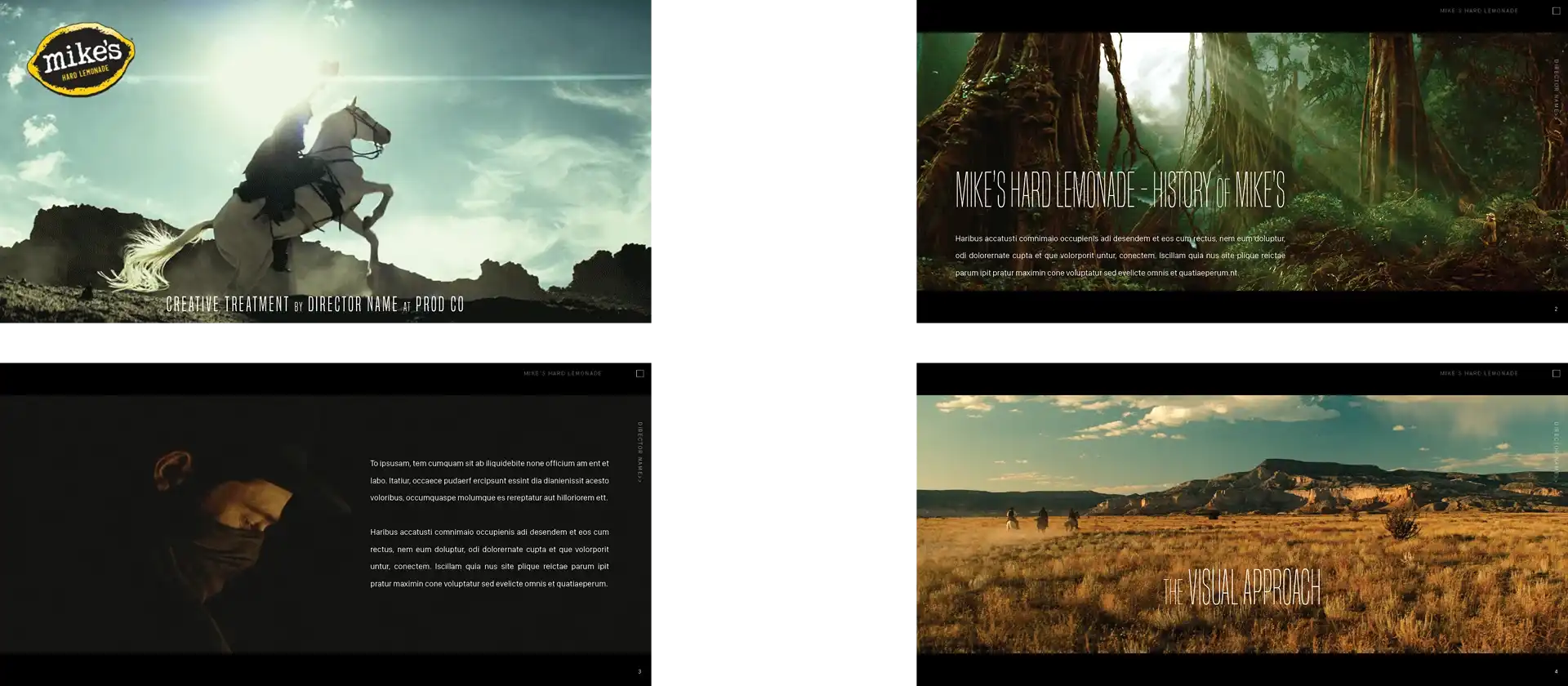
Crafting a compelling pitch deck is crucial. A well-designed and engaging pitch deck can capture the attention of potential investors or producers, increasing your chances of getting your movie project off the ground.
Determining Pitch Deck Length and Content
When determining the length of your example movie treatment deck, there are several factors to consider. Firstly, it’s important to strike a balance between providing enough information to showcase your movie idea while keeping the deck concise and focused. A pitch deck that is too long may lose the interest of its audience.
In terms of content, a successful pitch deck should include key elements that effectively sell your movie concept. This includes a clear and concise logline or elevator pitch that summarizes the essence of your story in just a few sentences. You should highlight the unique aspects of your movie, such as its genre, target audience, and potential market appeal.
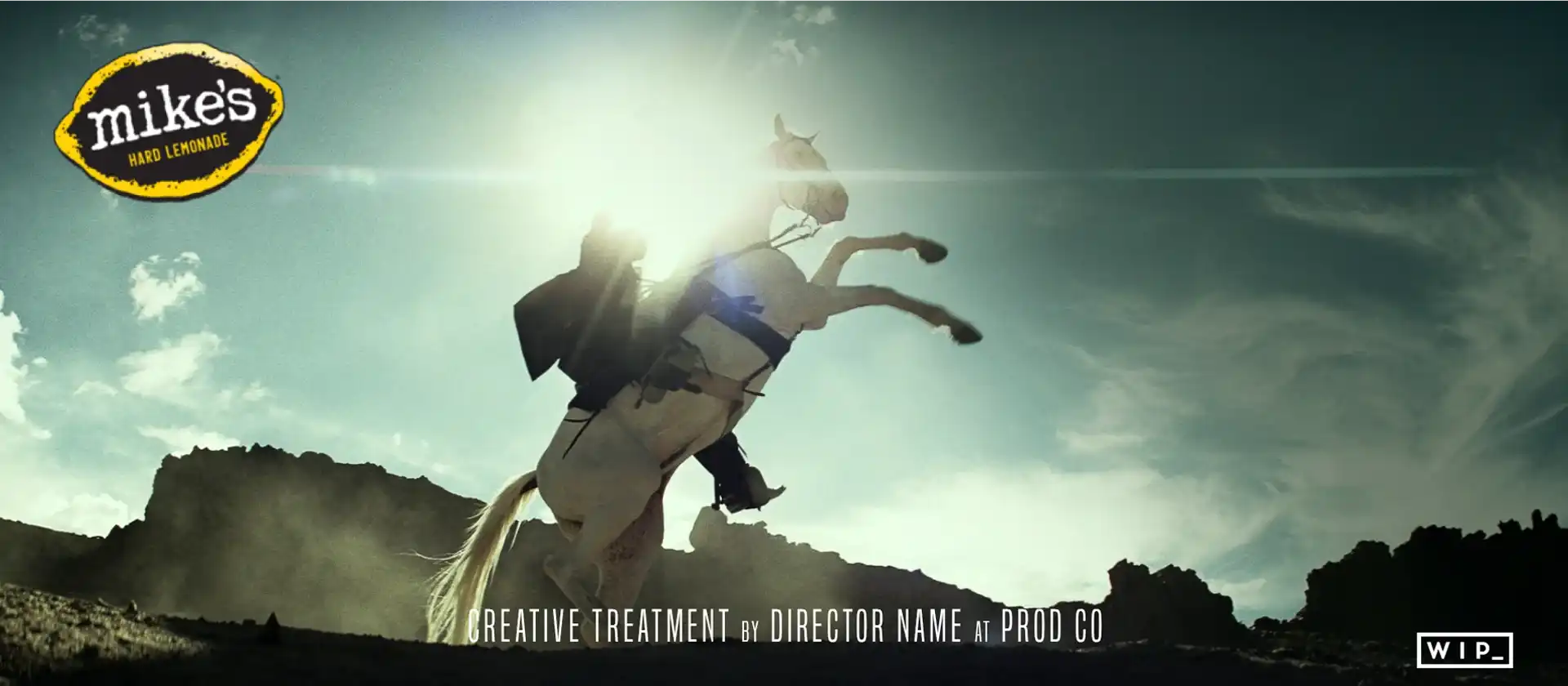
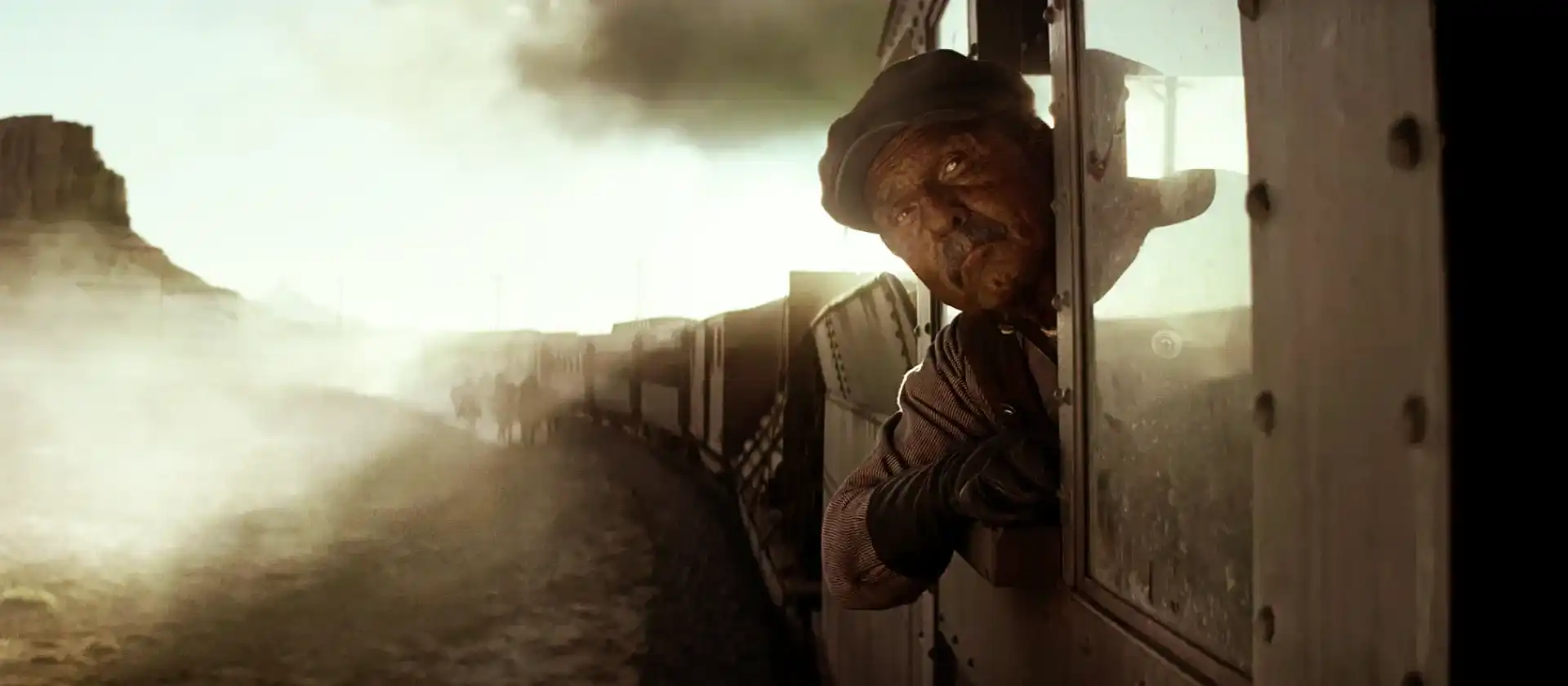
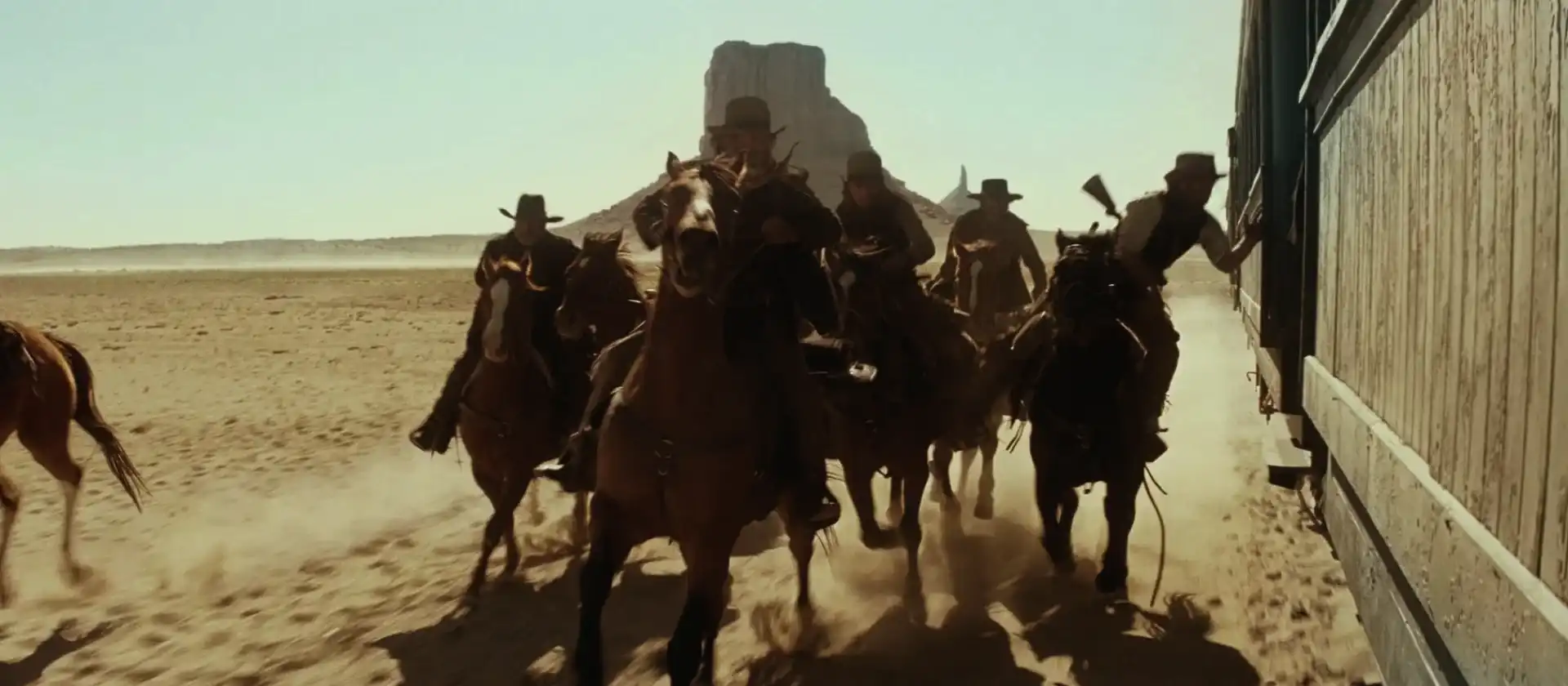
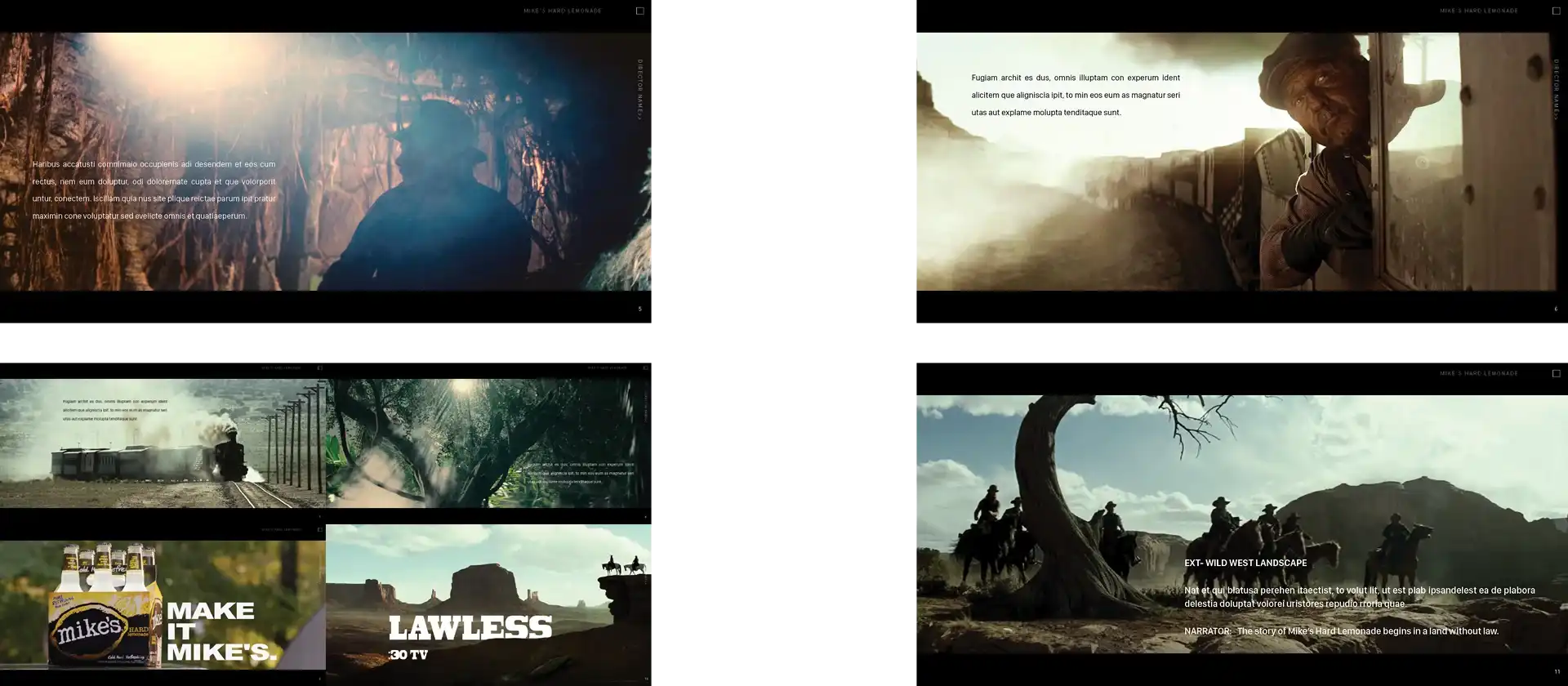
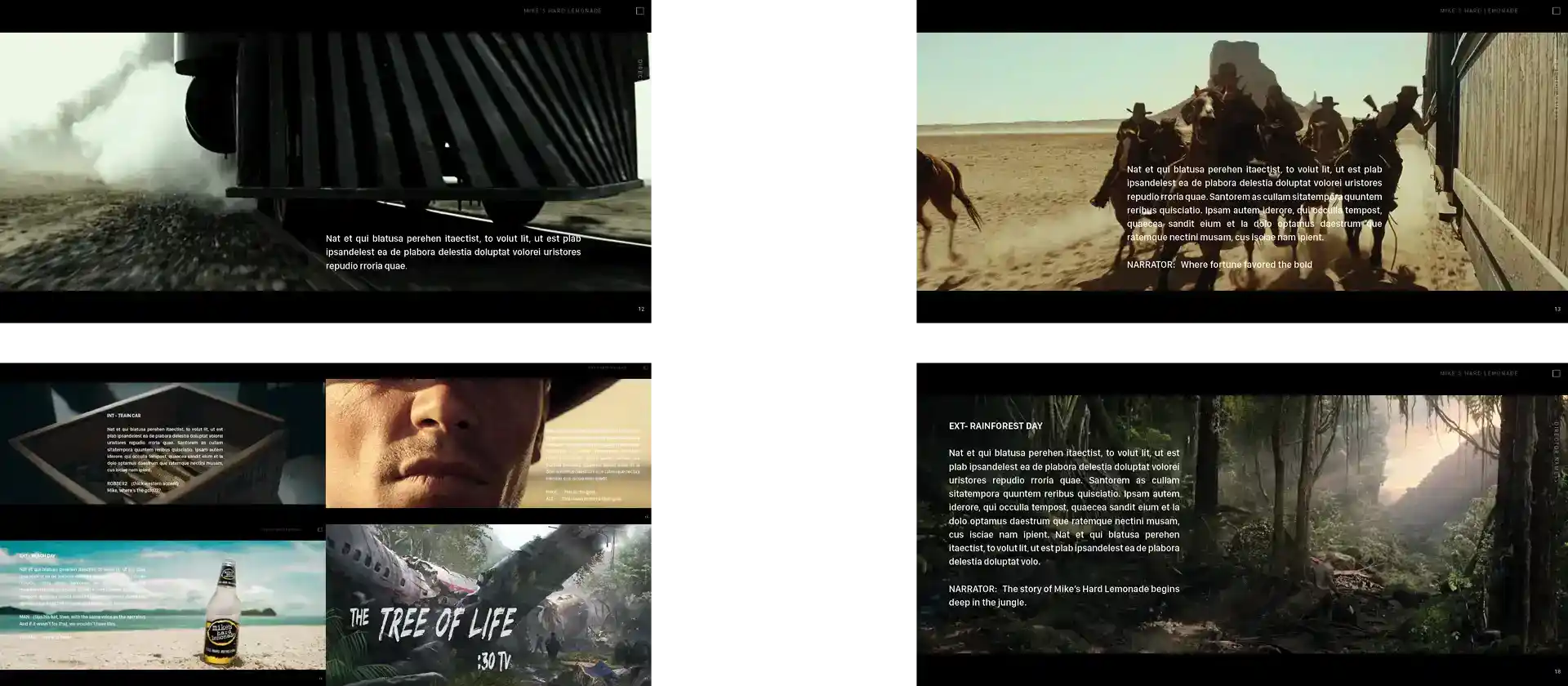
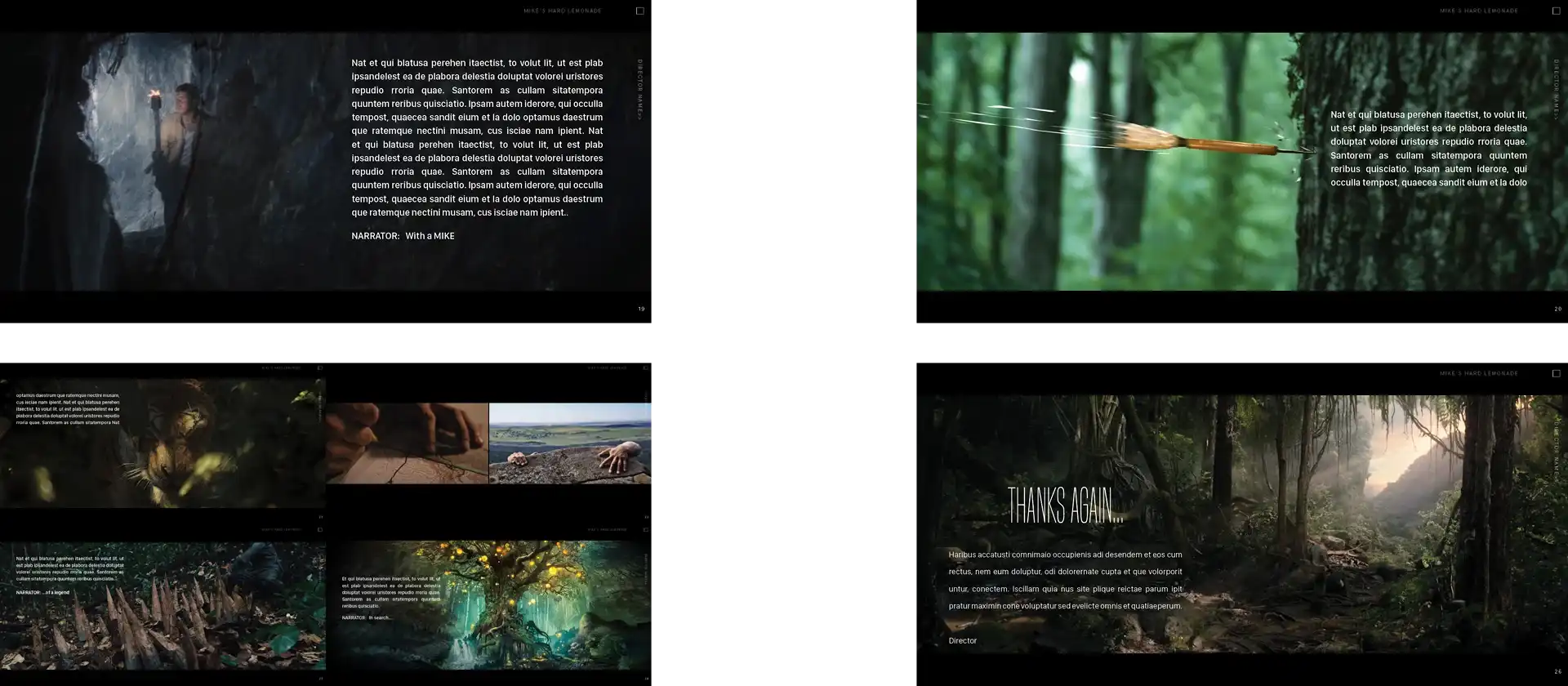
To make your pitch deck visually appealing, incorporate eye-catching visuals such as concept art or still images from similar films that convey the tone and atmosphere of your project. Including brief character descriptions or profiles can also help bring your story to life for potential investors.
Tips to Create an Engaging Example Movie Treatment
Creating an engaging pitch deck requires careful consideration of both design elements and storytelling techniques. To capture attention right from the start, begin with a strong hook or opening statement that grabs the reader’s interest and makes them want to learn more about your movie.
Simplicity is key. Use clean layouts with ample white space to ensure that each slide is easy to read and understand. Incorporate consistent branding elements such as fonts, colors, and logos throughout the presentation for a cohesive look.
Structuring your pitch deck like a narrative can also help create an engaging experience for readers. Start by introducing the main characters and setting up the central conflict or premise. Then, gradually build tension and excitement as you reveal key plot points and showcase the unique aspects of your movie.
Avoiding Common Pitfalls
Common Mistakes in Writing an Example Movie Treatment
There are several pitfalls that aspiring screenwriters should avoid. One common mistake is providing too much detail in the treatment, essentially turning it into a full-blown script. Remember, a treatment serves as a concise summary of your story, highlighting the key plot points and character arcs. Another mistake is failing to capture the reader’s attention from the very beginning. It’s crucial to hook them with an engaging opening that sets the tone for your film.
To improve the quality of your treatment, consider revising it multiple times. This allows you to refine your ideas and ensure that every sentence serves a purpose. Eliminate any unnecessary information or scenes that don’t contribute to the overall narrative. By doing so, you’ll create a more focused and compelling treatment.
Seeking Feedback and Revisions
Seeking feedback on your treatment is vital for its success. Share your work with trusted sources such as fellow screenwriters or industry professionals who can provide valuable insights and constructive criticism. Their fresh perspective can help identify areas for improvement and offer suggestions on how to enhance your storytelling.
When receiving feedback, it’s essential to approach it with an open mind and embrace constructive criticism. Don’t take it personally; instead, view it as an opportunity for growth and refinement. Consider each suggestion carefully and evaluate whether implementing those changes aligns with your vision for the film.
During the revision process, focus on strengthening weak areas identified through feedback while preserving what makes your treatment unique and captivating. This iterative approach will help you polish your work until it shines.
However, there comes a point when you need to stop revising and start pitching your treatment. Perfectionism can be a barrier if you continuously tweak without taking action. Trust in yourself and believe in the strength of your story before presenting it to potential producers or agents.
Extending Beyond the Example Movie Treatment
Benefits of Scripted Treatments
Scripted treatments play a crucial role in the filmmaking process, offering several advantages to filmmakers. Firstly, they provide a concise and structured overview of the story, characters, and plot points. By outlining these elements in advance, treatments help streamline the production phase by providing a clear roadmap for everyone involved.
Furthermore, treatments facilitate effective communication between writers, directors, and producers. With a scripted treatment serving as a foundation, all parties can align their visions and creative ideas early on. This collaboration ensures that everyone is on the same page regarding the narrative direction and thematic elements of the film.
In addition to streamlining production and enhancing communication, scripted treatments offer another valuable benefit: they allow for better planning and budgeting. By having a detailed outline of scenes and sequences within the treatment, filmmakers can estimate resources required for each aspect of production accurately. This includes factors such as locations, props, visual effects, and casting decisions.
Unproduced and Classic Film Treatment Insights
Studying film treatments for unproduced projects offers valuable insights into different storytelling approaches that never made it to the big screen. These treatments often showcase unique concepts or experimental narratives that could inspire future filmmakers to think outside the box.
On the other hand, examining classic films’ initial pitches through their treatments provides an intriguing glimpse into how these iconic stories were first conceptualized. It allows us to see how certain plot points or character arcs may have evolved from their original inception to what ultimately appeared on screen.
By studying historical film treatments from renowned classics such as “Casablanca” or “Gone with the Wind,” we can gain valuable lessons about effective storytelling techniques used by masterful storytellers. These documents serve as blueprints for understanding how compelling narratives are constructed through well-developed characters, engaging conflicts, and captivating dialogue.
Analyzing unproduced film treatments can shed light on the challenges and obstacles that filmmakers face in bringing their ideas to life. It highlights the importance of persistence, adaptability, and creative problem-solving in navigating the complex landscape of the film industry.
Conclusion: Example Movie Treatment
So there you have it, the ins and outs of writing a compelling film treatment. By now, you understand the importance of this crucial document in the world of screenwriting. Just like a trailer gives you a sneak peek into a movie, a well-crafted example movie treatment can captivate producers and investors, making them eager to bring your story to life on the big screen.
Now that you have all the tools and knowledge at your disposal, it’s time to put them into action. Start crafting your own film treatment and watch as your ideas come to life. Remember, storytelling is an art, so let your creativity flow and don’t be afraid to take risks. With dedication and perseverance, who knows? Maybe one day we’ll be sitting in a theater, watching your movie unfold before our eyes.