Definition and Role in Screenwriting
A script treatment is a concise document that outlines the main elements of a writer’s movie’s story, including its characters, plot, and themes. The writer uses this document to plan and organize their writing process. The film script treatment, also known as the movie treatment, serves as a blueprint for the screenplay. It provides an overview of the narrative structure, making it a valuable tool for the writer. Use a film treatment template to streamline the process. Treatments contribute to the overall screenplay by helping writers develop their ideas and organize their thoughts before diving into writing a full script. Screenplay treatments, also known as movie treatments or film treatments, act as a roadmap for the writer’s story direction and serve as a reference point throughout the writing process. There are different types and formats of writing treatments, including narrative writing treatments, step-outline writing treatments, and visual writing treatments.
Importance in the Movie Industry
Treatments play a crucial role in attracting investors and producers to back a film project. They provide potential stakeholders with an enticing glimpse into the movie treatment’s potential, showcasing its marketability and creative vision. The film treatment process is integral to capturing the essence of the story. A well-crafted treatment can help secure funding for films by demonstrating their commercial viability to financiers. Many successful movies have started with compelling treatments that captivated industry professionals, leading to production deals and eventual box office success.
Common Misconceptions Clarified
There are several misconceptions about script treatments that need clarification. Firstly, treatments are not mere outlines or summaries; they go beyond summarizing key plot points by delving into character development, thematic elements, and emotional arcs. Secondly, some may assume that treatments lack importance compared to full scripts when pitching projects. However, treatments serve as initial selling tools that spark interest in potential collaborators rather than replacing full scripts.
Key Elements of Film Treatments
Structure and Length Best Practices
A script treatment should follow a recommended structure to effectively convey the story. A film treatment typically includes an introduction, a brief summary of the plot, character descriptions, key scenes, and the resolution. This structure helps provide a clear overview of the film’s narrative.
An ideal treatment is concise yet informative. The film treatment should be long enough to capture the essence of the story but not too lengthy that it becomes overwhelming. Striking a balance between detail and brevity is crucial in keeping readers engaged while conveying important elements, especially in a film treatment.
Voice and Style Considerations
Choosing the appropriate tone for a treatment is essential in setting the right mood for the story. Whether it’s serious, comedic, or suspenseful, the tone should align with the genre and themes of the film. Using visual descriptions effectively in a film treatment can enhance storytelling by creating vivid mental images for readers.
Crafting engaging prose while conveying story elements in a film treatment requires skillful writing. By utilizing descriptive language and evoking emotions through words, treatments can captivate readers’ attention from start to finish. A well-written treatment can leave a lasting impression on producers or executives who may decide whether to move forward with a project.
Essential Components
Film treatments often include various components depending on their purpose and intended audience. These may include character arcs, major plot points, key dialogue snippets, thematic elements, and even visual references such as concept art or storyboard sketches in a film treatment.
By incorporating these essential components into treatments, writers can provide a comprehensive overview of their vision for the film. This film treatment allows potential investors or decision-makers to grasp the story’s potential and evaluate its marketability.
Crafting a Compelling Film Treatment
Step-by-Step Writing Guide
Crafting a compelling film treatment requires a systematic approach. Start by outlining the key plot points of your film treatment, ensuring that they flow logically and engage the reader. Consider the beginning, middle, and end of your film treatment script, highlighting the major events and conflicts that drive the narrative forward. This will provide a solid foundation for your treatment.
Next, focus on developing character arcs within the treatment. Clearly define each character’s goals, motivations, and conflicts. Show how the characters in the film treatment evolve and grow throughout the story, creating depth and emotional resonance. By highlighting these character journeys in your treatment, you can captivate readers and give them a glimpse into the rich world you’ve created.
Dos and Don’ts
When writing a film treatment, it’s important to avoid common mistakes that can undermine its impact. Firstly, don’t make your treatment too long or overly detailed; keep it concise while still conveying the essence of your story. Secondly, when creating a film treatment, be sure to include key elements such as an engaging logline or summary that hooks readers from the start. Highlight unique aspects of your script that set it apart from others in its genre.
On the other hand, there are pitfalls to watch out for when crafting a film treatment. Avoid vague language or excessive exposition that may confuse or bore readers. Instead, focus on capturing their attention with vivid descriptions and compelling dialogue snippets. Furthermore, don’t forget to showcase the emotional core of your story – this is what will resonate with audiences.
Visual and Creative Treatment Formats
Engaging Visual Examples
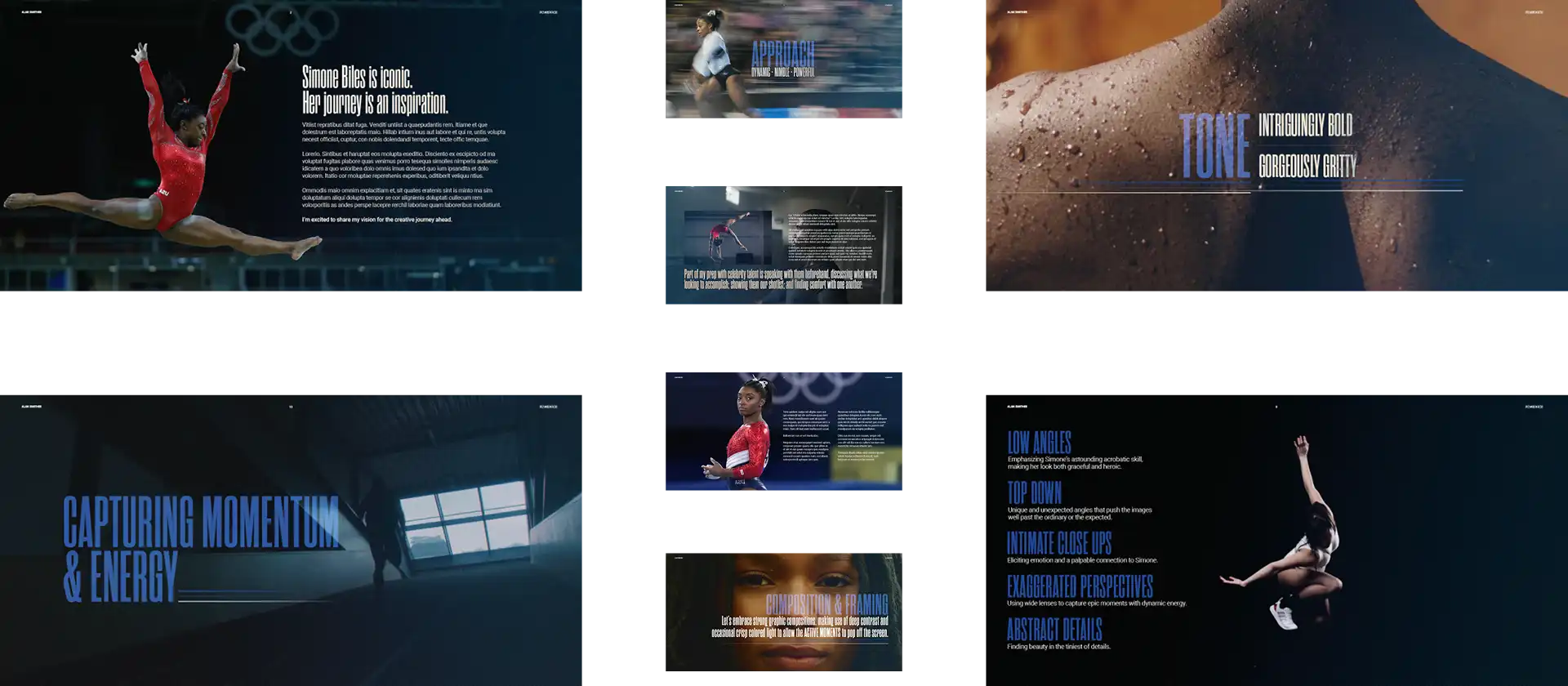
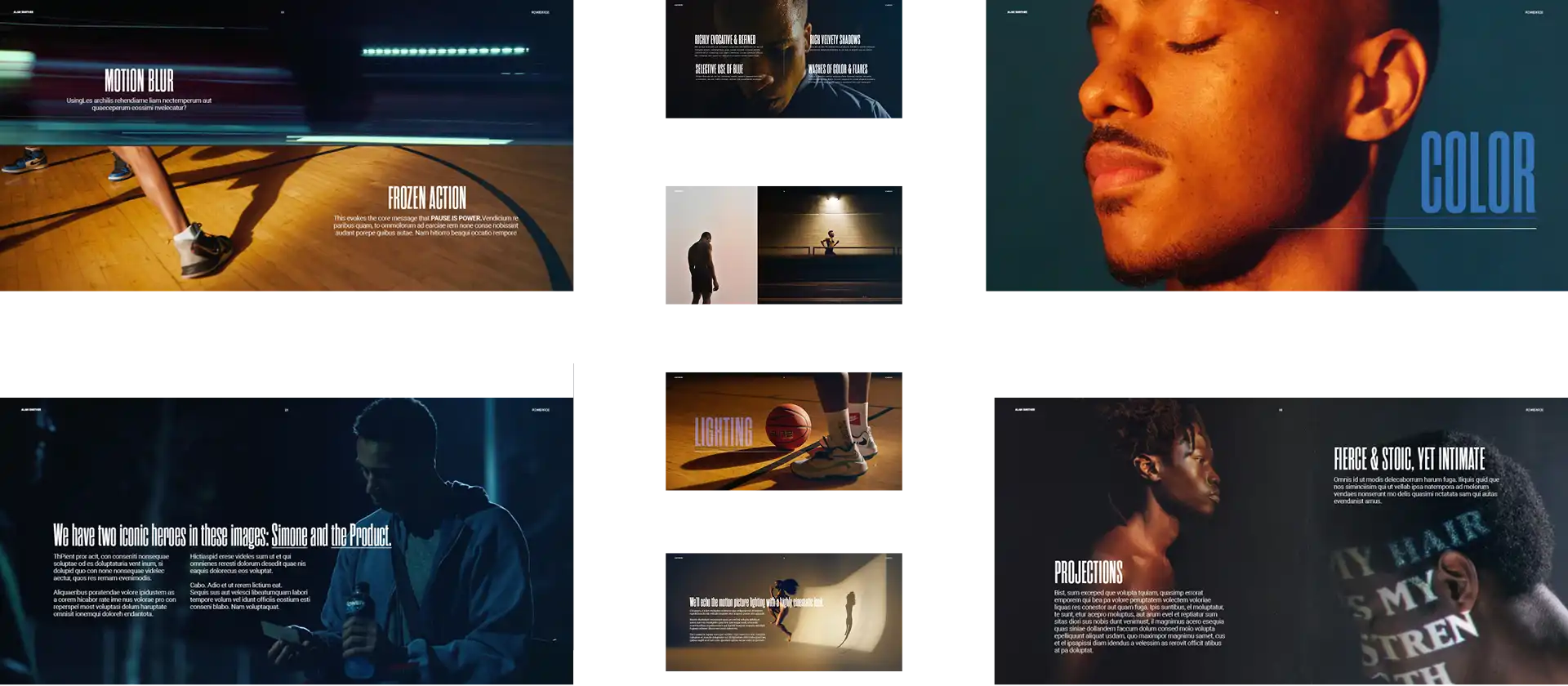
Visual elements play a crucial role in captivating audiences and bringing stories to life on the big screen. Movie script treatments often incorporate visual examples to convey the director’s vision and creative concepts. These examples can include vivid descriptions of key scenes, character designs, storyboards, or even concept art.
For instance, a treatment for an action-packed superhero film might include detailed descriptions of intense fight sequences with dynamic visuals. It could also feature concept art showcasing the hero’s sleek costume design or storyboard panels illustrating the climactic battle scene.
Unique Approaches Examined
In addition to engaging visual examples, movie script treatments may explore unique approaches that set the project apart from others. This could involve experimenting with unconventional storytelling techniques, innovative camera angles, or distinct visual styles.
For example, a treatment for a psychological thriller might outline a nonlinear narrative structure that keeps viewers guessing until the very end. It could propose using distorted camera angles and eerie lighting to create an unsettling atmosphere throughout the film.
Classic Films Revisited
When examining movie script treatment examples, it can be insightful to revisit classic films that have left an indelible mark on cinema history. Analyzing treatments from renowned movies allows aspiring filmmakers to understand how these iconic stories were initially conceptualized and brought to life.
Take “The Godfather” as an example. The treatment for this legendary film might delve into its compelling themes of power and family loyalty while highlighting specific scenes that showcase its distinctive visual style. By studying such treatments, budding filmmakers can gain inspiration and learn valuable storytelling techniques from these timeless classics.
Practical Application of Movie Script Treatment Examples
Crafting Engaging Pitch Decks
Crafting an engaging pitch deck is an essential part of the movie script treatment process. A pitch deck is a visual presentation that provides an overview of the movie concept and its potential appeal to investors or producers. It should be concise, captivating, and highlight the unique aspects of the story.
To create an effective pitch deck, it’s important to include key elements such as a compelling logline, a brief synopsis, character descriptions, and visual references. The logline should succinctly convey the core idea of the movie in one or two sentences. The synopsis should provide a brief summary of the plot without giving away too much detail.
Including well-developed character descriptions helps investors understand the depth and complexity of the story’s protagonists and antagonists. Visual references such as concept art or mood boards can further enhance the pitch deck by giving a glimpse into the visual style and atmosphere of the film.
Formatting Guidelines for Movie Script Treatment Examples
There are some guidelines to keep in mind. Treatments should typically be written in present tense and use active voice to create a sense of immediacy and engagement. Using clear headings and subheadings can help organize information and make it easier to navigate.
Treatments should be formatted with consistent font styles, sizes, and spacing for readability. Including page numbers can also be helpful when referencing specific sections or scenes within the treatment.
Length Considerations for Treatment Types
Different types of treatments may vary in length depending on their purpose. For example, a short treatment may range from one to three pages and provide a concise overview of the story’s main beats. On the other hand, a detailed treatment could span anywhere from ten to twenty pages or more, delving into greater detail about each scene and character development.
The length of a treatment often depends on factors such as genre complexity, narrative scope, and the intended audience. It is important to strike a balance between providing enough information to convey the story effectively while avoiding excessive detail that may overwhelm readers.
Pitfalls and Best Practices in Making Movie Script Treatment Examples
Avoiding Common Errors
When crafting a movie script treatment, it is important to be aware of common errors that can hinder its effectiveness. One common pitfall is providing too much unnecessary detail in the treatment. It’s crucial to strike a balance between giving enough information to convey the story and leaving room for interpretation by the reader or potential investors.
Another mistake to avoid is neglecting character development. Characters are the heart of any story, and without well-developed characters, the treatment may fall flat. Ensure that each character has clear goals, motivations, and conflicts that drive their actions throughout the script.
It’s essential to avoid excessive exposition in the treatment. Instead of telling everything upfront, focus on showing key moments and allowing the reader to piece together the story naturally. This approach creates intrigue and engages readers more effectively.
Reasons to Invest Time in Development
Investing time in developing a movie script treatment has several benefits. Firstly, it allows writers to refine their ideas and ensure they have a solid foundation before diving into writing the full screenplay. By fleshing out the treatment first, writers can identify any plot holes or weak points in advance and make necessary revisions.
Furthermore, a well-crafted treatment serves as a valuable tool for pitching your film idea to producers or investors. It provides them with a concise overview of your story’s concept, characters, and themes while showcasing your storytelling skills.
Lastly, dedicating time to developing a treatment helps streamline the screenwriting process. With a clear roadmap outlined in the treatment, writers can navigate through different acts and scenes more efficiently when writing their screenplay.
Crafting with Perplexity and Burstiness in Mind
Crafting a movie treatment example PDF with perplexity means incorporating elements of surprise or unexpected twists that keep readers engaged throughout. Introducing unique plot devices or unconventional narrative structures can add an element of intrigue that sets your script apart from others.
Burstiness, on the other hand, refers to creating moments of intensity or high emotional impact within the treatment. These moments can evoke strong reactions from readers and help them connect with the story on a deeper level.
By incorporating perplexity and burstiness into your treatment, you can create a compelling narrative that captivates readers and leaves a lasting impression. However, it’s important to strike a balance and ensure that these elements serve the story rather than becoming gimmicks.
Conclusion
In conclusion, understanding film treatments is crucial for aspiring screenwriters and filmmakers. The key elements discussed in this article, such as the logline, synopsis, and character descriptions, provide a solid foundation for crafting a compelling script treatment template. By utilizing visual and creative treatment format, filmmakers can effectively convey their vision to potential investors and collaborators. However, it is important to be aware of the practical application of treatments and avoid common pitfalls. By following best practices and continuously refining their craft, writers can increase their chances of success in the competitive world of filmmaking.
To further develop your skills in film treatments, consider studying successful screenplay treatment template from established filmmakers and screenwriters. Explore different genres and styles to broaden your understanding of what makes a treatment engaging and marketable. Seek feedback from industry professionals or join writing communities to gain valuable insights and perspectives. Remember that honing your craft takes time and dedication, so keep practicing and never stop learning.