Key Elements of a Film Treatment
A script treatment is an essential tool in the film industry, providing a concise yet comprehensive overview of a screenplay. It consists of several key elements, such as a film treatment template, that help convey the essence of the story to potential readers and investors. By using film treatment examples, filmmakers can effectively communicate their vision and attract interest from those who may support their project. These elements include a logline, synopsis, character descriptions, and a plot outline. The logline is a brief summary that captures the central conflict and main characters in one or two sentences. The synopsis provides a more detailed summary of the story, highlighting its key moments and plot twists. Character descriptions introduce the main players in the narrative, giving readers an understanding of their motivations and personalities. Lastly, the plot outline outlines the major events and structure of the story.
To make a script treatment engaging for readers, it’s important to incorporate visual storytelling elements throughout. While it may not delve into every scene or dialogue exchange like a full screenplay does, it should still evoke vivid imagery through descriptive language and compelling storytelling techniques. By painting a clear picture in readers’ minds with carefully chosen details, you can capture their attention and ignite their imagination.
Balancing brevity and detail is crucial when crafting a script treatment. While you want to provide enough information to give readers a sense of your story’s unique qualities, you also need to keep it concise enough to maintain their interest. Strive for clarity in your writing by using straightforward language without excessive embellishments or unnecessary details.
Length and Structure Explained
The recommended length for a script treatment typically falls between 5 to 15 pages. However, this can vary depending on factors such as genre and complexity of the story being told. For instance, treatments for action-packed blockbusters may require more pages to adequately convey thrilling sequences and intricate plotlines compared to treatments for intimate dramas.
Structuring your script treatment into sections or acts can help organize your ideas effectively. This allows readers to navigate through different parts of the treatment easily and understand the progression of the story. Consider dividing your treatment into acts or sections that correspond to major turning points or plot developments within your screenplay.
It’s important to adapt the length of your script treatment based on the specific requirements of each project. Some producers or industry professionals may request shorter treatments, while others may prefer more detailed outlines. Being flexible and open to adjusting the length can demonstrate your ability to tailor your work to different needs and showcase your storytelling skills.
Formatting and Layout Guidelines
Adhering to standard rules is essential for professionalism and readability. Use a legible font such as Arial or Times New Roman, with a font size between 10 and 12 points.
Crafting Your Script Treatment
Crafting a compelling script treatment is essential for capturing the attention of readers and potential producers.
Writing a Compelling Logline
A logline is a concise one-sentence summary that hooks readers’ interest and provides a glimpse into the heart of your story. When crafting your logline, it’s important to highlight the unique aspects of your story or characters that make it stand out. This can be achieved by focusing on the central conflict, intriguing premise, or captivating character dynamics.
By creating intrigue without giving away too much information, you pique the curiosity of readers and leave them wanting to know more. A well-crafted logline acts as a powerful tool in grabbing attention and generating interest in your script treatment.
Establishing Setting and Tone
The setting and tone play crucial roles in immersing readers into the world of your story. Describing the time period, location, and atmosphere helps create a vivid backdrop against which events unfold. By using evocative language choices, you can effectively convey mood and enhance reader engagement.
It’s important to align the setting and tone with genre expectations. For example, if you are writing a thriller, you might want to establish an ominous or suspenseful tone through atmospheric descriptions. On the other hand, if you are working on a romantic comedy, incorporating light-hearted or whimsical elements into the setting can help set the right tone for your story.
Developing Characters and Plot
Well-developed characters are at the heart of any engaging narrative. When crafting your script treatment, focus on creating characters that feel real and relatable to readers. Give them clear goals, conflicts, strengths, and flaws that drive their actions throughout the story.
Weaving character arcs into the overall plot structure adds depth and complexity to your script treatment. Ensure that character motivations are strong and consistent, as they will serve as the driving force behind the narrative. A compelling plot is one where the actions and decisions of the characters have consequences and propel the story forward.
By carefully considering these elements – writing a compelling logline, establishing setting and tone, and developing characters and plot – you can create a script treatment that captivates readers and showcases the potential of your story.
Step-by-Step Guide to Writing a Film Treatment
Crafting a compelling film treatment involves several key steps that bring your story to life.
Outlining the Plot: Act by Act
To begin, break down your story into three acts: setup, confrontation, and resolution. The setup introduces the characters and their world while establishing the central conflict. In the confrontation act, tension builds as obstacles arise for the protagonist. Finally, in the resolution act, conflicts are resolved and loose ends are tied up.
Within each act, map out major plot points that drive the story forward. These can include pivotal moments such as inciting incidents, turning points, and climactic scenes. By carefully considering these plot points, you can maintain pacing throughout your script treatment.
It’s important to strike a balance between action and character development in each act. While action propels the story forward, well-developed characters engage readers on an emotional level.
Setting the Tone for Your Film
An effective film treatment evokes specific emotions from its readers through descriptive language. Consider how you want your audience to feel while experiencing your film – whether it’s excitement, suspense, or laughter.
Showcasing tonal shifts throughout your script treatment adds depth and complexity to your story. This allows readers to experience a range of emotions as they journey through different scenes and moments in your film.
When setting the tone for your film treatment, it is crucial to align it with both your intended audience and genre. For example, if you’re writing a romantic comedy targeted towards young adults, incorporating humor and light-heartedness would be essential.
Editing and Polishing Details
Once you have outlined your plot and set the tone for your film treatment, it’s time to review and refine your work. Start by examining the treatment for clarity, coherence, and consistency. Ensure that the story flows smoothly from one scene to another, keeping readers engaged throughout.
During the editing process, eliminate any unnecessary details or subplots that may distract from the main story. Focus on refining the language to enhance readability and engagement. Consider how each sentence contributes to the overall impact of your script treatment.
Polishing details also involves paying attention to grammar, punctuation, and formatting. A well-edited script treatment demonstrates professionalism and attention to detail.
By following these steps – outlining the plot act by act, setting the tone for your film, and editing and polishing details – you can create a compelling script treatment that captivates readers and sets the stage for an exceptional film.
The Role of Film Treatments in Scriptwriting
A crucial step in the development process is creating a film treatment. A film treatment serves as a blueprint for your story, providing a detailed overview that helps guide the production team and potential investors.
Importance of a Detailed Treatment
A detailed treatment plays a vital role in scriptwriting by showcasing your understanding of the story’s structure and themes. It provides an opportunity to demonstrate how each element fits together cohesively. By outlining important plot points, character arcs, and thematic elements, you can showcase the potential of your story to producers, directors, and investors.
A well-crafted treatment helps visualize the film’s potential. Through concise descriptions of key scenes and moments, you can paint a vivid picture that captures the imagination of those involved in the project. This visualization aids in garnering interest and support for your script during pre-production and production stages.
Film Treatment vs. Screenplay
It is essential to understand the distinctions between film treatments and screenplays. While both are integral parts of scriptwriting, they serve different purposes. Treatments focus on storytelling aspects such as plot progression and character development without delving into detailed dialogue or scene descriptions.
On the other hand, screenplays provide an intricate breakdown of each scene with precise dialogue instructions. They serve as blueprints for directors and actors during filming. Treatments are often used as selling tools before developing a full screenplay since they offer an engaging summary that captures attention quickly.
Why Write a Script Treatment?
Writing a script treatment offers several advantages in the development process. Firstly, it allows you to test out ideas before committing to writing an entire screenplay. This streamlined approach saves time by exploring different narrative possibilities without investing extensive effort into a full script.
Moreover, a well-crafted treatment can attract potential collaborators or investors. Its concise and engaging nature appeals to individuals who may not have the time or inclination to read an entire screenplay. A compelling treatment can generate interest in your project and open doors for further discussions and opportunities.
Lastly, writing a script treatment helps clarify your vision for the film. By distilling the essence of your story into its core elements, you gain a deeper understanding of its strengths and weaknesses. This clarity provides a solid foundation upon which to build your complete script, ensuring that it aligns with your original vision.
Creating an Engaging Film Treatment Pitch
Examples of Effective Treatments
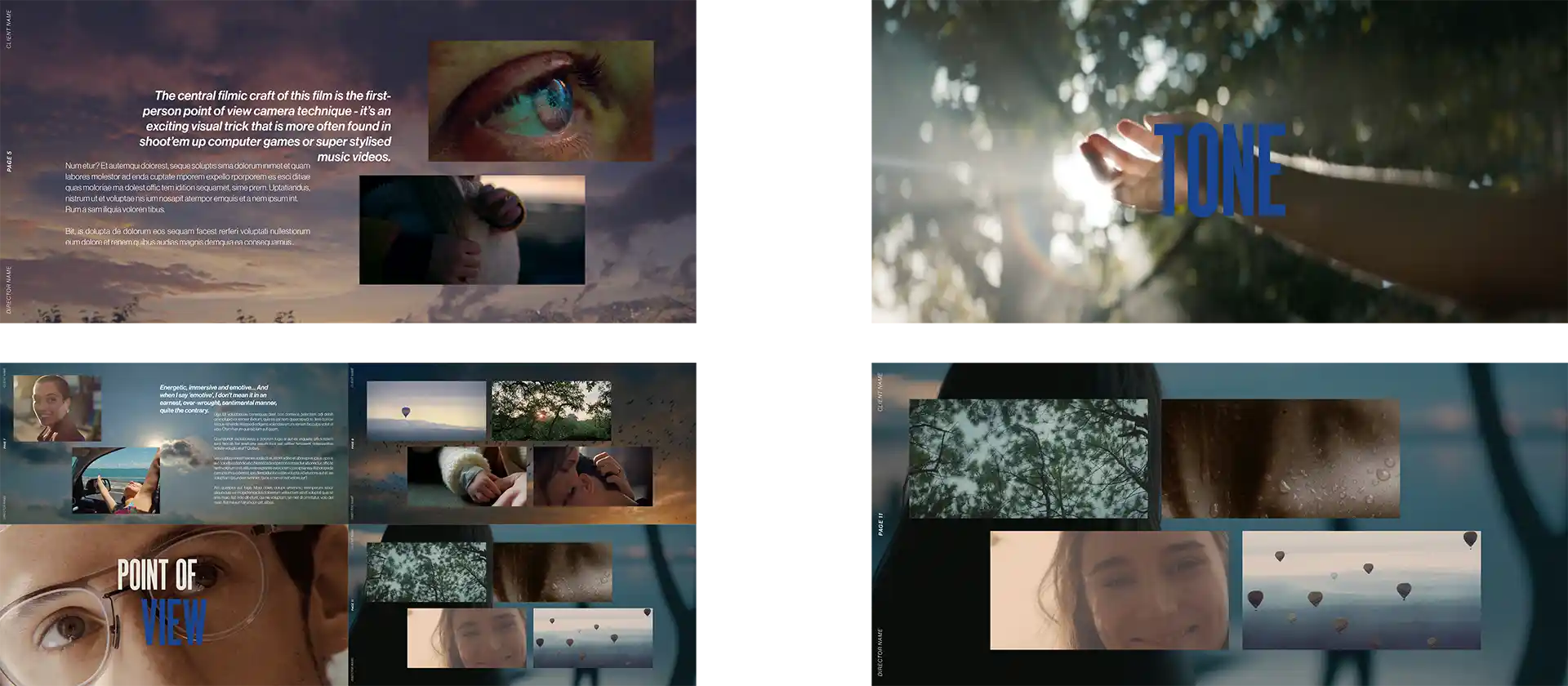
Crafting an engaging pitch deck is essential in capturing the interest of potential investors, production companies, and entertainment professionals. A visually appealing presentation accompanying your treatment can greatly enhance its effectiveness.
Including key visuals such as concept art or mood boards helps bring your story to life visually. These visual elements provide a glimpse into the world you have created, allowing your audience to visualize the potential on-screen magic. Incorporating concise information about the story itself—such as its target audience, marketability, and unique selling points—can help convince industry professionals of its commercial viability.
When creating your pitch deck, keep in mind that simplicity is key. Avoid overwhelming your audience with too much information or cluttered visuals. Instead, focus on presenting clear and concise details that highlight what makes your project stand out.
Remember that a well-crafted pitch deck not only showcases your storytelling skills but also demonstrates your understanding of the marketability and commercial potential of your project.
Script Treatment Format Examples
- Sample film treatment format
- Script treatment template
- Writers Treatment
- Movie script treatment examples
- Treatment format
What to Avoid in Your Film Treatment
Common Mistakes and Omissions
One frequent mistake is including excessive exposition or unnecessary backstory. While it’s important to provide context for your story, overloading your treatment with too much information can overwhelm readers and detract from the main plot. Instead, focus on concise storytelling that highlights the essential elements of your narrative.
Another common error is omitting crucial plot points from your treatment. A well-crafted film treatment should include all the necessary beats and turning points that drive the story forward. Leaving out vital details can leave readers confused or uninterested in your project. Be sure to carefully outline each significant event or development in your script treatment.
To avoid overwhelming readers with an abundance of information, strive for balance in your script treatment format. While it’s essential to include all key plot points, be mindful not to overload your treatment with unnecessary details or subplots that distract from the main story arc. Keep the focus on what truly matters and ensure that every element serves a purpose in advancing the narrative.
To summarize, when crafting a film treatment, avoid excessive exposition or unnecessary backstory while maintaining concise storytelling. Include all crucial plot points without overwhelming readers with extraneous details or subplots. Pay attention to formatting and presentation for optimal readability.
Conclusion
Congratulations! You’ve reached the end of this comprehensive guide on script treatment format. By now, you have gained a deep understanding of how to craft an engaging film treatment and the crucial role it plays in scriptwriting. Armed with this knowledge, you are ready to take your storytelling skills to new heights.
Now that you know how to create a compelling film treatment, it’s time to put your ideas into action. Start by outlining your story, fleshing out your characters, and crafting a captivating narrative arc. Remember to focus on the strengths of your concept and highlight what makes it unique. With dedication and perseverance, you can bring your vision to life and captivate audiences with your screenplay.
So go ahead, grab that pen or fire up your writing software, and embark on this exciting journey of scriptwriting. Your stories deserve to be told, and the world is waiting for them. Happy writing!
What is a script treatment?
A script treatment is a concise document that outlines the key elements of your screenplay. It provides an overview of the story, characters, and major plot points, serving as a blueprint for the final script.
How should I format a script treatment?
The script treatment should be formatted in a professional and easy-to-read manner. Use standard screenplay formatting, including the use of Courier font, 12-point size, and one-inch margins. Divide the treatment into sections like “Title,” “Logline,” “Synopsis,” and “Characters.” Be concise and focus on the key elements of your story.
What is the purpose of a script treatment?
A script treatment serves as a concise overview of your screenplay. It provides an outline of the story, including key plot points, character descriptions, and major themes. The purpose is to give potential readers or producers a clear understanding of your screenplay’s concept and narrative structure.
How long should a script treatment be?
A script treatment should typically be around 2-10 pages in length. It needs to convey enough information to capture the essence of your story without being overly detailed. Aim for brevity while still providing a comprehensive overview that highlights the main plot points and character arcs.
Can I include dialogue in my script treatment?
While it’s not necessary to include extensive dialogue in a script treatment, you can incorporate brief snippets if they are crucial for conveying important character traits or essential plot developments. However, remember that the primary focus should be on summarizing the overall story rather than delving into specific dialogue exchanges.
Should I include visuals or scene descriptions in my script treatment?
Including visuals or scene descriptions in your script treatment is optional but can be beneficial when they significantly contribute to understanding your story’s visual style or unique settings. Keep them concise yet vivid, providing enough detail to evoke imagery without overwhelming readers with unnecessary specifics.
How long should a script treatment be?
There is no strict rule regarding length, but it’s generally recommended to keep it between 5 to 15 pages. Remember, brevity is key in capturing the essence of your story.
What format should a script treatment follow?
While there isn’t a standardized format for treatments, it’s advisable to use industry-standard screenplay formatting guidelines. This includes using Courier font, double-spacing lines, and aligning dialogue correctly.
What content should be included in a script treatment?
Your treatment should include an engaging logline or summary of your story, character descriptions with their goals and motivations, major plot points, and key scenes that highlight the narrative arc.
Are there any industry standards for script treatments?
Although there aren’t strict industry-wide standards for treatments like there are for screenplays, it’s essential to make your treatment clear and easy to read. Stick to established screenplay formatting conventions to ensure consistency.