- Learn the importance of using your examples of treatment in the process of pitching your film, TV, or advertising idea to others.
- Strategies in writing a screenplay or selling in and honing your director’s treatment as the first step.
- Learn how to tailor your film pitch deck example and hone your ideas through the lens of audience, demographics, and brand message to become more successful.
- Become confident as a screenwriter or filmmaker in your unique perspective and experiences and learn to use these strengths.
- How to harness rejection into success.
Director’s Treatments and Their Importance
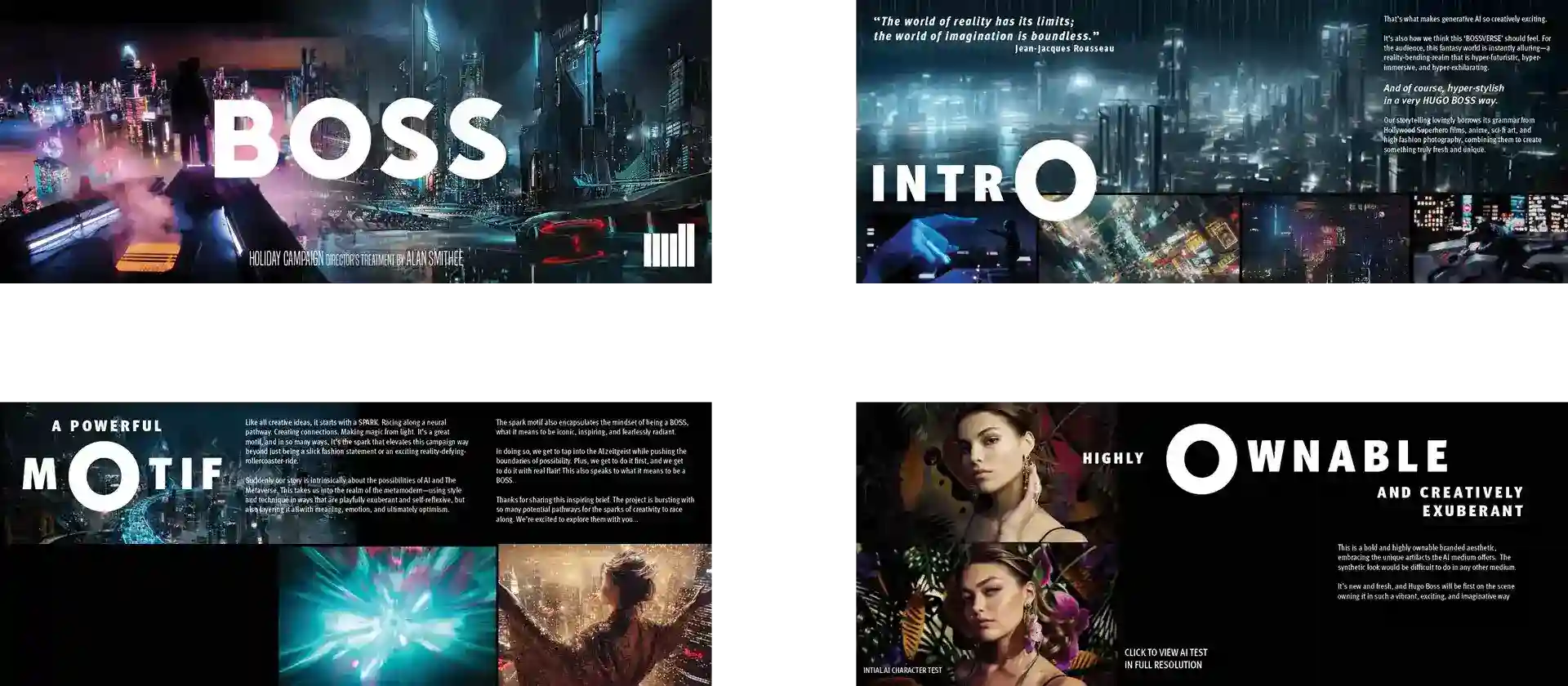
A director’s treatment is a well-defined, written pitch that describes a creative vision for a film, TV show, or commercial. It’s not the script; it’s something to send to producers, clients, or creative teams to show them how it might look and feel. Treatments are crucial in the business as they monetize the space between a vague concept and a fully fledged script.
Explore Various Uses for Examples of Treatment
A film directors treatment example PDF can satisfy a lot of requirements. Directors leverage them as sales collateral to follow up on pitch calls and articulate their vision for a spot or campaign. A treatment is a planning document, providing an overview that can be circulated to teams who have not yet seen a script.
In competitive industries like advertising or film, showing up to a pitch meeting with a treatment can make your project shine and win you the job. They will say that they have never lost a job because they brought a treatment, but they have seen jobs lost when one was absent.
Wordsmiths employ examples of treatment to identify holes in their concepts. When a filmmaker writes a treatment before tackling a screenplay, it aids them in uncovering significant issues with the story before beginning. It’s easier to get feedback from others at this stage, too, because the treatment is a malleable document that can be modified at little cost.
The treatment’s length varies: some projects need just ten pages, while others, especially big campaigns, run 25 to 30 pages. The appropriate length is precisely what best articulates the vision.
Write Examples of Treatment Before the Screenplay
Putting together a directors treatment example PDF early in the process allows creators to visualize the story’s structure. It’s an opportunity to hole-check a concept before investing energy in a full script. For instance, a director may map out the beats, tone, and visual style in a 5-page TV pitch deck template and then distribute it to producers for comment.
A film or TV treatment is more than just a document; it’s a shareable vision and suddenly everyone can discuss the idea with a clear understanding of what you’re talking about. A lot of pros begin by taking inspiration from previous successful examples of treatment and then modifying and constructing from there.
Make Visuals Bring a Director’s Treatment Alive
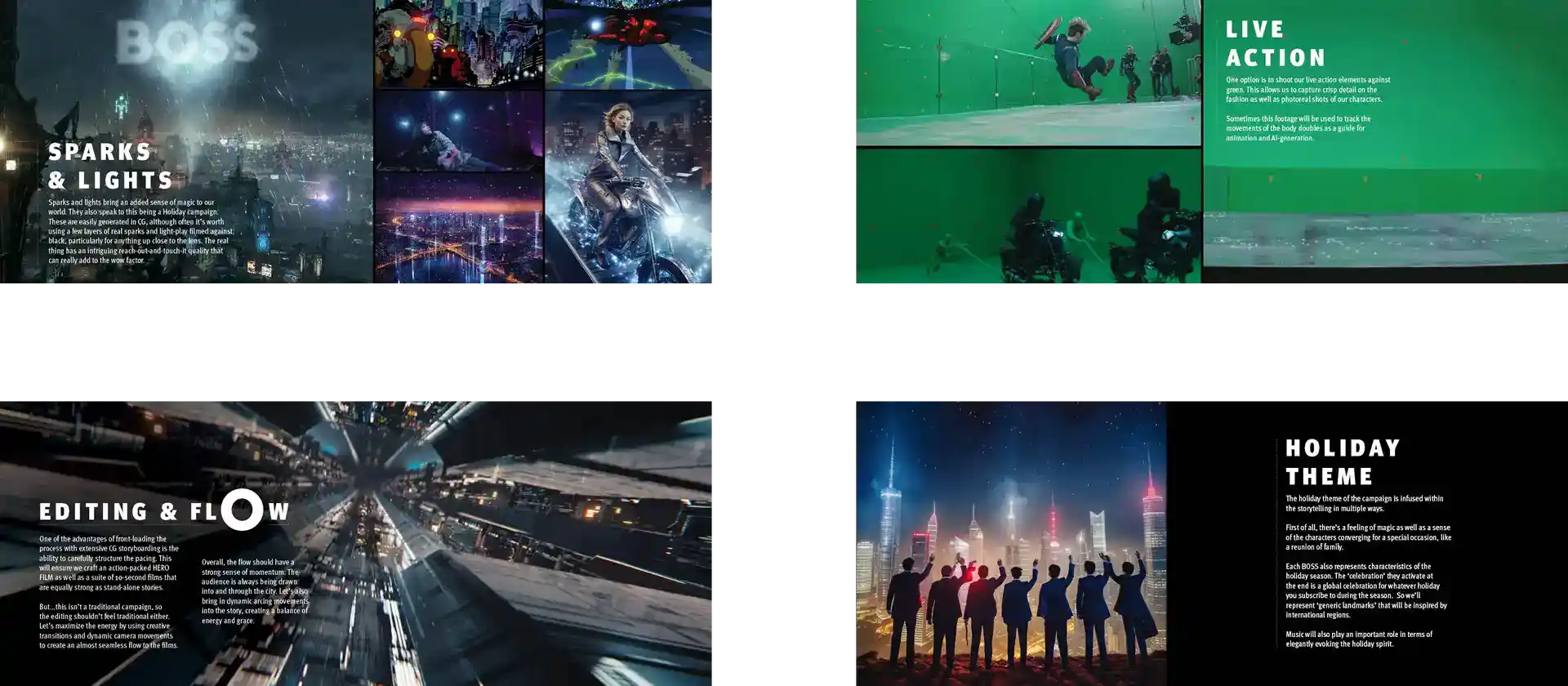
Visuals are essential for rhythmically popping a treatment. Storyboards, color palettes, and sample frames all aid the reader in visualizing the end result. A director pitching a commercial could incorporate mood boards and sample shots to demonstrate how the ad will appear.
These visuals do more than just decorate; they assist in illustrating tone, pacing, and style. In TV and film, sprinkling in key frames or photo references can help the team feel the vision and make the treatment more persuasive.
Tailoring Your Examples of Treatment to Your Audience
Knowing your audience is the foundation of any robust treatment. All great storytelling relies on this, be it when pitching to executive producers, investors, or future distributors. Connected treatment writing examples of treatment begin by inquiring who will see the movie and what it means to them.
Albert Einstein frequently simplified physics for non-scientists. This identical transparency counts here. As a psychology professor once commented, “You gotta know your audience to speak well.” A treatment that omits this step, like its counterpart that lingers on it, risks missing both funding and viewers.
Every detail you provide should assist the story in resonating with that specific group.
Demographics and Audience Appeal
Demographics drive top-level decisions. Producers and investors always verify whether a project matches the tastes and habits of a target group, whether that be age, culture or social trends. A coming of age drama could resonate most with young adults, whereas a historical epic would have to be tailored to attract an older or history buff audience.
Treatments that emphasize this fit by demonstrating how characters, themes or style appeal to a specific audience shine. If you can demonstrate that your story resonates with a broad or niche market, you provide decision-makers a reason to believe in your project’s commercial appeal.
It’s not about guessing; it’s about using research and real audience feedback to inform your story’s treatment.
Broad Yet Appealing Storylines and Characters
Stories require reach and depth. Accessibility refers to both how easy the themes are to understand and how much the situations resonate with people. At the same time, the characters have to be compelling enough to attract those who hunger for complexity.
A family film might use accessible language and universal themes, like belonging or courage, so it translates across borders. Tossing in small, accessible details makes characters come alive as individuals. This equilibrium is crucial in therapies.
If the story seems too niche, investors will fear it won’t sell. If it is too bland, it disappears from memory. There’s nothing like a good story to generate optimism and confidence, lend credibility, connect audiences, and get the policymakers’ attention.
The Personalization Factor: Examples of Treatment
Your director’s treatment impresses because it examines your story’s plotline, character development, and conflict resolution from your unique perspective. Instead of a cookie cutter approach, this way it stands apart is isn’t overlooked by an executive producer.
Distributors and backers want to see that the film serves more than the creator’s vision. The treatment must leave no doubt that the story is intended for a broad, not-private use. Connect with your audience where they are, not where you wish they were. If people don’t see themselves in the story or find a pinhead of their life in the plot, the treatment will crash and burn.
Plain, straightforward language assists, particularly when things become intricate. Dialog, not monolog within the story structure can draw viewers in and maintain their interest. Einstein’s approach to simplifying difficult concepts is a helpful guide.
Know Your Story’s Unique Elements
All treatment needs to arise from an intimate understanding of the individual. Consider a filmmaker who incorporates their own experience to develop a movie—your treatment plan should be similar.
Reflect Your Style in Examples of Treatment
Examples of treatment work best when they show the story and style of the filmmaker. Personalization isn’t just about writing your own stories, it’s finding the right balance of combining your experience and what audiences want. Tailoring these two things provide a uniqueness that should be reflected in everyone one of your examples of treatment.
Don’t Take Rejection Personally
If you pitch examples of treatment, rejection is part of the game, whether you work in creative industries, education, or business. Most of us immediately associate rejection with our abilities or worth. This isn’t the whole story. It’s critical to deconstruct why rejection occurs and what insight can be gained.
Treat Each Pitch as Practice
Every pitch is a dress rehearsal. Take every opportunity to refine your elevator pitch, getting it crisp and clearer. If your treatment example doesn’t land, it doesn’t mean that it’s worthless. It frequently implies that flex room for innovation exists.
You might not know what the decision makers want initially. With every attempt, you develop ability and self-belief. Others go with a quick synopsis that makes the point in less than 60 seconds. Others would rehearse with friends or colleagues, seeking candid criticism prior to the actual presentation.
Over time, you become more skilled at reading the room and modulating your pitch style to the needs of different individuals.
Ask Direct Questions for Useful Insights
If your pitch is rejected, inquire about what failed. A more pointed question such as, ‘Was there something about the treatment that failed to align with your vision?’ can expose blind spots or fuzzy concepts. Don’t immediately defend your work. Listen more.
Sometimes, it’s style feedback, not substance feedback. Readers will want different emphasis, style, or even storytelling approach. Other times, it’s about timing or external factors playing a part. These responses save you from repeating the error.
Critically Reflect and Adjust
Don’t miss out on the opportunity to reimagine your examples post rejection. Take a step back and examine the evidence. Maybe the story wandered, or the examples of treatment overlooked things important to the other side. Emotions can fog your vision, so reality check your ideas.
Attempt to view it from other perspectives. Perhaps the choice was beyond you. Thinking this way helps you realize that your worth is not connected to a single result.
Mindfulness and self-awareness can help you identify where your thinking becomes negative. Jot down your reaction and then compare it with the response to find room to expand.
Conclusion: Examples of Treatment
Utilizing various external examples of treatment in film will help you understand visual and written tools for selling a core idea in the film industry. Analyzing other’s examples, writing spec outlines or scripts, and creating examples of your own treatments for these specs can help elevate your pitching game.
However, it’s important to both utilize your unique point-of-view while also thinking broadly about what appeals to people. Then shaping your story while combining these elements is a good way to get started. After all, it’s most important to sell your idea in this industry.
Finally, developing a thick skin and collaborative attitude will get you far. By having both, you can take rejection as a constructive criticism and having constant, rapid improvement in your filmmaking skills.
What are some common types of examples of treatment in film?
Examples of treatment in film are published on treatment professional’s portfolio or sometimes famous examples, like “Stranger Things” are widely available on film blogs. Learning from these can be invaluable in shaping your own.
Okay, a treatment is for the purpose of selling a film to studios or investors. It encapsulates the project in aprofessional and compelling manner.
Should a film treatment change during production?
Yes, a treatment can change. Filmmakers frequently revise the treatment as the narrative evolves, so it becomes a living document during the filmmaking journey.
What should I do if my film pitch is rejected?
Firstly, when your film pitch is rejected, it’s best to ask questions of the person rejecting it. Secondly, the best next step is to re-read and critically think about it’s audience appeal and demographics, weak and strong points. Finally, gaining feedback from other professionals provides outside perspective to retool and rewrite your pitch for chances of success.
Okay, a treatment is for the purpose of selling a film to studios or investors. It encapsulates the project in a professional and compelling manner.
Should a film treatment change during production?
Yes, a treatment can change. Filmmakers frequently revise the treatment as the narrative evolves, so it becomes a living document during the filmmaking journey.
Who uses film treatments?
Treatments are used by writers, directors, producers, and investors. Treatments aid in the clear communication of story ideas and steer creative direction during filmmaking.