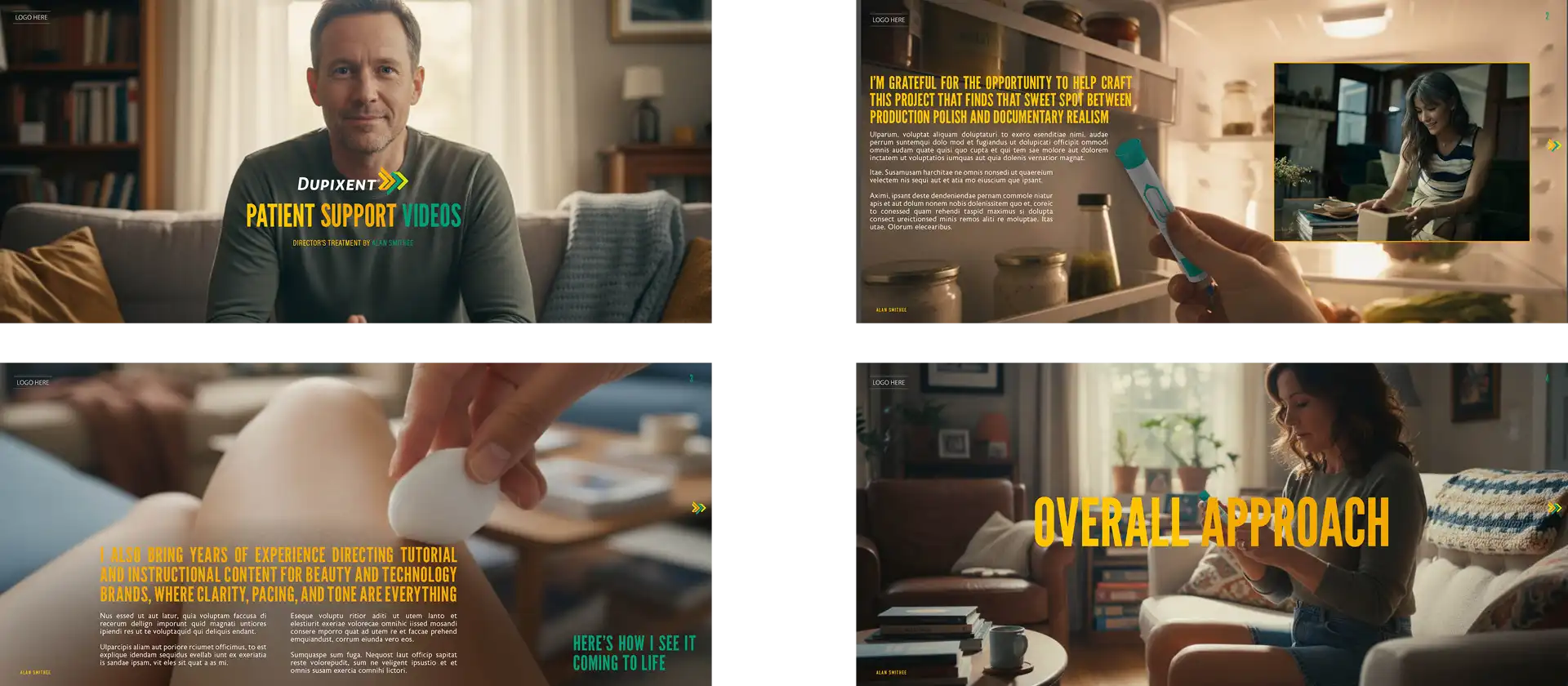
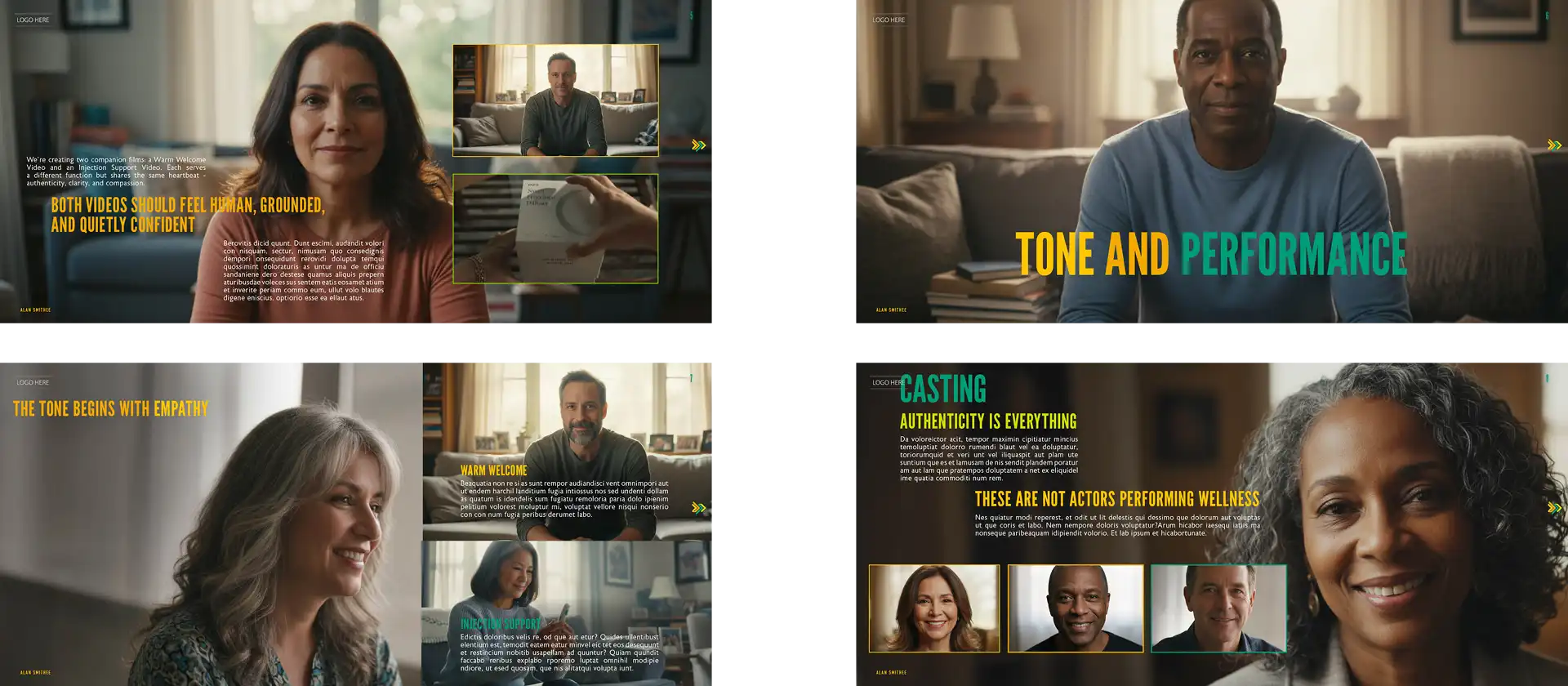
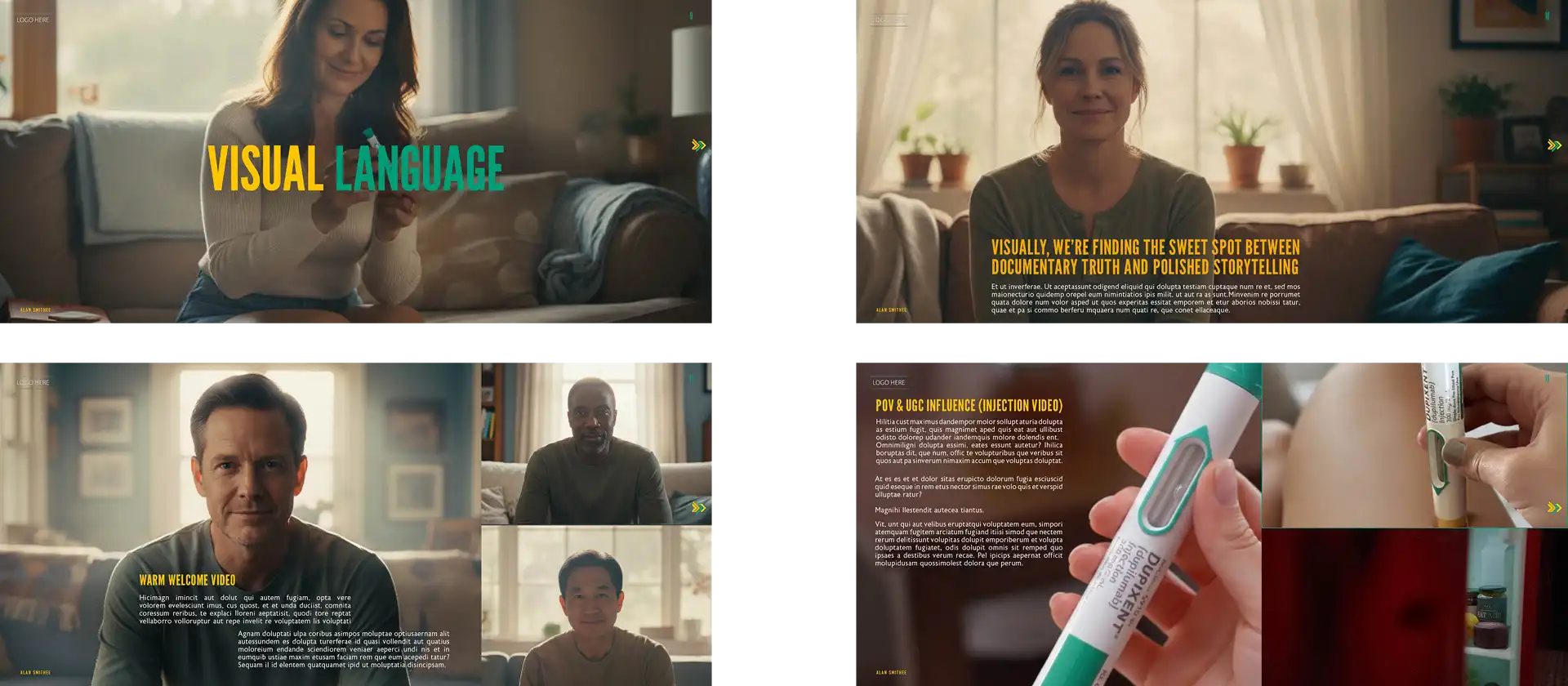
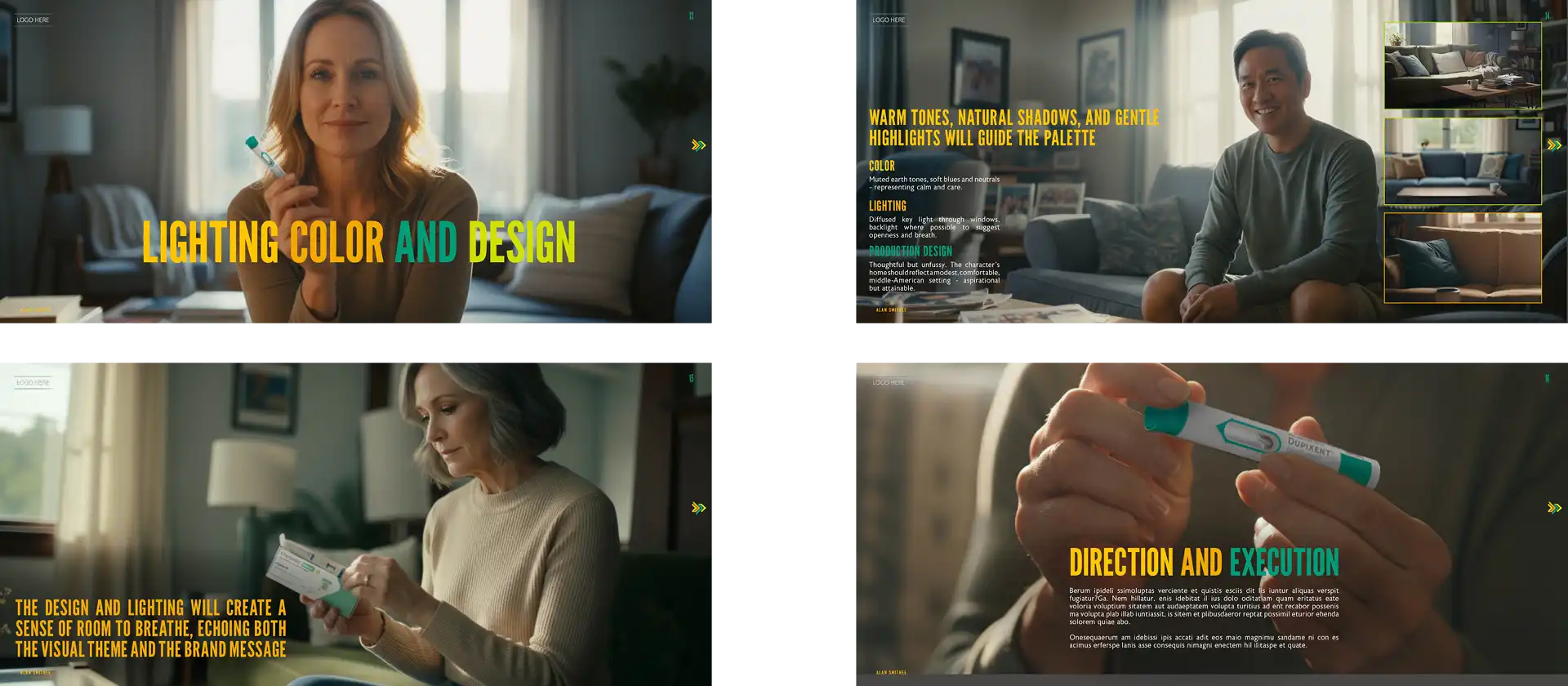
- A comprehensive documentary film treatment template includes essential components such as the title, logline, synopsis, characters, structure, visuals, audience, budget, timeline, and potential challenges. Each component serves a specific role in articulating the project’s vision and plan.
- Clarity and conciseness are key when writing each section of the example documentary treatment so that the documentary’s concept and goals are clear to anyone involved, from funders to collaborators.
- A good documentary treatment example is a production roadmap, describing narrative structure, character arcs, aesthetics and timelines to lead your team through every stage of the project.
- By combining journalistic rigor with narrative elements, we help make the complex understandable and emotional. This approach reaches a wide international audience.
- Clear budgets, feasible schedules, and ‘plan B’ strategies are crucial for earning trust and making the documentary a reality.
- A documentary treatment PDF should be fluid and continue to develop during production, embracing input and encouraging innovation to accommodate fresh insights while sustaining a cohesive perspective.
Deconstructing The Example Documentary Treatment
A documentary treatment is a brief, written description of the vision, structure, and key elements of the film. It is a blueprint for filmmakers, taking the project from idea to screen. Every part of the example documentary treatment informs the production, so clear and concise communication is key.
1. Example Documentary Treatment Title
The title is your first impression and it establishes the tone for the entire documentary. It must be brief, catchy, and capture the essence of the topic. For instance, if you’re shooting a documentary about urban farming called City Harvest, catchy titles assist viewers, producers, and funders to immediately understand the focus.
Search terms make it more findable.
2. The Logline
A logline is just one sentence that captures the heart of your documentary’s premise. About: Deconstructing The Treatment. For example, “A young teacher saves a failing school with music.” This provides readers with a flavor of where the story is going and what makes it unique, making it shareable and pitchable.
3. The Synopsis
The example documentary treatment gives a short yet detailed description of the plot and themes. It spells out the conflict, stakes, and probable resolution. In just a couple of paragraphs, the synopsis explains what happens, why it is important, and who it is about while leaving enough mystery to generate interest.
For example, for a movie on climate change, your synopsis might describe a community that tries to rebuild after a natural disaster with an emphasis on both hardship and optimism.
4. The Characters
Important characters propel the plot and bring viewers into the tale. The treatment opens by introducing each of the principal characters, describing their background, objectives and significance. Their distinctive characteristics — a scientist’s obsession, an activist’s toughness — should resonate as real.
These specifics let audiences know who they’re listening to and why these individuals are important to the subject.
5. The Structure
The structure describes how the story will play out. This encompasses acts or chapters, tempo and major pivots. For instance, a three act structure might begin with the problem, transition to rising action and conclude with resolution.
Sketching the arc guarantees that the movie’s ideas and goals are fulfilled and that audiences don’t get bored during the plot twists.
6. The Visuals
Visual style backs the story and emotional volume. The example documentary treatment talks about decisions such as handheld camera, interviews, or archival footage. For instance, black-and-white footage would create nostalgia and animation could explain complicated issues.
Visual consistency makes the film feel cohesive, keeping us immersed.
7. The Audience
Knowing who your audience is informs every element of the treatment. That means age, interests, and viewing habits. For a youth activism documentary, the viewers could be young adults who consume content on streaming services.
Customizing the example documentary treatment for this audience by leveraging timely subjects and channels increases resonance and effectiveness.
Fusing Fact With Feeling in Documentary
What it means to bring fact and feeling together in a documentary treatment is remaining faithful to the crux of what happened, while making the story resonate on a human level. A powerful treatment strikes the perfect blend by presenting the facts in straightforward, plain language and then interspersing scenes that make the audience feel for the characters behind the statistics.
Here’s the secret. We verify each fact and quote before it goes into the script. Facts by themselves can be arid, so the treatment must demonstrate the significance of these facts. To do this, the author employs tiny, real-world moments—perhaps a child’s commute to a flooded school or a farmer’s hand in parched dirt—to bring the issue to life.
Using Flaws in Storytelling to Enhance Documentary
These specifics assist your audience in visualizing the macrocosm through a microcosm, rendering the topic less conceptual and more tangible. Narrating something that people care about means using concrete, uncluttered scenes and presenting genuine characters.
Even working through tough or boring stuff can be rendered more open once you find the right voice. Instead of an endless number of talking heads, a example documentary treatment can focus on a handful of compelling characters and let their narratives drive the movie. For example, a health documentary might shadow a single nurse during a difficult evening, blending both her reality and her emotions.
With this magic trick, you turn broad issues into real-world decisions and conflict, which makes the movie more watchable for audiences anywhere. Personal stories are what fuse fact with feeling. By concentrating on an individual or small group, a treatment enables the audience to relate to broader issues through a familiar face.
It’s not about hard selling your thoughts, but allowing genuine moments to tell the narrative. Best of all, they allow us to see enough to speculate while still being touched.
The Director’s Imprint and Their Vision
There’s the director’s imprint on the entire look and feel of a documentary treatment. It’s about more than camera shots or an editing style. The concepts, atmosphere, and momentum of the movie originate from the director’s personal expression. When viewing a example of a documentary treatment, the director’s vision should shine through.
For instance, a few directors will employ a tranquil slow pace to demonstrate the profundity of a narrative, while others will use fast cuts and close-ups to immerse the viewer in the moment. The decision to use handheld camera work or fixed tripods or to shoot in color or black-and-white all emerge from the director’s vision of the world and the story. Each decision crafts the audience’s emotions and impressions long after the movie concludes.
The Confluence of Inspiration of Documentary Storytelling
The director’s imprint influences their storytelling. A lot of directors mine their own lives or previous material. A city kid might lean on street-level shots and the sounds of the city, whereas a small-town kid might emphasize quiet spaces and tight-knit bonds.
A treatment has to demonstrate the director’s objectives without forgetting the narrative. Everything in the treatment, from the opening scene to the final fade out, should align with what the director wants the audience to experience or reflect on.
If the director strives for hope, the treatment closes on images or voices that inspire the listener. If the goal is to provoke controversy, the direction might employ aggressive edits or unexpected observations. Each decision in the example documentary treatment should support the director’s primary objective, keeping the movie faithful to their vision.
The Unspoken Pitch in your Example Documentary Treatment
A example documentary treatment has to demonstrate its value in an unforced manner. You want to make the reader or stakeholder experience the worth of the project, witness the significance of the story, and feel the attention put into every phase. Good treatments rely on the potency of the story and its anecdotal impact.
The author has to link the work to problems or happenings that concern people today and arouse both intellect and emotion. This type of pitch promotes curiosity, empathy, and connection with the topic, all without hype. That equilibrium is what frequently advances the project.
The Budget
- Equipment: Cameras, sound gear, lighting, storage media, backup
- Crew: Director, producer, camera operator, sound recorder, editor, support staff
- Locations: Permits, travel, lodging, local guides, insurance
- Post-production: Editing suite, sound mix, color grade, music rights, subtitles
- Distribution: Festival fees, digital delivery, marketing, translations
Budget requirements frequently exceed what is convenient to generate. Film boards’ grants, crowdfunding, and private donors are usual suspects. Other projects borrow from more than a single source to fill holes. Each of these routes introduces its own regulations and obstacles.
For instance, grants might require a specific plan and evidence of reach, while crowdfunding requires a heavy online effort. Every expense has to correspond to a tangible necessity. Filming in additional places may provide a broader perspective and it adds to travel and costs.
A lean crew can save dollars and sacrifice pace or quality. Transparent planning earns trust from backers. A granular budget, presented up front, lets all parties visualize exactly how the money will be spent.
The Timeline
- Pre-production: 2 months — research, interviews, script outline, permits.
- Filming lasts three months, which includes main shoots, on-location work, and backup shots.
- Post-production: 4 months — edit, sound, color, subtitles, review.
- Final delivery: 1 month — screenings, festival submissions, digital release.
About: The Unvoiced Pitch Key dates could be grant deadlines, festival cut offs, or release dates. Deadlines that can be met avoid slippage and missed opportunities.
The Challenges
- It might require a while to get through to important topics or places.
- Weather or events can disrupt the shoot plan outlined in your example documentary treatment.
- Budget shortfalls could pause or slow production.
- Shifting audience trends may change the story’s focus.
- Legal or copyright issues may arise during editing.
Expect trouble from day one. If you lose a location, have a fallback. If a key topic falls through, maintain a backup list of others. Employ adaptive approaches so modifications come swifter and cheaper.
Great teams communicate frequently and leave the door open. To be poised to move in new directions is a craft, not a postscript.
Beyond The Template in a Documentary Film
Documentary treatments often follow a set format that gives the basics: subject, story arc, and style. True impact arrives when filmmakers push beyond these fixed formats. The creative teams who step outside of the template discover new ways to mold the story and the audience’s experience of it. By shooting from multiple perspectives, directors can customize their films to appeal to individuals from various walks of life and varied opinions.
Fostering innovation is not merely completing a treatment template. Instead, teams can leverage personal anecdotes, visual metaphors, or even humor to communicate profound or difficult topics. For instance, a piece on urban farming could get first-person by allowing the farmers to tell their story in their own voice. This shifts the emphasis from facts alone to lived experience, which fosters empathy.
One of these methods is mixed media, incorporating animation, archive footage, or even digital art. A documentary on climate change might utilize animation sequences alongside interviews, simplifying complicated science. Non-traditional storytelling techniques are what make a documentary feel different. Nonlinear stories, where things happen out of order, can captivate in different ways.
Using Numerous Impressions of Documentary Subjects
Take a film on migration. A straightforward example documentary treatment might begin at the end of a journey and then intersperse struggle and hope from numerous perspectives. They witness change and uncertainty impact real human beings. Silence or sparse dialogue can add power. In a documentary about sound pollution, extended silent sequences illustrate the effect better than words ever could.
These techniques are effective with younger audiences, who might resonate more with depictions that appear authentic and unposed. To cultivate the space for original thinking, filmmakers have to be empowered to experiment and fail. Treatments can provide space for innovation, allowing filmmakers to adjust while they film.
Multiple Endings: A New Frontier In Documentary Filmmaking
For example, a example documentary treatment might list multiple endings, contingent on the events occurring to the subjects. This clears room for real narratives to take control. With room for trial and error, teams discover what works best for the story and who watches it.
Never Become Complacent in Your Treatments
A documentary treatment is a living document, forever subject to modification as the project progresses. Initially, it provides focus for the film’s narrative, aesthetic, and themes. As production increases, so do the concepts. Unexpected new facts, interviews, or even tiny shifts of the real world can alter the scheduled narrative.
It is smart to treat the example of a documentary treatment as a tool that flexes with these changes rather than a hard rulebook. This mentality aids teams in handling the actual cadence of film work, where shifts arrive quickly and concepts develop in fresh directions.
Frequent Updates: The Special Sauce
Frequent updates are the secret. As the team films new scenes or discovers new sources, information may change or a new story may emerge. One’s treatment must be reviewed and updated to keep pace with these changes. This step keeps everyone working from the same page and ensures the film stays true to what’s up-to-date.
If it’s a doc about climate change and new science or events arise, the documentary treatment must incorporate them and explain how the narrative will change. Periodic updates aid teams in identifying holes or vulnerabilities prior to them becoming larger issues.
Other folks’ input is a huge component of improving the example documentary treatment. A documentary seldom gets made in solitude. Crew, editors, and even outside experts can have ideas that enhance the film. These partners may highlight ambiguous sections, provide fresh perspectives, or identify logical holes.
Using this feedback, the treatment can pivot in directions that make the movie stronger and clearer. For example, if a field producer proposes a new interview subject that wasn’t in the initial plan, the treatment has to be updated to reflect their presence and influence.
Always be Receptive to Outsiders
Though receptive to new concepts, it’s crucial to maintain a focused vision. The example documentary treatment should always demonstrate the primary objective and theme of the film. Modifications ought to contribute to, not detract from, this vision.
It’s this equilibrium between a fixed goal and space for evolution that allows teams to maintain focus without shutting out new ideas. A nice trick is to flag the central topics and keep these in view as the piece expands. For instance, a youth sports-themed film may drift in tone or emphasis but must consistently highlight young voices.
Conclusion: Make Your Example Documentary Treatment Great
A documentary treatment provides direction for the entire team. It outlines the story, tone, and style from the beginning. A good example documentary treatment reveals what makes the film unique, such as a powerful theme or a pivotal scene.
Directors create the vibe of the piece, not just its appearance, by selecting moments that count. Writers take straightforward information and mix it with authentic voices and faces. Each section remains flexible to evolve as fresh concepts enter. To get a project unstuck, stay honest and transparent.
Give them a whirl on your next documentary idea or assist a colleague in sketching one out. Tell what you discover and continually seek to strengthen the story.
What is a example documentary treatment?
A documentary treatment is a summary of the story, style, and vision for a documentary film. It helps sell the project’s vision before production.
Why is emotional impact important in a documentary treatment?
Emotional impact helps draw viewers into the story. A great treatment pairs facts with emotion and renders the subject matter compelling and unforgettable.
How does a director influence the treatment?
It’s the director who molds the example documentary treatment with their own vision, visual style, and approach to storytelling. This personal touch is what really makes the project different. Treatment examples TV producers are looking for are many and varied.
What makes a treatment different from a script?
A treatment example is a general outline and does not contain specific lines or scenes. It is about the core narrative, themes, and structure. This is not a short film treatment sample.
Why is a documentary treatment called a “living document”?
Your treatment is a “living document,” meaning it changes as new ideas, facts, and creative directions arise during production.
Can a documentary treatment help secure funding?
Yes, a good example documentary treatment aids in pitching the project to potential funders, producers, and broadcasters by articulating the vision and impact.
Is there a standard template for documentary treatments?
No imposed formula. Most treatments have an intro, synopsis, style notes and director’s vision, according to your project needs.