iUnderstanding the Concept and Importance
Script treatments and screenplays serve different purposes in the world of movie making. The writer uses script treatments to outline the story and give an overview of the movie. On the other hand, screenplays are the detailed scripts that include dialogue, camera directions, and scene descriptions. Both script treatments and screenplays are essential in bringing a movie to life on the big screen. Whether it’s a blockbuster action or indie film, the writer’s vision and the camera’s perspective are captured in the script. Thus, it allows the director to bring it to life in each scene.
A screenplay is a fully fleshed-out script that includes dialogue, scene descriptions, and stage directions. Howevr,e a script treatment is a condensed version that outlines the main plot points and key elements of a story. As a writer, it’s important to understand the difference between these two kinds of scripts in order to effectively develop your story. Script treatments are essential when pitching ideas for a new season of a TV series to producers. This is specifically because they provide an overview of the kind of story that will be told without delving into every detail. It’s important to have a lot of information about the characters, and plot to effectively communicate the vision for the show.
By presenting an engaging summary, script treatments help captivate producers’ attention and generate interest in the project. This is especially true for the branco kind of script treatments. Moreover, script treatments streamline the storytelling process. They allow writers to focus on refining their ideas before diving into writing a full-length screenplay. This is specifically helpful for writers who are looking to develop a specific kind of story.
Key Elements of a Successful Script Treatment Example
A successful script treatment example should include several key elements. These should effectively convey the essence of the story, regardless of the kind or genre. It is important to ensure that these elements are present in both a branco script and film script. Firstly, the film treatment should have concise yet compelling descriptions that capture the reader’s imagination. It should be of a kind that immediately grabs attention and leaves a lasting impression. By using vivid language and evocative imagery, writers can create an emotional connection with readers. Th them envision how the film treatment will unfold on screen.
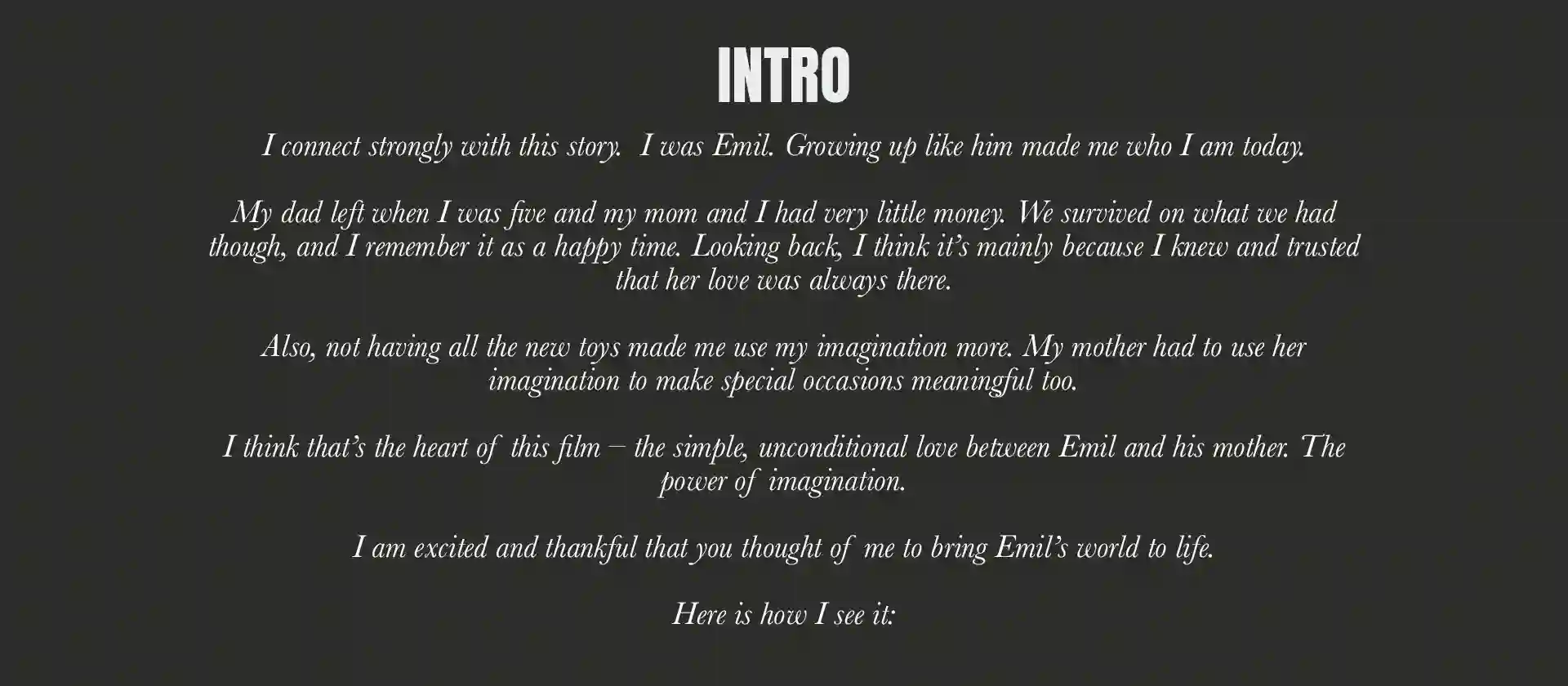
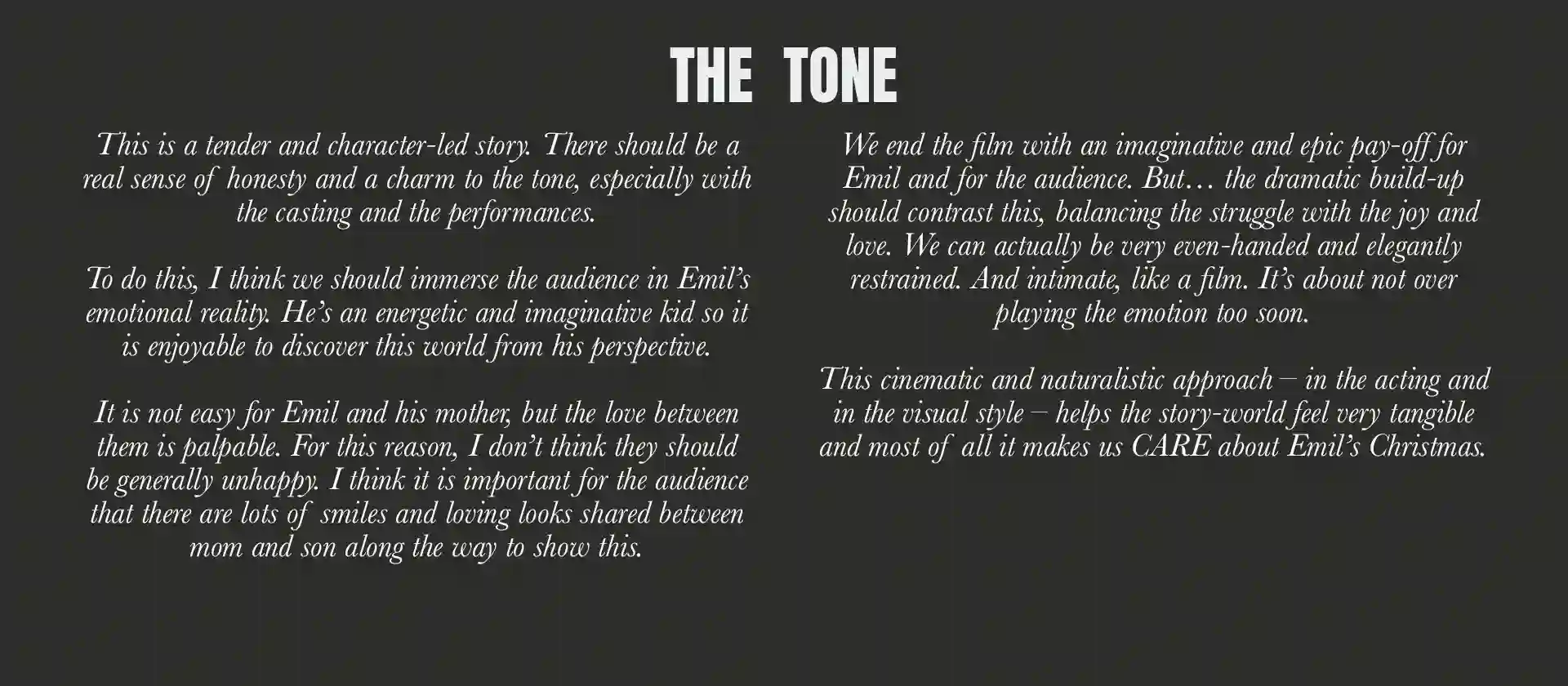
Capturing the kind of tone and style of the story is crucial in a script treatment. Whether it’s a comedy or thriller, conveying this information helps potential investors or producers understand what to expect. Including snippets of dialogue or specific scenes in a film treatment can also give readers insight.
The Film Treatment vs Screenplay Distinction
Film treatments, a kind of pre-screenplay, differ from full-length screenplays in terms of format, purpose, and level of detail. A film treatment condenses all major plot points into a shorter document. It serves as an overview for potential investors or producers. It provides a concise summary of the kind of story being told. The film treatment kind focuses on summarizing key events rather than providing detailed scene-by-scene descriptions like screenplays do.
Screenplays, on the other hand, provide intricate details about each scene including dialogue exchanges between characters, stage directions for actors’ movements, camera angles, and more. They are a kind of film treatment. They are the blueprints that guide the filmmaking process.
Knowing when to use each format is essential. During the early stages of development, a script treatment of any kind is often used as a pitch document to generate interest in a project. Once a project of any kind receives greenlight or funding, writers can then expand the treatment into a full-length screenplay.
Understanding the distinction between film treatments and screenplays enables aspiring screenwriters to effectively communicate their ideas.
Crafting a Compelling Film Treatment
The movie treatment, also known as a film treatment or scriptment, serves as a brief but engaging summary of the story. It’s used to capture the attention of those who can bring it to life. Ultimately, this movie treatment acts as a working tool that guides the writer and filmmakers in shaping their cohesive narrative. It helps them capture the right scenes through the camera and create an engaging story for each season.
Crafting a compelling script treatment example is essential for capturing the attention of potential producers and conveying your kind of story effectively.
Essential Components to Include
When writing a film treatment, it is crucial to include key components that provide a comprehensive overview of your story. It is important to consider the kind of story you are telling and ensure that all elements are present. These components consist of a logline, synopsis, character descriptions, and any specific requirements. Addit or guidelines set by industry professionals for the film treatment of this kind.
The logline serves as a concise summary of your film treatment’s premise, highlighting its unique selling points and intriguing elements. It captures the kind of story you are telling in a few short sentences. It should capture the reader’s kind attention and leave them wanting more.
The synopsis provides a detailed summary of the plot, including major events and turning points. It is a kind of overview that helps readers understand the story better. It should convey the central conflict or premise of your story effectively while maintaining clarity and coherence. The kind of story you write is important in ensuring that your message is clear and engaging.
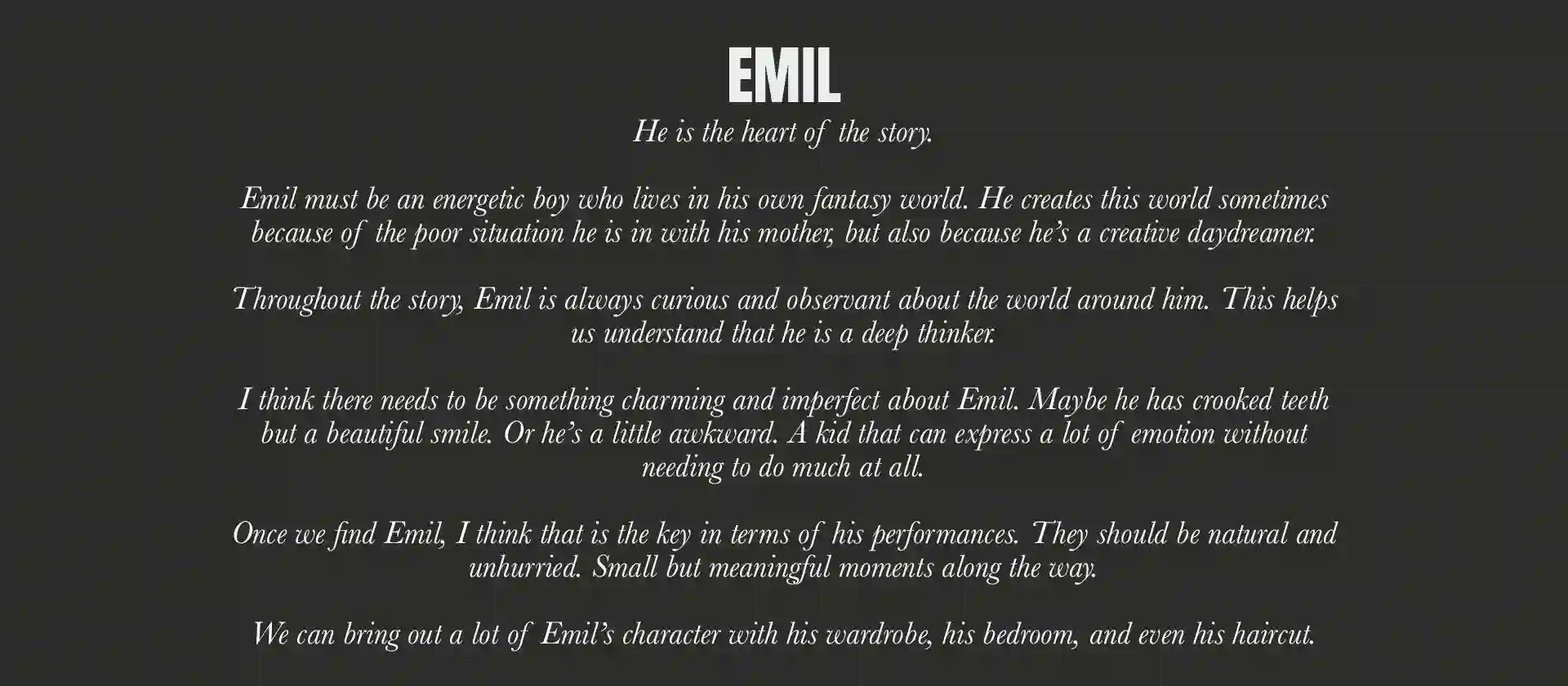
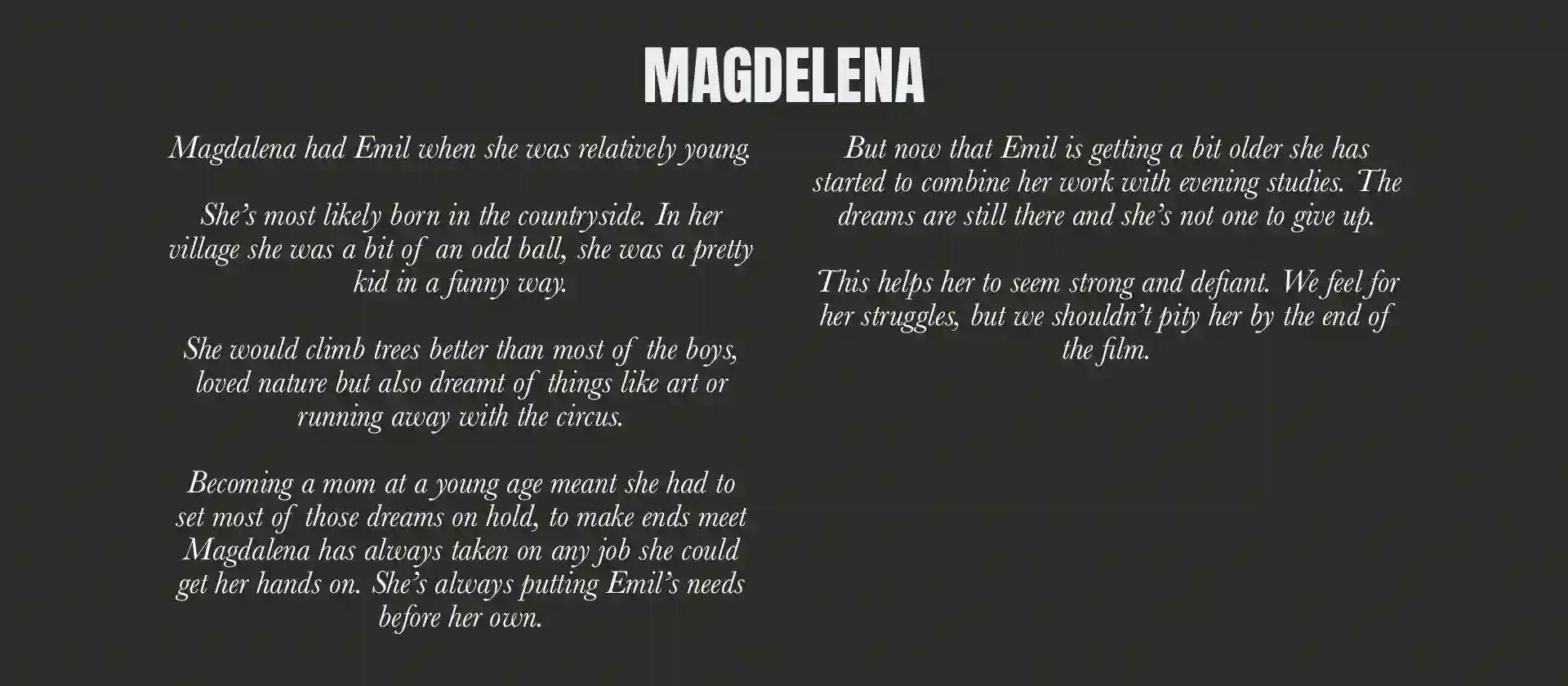
Character descriptions are crucial in introducing the main characters in your script treatment. These descriptions give readers a clear understanding of the kind of individuals they will encounter in your story. Highlighting the motivations, conflicts, and relationships of the characters in the narrative provides insight into their roles within the story. This insight helps readers understand the kind of characters they are.
Structuring Your Script Treatment Example Effectively
Structuring your script treatment example effectively is crucial for readability and comprehension. There are various approaches you can take when structuring your treatment; however, two common structures include three acts or sequences.
A three-act structure divides your treatment into three distinct sections: setup, confrontation, and resolution. This structure provides clear progression throughout the narrative arc and helps maintain audience engagement.
Alternatively, using sequences allows you to break down your story into smaller segments that focus on specific events or character development. This approach can create a dynamic flow within your script treatment while highlighting key moments in the plot.
Regardless of the structure you choose, each section within your treatment serves a specific purpose. The setup establishes the world and introduces the characters, the confrontation presents obstacles and conflicts, and the resolution brings closure to the story.
Setting the Tone for Your Story
Setting the tone for your story is crucial in capturing the essence of your narrative. It helps establish an engaging atmosphere that reflects your story’s genre and themes. Utilize descriptive language that evokes emotion and visual imagery to immerse readers in your story’s world.
Balancing tone with appropriate pacing throughout your treatment is essential. This ensures that readers experience a smooth flow while understanding when to expect moments of tension, humor, or drama.
By effectively crafting a film treatment with compelling components, a well-structured format, and an engaging tone, you increase your chances of capturing the attention of potential producers. Remember to tailor your treatment to suit industry guidelines while staying true to your unique storytelling vision.
Building the Foundation of Your Script
Outlining the Plot
To create a solid foundation for your script treatment example, it’s essential to outline the plot in a clear and structured manner. Break down the plot into distinct beats or turning points that drive the story forward. These beats should demonstrate a logical progression from beginning to end, ensuring that each event flows naturally into the next. Consider incorporating subplots that enhance character development or explore thematic elements. These subplots can add depth and complexity to your story, making it more engaging for the audience.
Developing Memorable Characters
One of the key aspects of building a strong script is crafting memorable characters. Take time to develop well-rounded and relatable characters that will resonate with your audience. Highlight their motivations, conflicts, and arcs within the treatment so that readers can understand their journey throughout the story. Furthermore, showcase character dynamics and relationships to create compelling interactions between them. By focusing on creating multi-dimensional characters, you can bring depth and authenticity to your script.
Crafting an Engaging Film Treatment Pitch Deck
In addition to writing a script treatment, it is crucial to create an engaging pitch deck that visually captures the essence of your story. A pitch deck serves as a presentation tool alongside your treatment when pitching your project to potential investors or collaborators. Make sure your pitch deck is visually appealing by including key visuals such as concept art or mood boards that represent the look and feel of your film. This helps convey your vision effectively and pique interest in your project.
Ensure that you present relevant information about your script treatment example concisely in your pitch deck. Focus on key elements such as logline, genre, target audience, unique selling points (USPs), and any notable achievements or awards associated with the project. The goal is to provide a comprehensive overview of what makes your script stand out.
Remember that simplicity is key when crafting an engaging film treatment pitch deck—avoid overwhelming your audience with excessive details. Instead, focus on delivering a compelling and impactful presentation that leaves a lasting impression.
By building a solid foundation for your script through outlining the plot, developing memorable characters, and crafting an engaging film treatment pitch deck, you set yourself up for success in the screenwriting process. These elements work together to create a cohesive and captivating story that will resonate with both readers and potential investors.
Common Pitfalls in Film Treatment Writing
Writing a script treatment is an essential step in the filmmaking process, helping to outline and sell your story idea. However, there are some common pitfalls that writers often encounter when crafting their treatment.
Mistakes to Avoid in Your Script Treatment Example
When writing a script treatment example, it’s crucial to be aware of certain pitfalls that can hinder the effectiveness of your storytelling. One common mistake is providing excessive detail. While it’s important to provide enough information for readers to understand your story, going into unnecessary minutiae can overwhelm and confuse them. Instead, focus on highlighting the key plot points and character arcs that drive your narrative forward.
Another pitfall to avoid is a lack of clarity in your treatment. Remember that the purpose of a treatment is to pitch your story concisely and effectively. If your ideas are muddled or unclear, it becomes challenging for readers or potential investors to grasp the essence of your film. Ensure that each sentence contributes meaningfully to the overall understanding of your concept.
To overcome these stumbling blocks, consider outlining your treatment before diving into the writing process. This will help you organize your thoughts and ensure a logical flow of ideas throughout the document. Seek feedback from trusted peers or mentors who can provide valuable insights on areas where you may be lacking clarity or providing excessive detail.
What Not to Include in Your Treatment
While it’s essential to convey the core elements of your story in a script treatment, there are certain things you should avoid including as well. One common mistake is including unnecessary information or subplots that detract from the main storyline. Keep your treatment focused on the essential aspects of your narrative and avoid tangents that may confuse readers.
Another pitfall is overloading the treatment with excessive dialogue. Remember that a script treatment serves as an overview rather than a detailed screenplay; therefore, it’s important to strike a balance between dialogue and narrative descriptions. Highlight the key interactions and conversations that drive your story forward without overwhelming the reader with excessive dialogue.
To ensure you stay on track, create a checklist of the essential story elements you want to convey in your treatment. This will help you prioritize the most critical aspects of your narrative and avoid unnecessary additions that may dilute its impact.
Managing Feedback Constructively
Receiving feedback on your script treatment is an invaluable part of the writing process. However, it can sometimes be challenging to navigate critiques effectively. To manage feedback constructively, approach it with an open mind and a willingness to learn and grow as a writer.
When evaluating critiques, try to separate personal opinions from constructive suggestions. Look for patterns or recurring comments that may indicate areas where your script treatment example could be strengthened. Remember that not all feedback will resonate with you, so trust your instincts and make decisions based on what aligns with your creative vision.
Incorporating constructive feedback into your revisions is crucial for refining your script treatment. Take the time to analyze each suggestion and consider how it aligns with the overall goals of your story. Be open to making changes while also staying true to your unique voice as a writer.
Script Treatments Beyond Screenplay Development
Exploring Broader Uses in Filmmaking
Script treatment examples are not just limited to pitching ideas for a screenplay. They have a broader range of uses in the filmmaking process. One such use is in pre-production planning and collaboration. Before filming begins, filmmakers often create script treatments as a way to visually map out the story, identify key scenes, and plan the overall structure of the film. This helps ensure that everyone involved in the production is on the same page and working towards a common vision.
Another way script treatments go beyond screenplay development is through their adaptation into other media formats. For example, a well-crafted treatment can serve as a blueprint for creating graphic novels or comic books based on the original story. By adapting the treatment, filmmakers can explore new storytelling possibilities and reach audiences in different ways.
TV Show Treatments Overview
Crafting a script treatment example for a television series differs from writing one for a film. In television, treatments serve as roadmaps for entire seasons or even multiple seasons of storytelling. Unlike films that have a fixed runtime, TV show treatments need to account for episodic structures and character arcs that span over several episodes or seasons.
When creating TV show treatments, writers must consider how each episode contributes to the larger narrative arc while still maintaining its own unique storyline. The treatment should outline key plot points, character developments, and any ongoing conflicts or subplots that will drive the series forward.
Script Treatments in Various Media Forms
Script treatments are not exclusive to film and television; they can also be utilized in other mediums such as theater or video games. Each medium has its own specific requirements and formats.
In theater, script treatments may include detailed stage directions, set designs, and instructions for actors’ performances. These elements help bring the story to life on stage while providing guidance to directors and performers.
Similarly, video game script treatments outline the interactive elements of the story, including gameplay mechanics, branching narratives, and character choices. These treatments serve as a foundation for game developers to design and create immersive gaming experiences.
The adaptability of script treatments across various storytelling platforms is a testament to their versatility. Whether it’s film, television, theater, or video games, script treatments provide a valuable tool for planning and communicating the essence of a story.
Analyzing Successful Script Treatments
Learning from E.T. and The Shining Examples
Analyzing successful script treatments from iconic films like E.T. and The Shining can provide valuable insights into effective storytelling techniques. These examples serve as a blueprint for understanding how a well-crafted treatment contributes to the overall success of a film.
In the case of E.T., the script treatment example beautifully captured the heartwarming story of a young boy’s friendship with an alien. By focusing on themes of love, friendship, and acceptance, the treatment laid the foundation for a deeply emotional narrative that resonated with audiences worldwide. The attention to detail in describing key scenes and character development allowed filmmakers to envision the story’s visual elements before production began.
Similarly, The Shining’s script treatment showcased masterful storytelling techniques that contributed to its status as a horror classic. By delving into the psychological unraveling of its protagonist within the isolated setting of an eerie hotel, this treatment created an atmosphere of suspense and dread. It effectively communicated the film’s chilling tone, allowing directors and producers to grasp the artistic vision behind every scene.
Studying these examples reveals valuable lessons about crafting compelling script treatments. Writers can learn how to engage readers by developing relatable characters, establishing clear story arcs, and evoking powerful emotions through their writing. Understanding how these treatments contributed to the success of their respective films can inspire writers to elevate their own storytelling abilities.
Study-Worthy Script Treatment Resources
For those looking to enhance their skills in script treatment writing, there are various resources available that offer insightful examples and expert advice. Books such as “The Anatomy of Story” by John Truby or “Save The Cat! Writes a Novel” by Jessica Brody provide comprehensive guidance on creating compelling narratives through effective treatments.
Websites like ScreenCraft.org or NoFilmSchool.com offer articles, tutorials, and interviews with industry professionals that delve into script treatment writing techniques. These online platforms provide valuable insights into the craft and can serve as a source of inspiration for aspiring writers.
Considering enrolling in script treatment writing courses can be beneficial. Platforms like Udemy or MasterClass offer courses taught by experienced professionals who share their expertise and guide students through the process of crafting effective treatments. Meanwhile, while checking out our other treatments, filmmakers can refine their skills and stay up-to-date with current industry trends. See a few below:
The Creative Craft of Comprehensive Treatments
Crafting a comprehensive script treatment example is not just about conveying the story; it’s also an opportunity to showcase creativity while maintaining clarity and structure. Writers should aim to engage readers through imaginative storytelling that captivates their attention from beginning to end.
By infusing unique elements such as vivid descriptions, compelling dialogue, and dynamic character interactions, writers can transport readers into the world they have created on paper. This creative approach allows filmmakers and producers to envision the film’s potential and become invested in bringing it to life.
While creativity is essential in script treatment writing, it is equally important to maintain a clear structure that effectively communicates the story’s core elements. Organizing the treatment into sections such as loglines, character descriptions, plot summaries, and key scenes ensures that all crucial aspects are covered concisely.
Additional Considerations for a Script Treatment Example
Crafting a script treatment involves more than just summarizing your story. To create a compelling treatment that captures the attention of readers, there are several additional considerations to keep in mind.
Different Treatment Formats and Layouts
There are various styles and layouts to consider. These choices can be based on industry standards or personal preferences. From font selection to spacing and section organization, every decision plays a role in how your treatment is perceived.
Consistency is key. Using the same font, spacing, and section headings helps maintain a professional appearance and ensures that your treatment is easy to read and follow. Whether you choose a traditional layout or experiment with something more unique, make sure that the formatting enhances the overall presentation of your story.
Beyond the Basics in Script Treatment Example Crafting
Taking your script treatment example to the next level involves exploring advanced techniques that elevate its quality. While it’s important to provide a clear summary of your story, don’t be afraid to incorporate unique narrative devices or stylistic elements that make your treatment stand out.
Consider experimenting with different storytelling techniques within your treatment while staying true to your story’s vision. This could include using vivid descriptions, engaging dialogue snippets, or even incorporating visual elements like concept art or mood boards. By adding these creative touches, you can bring your story world to life on the page and captivate readers from start to finish.
Conclusion: Script Treatment Example
In conclusion, crafting a compelling script treatment example is an essential step in the screenwriting process. A well-written treatment not only serves as a blueprint for your script but also captivates producers, directors, and investors. By showcasing the unique elements of your story and building a solid foundation you can create an effective treatment . The more effective the treatment, the higher the chances of your script being greenlit.
To take your script treatments to the next level, consider analyzing successful examples and seeking feedback from industry professionals or fellow writers. Remember to stay true to your story while adapting to the evolving landscape of the film industry. With dedication, practice, and perseverance, you can master the art of writing compelling script treatments that open doors to exciting opportunities in the world of screenwriting.