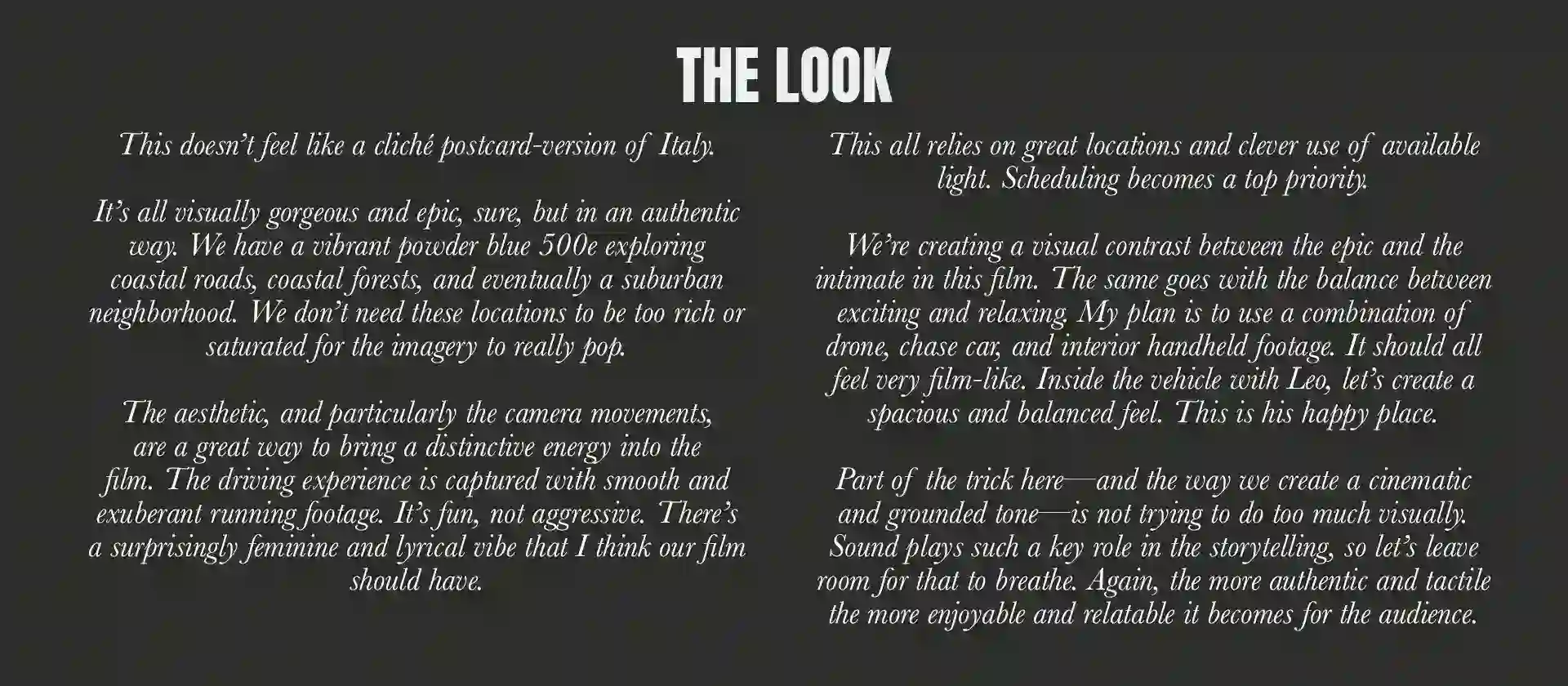
Crafting a compelling narrative is essential for filmmakers to captivate their audience and deliver an impactful cinematic experience. One powerful tool that helps achieve this is the director’s treatment. These treatments serve as a blueprint, guiding the creative team by outlining key story elements and visual concepts. By harnessing the narrative power of director’s treatments, filmmakers can effectively communicate their vision for the film.
Defining Effective Narratives
Effective narratives are stories that deeply resonate with the audience. They have a clear purpose and convey a message or lesson. These narratives create an emotional connection with readers, leaving a lasting impact on their hearts and minds.
Crafting Compelling Introductions
A strong introduction sets the stage for narratives that work, grabbing the reader’s attention right from the start. It establishes the tone and entices readers to continue reading further. Compelling introductions often employ intriguing hooks or thought-provoking questions, instantly captivating the audience.
Structuring Your Narrative
A well-structured narrative follows a logical progression of events or ideas, ensuring coherence and maintaining reader engagement throughout. It consists of three essential components: a beginning, middle, and end.
The beginning introduces the main characters, sets up the story world, and establishes any relevant background information necessary for understanding the plot. This section should hook readers by presenting an intriguing conflict or inciting incident that sparks curiosity.
The middle forms the bulk of the narrative where rising action occurs. It presents obstacles, challenges, character development, and builds tension leading up to a climactic moment. The middle section keeps readers engaged by introducing twists and turns that propel them deeper into the story.
The end brings resolution to conflicts introduced earlier in the narrative. It provides closure while delivering on any promises made during earlier stages of storytelling. A satisfying ending ties up loose ends while leaving room for reflection or contemplation.
By structuring your narrative effectively, you ensure a seamless flow that keeps readers invested and eager to discover what happens next.
Crafting Personal Narratives that Work for Engagement
Crafting personal narratives is a powerful way to engage readers and create emotional connections. By sharing relatable experiences and using vivid details, you can captivate your audience and leave a lasting impression.
Choosing Relevant Topics
When crafting personal narratives, it’s important to choose topics that are relevant to your target audience. Consider their interests, needs, and preferences to ensure your narrative works and resonates with them. This increases the chances of capturing their attention and keeping them engaged throughout the story.
Personal Narrative Techniques
Personal narratives draw upon our own experiences to connect with readers on an emotional level. To make your narrative impactful, employ techniques such as vivid descriptions, sensory details, and an authentic voice. By painting a clear picture in the reader’s mind and allowing them to experience the story firsthand through sensory cues, you can enhance the impact of your narrative.
Sharing personal insights within your narrative can also make it more relatable and memorable for readers. When you provide thoughtful reflections or lessons learned from your experiences, it adds depth and meaning to the story. This allows readers to not only connect with the events but also gain valuable insights that they can apply to their own lives.
Examples of Successful Narratives that Work
To further improve your storytelling skills, take inspiration from successful narratives in various genres like literature, film, or journalism. Study how these narratives effectively engage audiences through storytelling techniques such as structure, character development, or plot twists.
By analyzing what makes these examples stand out, you can gain valuable insights into crafting compelling personal narratives. Pay attention to how the stories are structured – how they introduce characters or settings in a captivating way and build tension or suspense throughout the plot. Look for moments where emotions are evoked strongly through well-crafted scenes or dialogue.
Consider also how narratives that work incorporate elements of surprise or unexpected turns that keep readers hooked until the end. By studying these examples closely, you can learn from the masters of storytelling and apply their techniques to your own narratives. Meanwhile, here’s a few links to some narratives and treatments that we feel really work:
- Director’s treatment sample
- Screenplay treatment pdf
- Pitch treatment
- Commercial treatment writer
Advanced Strategies in Narrative Director’s Treatments
Crafting a compelling narrative requires more than just a good story. It involves employing advanced strategies in narrative director’s treatments to captivate and engage the audience. By utilizing techniques such as foreshadowing, multi-dimensional characters, non-linear storytelling, and a balanced mix of dialogue and action, you can create narratives that truly work.
Utilizing Foreshadowing and Suspense to Create a Captivating Storyline
Foreshadowing is an effective tool that hints at future events or outcomes within the narrative. By strategically placing clues or subtle references throughout the story, you can build anticipation and suspense for what lies ahead. This technique keeps readers engaged as they try to piece together the puzzle, eagerly turning pages to uncover the truth.
Incorporating Multi-Dimensional Characters for Enhanced Audience Engagement
Characters play a crucial role in any narrative. To make your story more engaging, it is essential to develop multi-dimensional characters with complex personalities, motivations, and conflicts. This depth allows readers to relate to and invest emotionally in the characters’ journeys, fostering a stronger connection between them and the story.
Employing Non-Linear Storytelling Techniques to Add Complexity and Intrigue
Non-linear storytelling deviates from traditional chronological order by presenting events out of sequence or using flashbacks. This technique adds complexity and intrigue to your narrative by challenging readers’ expectations and forcing them to actively piece together the storyline. It creates an element of surprise while maintaining their curiosity throughout.
Balancing Dialogue and Action to Maintain a Dynamic Pace Throughout the Narrative
Dialogue brings characters to life through their interactions, while action propels the plot forward with exciting events. A well-balanced mix of dialogue and action helps maintain a dynamic pace throughout your narrative. Too much dialogue without action may result in stagnation, while excessive action without meaningful dialogue may leave readers disconnected from the characters’ emotions.
Crafting narratives that work is crucial to maintain reader interest and prevent narrative fatigue. By focusing on essential details and avoiding unnecessary tangents or excessive descriptions, you can ensure that your story remains engaging and impactful. Trim the unnecessary content that dilutes the impact of your story, allowing readers to stay fully immersed in the narrative.
Embracing creativity is key to writing captivating narratives. Experiment with different writing styles, perspectives, or formats to bring a fresh approach to your storytelling. Incorporate unique metaphors, vivid imagery, or unexpected plot twists that surprise and captivate readers. Letting your imagination run wild can result in memorable and engaging narratives that leave a lasting impression.
Narratives That Work and Crafting a Strong Conclusion
Editing and Finalizing Your Content
After crafting a compelling narrative, it’s crucial to dedicate time to editing and finalizing your content. This step ensures that your story is polished and ready to captivate readers. Let’s explore the importance of this process in more detail.
Proofreading for Grammar and Spelling Errors
One of the key aspects of editing is proofreading your narrative for grammar and spelling errors. By carefully reviewing each sentence, you can correct any mistakes that may have slipped through during the writing process. This attention to detail helps maintain the professionalism and credibility of your content.
Narratives that Work Ensure Clarity
Editing also allows you to ensure clarity and coherence in your narrative. By revisiting each paragraph, you can identify areas where information may be unclear or where ideas may not flow smoothly. Making necessary revisions at this stage helps create a seamless reading experience for your audience.
Revising for Perplexity and Burstiness
When crafting narratives that work, it’s essential to consider perplexity and burstiness—two elements that contribute to reader engagement.
Reviewing your narrative for perplexity involves identifying moments that challenge readers’ expectations or assumptions. These unexpected twists or revelations keep readers intrigued by introducing novelty into the storyline.
Introducing bursts of excitement or tension throughout the story is another way to maintain reader engagement. These bursts can take various forms: a sudden plot twist, an intense action sequence, or a dramatic dialogue exchange. Balancing perplexity with well-timed bursts heightens the overall impact of your narrative, leaving readers eager to continue reading.
Conclusion: Narratives that work
Crafting narratives that work is essential for engaging audiences and conveying powerful messages. By understanding the elements that make narratives work, such as character development, conflict, and emotional resonance, directors can create impactful stories that resonate with their intended audience.
To create narratives that work, it is crucial to consider the target audience and their preferences. By tailoring the storytelling techniques to suit their interests and emotions, directors can enhance engagement and leave a lasting impact. Incorporating personal experiences and perspectives can add authenticity and relatability to the narrative.
In conclusion, mastering the art of crafting narratives is a valuable skill for directors. By employing the strategies discussed in this blog post and continually refining their storytelling abilities, directors can create compelling narratives that captivate audiences and effectively convey their intended messages.
Can narratives be effective in marketing?
Narratives can be highly effective in marketing as they have the power to captivate and engage audiences. By telling a compelling story, brands can create emotional connections with their target audience, leading to increased brand loyalty and customer engagement.
How do narratives enhance brand messaging?
Narratives enhance brand messaging by providing a cohesive and relatable storyline that resonates with the target audience. By incorporating narratives into their messaging, brands can communicate their values, mission, and unique selling proposition in a more memorable and impactful way.
Are there specific storytelling techniques that work best for narratives?
There are various storytelling techniques that work well for narratives, such as creating relatable characters, establishing conflict or tension, using vivid imagery, and incorporating an engaging plot structure. These techniques help to immerse the audience in the narrative and make it more compelling.
Can narratives improve website conversion rates?
Yes, narratives can significantly improve website conversion rates. By crafting a persuasive narrative that addresses the pain points of potential customers and showcases how your product or service can solve their problems, you can create a sense of urgency and motivate visitors to take action.
How do I develop compelling characters in narratives that work?
Focus on creating well-rounded characters with distinct personalities, motivations, and conflicts. Give them depth by exploring their backstory and emotions.
What is the ideal plot structure for narratives that work?
While there are various plot structures, a common one is the three-act structure: introduction, rising action, climax, falling action, and resolution.
How can I write authentic dialogue?
Listen to how people speak in real life and incorporate natural speech patterns into your dialogue. Use dialogue tags and gestures to enhance clarity.
What should I do if I experience writer’s block during the storytelling process?
Take a break from writing and engage in activities that inspire you. Freewriting or brainstorming ideas can also help overcome writer’s block.