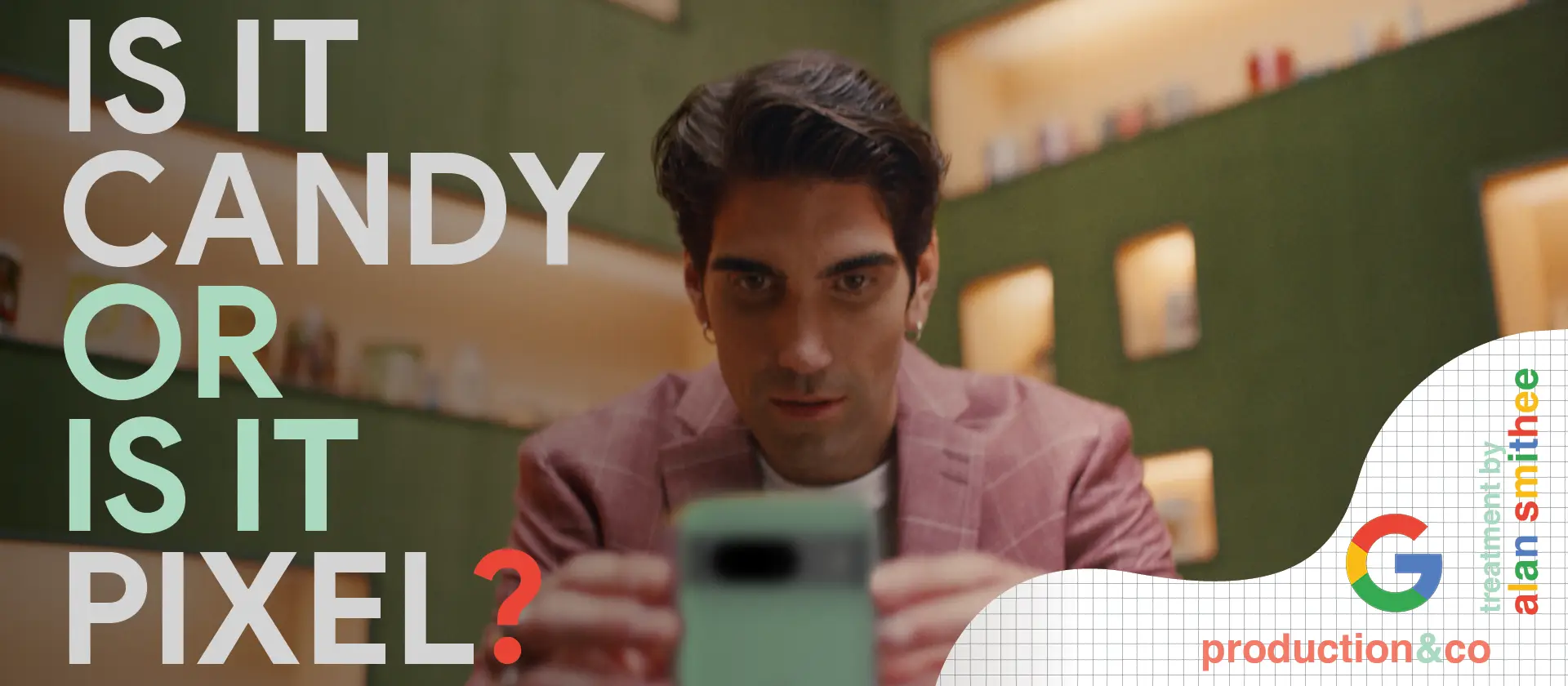
Production Treatment – Definition and Purpose
In the film industry, a production treatment is a document that outlines the vision, story, and key elements of a movie screenplay. It is an essential tool for writers and writing teams. The screenplay is a blueprint for filmmakers, guiding them in the creation of their movie project. It provides a clear direction for the writer to develop the script and movie treatment. The purpose of a production treatment is to communicate the filmmaker’s creative vision for a movie screenplay to the entire production team, including producers, directors, and crew members.
Production treatments are essential in movie screenplay writing because they provide a comprehensive overview of the film’s concept, characters, plot, and themes in the script. Screenplays are essential in the movie-making process. They help filmmakers refine their ideas and ensure that everyone involved in the project is on the same page with the script. By detailing important aspects such as tone, style, and visual aesthetic in a screenplay, production treatments lay the foundation for successful movie making.
Film Treatments in Production Process
Movie production treatments play a crucial role in the overall movie production process. Movie concepts are typically developed during pre-production when filmmakers are refining their movie ideas and preparing to bring their movie vision to life. During this stage, production treatments guide decision-making by providing a roadmap for casting choices, location scouting, set design, costume design, and more.
By having a well-crafted production treatment in hand during pre-production meetings and discussions with collaborators and investors alike can ensure that everyone understands the filmmaker’s intentions clearly. This helps streamline communication among all parties involved in making creative decisions, such as when creating a film script treatment. Using a film treatment template can be helpful, as it provides a structure and format for the document. To get a better understanding of what a film treatment looks like, you can find film treatment examples online.
Production treatments influence other critical elements of filmmaking such as budgeting. A detailed film treatment can assist producers in accurately estimating costs by identifying specific requirements like locations or special effects needed for certain scenes. This information allows them to allocate resources efficiently throughout the production process, including film treatments, film treatment template, film script treatment, and film treatment examples.
Benefits for Filmmakers and Investors
Using production treatments offers numerous benefits for both filmmakers and investors involved in financing films. For filmmakers, having a clear treatment helps them articulate their creative vision effectively while also serving as an invaluable tool during pitching sessions with potential investors or studios.
Investors benefit from well-crafted production treatments because they provide a clear understanding of the film’s potential and marketability. Treatments that effectively communicate the story, characters, and unique selling points can significantly increase investor confidence in the project’s viability. This, in turn, increases the likelihood of securing funding for film treatments production.
Moreover, production treatments allow investors to evaluate the commercial prospects of a film accurately. By providing insights into target audiences, genre conventions, and thematic elements, treatments assist investors in assessing the market demand and potential profitability of a film.
Production Treatment Pre-Writing Considerations
Research and Ideation
Thorough research is essential before creating a treatment for a film. Film treatments help provide a strong foundation and ensures that the story, characters, and themes in the film are well-developed. By conducting detailed research, filmmakers can gather information about various aspects related to their project, such as historical events, cultural contexts, or scientific concepts.
During the ideation phase, it’s important to explore different methods for generating ideas, including brainstorming and researching film treatments. This can include brainstorming sessions with colleagues or looking for inspiration in books, movies, real-life experiences, or film treatments. Incorporating unique elements into a film treatment can make it stand out from others in the same genre. For instance, adding unexpected plot twists or exploring unconventional storytelling techniques can captivate audiences and make the film more memorable.
Target Audience Identification
Identifying target audiences is crucial in developing a successful treatment because it allows filmmakers to tailor their content to specific demographics. Understanding who the film is intended for helps in crafting relatable characters and storylines that resonate with viewers. To identify target audiences effectively, filmmakers can conduct market research by analyzing demographic data, conducting surveys or focus groups, and studying trends in popular culture.
Researching and understanding target demographics for film treatments involves delving into factors such as age range, gender distribution, interests, preferences, and cultural backgrounds. By gaining insights into these aspects of their audience’s lives, filmmakers can create treatments that address their desires and expectations. Tailoring a film treatment to specific audiences not only increases its marketability but also enhances its chances of connecting emotionally with viewers. Film treatments are an essential tool for pitching and developing movie ideas, providing a concise summary of the story, characters, and themes. By customizing film treatments for different target audiences, filmmakers can effectively communicate the unique appeal of their projects and attract the attention of potential investors and producers. Additionally, crafting film treatments that resonate with specific demographics or genres can help create a strong emotional connection with viewers, increasing the likelihood of a successful film adaptation.
Genre and Tone Setting
Establishing genre and tone early on in a treatment is significant because it sets the overall mood of the film. The genre of film treatments determines the type of story being told, such as comedy, drama, or horror. Tone, on the other hand, refers to the emotional atmosphere created through elements like dialogue, music choices, or cinematography.
To effectively convey genre through writing style or visual cues, filmmakers can employ various techniques. For example, in a horror film treatment, the use of suspenseful language and descriptions can create a sense of unease. In contrast, a romantic comedy treatment may incorporate witty dialogue and lighthearted scenes to evoke laughter and warmth.
Successful genre-specific tone setting can be observed in popular films. For instance, in the superhero genre, films like “The Dark Knight” establish a dark and brooding tone through atmospheric visuals and intense performances. On the other hand, animated family films often utilize vibrant colors and energetic pacing to create an upbeat and joyful atmosphere.
Crafting a Compelling Logline for Your Production Treatment
Crafting a logline is an essential step in the pre-production process of any film. A film treatment serves as a concise summary that captures the essence of your story and entices potential viewers or investors. We’ll share examples of memorable loglines from successful films.
Explaining Impactful Loglines
An impactful film treatment logline is one that grabs attention quickly and leaves a lasting impression. The film treatment should be clear, intriguing, and evoke curiosity about the story. To achieve this, it’s important to focus on the core conflict or central premise of your film. By highlighting what sets your film treatment apart, you can create a logline that stands out among others.
Tips for Condensing Key Story Elements
Condensing all the key story elements into one concise sentence or phrase may seem challenging, but it’s crucial for crafting an effective film treatment logline. Here are some tips to help you streamline your logline:
- Identify the protagonist: Clearly state who the main character is and what they want to achieve.
- Highlight the conflict: Showcase the main obstacle or challenge that the protagonist must overcome.
- Emphasize uniqueness: Highlight what makes your story different from others in its genre or category.
- Keep it simple: Avoid unnecessary details and focus on conveying the core essence of your story.
- Use vivid language: Incorporate descriptive words that paint a vivid picture in the reader’s mind.
By following these tips, you can distill complex narratives into a single sentence that captures the essence of your film.
Examples of Memorable Loglines
Let’s take a look at some examples of memorable loglines from successful films:
- “Inception” (2010): “A thief who steals corporate secrets through dream-sharing technology must plant an idea in a CEO’s mind.”
- “Jaws” (1975): “A giant man-eating great white shark terrorizes a small resort town.”
- “The Matrix” (1999): “A computer hacker discovers that the world he is living in is a simulated reality and joins a group of rebels to fight against the machines.”
These loglines effectively summarize the core conflicts and unique premises of their respective films, leaving audiences intrigued and eager to watch.
Crafting a compelling logline is crucial for grabbing attention and generating interest in your film. By focusing on the core conflict, condensing key story elements, and using vivid language, you can create a logline that captivates potential viewers or investors.
Structuring Your Film Treatment
Production Treatment: Opening with a Hook
To capture readers’ attention from the start, it is crucial to create an engaging opening hook in your film treatment. One effective technique is to begin with a captivating and intriguing question or statement that sparks curiosity. For example, you could introduce a mysterious event or dilemma that sets the stage for the story.
Another approach is to open with a compelling visual description that immerses the reader into the world of your film. By painting a vivid picture using descriptive language, you can transport readers into the setting and make them feel invested in the story right from the beginning.
Successful film treatments often employ these techniques to hook audiences. Take, for instance, the film “Inception.” Its treatment opens with a provocative line: “What if you could enter someone’s dreams and steal their secrets?” This immediately grabs attention and entices readers to delve deeper into the story.
Introducing Main Characters
Introducing compelling main characters early on in your film treatment is essential for engaging readers. You want to convey their unique traits and motivations effectively so that readers can connect with them emotionally.
One method for achieving this is by providing brief but impactful character descriptions. Focus on highlighting key attributes that define each character’s personality and make them memorable. Consider including snippets of dialogue or actions that reveal important aspects of their identities.
Well-known films offer excellent examples of memorable character introductions. In “The Shawshank Redemption,” Andy Dufresne’s introduction showcases his intelligence and determination as he navigates his way through prison life. By establishing such characteristics early on, audiences become invested in his journey right from the start.
Plot Outline and Key Events
Structuring a plot outline that highlights key events and story progression is crucial in a film treatment. It helps convey the overall narrative arc while maintaining an appropriate balance between pacing and suspense.
When outlining your plot, focus on identifying the major turning points and pivotal moments that drive the story forward. This will ensure that readers get a clear sense of the narrative’s direction and the stakes involved.
To maintain a captivating pace, consider strategically placing suspenseful moments throughout your treatment. These can be cliffhangers, unexpected twists, or intense conflicts that leave readers eager to know what happens next.
Notable films provide excellent examples of effective plot outlines. In “The Matrix,” the treatment outlines Neo’s journey from an ordinary computer programmer to a hero destined to save humanity. By structuring the plot around key events and escalating tension, this treatment successfully captivates readers and keeps them engaged until the end.
Writing the Synopsis of a Production Treatment
Scene-by-Scene Breakdown in a Production Treatment
When crafting a production treatment, it is crucial to provide a detailed scene-by-scene breakdown. This breakdown serves multiple purposes in guiding the visual storytelling of the film. By organizing scenes in a coherent narrative flow, screenwriters can ensure that each moment contributes to the overall story arc. It allows for a clear understanding of how individual scenes connect and progress throughout the film.
To create an effective scene-by-scene breakdown, writers should focus on concise descriptions that capture the essence of each scene. This includes highlighting key actions, dialogue, and emotions that drive the plot forward. By providing vivid and specific details, writers enable readers to visualize how the film will unfold on screen.
Character Development Arcs in Production Treatments
Character development arcs play a vital role in engaging audiences and creating compelling stories. Within a treatment, showcasing character growth and transformation adds depth and complexity to the narrative. Writers can achieve this by exploring techniques such as internal conflicts, external challenges, and personal revelations.
By illustrating characters’ journeys from their initial states to their transformed selves, writers can captivate viewers with relatable and dynamic individuals. For example, films like “The Shawshank Redemption” demonstrate powerful character arcs through Andy Dufresne’s evolution from hopelessness to resilience.
Climax and Resolution in a Production Treatment
A well-crafted treatment must include an impactful climax and a satisfying resolution. The climax is the pinnacle of tension within the story where conflicts reach their peak before being resolved in the resolution phase.
To build tension leading up to the climax, writers employ various strategies such as escalating stakes, increasing obstacles for characters to overcome or introducing unexpected twists. These elements keep audiences engaged while eagerly anticipating how conflicts will be resolved.
Successful climactic moments often leave lasting impressions on viewers due to their emotional intensity or unexpected turns of events. Films like “Inception” masterfully deliver climaxes that challenge audience perceptions and ignite discussions.
Following the climax, the resolution provides closure to the story by tying up loose ends and providing a sense of fulfillment. Writers can ensure a satisfying resolution by addressing lingering conflicts, offering character resolutions, or providing a glimpse into the characters’ future.
Visual Elements in Treatments
Incorporating Imagery and Mood Boards
Incorporating imagery is a powerful way to enhance visual storytelling within a treatment. By using captivating visuals, we can effectively convey the desired aesthetic and mood to the audience. One way to achieve this is through the use of mood boards or visual references. These tools help us compile images that represent the look and feel we want to achieve in our production.
Mood boards serve as visual inspiration, allowing us to communicate our creative vision more clearly. They can include photographs, illustrations, color palettes, and even snippets from films or TV shows that capture the desired atmosphere. By presenting these visuals in our treatment, we provide a visual reference for the entire team involved in the production process.
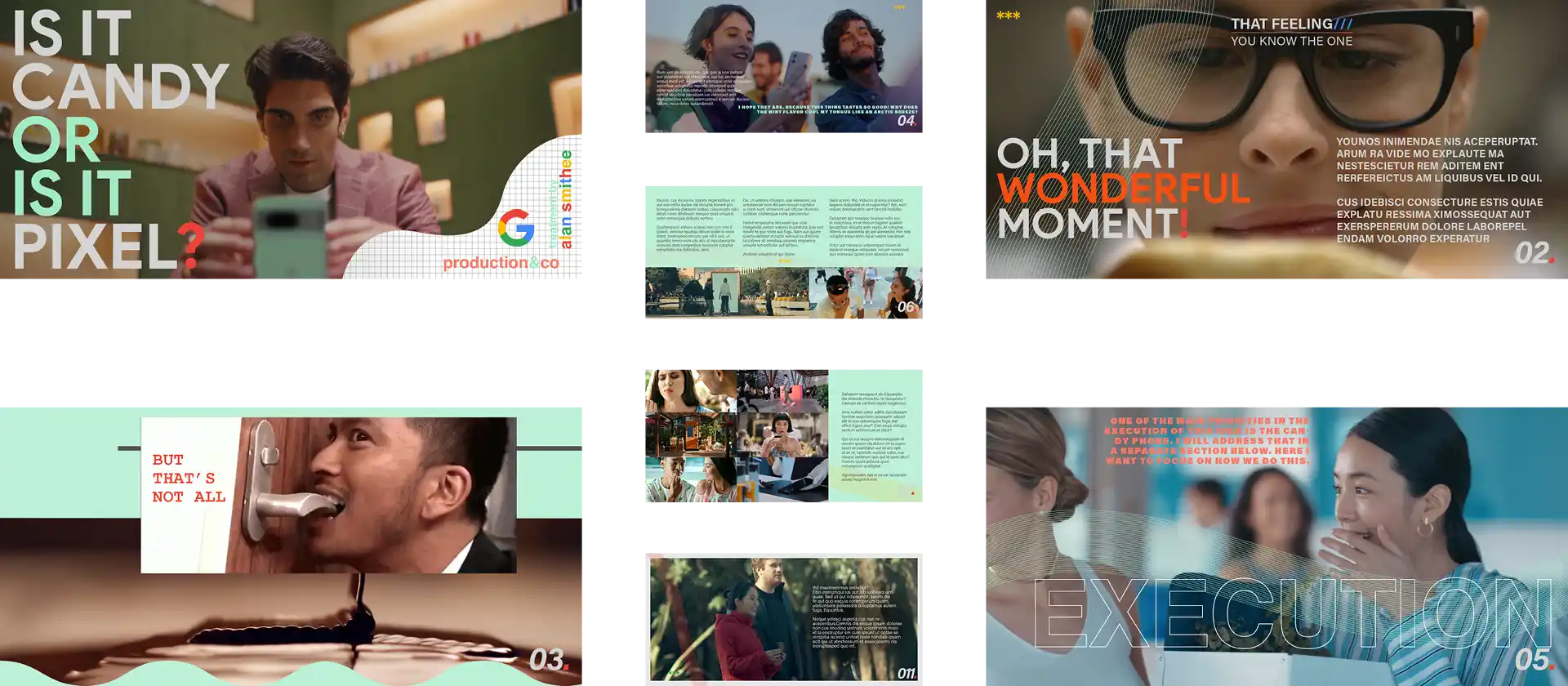
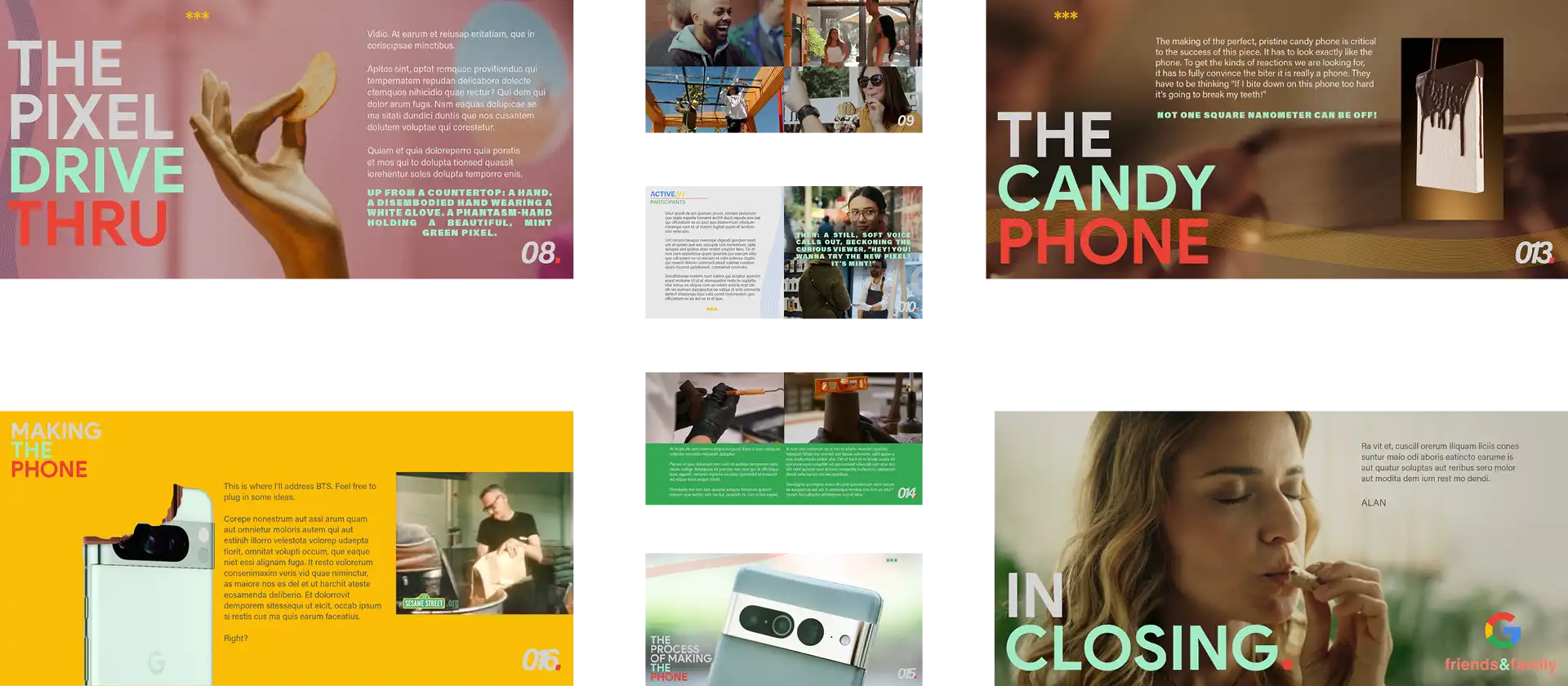
By including images of your story, we can effectively convey the intended spooky atmosphere to potential collaborators or clients. This helps them visualize how each scene will be shot and understand the overall tone of the project. We’ve gathered a few samples of some well researched and designed treatments for you here:
- Film treatment template
- Treatment writing examples
- Movie script treatment examples
- Sample film treatment
- Sample film treatment format
Describing Visual Style and Tone
Describing the visual style in treatments is crucial as it sets expectations for various aspects such as cinematography, lighting, and art direction. It allows us to communicate how we want each shot to be framed, what kind of lighting techniques should be used, and how the overall art direction should contribute to the story.
When describing visual style, it’s essential to choose words that accurately reflect the intended look and feel of the project. For instance, if we aim for a gritty and realistic visual style for a crime drama treatment, we might mention using handheld camera movements and naturalistic lighting techniques to create an immersive experience for viewers.
Furthermore, conveying tone through visual descriptions helps establish an emotional connection with audiences from early stages of development. Whether it’s capturing a lighthearted and comedic tone or a dark and brooding atmosphere, the treatment should provide clear visual cues that align with the desired emotional impact.
For example, if we’re working on a treatment for a romantic comedy, we could describe vibrant and colorful settings, soft lighting to create a warm ambiance, and joyful character interactions. By effectively describing these visual elements, we can ensure that everyone involved in the production understands the intended tone of the project.
Production Treatment Dialogue and Scene Descriptions
Balancing Narrative and Dialogue
Crafting a compelling treatment requires finding the right balance between narrative exposition and engaging dialogue. It is crucial to strike a harmonious blend of both elements to captivate readers and bring the story to life. By skillfully intertwining narrative and dialogue, treatments can effectively reveal character traits and advance the plot.
To achieve this balance, writers can employ various techniques. One approach is to use dialogue as a tool for character development. Through conversations between characters, their personalities, motivations, and conflicts can be revealed organically. This not only adds depth to the characters but also immerses readers in their world.
Another technique is to ensure that dialogue serves a purpose beyond mere conversation. Each line should contribute to advancing the plot or revealing essential information. By avoiding unnecessary small talk or filler dialogue, treatments become more focused and impactful.
Let’s take a look at an example of a treatment that strikes the right balance between narrative and dialogue:
INT. COFFEE SHOP – DAY
SARAH (30s) sits alone at a table, sipping her coffee with a distant look in her eyes.
WAITER approaches with a smile.
WAITER How are you today?
SARAH looks up, forcing a smile.
SARAH Oh, just another day in paradise.
The seemingly casual exchange reveals Sarah’s inner turmoil without explicitly stating it. The contrast between her words and expression hints at an underlying sadness or dissatisfaction with her life.
Show Don’t Tell Principle
In storytelling, showing rather than telling is key to creating vivid imagery that engages readers’ imagination. This principle holds true for treatments as well. Instead of relying solely on descriptive narration, successful treatments utilize vivid descriptions and actions to immerse readers in the story visually.
By painting detailed scenes through evocative language, writers can transport readers into the world they are crafting. Describing the setting, characters’ appearances, and their actions in a way that appeals to the senses helps readers visualize the story unfolding before their eyes.
Here’s an example of how the “show don’t tell” principle can be effectively applied in a film treatment:
EXT. ABANDONED HOUSE – NIGHT
The moon casts an eerie glow on the dilapidated walls. Broken windows reveal shards of glass glinting under its pale light. A gust of wind sends a tattered curtain billowing through an open doorway.
JASON (20s), trembling with fear, hesitates at the threshold, peering into the darkness within.
Polishing Your Production Treatment
Editing for Clarity and Flow
Editing your treatment is a crucial step in ensuring that it is clear and easy to read. By improving the flow of your writing, removing redundancies, and tightening up language, you can create a treatment that captivates readers from start to finish. One technique you can use is reading your treatment aloud to identify any awkward or confusing sections. This will help you pinpoint areas where sentences may need to be rephrased or rearranged for better clarity.
Another tip for enhancing the flow of your treatment is to vary sentence structure. Using a mix of short and long sentences adds rhythm and keeps readers engaged. Pay attention to transitions between paragraphs. Smooth transitions help guide readers seamlessly through your treatment, making it easier for them to follow along.
To ensure clarity in your treatment, remove any unnecessary or repetitive information. Trim down excessive details that don’t contribute to the overall understanding of the story or concept you’re presenting. Remember, brevity can be powerful.
Seeking feedback on your treatment is essential for refining its effectiveness. Consider sharing your work with trusted peers or industry professionals who can provide constructive criticism. Their fresh perspective may reveal areas that need improvement or clarification.
Feedback and Revisions Process
When receiving feedback on your treatment, approach it with an open mind and a willingness to make revisions. Constructive criticism helps identify weaknesses and offers opportunities for growth as a writer.
One strategy for incorporating feedback effectively is by organizing it into categories based on common themes or suggestions. This allows you to address multiple comments at once while maintaining focus during revisions.
Multiple rounds of feedback can strengthen your treatment by allowing you to refine ideas, clarify concepts, and eliminate any remaining inconsistencies or errors. Embrace this iterative process as an opportunity for growth rather than viewing it as a setback.
Remember that seeking professional editing assistance can also be beneficial if you have the resources. Professional editors bring expertise and experience to the table, helping you polish your treatment to a high standard.
Pitching Your Production Treatment
Preparing the Production Treatment Package
Preparing a comprehensive pitch package is essential. This package should include all the necessary elements that showcase your project in the best possible light. Start by outlining the essential components such as loglines, synopses, character descriptions, and any visual materials like concept art or storyboards.
To present your materials professionally, make sure they are well-written and visually appealing. Craft a compelling logline that captures the essence of your story in one sentence. Write a concise synopsis that outlines the main plot points without giving away too much detail. Include character descriptions that highlight their motivations and conflicts.
Tailoring your pitch package to different industry professionals or platforms is crucial for success. Research each person or company you plan to pitch to and understand their preferences and areas of interest. Customize your materials accordingly, emphasizing aspects of your treatment that align with their specific tastes or goals.
Networking and Meeting Executives
Networking plays a vital role in gaining exposure within the film industry. Building relationships with executives who can support project development is key to advancing your career as a filmmaker. Attend industry events, film festivals, and conferences to meet like-minded individuals and potential collaborators.
When meeting executives, aim to make memorable impressions by showcasing your passion for storytelling and knowledge of the industry. Be prepared to discuss not only your treatment but also other projects you are working on or have completed in the past. Show genuine interest in their work and ask thoughtful questions about their experiences.
Remember that meetings with industry professionals are valuable opportunities to showcase yourself as a professional filmmaker. Dress appropriately for these encounters, exuding confidence while remaining humble and open to feedback. Practice active listening skills during conversations to demonstrate respect for others’ perspectives.
Conclusion: Production Treatment
Crafting a compelling film treatment requires careful consideration and attention to detail. By understanding the key elements of a treatment, such as the logline, structure, visual elements, dialogue, and polishing techniques, you can create a powerful tool to pitch your film idea. The treatment serves as a roadmap for your story, providing a clear vision for potential investors and collaborators.
To enhance the effectiveness of your treatment, remember to focus on the core idea and showcase its unique qualities. Use concise and precise language to convey your vision and captivate the reader. Consider seeking feedback from trusted peers or industry professionals to refine your treatment further.
In conclusion, mastering the art of writing a film treatment is essential for filmmakers seeking to bring their ideas to life. By following the steps outlined in this article and putting in the necessary effort, you can create a compelling treatment that will resonate with others in the industry. So go ahead, start crafting your film treatment today and take your first step towards turning your cinematic vision into reality.