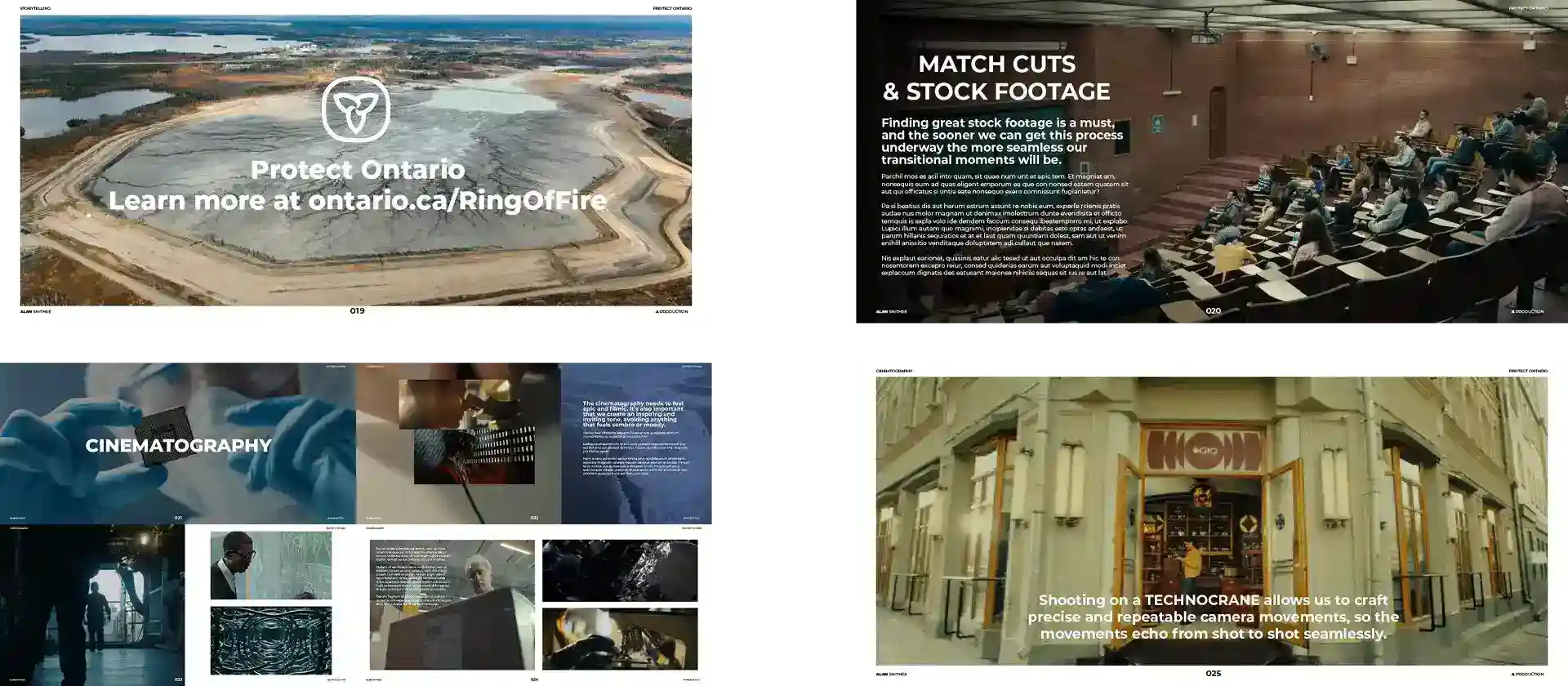
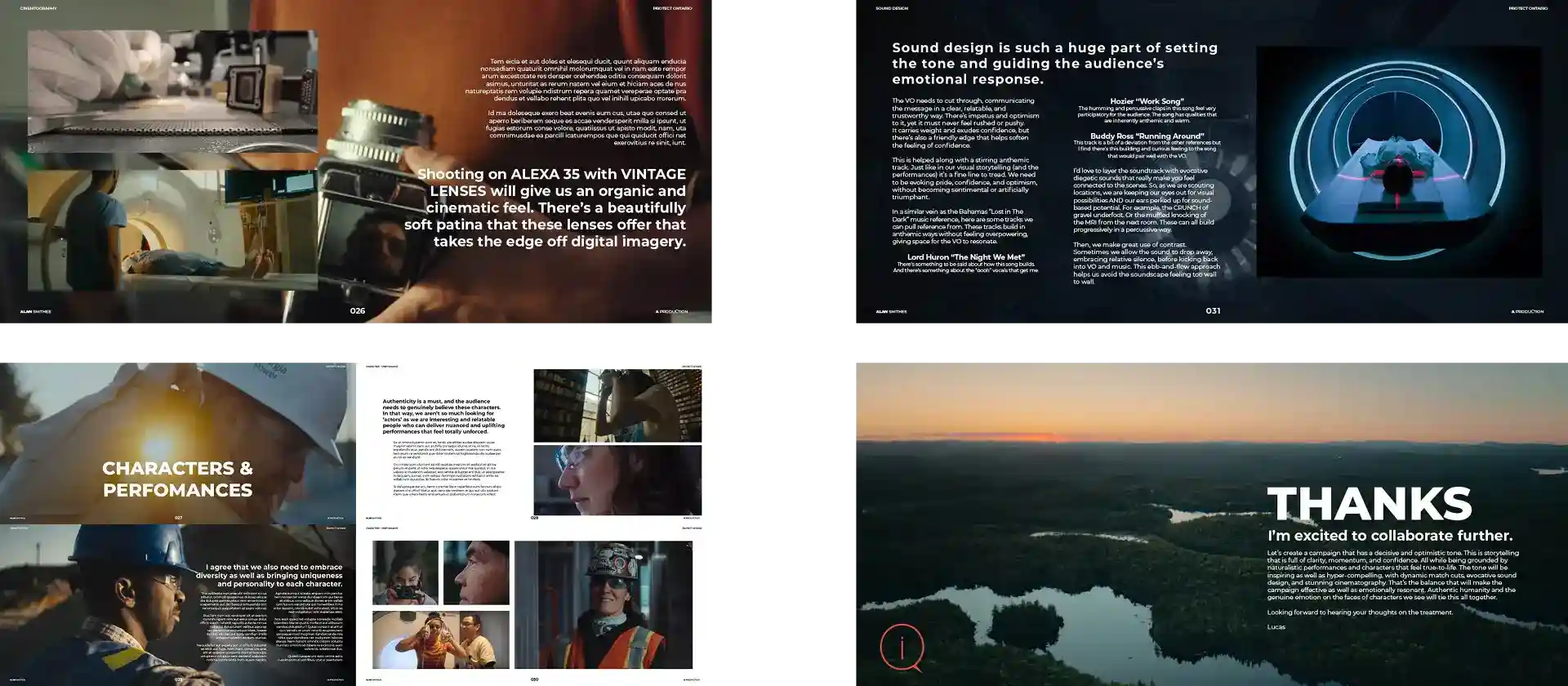
-
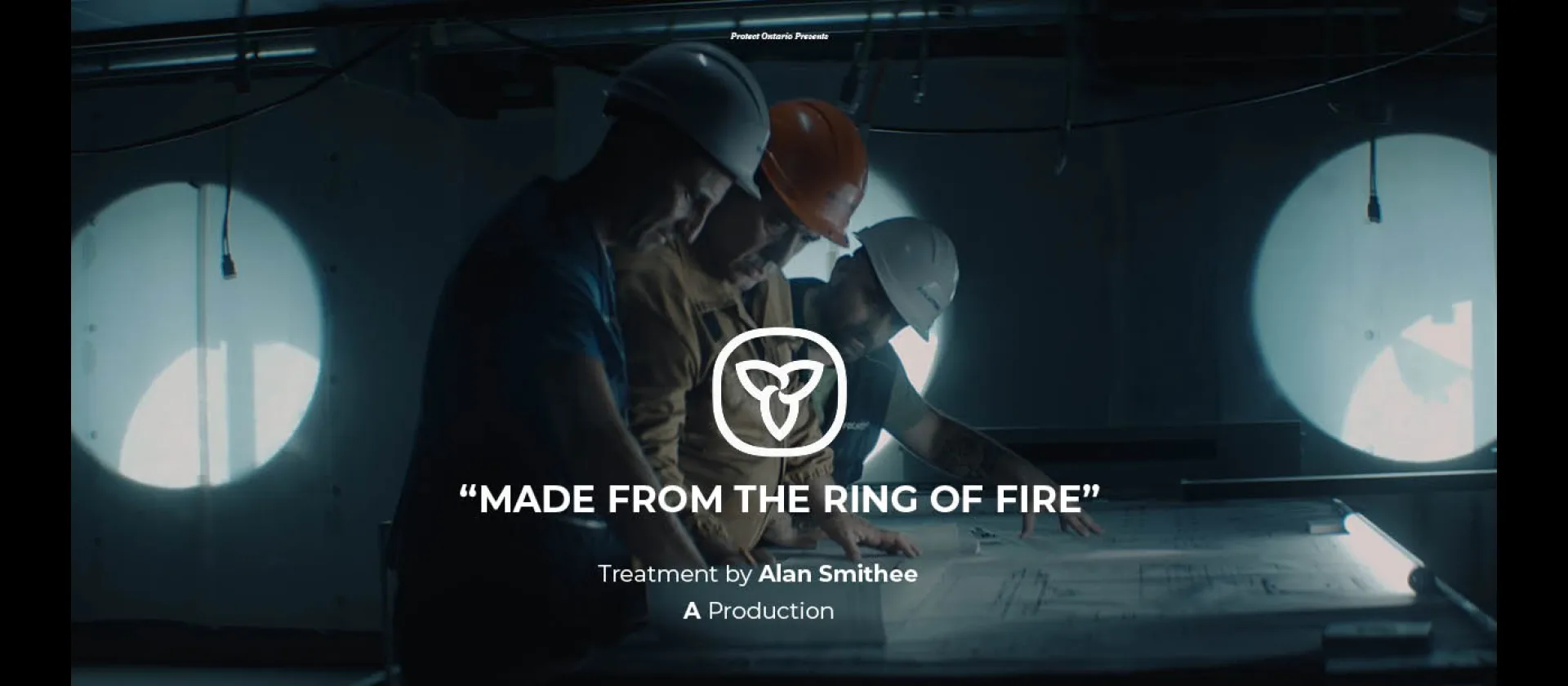
Think of a movie treatment as the business card for a film project — a one-sheet summary that plays a pivotal role as creative fuel for screenplays and as an effective pitch tool for producers and investors.
-
Professional treatments include things like a crisp logline, defined characters, a captivating synopsis, and a strong sense of tone, all written with clarity and logical presentation.
-
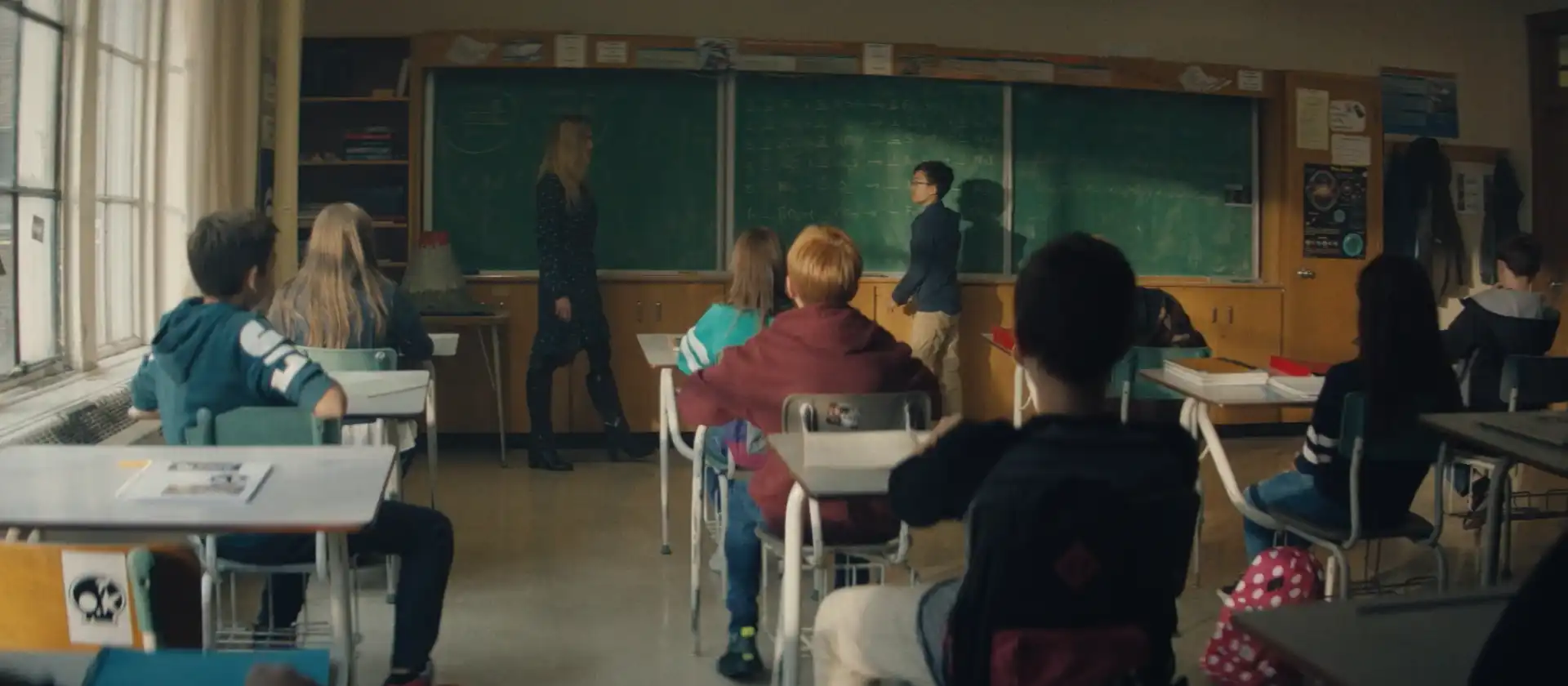
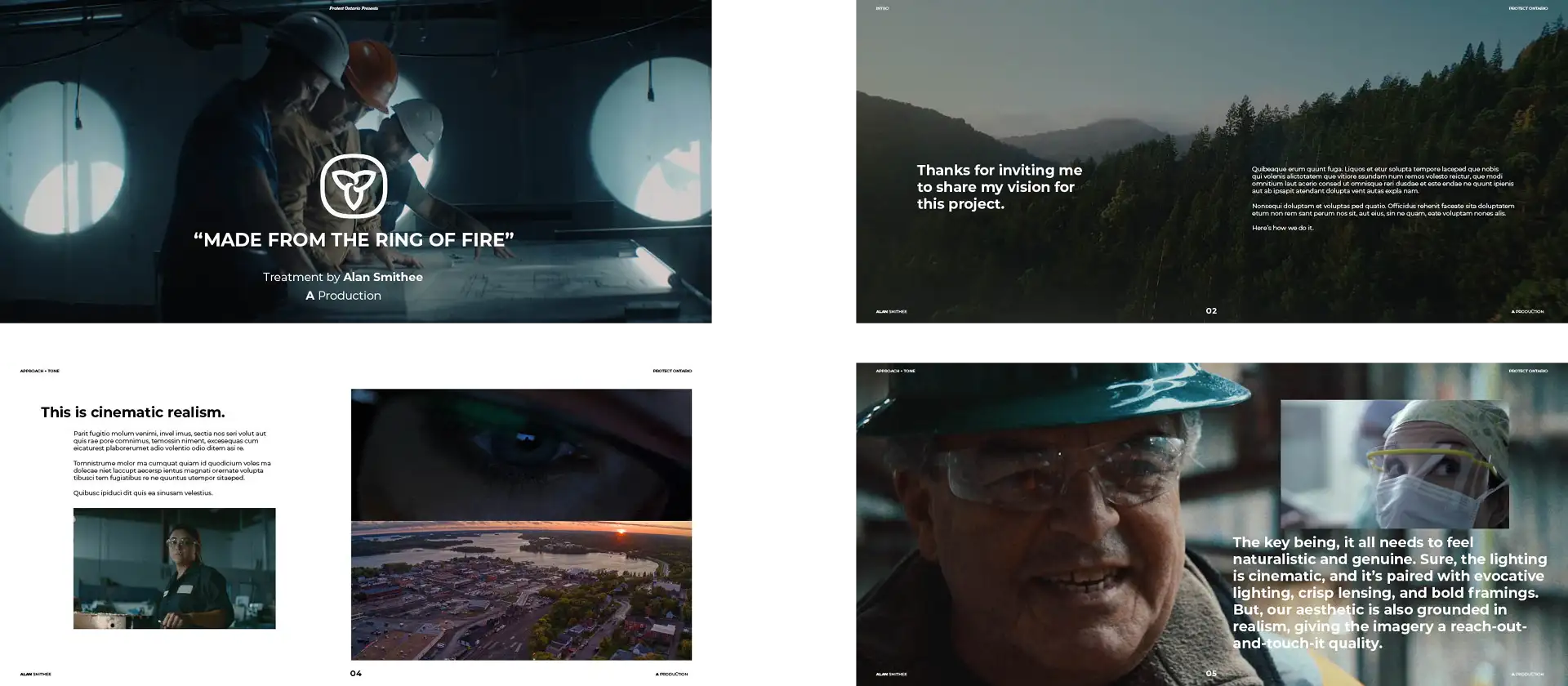
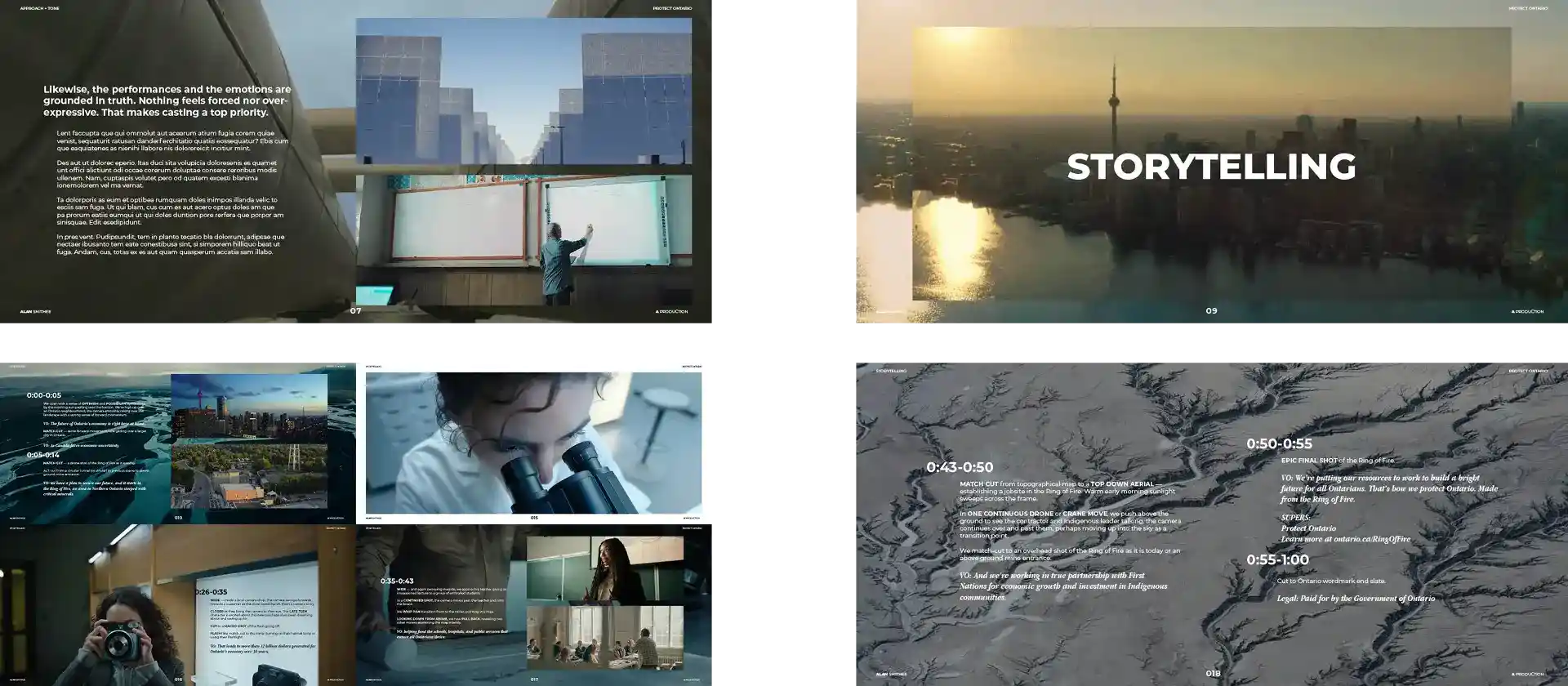
Here are a few great examples of movie treatments.
-
By reviewing a wide range of treatment examples across genres, writers can see firsthand the different structural conventions and apply the style best suited to their target audience and industry standards.
- A good example movie treatment reads like the story itself. It’s not just dry plot points, but considers narrative voice, pacing, and the integration of visual elements.
- Rigorous proofreading, simplicity and iteration with feedback are essential practices that keep the treatment on point, clean and true to the story message.
Examples of Movie Treatments and Film Treatment Purpose
An example of a movie treatment is at the center of early film development. Its primary role is to provide a concise, clear overview of the entire narrative before anybody pens a screenplay. This sheet can easily span 3 to 15 pages. It describes the story, important characters, style, and central messages. That way, a team or studio can evaluate the concept before investing time or resources in a full script.
For instance, examples of movie treatments for a sci-fi flick might describe the future world, the key plot twists, and the thing that makes the story unique as compared to other stories in the genre. With such a treatment, the story becomes immediate and easy to judge at a glance without recourse to technicalities or fragments of dialogue.
Why are Director’s Treatments Used in Film?
Treatments are a template for the complete screenplay and subsequently, the entire film. They provide writers with a road map, illustrating the story’s progression from beginning to end. Think of it as the wireframe for a website; it forms the end product, allows people to identify flaws early, and assists in planning modifications quickly.
A treatment has to reveal the core of the story to someone who reads it — even if they know nothing about the genre or previous work by the writer. That way, studios, partners and even actors can see the big idea, style and why the story is unique.
Examples of movie treatments don’t use fancy film jargon or verbose language. They don’t try to be literary or poetic; instead, they employ everyday language to render the account extremely visual for diverse audiences.
Treatment Types and Genres
Specifically, a mystery film might describe every clue, how every suspect fits into the story, and the rhythm of important reveals, so the screenwriter can craft the suspense when developing subsequent drafts. Production crews use examples of movie treatments to schedule budgets, scout locations, or identify sequences that require a lot of special effects. By establishing the story’s form ahead, it holds everyone aligned as the project proceeds.
Moreover, A romance drama treatment might illustrate the strong connection between two protagonists, the central conflict separating them, and the ultimate moment of confrontation. This keeps the treatment centered on concepts important to the picture.
Furthermore, a sports film treatment could emphasize an unusual setting, a true story, or a new twist on the underdog narrative. These hooks can attract backers seeking a narrative that will resonate broadly. In other words, a well-done treatment is a calling card that opens the door to financing and broader backing.
Essential Elements in Examples of Movie Treatments
A movie treatment captures the soul of a movie idea into a concise, readable schematic. The treatment should be short, but it hits all the vital components required to pitch a story. Each component combines to convey the story, tone, and tempo, helping studios or directors visualize the finished movie.
Clarity is what counts because a treatment is frequently the initial stage of getting a film made. It has to be simple, something a harried producer could glance at. Conciseness keeps the attention on what counts, and a good flow allows the reader to catch the entire narrative from beginning to end.
Each part should link with the others, and the writing must stay clear and tight. Examples of movie treatments read as a narrative, not just an enumerated list of details. A comprehensive movie treatment should include these critical components:
The Logline
|
Element
|
Description
|
|
Core Premise
|
The main idea or conflict the story is built around
|
|
Genre Indicator
|
Hints at the style—comedy, drama, action, thriller, or other
|
|
Main Character
|
Who the story follows, often named or described in a few words
|
|
Stakes/Hook
|
What’s at risk, or what makes the story urgent or unique
|
A compelling logline captivates immediately and is one or two sentences that show the film’s core idea, genre and hook.. For instance, ‘A mild-mannered teacher has to prevent a world-wide cyber-attack before midnight.’ This line establishes the thriller genre and stakes in one sentence. Each word is deliberate, so the impact is crisp and precise.
The Characters
Rich, believable characters fuel a film. The treatment needs to identify the primary characters and describe what motivates them. The characters section must be short but clear sketches of the main and supporting roles, showing what drives them and how they change.
Supporting roles, such as a faithful companion or domineering guardian, enrich and contour the story’s turns. With short paragraphs for each character, the treatment remains concise and colorful. Include only the elements that are most important to the plot.
The Synopsis
The synopsis is an extremely brief yet complete summary of the plot, showing the start, main events, and how things wrap up.
An effective synopsis narrates the entire story in a couple of paragraphs. The trick is to capture the big beats without getting mired in additional minutiae. Begin with the core conflict, highlight the major twists, and conclude with the resolution.
For example, in a crime film: “A rookie detective joins a high-profile murder case. As the hints unravelled, timeless secrets were revealed, driving him to make a choice between fidelity and fairness. After all, he discovers the killer but at a personal cost.” Each piece builds on the previous, demonstrating the development of plot and characters.
The Tone
Tone determines the emotional impression of a story and provides contextual elements of how to view the plot. It’s best thought of as the beating heart and soul of a movie.
A tone could be dark, hopeful, tense, or light. For starters, your treatment has to employ words that establish this vibe immediately. For a horror movie, use incisive, chilling language that implies terror.
A romantic comedy could use warm, whimsical language to suggest its tone. Tone relates to genre. A science fiction epic will resonate bold and sweeping, while a quiet drama will echo slow and thoughtful. Every line in examples of movie treatments should suit the film’s world, steering the reader’s energy as they read along.
Examples of Movie Treatments for Film Enthusiasts
Movie treatments are genre specific, with each genre employing its own structure and style to establish tone and mold story. Treatments provide a brief but incisive picture of plot, characters, and mood, allowing readers to glimpse the entire arc prior to a script being drafted.
Here are some movie treatment examples from different genres, each adopting its own style and emphasis.
|
Genre
|
Example Treatment Summary
|
|
Thriller
|
A detective hunts a hidden killer in rainy Berlin, facing misleads.
|
|
Comedy
|
Two mismatched roommates start a food truck, chaos and laughs follow.
|
|
Sci-Fi
|
On Mars, a lost botanist must grow crops to survive.
|
|
Drama
|
A family copes with loss, secrets, and hope in rural India.
|
|
Indie
|
A lonely artist bonds with a stray dog, changing her life.
|
1. The Thriller
Thriller examples of movie treatments build suspense with crisp plot points, tight pacing and a sense of impending danger. Each scene drives the story, usually with rapid-fire dialogue and surprises. Character motives are transparent yet frequently multi-layered, causing readers to wonder who to believe.
Motifs such as vengeance, righteousness or treachery abound and almost every scene closes on a cliffhanger. The false leads and red herrings keep the audience engaged, while the protagonist’s pursuit of truth or survival stays front and center.
2. The Comedy
Comedy treatments tell you everything clearly and on time, and they set up jokes with smart punch lines. Comedy writers for hire know character banter and odd couples generate a lot of the laughs. The best funny treatments take common problems—an uncomfortable date, a family confusion, a little error that gets out of control—as a jumping point for humor.
Dialogue is rapid, clever, and full of visual jokes or puns. It usually has a rise and fall structure, with trouble building and peaking in craziness, then ending in a light or witty wrap-up. Running jokes, reversals, slapstick, and other elements are thrown in to keep it fun.
3. The Sci-Fi
Sci-fi treatments have to establish the rules of the world early, whether it is future Earth or a new planet. Your treatment tells the tech, society, and stakes but keeps focus on character needs such as survival, discovery, or change.
Scientific concepts mix with what-if queries, frequently stretching the boundary of what seems real. Possible topics include human constraints, first contact, or AI morality. Good examples of movie treatments keep the science crisp but never let it drown the story’s soul.
4. The Drama
Drama treatments get into feeling. They develop gradually, allowing readers to grow concerned for the characters as they confront adverse decisions. Dialogue exposes hurt, optimism, or mysteries, and subtext gives it richness.
Struggle with yourself or someone else propels either expansion or decay. These treatments tie in real-world struggles: family, illness, coming-of-age, or injustice, making the story hit close to home. Every scene is crafted to demonstrate both what is stated and what is omitted.
5. The Indie
What makes indie film treatments different is that they demonstrate little real moments. They employ minimal locations and minimal characters, often born of a limited budget.
It’s all about truth, presenting life as it is, not as it ought to be. Unique locations, unpolished conversations, and sincere feeling mark them. There are recurring motifs of discovery, home, or the little pleasures, striving for authenticity rather than polish.
Crafting Yours
Good examples of movie treatments begins with a scheme. Story first, everything else falls into place. Sketch out your story to guide your thoughts. An outline sketches out your major plot points, character arcs, and key scenes, allowing you to visualize the structure of your story before you begin writing specifics.
This saves you time and gives your treatment a feeling of flow that carries the reader through.
Voice
A powerful, consistent voice puts your treatment’s personal imprint. This voice must fit the story’s tone—serious, light, or somewhere in between. For dramas, a quiet, controlled voice suits. Comedies fare better with a flippant tone.
The voice needs to match the story’s tone and remain consistent throughout. It assists to select words that sound like the characters. If your tale involves a young programmer, use terms that spill out of that universe. For instance, ‘She’s adrift in the code’ rings more true than ‘She is confused.’
Small touches like this make the treatment come to life. Experiment with styles. Some writers use a third-person summary fashion, others use a more novel-like approach. The style for ‘The Social Network’ is quick and angular, while ‘Eternal Sunshine of the Spotless Mind’ has a wistful, airy flow to it.
Select a style that suits your narrative and is comfortable.
Pacing
Pacing determines the reader’s rhythm through your treatment. Slow pacing allows you to linger on a moment or emotion, while fast pacing drives the narrative ahead. For action movies, maintain a fast pace by sticking to short scenes and twists.
For character-driven narratives, give yourself some breathing room to contemplate and describe. Intermingle action with background to give the reader a breather and maintain high interest. For instance, if you just had a tense chase, include a quiet scene where the protagonist ruminates.
Bullets or mini paragraphs can disaggregate heavy text, keeping the treatment scannable. Genre counts as well. Horror examples of movie treatments tend to begin sluggishly and accelerate as the tension builds. Romance novels can dwell on feeling notes.
Sync your tempo to the type of narrative you are weaving.
Visuals
Visuals bring something to a treatment. Basic sketches, mood boards, or scene snapshots provide the reader a feel for the world you’re constructing. In a sci-fi tale, an image of the principal vessel or metropolis can establish the atmosphere.
For a coming-of-age picture, a locker, city streets, and family-photo mood board can set the tone. Photos can demonstrate the location, fashion, or even the vibe of a moment. These images need to mix with your tale’s mood.
If you’re writing about a grim future, use desaturated colors. A spiffy comedy treatment example could use snappy warm pictures. Reference images assist readers, particularly producers and directors, to visualize your vision.
These should complement the copy and not compete with it.
Avoiding Mistakes
Writing a movie treatment example PDF isn’t just about telling a story idea. It requires caution, clarity of thought, and attention to essentials. These common blunders delay a script’s opportunity to differentiate itself or resonate. A cautious path will assist any writer, analyst, or creative thinker in producing a treatment that reads beautifully and remains faithful to the story’s true core.
- Proofread to spot errors or odd spots
- Use plain, clear words instead of complex ones
- Stick to the story’s main idea
- Keep the tone even from start to end
- Show not tell—use real moments, not just claims
Proofreading is what counts. Even expert scribes miss a typo or confuse names. Unforced errors like these can disrupt the rhythm or lose the reader’s confidence. For instance, if a treatment for an international action flick switches the lead’s name halfway down the page, readers assume the plot is uninspiring or thrown together. Rereading the text captures these errors.
This step catches weird lines, mixed-up tenses, or places where the logic leaps. Proofreading isn’t just for grammar; it is for flow and truth. A crisp, sharp examples of movie treatments demonstrates the writer’s respect for the craft and the reader.
Taking Your Movie Treatment to the Next Level
A movie treatment occupies a position somewhere between a rough idea and the final script, providing a solid form to a story before the grind of screenwriting starts. These treatments typically run around 2 to 15 pages, keeping it focused, describing the main plot, characters, and major scenes. This phase is not so much about structure, but instead about making the narrative move with distinct beats and rhythm.
A good treatment should read like a story, not a detailed shot list. For instance, the treatment for The Godfather outlined family connections and critical scenes prior to the script being completed. That early synopsis provided the creative team a powerful guide to follow.
A treatment is the base level for a screenplay. It frames the story’s backbone, so the script has a solid foundation to develop from. If you begin with a treatment, you can catch plot holes or jagged story arcs sooner. You get to see what works and what doesn’t.
Screenwriters and Examples of Movie Treatments to Sell an Unfinished Screenplay
Writers use treatments to pitch to studios, but they use them to sanity-check their own concepts. The examples of movie treatments for “Jaws” provided the studio with a concrete view of the story’s suspense even before a line of dialogue was penned. By describing the shape, a treatment allows writers to experiment with all those plot points before they evolve into massive script issues.
Revision and Editing Before You Write
Critique and editing are important components of the authorial journey. A great treatment isn’t born in one draft. Writers show their work to trusted friends or mentors, then hear what others observe. Sometimes the narrative is uncertain. Perhaps a character’s objective is flaccid. Feedback illuminates these voids.
Revision is when you return, trim what doesn’t belong, and insert what the story requires. A checklist for feedback and revision includes clarity of plot, strength of character goals, sense of pacing, and clear stakes. By each item on the list, it assists writers in identifying where the treatment requires attention.
Outside Voices Shape Your Narrative
Input from other voices, particularly those with industry experience, has the ability to identify blind spots or provide fresh inspiration. Collaboration is key. Occasionally, writers collaborate with others, including producers, directors, or even other writers, early on.
These folks can add fresh perspective and identify issues the original writer overlooked. In the film world, networking isn’t just to get jobs; it’s to make a story better and selling movie script treatment examples. Treatments are a fantastic way to share ideas with other members of your community. A sharp, articulate example film treatment helps simplify the process of getting people on your side and begins assembling a team around it.
Conclusion: Examples of Movie Treatments
Movie treatments present concepts in a crisp and clean fashion. They provide a project form prior to scripts or sketches. Writers use an example movie treatment to lock in tone, to show the mood and pace for what follows. Solid examples of movie treatments makes a pitch memorable, allows it to resonate in the mind of anyone on your team, and keeps the strategy focused. Good examples guide your own drafts.
Catching weak spots early saves you time and stress down the road. To continue developing your craft, study treatments from movies you admire, experiment with new formats and exchange feedback with fellow scribes. Need more tips or have a draft? Stop by the blog and join in the conversation.