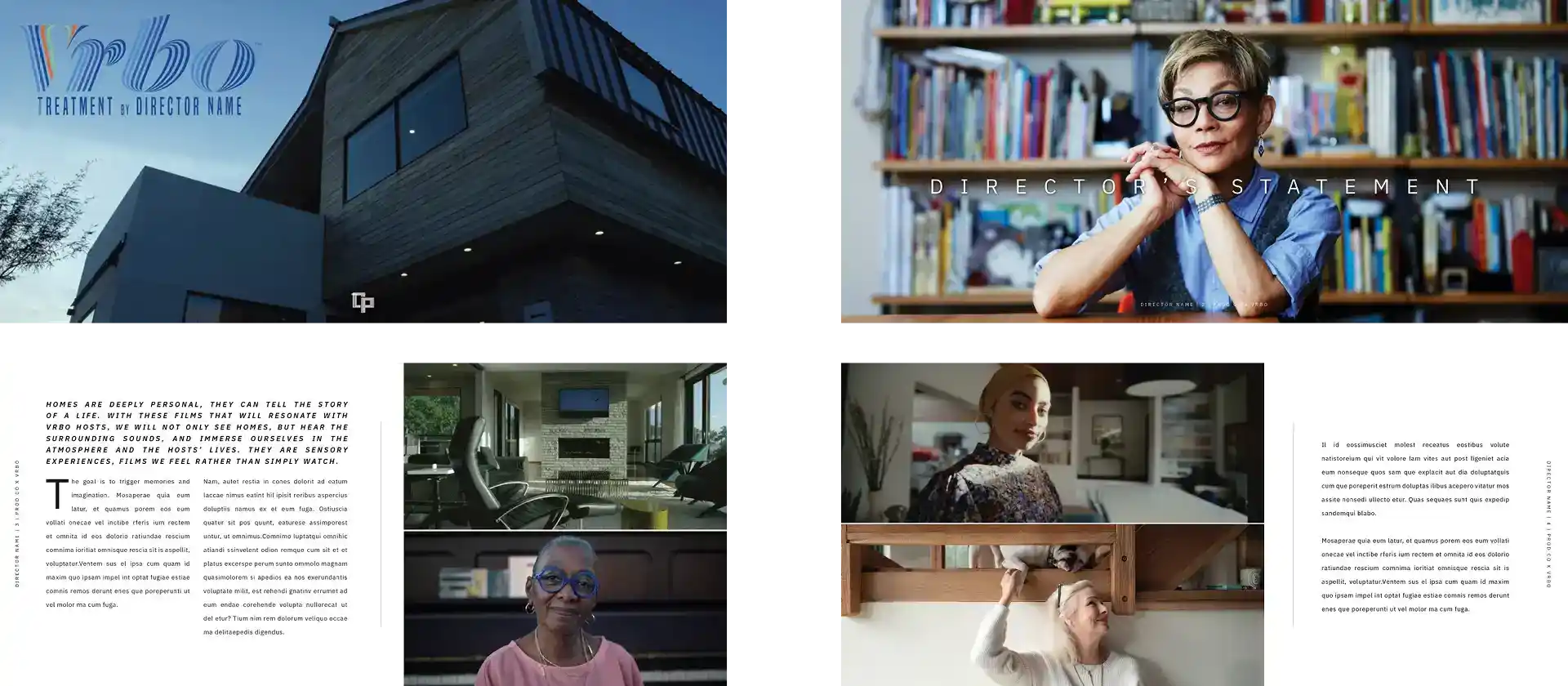
Defining the Term “Film Treatment”
A film treatment example is a concise summary that outlines the key elements of a screenplay. As a writer, it is important to create a well-crafted treatment that effectively communicates the story and vision of your writing. A screenplay treatment, also known as a movie treatment, serves as a blueprint for filmmakers and is written by a writer. It provides an overview of the story, characters, and themes, making it an essential tool in the writing process. Unlike a full script, treatments focus on narrative structure rather than dialogue. As a writer, it is important to understand the distinction between the two.
Significance of Film Treatments in the Industry
Film treatments are essential for writers, as they assist producers and executives in swiftly assessing potential projects in the industry. By providing a clear vision of the story’s concept, treatments allow decision-makers to assess its marketability. Movie treatments, such as film treatment examples, serve as communication tools during the treatment process between writers, directors, and other creative team members.
Key Elements to Include in a Film Script Treatment Example
When crafting a film treatment, there are several key elements that should be included:
- Compelling Logline: A logline is one sentence that captures the essence of your story, whether it’s for a movie treatment or any other form of storytelling. It should be concise yet engaging enough to pique interest.
- Engaging Synopsis: The synopsis provides a summary of the plot while highlighting its unique aspects. It should give an overview of the main events without going into too much detail.
- Character Descriptions: In your treatment, it’s essential to include character descriptions that provide insight into their motivations and arcs. This helps readers understand how each character contributes to the overall story.
By including these elements in your film treatment, you create a comprehensive overview that effectively conveys your story’s core elements.
Film treatments are valuable tools for both aspiring and established filmmakers alike. They allow writers to present their ideas concisely and attract attention from industry professionals who may be interested in developing their work further.
Diving Into Film Treatment Examples
Analyzing E.T. and The Shining Treatments
The treatment for “E.T.” showcases Steven Spielberg’s exceptional ability to evoke emotion through storytelling. With vivid language and descriptive imagery, the treatment effectively conveys the heartwarming tone of the film, capturing the sense of wonder and adventure that permeates the story. On the other hand, Stanley Kubrick’s treatment for “The Shining” emphasizes psychological horror and a suspenseful atmosphere. Through concise yet powerful descriptions, Kubrick creates a chilling sense of dread that lingers throughout the treatment. Both examples demonstrate how treatments can effectively convey tone and visual style, setting the stage for a compelling cinematic experience.
Examining Mr. & Mrs. Smith’s Treatment
The film script treatment example for “Mr. & Mrs. Smith” provides an excellent example of how treatments can capture the essence of genre-specific films while showcasing dynamic character interactions. It highlights action-packed sequences with witty banter between characters, giving readers a taste of the film’s exciting blend of romance and espionage. By presenting key scenes and character dynamics in a concise manner, this treatment enhances its marketability by providing potential investors with a clear understanding of what makes this film unique.
Tips from Successful Movie Treatments
When crafting your own film treatment, there are several tips you can learn from successful movie treatments:
- Focus on clarity: Present your ideas concisely without sacrificing depth or creativity. Clear communication is crucial in conveying your vision to potential producers or investors.
- Highlight uniqueness: Emphasize the elements that set your story apart from others in the same genre. Showcase what makes it special and why audiences will be drawn to it.
- Use vivid language: Engage readers by using descriptive imagery that creates a visual experience within their minds as they read your treatment.
- Capture tone and style: Conveying the mood, atmosphere, and visual style of your film is essential. Use language that evokes the desired emotions and sets the stage for an immersive cinematic experience.
By following these tips, you can create a compelling film treatment that effectively communicates your vision and captivates potential investors or producers.
Other Film Script Treatment Example from Our Website
- Movie script treatment examples
- Script treatment template
- Sample film treatment format
- Script treatment format
- Screenplay treatment template
Crafting Your Own Film Script Treatment Example
Utilizing a Template in Microsoft Word
Templates can be incredibly useful. They provide a structured format that helps you arrange the different sections of your treatment in a cohesive manner. Fortunately, Microsoft Word offers a range of pre-designed templates specifically tailored for film treatments. These templates not only save you time but also ensure consistency in formatting throughout your document.
Elements to Include in Your Script Treatment
When crafting your own film treatment, there are several essential elements that should be included. Firstly, a logline—a brief one or two-sentence summary—will give potential producers and production companies an immediate understanding of your story idea. A synopsis provides an overview of the main plot points and gives readers a sense of the overall narrative arc.
Character descriptions play a crucial role in helping readers visualize the individuals who will bring your story to life on the screen. Provide details about their personalities, motivations, and relationships with other characters.
In addition to these core elements, consider including information about themes, tone, and setting details. Themes can add depth and meaning to your story while setting details help create a vivid backdrop for the events that unfold. If you have any notable stylistic choices planned for your film script treatment example—such as unique camera angles or visual motifs—be sure to mention them as well.
Finally, it’s important to convey the emotional journey of your characters throughout the treatment. Show how they evolve and grow as they face challenges and conflicts within the story.
Common Mistakes to Avoid
One common mistake is including excessive dialogue or lengthy scene descriptions in your script treatment. Remember that the purpose of this document is to capture the essence of your story rather than providing every single detail.
It’s also crucial to avoid using vague or generic language that fails to capture the uniqueness of your concept. Be specific and use descriptive language that brings out the distinct qualities of your story idea.
Spelling and grammatical errors can undermine the professionalism of your treatment. Take the time to proofread your document carefully and consider using grammar-checking tools to ensure accuracy.
The Anatomy of a Screenplay Treatment
Exploring Structure and Format
Treatments are an essential part of the film industry as they provide a detailed summary of a screenplay. They typically follow a three-part structure: setup, confrontation, and resolution. In the setup, the main characters and their world are introduced. The confrontation section builds tension and conflict, while the resolution brings about a satisfying conclusion to the story. Understanding this structure is crucial for crafting an effective treatment that captures the essence of your screenplay.
It is important to adhere to industry standards. This means using proper screenplay terminology when necessary and maintaining consistency throughout your document. Using standard font styles such as Times New Roman and sizes like 12pt ensures readability. Double-spacing lines between paragraphs also enhances readability for readers or potential investors who may be reviewing your treatment. Including page numbers and a header with the title of your treatment on each page helps keep everything organized.
Deciding on Prose or Storytelling Approach
When writing a treatment, you have two options: prose-style or storytelling approach. Prose-style treatments focus more on describing events while maintaining a narrative flow similar to prose writing. This style allows you to delve into the details of each scene, providing vivid descriptions that help bring your story to life. On the other hand, storytelling treatments adopt a more cinematic approach by utilizing present tense action descriptions akin to a screenplay. This style allows readers to visualize how scenes will play out on screen.
Choosing between these approaches depends on your writing style and the story you want to convey in your film script treatment example. If you prefer emphasizing character development and emotional depth, prose-style may be more suitable for you. However, if you want to highlight visual elements and create a sense of immediacy in your treatment, storytelling approach can effectively capture those aspects.
Creating an Effective Film Treatment Pitch Deck
Writing an Engaging Pitch Deck
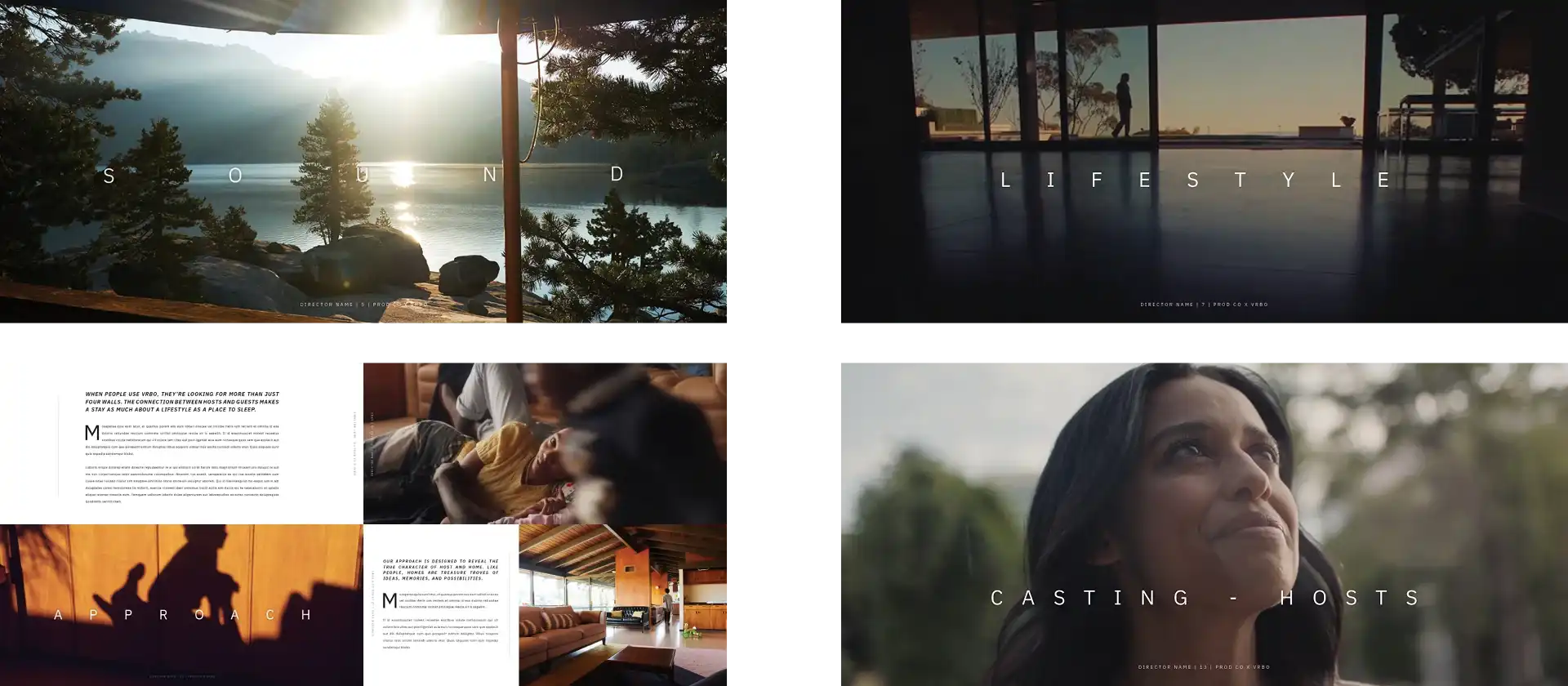
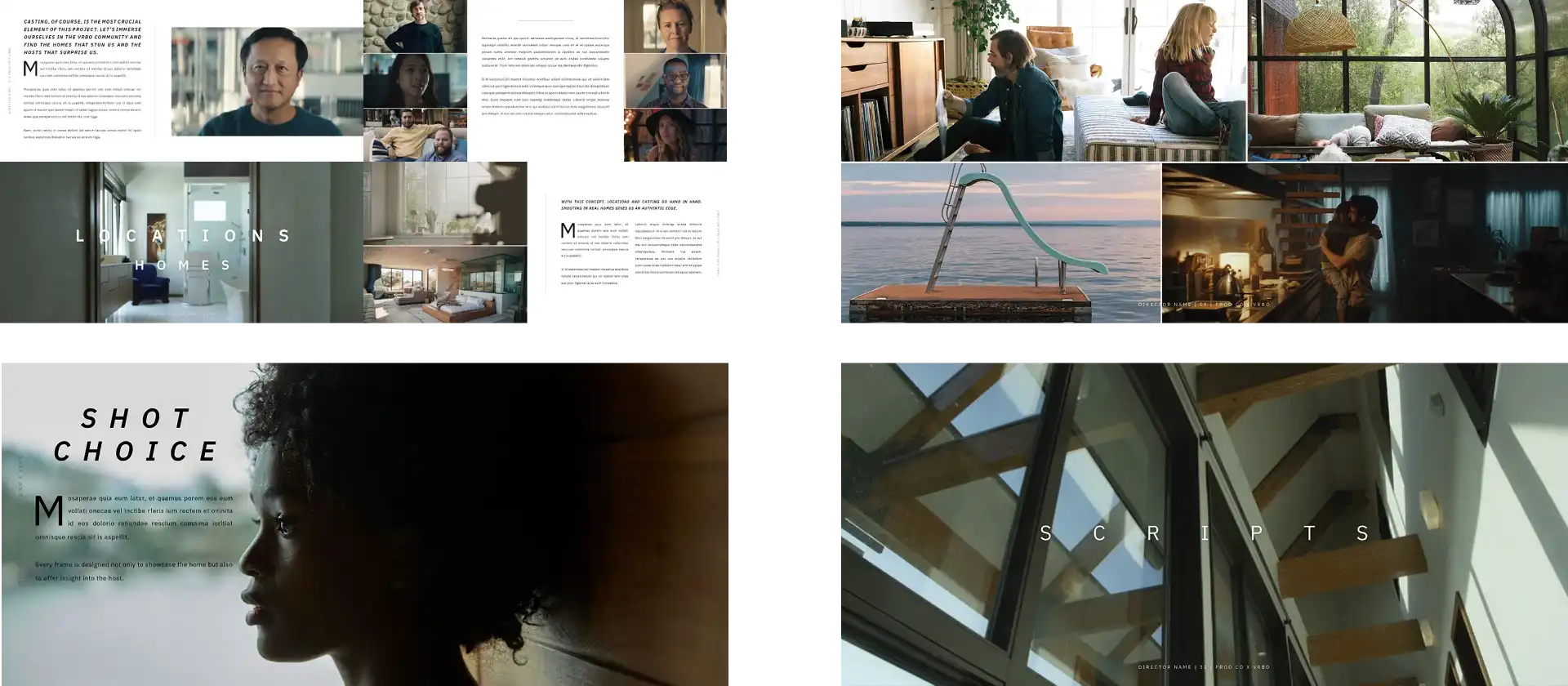
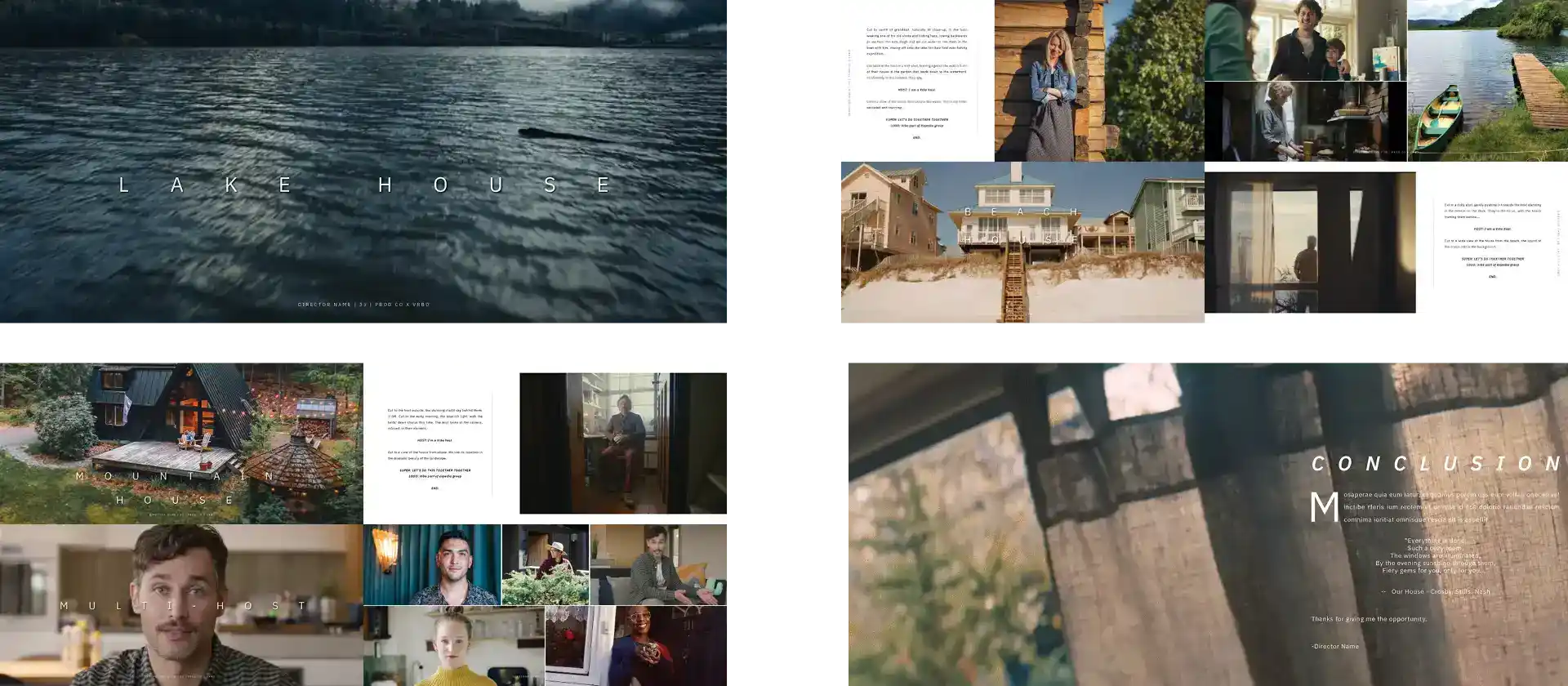
A pitch deck is a visual presentation that goes with your story. It helps get the attention of investors or producers. To make it interesting, keep it short and use pictures that match your story. Also, include a quick summary of your film and show that you know who will watch it.
It’s crucial to strike a balance between providing enough information and maintaining audience engagement. Aim for a pitch deck length of 10-15 slides to ensure you don’t overwhelm viewers with excessive details.
To maintain engagement throughout the presentation, consider incorporating storytelling techniques into each slide. Craft each slide as if it were its own mini-story within the larger narrative arc of your film treatment. This will help keep viewers hooked and interested in learning more about your project.
Deciding What to Include in Your Pitch Deck
To create an effective pitch deck, there are several key elements you should include:
- Logline: Begin with a strong logline that succinctly summarizes the essence of your film. This will immediately grab the attention of your audience and provide them with a clear understanding of what your project is about.
- Synopsis: Provide a brief overview of the plot and main story beats. Highlight any unique or intriguing aspects that make your film stand out from others in the same genre.
- Main Characters’ Descriptions: Introduce your main characters and their motivations, highlighting their journey throughout the film. Use concise descriptions and visual references to bring these characters to life in the minds of potential investors or producers.
- Visual References: Incorporate visuals strategically throughout your pitch deck to enhance understanding and create an emotional connection with the audience. Show concept art, location images, or mood boards that capture the visual style and atmosphere of your film.
- Genre Indicators: Clearly indicate the genre of your film through visuals, tone, and storytelling elements. This helps potential investors or producers understand where your project fits within the market landscape.
By including these key elements in your pitch deck, you can effectively communicate the essence and marketability of your film treatment to potential investors or producers.
Conclusion: Film Script Treatment Example
In conclusion, understanding the concept and importance of film treatments is crucial for any aspiring filmmaker. By diving into a film script treatment example, you can learn how to craft your own compelling story and effectively pitch it to industry professionals. The anatomy of a screenplay treatment provides a structured approach to developing your ideas, while creating an effective film treatment pitch deck allows you to showcase your vision in a concise and visually appealing manner.
To succeed in the competitive world of filmmaking, it is important to master the art of crafting a captivating film treatment. By following the guidelines outlined in this article, you can enhance your storytelling skills and increase your chances of getting your script noticed. Remember to be clear, concise, and confident in presenting your ideas. With practice and dedication, you can create a film treatment that captures the imagination of producers and opens doors to exciting opportunities in the film industry.
What is a film script treatment?
A film script treatment example is a concise summary of a screenplay or movie idea. It outlines the main plot, characters, and key story points, providing an overview of the narrative without being as detailed as a full script.
Why is a film script treatment important?
A film script treatment serves as a valuable tool for pitching ideas to producers, directors, and investors. It allows them to quickly grasp the essence of the story and evaluate its potential. It helps writers organize their thoughts and ensure coherence before diving into writing the full screenplay.
How long should a film script treatment be?
There are no strict rules regarding length, but most treatments range from 2 to 10 pages. The goal is to provide enough information to convey the story’s concept and structure while keeping it concise and engaging.
What should be included in a film script treatment?
A film script treatment should include an engaging logline or elevator pitch that captures the essence of the story. It should also cover the main characters’ introductions, major plot points, key conflicts, and resolution. Any unique selling points or marketability factors can be highlighted.
Is there a specific format for writing a film script treatment?
While there isn’t one standard format for writing a film script treatment, it’s essential to present it in an organized manner. Typically, treatments follow a narrative flow with clear headings or sections for each significant aspect of the story. Using industry-standard formatting software like Final Draft or Celtx can help maintain consistency and professionalism.