- Know what a film treatment is. It has its own logline, character arcs, thematic core, act structure, and key scenes.
- Craft strong loglines, clear character transformations, and powerful themes to make the treatment tell the story and appeal to an international audience in a digestible script treatment format.
- Rather than outlining the entire plot, structure the treatment as a series of scenes — three acts and key scenes — with evocative descriptions that remain consistent with the tone and themes.
- Be clear and brief. Arrange information in a logical way, omit any nonessential detail, and use plain language that can be understood by readers around the globe.
- Understand the dual role of the film treatment examples as both a sales pitch to industry professionals and a creative template for the screenplay.
- Consider your film or TV treatment example a living document, revising it often based on feedback and fresh information to enhance not only its presentation but the story itself.
Deconstructing A Film Treatment Example
A film treatment is a blueprint that reveals the big picture of a story prior to script writing. It’s a roadmap for the filmmakers, producers, and everyone else involved. Every element of the film treatment example has a specific role to craft the story’s direction and mood.
Deconstructing these pieces will help the writer organize, identify flaws, and convey their vision. Below you’ll find the key components of a film treatment, with examples to illustrate how each builds a compelling story.
1. Film treatment Example Logline
The logline is a single or double sentence that sums up the film. It sets up the protagonist, their objective, and hints at the tension. For example, ‘A teenage programmer must outrun a malfunctioning AI to save her hometown’ has the protagonist, goal, villain, and implies a sci-fi thriller. This is the type of treatment examples TV producers are looking for.
A defined logline additionally implies genre and primes audience anticipation. If it’s too general or too lengthy, it doesn’t pack a punch. Great treatments use a logline to hook attention and anchor the story.
2. Character Arcs
The arc maps who the character is at the start and who they become. For instance, a bashful student discovers his voice in music. The arc connects each point in his narrative to a growth moment, such as confronting a bully and getting on stage.
These beats echo the film’s motifs, like bravery and acceptance. Powerful arcs force readers to want to know the outcome and identify emotionally.
3. Thematic Core
The film treatment example articulates the story’s underlying themes, which are what it’s truly about under the surface of the plot. It could be hope, justice, or the fight for freedom. A theme shows up in characters’ decisions, in the setting, and in the tone.
Motifs, such as recurring imagery or symbols, underscore them. For instance, water might represent transformation or renewal during the film. Once you nail the theme, it adds dimension to the story and allows audiences to connect.
4. Act Structure
A treatment breaks the story into three acts: setup, conflict, and resolution. Each act takes the plot another step forward. The first act is the world and its rules. The second act increases the stakes and complicates the conflict further.
The final act delivers the climax and resolution. Marking act breaks helps keep the story tight. For instance, the midpoint twist could compel the hero to adopt a different strategy. This structure keeps readers turning pages by creating tension and pacing the action.
5. Key Scenes
Your treatment identifies these for you and paints them in short, vivid detail. For instance, ‘Our heroine confronts her terror on the roof as the city lights blink beneath her.’ These stills advance the story, demonstrate character decisions, and establish the movie’s mood.
They demonstrate how the motif springs to life on screen. Great treatments provide just enough detail to ignite visuals but leave room for expansion.
Crafting The Narrative
A great film treatment hooks the reader early and carries them through a concise and compelling narrative. The treatment should demonstrate how scenes connect and characters develop and how the story builds from beginning to end. That means using plain language, concrete actions, vivid imagery and continuing to consider the audience.
A good frame, an introduction, middle and conclusion, helps maintain the momentum. Leveraging others’ feedback helps identify rough edges and clarifies your story.
Tone
When you establish the tone early, the reader knows what to anticipate. If it’s a dark thriller, the language should be tense, sharp, and cold from paragraph one. For a coming-of-age drama, gentler phrasing and open, optimistic lines do the trick.
How you choose your words, construct your sentences, and express emotion should fit the tone you want the reader to experience. Maintain the same tone throughout. Do not slide from joke to tragedy unjustifiably.
For instance, a sci-fi tale may require a serious, contemplative style, but a rom-com can get away with airy, cheeky prose. Make the tone fit the story’s genre and who will see the movie, so the film treatment example comes across open and transparent.
Pacing
Pacing determines the story’s rhythm as it unfolds. Varying sentence length can shift the pace of a story. Short, clipped sentences crank it up a notch. Longer, winding lines let you slow things down for a thoughtful pause.
In a suspense movie screenplay, use rapid-fire lines during a pursuit, then elongate the sentence for a silent reveal. Cliffhangers and sudden twists keep readers guessing and hungry.
Interweave rapid sequences with more deliberate moments to provide the reader with space to breathe and reflect. For instance, a heist flick might cut from tense planning to sudden action, then retreat to calm as the team regroups. This blend keeps the tale engaging.
Voice
Voice is what makes the story sing. It reveals who’s narrating it and in what manner. A first-person voice gets readers inside the main character’s head, while third-person lets you reveal more of the world.
The voice needs to suit the characters in your story and the mood you selected. If your protagonist is youthful and optimistic, have the language reflect that with clear, uncomplicated, sunny sentences.
If an old, bitter character is narrating, employ harsher diction and more acute imagery. Dialogue can bring each character to life. For instance, a small town flick may use local lingo, but keep it accessible for a world audience.
The Unwritten Rules
Film treatments have their own unwritten rules. These rules guide writers in creating papers that are professional and attractive. Awareness of these rules is crucial for any would-be effort to present your story ideas clearly and efficiently. Unspoken norms, typical mistakes, and the tug between innovation and tradition all factor in. They are important to anyone pounding out a film treatment example, whether for an indie effort or a studio pitch.
Brevity
A successful treatment has to be short. Readers, be they producers, directors or financiers, have limited time and many pages to read. Brief writing keeps them listening. Unnecessary scenes, peripheral characters or too much back story bog things down and weaken the effect. Every sentence must serve the plot.
For instance, instead of describing all the character traits, describe what moves the plot forward. Plain words and brief sentences make ideas pop. Leave out jargon or flowery language that might confuse or distract. A standard treatment is anywhere from three to eight pages depending on the project.
This window is wide enough to span critical ideas but narrow enough to hold readers’ attention. We want to capture the essence of the film, including its tone, structure, and main plot, but not bog it down with overwhelming detail.
Clarity
Checklist for clarity in your film treatment example:
- Write in plain language and avoid complex phrases.
- Put your story beats in chronological order.
- Opening Scene Turning Point Resolution
- Explain unfamiliar settings or cultural elements with brief context.
Clarity prevents readers from getting lost. A straightforward treatment is simple to understand even if the reader is unfamiliar with your story’s genre or setting. Hard concepts should be divided into bite-sized pieces.
If your story unfolds in a distinctive world, such as a city of the future or a unique culture, provide sufficient context to anchor the reader, but break off before you begin exposition dumping. Logical flow helps. Begin with the premise, then work scene by scene.
If your movie shifts place or time, indicate it with easy hints. For instance, “Ten years later, in a remote village…” This prevents confusion and keeps treatment interesting.
Purpose
A treatment’s primary function is to communicate the film’s vision. It informs collaborators what the movie is, why it’s important and how it’s unique. Treatments are used to obtain backing from studios, possible collaborators or financiers.
As I explained in About: The Unwritten Rules, a good film treatment example is both a creative pitch and a business tool. It has to serve the needs of multiple constituencies. Filmmakers want to see some artistic intention. Backers seek commercial potential.
Both anticipate specificity. If a treatment is too general, it shortchanges both audiences. If it is too technical, it risks alienating non-specialists. Matching the treatment to its audience is crucial.
For instance, a treatment for a family movie ought to emphasize the hopeful or comedic aspects. One for an action thriller should focus on suspense and pacing. Everything should reinforce the story’s voice and market positioning.
Common Pitfalls
Writing a film treatment is hard, and there are lots of opportunities to screw it up in little ways that damage the final product. A film treatment example must be readable and straightforward because it is the plan of attack for the script and the entire project. Unfortunately, even writers with good ideas fall prey to the same problems that render their treatments ineffective.
To assist writers sidestep these snares, it benefits to understand their signs and solutions. Some common pitfalls include:
- Using technical film jargon that readers may not know
- Making the plot too complex or hard to follow
- Forgetting to check for spelling or grammar mistakes
- Leaving out key story or character details
- Writing in a style inappropriate to the film.
- Focusing too much on visuals, missing character or theme
- Making the treatment too long or too short
- Writing a script, not a summary.
- Using vague language that leaves out the story specifics
- Ignoring the pacing and structure of the story
Writers sometimes insert jargon that only film professionals use. For instance, ‘dolly in’ or ‘jump cut’ might mean something to people who work on set, but for a treatment these words could prevent the reader from seeing. If a producer or reader is not a film buff, this sort of writing can turn them off.
A treatment will speak in simple, straightforward language about the story, not the camera moves. This makes the film treatment example simpler to distribute to teams across the globe and it helps cross cultural divides.
The Treatment’s Purpose
A film treatment is a brief document that serves as both a sales device and creative template for a motion picture project. Its primary function is to provide a writer-friendly overview of the plot, tone, and central issues. This assists folks, such as producers or investors, who don’t necessarily have time to read an entire script.
The film treatment example is a writer’s roadmap, ensuring the story remains focused and aligned with the original concept. Here’s a table explaining the two primary functions of a film treatment.
|
Role
|
Description
|
|
Sales Tool
|
Used to draw in producers and investors by showing the core idea.
|
|
Creative Blueprint
|
Used as a step-by-step guide for the writing process.
|
It’s usually the first step for getting backing on a project. It has to grab the attention of someone who can fund or green-light the film. For this, your treatment needs to be crisp.
It must tell the story straightforwardly, without sacrificing what’s fresh or moving about it. It provides the crew with a bulletproof plan for shooting, so concepts don’t become obscured as production expands. Let me explain what I mean by this: a treatment’s ace in the hole is that it demonstrates the writer’s design and flair.
A film treatment functions as a pitch. Its primary objective is to market the concept through the various filmmaking elements. Producers and investors read the treatment first to find out if the story is worth it. It needs to be compelling and captivating.
|
Unique Selling Point
|
Example
|
|
Clear story summary
|
“A single mother fights to keep her farm after a flood.”
|
|
Strong visual style
|
“Dark, moody shots to show the character’s inner struggle.”
|
|
Defined target audience
|
“Aimed at young adults, ages 18–30.”
|
|
Empathy Hook
|
Loss and hope propel the protagonist’s adventure.
|
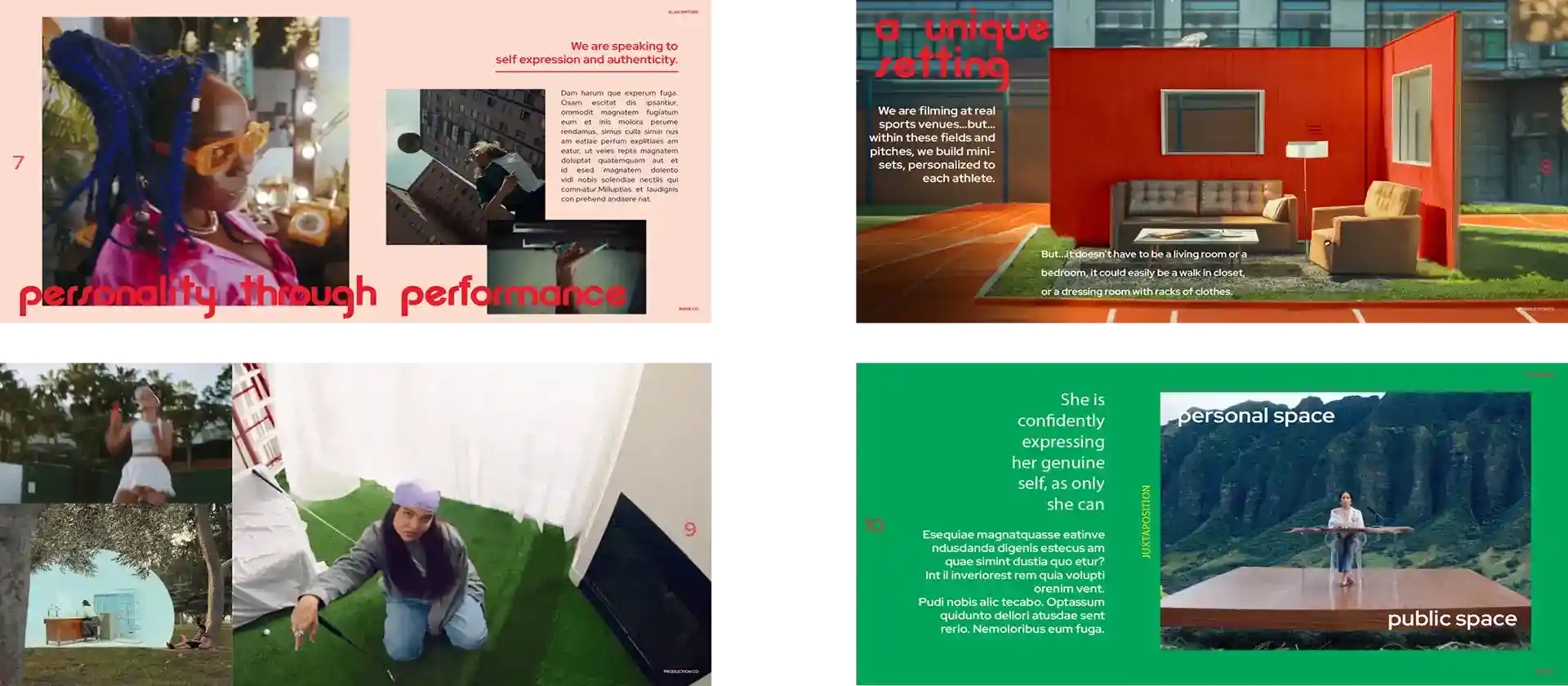
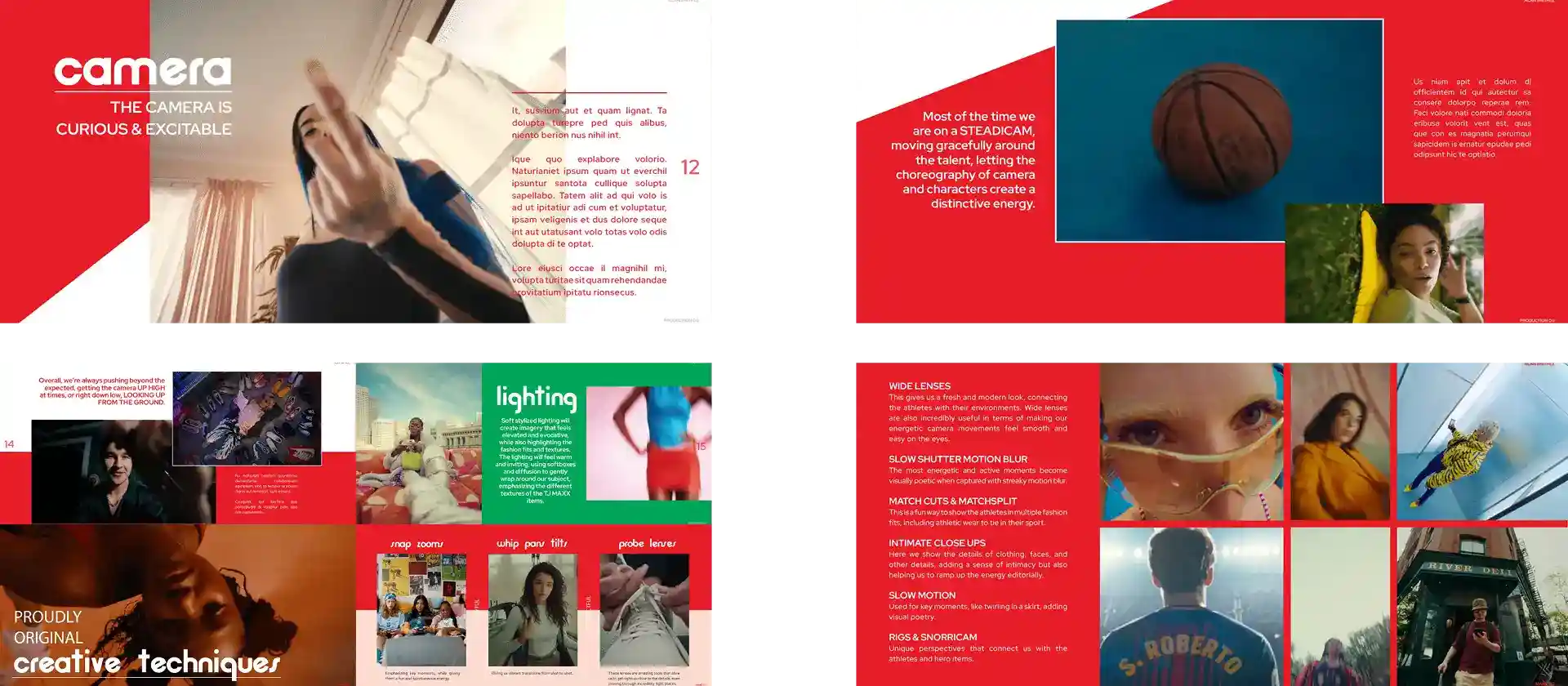
If you add images, mood boards or color samples, your treatment will jump off the page. These images provide a fast impression of style and atmosphere. Each film treatment example should be shaped to the reader.
Producers may want market information, while directors might be more interested in style or rhythm. This kind of specificity demonstrates respect for the reader’s time and needs.
If you add images, mood boards or color samples, your treatment will jump off the page. These images provide a fast impression of style and atmosphere. Each film treatment example should be shaped to the reader.
Producers may want market information, while directors might be more interested in style or rhythm. This kind of specificity demonstrates respect for the reader’s time and needs.
A Creative Blueprint
The writers use that treatment as their road map. It serves to define the stakes and objective of the story prior to writing the initial line of script. This helps you identify vulnerabilities sooner.
All the major creative decisions, from characters to setting or theme, should align with the vision in the treatment. This keeps the team aligned, even if members come on board later.
If something new pops up, the film treatment examples PDF lets you check if it jibes with your high-level scheme. Writers come back to the treatment as they write.
It’s a check to ensure the script doesn’t meander. If all else fails, reading the treatment can help get your creative juices flowing or remind your team of the ‘big idea’.
Film Treatment Example: Getting Your Team on the Same Page
Updating the treatment is not just about adding new scenes. It’s about ensuring that the tone, the core message, and the narrative flow align with the team’s vision and what the audience might like. Whenever you release a new draft, it’s clever to test whether the story still seems cohesive and lucid.
A team that leaves room for this feedback and change, regardless of the stage, frequently finds itself with a better story. Openness to change is the key in creating an example of film treatment. Some of the best movie concepts arise from minor adjustments or audacious shifts. If a subplot about a lost pet in a family drama captures readers’ hearts, it could become the main plot.
If a big action scene doesn’t jive with the soft tone of the rest, it might be smart to cut it. For writers and teams alike, this treatment is a means, not a mandate. In other words, it doesn’t mean getting bogged down in old drafts or old ideas in short film treatment examples. Change is not a weakness; it’s a sign you’re growing and care about the story.
Conclusion: Film Treatment Example
Film treatments like crisp language and strong focus. Every phase of the journey from initial concept to final edit crafts the narrative for the audience. Strong details give producers, writers, and directors a sense of what to construct next. A solid treatment describes what occurs, who is doing it, and what motivates it. For instance, straightforward lines such as “A girl enters a quiet room, her shoes clack on icy tile” provide an actual location. Treatments should remain straightforward. Keep the language punchy and snip the fluff. To improve, read other treatments or request notes from film-savvy friends. To continue developing, write mini treatments for stories you are into and see what clicks.
What is a film treatment example?
A film treatment is a summary of a film’s story. It sketches out major characters, story elements, and mood. Treatments assist in expressing the vision prior to penning the script.
How long should a film treatment be?
A film treatment is generally two to ten pages in length. The length varies based on the project’s complexity and the producer or studio’s preferences.
Why is a treatment important in filmmaking?
A film treatment example gets filmmakers, producers, and investors on board early as they can grasp the story early. It’s a real time and resource saver because it helps everybody get on the same page before you write the entire script.
What should be included in a film treatment?
A treatment must contain the title, logline, primary characters, plot synopsis, tone, and visual style. Some include themes or key scenes for clarity.
What are common mistakes when writing a film treatment?
Typical errors are making it too detailed, too dialogue-heavy, or lacking a clear structure. Staying focused and concise is crucial.
Can a film treatment change during production?
Yes, a film treatment is a living document. It might change as new concepts arise or you receive input during preproduction.
No standard format. Employing clear headings, short paragraphs, and logical flow makes it more readable and understandable.