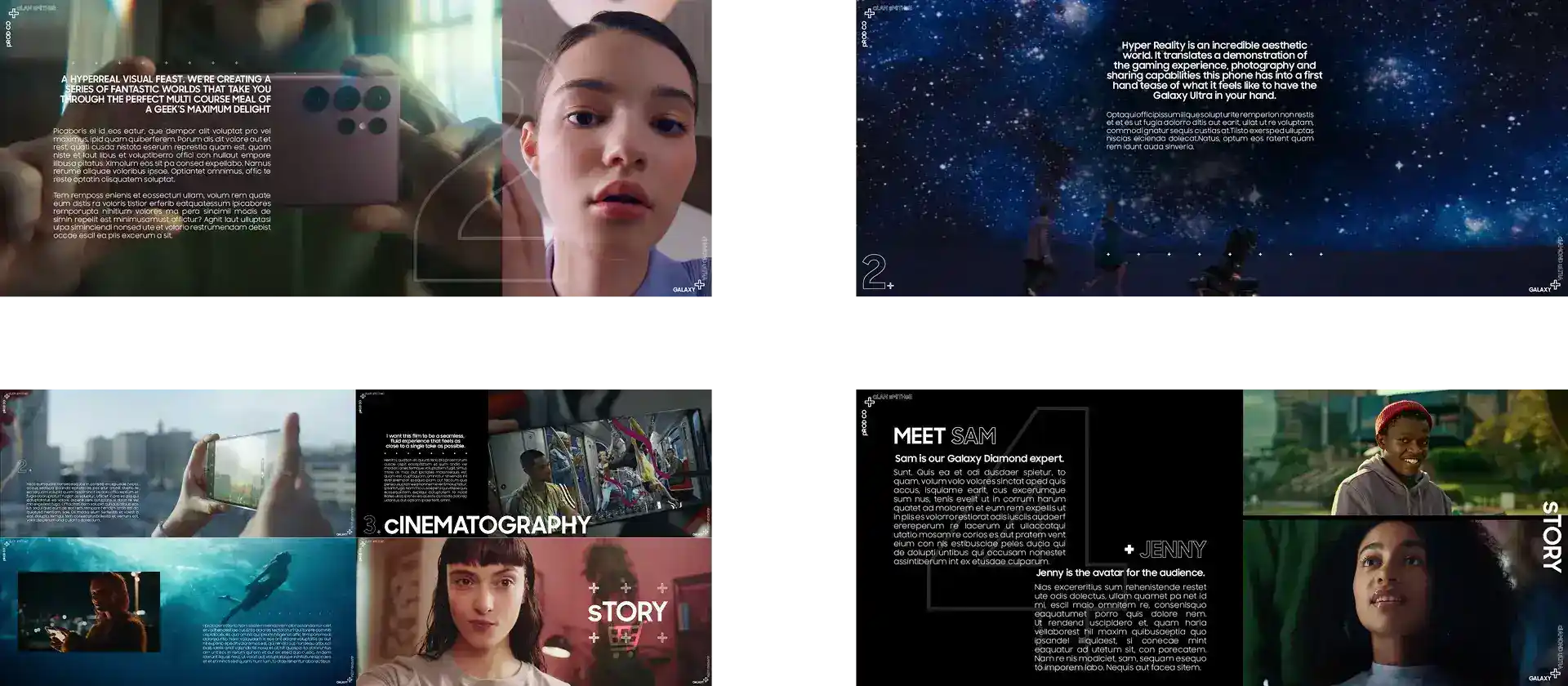
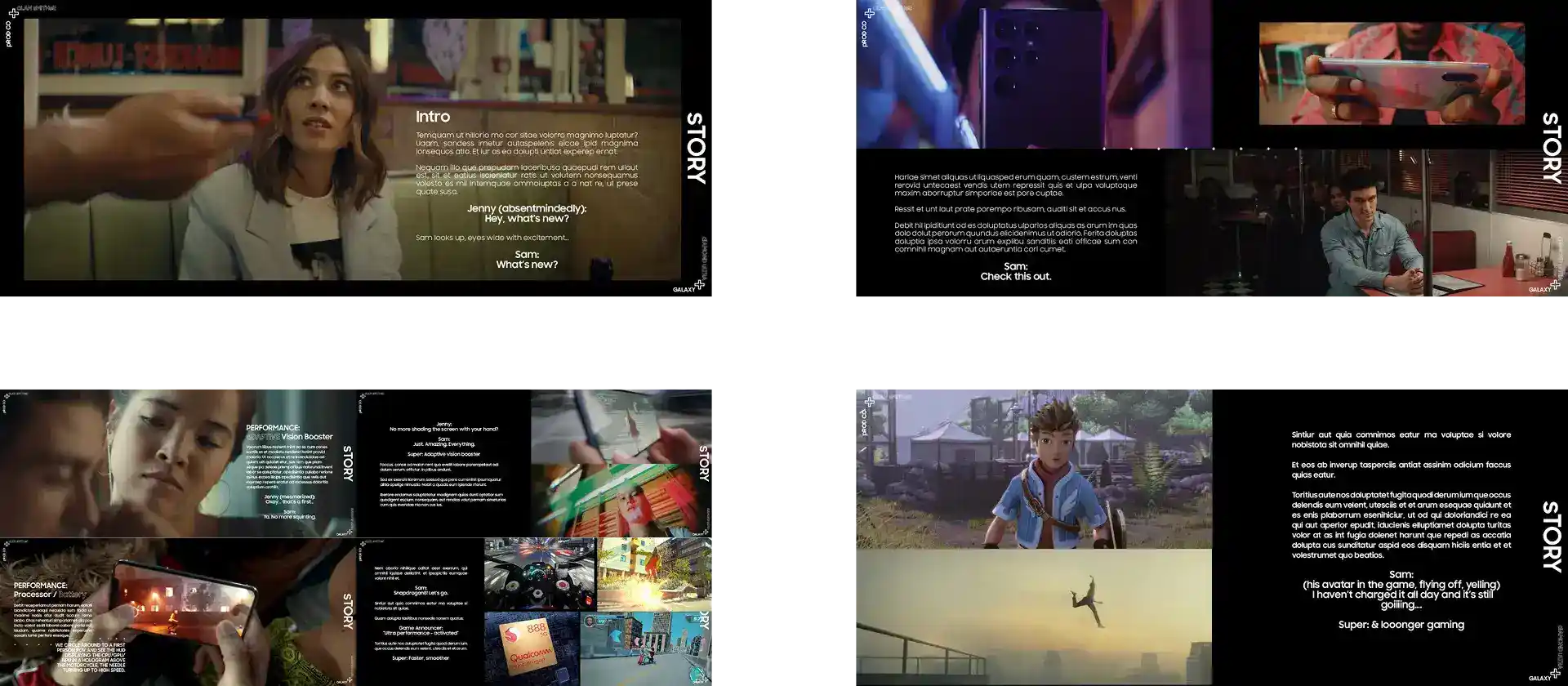
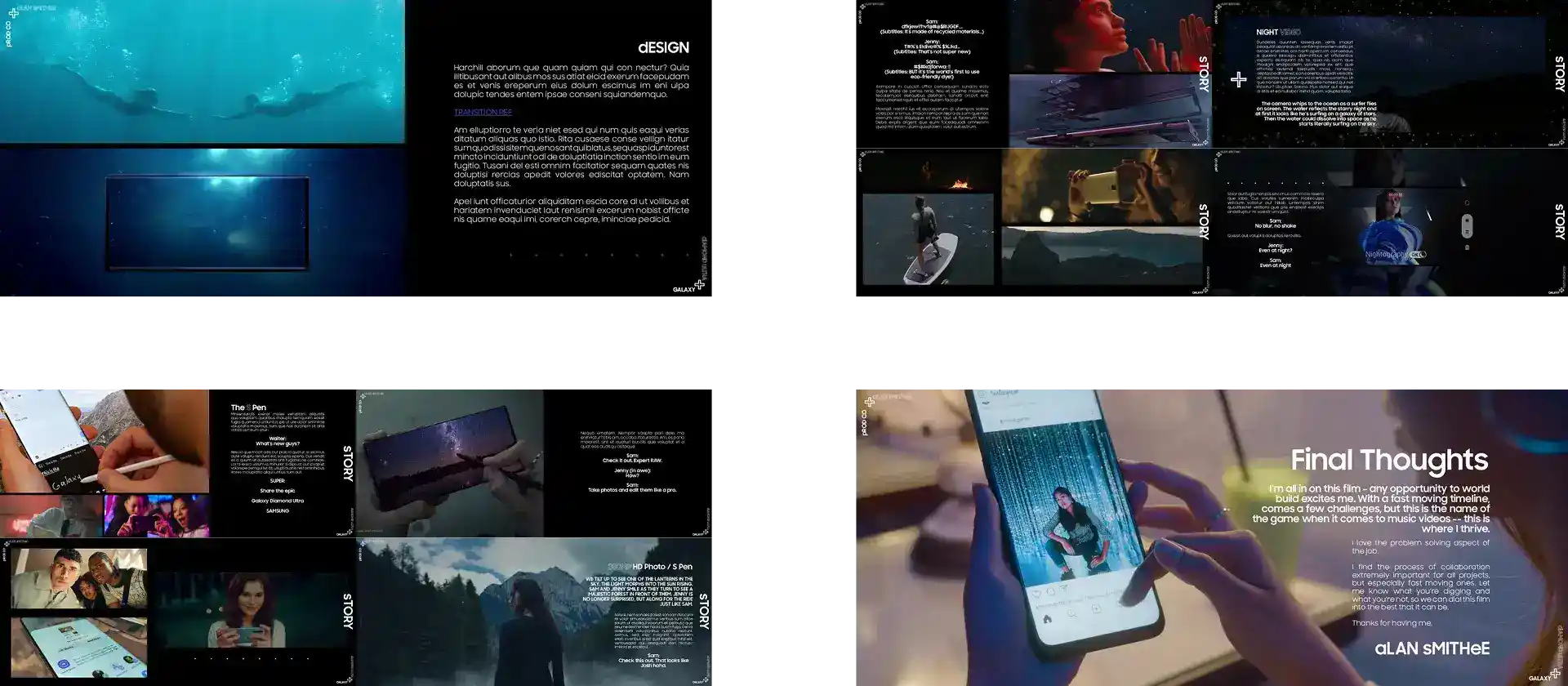
A movie treatment, also known as a scriptment, is a written document that provides an overview of the story, characters, and major plot points of a film. It is created by a writer during the process of writing. A movie treatment is a written document created by a writer that serves as a roadmap for filmmakers to communicate their vision for a movie to producers, investors, and collaborators. It is an essential part of the writing process and helps in conveying the story and structure of the script treatment. While not as detailed as a movie script, treatments are essential for movie writers in the pre-production and production stages of writing and filmmaking.
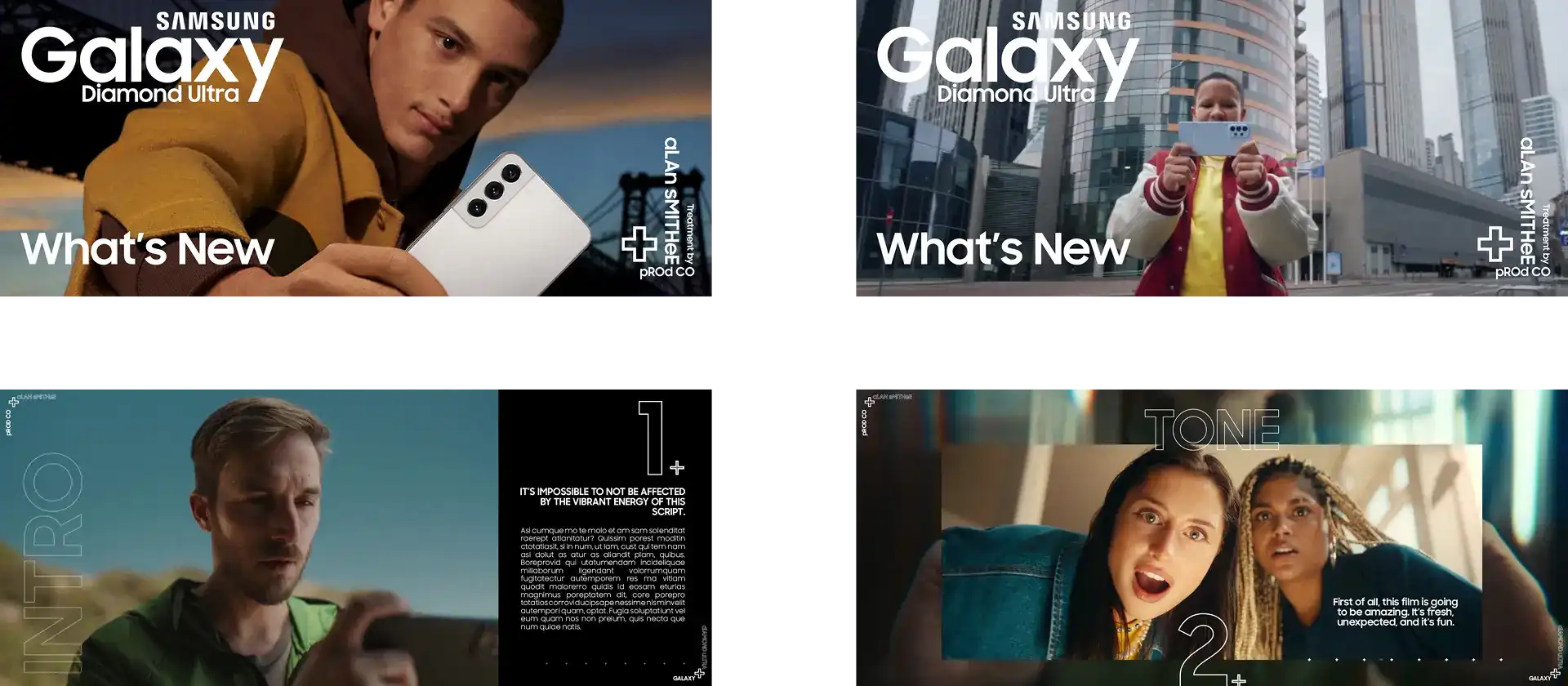
Film treatments, written by a script writer, are typically shorter than 30 pages but can vary in length. They condense the narrative into concise paragraphs, highlighting key elements such as the premise, main characters, and major plot developments in a movie treatment. A film treatment template is often used as a guide to create a film script treatment. For reference, you can find a film treatment example online. By presenting these essential aspects of the story in a clear and organized manner, treatments allow filmmakers to refine their ideas before diving into full script development. Here’s a few of our own:
A Treatment Example and Its Importance in Filmmaking
The importance of film treatments lies in their ability to convey the filmmaker’s vision effectively. They serve as a pitch tool when seeking funding or securing talent for a film script treatment. A film treatment template can provide guidance and structure for creating a film treatment. For inspiration, you can find a film treatment example online. Producers and investors can quickly grasp the concept and potential of a film through reading its treatment. This streamlined approach saves time for all parties involved.
A Treatment Guides Pre-Production
Moreover, treatments provide guidance during pre-production and production stages by outlining crucial details such as locations, themes, tone, and visual style. The creative team can refer back to the treatment throughout these stages to ensure they stay on track with the original vision.
Film treatments also allow for collaboration among filmmakers. By sharing the treatment with writers or other creatives involved in script development, valuable feedback can be obtained early on. This collaborative process helps refine ideas further and ensures everyone is aligned with the overall direction of the project.
In addition to facilitating communication and collaboration, treatments help streamline decision-making processes during pre-production. With an established framework provided by the treatment document, filmmakers can make informed choices about casting decisions, production design elements, and overall budgeting considerations.
Furthermore, treating writing allows for flexibility in storytelling experimentation without committing too much time or resources upfront. Filmmakers can test different narrative approaches or explore alternative storylines within the treatment stage, allowing for creative exploration and refinement before committing to a full screenplay.
Essential Components of a Film Treatment
Key Elements Overview
A well-crafted film treatment example encompasses several essential elements that bring the story to life. These elements include the logline, synopsis, character descriptions, and thematic exploration. The logline provides a concise summary of the film’s premise, capturing its essence in just a few sentences. The synopsis offers a more detailed overview of the plot, highlighting key events and developments. Character descriptions delve into the personalities, motivations, and relationships of the main characters, while thematic exploration delves into the deeper messages and ideas conveyed by the story.
The treatment also focuses on highlighting the main conflict, plot progression, and resolution of the story. It presents an overview of how the narrative unfolds from beginning to end. By providing these crucial details upfront, filmmakers can effectively convey their vision for the film.
Treatments touch upon other important aspects such as visual style, tone, and target audience. Visual style refers to how scenes are visually presented—whether it’s through specific cinematography techniques or artistic choices in production design. Tone sets the overall mood and atmosphere of the film—be it light-hearted or suspenseful—and helps establish an emotional connection with viewers. Identifying a target audience is essential as it allows filmmakers to tailor their storytelling approach to resonate with specific demographics.
Structure of a Well-Written Treatment
To ensure clarity and coherence in presenting their story ideas, writers follow a clear structure when crafting a treatment.
A well-written treatment begins with an introduction that sets up the world of the film and introduces key characters. This section aims to captivate readers’ attention from the start by providing an enticing glimpse into what makes this story unique.
The main body follows next and serves as the core section where all major plot points are outlined. Here, writers delve into greater detail about each act of their screenplay or outline significant events that drive the narrative forward. They emphasize character development alongside progressing conflicts and challenges.
Finally, the treatment concludes by setting up potential sequels or future developments. This section offers a glimpse into how the story can evolve beyond the initial film, leaving room for further exploration if desired.
By adhering to this structure, writers ensure that their treatment is well-organized and easy to follow. This allows producers, directors, and other industry professionals to gain a comprehensive understanding of the story’s potential before committing to full-scale production.
Step-by-Step Guide to Writing a Film Treatment
Preparing Your Outline
Before drafting the treatment, it is crucial to create an outline that organizes your ideas. This outline serves as a roadmap for writing the treatment effectively. It should include key scenes, character arcs, and important plot beats. By organizing your thoughts beforehand, you can ensure that your treatment flows smoothly and maintains a consistent tone.
Drafting the Treatment
When drafting the treatment, focus on brevity while conveying the essence of your story. Use clear language and avoid excessive details or dialogue. The purpose of a treatment is to provide an overview of your film script’s central elements without getting into every minute detail. By keeping it concise, you allow readers to grasp the main concept quickly.
A well-written treatment should flow smoothly from one section to another. Ensure that each paragraph transitions seamlessly into the next, maintaining a cohesive narrative throughout. This will help captivate readers’ attention and keep them engaged with your story.
To make your treatment more engaging, consider incorporating vivid descriptions and sensory details that paint a clear picture in readers’ minds. This allows them to visualize the world you’ve created and connect with your characters on a deeper level.
Writing Your Treatment Example
While writing the treatment, remember to showcase the unique aspects of your story that set it apart from others in its genre. Highlight any innovative plot twists or unconventional character choices that make your script stand out.
Be mindful of using industry-specific jargon sparingly in order to cater to a wider audience. While some technical terms may be necessary for clarity, too much jargon can alienate readers who are not familiar with filmmaking terminology.
Lastly, before finalizing your treatment, take the time to review and revise it thoroughly. Look for any inconsistencies or areas where further clarification may be needed. Make sure there are no grammatical errors or typos that could distract from the overall quality of your work.
By following these steps and guidelines, you can create a compelling film treatment example that effectively communicates your story to potential producers or investors. Remember, brevity and clarity are key.
An Effective Film Treatment Example for Inspiration
Overview of a Notable Treatment Example
Notable film treatments have served as inspiration for countless writers and filmmakers. Two iconic examples are “Star Wars” and “Pulp Fiction.” These films’ treatments effectively capture the essence of their stories, providing a blueprint for success. By analyzing these successful treatments, aspiring writers can gain valuable insights into crafting their own captivating narratives.
Analyzing the Structure and Content
Analyzing the structure and content of film treatments is essential in understanding their effectiveness. Successful treatments often exhibit patterns that engage readers from start to finish. By studying these patterns, writers can identify key elements that make a treatment compelling.
One crucial aspect to consider is how treatments balance storytelling, character development, and thematic exploration. A well-crafted treatment seamlessly weaves these elements together to create a cohesive narrative experience. For example, in “Star Wars,” the treatment introduces us to memorable characters like Luke Skywalker, Princess Leia, and Darth Vader while exploring themes of heroism and the battle between good and evil.
Another important factor in effective film treatments is concise yet vivid storytelling. Treatments should provide enough detail to captivate readers without overwhelming them with unnecessary information. They should convey the story’s core ideas while leaving room for imagination.
Character Development in a Treatment Example
In addition to structure and storytelling, successful film treatments often showcase strong character development. Characters should be relatable, dynamic, and capable of driving the story forward. In “Pulp Fiction,” Quentin Tarantino’s treatment expertly portrays complex characters like Vincent Vega and Jules Winnfield through sharp dialogue and intriguing interactions.
Furthermore, analyzing successful treatments allows writers to understand how they establish tone and atmosphere. Treatments use language choices, descriptions, and settings to immerse readers in the world of the story. For instance, “Star Wars” presents a vast universe filled with intergalactic battles and mystical forces that ignite curiosity within readers from the very beginning.
By examining these notable treatment examples, aspiring writers can gain inspiration and hone their own storytelling skills. They can learn how to craft engaging narratives that capture readers’ attention from the first page. Analyzing successful treatments provides a roadmap for creating compelling stories that resonate with audiences.
Crafting an Engaging Film Treatment Pitch Deck
Having an engaging pitch deck is crucial. A well-crafted pitch deck can make all the difference in capturing the attention and interest of potential investors, producers, or studios.
Critical Elements of a Pitch Deck
A pitch deck should include several essential elements to effectively convey your film treatment. Firstly, it should begin with a concise summary of the film’s storyline and main characters. This summary should be clear and captivating, providing a glimpse into the world you have created.
In addition to the storyline, your pitch deck should highlight unique selling points that set your film apart from others. This could include compelling themes, innovative storytelling techniques, or groundbreaking visual effects. By emphasizing these unique aspects, you can demonstrate why your film deserves attention.
Marketing Your Treatment Example
Market potential is another critical element to include in your pitch deck. Investors want to know that there is a demand for your film and that it has the potential to be successful financially. Providing market research data or case studies that support this potential can greatly enhance your credibility.
Lastly, don’t forget to identify your target audience in the pitch deck. Understanding who will enjoy and resonate with your film is essential for marketing and distribution purposes. Clearly defining this target audience helps investors see how your project fits into the market landscape.
To make your pitch deck visually appealing and impactful, consider incorporating concept art or mood boards that capture the tone and atmosphere of your film. Visual elements like these can help bring your vision to life and create a lasting impression on those reviewing your presentation.
Tips for Creating an Engaging Presentation
Creating an engaging presentation goes beyond just having great content; it also involves thoughtful delivery techniques. Here are some tips to keep in mind:
- Use visuals: Incorporate images or videos that support your narrative and engage the audience visually. Visual aids can help convey emotions, set the mood, and make your presentation more memorable.
- Multimedia: Consider including audio clips or music that complements your film’s theme or enhances key moments in your pitch. This can create a more immersive experience for the audience.
- Storytelling techniques: Use storytelling techniques to captivate your audience from the start. Craft a compelling opening that hooks their attention and maintains their interest throughout the presentation.
- Tailor to the audience: Customize your pitch deck to suit the specific needs and interests of each potential investor or production company you are pitching to. Highlight aspects of your film that align with their previous projects or preferences.
Deciding Your Film Treatment’s Type and Length
Length Guidelines and Considerations
Film treatments come in various lengths, typically ranging from 2 to 30 pages. The appropriate length for your treatment depends on the complexity of your project. However, it is crucial to consider industry standards and requirements when determining the ideal length. While there are general guidelines, it’s important to focus more on conveying essential information concisely rather than aiming for a specific page count.
Different Types of Film Treatments
There are different types of film treatments that serve specific purposes in outlining the story and capturing its essence. These include step outlines, synopses, and extended treatments. Step outlines provide a detailed breakdown of each scene in the film, highlighting key events and character actions. Synopses offer a concise summary of the entire story, providing an overview of the plot without delving into every scene or detail. Extended treatments go beyond synopses by expanding on character development, themes, and visual style.
Choosing the right type of treatment depends on your project’s needs and stage of development. If you’re in the early stages where you’re still fleshing out ideas, a step outline can help you visualize how each scene connects and progresses within your story structure. On the other hand, if you have a well-developed concept but need to convey it succinctly to potential investors or collaborators, a synopsis may be more suitable.
It’s worth mentioning that these types are not mutually exclusive; they can be combined or modified based on individual preferences or project requirements. Some filmmakers even create hybrid treatments that incorporate elements from multiple types to strike a balance between brevity and depth.
Formatting Dos and Don’ts for Film Treatments
Formatting Best Practices for a Treatment Example
When preparing your film treatment, it is crucial to follow industry-standard formatting guidelines. This ensures that your document appears professional and is easily readable by producers, directors, and other industry professionals. One essential practice is to use clear headings, subheadings, and paragraphs. These elements help organize your treatment and make it easier for readers to navigate through the content. Consistency in font style, spacing, and margins throughout the document creates a polished look.
Common Formatting Mistakes to Avoid
While formatting can enhance the presentation of your film treatment, it’s important not to go overboard with excessive elements that may distract from the actual content. Steer clear of using too many fancy fonts or unnecessary graphics that could take away from the substance of your treatment. It’s best to keep things simple yet visually appealing.
Another mistake to avoid is inconsistent font styles or sizes within the treatment. Stick to one font style (such as Arial or Times New Roman) and ensure that it remains consistent throughout the entire document. Inconsistencies in font size can make your treatment appear unprofessional and difficult to read.
Best Practices in a Treatment Example
Before finalizing your film treatment, always double-check for spelling and grammatical errors. Even minor mistakes can create a negative impression on readers who are evaluating your work. Take the time to proofread carefully or consider having someone else review your treatment for any errors you might have missed.
By following these formatting best practices and avoiding common mistakes, you will present a well-structured film treatment example that captivates readers’ attention while maintaining professionalism. Remember that a clean and organized presentation enhances readability and makes it easier for industry professionals to engage with your ideas.
The Role of Feedback in Refining Film Treatments
Importance of Peer Reviews in a Treatment Example
Peer reviews play a crucial role in refining film treatments by providing valuable feedback on their strengths and weaknesses. Seeking input from trusted colleagues or fellow filmmakers can offer different perspectives and insights that you may have overlooked. These fresh eyes can help identify areas for improvement and highlight aspects of your treatment that are working well. Constructive criticism from peers allows you to enhance the overall quality of your treatment.
Incorporating Feedback Effectively
When receiving feedback, it is essential to carefully consider each suggestion and evaluate its impact on your treatment. While some feedback may require immediate attention, others may be subjective or conflicting. It is crucial to discern which suggestions align with your creative vision and contribute positively to the story you want to tell.
Being open to making revisions and adjustments based on constructive feedback is vital for growth as a filmmaker. Remember, filmmaking is a collaborative process, and incorporating valuable suggestions can strengthen your treatment’s narrative and make it more appealing to potential investors or producers.
Striking a Balance with Your Treatment Example
Striving for a balance between maintaining your creative vision and incorporating valuable feedback is key. You want to stay true to your artistic expression while also recognizing the value of outside perspectives. Think of feedback as an opportunity for refinement rather than a critique of your abilities as a filmmaker.
By actively seeking out peer reviews and incorporating constructive criticism into your film treatment, you demonstrate a willingness to grow and improve as an artist. Each round of feedback can bring you closer to creating a compelling story that resonates with audiences.
Remember, not all feedback will be applicable or beneficial for every project. It’s important to trust your instincts as a filmmaker and make decisions that align with your unique vision.
Going Beyond the Basics of a Treatment Example
Exploring Outlines, Scriptments, and Screenplay Treatments
Outlines, scriptments, and screenplay treatments are essential components of the screenwriting process. Each document serves a specific purpose in refining the story structure and character arcs.
An outline is a concise summary that outlines the main plot points and key events in sequential order. It provides a roadmap for the writer to follow while developing their screenplay. By organizing the story beats, an outline helps ensure coherence and logical progression within the narrative.
A scriptment combines elements of both a script and treatment. It contains more detailed descriptions of scenes, dialogue snippets, and character interactions compared to an outline. A scriptment allows writers to explore their ideas further while still maintaining flexibility in terms of scene execution.
Screenplay treatments are comprehensive documents that delve deeper into the story’s nuances. They provide detailed descriptions of characters, settings, conflicts, and resolutions. Treatments often include sample dialogue to give a sense of how characters speak and interact with one another.
Understanding these different stages in the development process is crucial for aspiring screenwriters. By utilizing outlines, scriptments, and treatments effectively, writers can refine their ideas before diving into full-fledged screenplay writing.
Study Material from a Famous Treatment Example
Studying film treatments from famous films offers valuable insights into successful storytelling techniques. Analyzing how renowned filmmakers condensed their ideas into compelling treatments can be immensely helpful for aspiring screenwriters.
By examining these treatments closely, writers can gain inspiration for their own creative endeavors while learning from established professionals who have achieved success in the industry. It allows them to see firsthand how experienced filmmakers crafted engaging narratives within limited space.
For example, studying Quentin Tarantino’s treatment for “Pulp Fiction” reveals his unique approach to non-linear storytelling and distinct character voices. Similarly, analyzing Christopher Nolan’s treatment for “Inception” showcases his mastery in blending complex concepts with emotional depth.
While studying these treatments, it is important for writers to maintain their own unique creative voice. Treatments from famous films serve as guides and sources of inspiration rather than blueprints to be replicated verbatim. It’s crucial for writers to adapt and apply these techniques in a way that aligns with their own storytelling style.
Treatment Example Conclusion
In conclusion, writing a compelling film treatment example is crucial for capturing the attention of producers, investors, and collaborators. By following the step-by-step guide and incorporating the essential components discussed in this article, you can create a comprehensive and engaging film treatment that effectively communicates your vision. Remember to consider the type and length of your treatment, adhere to formatting guidelines, and seek feedback to refine your work.
Crafting a strong film treatment requires careful planning, creativity, and attention to detail. It serves as the foundation for your project, showcasing your storytelling abilities and convincing others of its potential. So take the time to polish your treatment, ensuring it reflects your unique voice and captivates readers. Whether you’re a seasoned filmmaker or just starting out, mastering the art of writing a compelling film treatment will greatly increase your chances of success in the industry.