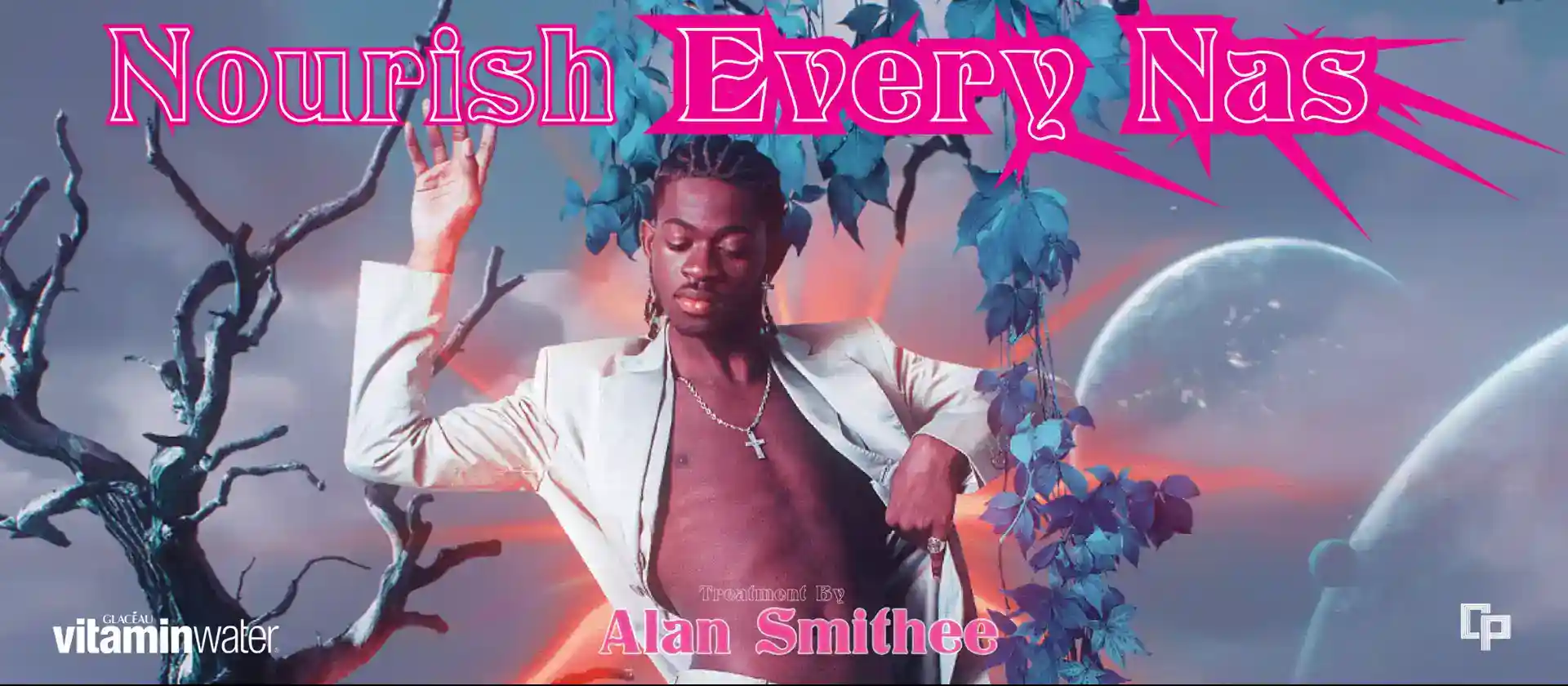
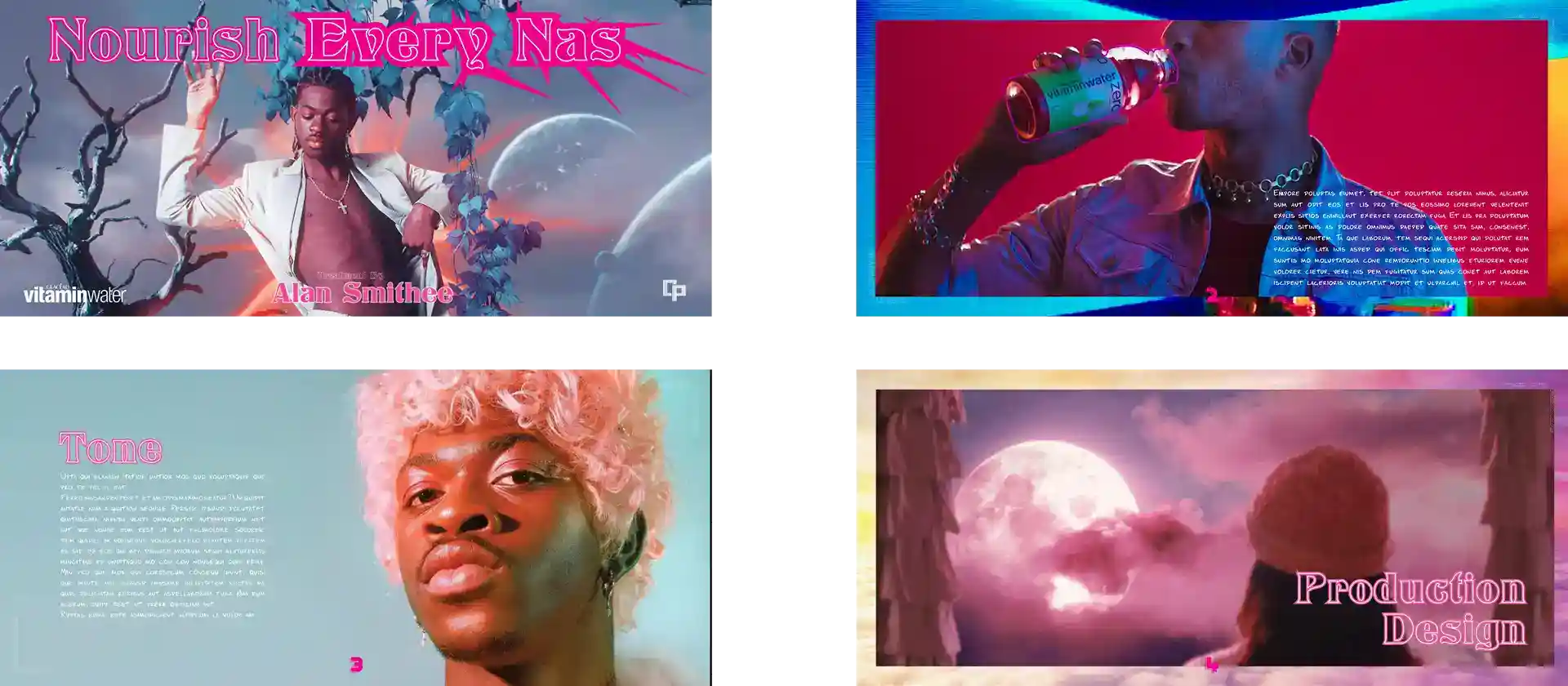
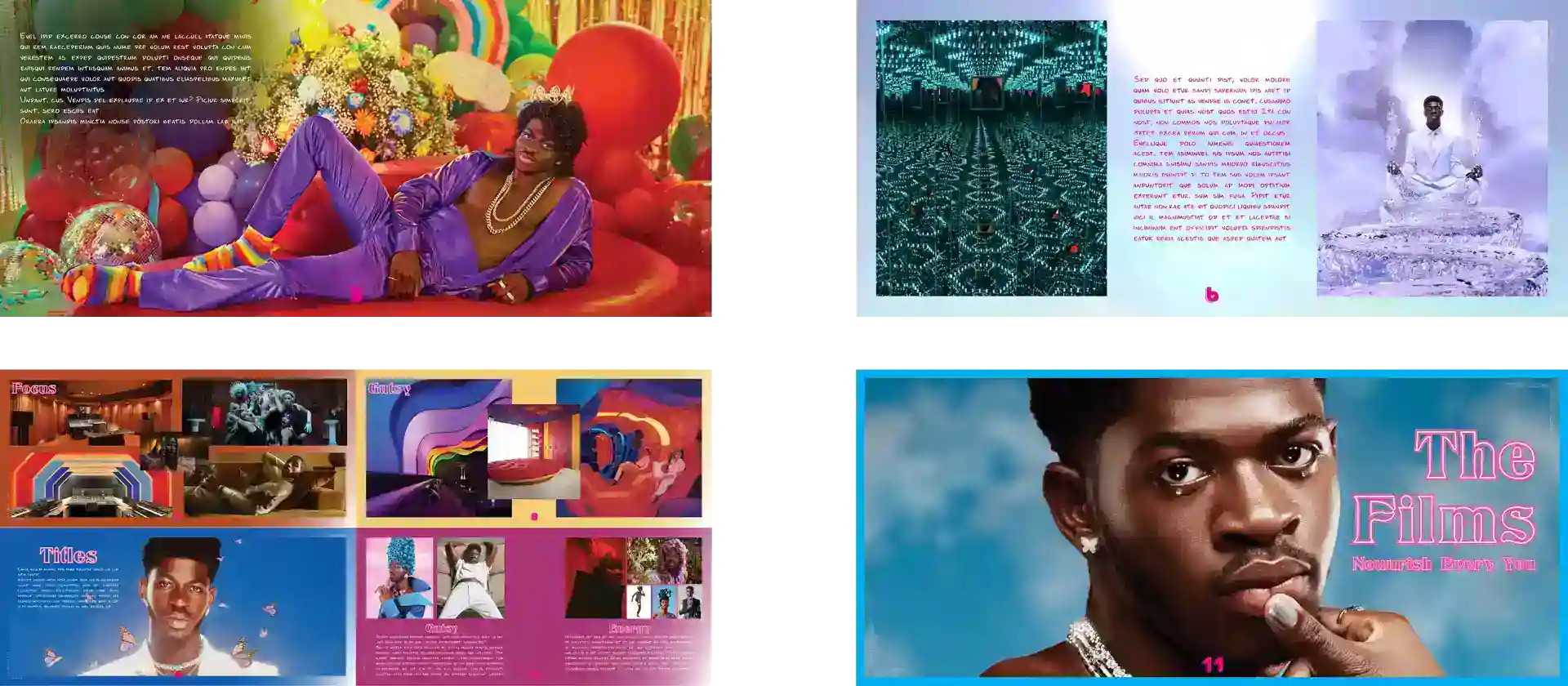
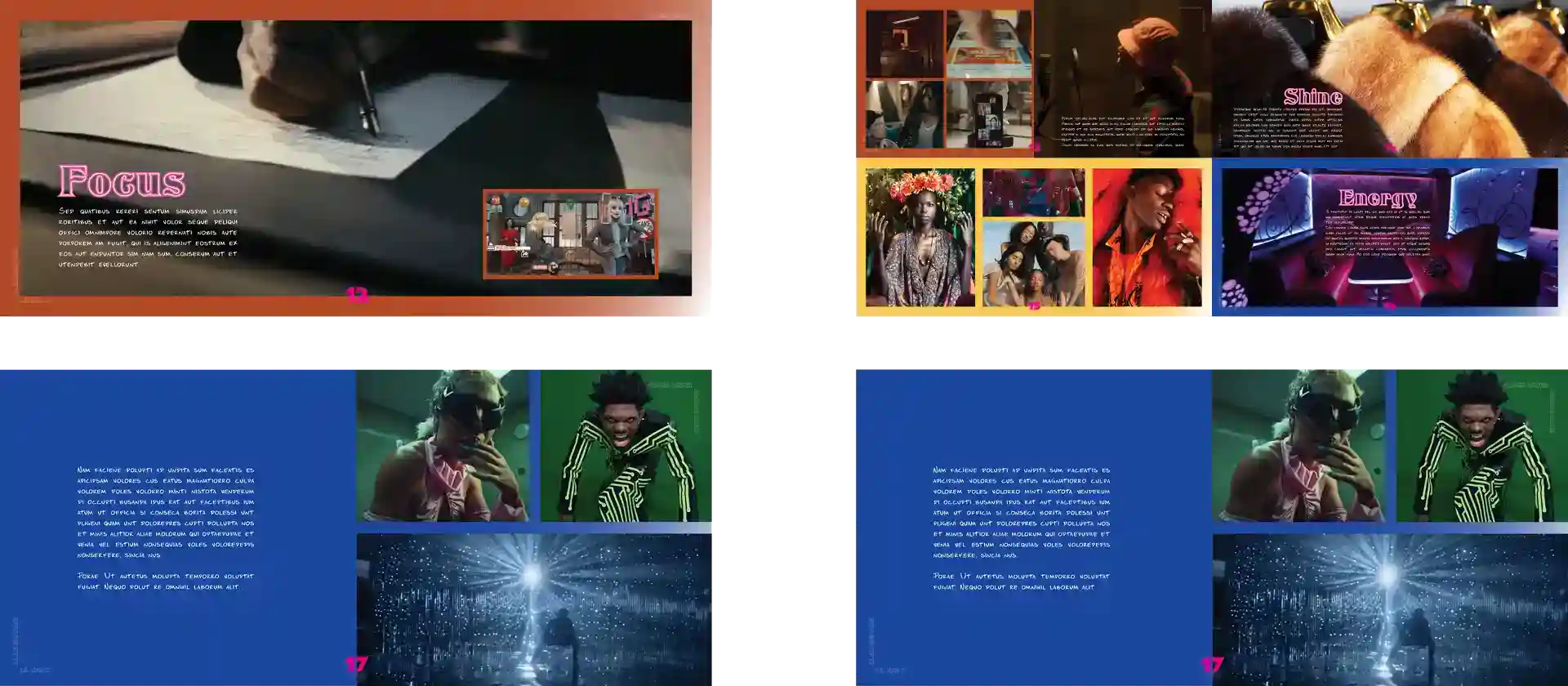
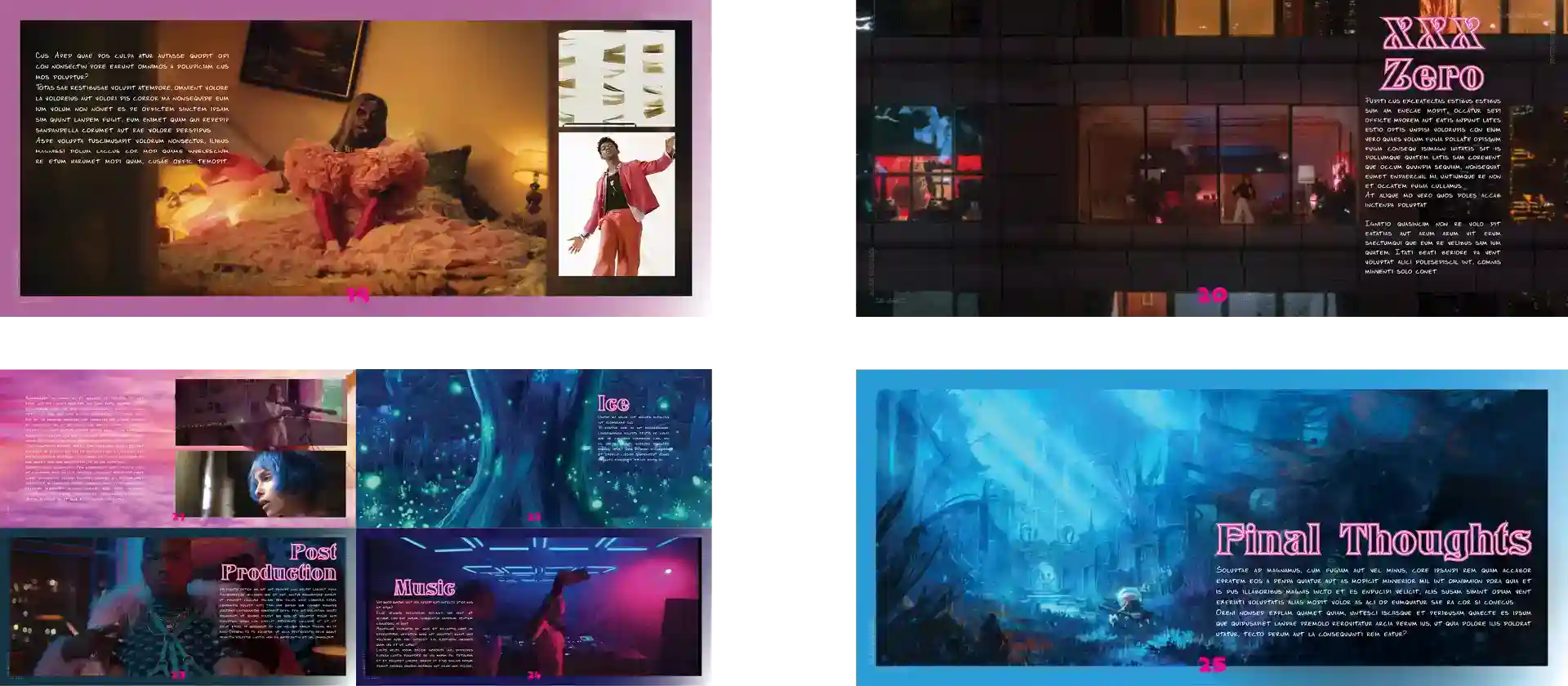
- A film treatment is a blueprint that brings clarity to the story, characters, tone, and genre and makes sure the creative and production teams are aligned.
- Beautiful treatments are wonderful pitching tools. They help ensure project financing, attract talent, and convey a sense that your creative vision is truly unified.
- Along with a detailed act structure and clear character breakdowns, a compelling logline drives home a treatment’s ability to communicate the project’s narrative and commercial potential.
- When possible, sprinkle in evocative prose, strong sensory details, and consistent visual language to make your reader excited and imagine the final movie.
- Treatments are living documents that are constantly revised based on feedback from industry insiders and test audiences to sharpen them and make them sell.
- Ditch the typos like overwriting, fuzzy concepts, and passive voice.
An example of film treatment is a document that describes the essence of your film project. In filmmaking, its primary office is to serve as an intermediate step between a crude concept and a completed screenplay. The example of film treatment serves as a concise introduction to illustrate your film’s story, style, and objectives in an accessible way with sufficient detail to allow others to visualize the complete experience.
For producers, directors, and writers, the treatment is the compass that steers the project from pitch to post-production. It is important in securing backing — both creative and financial — as backers and talent want a quick, clear reference to the project before they commit. The treatment keeps everyone on the same page, making sure the team is aligned toward the same vision and goals.
The Blueprint: Example of Film Treatment
A film treatment provides a direct indication of where you think the story will end up. It divides the plot into big chunks, which makes pacing problems or holes easier to detect early. By outlining the key story beats, the treatment allows everyone to understand the big picture without drowning in script pages.
Character arcs require special attention in a treatment. These arcs assist in demonstrating how each principal character transforms, confronts obstacles, or evolves. For instance, a treatment for a coming-of-age picture could outline a meek pupil’s strides toward courage, highlighting pivotal moments that are important to the narrative.
A good treatment has scene descriptions too, not just to illustrate but to serve as a guide to the production team. These descriptions establish the activity, suggest the tone and occasionally comment on important images or sounds. Without them, the project risks becoming vague after it transitions to the next stage.
An example of film treatment goal-ish. Be it a tense thriller or light drama, the treatment lays the foundation of what audiences can anticipate. This prevents ambiguity down the line and maintains a stable project trajectory.
The Pitch
A strong treatment is a hook document that captures the reader’s interest immediately. Essentials are a punchy logline, a concise summary, and a sense of what’s at stake with the story. Your treatment’s narrative should read smoothly in crisp, vivid prose. If the treatment is dry, it is difficult to generate enthusiasm or backing.
Emphasize what’s unique about this film: a fresh twist on a perennial theme and an unusual location. For instance, putting a familiar tale in a new city or time can distinguish the project. Emotional hooks are key. A treatment should insinuate the emotions the picture will evoke—whether it’s tension, humor, or compassion. It keeps readers and backers engaged.
The Test of Your Example of Film Treatment
- Share the example of film treatment with trusted peers for first feedback.
- Have it read over by film mentors or seasoned producers.
- Organize mini focus groups of the audience for rapid response.
- Rework the treatment according to feedback. Notice what makes it fresher or more compelling.
Professional feedback frequently uncovers overlooked details or plot ambiguities. By testing the treatment with prospective viewers, you can find out if the story catches people’s interest. More important than anything else is to have an open mind and approach criticism as an opportunity to grow.
Example of Film Treatment Anatomy
A film treatment is a useful in-between, a bridge between idea and script. It provides readers a strong impression of your story, characters, and motifs and demonstrates your capability to structure and express your thoughts in industry-standard form. Every piece of a example of film treatment brings something to its value and helps lay the groundwork for the complete script.
The aim is always to be straightforward and succinct, in a consistent format that is easy to read and attractive.
1. Title Page
The title page is the initial impression. It would have the project title, the writer’s name, and the date. There is usually space at the bottom for contact information, such as email and phone, so producers or agents can respond quickly.
A killer title captures attention and suggests the genre or tone. Imagine something like “Lost in Translation” or “Gravity.” A neat alignment and legible font go a long way in achieving a nice look.
2. Logline
A logline is a one-liner or two-liner that encapsulates the core concept of the film. It should be incisive and interesting, hinting at the lead’s arc and core tension. For example, “In a city split by war, a young nurse risks everything to save a wounded enemy soldier.
Rich with detail, every word counts. This summary should be straightforward but hint at intrigue, always centered on what motivates the story.
3. Character Breakdowns
A solid example of film treatment describes important characters, both primary and secondary. Each has a brief description of their role, motivation, and connection to others. Using bullet points helps with clarity:
- Ava: A driven nurse haunted by her past choices.
- Eli: A wounded soldier with hidden motives.
- Captain Reyes: Ava’s strict mentor, torn between duty and empathy.
Compelling characters drive the story. These sketches keep the story rooted and clarify the relationships for readers.
4. Act Structure
A standard director’s treatment uses the three-act structure: setup, confrontation, and resolution. Plotting every act provides structure to the narrative and maintains momentum of the action.
Key plot points, such as the inciting incident, midpoint twist, and climax, should be roughed out for each act. It is this structure that generates the tension and rhythm necessary to hold an audience.
5. Thematic Statement
This is the movie’s thematic essence, expressed in a sentence or two. For example: “War tests the limits of compassion.” A strong theme binds the story and enriches the characters.
It needs to appear in the plot’s turning points and in character transformations. Themes steer decisions and give the narrative a coherent and significant shape.
Visual Language
Visual language occupies the center of any film treatment sample. It determines the visual language of a story before a single frame is filmed. It influences the way readers envision every scene, so that you don’t just read the story, you see and experience it.
Imagery in a treatment accomplishes more than just describing what you’ll see on screen. It conveys tone, generates emotion, and provides hints about pace and ambience. The right words can help a reader feel the biting cold of a winter morning or the quiet horror in an empty corridor. A common visual style connects these moments so that nothing is jarred.
Evocative Prose
- Utilize action-oriented verbs and clear, concise adjectives. Not, ‘The room is messy,’ but, ‘Clothes drape over the chair, books spill across the floor.’ This transports the reader straight into the action.
- Mix long and short sentences. Short ones generate tension or signify a turning point. Long ones allow room for detail. For example, “She runs. Her breath mists in the chill. The click-clack of her shoes bounces off barren buildings.
- Visual language Show, don’t tell. Don’t tell me “He is scared” – tell me about his shaking hands and his eyes darting to every shadow. These specifics allow readers to experience the terror rather than merely cognize its presence.
Sensory Details
Activating multiple senses makes scenes punch and pop with fullness and reality. It’s easy to describe what we see, but sound, smell, and touch are just as important. If it’s a busy market, talk about the pungent smell of spices, the coarse texture of burlap sacks, the tinkle of pots and pans, and the vibrant hues of fruit stands.
These little specifics bring a location to life in your example of film treatment. Sensory writing puts readers closer to the action. Even the low hum of distant traffic, the sticky warmth of summer air, or the bitter taste of strong coffee can root a scene. That sort of language gives your readers their own path into your narrative.
Sensory details do not only provide color—they can underscore emotions as well. A gentle breeze could soothe a stressed person. An unexpected sound can amplify terror.
Mood Boards Make Your Example of Film Treatment Better
Mood boards help us gather the tone and spirit of a film. It is the union of images, colors, and textures to communicate a mood nonverbally. To make one is to select photos, color swatches, and even fabric samples to fit the story’s mood.
Mood boards keep everyone on track! When a director, writer, or designer views the board, they have a shared vision. This facilitates describing concepts to new collaborators or external partners in your example of film treatment.
Mood boards keep a project stylistically consistent from initial draft to final cut, so everything meshes.
Pitching: The Power of an Example of Film Treatment
The power of a film treatment is in how it speaks to its reader. Whether for producers, investors, or directors, your pitch for a movie example has to get attention quick, demonstrate your story’s passion, and address business concerns. A powerful film treatment is extremely focused and resonates with those reading it.
Below are key pitch elements for different audiences.
|
Audience
|
Key Pitch Elements
|
|
Producers
|
Marketability, story clarity, budget awareness, risk solutions
|
|
Investors
|
ROI, clear plan, market strategy, team credentials
|
|
Directors
|
Artistic vision, tone, character journey, collaboration
|
Understanding the audience aids in customizing the pitch. Words and ideas that resonate with their interests engender trust. Producers want to know the story will reach large audiences, while investors want to see a path to profitability.
Directors have to relate to the artistic direction. Crafting the pitch for each group makes the example of film treatment distinctive and relevant.
Studying delivery is as important as studying writing. Reading the example of film treatment out loud not only helps you spot rough spots but builds your confidence. It keeps the message clear and smooth.
When the pitch flows organically, it’s simpler to maintain momentum with the crowd. That lead has to hook immediately. A brief, memorable hook, a striking image or witty phrase, establishes the flavor and demonstrates what’s special about the story.
This initial instant can determine whether the treatment receives a thorough reading.
Producer Lens
Producers want things that have a good structure and a hook. They’re looking for characters and plots that can reach wide audiences. Therapies need to demonstrate an awareness of manufacturing constraints.
Budget lurks in the background. If the story calls for special effects or expensive locations, discuss pragmatic ways to keep expenses down. Producers want to see market potential, too. Is this story hot?
Demonstrate audience size and potential returns. If there are risks, like the story being too niche, suggest remedies like casting popular actors or social media buzz.
Investor Lens
They care about profit and risk. They want to know how the film is going to generate revenue and who the audience will be. A treatment ought to outline target markets, sales strategies, and anticipated returns.
Including a short marketing roadmap helps. Will the film use festival buzz, streaming deals, or global sales? The team’s experience is important as well. Demonstrating the director’s previous successes or the producer’s track record provides the funders comfort in knowing the project is in safe hands.
Director Lens
Directors do care about the atmosphere of a story and its cinematic rhythm. Their treatments emphasize tone, original shots, and character arcs. They want to know what the story will look and feel like.
It’s useful to talk about camera angles, color palette, or music. The example of film treatment should respect the director’s contribution and leave room for creative decisions. That fosters trust and team spirit.
The Living Document
More than just a dry summary, a film treatment is a living document! It’s a living document, one that shifts and grows as a project takes shape. Unlike a completed script, a treatment begins as a malleable outline, usually a couple of pages in length, that conveys the essence of the story, tone, and style.
Its power lies in its malleability. Teams leverage treatments to spread ideas, experiment with concepts, and change course. As feedback or new ideas emerge, the treatment should reflect them. This open access strategy allows creators to identify blind spots, troubleshoot early, and maintain clarity of vision.
Flexibility is important; the narrative can begin one way and change in mood, protagonist, or location as new information comes in. Even small tweaks to the example of film treatment keep the team on track and the project moving forward. Clarity ramps up with every revision pass, allowing all readers — producers, writers, investors — to understand the project’s goal and get on board.
Feedback Loop
Feedback is not a one-time event, but a cycle that fortifies a film treatment. Establishing a process, whether it’s regular reviews, ad hoc check-ins, or anonymous surveys, simplifies early issue detection and fosters trust in the team.
I’d encourage all creators to embrace feedback, not just compliments, but criticism, because the most powerful breakthroughs tend to come from the latter. When writers request input from directors, designers, or even test audiences, it provides the example of film treatment a larger frame of reference. Varied input, creative, technical, or financial, spots where it’s murky or fragile.
To be open to outside views is not to lose control. That is, using every comment to hone the story, streamline the structure, and seize what’s absent. Gathering input from people with diverse experiences can prevent these blind spots. This consistent, truthful feedback loop implies the therapy will continue to improve.
Creative Evolution
Treatments don’t remain static. They evolve when new concepts arise and the project’s requirements evolve. Maybe the original story arc didn’t work after early feedback, or a character’s role deepened as the team experimented.
To embrace these changes is not to be weak, but to be a strong creative process. The central vision must remain solid. Too much change confuses the story, so it helps to record every significant change.
This living document keeps us all on the same page and simplifies decision justification to new team members or outside collaborators. Document every step, so teams can watch the story unfold and identify what edits hit hardest.
Common Mistakes
Film treatments are story blueprints. Like any art form, even the savviest scribes commit the usual mistakes that can undermine the finished product. Knowing these traps is crucial in making a hard-hitting, lucid, compelling example of film treatment. The below details frequent mistakes, their impact, and practical steps to avoid them:
Overwriting
Overwriting is when a writer uses an excess of words, too much detail, or inserts superfluous elements. This frequently occurs when a writer is eager to ‘show’ every thought or scene, but extra verbiage doesn’t necessarily assist. Instead, it can bewilder the reader or bore them. Concentrate on the major plot, major characters, and the major turning points.
If a detail doesn’t impact the story, excise it. Good editing is reading every line and asking if this moves the story forward. If not, shorten it or remove it.
Vague Concepts
Ambiguous wording can damage a cure’s effectiveness. If a reader can’t visualize the story in their head, they won’t care what occurs. Always use clear words and vivid images. Reveal what a character desires, what impedes them, and what decision they have to make. Not, ‘He’s got lots of problems to deal with,’ but ‘He has to decide whether to save his friend or complete his mission.’
Steer clear of trite, hackneyed notions. Phrases such as ‘at the end of the day’ or ‘against all odds’ don’t demonstrate what makes your story fresh. Make each bite crisp and immediately relevant to your narrative.
Defined objectives and intentions lend reality to narratives. When describing a character, illustrate what motivates him. If a hero needs to save their home, say why and what they risk. This allows readers to track the story and become invested in the resolution.
Passive Voice
Passive voice is when the subject of the sentence is acted upon, instead of performing the action. For instance, “The plan was made by the team” is passive but “The team made the plan” is active. Passive voice sometimes makes writing sound plodding or murky. Active voice is direct and fast.
It shows who was assigned what. They want to read about action and experience it as if they were part of the story. Active voice makes it simpler to use short, powerful words.
Editing tip: Search for verbs such as “is” or “was” and try to rewrite the sentence. Change ‘he was given the letter’ to ‘she gave him the letter’. It makes your writing more dynamic and engaging to the reader.
Conclusion: Example of Film Treatment
A film treatment is a powerful instrument for anyone looking to demonstrate a story idea with vivid clarity. In a few pages, a writer can map out key scenes, nail down the mood, and keep the pitch tight. Easy, straightforward language beats fancy-sounding assertions and fluff. A great example of film treatment makes the story visual and effortless to sell. Teams utilize these rough drafts to identify potential vulnerabilities and patch holes prior to larger commitments. Need a treatment that shines? Open with your big idea, plot beats, bold images, and keep it brief. For additional advice or an even closer peek at actual treatments, see our guides and sample pages.