What can I expect inside Film Treatment Examples PDF?
- A film treatment is the literary equivalent of a film blueprint, serving as the intermediate step between an idea and a script.
- Treatments are more detailed than a synopsis. They describe things like character arcs, themes, and act structure to explain where the story is headed.
- Writing film treatment examples PDF in advance of the script can crystallize ideas and act as a story proving ground, streamlining the subsequent writing process.
- Treatments, when well done, are powerful pitching devices that enable directors to communicate their vision effectively to producers and other stakeholders.
- Professionally, a treatment has a title page, a logline, character breakdowns, an act breakdown, and tone consistency. It is clear with impact.
- Clean PDF presentations that are clearly illustrated with logical flow are easy to read and professional.
The Treatment’s Role: Film Treatment Examples PDF
A movie treatment is an integral part of the filmmaking process. It serves as a roadmap, taking you from concept to script. A film treatment examples PDF is more than an outline; it provides a specific sense of where the story goes, its tone and emotional resonance.
It aids directors in outlining their vision and ensuring that the narrative remains potent as it evolves. Treatments are sometimes passed around to studios or investors to obtain financing and backing. They convert concepts into tangible efforts that can be presented to teams and supporters all over the globe.
Beyond the Synopsis
A treatment takes things a step beyond a synopsis by providing a more detailed exploration of the story. A synopsis gets you only so far. A treatment adds the différance to your project.
- Story Structure: A treatment lays out the full plot, showing how events flow from the start to the end.
- Character Arcs: It goes beyond naming characters. It demonstrates how they develop and transform.
- Key Scenes: Treatments highlight important moments, not just the beginning and end.
- Tone and Style: They set the mood with details about pacing, visuals and dialogue style.
- Themes: A treatment states the larger ideas, like loss, hope, or justice, that run through the film.
Adding themes allows the team to glimpse the soul of the story. It leaves room to allow characters to breathe and evolve rather than remain static. Writers can leverage the film treatment examples PDF to illustrate a character’s arc from flawed to enlightened, adding depth and nuance to the narrative.
Before the Script
It’s smart to write a treatment before the script. It’s a dry run for story concepts. By describing plot points, tone, and character arcs early, writers identify weak points and patch holes before they invest time in a full script.
A treatment streamlines the script process. It prevents writers from wandering into the details too early. If it looks weak in treatment form, you save the time and effort that would be lost on a whole script rewrite.
Writers can use treatments to test if the story works for various genres or audiences. If a treatment reads well, it’s a go to move forward. If not, it’s a lot easier to adjust today.
Treatments are a powerful weapon when selling movies to producers or financiers. They rapidly communicate the entire vision of a project without writing a complete script. Each film treatment examples PDF should suit its audience.
One for a studio might emphasize market appeal. Another for a director might focus on the creative vision. A good treatment is convincing. It animates the story in a couple of pages, depicting why it’s a project-worthy endeavor.
Filmmakers can put treatments to work pitching practice, ensuring their story is well-honed heading into meetings with backers.
Deconstructing Treatments
A film treatment is a short, organized document that communicates the core vision for a film. It spans the distance between a vague concept and a complete script, providing producers, backers, or artistic partners a concise preview of what to anticipate. Each portion of the treatment has its own function, and as a whole, they provide the reader with a rapid understanding of the story, its themes, and its promise.
A good treatment is one that fits industry standards, eliminates speculation for readers, and provides a roadmap for future development. For comparison, a good film treatment examples PDF checklist features a title page, logline, character list, act structure, and tone statement.
1. The Title Page
The title page launches the project prior to the reader getting into the story specifics. It should have the film’s title, your name, and the date. Include explicit contact information—email, phone, agency, etc., so people that are interested can get through.
Keep the format clean and professional: centered text, readable font, and basic layout elements signal attention to detail. How a title page looks influences first impressions, so eschew clutter or fancy graphics. A good title page demonstrates that you care about the craft and your reader.
2. The Logline
A logline is a 1-2 sentence summation of the film’s primary premise. Its job is to entice the reader and generate curiosity without revealing too much. A logline should be concise, precise, and clear; consider it your story’s elevator pitch.
For instance, “A young orphan discovers he’s a wizard and goes to a magical school where he encounters a wicked menace.” A good logline is both shareable and memorable. To hone your logline, try it out on friends or coworkers and adjust according to their response. This feedback loop can help guarantee your logline functions as a powerful hook.
3. The Characters
Introduce characters with brief, pointed descriptions. Tell me what drives them and what they have at stake. Rather than list characteristics, illustrate what motivates them and how they conflict with one another.
Maybe a little character list – Who are the key actors, what do they want, and what is their primary conflict? For example, ‘Anna, an ambitious reporter, jeopardizes her position to expose a business conspiracy.’ Relationships matter as well. Highlight any significant dynamics, such as rivalries or alliances, to assist readers in understanding how character decisions drive the plot.
4. The Act Structure
Most film treatment examples PDF use a three-act structure: setup, confrontation, and resolution. Begin with Act I—set up the world, the protagonists, and the inciting incident. In Act II, record rising conflicts and the protagonist’s struggles.
Act III should address the climax and fallout. Keep each act summary tight, emphasizing key events and turning points. Mark important turning points, such as a betrayal or a reveal, as these moments drive the pacing and keep the action moving. Just do not forget to make each section flow, so readers do not get lost or bored.
5. The Tone
Tone establishes the mood and lets readers know what to anticipate: serious, playful, gritty, or surreal. Be explicit about your aim upfront, using straightforward words to set the reader’s expectations. Words and phrasing should match the story’s style: for a dark thriller, use spare, tense sentences; for a comedy, keep things light and sharp.
Be consistent, so the treatment doesn’t feel choppy. If you can, provide a sample, for example, “This tale blends deadpan humor and suspense, influenced by foreign noir movies.” Well done, tone helps readers envision the film’s mood from the start.
The Emotional Blueprint
Emotion fuels the best stories, leaving them lingering with viewers well after the credits have faded. In film treatments, emotion is more than a gloss—it’s the skeleton. A great film treatment examples PDF demonstrates the emotional arc of the plot, leaving any reader, from producers to investors, with a clear sense of the journey.
Knowing the emotional thread early keeps the story focused. Plotting out these emotional beats provides structure, helps sculpt scenes, and makes it easier for others to visualize the movie’s impact. A detailed emotional blueprint may pique the interest of studios or financiers who are looking for stories that touch hearts.
Selling the Feeling
To convey the emotional heart, a treatment has to demonstrate, not merely describe, the emotions in action. Writers have to provide quick, efficient glimpses of character transformation and feeling at key moments. By employing words that conjure emotion, you allow the reader to visualize him or herself in each scene, thus forging a direct connection between page and heart.
Evocative language can transform a bare plot outline into a living, breathing tale. Statements such as ‘her hope flutters in the feeble glow’ or ’his dread swells with every whisper in the corridor’ allow emotion to guide. This hooks us and makes us invested in the result.
Bullet points to articulate emotional impact in a film treatment examples PDF:
- At the beginning, the main character feels lost and overwhelmed. They struggle with their emotions and find it hard to connect with others. As the story progresses, they begin to understand their feelings and learn to express them. By the conclusion, the main character feels a sense of clarity and acceptance. They have grown emotionally and developed stronger relationships with those around them.
- Highlight key turning points where feelings shift.
- Explain how conflict affects the characters’ inner worlds.
- Describe the mood of important scenes using sensory details.
- Connect the story’s resolution to the characters’ emotional growth.
Visual Language
Sensory language is the use of powerful images. In movie treatments, it makes the story jump off the page before a pixel is recorded. By using vivid language and clear descriptions, authors allow us to visualize the film’s world.
This is important because a powerful visual can linger with decision makers. A simple example: “A lone figure walks beneath glowing street lamps, rain pooling at her feet.” See how this picture conveys tone and mood, not just action.
Pairing the visual or tone of movies, like “with the warm palette of classic European cinema,” primes style expectations. References to camerawork or framing, for example, “close, shaky shots mirror the hero’s anxiety,” intensify the emotional grip and provide a shot of the film’s voice.
Audience Connection
Knowing for whom the film is for informs every element of the film treatment examples PDF. Your story will hit home if you think about the viewer’s tastes, fears, and dreams. Audiences from different backgrounds might interpret the same scene differently, so it is useful to consider what will resonate with each group.
Writers increase the hook by predicting what viewers will do at the important moments. A suspenseful reveal may thrill young adults. A nostalgic reunion might resonate with parents. Customizing the treatment’s tone and themes to resonate with the target group makes the story more likely to connect.
Universal themes such as friendship, loss, or hope assist in bridging the divide between cultures and generations. When a treatment underscores these thoughts, it’s simpler for viewers to recognize themselves in the narrative’s universe.
Genre’s Influence
Genre dictates how a film treatment is composed and interpreted. It establishes what readers or producers anticipate, from tone and plot arc to scene dynamics. Writers should identify the genre from the outset of the treatment, as this directs tone, pacing, and style.
Genre rules count, but new twists keep the film treatment examples PDF from seeming stale. Checking out popular treatments in your genre can aid writers identify what works and what is unique.
Comedy vs. Drama
|
Aspect
|
Comedy Treatment
|
Drama Treatment
|
|
Tone
|
Light, playful, often witty
|
Serious, thoughtful, sometimes somber
|
|
Main Focus
|
Situational humor, punchlines
|
Emotional arcs, relationships
|
|
Pacing
|
Fast, snappy scenes
|
Slower, more reflective
|
|
Dialogue
|
Jokes, banter, wordplay
|
Realistic, meaningful conversations
|
|
Character Arc
|
Quirky, exaggerated traits
|
Nuanced, evolving emotions
|
As genre dictates, comedy treatments demonstrate their comedy with imaginative setups, punchy lines and rapid scene changes. The timing of scenes determines how jokes fall. Timing is everything; slow it down and the joke stops being good.
Comedy treatments, on the other hand, tend to emphasize amusing scenarios and keep exposition brief so the tone remains airy.
Dramatic treatments require additional room for character development and emotional transformation. These treatments concentrate on big moments that transform people, not simply what occurs.
Dialogue reflects what characters feel and scenes linger to allow emotions to build. For example, in drama, the portrayal of character development and reaction is important, not a rapid plot.
Thriller vs. Sci-Fi
|
Aspect
|
Thriller Treatment
|
Sci-Fi Treatment
|
|
Primary Focus
|
Suspense, tension, high stakes
|
Imaginative worlds, technology, big concepts
|
|
Setting
|
Realistic, often urban or confined
|
Futuristic, alternative, or speculative
|
|
Conflict
|
Immediate danger, time pressure
|
Conflicts shaped by science or technology
|
|
Details
|
Clues, twists, red herrings
|
World-building, rules of new realities
|
Thriller treatments build suspense with incisive details and crisp pacing. Stakes are transparent, readers feeling the risk around every corner. Conflict is central—what’s at stake, what could go wrong, and why it’s significant.
Sci-fi treatments rely on world-building and new concepts. They describe how the world operates, what tech is there and what rules it follows.
It’s the imaginative ideas that distinguish sci-fi, and your treatment must provide sufficient description for readers to visualize this new world.
Treatments morph based on the ultimate goal. A film treatment examples PDF captures an entire narrative in a couple of pages, beginning, middle, and end. TV treatment samples may sketch out numerous episodes, emphasizing the larger arc and demonstrating how each installment conforms to the overall.
Changing genres or formats requires adaptability. What works for a film might not stream in TV, especially with episodic plots. Authors must stay true to the core of the story, however they are formatting or adding new story beats.
TV treatments are aided by illustrating how each episode leads into the next, whereas film treatments remain linear. Regardless of the medium, preserving the core of the narrative is key.
Common Pitfalls in Film Treatment Examples PDF
Writers who compile film treatment examples pdf can encounter traps that can stall their efforts. By being aware of these common pitfalls, the treatment can stay crisp and accessible. A film treatment examples PDF isn’t a script, but it drives how a story unfolds. That means it has to share the overarching plot, tone, and style without becoming bogged down in minutia or skipping essential beats.
One BIG issue is adding TOO MUCH detail. It’s tempting to slip into the habit of writing scene-by-scene breakdowns or inserting lines of dialog, but then your treatment begins to read like a script. Most producers, directors, and others want a quick snapshot, not a thick tome. For instance, instead of writing, “She enters the red-walled café, orders a strong espresso and sits by the window watching the rain pummel the small, chipped table,” writers can summarize with, “She enters a café and waits, anxious.
On the other hand, some treatments are too broad. Omitting significant plot twists or failing to display the central conflict can render the narrative confusing or dull. If a treatment only states, “He encounters numerous conflicts” without specifically identifying those, the reader cannot visualize the narrative. Somewhere in between is the perfect mix, and finding that sweet spot where you provide enough detail to convey the story’s essence, but not so much that every page is jam-packed with accessories. Wondering how to create a treatment screenplay example of your own? We can help.
Proof-reading and Feedback are Key to Success
Another pitfall is omitting the editing and proofreading step. Even the most brilliant idea can drown when the treatment has grammar slips, ambiguous words, or clumsy sentences. One awry word or typo can shatter the reader’s concentration. Careless errors, like wrong tense or confusing character names, tend to creep in early drafts. Reading the treatment aloud or employing proofreading tools can assist, but the best way is to review it multiple times, with new eyes each time.
Feedback is a crucial stage that so many bypass. Giving treatment to other writers or film folk can expose weak spots, fuzzy moments, or holes. New readers can catch what the writer overlooks. For instance, they may spot that a crucial twist is not working or a character’s motivation is confusing.
If you take the time to listen and fix these points, you’ll make your final PDF stronger and more useful for anyone who reads it.
Film Treatment Examples PDF Presentation
Film treatments make it into the hands of decision makers who anticipate a professional, shareable document. There are some advantages to presenting treatments as PDFs. PDFs look exactly the same on any device, so your layout won’t get fouled and your fonts won’t get switched.
They’re convenient to e-mail, upload, or print, which is useful for distributed teams. Maintaining a clean and sleek appearance is essential. A basic, open format, with room around sections and obvious titles, allows your reader to locate what they require quickly.
Uniform fonts and font sizes help a film treatment examples PDF look cohesive and promote an easy reading flow. For longer treatments, bookmarks allow readers to leap to any section, such as logline, synopsis, character breakdowns, and more, without having to scroll through the entire file.
Readability of the Film Treatment Examples PDF
Plain English is what conveys the point in a film treatment. Keep sentences brief and direct, and avoid jargon or slang that might confuse readers. Treatments that bullet or number plot points, themes, or character arcs make the reader scan the page and locate the essentials.
A film treatment flowing in a logical order keeps the reader interested. Leave a comment, a question, or share your tip! It should be a structure that makes sense even to someone outside the writer’s culture or background.
All text and nothing but large chunks of copy will weigh down any document. It’s best to break it up into manageable bite-sized paragraphs or subheadings. This keeps the reader on track without getting lost.
Visuals in the Film Treatment Examples PDF
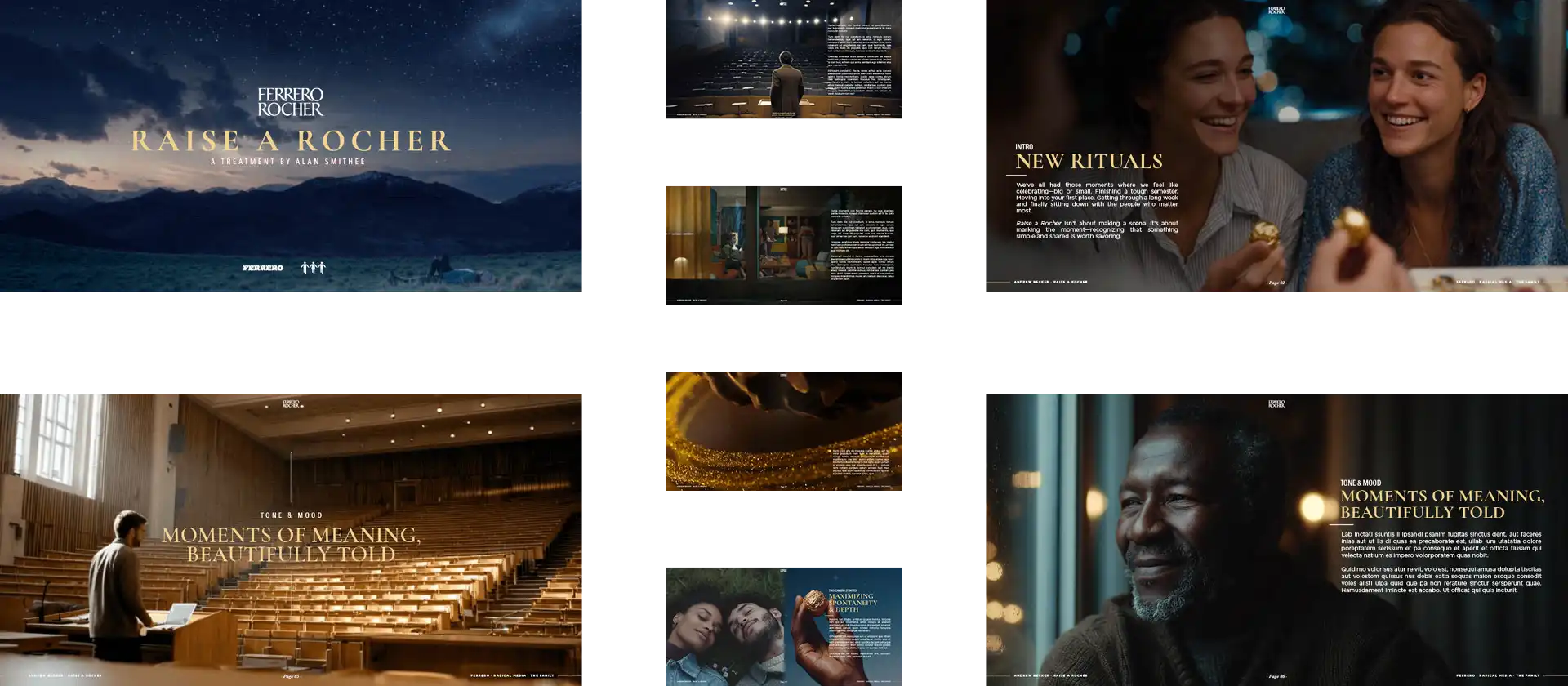
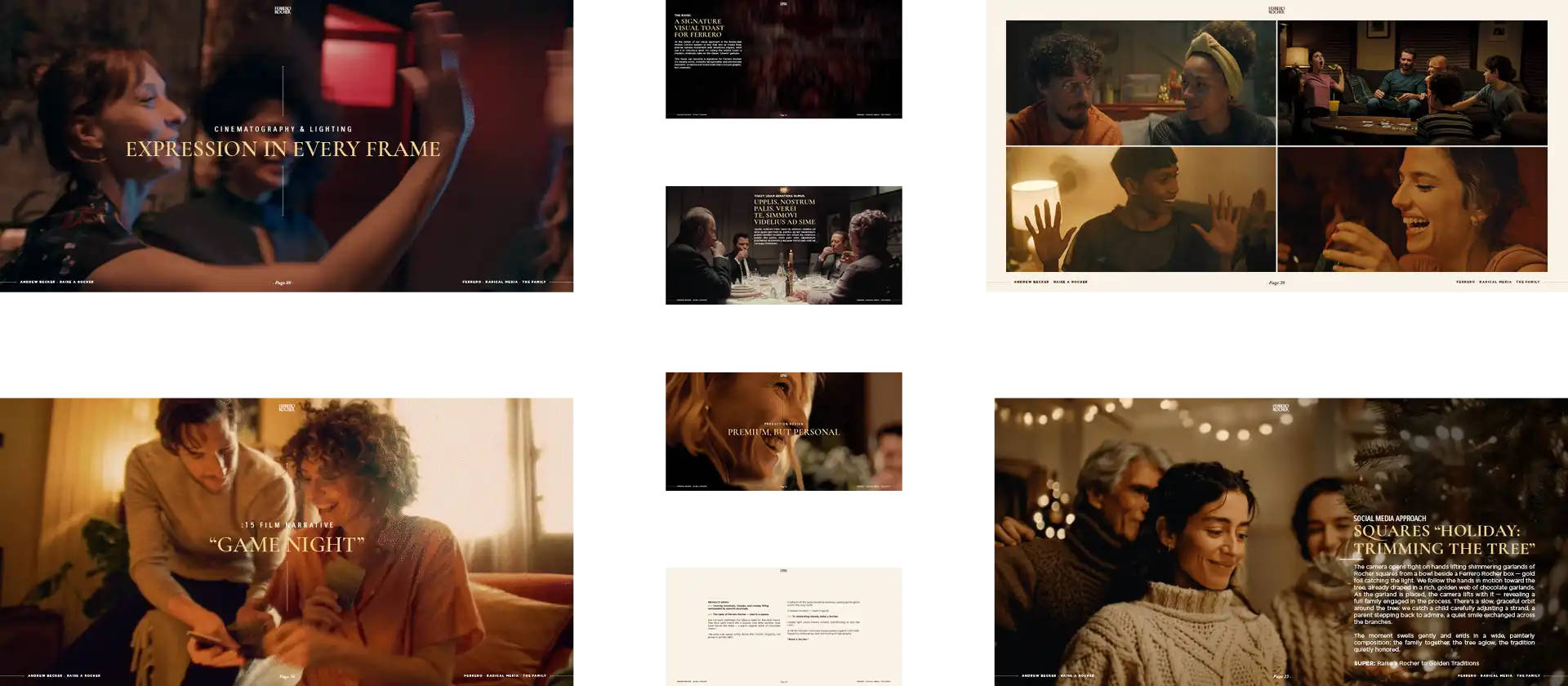
Visuals bring an additional dimension to a treatment. Photos, mood boards, or even hand sketches establish style. For instance, a noir film would have black-and-white images, whereas a family comedy could feature sunny, whimsical graphics.
These pictures don’t have to be fine art—they just have to complement the textual vision. Well-selected images can do wonders to bring an idea to life and get the reader to visualize the atmosphere.
They bring the treatment to life and provide an immediate flavor of the director’s approach. Visuals should never overshadow or derail your points. Each picture or mood board has to smack clearly of the story or character on the page.
Professionalism in Your Film Treatment Examples PDF
A professional treatment respects everyone’s time. Industry-standard formatting, such as clear section labels, a font like Arial or Times New Roman, and page numbers, indicates the writer knows the field.
Spelling, grammar, and layout mistakes can make even a good idea seem rushed or unfinished. Polished film treatment examples PDF should build trust. Readers will note that the author is earnest and prepared to move forward.
Attention, from the way the file is named to the use of bookmarks or linked contents, communicates to the reader that the writer cares about the project from beginning to end.
Conclusion: Film Treatment Examples PDF
Think of film treatments like a rough sketch before a painting. They outline the story, tone, and ambiance, allowing any member of a team to visualize the grand concept. A good treatment speaks in plain sentences, honors its genre, and keeps the heart of the story up front. Too long or too vague and a lot of writers trip up. A short and sharp treatment keeps folks interested. Film treatment examples pdf. Keeping things neat and easy to read, a PDF is a simple way to share your work. To get a sense of how treatments work in the wild, here are some PDF examples online. Looking to construct your own? Begin with a well-defined narrative and outline it in straightforward stages.