The Director Treatment’s Purpose
A short film treatment sample is a concise but detailed summary of your story, key characters and central themes. It helps guide you from your initial concept to the complete screenplay, allowing you to plot out the story in an understandable format. The therapeutic effect of a powerful treatment is that it makes it easier for you to identify weaknesses in your story and address them before you invest in a complete script.
You can use it to gather input from others, sequence your plot and determine if your idea can carry a short or even a series. Treatments can be a page or up to twelve, but its purpose remains consistent: encapsulate your vision and set the stage for production.
A treatment guides writers, directors and crew. It keeps everyone on the same page, illustrating the tone, style and emotional beats you want to hit. For investors, a great treatment provides a glimpse of the movie magic to come, allowing them to more readily recognize why your project deserves their support.
|
Feature
|
Why It Matters
|
|
Clear Storyline
|
Shows the main plot and flow
|
|
Defined Characters
|
Introduces key characters and motivations
|
|
Consistent Tone
|
Establishes mood and style
|
|
Visual Language
|
Helps picture the look and feel
|
|
Unique Hook
|
Highlights what makes this film stand out
|
Clarify Vision
A treatment describes the creative vision in plain language. Short film treatment examples reveal your principal plot twists, your character development and what differentiates your story. With a treatment you get a chance to iron out the flow and test if your idea works before you even start your script.
It helps you determine your tone—whether your story is dark or light, fast or slow. A good treatment helps everyone else visualize the story the way you do.
Secure Funding
Treatments are crucial if you’re trying to get investors or producers involved. A great treatment reveals your story’s high stakes, its originality, and its value to their audience. Investors want to see a crisp, clear concept presented in a clever, professional manner.
It should be in clean, polished language and format.
|
Funding Element
|
Benefit
|
|
Strong Concept
|
Grabs attention and builds interest
|
|
Market Appeal
|
Shows potential for audience reach
|
|
Visual Clarity
|
Helps investors picture the final product
|
|
Professional Layout
|
Builds trust in your skills
|
Align Crew
A treatment aligns the entire team. It provides directors, cinematographers, and designers one place to reference the story’s purpose and your desired style. This treatment examples TV document helps you describe the central theme and the motivation of each character, which can inspire creativity and collaboration.
Giving your treatment early reduces surprises during production and keeps everyone on point. The treatment’s purpose is that crew members can refer back to it at any time to ensure that the project remains true to roots.
Essential Components
Firstly, good short film treatment examples creates comprehension and excitement for your story. Each piece of the treatment contributes to the overall sketch, leading readers through your movie’s narrative, characters, and tone. Good treatments are a pleasure to read. The different sections have a natural flow and each one serves a distinct purpose. Treatments work best when you break them into distinct sections: title, logline, characters, synopsis, and tone.
1. The Title
Titles should be brief, punchy, and convey a feeling for the story’s tone. A strong title is memorable and suggests the movie’s style or concept. For instance, ‘Silent Lake’ sounds mysterious, whereas ‘Sunrise Market’ comes across as playful.
As you’re selecting your title, consider the themes and mood and test it among friends or other filmmakers to find out if it makes an impression. An attention grabbing headline can be the initial step in attracting someone’s attention.
2. The Logline
Your logline is a one-sentence hook that captures the essence of the film. It needs to be crisp and catchy and leave readers thirsting. Focus on your protagonist, what they desire, what impedes them, and what’s at stake.
For example, a lonely chef who risks it all to rescue his family’s café from a rival. Let your logline assist in honing your story before continuing.
3. The Characters
Main character descriptions should be brief—a sentence or two each. Concentrate on who they are, what motivates them and how they evolve. Emphasize what makes them distinctive or empathetic.
For instance, Maya, a rebellious teen, dreams of flight and resists her village’s customs. Demonstrate how their actions impact the narrative and provide just enough context for each to resonate in the storyline.
4. The Synopsis
Your synopsis is the essential component of the treatment. It needs to describe the setup, conflict, and resolution, like a three-act structure. This includes the crucial plot twists and character development.
Shoot for specificity, but stay concise; two to five pages is typical, 15 if necessary. Put things in chronological order.
5. The Tone
Chiefly, establish the tone from the beginning in any of your short film treatment examples. Choose words that capture the emotion and visual tone of your movie. Be consistent so readers don’t receive mixed signals.
If your film is dark and moody, say that and give examples, like “in the same spirit as ‘Parasite’ or ‘Roma.’” The tone is your movie’s map for how it should feel.
Writing Your Short Film Treatment Examples
Your sample film treatment is the scaffold of your short film endeavor. It’s a clear, organized road map that helps you identify holes in your narrative and simplifies the feedback process by others. It generally runs 5 to 15 pages and contains the title, writer’s name and contact info, logline, genre, summary, characters, themes, and tone.
If you’re pitching a pilot, be sure to include quick, punchy synopses for season 1 episodes as well as where future seasons could go. Others finish their treatment between drafts to reestablish big-picture plans. Treatments come in all lengths. James Cameron, for instance, is famous for prose-heavy treatments.
After all, your treatment is a sharable summary that primes your screenplay for victory.
- Keep sentences short and your points clear.
- Focus on clarity and avoid long-winded explanations.
- Edit and revise for flow and logic.
- Format with screenwriting software for consistency.
- Make sure all main story points are included.
Find Your Voice
A strong voice breathes personality into short film treatment examples and makes them stand out. Write in language that sounds like you, not someone else. That authenticity will make your story more believable and easier to connect with.
Experiment with writing the same section multiple ways—one humorous, one suspenseful, one direct, and so on—to find the right tone. Solicit candid feedback from your peers and hear what resonates with your vision. This trial and error allows you to mature and determine what is effective for your film’s message.
Structure The Narrative
It guides your reader and keeps your treatment on track. Write your treatment loosely organized with a clear structure like the three-act format or the hero’s journey.
- Introduction: set up your world, main characters, and stakes
- Middle: show the main conflict, challenges, and turning points
- End: resolve the story and hint at the aftereffects
Enumerate important scenes and transitions. Bullets or numbers help fragment complicated sequences and keep your plot simple to track. This prevents you from spinning out and allows others to follow the rationale of your narrative.
Show, Don’t Tell
Use image-provoking words. Write what your characters do, how they act, how they feel. Instead of saying ‘She is sad’, show tears, slumped shoulders, a quiet room.
Vivid specifics, such as the scent of rain or the crackle of gravel, engage us. These descriptions assist readers in visualizing the story in their minds, which makes your treatment more robust and memorable. Sensory cues bring it to life and maintain interest.
Short Film Treatment Examples
A film treatment provides you with a firm roadmap for your short film, molding your concept before you write the screenplay. It’s a shareable synopsis, employed by helmers and scribes like Spielberg and James Cameron when mapping out tales or pitching to peers. By being exposed to solid film treatments, you can identify what’s effective, what’s not, and how to bounce over story holes before you proceed.
There’s no one correct way to write a treatment, but reviewing strong examples will empower you to craft your own with confidence and creativity.
Short Film Treatment Examples: Drama
A drama treatment depends on emotional intensity and character development. The narrative tends to be about internal conflict or interpersonal drama and each scene takes the character a step toward a big transformation. Conflict and resolution are crucial, with the protagonist being confronted with a problem, a moment of change and frequently, a difficult lesson.
Treat all short term treatment examples like a piece of short fiction – use moving dialogue in your treatment to demonstrate how your characters feel. A line such as, “I can’t forgive you, not yet,” encapsulates years of stress in a couple of words.
Drama treatments work best when they are about something universal like loss, love or forgiveness.
Short Film Treatment Examples: Comedy
Comedy treatments pop with sharp timing and a mischievous rhythm. They provide your characters quirks that inject comedy into even the most everyday moments. For instance, a character who takes everything literally can transform an ordinary exchange into a comedy routine.
Situational irony, like a grand scheme falling apart in an innocent manner, keeps it light and humorous. Clever bants and wordsmithing assist readers in visualizing the vibe.
Anchor your comedy in reality — take cue from common experiences, like cringe-worthy family dinners. This allows your audience to better put themselves in the story.
Short Film Treatment Examples: Thriller
Suspense and tension in a thriller treatment are essential. Everything should maintain your reader’s interest. Employ fast pacing and plot twists to maintain interest, such as a reveal that a trusted friend is actually the bad guy.
Things are on the line, and your characters need to make hard choices. Cliffhangers or surprises at the end of scenes hold people. For treatment examples, a conclusion with, for example, “The phone rang. She froze at his voice,” arouses the audience’s curiosity.
In thrillers, each beat propels the story toward a larger, more perilous issue.
Beyond The Page of Short Film Treatment Examples
Short film treatment examples are more than plot summaries. They provide you a way to communicate your vision, identify holes in a narrative and tailor your pitch for input or investment. Treatments can be a single page or go to 20 pages; it’s up to you.
Filmmakers use treatments to develop their concepts, construct a creative strategy or troubleshoot issues before committing to a full script. Thinking outside the box with visuals and sample film treatment format is a good way to make your treatment pop.
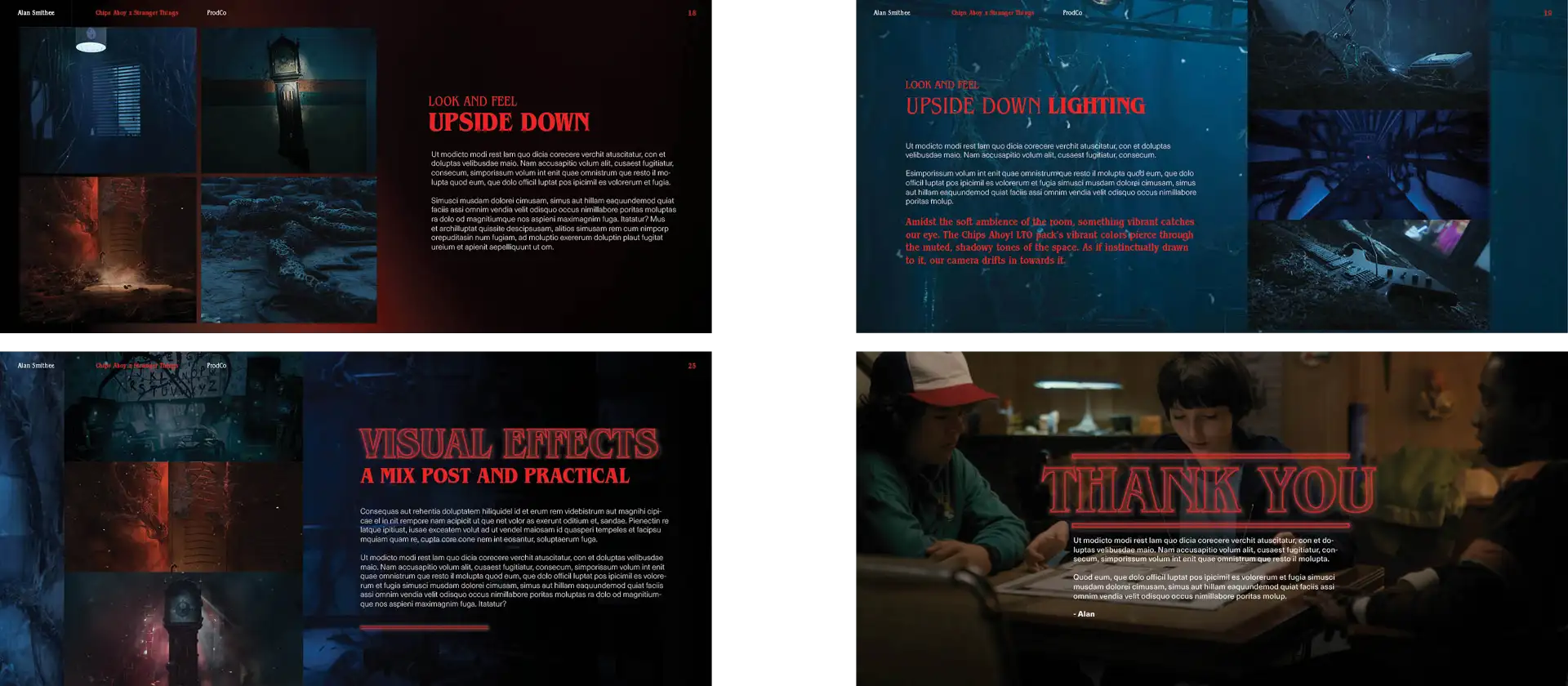
The Visual Director’s Treatment
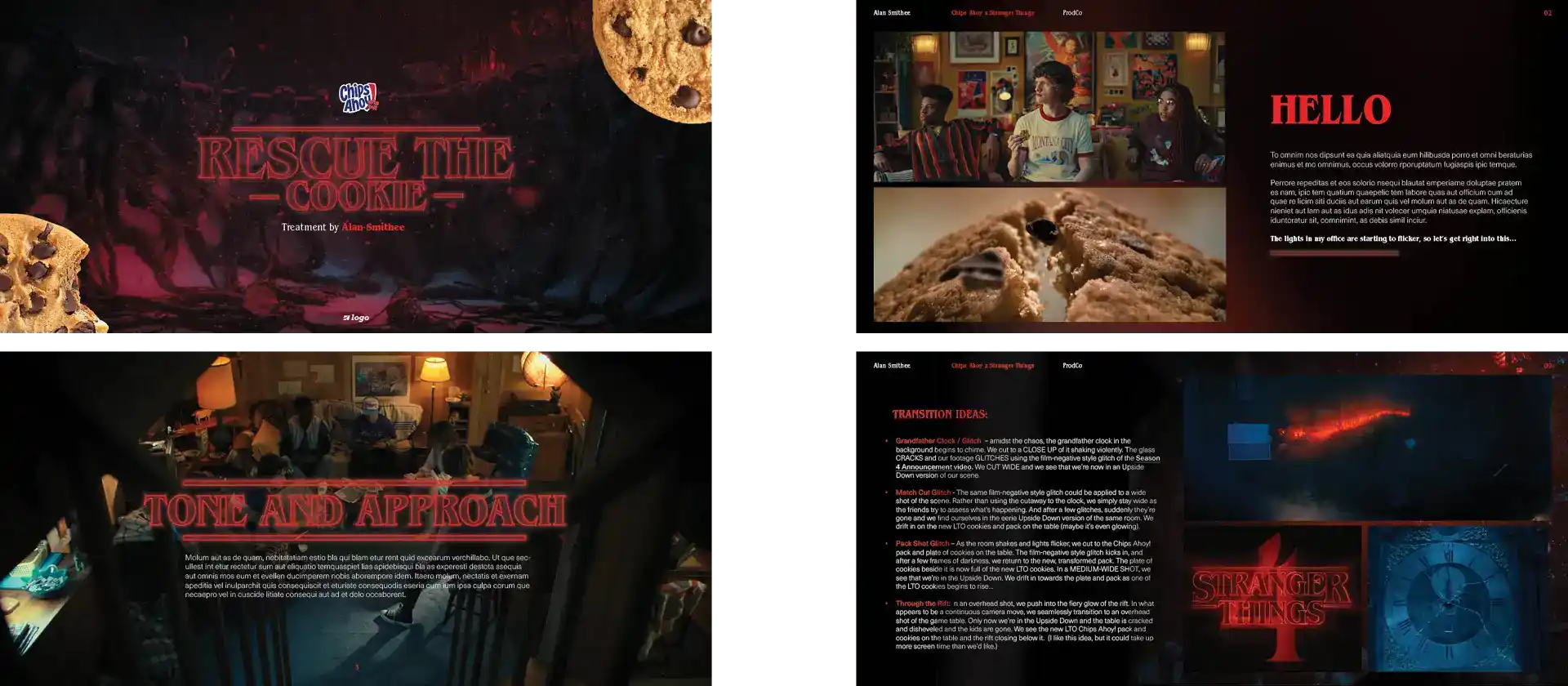
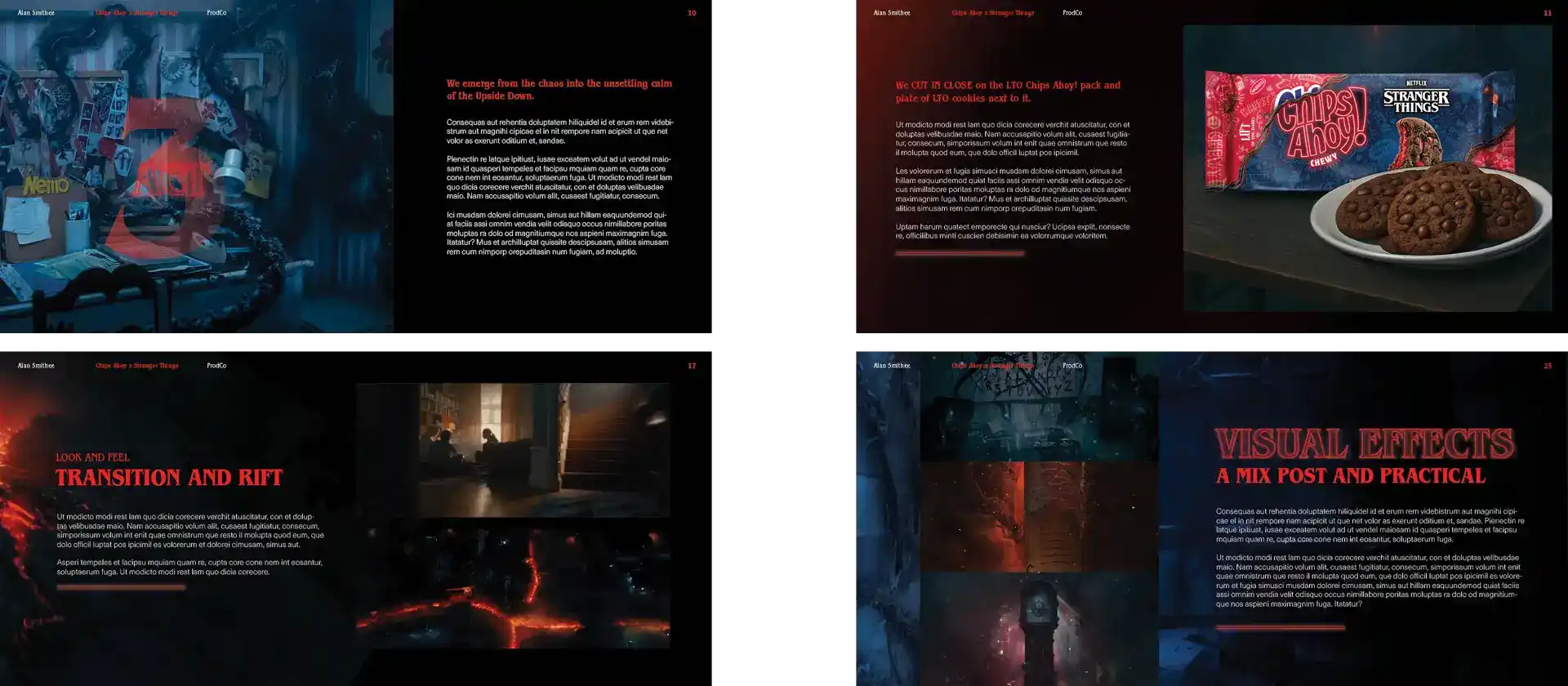
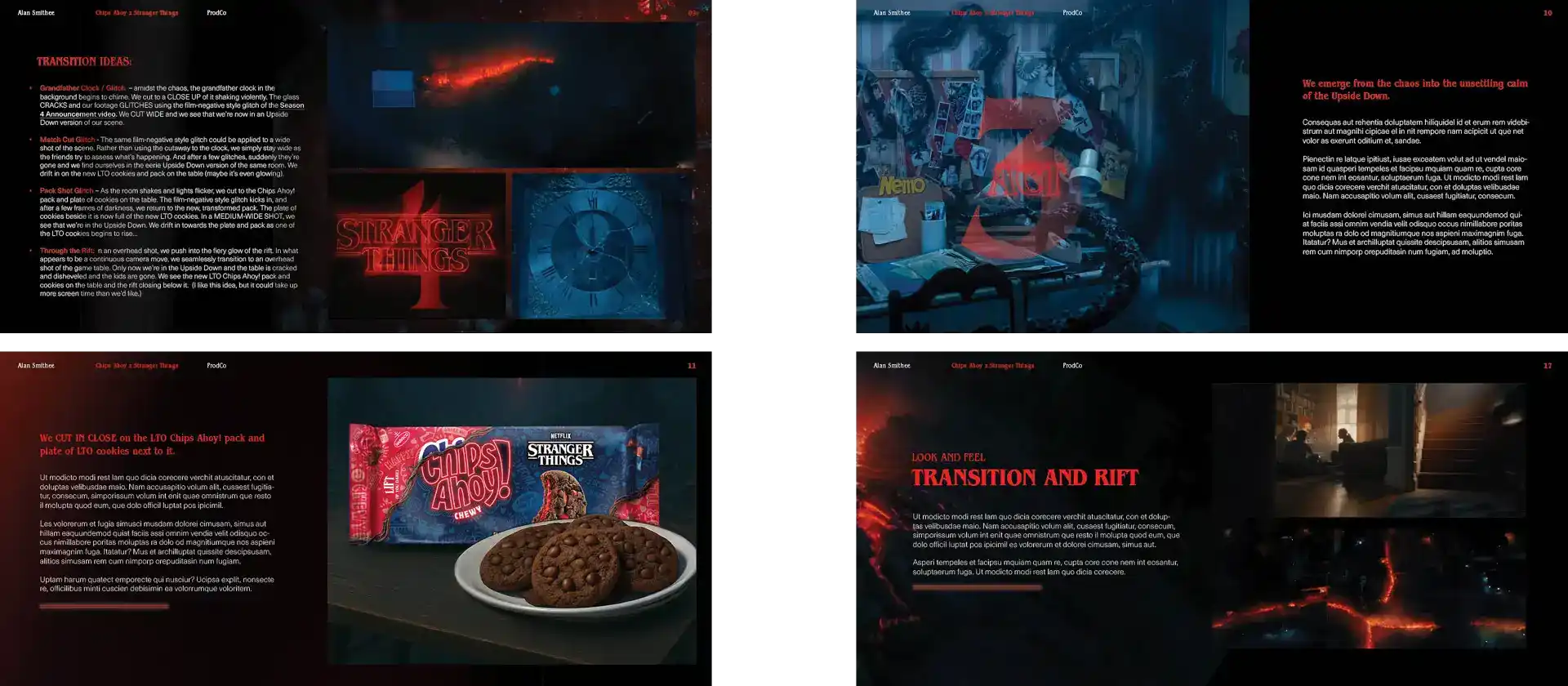
Photos allow you to illustrate what words cannot always express. Incorporating storyboards or concept art makes your film’s mood and style tangible. Don’t worry about making these images beautiful.
Even rough sketches can help others visualize big moments or subtle beats in your story. Add photos, collage, or artwork that complements your film’s mood.
Some directors use palettes of colors to establish the mood for the narrative. A warm palette could suit a heartfelt drama, while cool tones might support a thriller.
Visual references, such as other movies or paintings, direct readers’ imaginations to your desired aesthetic. These tools get your readers invested in your vision before a frame is ever shot.
The Pitch Deck
A pitch deck is a concise, image-driven presentation that supports your treatment. It can provide visuals, like images, graphics, or stats to support your argument.
Filmmakers use pitch decks to give producers, investors, or studios a sense of what the film will look and feel like. Tailor your pitch for a movie example deck to your audience.
For example, if you’re pitching to investors, include budget numbers or market data. If you’re a creative team, concentrate on pictures and ambiance.
Break the deck into sections: story, characters, mood, target audience, and production plan. This helps make the story crisp and digestible and keeps everyone aligned.
Common Pitfalls of Short Film Treatment Examples
Above all else, good short film treatment examples needs to be concise, straightforward, and readable. A lot of filmmakers fall into the same traps. If you’re interested in making your treatment pop, look out for these errors.
Be careful your treatise is not too long. Some writers submit treatments that are 40 pages or beyond. Most readers desire something far more concise, frequently only two to five pages. Long treatments with too much detail can bury your main idea. Keep the attention on the heart of the story, not each directorial decision or shot.
Employ simple words and avoid the jargon. If your treatment is littered with film jargon or technical terms, readers outside of your background won’t know what you’re talking about. Go for obvious, uncomplicated terms people can understand. For instance, use ‘close-up on her face’, not ‘CU w/shallow DOF’.
Short Film Treatment Examples: Keep Them Simple
Don’t include too much about each scene. If you explain every light cue or every minor movement, you bog down the reader. Instead, stick to the main action that pushes the narrative. Don’t write tons of dialogue. Treatments should provide a feeling of tone and not read like a script.
Illustrate the conclusion of your narrative. If you don’t describe how the conflict gets resolved, your reader is left hanging. Be sure you demonstrate what’s different for your characters in the conclusion. If your treatment glosses over how someone develops, it’s difficult for readers to invest in them.
If you write in the past tense, it seems less immediate. She walks into the room reads better than she walked into the room.
Proofread for grammar and clarity. Little mistakes are distracting and make you look less professional. Finally, get feedback early. A new perspective can detect what you overlooked.
Conclusion: Short Film Treatment Examples
Short film treatment examples assist you in molding your concepts and presenting your narrative with clarity. You get to set the tone, compose powerful scenes, and watch your voice leap off the page. Specific steps keep your work focused and allow others to easily follow. You can check out example treatments, identify what clicks, and incorporate those techniques in your own. Dodge the common pitfalls, keep it lean, keep it slick, and let your story breathe. Actual examples allow you to witness what works in practice. With these tools, you prepare your short film for an easy journey from script to screen. So, ready to write your own treatment? See additional samples and exchange drafts with your peers.