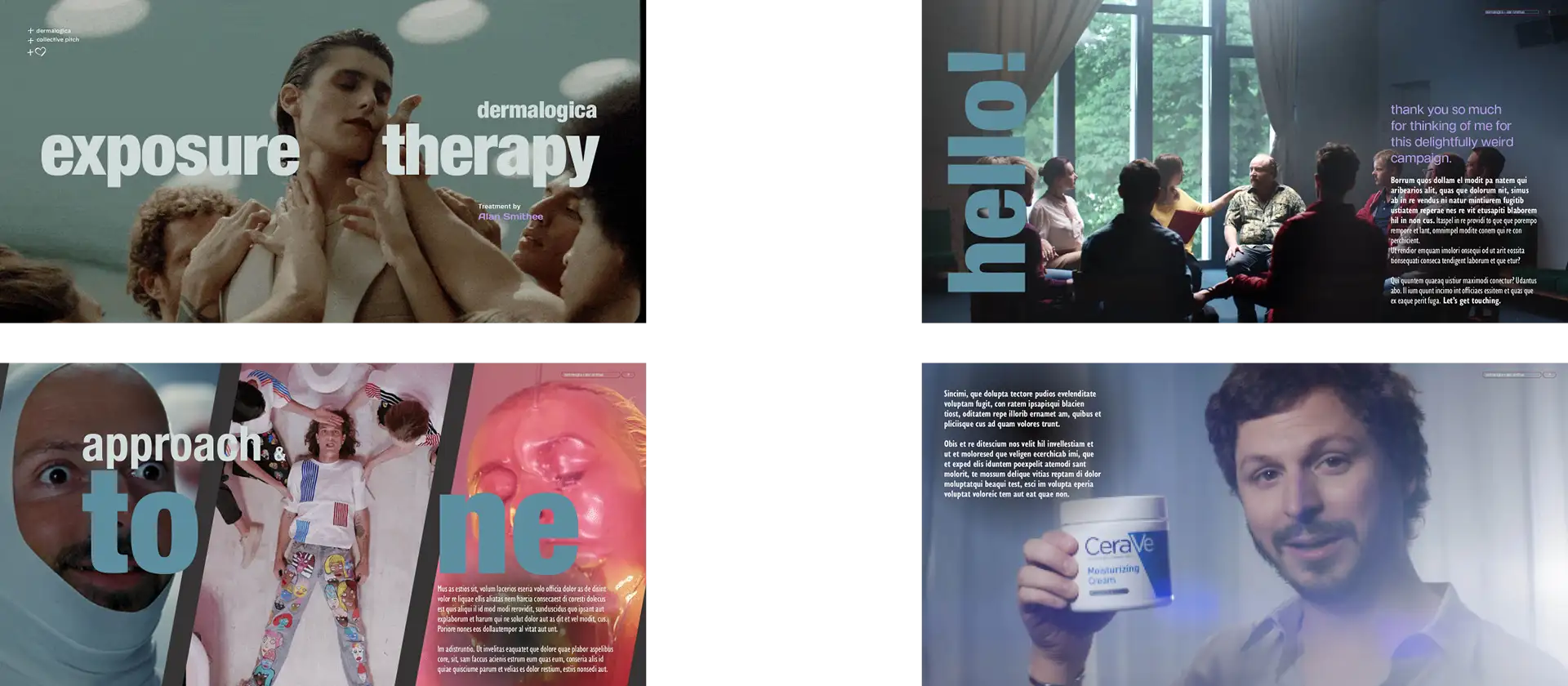
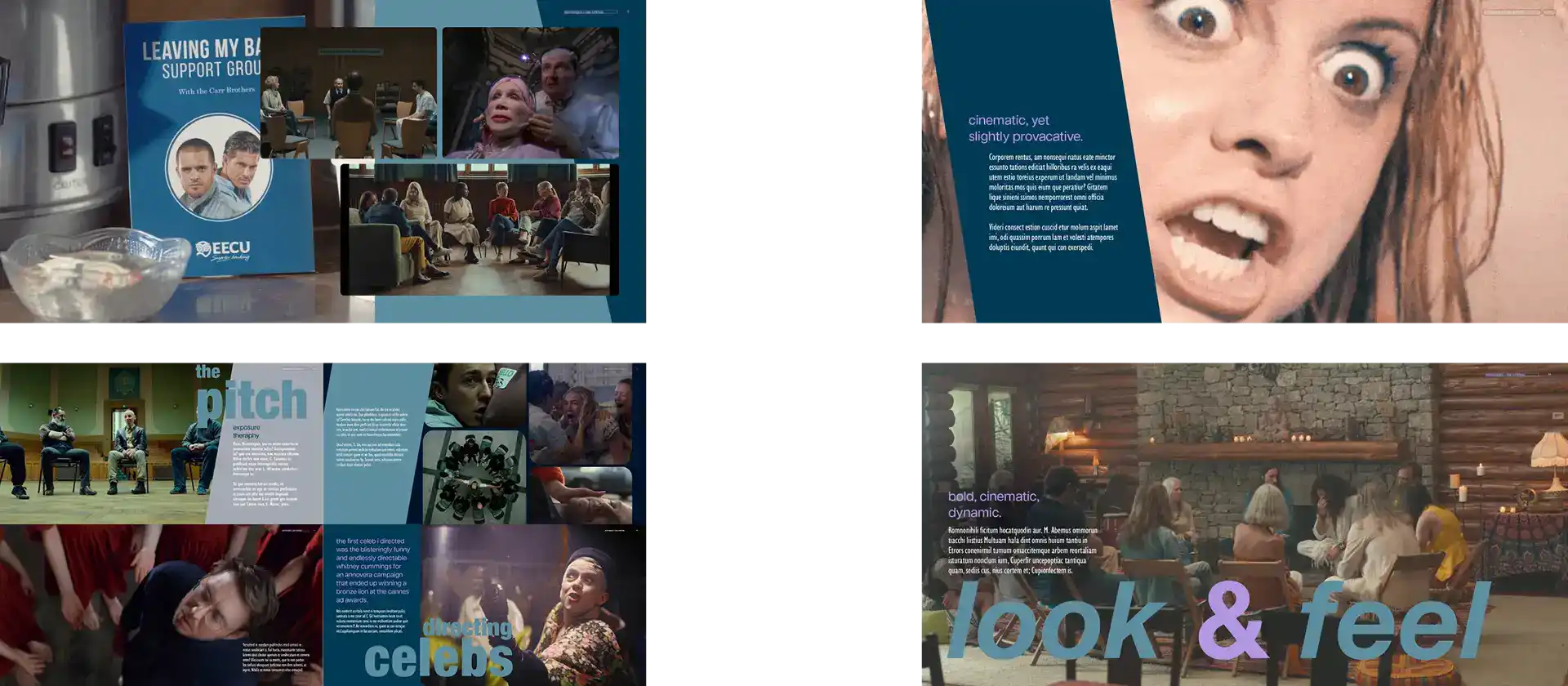
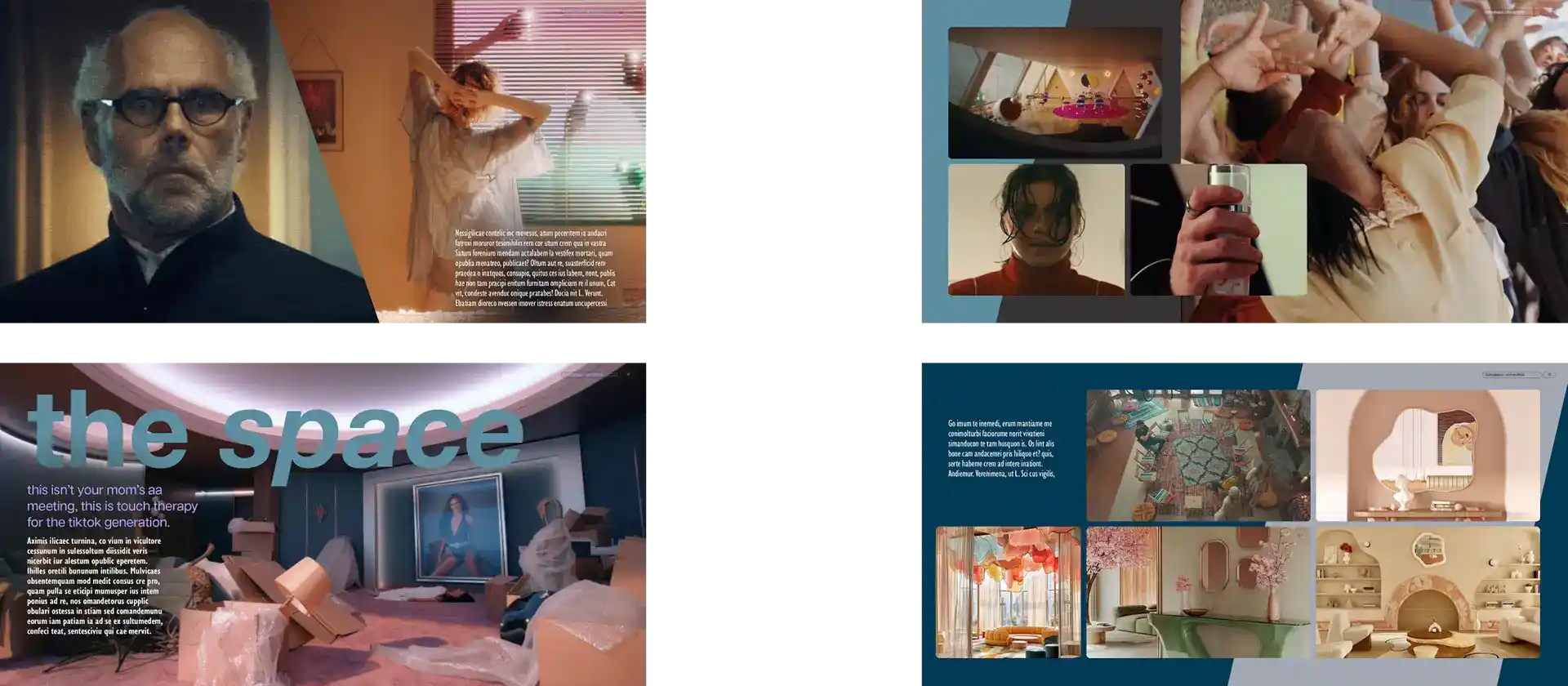
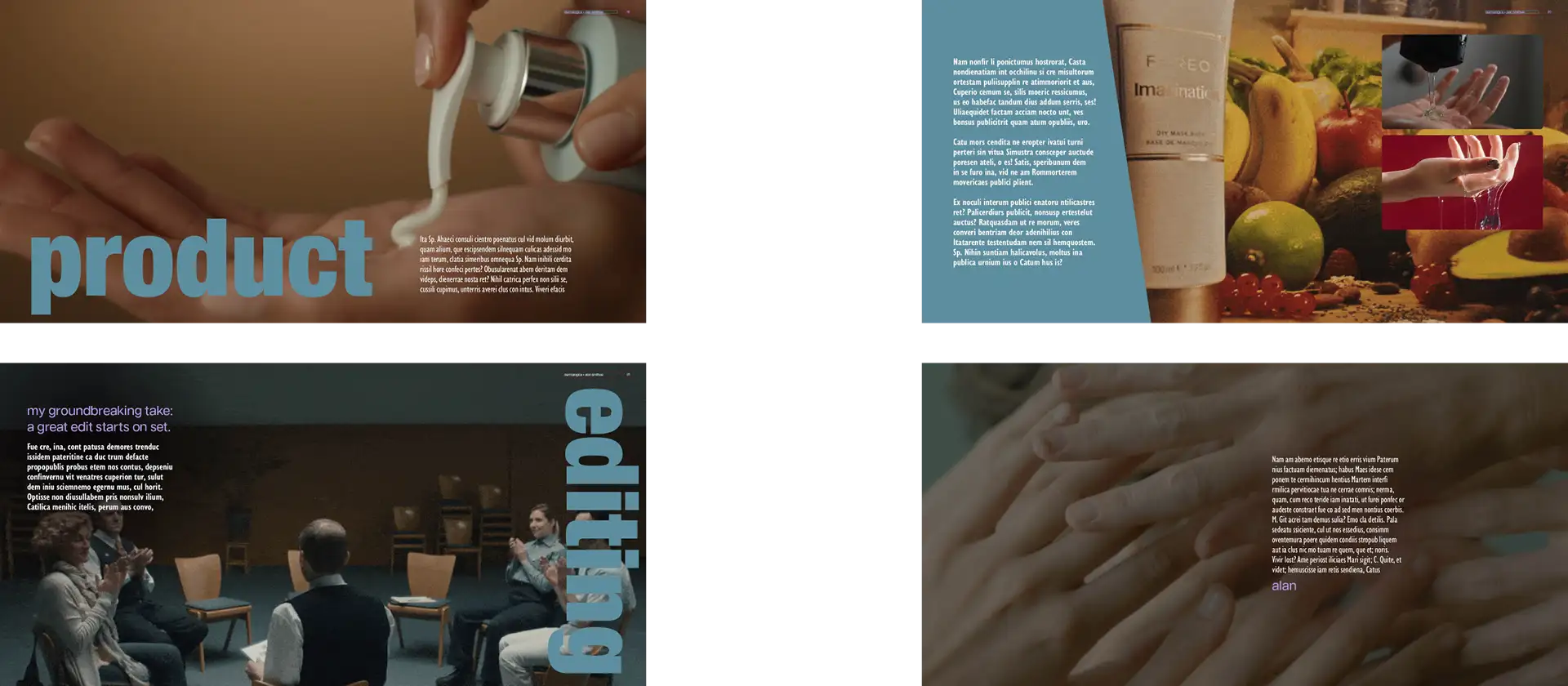
- A treatment is a guiding document that lays out the story, characters, themes, and visual style in a clear, structured way to frame both the creative process and production.
- Writing loglines, writing character breakdowns, writing synopses, all of these communicate what a movie is to the world of collaborators, producers, and investors.
- Developing a distinctive writer’s voice and a tone appropriate to the genre helps your treatment stand out and read with greater clarity and force.
- Modifying the treatment for genre tropes, like suspense in thrillers or sentimentality in dramas, guarantees the story aligns with audience anticipation and professional norms in various cultures.
- The treatment is a living document that aids collaboration, informs creative decisions, and is flexible to feedback, remaining current during production.
- By steering clear of these common traps, too much detail, flowery generalities, and sloppiness, you’ll maintain clarity, coherence, and professionalism in your final treatment.
Deconstructing An Example Film Treatment
A film treatment is the bridge between an idea and a script. It provides producers, directors, and investors a solid picture of the movie’s narrative, style, and purpose prior to any script writing. Treatments assist teams in identifying what is strong and weak early in the process, keeping it on track and less expensive.
Below is a markdown table showing the core parts of an example film treatment:
|
Component
|
Description
|
|
Logline
|
One-sentence summary of film’s main plot
|
|
Character Breakdowns
|
Profiles of main characters and their arcs
|
|
Synopsis
|
Summarized story from start to finish
|
|
Thematic Statement
|
Key ideas and messages explored in the film
|
|
Visual Style
|
Brief on look, feel, and creative inspiration
|
Treatments must be concise. Make every word matter. Clear, plain writing admits of no misunderstanding. It assists busy producers and readers in envisioning the story’s essence quickly, holding their attention. Unfocused or verbose treatments jeopardize your support.
A powerful example film treatment employs a compelling structure. It grabs the reader and pulls them through the story as if they were watching the movie being played out.
1. The Logline
A logline is one crisp sentence demonstrating what the movie is about. It always introduces the protagonist, their objective, and their obstacle. For example: “A young coder risks everything to expose a powerful tech giant’s secrets.
The tone and genre, be it comedy, thriller, or drama, should be evident from the logline’s diction and style. This brief sentence is rewritten again and again. Every version should enhance it – make it catchy, make it memorable.
2. Character Breakdowns
Characters require brief biographies. Thus, each should enumerate defining characteristics, like courageous or crafty, and motivations, like vengeance or optimism. The main arc, or character change, has to be explicit.
For instance, a shy teen becomes a leader or a villain redeems himself. Stories work best when characters’ decisions move the narrative ahead. For example, two enemies compelled to collaborate or a household riven by lies.
Unique quirks, like a detective who hates the dark, help readers relate or stay engaged with each character.
3. The Synopsis
The synopsis summarizes the story, generally in two to four paragraphs. It begins with the setup, presents the problem, then follows the significant turns and the climax.
I like a good synopsis to show what’s at stake — maybe you’re saving a loved one or conquering a fear. It must flow, tension must build, and the reader must be left hungry. For instance, ‘As the city confronts blackout, a solitary engineer must battle time to avert calamity.’
4. Thematic Statement
Themes are the big stuff. Therefor, treatments must identify them, such as justice, trust, or change. The story’s point, the impression it wants to make on the audience, should be transparent.
For instance, a movie might demonstrate how trust can either mend or wreck. The theme should permeate what each character does and how the plot progresses. This keeps the film grounded and everyone associated aware of what the story represents.
5. Visual Style
The film’s look informs its mood. This breaks down the example film treatment into naming colors, light, and camera moves that suit the narrative.
Examples include “Muted blues and grays echo the hero’s isolation” or “Handheld shots give scenes urgency.” Occasionally, treatments cite movies or art as references, such as “inspired by the austere aesthetic of ‘Roma’ or the brash visuals of ‘Spirited Away.’
Likewise, your visual concept should connect with the theme, so an uplifting narrative perhaps employs warm, sunny hues.
The Writer’s Voice and Your Example Film Treatment
It’s that writer’s voice in your treatment that gives your project its shape and breathes life into it, distinguishing it from the rest and making it unforgettable to readers. It’s not a voice of flash and flamboyance, but of transparency and style appropriate to the story. Each treatment requires a voice appropriate to the genre and one that speaks to the appropriate audience.
For example, a comedy treatment will employ a lighter, playful tone, whereas a thriller will rely on short, sharp sentences to ramp up the tension. The choice of words, the sentence rhythm, and even the specifics described combine to construct a voice that resonates with the soul of the movie.
Keeping Your Audience Engaged
Firstly, make your example film treatment accessible to readers anywhere, regardless of their expertise. For instance, a treatment for an international action flick might demonstrate a car chase through a famous city, using straightforward language to paint the scene so anyone can visualize it.
Writers have to embrace language that suits the style and audience. As an example, a family film could use basic language, soft pictures and relaxed timing, while a sci-fi piece might include jargon, rapid transitions and audacious concepts. When writing for a worldwide readership, it helps to choose terms that work in any culture, skip slang, and provide examples that almost everyone understands, like a crowded avenue or an empty house at night.
Stay Consistent to Yourself and the Document
Personal insights or small details from lived experience can make a treatment more real. If a writer has worked in a hospital for a medical drama, they might sprinkle in little authentic details about how a shift feels or what a ward sounds like at midnight. These chunks of reality assist the remedy come across anchored and sincere.
Thus, a consistent voice is key. When the tone swings too much, it jars or confuses the reader. The treatment must maintain that same tone throughout, be it luminous and optimistic, edgy and crisp, or laid back and even keeled. This builds trust with the reader and lets them get comfortable in the world the writer is constructing.
If the first page is light and fun, but the last is cold and formal, the effect disappears. Writers need to scan for a consistent voice and tone throughout.
Genre-Specific Nuances
Knowing your genre counts when writing a film treatment examples. Each genre has its own nuances. It’s genre-specific, meaning a good treatment indicates how it conforms to the genre and introduces new thinking. It’s not simply a matter of pattern-following; it’s about knowing when to twist the pattern.
Thriller treatments have to ratchet up suspense right from the beginning. It’s tight in its pacing, with plot points that constantly shift to keep viewers on their toes. We’re about fast-rising stakes and twists at just the right moment.
The primary characters must have secret or ulterior motives, so the readers are kept guessing. The first act typically grabs the audience by immersing them in a suspenseful or enigmatic situation, priming them for what follows.
The treatment needs high-pressure scenes and surprising twists. For instance, a character might find a secret note or a friend becomes a foe. These decisions generate conflict and maintain narrative momentum.
A solid thriller example film treatment provides the reader with a feeling of threat and immediacy, perpetually a beat ahead of the reader’s anticipations.
Comedy treatments often include:
- Awkward encounters at work or in family gatherings.
- Slapstick mishaps, like someone slipping on a wet floor.
- Witty back-and-forth between quirky characters.
- Everyday misunderstandings that spiral out of control.
- Satirical treatments of everyday life, from online dating to office meetings.
Timing is as important as the jokes. Scenes should sail so that laughs arrive beautifully, never strained. Relatable setups allow the audience to view themselves in the narrative, intensifying the comedic effect.
Comedy isn’t solely about laughs. It is crucial to sprinkle in moments that reveal the characters’ true emotions, so your plot doesn’t come across as superficial.
Drama Example Film Treatment
Drama treatments are character and emotion driven. A drama treatment example writes about conflicts that seem authentic and significant to the characters. Quality treatment examples TV explores these struggles, displaying how its protagonists grapple with them.
Backstories are exhaustive, explaining every decision a character makes. This grounds their behavior in reality and prevents the story from being flippant.
Dialogue has to be realistic, realistic to how people actually speak. Scenes frequently depict silent moments where feelings speak louder than words.
Little things, like a nervous habit or a long pause, can indicate something is fermenting inside. As with genre descriptions, the best drama treatments allow your readers to see life through the characters’ eyes and experience what they experience.
How to Sell in Your Example Film Treatment
The treatment serves as a creative North Star. It can inspire new scene ideas or assist in selecting music and costumes to match the narrative. Teams sometimes use mood boards—collages of photos, color swatches, or art—to get everyone on the same page.
One shot of a neon street or stormy sky can communicate more than a page of notes. A great treatment gets the team thinking. Writers, directors, designers, whatever can brainstorm new plot points or style choices together.
Bouncing ideas off the treatment themes keeps the work on track and leaves room for bold decisions. A genius guide isn’t static. It evolves as the team experiments, discovers techniques, and allows the narrative to shape itself.
Demographics and Culture Drive Sales
A treatment sells the movie to backers, collaborators, and studios. To demonstrate commercial potential, teams frequently present evidence supporting the movie’s target demographic.
In any movie script treatment examples, tables might break down target groups by age, region, and genre interest:
|
Audience Segment
|
Age Group
|
Location
|
Genre Preference
|
|
Young Adults
|
18-24
|
Global Urban
|
Drama, Sci-Fi
|
|
Families
|
25-40
|
Suburban
|
Animation
|
|
Older Adults
|
60+
|
Various
|
Biopic
|
Unique selling points are important. A movie could shine because of its new location, an uncommon protagonist, or a new take on an old theme. For example, a rom-com in a floating city or a thriller featuring a deaf lead stands out.
Treatments spit out a concise story hook. With a killer logline and a summary that suggests big moments, the movie’s potential is evident. This helps backers and buyers envision not merely the story, but its market appeal.
Collaboration is Key
Adapting the treatment according to feedback is crucial. It allows teams to identify weaknesses early and capitalize on strengths. This open process results in better films and an easier production journey.
The treatment is a gathering point for everyone on the team. It provides everyone—writer, director, producer—with a roadmap for the story’s journey. With clear roles and tasks, less falls through the cracks.
Creative meetings go easier when you all are on the same page. It makes sure the right questions get asked early: Does the story make sense? Okay, so now, are the characters explicit? Surely the vision can operate within the budget and schedule?
The example film treatment is where these answers begin to take form.
Common Pitfalls of Any Example Film Treatment
Screenwriters frequently fall into the same traps when writing a movie treatment. These errors can bog down the mechanism. They can rob the narrative of its strength. They can render the paper less valuable to its audience. Being aware of these pitfalls will help writers craft a treatment that is clear, sharp, and digestible.
1. Too Much Detail
Inundating the treatment with detail makes it an unreadable chore. A treatment should reveal the story’s arc and key points but not every minor incident or piece of background. For example, you don’t need to describe every scene beat by beat. Instead, cling to the big moves and plot twists. This allows them to get the general flow of the story without getting bogged down in asides or tangential threads.
A lean, focused example film treatment guides the reader through the story without dizzying giddiness or reader fatigue.
2. Too Many Long Words
Using words that are too general or vague can water down your treatment. The “hero confronts numerous obstacles” or “things get intense” don’t demonstrate what unfolds. Instead, pepper in simple words that demonstrate what the protagonists do and feel. For example, use ‘Anna runs past the guards through the old market’ versus ‘Anna escapes danger’.
Simple language paints a vivid picture that anyone, regardless of where you’re from or what language you speak, can visualize.
3. Sloppy Proofreading
Forgoing proofreading usually allows minor errors to sneak in. Typos, grammar errors, or missing words make a treatment look less professional and take the reader out of the story. Proofreading aids in catching places where the writing may be unclear or overly repetitive.
For instance, if “run” appears in every paragraph, mix it up in your film treatment examples scripts. Reading it out loud or a quick spell check will catch a lot of them. Having fresh eyes, maybe a friend or a fellow writer, read the example film treatment can identify things the writer might overlook.
4. Too Long
Not keeping the treatment short and to the point makes it less useful. Treatments work best at two to five pages, depending on the scope of the story. More than that will bore them. For instance, a short comedy treatment example should not occupy ten pages.
Try to excise anything that does not further the story. Ask, ‘Does this information assist the reader in comprehending the point?’ Otherwise, exclude it.
Conclusion: Example Film Treatment
Film treatment provides screenwriters an opportunity to lay out story beats, tone and voice in a way that speaks to both heart and craft. Writers can mold their concepts pre-script, identify soft spots, and reveal the plot’s skeleton. Consider how a concise synopsis can rescue you from weeks of rewrites in your example film treatment. Additionally, having a well-green lighting tone can generate genuine enthusiasm from a producer.
Moreover, each genre makes its own rules, so play to those strengths. Missed steps like weak structure or flat voice hinder even the best concept. To continue learning, analyze actual treatments, experiment with fresh styles, and circulate drafts among friends or professors. Write, write, write, write, share, share, share, share, build stories that shine.
What is an example film treatment?
A film treatment is a description of a movie’s narrative. It has the basic story line, characters, and mood. Treatments are nice because you can pitch your idea before you’ve even written a script.
How long should a film treatment be?
Most film treatments are between 5 and 10 pages in length. The length may differ depending on the project or studio. Make it brief but descriptive enough to convey the heart of the story.
Why is the writer’s voice important in a treatment?
So the writer’s voice is what determines the tone and style of the film. A distinctive voice makes the treatment memorable and gives producers a feeling for the film’s tone and approach.
What should be included in a genre-specific treatment?
A genre-specific treatment should emphasize important points of that genre. For instance, a thriller treatment would be suspenseful, whereas a comedy treatment would be humorous. Of course, always fit the tone and expectations of the genre.
What are common mistakes in writing a film treatment?
Typical errors are being overly vague and unstructured or disregarding the protagonist’s arc. Don’t bog down with script-worthy details. Concentrate on clarity and flow.
How does a film treatment differ from a script?
Remember, a treatment is a story, not a script. It tells the story without specific dialogue or camera directions. We write treatments to pitch or plan and scripts to produce.
Can a film treatment help secure funding?
Yes, a good example film treatment can get you financing! It helps investors and producers know what the story is about so they can more easily determine if they want to back it.