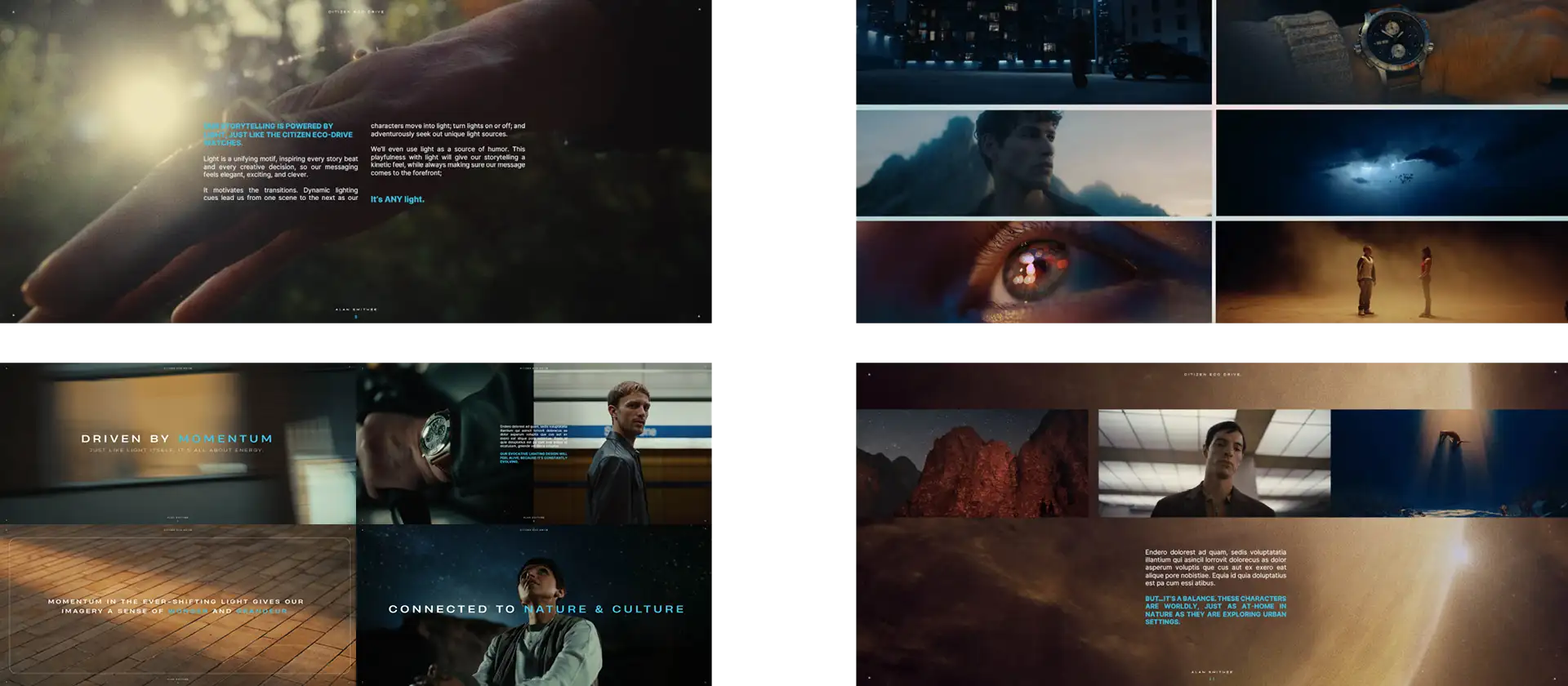
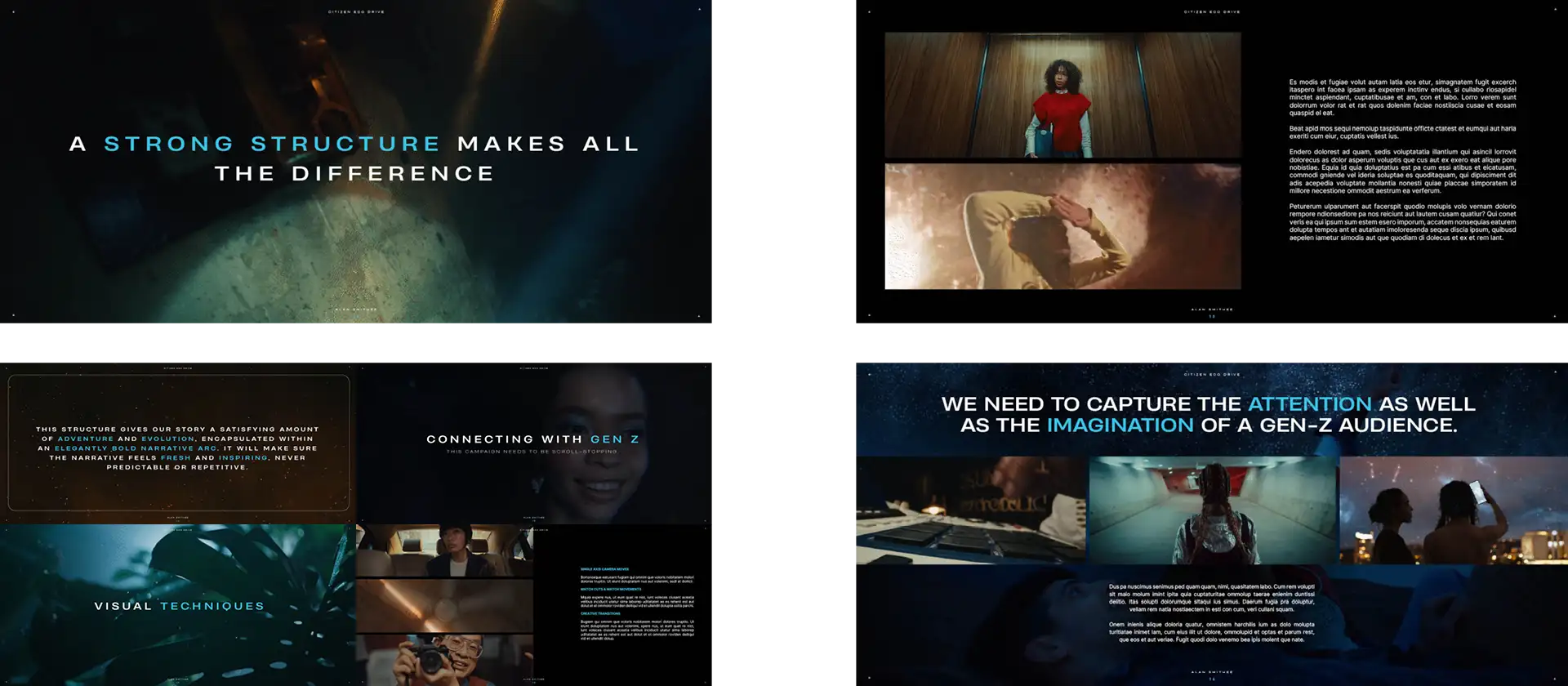
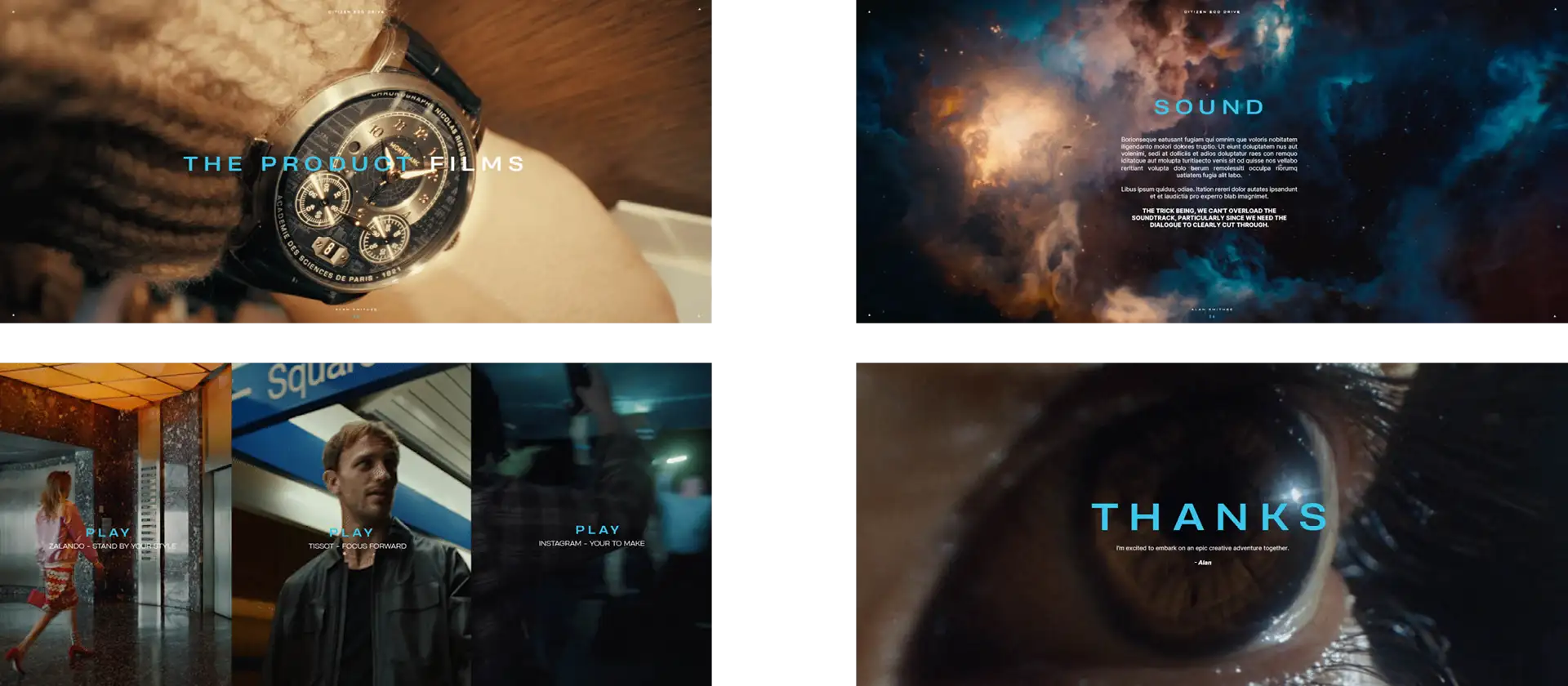
- Start your short film treatment film example by establishing the theme or core conflict, as well as the structural outline. This serves as the foundation for both narrative and technical considerations.
- Create a strong logline and synopsis that clearly convey the main character’s arcing journey and what’s at stake, making sure they are digestible for both international audiences and industry peers.
- Design 3D characters with purposefully crafted backstories and arcs to inspire emotional investment. Use checklists or tables to capture their development and interactions.
- Match the film’s tone, look and narration style to its genre using specific cinematography, colors and dialogue to weave the experience.
- List USP and budget in neat tables for directors, producers, and others to see your project’s originality and saleability.
- Steer clear of treatment pitfalls with a focus on character, plot, and genre story movie script treatment examples tips.
The Core Blueprint of a Treatment for Short Film Example
Strong film treatment examples maps out the project’s core vision ahead of scriptwriting. It serves as a guide to the creative team, illustrating what the story is, its structure, and its tone. A compelling treatment can help everyone from director to designer stay on the same page, and it gives producers or funders a vivid sense of the project’s goals.
The blueprint addresses theme, conflict, and structure and the film’s core message.
1. The Logline
The logline is a one or two sentence description of the story. It should provide a feel for the protagonist, their desires, and the central conflict or threat. A good logline uses concrete, powerful language, something like “A geeky teenager has to outwit a sly competitor to take home the science fair and her own self-esteem.
The logline should match the genre: for a thriller, it might spotlight danger; for a comedy, it hints at mischief. For example, “After losing his job, a stubborn chef must cook his way back into his son’s life, one meal at a time,” immediately establishes tone, stakes, and theme.
2. The Characters
The hero requires a mission and motivation. For example, they want to prove themselves or redeem a mistake. A brief backstory reveals what motivates them, perhaps a childhood loss or a friend’s betrayal. Growth is key, so the character changes, even if just a little.
For instance, a stubborn coach learns to trust her team. Side characters either help forward the story or challenge the hero. A best friend might offer advice, or a rival makes the hero rethink their strategy.
Side characters need little goals or idiosyncrasies of their own to make them believable. Every decision any character makes needs to drive the plot. Even in a ten-minute flick, well-drawn characters make the flick stick with us.
3. The Synopsis
A quality synopsis outlines the primary narrative in just a few sentences. It establishes the initial situation, the overriding conflict, and foreshadows the resolution. For example, “When his cherished dog disappears, a small boy scours the metropolis, makes unexpected friends and unveils real bravery.
The synopsis doesn’t want to spoil the ending, but it wants to give a sense of what’s at stake. It should be brief but explicit, illustrating the critical beats without additional explanation, so readers desire to learn more.
4. The Tone
The movie’s tone establishes the vibe: air light and hope, suspenseful and shadowy, or bittersweet. Word choice in the treatment for short film example should match. Grey city streets under cold rain” signals drama, while “sunny parks and clumsy hijinks” suggests comedy.
The tone determines how the characters speak and behave and how the audience responds. If it’s a horror, the tone should construct dread. For a romance, warmth and humor lead the way.
5. The Visuals
The style of the movie is as vital as the story. The therapy ought to imagine paint colors, like calming blues for depression or mellow yellows for optimism. We call out close-up shots or wide cityscapes to help the reader visualize the mood.
Recurring visuals, such as a child’s red shoes or a broken clock, can provide additional resonance. Visual style links with story. A fast-paced chase might use shaky camera work, while a quiet drama could rely on still, wide shots.
Beyond The Summary in Your Short Film Treatment
An example movie treatment for a short film is not a summary. It dives into the movie’s concepts, its characters and their universe. It’s a tool for the filmmaker to demonstrate why this story is important, for whom it is important, and how it can differentiate itself. Here the emphasis gets more in depth.
It goes beyond plot points to examine the significance of the story, the relationships between characters, and the impact for audiences. This process makes it easy for both inexperienced and experienced creators to construct treatments that resonate authentically and specifically.
Explore deeper themes and messages that resonate with audiences.
Every short film can be an opportunity to address depth-of-issue themes, not just top-level drama. For instance, a movie about a lost wallet in a big city can be more than a tale of discovery. It might discuss trust in strangers, the assistance of others, or the terror of solitude.
A great treatment identifies the core of these themes in plain language. It queries what emotions or reflections the movie aims to rouse in its audience. If the movie observes hope, loss, or change, your treatment for short film example should demonstrate how those concepts manifest in the narrative in small words and short phrases.
This allows anyone reading the treatment to understand why the story is important, even if they hail from another culture or location.
Analyze character relationships and their significance to the overall narrative.
How the characters in a movie treat one another can communicate more than the plot of the movie itself. A strong treatment focuses on how these connections propel the narrative. For instance, if a movie is about two buddies who drift apart, it must demonstrate what makes their connection strong, what challenges it, and eventually what destroys it.
Small things — a look, a word, a moment — in even a five-minute film can inform us a great deal about the trust, hope, or pain between them. Your treatment for short film example isn’t just a list of characters, but what each one wants and how they change each other.
This helps the reader understand how the story will resonate as authentic and why readers will be interested. Interesting in more? Check out 5 key components for a pitch for a movie example.
Discuss potential social or cultural implications of the film’s content.
Almost always, the best short films are those that manage to show us something true about the world. Your treatment needs to suggest what the story reveals about life, work, or living together. For instance, a movie in a bustling urban setting can speak to metropolitan life, the speed of transformation, or the intermixing and friction of diverse populations.
If it involves issues such as gender, class, or family, the discussion should demonstrate how it intends to be equitable and transparent. It might query, “How would outsiders view this tale?” Plain language makes the movie reach further.
Reflect on how the film can provoke thought and discussion among viewers.
A movie isn’t something that you watch, it’s something you experience and discuss. The treatment should indicate what questions or thoughts may linger with viewers post-screening. Will they ponder more about themselves or the world?
For instance, a movie about an individual who fights for what they believe in might lead to discussions on bravery or difficult decisions. By illustrating what concepts the movie aims to ignite, the treatment helps others understand its value.
Crafting Originality for a Treatment for Short Film Example
Short film treatments require more than a concise plot. They demand a fearless voice and an authentic feeling of location. Originality comes from blending genres, tinkering with structure, and mining your own experiences. Even a silly idea shines when told in a new way.
Offbeat character duos or reversing traditional story arcs help create that mold-breaking originality. Blending comedy with suspense or drama with sci-fi can infuse a movie with its own unique style. Personal truth gives heart and can make even a wild story seem rooted. Rearranging the timeline, adding flashbacks, and allowing supporting characters to become protagonists can distinguish a project. Check out our movie treatment example PDF here.
Voice
A forceful tone makes a movie its mood. It directs how the narrative addresses the audience. This is in the script and in the sound of characters. For instance, a narrative from a child’s perspective will employ easier vocabulary and an inquisitive voice, rendering even grand concepts novel.
Dialogue forms the audience’s perception of each character. Witty, arid banter in a detective flash established a hard-boiled tone. If the style randomly shifts, the film feels off. Consistency is key. Use catchphrases, like a running gag or a one-character line that makes the piece memorable and helps bond the script.
Specificity
|
Aspect
|
General Approach
|
Specific Example
|
|
Genre Blend
|
Mix genres for fresh effect
|
Comedy set in a post-apocalyptic world
|
|
Character Dynamic
|
Unusual relationships
|
Rival chefs forced to work together
|
|
Plot Structure
|
Nonlinear storytelling
|
Story told backward, ending at the start
|
|
Personal Experience
|
Draw from real life
|
Inspired by moving to a new country
|
Specific, tangible details create a world audiences trust. Rather than a generic “city,” mention narrow alleys lined with neon signs or the scent of street food at dusk. Relatable moments, a fraught family dinner or a missed train, keep the plot grounded.
These touches draw the audience in. A beautifully depicted world, with its own noises and visuals, brings the short film to life in the mind of the audience.
Emotion
- Does every character confront a decision that reveals their nature?
- Are highs and lows paced to keep viewers engaged and not exhausted?
- Is comedy interspersed with moments of drama, or does sadness interrupt peaceful scenes?
- Do character changes correspond with what they experience in the plot?
Deep feeling comes from conflict. If two buddies crave the same thing but require one another, every victory and every defeat strikes deeper. A laugh prior to a hard scene can make the sting more acute.
Sadness, hope, or fear should always suit the character’s development, so nothing feels contrived.
The Persuasive Document
More than an outline, a treatment for short film example is a persuasive document that earns the reader’s confidence and excitement. It demonstrates the story’s heart, the artistic decisions, and what makes this project distinctive in a crowded marketplace. The next few sections deconstruct what makes a great treatment for directors, producers, and you as an artist.
Unique Selling Points:
- Fresh visual style that merges realism with poetic elements
- Concise narrative built for broad appeal and easy adaptation
- Universal themes of resilience and hope, relevant across cultures
- Emphasis on strong, relatable characters
- Ready for festival circuits with clear branding opportunities
Treatment for Short Film Example: For Directors
A director’s vision directs the aesthetic of the movie, influencing all aspects from cinematography to color schemes. Your treatment for short film example should map out this vision in concrete terms, demonstrating how tone, mood and style all play together.
For instance, a director may select desaturated hues and handheld shots for intimacy or high-contrast lighting and wide frames for suspense. Working near actors and crew is everything. These open input sessions enable the team to craft character arcs and construct authentic performances.
Crew collaboration includes sharing storyboards, references, and even playlists so everyone knows the tone and pace. Visual storytelling steals the show. Easy decisions, such as natural light to convey authenticity or close-ups to capture subtle feelings, transform a decent script into a lush movie.
Visual metaphors, like a leitmotif or color, provide unspoken depth. Pacing forms the audience’s reaction. Some cautious editing, scene duration, and even sound design let the narrative breathe. In a short film, every second counts and every beat has to justify its existence.
For Producers
|
Budget Area
|
Estimated Cost (€)
|
Market Potential
|
ROI Potential
|
|
Cast & Crew
|
4,500
|
High (talented, recognizable faces)
|
Strong (festival-ready)
|
|
Equipment
|
3,000
|
Moderate
|
Good (high production value)
|
|
Locations
|
1,200
|
Moderate
|
Solid (authentic settings)
|
|
Post-Production
|
2,000
|
High (polished look)
|
High (distribution-ready)
|
There’s great market appeal due to its universal themes: family, loss, and hope. The movie has a universal story structure, so it is simple to promote for diverse viewers. Short run time suits festivals and digital outlets.
Distribution plans include aiming for top short film festivals, online and in person. Examples include Clermont-Ferrand, Tribeca, and Berlinale Shorts. Online streaming and specialty channels provide a sustained presence.
Your project’s viability rests on your unambiguous plan, your talented team, and your visual clarity. With judicious budget deployment and film-festival promise, robust ROI is a real possibility.
For Yourself
Individual initiative counts. The narrative is rooted in real life, or it’s an opportunity to experiment with a novel technique. This is what propels the project and maintains the integrity of the process.
Treatments help makers test themselves. Getting your goals, style, and plot all on the same page results in fewer surprises down the line. It’s a vision binder—something to show others or remind yourself of when the work becomes grueling.
Specific goals, such as “screen at three top festivals” or “hit 10k online views,” guide the project. These objectives transform fuzzy wishes into concrete aims.
Rewrite, it’s natural. As ideas mature, so should the treatment for short film example . With every revision, the story becomes tighter and the vision becomes clearer.
Genre Adaptation
Genre gives direction and mood to a short film. Choosing the proper genre establishes the tone, determines the story’s timing, and directs critical decisions about plot, images, and audio. Each genre, as I’m sure you’ve noticed, has its own rules, themes, and moods.
For instance, a thriller will commonly employ rapid cuts, tension-building music, and dim lighting. A comedy depends on timing, brilliant illumination, and rapid interchange of repartee. A drama explores emotion and depicts genuine conflict. Understanding these attributes informs a film treatment that resonates.
A close study of excellent shorts in your genre of choice is crucial. Research award-winning and crowd-pleasing movies. For instance, in sci-fi, “World of Tomorrow” uses minimalistic yet eye-catching animation and crisp narratives.
Genre Specific Motifs
In horror, Lights Out’s short scenes and powerful visuals elicit fear. Pay attention to how these movies utilize structure, pacing, and character arcs. Find out how they maintain momentum in the plot and utilize audio and imagery to enhance emotion. This step provides concrete targets to align with and helps prevent errors.
Twisting classic genre pieces makes the movie memorable. If it’s romance, consider what twist you can give it. Perhaps play the love story out in a near-future city or employ non-linear time.
In action films, experiment with a new location, such as a small country town instead of a large metropolitan area. Include true-to-life, imperfect individuals who step outside the traditional hero archetype. Consider how “Thunder Road” flirts with dark comedy and drama, warping genre boundaries.
Why It Matters
This mix creates a film that feels new and at the same time faithful to its source. Audiences bring preconceptions about genres. Astonishment can capture their attention better.
Do a great job of mixing familiar rhythms with fresh readings. For a mystery, begin with the standard clues, then switch the prime suspect at the midpoint. In fantasy, keep the magic, but tell the story from the point of view of a side character, not the hero.
For instance, “The Black Hole” is a sci-fi short that turns the time-tested “absolute power corrupts” into a lean, personal tale. It’s these little, pointed twists that distinguish a film, maintain interest, and keep a genre fresh without sacrificing its soul.
Common Pitfalls in Short Film Treatments
There are traps writers of short film treatments commonly fall into which can dilute the story’s power. Steer clear of clichés, which will keep your script fresh. When stories rely on clichés, like the ‘it was all a dream’ twist or clichéd characters, they can come off stale.
Audiences today have been exposed to every plot device in the book, resulting in a lack of surprise and diminished interest. Instead, use specifics that differentiate your film. For instance, if your plot is a reunion, concentrate on unusual personal stakes or cultural contexts that are less common in short films.
It’s this approach that makes the story resonate and stand out to viewers of all backgrounds. Robust character development is another treatment trope that too often falls short. If characters are shallow, the movie comes across stilted.
Keep the Audience Top-Of-Mind
Audiences want to witness evolution, tension, and inspiration, even in a seven-minute movie. Consider a short film where the main character faces a choice: show not just the decision, but the reasons behind it and its effects. Use small but telling deeds or dialogue to layer.
For instance, a character’s pause before performing a simple action can suggest a complex backstory, lending emotional resonance. Without this work, audiences won’t buy into the narrative, and the point won’t stick.
A common pitfall is constructing a plot that is too elaborate for the short form. When there are simply too many twists or characters stuffed into a short running time, it gets confusing. This boggle often alienates viewers, as there is no time to stake or resolve clearly.
First Drafts Don’t Cut It
Smart shorts are typically about one thing, well crafted. For example, a reconciliation movie could be built around a single important conversation, not lots of plotlines. By focusing the scope, the movie stays clean and straightforward, allowing the audience to more easily relate to the narrative.
Pacing is crucial in short film treatments. If scenes linger, the audience fades. If things move too fast, critical moments are overlooked. Balance is required.
Every scene should do the same: serve the story by moving it forward and not waste time. For instance, a two-minute intro that demonstrates daily routine can be cut down to those special moments that open character or mood.
It’s good pacing that keeps your audience with the film through to the end, digesting not only what happens in the plot but what lies at its heart emotionally.
Conclusion: Treatment for Short Film Examples
Writers treatment to set up each short film for success. Powerful treatments paint the concept of the film in crisp relief. Each piece from the essential blueprint to genre shifts maintains the work on course. Treatments, in my experience, are the things that really help directors and crews know what to construct. The best ones eliminate fluff and focus on what’s important. Concrete examples such as a street scene with two friends passing along tidbits of information or a professor confronted by a particularly rough class help readers visualize the narrative. To score a short film treatment with verisimilitude, apply specifics that read naturally and in an accessible style. For your next project, begin with a good treatment for short film example. Show your script around and seek comments. Obvious steps result in a film that resonates.