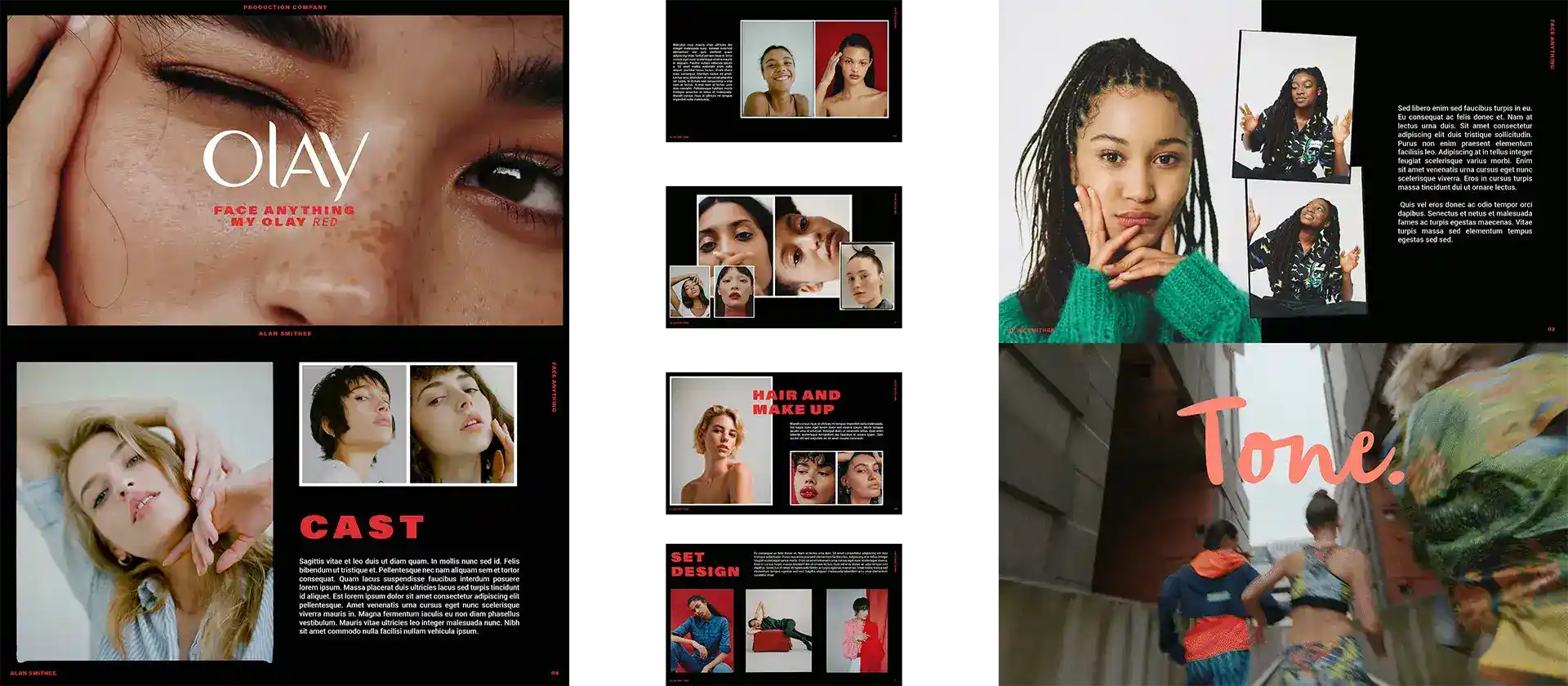

A movie pitch example is a brief description or template that highlights the plot, major themes, and distinctive elements of a movie concept. Folks employ movie examples as they direct discussions with studios, producers, or investors. When we make a clear pitch, it helps others see the whole story and get excited. To demonstrate what works best, this post provides an example of a pitch for a movie along with advice on how to shape concepts into powerful, concise pitches.
*Based in Los Angeles, Available Worldwide
WRITING | DESIGN | AI VISUALS
Crafting a Compelling Movie Pitch Example




Olay Treatment
Credit: Visual Research | Treatment Design
Type: Designers
Key Takeaways: Movie Pitch Example
- Tighten the premise and isolate the central conflict. Define the heart of your movie in one sentence and make it something that distinguishes your pitch in a crowded marketplace.
- Set an emotional hook by tying your story to universal themes and relatable scenarios to keep your audience invested.
- Understand who your audience is and speak their language, literally, narratively, and visually.
- Organize your pitch with a hard-hitting logline, synopsis, character profiles, concept art, and market analysis.
- Back your verbal pitch with a visually structured pitch deck and rehearse your delivery to stay clear, confident, and flexible when presenting.
- Stay tuned to your audience’s response, cultural sensitivities, and constantly evolve your pitch with feedback and industry trends for success.
Movie Pitch Example Essentials
Your movie pitch example is founded on a well-defined core concept, an emotional hook that resonates, and a keen awareness of your target audience. They all have to fit together, so the story lands with the people you want to reach.
- Define the central theme and main conflict
- Craft a concise one-sentence summary
- Emphasize what makes your film unique
- Pinpoint the emotional and market significance
- Identify and tailor to your target audience
The Core Idea of a Pitch
A pitch should begin with one sharp sentence. For instance: “A reclusive scientist discovers a way to speak with animals, but risks global chaos when poachers find out.” This indicates what the story is about and teases the stakes. Something has to pop; perhaps the narrative combines genres or emphasizes an underexposed context, like a sci-fi movie situated in the Arctic or a romantic drama focused on competitive chess. Concentrate closely on the primary conflict driving the narrative. In the example above, the danger from poachers to the scientist’s discovery is the central conflict. Context matters, so explain why the idea matters now: “With animal conservation in global headlines, this story speaks to the urgent need for empathy and environmental action.
The Pitch’s Emotional Hook
Establish emotions early and create a connection with your audience. If the story is about loss, a widowed parent reconstructing their life, expose that hurt and optimism early. Tap into themes that resonate cross culturally, like family, survival, or redemption. They hit people where they live. Raise the stakes: a child’s safety, a city’s fate, a secret that could ruin a career. High stakes make people invested. This emotional pull should propel the characters to transformation, so as their struggles intensify, audiences care more. If a hero is afraid of flopping, the narrative ought to demonstrate how confronting that fear transforms him or her, rendering the quest significant.
The Target Audience of Your Movie
Begin by considering who is going to watch. Tailor your pitch using age, gender and interests. If it is a coming-of-age film, for example, aim for 15 to 30 year olds who identify with the self-discovery content. Match the pitch’s tone to the genre: thrillers need urgency, and comedies need wit. Consider the response. A horror flick with social commentary is meant to ignite debate, and a light romance strives for cozy smiles. Adapt your copy and images to match. For an international audience, speak in straightforward terms and steer clear of industry-speak, crafting a narrative that is easy to understand regardless of where someone may reside.
A Movie Pitch Breakdown
A good movie pitch example allows you to present your film concept in a compelling, concise manner. To do this well, decompose your pitch into essential pieces. They all have a reason for being. The checklist below indicates the need to structure and focus areas of a winning pitch.
1. The Logline
Pitch Breakdown: Your logline is one sentence that describes your film. It ought to demonstrate who the protagonist is, what they desire and what impedes their quest. For example, ‘A young inventor must outsmart a global tech firm to save her village’s power supply.’ This logline establishes the heroine, her objective, and her challenge. It suggests a bigger world and bigger stakes, which gets people curious. Simplify your logline. Ensure each word rings true and there’s no ambiguity.
2. The Synopsis
An ad creative brief template summary typically a paragraph that touches on the plot’s highlights but bypasses big spoilers. Nail story opening, major plot-shifting events, and stakes. For instance, describe the inventor’s initial failure and a crucial betrayal but don’t reveal the conclusion. Go for style over substance by matching the tone of your film, be it suspenseful or whimsical. It holds the reader’s interest and demonstrates how your graphic design creative brief template occupies a particular genre or mood. Concise, unambiguous information pulls the listener in and keeps them from getting lost.
3. The Characters
Name your protagonists and what makes them different. Write a brief bio on each, highlighting personality and motivation. Note how they evolve throughout the narrative. The inventor may start tentative and go brazen. Include some relationship dynamics. A mentor, rival, or friend may assist or impede them. Use diverse characters to appeal to a broader audience. This variety brings authenticity and extends interest.
4. The Visuals
What’s the look and feel of your movie? Discuss colors, lighting, or visual themes. Highlight important scenes, like a stormy night in the inventor’s workshop, that reveal the tone. Employ lucid description to assist the reader in visualizing the landscape and sensing its mood. Consider how images support your narrative. For example, dark shadows emphasize suspense and bright scenes convey hope.
5. The Market
Think about what types of movies are hot at the moment. Name movies like yours to demonstrate that there’s a market for your example movie treatment. Describe where your movie could be exhibited, such as festivals, streaming sites, and theaters. Highlight the growing appetite for tech and underdog hero stories. This demonstrates that your pitch is timely and targeted toward a well-defined audience.
Beyond The Screenwriting Aspect
A good pitch for a movie example is about more than the script. Much of your success will depend on how well you can convey your idea, demonstrate its value, and sustain interest post-meeting. Extras, a great pitch deck, confident delivery, and a clever follow up plan all factor in.
The Purpose of a Pitch Deck
A good pitch deck is more than a slide show. It’s a means of communicating the spirit of your project in a manner that mere words cannot. Your pitch deck needs to open with a logline that describes the story in one snappy sentence. Then, a brief summary provides a fast glimpse at the story and key messages. Utilize crisp pictures, mood boards, or even mock-up posters to assist individuals in visualizing the universe you’re intending to build. For instance, a pitch deck for a sci-fi movie could feature concept art of the primary setting, whereas a romance might demonstrate tone with mood color palettes and photographs.
- It allows a harried producer or investor to understand your story, your audience, and what’s unique about your film.
- You can include a brief market fit section, where you compare your example of film treatment with past hits or list similar projects’ box office results in euros or USD for reference.
- Never forget to personalize the design.
- If your movie is a thriller, utilize bold fonts and dark backgrounds.
- For a comedy, stay light with bright colors and fun layouts.
- The idea is to make each slide your own vision and voice.
Verbal Delivery of Your Pitch
Your oral pitch is just as important as your deck. Practice frequently alone, with colleagues, or in front of a camera so you can deliver your points freely and passionately. This calms nerves and aids in catching any ambiguous sections. When you speak, observe your audience. Open your arms and vary your pitch occasionally. This makes you seem both confident and receptive. If the audience questions, respond with brief, candid answers. It’s okay to be clueless about something, but being firm and articulate will distinguish you. The more you practice, the more you can vary your tempo to maintain interest.
Follow-Up to Make Yourself Memorable
Determine your post-pitch plan. Wait a few days, then thank them by e-mail or message. This demonstrates respect and keeps your project current in their thinking. If they requested additional details, such as budget sheets or character bios, provide them promptly and in a clean format. Keep notes short and sweet. Remain respectful throughout any follow-up discussions. If you don’t hear back, follow up one more time after a week or two, but don’t be excessive. Determination is commendable, but so is humility in knowing when to pull back.
The Unspoken Rules of Pitching
Pitching a movie is about more than telling a story. It’s about reading a room, knowing the figures, and forging fierce connections. A successful movie pitch example strikes a balance between transparent data and human connection. Both are molded by unspoken rules that transcend culture and industries.
These rules matter for new voices and seasoned filmmakers alike, assisting ideas to cut through a crowded field.
Reading The Room
The initial step is to sense the vibe and momentum of the room. Watch for cues of engagement, such as nodding or leaning forward. If they appear distracted or fidgety, it’s time to shift your rhythm. Sometimes just a pause or change of tone can yank attention back. Be on the lookout for crossed arms or blank stares. These are good indicators of boredom or skepticism. If you see these signals, react on the fly, perhaps by editing down to a crucial plot twist or making an explicit connection to trends your listeners are interested in. Flexibility is crucial. Shifting your delivery or jumping over minor details can keep the room engaged and the momentum strong.
Knowing Your Numbers
|
Budget Item |
Amount (USD) |
Notes |
|---|---|---|
|
Script Development |
$25,000 |
Includes rewrites |
|
Casting |
$50,000 |
Named talent, local extras |
|
Production |
$400,000 |
30 shooting days |
|
Post-Production |
$100,000 |
Editing, sound, VFX |
|
Marketing |
$75,000 |
Digital and global outreach |
|
Contingency |
$25,000 |
5% reserve |
|
Total |
$675,000 |
|
Be upfront about the budget in your movie pitch example. Divide costs so backers know you’ve budgeted every stage, from script to marketing. Demonstrate the reasoning for every number. When you emphasize the ROI, think about former genres with powerful box office or digital play value. The bombers pay attention. Be sure to always say how much funding you need, why it’s needed, and how it’ll be spent. If possible, provide numbers from comparable movies. This builds trust as it demonstrates that you’ve done your homework and that you respect the investor’s point of view.
Building Relationships in the Film Industry
It’s not about exchanging business cards. Attend film fest, participate in panels, network with new people, and expand your circle. After a pitch, drop a note or share updates so your idea remains fresh in their mind. During meetings, pose open-ended questions and hear their ideas, not yours. It builds confidence and creates opportunity for collaboration going forward. Maintain a warm and open tone. Folks buy into the creator, not just the idea. When you’re genuine and personable, you make a stronger impression.
Common Pitfalls of a Pitch
In movie pitching, most gifted creators and teams don’t fall on their face because of feeble ideas. They fall because of unnecessary screw ups that muddy their message or dilute their charisma. Direct, pointed communication is as important as creativity when you’re trying to make a statement. Here’s a closer examination of the most common pitfalls, using real-world examples to help professionals and aspiring filmmakers alike.
- Drowning your pitch in too much detail or jargon will bog down and bore the listener. It’s tempting to reveal every plot twist or world-building detail. Too much information can swamp your listener, preventing them from understanding the essence of your story. The goal is to generate interest, not offer a script synopsis.
- Bad comparisons to other projects or creators can rapidly erode your pitch’s believability. It’s a good idea to describe your inspiration by citing known films or styles. It can sound snarky or arrogant if you frame your concept as “better than” or “different from” another project. Instead, select comparisons that illuminate your vision in a neutral or positive fashion.
- Taking rehearsal lightly is a typical yet grave error. Even the best story can stumble if the movie pitch example is tentative or confusing. Rehearsing your pitch is important. Just as an actor learns his lines, you should rehearse your pitch until your timing, tone, and emphasis are seamless. It gets you thinking about word choice, trimming redundancies, and preparing for questions. Rehearse with colleagues, record yourself, or get analog and zoom in for some video calling to really enhance the pitch conditions. This increases your confidence and provides useful feedback.
Future-Proof Your Pitch
To future-proof a movie pitch, speculate forward on changes in the art, technology, and audience expectations.
Anticipating industry changes is all about staying on top of what’s new. Skip the stories about streaming numbers, box office shifts, and what kinds of stories studios pick up. If you notice an increase in international dramas or a few more sci-fi thrillers, tailor your pitch accordingly.
Future Proofing Your Movie Pitch Example
Adapting your movie pitch example for new tech and platforms isn’t just about buzzword stuffing! It is safe to assume where movies will be watched the most: big screens, phones, or VR headsets. If animation tools or AI editing are transforming story-making, demonstrate in your pitch how your project is adopting them.
For instance, if you’re pitching a sci-fi flick, talk about how you will utilize real-time rendering to reduce expenses and expedite production. Or if you’re pitching a documentary, discuss employing data visualization to aid in narration. A short film made to be watched on the phone should tell you how it complements vertical or interactive video trends.
Audience Trends Cannot be Ignored
Audience shifts are just as important. Folks these days seek out stories that mirror their own lives and values. This means diverse casts, authentic locations, and universal themes. If you hear more movies on climate or social justice, consider how your pitch can address those issues.
We’re always examining what people are responding to with new releases, what critics think, and which movies are trending on social media. That’s where you’ll get hints about what audiences value.
Evolving your pitch with market feedback is a given. Expose your pitch to peers, mentors, or even small focus groups. Take their notes and adjust your idea until it works for both the market and your voice. If somebody tells your story sounds too familiar, ask what twist would make it fresh. If your pitch is too long, trim it and emphasize the best hook. The more you upgrade your pitch, the better it becomes.
Conclusion: A Movie Pitch Example
Awesome movie pitches linger. They demonstrate robust concepts and coherent narratives and genuine enthusiasm. To make a pitch work, speak in real words, keep things tight, and share what makes your story unique. Don’t cower behind polysyllabic or verbose jargon in your movie pitch example. Demonstrate that you’re a real person and why they should care about your idea. Employ specifics that allow people to visualize your tale, not just listen to it. The top pitches get doors opened because they sound authentic and new. Each pitch is an opportunity to project your voice. Wish you were a stronger pitcher? I’m eager to hear your experience when you try out these tips in your next idea session or with friends. Tell me what you learned or request input below! Let’s assist one another in improving our pitching skills.
Frequently Asked Questions: Movie Pitch Example
What is a movie pitch example?
It describes the plot, the protagonists, and the film’s hook. Your objective is to generate enthusiasm and backing from producers or studios.
How long should a movie pitch be?
A movie pitch example should be concise. Aim for 1 to 2 minutes if spoken or a page if written. This maintains interest and emphasizes only the most critical information.
What are the key elements of a successful pitch?
A good pitch touches on the core narrative, the protagonists, the type of movie and what makes it special. It explains why the movie is important and who will want to see it. Clear and passionate.
What should I avoid in a movie pitch?
No big blotchy explanations or excessive detail or trade-techie words. Don’t concentrate just on your technical elements or on whether your idea has been done a hundred times. Be clear, concise, and original.
How important is originality in a movie pitch example?
Being original is crucial. A new slant or twist will make your pitch shine. They want a project that grabs attention and satisfies a gap in the streaming market.
Can I pitch a movie without a finished script?
Yep, you can. Lots of pitches are made pre-script. A solid concept and compelling perspective are more critical at this point. A brief synopsis usually does the trick.
What happens after a successful pitch?
If your movie pitch example is a hit, they’ll want more: maybe movie script treatment examples, maybe a meeting with producers. Now you’ve got the opportunity to refine the idea and get your film one step closer to reality.