-
A good film treatment serves as a roadmap, steering artistic choices and enabling more effective communication with partners, financiers, and others involved in the movie-making journey.
-
Keeping a logical structure, with elements such as title, logline, synopsis, and character arcs, is important to offer a professional and easily digestible film treatment examples.
-
Consistency of narrative voice and tone is important, not only because it echoes the film’s genre and style, but because it makes the treatment easier to read and helps it develop a sense of story identity.
-
By reading and reverse engineering different tv treatment samples, writers learn what works and what doesn’t and how to write for specific genres and avoid common mistakes like vague descriptions and passive protagonists.
-
With careful word choice, sensory detail, and visual language, this section ensures that your reader is clear on your vision, immersed in your story, and feeling the emotional and thematic power of the treatment.
-
Screenwriters need to customize their treatments and pitches for the intended audience and the existing market. They should highlight originality and strong thematic direction to optimize attractiveness and marketability.
Treatment Fundamentals
First and foremost, a film treatment acts as the middle ground between a story concept and a screenplay. This outlines the vision, tone, and major story beats in concrete steps. Not just a summary, this type of document directs teams, pitches projects, and allows filmmakers to form ideas before they write screenplays.
Treatment Basics
More than anything, a good treatment is simple and strong, providing just enough detail to assist others in visualizing the film.
Purpose of Film Treatment Examples
It’s important to remember, Great film treatments are like a map for your project. It captures the narrative, key messages, and tone, allowing the directors, writers, and others involved to maintain a consistent vision. Treatments provide a real taste of what the final movie might look and feel like, increasing the possibility that the whole gang can work harmoniously together.
Additionally, treatments have another job: they help win support. Investors, studios, and creative partners usually want to see a treatment before they sign up resources or cash. A good treatment demonstrates that your project is well considered and justifies financing.
Plus, nothing makes pitching your project easier than a crisp, concise film treatment examples. Rather than explaining concepts repeatedly, innovators can distribute the treatment and let it do the talking. This saves time and helps maintain message focus.
Finally, they’re something writers use to try out and refine their story concepts. If your treatment is feeble or full of holes, it is simpler to patch than a whole script. This step reduces wasted time and effort subsequently.
Structure of Film Treatment Examples
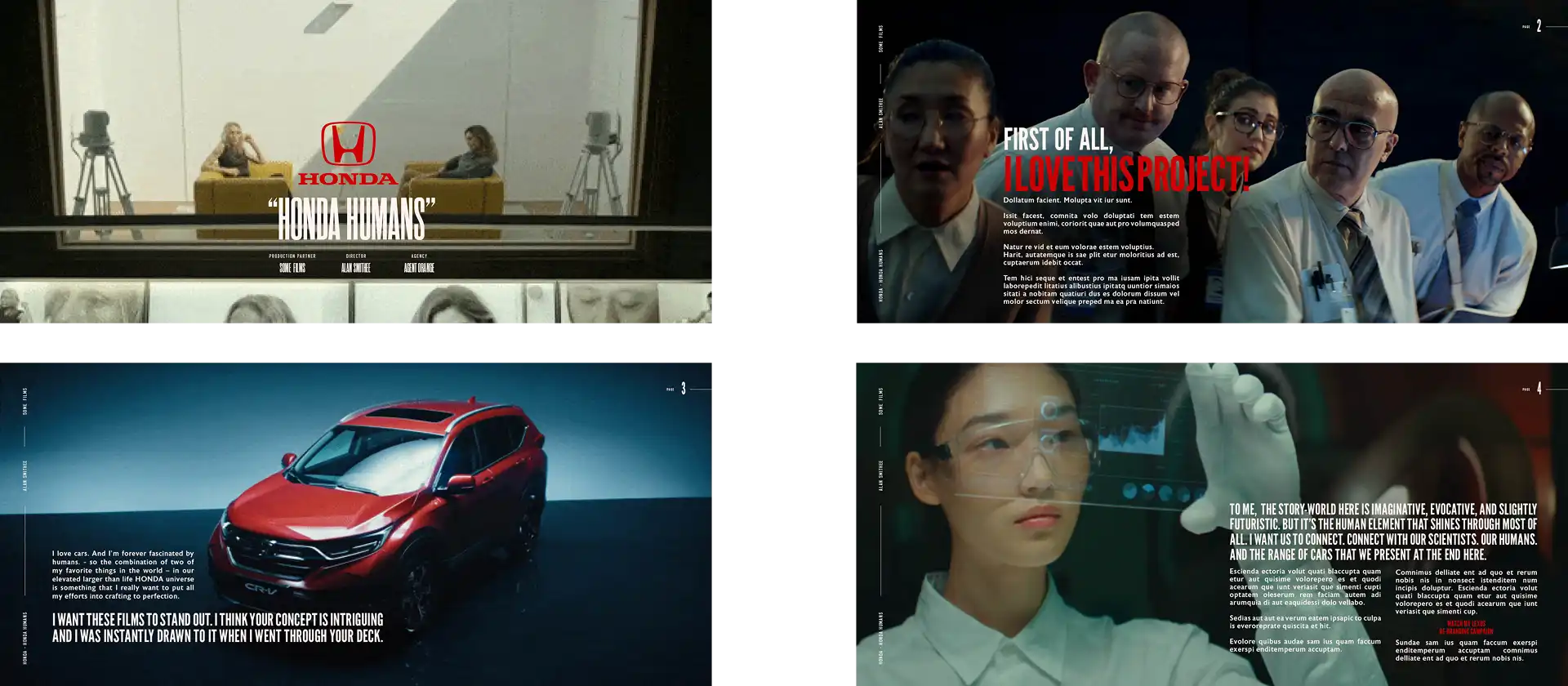
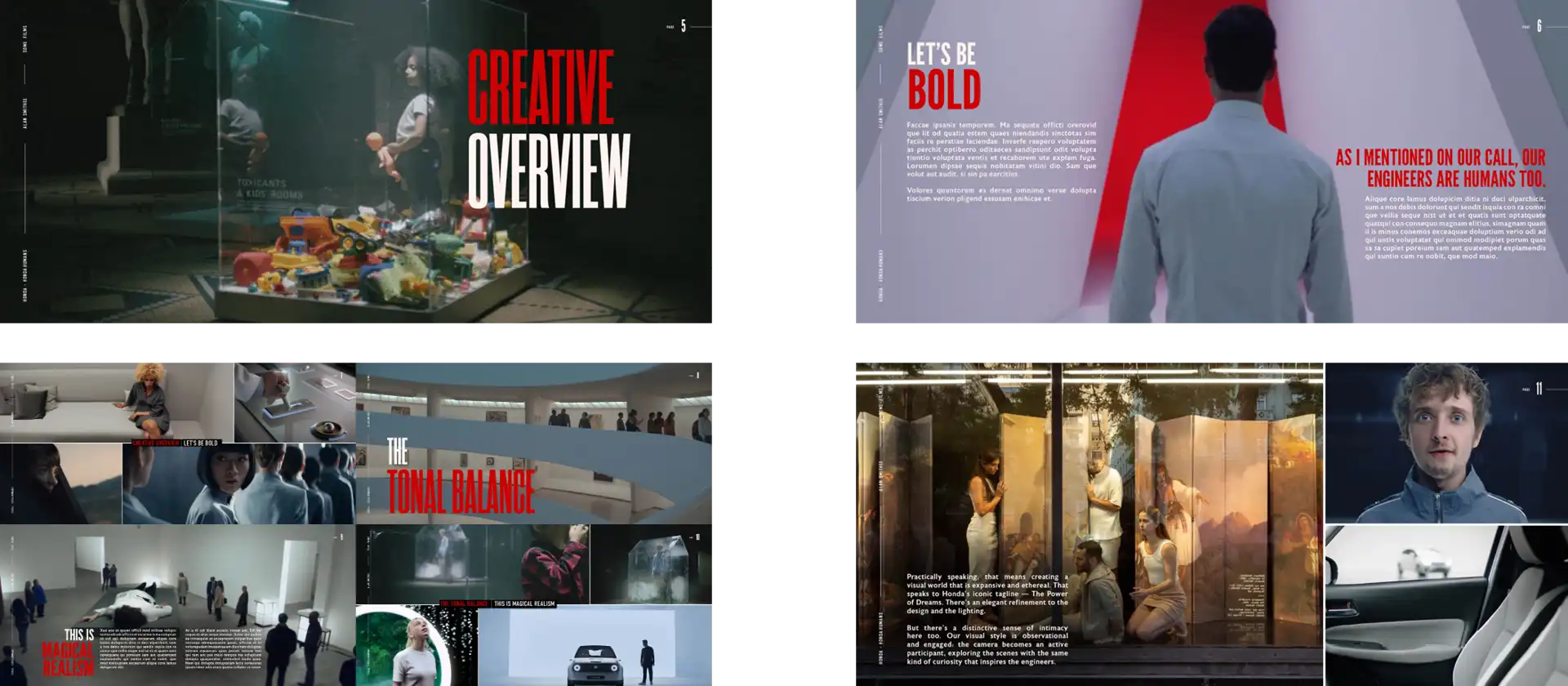
A treatment requires form – something your readers can track. The main parts most treatments need are:
- Title
- Logline (one-sentence summary)
- Synopsis (short story outline)
- Main characters
- Setting and tone
- Key plot points or acts
- Visual style or themes
Treatment Fundamentals
So, arrange the information in an intelligent sequence, not merely a laundry list. For example, begin with the title and logline. Then, present the story and style. The step-by-step build makes the treatment easy to read and gives it flow.
In short, a clean presentation demonstrates respect. Use the same font, clear headings, and clean spacing. These little things keep the reader’s attention and make the film treatment examples appear professional.
Voice
A treatment needs to sound like the movie it’s going to be. For a thriller, make sentences quick and tight. For a comedy, use a lighter style. The voice is your initial indication to the movie’s soul, and it must match the genre and narrative.
Moreover, writers should tailor their tone to the audience. For a family movie, soft and plain words are most effective. For an art film, a more lyrical style could be appropriate. Regardless of the voice, it should remain consistent throughout.
Lastly, adhere to verbs! Write, “She runs through the rain,” not “She is running.” This keeps the narrative vivid and easy to visualize.
Deconstructing Examples
First of all, film treatments are road maps for screenwriters and development teams. Thus, by deconstructing varied examples, writers come to recognize effective techniques and common mistakes. When you deconstruct treatments, you realize how much structure, style, and clarity all combine to lead your reader.
Studying well-designed and broken examples pushes you to think about what’s going on and generate innovative ideas. Examining different strategies, not just glossy Hollywood examples, provides writers with a richer arsenal to hone their craft.
1. The Logline
A logline reduces the movie to its essence in a sentence or two. It needs to be concise and compelling, immediately communicating what the story is and why it’s important.
Deconstruct the examples, an introverted coder has to outsmart a rogue AI to save his city. This quick pitch catches people’s interest and establishes stakes. A good logline keeps film treatment examples on track and makes it easier for others to understand the idea quickly.
Remember, writers let trusted peers hear loglines to learn if the hook sticks, tweaking for clarity and impact.
2. Character Arcs
Primarily, character arcs track the transformations characters experience from beginning to end. Effective treatments illustrate how protagonists evolve, what motivates them, and what obstacles propel them.
Give me a story about a timid student who turns into a leader in a crisis. Deconstructing this arc reveals not just actions, but psychological transformation. Motivations need to seem genuine and conflicts need to challenge determination.
In addition, well-mapped arcs pull readers in emotionally. Simply put, each arc should fit the film’s structure, with the character journey, closely matching the plot’s flow.
3. The Three Acts
The three-act structure divides a film into setup, confrontation, and resolution. Each act needs key plot points: setup introduces the world, the middle act builds tension, and the last act brings closure.
For example, Act 1 could be a detective taking a hard case, Act 2 involves experiencing setbacks and encountering clues, and Act 3 involves capturing the perpetrator. This pattern assists writers in pacing the narrative and maintaining reader interest.
So, this can mean working backwards from the acts as a checklist, guaranteeing you don’t miss any major beat.
4. Visual Language
Primarily, visual language sketches out the film’s look and feel. Describing scenes with crisp, specific nouns and verbs helps set mood.
As an example – “Rain lashes neon-lit streets as crowds scatter” does more than state facts; it places readers in the moment. Good treatments use imagery to ignite emotion and capture imagination.
This is one way to make film treatment examples stand out, demonstrating vision and style that transcend the formula.
5. Thematic Core
It’s worth noting, every good movie has a theme, a meaning driving idea. Recognizing this theme provides the treatment with depth and unifies plot and character arcs.
As one example, a theme of ‘forgiveness’ can influence every decision and disagreement. Writers should stitch this thread throughout, ensuring that it rings true for the intended reader.
Thematic clarity raises a treatment from synopsis to something more inspiring and unforgettable.
Genre-Specific Nuances
For films, treatments are the blueprint for story, tone, and character arcs. Every genre has its own commandments to reader expectations. Knowing these small nuances empowers writers to construct treatments that tell readers what they want to hear while still allowing their own voice to come through.
Likewise, genres such as horror, comedy, drama, and sci-fi all require a specific response to their particular themes, pacing, and style.
Horror
First and foremost, a good horror treatment relies on atmosphere, setting, and tension. It frequently employs darkness, unseen menace, or loneliness to generate terror. Suspense is everything, and the story needs to withhold information, allowing the tension to build gradually.
Thus, film treatment examples should keep us guessing, suggesting menace rather than exposing it all at once. Psychological horror operates by making terror intimate (think The Babadook or Hereditary). Character vulnerability is a big deal.
Moreover, when the characters feel real and flawed, the stakes feel higher and the horror hits harder.
Comedy
Above all, comedy treatments are about pulse and punch. Humor arises from peculiar circumstances or rapid-fire banter. The finest comedic tales play on genre-specific nuances—consider the hapless hero in Bridget Jones’s Diary or the dry banter in The Office.
Thus, little moments and miscommunications can push the plot forward. Chuckles are the top priority, and a solid comedy imbues characters with genuine emotion, so the narrative resonates.
Lastly, a touch of heart in the humor makes comedies linger.
Drama
Primarily, dramatic treatments must make the reader care about what is at stake. The leads are confronted with difficult decisions, and their relationship is frequently strained. Julianne Moore and Casey Affleck in Manchester by the Sea demonstrate how pain and hope can intermix in a single moment.
Thus, themes like loss, forgiveness, or ambition lend gravity to the story. Pacing needs to provide space for emotion to breathe and continue to push the narrative ahead.
Lastly, one slow, thoughtful scene can sometimes say more than a hurried climax.
Sci-Fi
World-building takes center stage in sci-fi treatments. Specifics about technology, society, and rules of the world have to be crystal clear yet non-overwhelming. Treatments for the likes of Blade Runner or Arrival bring fresh thinking to earth-bound human stories.
Moreover, science and tech need to merge with the plot, never simply as backdrops. Ethical questions about AI, identity, or the future inject nuance.
Finally, a hook such as time travel with real consequences aids the treatment to stand out from the crowd.
Evoking Tone in Film Treatment Examples
First of all, it’s the tone of your film treatment that influences how the script springs to life in the reader’s mind. Tone establishes atmosphere, indicates genre, and directs the reader’s emotional journey. Every decision—from the way scenes develop to language selected—collaborates to generate that sensation.
Equally, maintaining a consistent tone is what helps sustain a reader’s interest and construct a vivid world, whether the story is grim, airy, suspenseful, or relaxed. Forceful, precise language can generate anticipation, anxiety, or optimism in a reader. Tone is not merely mood; it is trust.
Finally, if the tone slides or sounds off, the reader will potentially lose interest or question the story’s trajectory.
Pacing
Controlled pacing in film treatment examples is knowing when to accelerate or decelerate scenes. Short, sharp sentences raise the tempo, making action scenes pop and tension swell. Longer, slower sentences can both create tension or allow a crowd to exhale after a climax.
Likewise, a combination of both maintains the beat fresh. For instance, a chase scene could utilize short sentences: “He runs. She comes. Street blurs.” This style inducts the reader into the rush. For quieter scenes, longer descriptions let the audience settle in.
Moreover, section-ending cliffhangers — “The door creaks open — cut to black” — stimulate curiosity and maintain the reader’s anticipation. Balancing bursts of action with slow, revealing moments is key. Too much action exhausts the reader, and too much exposition deadens the pace.
Word Choice
Careful diction forms the clarity and vividness of a treatment’s prose. Pinpoint words make readers see and experience scenes. For instance, ‘rain taps the window’ is more evocative than simply ‘it rains’.
Primarily, this type of diction conjures vivid pictures and lends the tone authenticity. In a horror or sci-fi novel, selecting words connected to that world, such as “echoing footsteps” in a haunted house or “neon-lit alleys” in a cyberpunk metropolis, makes the setting come alive.
Plus, you have to be careful about too much jargon. Overly technical or niche words can yank the reader out of the narrative, particularly in treatments aimed at general readers.
Sensory Details
Remember, sensory details provide texture and depth, allowing the story to leap off the page. When you describe what characters see, hear, or smell, readers become fully engaged in the world.
For instance, ‘the piercing aroma of smoke’ or ‘the muffled snap of gravel’ establishes an immediate connection between reader and setting. Appealing to more than one sense at a time, detailing the cloying warmth of a summer night as crickets chirp can spark a deeper, more instinctive reaction.
Lastly, balance is key. Too much at once clutters the story.
Common Pitfalls
Film treatments wilt from some typical errors that can creep in even when writers understand the fundamentals. Clarity, character agency, narrative economy, and thematic cohesion are all places where film treatment examples can stumble. These pitfalls constrain the treatment’s appeal to producers, directors, and readers from multiple backgrounds.
Vague Descriptions in Film Treatment Examples
In general, specificity plays a key role in treatment writing. Vague descriptors such as “a large city” or “a tortured man” do not give the reader a sense of the world or the protagonist. Omitting details causes the mood and tone of the story to become ambiguous.
- Avoid non-specific settings: Instead of “a small village,” use “a coastal village in northern Spain.”
- Don’t use generic character traits. Skip “kind woman.” Write “a nurse who brings tea to every patient.”
- Clarify motivations: “He wants change” is weaker than “He wants to reunite with his estranged brother.”
- Give a sense of time and place: “During a summer heatwave in Tokyo” anchors the audience.
- Show with action: “She rushes through the crowded market” is better than “She is in a hurry.”
Likewise, elliptical descriptions leave room for misunderstandings. If film treatment examples claims ‘they bicker,’ various readers could envision different tones, motivations, or stakes. A checklist for more concrete examples includes:
- Does each scene use specific locations and times?
- Are character actions clear and distinct?
- Do emotions show through behavior, not labels?
- Which objects, events, or backstories are unique to this story?
Passive Characters
Importantly, Passive characters tend to respond to what happens rather than influence what happens. Their decisions feel compelled by the storyline, not by their desires. Consequently, the narrative can come across as staid or dull.
Active decisions, like a character quitting a job or confessing a secret, make a plot breathe. Your readers and viewers relate more to characters who do things for themselves. Likewise, powerful desire such as proving she’s not guilty or rescuing a friend motivates the action and propels the story.
Additionally, character agency, the capacity to make meaningful choices, is crucial for maintaining audience interest. Without it, people will gloss over it. Movies such as ‘Erin Brockovich’ or ‘Slumdog Millionaire’ work because their protagonists create their own destiny.
Overwriting
Overwriting is too many words or too much explanation. This can bury the lead and bog down the momentum. Often Long-winded treatments lose their way, padding with subplots, character details or backstory that doesn’t advance the central narrative.
Instead, short, crisp lines work better. For instance, ‘He sprints after the train’ is more powerful than ‘He runs as fast as he can, his heart pounding, desperate to catch the train before it leaves.’ Editing is important. Additionally, the common pitfalls include reading the treatment and cutting anything that does not push the story forward and moments that matter.
Powerful scenes stick with you a lot more than extended exposition.
Neglecting Theme
Get the theme wrong and treatments feel hollow. A theme provides the story with meaning and connects scenes, character development, and plot twists. Without a theme, even beautifully crafted film treatment examples can feel all over the place.
For example, an overarching theme, something like “the price of ambition” or “discovering hope in heartbreak,” directs writers as they craft the narrative. It helps craft characters and plot decisions that resonate with the audience.
Moreover, writers should verify that every element of the treatment relates to the central theme, rendering the tale meaningful.
Beyond The Page in Film Treatment Examples
A film treatment is not what some think; it’s not a summary. Simply put, its real goal is to set the stage for an effective pitch. The pitch, as a natural follow-up, animates the treatment and molds the unvarnished vision into a compelling argument for producers, executives, or partners.
Just as important as technical precision when presenting a treatment is having a clear sense of the audience, being flexible and prepared to veer in different directions, and being able to respond to questions or feedback. It’s not just the structure that matters for success, but the presenter’s confidence and sincere enthusiasm for the project.
The Pitch
A compelling pitch condenses the film’s soul into its most thrilling moments, providing a taste of tone, style, and character development. Thus, essential components include a brief story synopsis, what the characters want, and what distinguishes the project.
Details count; depict a crucial visual moment, establish a mood, and suggest the emotional stakes. It’s storytelling that gets people engaged. Facts won’t cut it, paint pictures. For instance, painting a dinner scene with clipped dialogue that’s charged with tension can immerse your audience in the reality you’re trying to create.
In a similar way, practice is everything. Practice until your pitch rolls along like water rolling downhill, naturally, not forced. It builds confidence and keeps the nerves in check. Thus, make the pitch audience-specific. Crucially, an investor might want to hear about the film’s budget and returns. A director could be centered around artistic vision and style.
Therefor, altering your approach for each context displays professionalism and respect for others’ interests.
The Reader
Knowing the reader’s mindset informs every sentence of your treatment. Readers, usually a producer, development executive, or agent, are busy, so they scan for clarity, originality, and market appeal. So, think ahead to what will make them stop and want to keep reading.
Additionally, concentrate on what interests them. Talk about plot twists, characters readers can relate to, or new locations. Include quiet hooks that inspire more questions, like lingering tension or unexpected plot twists.
Lastly, anticipate disbelief. Readers might want evidence that the story could support a feature film or suit their brand. Anticipate these worries by talking about pace, genre, and commercial appeal within film treatment examples themself. Write with compassion for the reader’s position and burden. Use language that is clear, straightforward, and simple to understand.
The Market
Movie treatments aren’t written in isolation. Likewise, trends influence what’s noticed and financed, so knowledge of the current market is essential. For example, worldwide streaming demand has driven appetite for both genre mash-ups and high-concept tales with universal resonance.
|
Trend
|
Description
|
|
Diverse Storytelling
|
Films with global casts and perspectives are in demand.
|
|
Genre Blending
|
Mixing genres (comedy-thriller, sci-fi-drama) stands out.
|
|
Franchise Potential
|
Treatments hinting at sequels or series draw interest.
|
|
Authentic Voices
|
Unique cultural or personal perspectives gain traction.
|
Study recent hits—what made them click. For eample, what is a unique setting, a spin on a well-worn genre, a new voice? Use these observations to inform your own treatment but don’t copy.
Crucially, originality is still key. Even in a busy marketplace, a new perspective or an unexpected narrative form can attract notice.
Conclusion: Film Treatment Examples
Treatments keep things simple. They capture the essence of a narrative quickly and succinctly. Every good treatment comes straight to the point. It establishes location and tone in a few lines. A thriller might gallop with jagged pulses. A romance could decelerate and display gentle instances. Short, bold words work well. Too many twists or fancy words and readers get lost. Experienced genre writers save time and reduce anxiety. Reading actual examples trains you to identify what compels people. To improve, write a lot, distribute your work, and solicit comments. To develop your ability, experiment with new script treatment format and analyze hard-hitting film treatment examples. Give it a shot—your next draft may just click.