Escaping the pit, avoiding the swamp, and cutting the clutter that makes a pitch work. Preparation and practice are key.
The Core Components in a Pitch for a Movie Example
A good pitch for a movie example comes down to a few core components that combine to create a compelling, succinct, clean presentation. The trade guys want to see the eye candy, the one-paragraph summary and the film’s trajectory. Your typical pitch deck might include a logline, the central concept, and a defined tone.
Clear, concise presentation is important. Pitches should take between 30 seconds and 2 minutes, or a single page, but some are three and five pages to provide more detail. All should support each other, constructing a cohesive story that renders the film concept unforgettable and easy to picture. This specifically assists writers refine their pitching talents by honing in on what counts.
1. The Logline
The logline is one sentence that describes the film’s core. It presents the protagonist, their desire, and what’s on the line if they don’t succeed. A good logline uses vivid verbs and plain words.
2. The Synopsis
A good synopsis provides a snapshot of the entire plot in a paragraph or two. It contains the core storyline, the main plot points, major twists, and the overall narrative arc. The good synopses emphasize what makes the movie special, an unusual location or an unexpected theme, but stay light on detail to keep from swamping the audience.
3. Character Arcs
Character arcs illustrate the development of the protagonists. They also describe what motivates each protagonist, what challenges they encounter, and how they respond to those challenges. When a character begins with a flaw and grows or transforms by the end, the narrative resonates as authentic and fascinating. This plays into the central theme of the movie.
4. The World
The world ought to contour the story and the decisions of heroes. A pitch for a movie example should create a vivid setting—a little beach town, a futuristic city, a magical forest. Powerful visuals enable the viewer to enter the movie’s world.
5. The Tone
The tone is the movie’s atmosphere. It indicates whether the tale is airy and funny, ominous and thrilling, or blends a handful of emotions. A consistent tone lets the viewer know what to expect and gives the pitch its own identity.
Movie Pitching is Psychology in Action
Pitching a movie is about much more than spitballing plot points. It’s a sophisticated art that combines psychological preparedness, empathy, and persuasive storytelling. Your success lies in knowing how decision-makers think, appealing to them, and demonstrating the film’s potential to expand, not just explaining its premise.
Whether you’re pitching a high-concept idea or a low-concept character drama, a creator has to present the story’s vision, answer hard questions, and make the film feel relevant. Not surprisingly, a smart pitch gets the audience to care about the people and the road ahead.
Emotional Resonance of a Movie Pitch Example
A great pitch for a movie example begins not by describing the story, but by defining how the film desires to move the audience—fear, hope, joy, loss. Your pitch should demonstrate these emotions through concrete moments or decisions, such as a hero’s initial defeat or a silent triumph.
Sticking to the feelings we relate to, the presenter can then provide rapid insight into the main character’s journey, frequently exemplifying with moments directly from act one. The words need to be impactful, with action words and specifics that ignite emotion.
Furthermore, emphasizing the struggles and triumphs, such as a character conquering grief or confronting a moral quandary, engages your audience’s empathy. Visuals in a pitch deck can highlight these moments, making the stakes tangible and immediate.
Audience Empathy in Storytelling
Firstly, knowing who is going to see the film is the essence of a good pitch. Your pitch needs to feel like it is attuned to the values, interests, and daily realities of its target recipient.
Say you’re pitching a coming-of-age story to young adults; it should be about identity and belonging. Your pitch for a movie example could include universal experiences, such as leaving home or beginning a new job, to anchor the film in something recognizable.
Furthermore, it instills confidence and communicates the film is more than a movie. It connects with the audience member’s existence. It aids in addressing the important ‘Why now?’ by demonstrating how the film relates to timely concerns or events.
Narrative Confidence in Pitching
- Pitching psychology — Speak with clarity and intent. Escape ambiguous statements.
- Share past projects or wins to highlight reliability.
- Address issues, for example, how does a low-concept film maintain interest, with illustrations.
- Demonstrate the long-term vision, so buyers hear more than one narrative.
- Answer why this film, why now, and more profound questions.
A confident pitch communicates the creator’s capacity to sustain the movie and their future concepts. It also gives decision-makers confidence that the project is in competent hands.
Movie Pitch Deck Anatomy
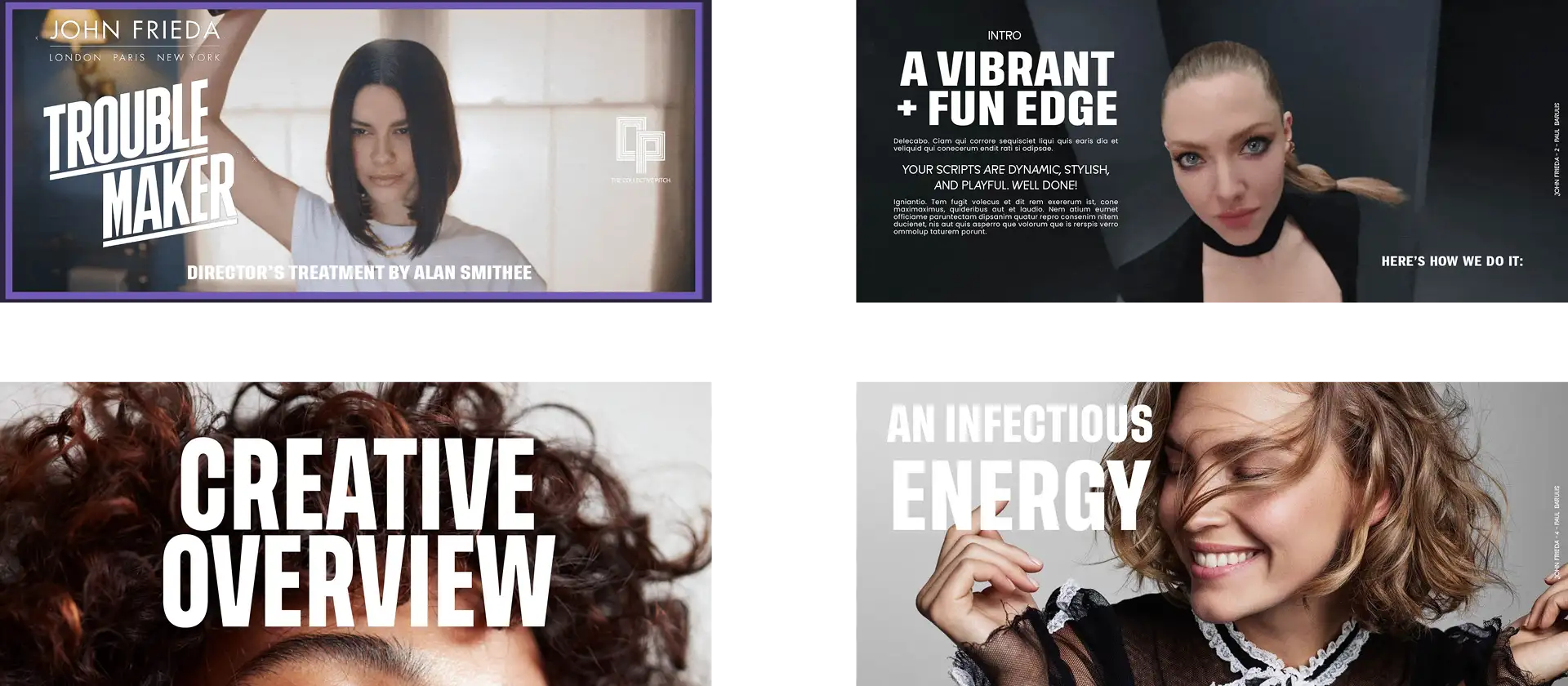
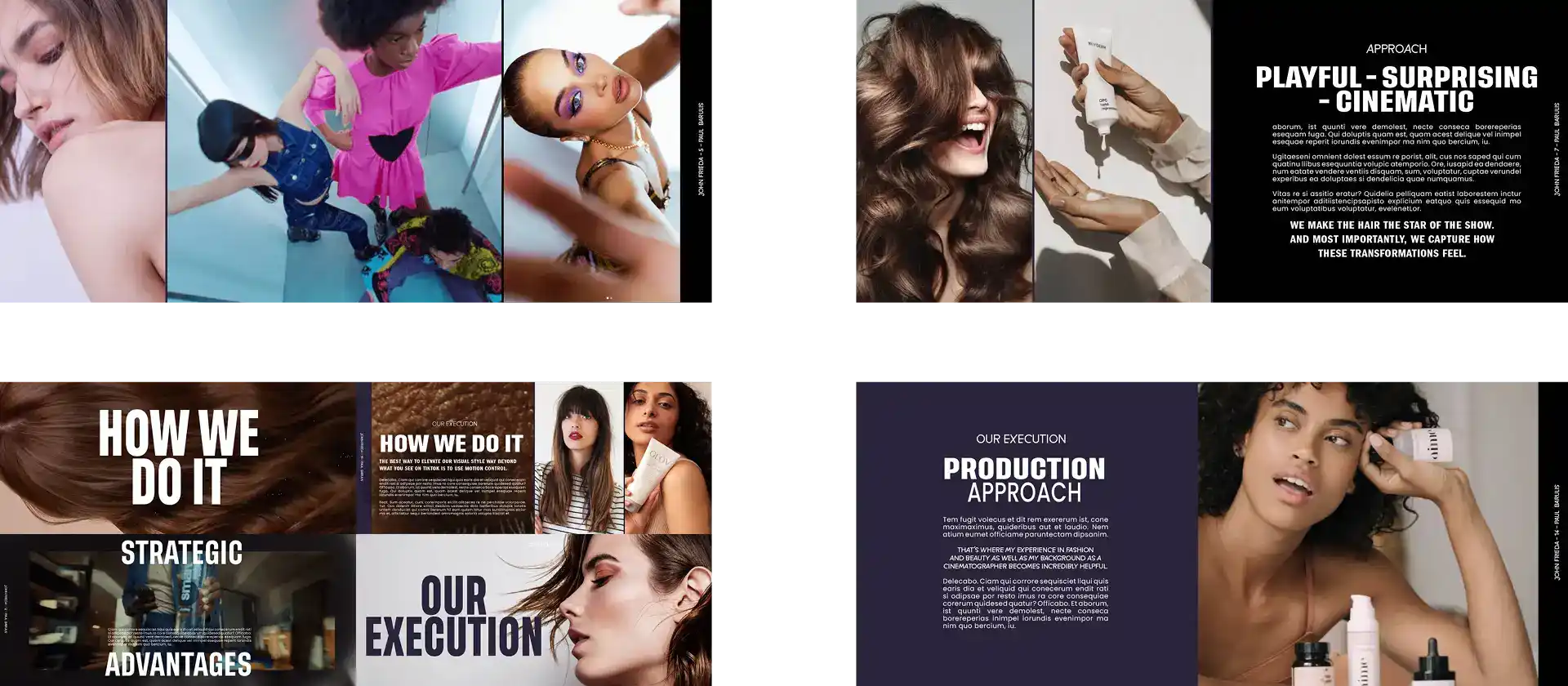
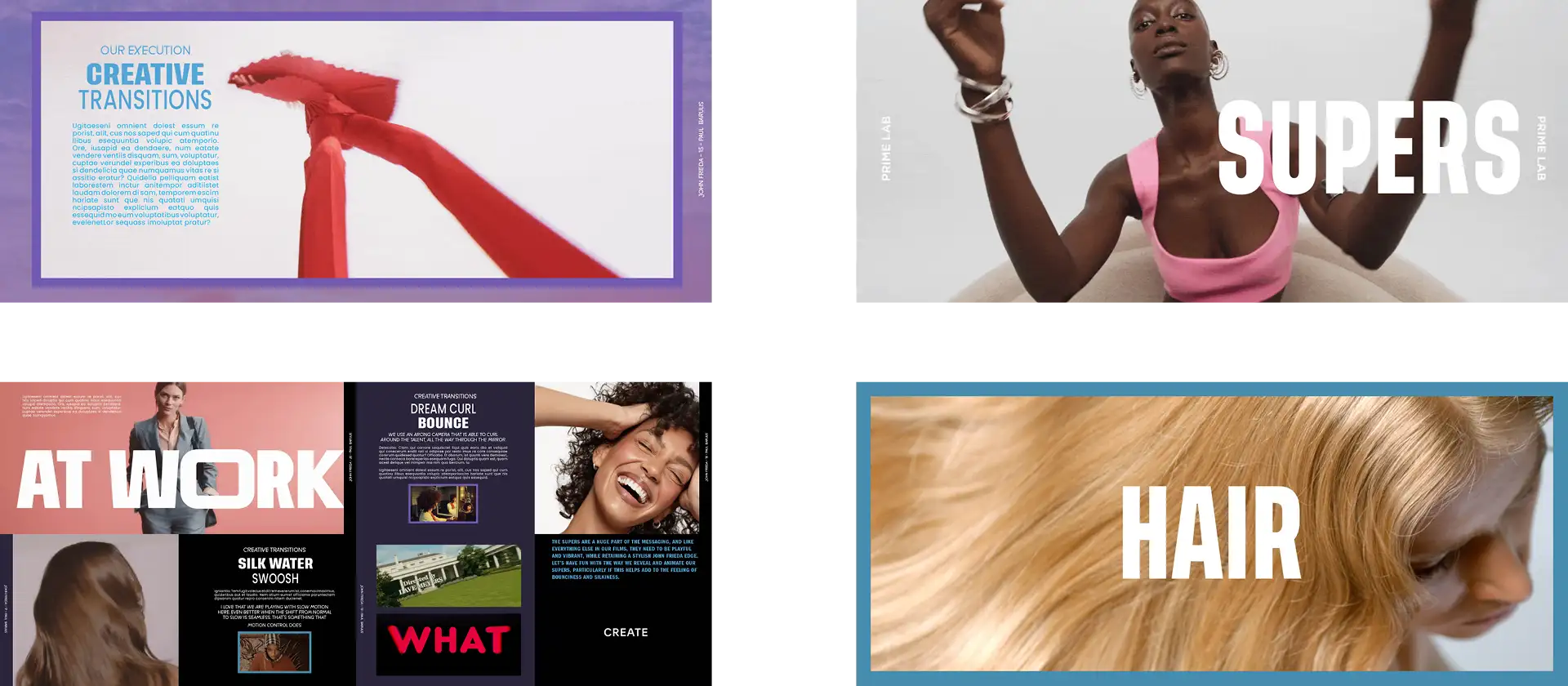
A good movie pitch deck explicitly offers a sharp, concise glimpse into the movie’s central concept. It walks viewers through one step at a time, ensuring that each slide contributes something essential to the narrative. When used properly, visuals help bring the words alive and make the pitch for a movie example more memorable. Each section of the deck should flow onto the next, with no loose bits added in to pad.
Below are the main parts that make up a solid movie pitch deck:
The Title
Equally important for a film is selecting a compelling title. The title should set the tone and provide a taste of the story. Consider, for instance, how “Parasitical” is both simple and loaded with meaning, or how “Gravity” alludes to the theme and stakes.
A great title is memorable and distinct in a crowded marketplace. Generic names such as “The Journey” or “Lost” can get lost in the noise. Test titles with sample audiences to see what sticks.
The Comps
|
Film
|
Theme
|
Tone
|
Style
|
|
Inception
|
Dreams, Reality
|
Dark, Smart
|
Slick, Modern
|
|
Get Out
|
Social Thriller
|
Tense, Witty
|
Real, Sharp
|
|
Her
|
AI, Love
|
Soft, Sad
|
Warm, Clean
|
Comps demonstrate where the film lies in the market. They establish the mood and establish expectations. If a movie combines the spirit of HER and the suspense of GET OUT, it’s simpler for studios to visualize the audience.
Great comps demonstrate an audience exists, but your deck needs to indicate what makes this film unique, perhaps a plot twist or new setting.
The Team
Chiefly, the team section presents your core crew, such as the director, producer, and writer. It’s more effective to state fast facts, such as awards won, films created, or unique skills.
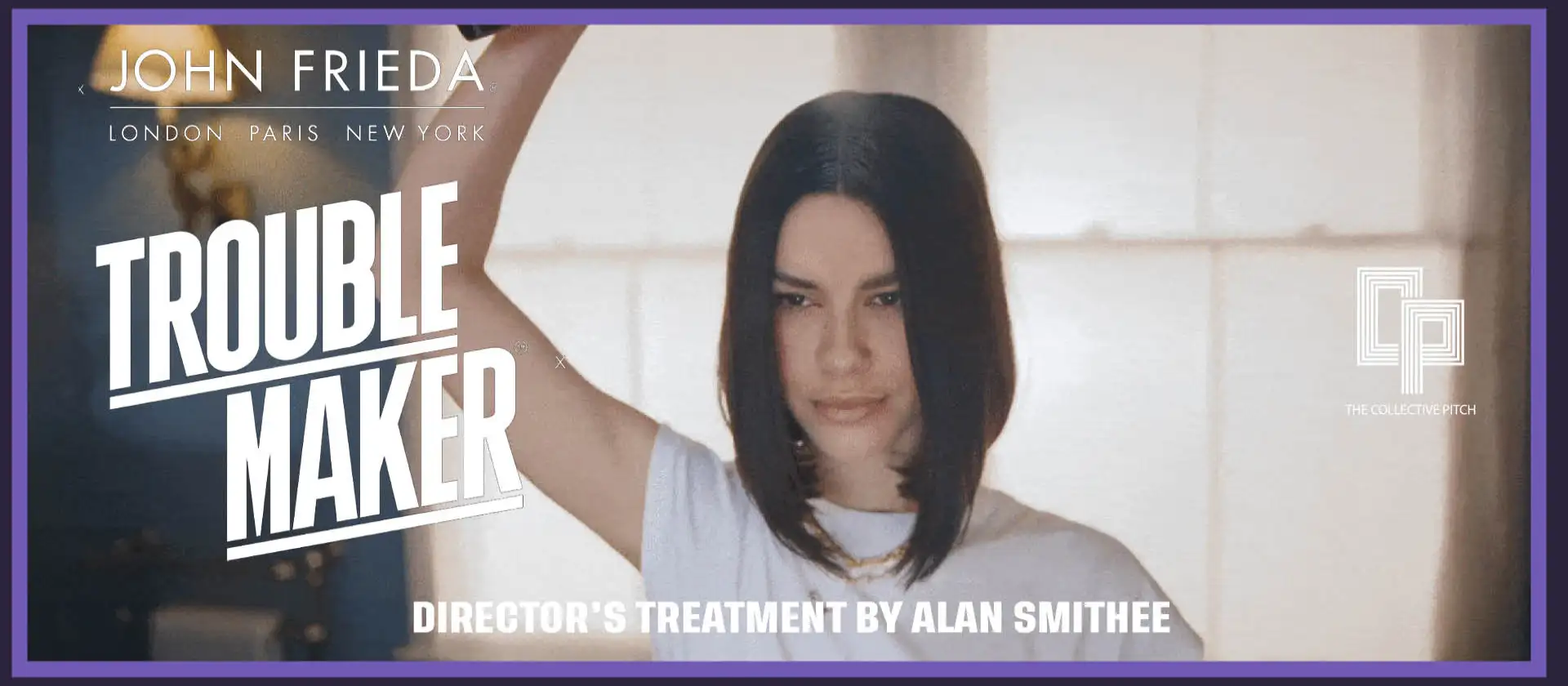
For instance, a Cannes-winning director or one behind an indie smash engenders trust. If you have one new team member who offers a new perspective or unique expertise, emphasize that in your directors treatment.
If you can show the talent mix that demonstrates the project is in good hands, others are more likely to trust the vision.
The Ask
This part explains what the team requires. Maybe it’s investment, maybe it’s creative assistance, or festival support. Be specific—request €1 million for production or request partners for global distribution.
Connect the ask to the film’s ambition, perhaps to introduce a new voice to international screens or complete a story that resonates with many. A good ask solicits feedback and leaves the door open for future discussions.
Genre Nuances in a Pitch for a Movie Example
Each movie genre comes with its own baggage. Understanding these conventions guides you in forming a movie pitch that sounds authentic to its genre yet fresh. Pitches ought to demonstrate both respect for what works and a sense of what might shift. It is this mix that helps demonstrate both marketability and creativity. It is this mix that makes a pitch for a movie example pop.
Comedy
For example, a comedy has to demonstrate how comedy serves the story and characters. A logline along the lines of “It’s The Office meets Groundhog Day” implies both style and humor. The pitch should emphasize the moments where comedic timing directs the story, like rapid-fire banter between an offbeat duo or well-worded break-ups that escalate scene by scene.
Funny things that have heart are usually successful comedies. A movie like Superbad works because jokes land but the story cares about friendship. A pitch that reveals not only the funny set pieces but the emotional stakes, maybe with a scene featuring friends making peace after a huge mess, feels whole.
It’s always helpful to reference known successes, like, “This movie is ‘Bridesmaids’ meets ‘Little Miss Sunshine’ in terms of irreverence and warmth.
Horror
Horror pitches do best when they create suspense immediately. The premise ought to demonstrate what makes the threat original—something like, “It’s ‘Night of the Living Dead’ meets ‘Alien’.” Emphasize what frightens, be it psychological twists or startling images. The pitch should instill a foreboding with something like, “A family caught in a silent world must outwit unheard pursuers.
Distinctive blends attract notice, and high-concept horror is easier to sell. A twist on the familiar, like combining a haunted house with a time loop, can keep run-of-the-mill scares feeling new. By referencing trends, such as the recent popularity of psychological horror, you demonstrate that you’re aware of what’s selling.
A good pitch for a movie example suggests how suspense and intrigue draw audiences, for example, by emphasizing what the protagonists risk or uncover.
Drama
Drama pitches depend on emotional stakes and relatable conflict. They usually require more because low-concept dramas rely on character arcs, dialogue, and subtle shifts. A pitch could be, ‘Two estranged siblings come back together at their family’s vineyard after years of separation,’ which establishes setting and tension.
To reach audiences, the pitch needed to exhibit universal themes such as loss, love, and redemption. Emphasizing how the protagonists evolve or what they have to conquer gets an audience invested. Invoking those classic films gets us excited, like “It’s Manchester by the Sea with the intimacy of Marriage Story.
Good drama pitches suggest potential awards and acclaim, which can help with marketability even if it’s a quiet plot.
Real-World Movie Pitch Examples
There are obvious characteristics that most great movie pitches have in common. A good pitch can contain a punchy logline, a sense of audience, and voice. The table below shows well-known movies and how their pitches worked:
|
Movie Title
|
Pitch Style
|
Distinct Element
|
Audience
|
|
Jaws
|
High-Concept
|
Shark terrorizes beach town
|
Wide, thriller
|
|
Good Will Hunting
|
Character-Driven
|
Troubled genius finds mentor
|
Drama, adults
|
|
Little Miss Sunshine
|
Indie Darling
|
Dysfunctional family road trip
|
Indie, comedy
|
|
Get Out
|
High-Concept
|
Social horror with satire
|
Horror, adults
|
|
The Farewell
|
Indie Darling
|
Family secrets in China
|
Drama, global
|
These examples all have obvious memorable hooks. They demonstrate the value of understanding your audience and distilling the main point to a line or two. Most pitches begin with a personal introduction, such as a filmmaker professing their love or passion, establishing the foundation for rapport and trust.
The High-Concept
A high-concept pitch is straightforward and intuitive. It frequently works best when the premise can fit in one sentence. These pitches are about big, sellable concepts that might interest a broad audience.
For example, “Jaws” is about a shark menacing a beach community—what else do we need? Get Out” inflects the horror genre with a new social gloss. With a pitch for a movie example this tight, buyers can more clearly envision its commercial worth. A compelling logline here does a lot of heavy lifting.
The Character-Driven
Character-driven pitches rely on compelling, relatable protagonists. The path of the protagonist is what becomes the pull. We relate to a story like Good Will Hunting because we see ourselves in the hero.
These pitches tend to be a little lengthier, sometimes a novella or abridged version, particularly if you’re pitching a TV movie. The Farewell pitch reveals a family making hard decisions that hit home for so many. Deep character arcs make it easy to ignite emotional connections with the audience.
The Indie Darling
Indie film pitches tend to advocate for the new. It’s liberating to stray off the well-worn path and discuss niche subjects. Little Miss Sunshine blazed the trail with its quirky family.
Beyond the Summit explores Himalayan communities, bringing to screen their unheard stories. These pitches can even come with a completed script sample pdf. In low-budget genres such as Horror, cash is king. Indie darlings build a following by going deep, not broad.
Avoid Errors in Your Movie Pitch
A lot of the movie treatment example pdf suck because of easily avoidable errors that ruin their punch. A checklist can help keep the process on track: avoid vague language, keep the pitch for a example movie treatment, tailor movie comparisons, focus on one strong logline, be ready for questions, and follow up with patience. Each point is crucial for a concise and compelling pitch.
Vagueness and lack of focus tend to appear whenever the central thought is confused. If the pitch employs buzz words or platitudes, it can come across as bland and forgettable. For example, calling a script “groundbreaking” or “unique” and not demonstrating why will not convince the reader of its merit.
Moreover, a good pitch is plain-spoken and cuts to the heart of the story. A sharp logline — a one or two sentence summation — assists. Without it, even a great idea can fall by the wayside. When a person says, “It’s like The Avengers meets Jurassic World,” it sounds snappy but can sound uninspired or lazy, particularly if overused.
Over-Aspiration in Your Film Contemporaries
It’s more effective to pick comparisons that align with the tone, scale, and audience of the new project, and that are not just well-known but relevant and recent.
Polishing a pitch requires feedback and a readiness to excise what doesn’t work. If the pitch comes across as self-absorbed, it repels partners. A temperate tone, patience in follow-up, and openness to input can lay a foundation for future work.
Prep Like There’s No Tomorrow
Preparation is another place where a lot of people fail. An off-the-cuff sounding pitch or one that meanders on too long, sometimes 10 to 15 minutes or longer, turns people off. The perfect pitch is focused and frequently lasts just a few minutes.
Practice also makes timing and confidence. It readies the pitcher for hard questions, which inevitably accompany the process. If you can’t answer questions about the project’s plot, budget, or audience, it’s not ready. Referencing obscure or little-known films as comparables risks confusing or alienating your listener, particularly if those films tanked at the box office.
A Pitch for a Movie Example: Conclusion
A good movie pitch captivates people quickly, gets the concept front and center, and stays concise. Good pitches employ small words, big assertions, and actual risks. Tailor each pitch for a movie example to fit the movie’s style, play to the right crowd, and bypass the fluff. F
olks who rock their pitch know their key beats, demonstrate genuine enthusiasm, and speak with toughness. Real-world wins show that easy words strike a chord. Pitfalls trip up ramblers and scatterbrains. Most teams use lean decks with only what counts. To hone a pitch, speak it to friends or tape yourself and play it back. I
If you’re prepared to construct or repair a pitch, take these hints for a whirl and observe what sticks.