Understanding Film Treatments in Screenwriting
Screenplay treatment examples are documents that serves as a blueprint for potential films, including the length screenplay and how to show the story. The movie treatment outlines the story, characters, and key elements of the screenplay. This show is an important part of the treatment process. Unlike a script or an outline, a treatment provides a broader overview of the film’s narrative without delving into specific dialogue or scene details. Think of a movie treatment as a condensed version of the script treatment, giving filmmakers and producers an idea of what to expect.
Film treatments play a crucial role in the screenwriting process by helping writers organize their ideas and present them to industry professionals. They serve as a tool for pitching and selling a screenplay concept before investing time and resources into writing a full-length script.
Key Elements of an Effective Film Treatment
To create an effective film treatment, certain key elements should be included. Character development is essential within a treatment as it helps establish relatable and engaging individuals that audiences can connect with. By providing detailed descriptions of each character’s personality traits, motivations, and conflicts, the treatment sets the foundation for compelling storytelling.
Another crucial element is crafting a compelling plot summary. This concise synopsis captures the essence of the story while highlighting its unique aspects and potential for audience appeal. It should convey both conflict and resolution in an intriguing way that entices readers to want more.
Essential Components to Include in a Film Treatment
When creating your film treatment, there are several necessary components to include:
- Logline: A logline is a one-sentence summary that encapsulates the core concept of your film. It should be catchy, captivating, and provide insight into what makes your story unique.
- Synopsis: The synopsis expands on the logline by providing a brief overview of the entire story arc from beginning to end. It should highlight major plot points while maintaining suspense and intrigue.
- Character Descriptions: Detailed character descriptions help bring your characters to life on paper. Include information about their background, motivations, and conflicts to give readers a sense of who they are.
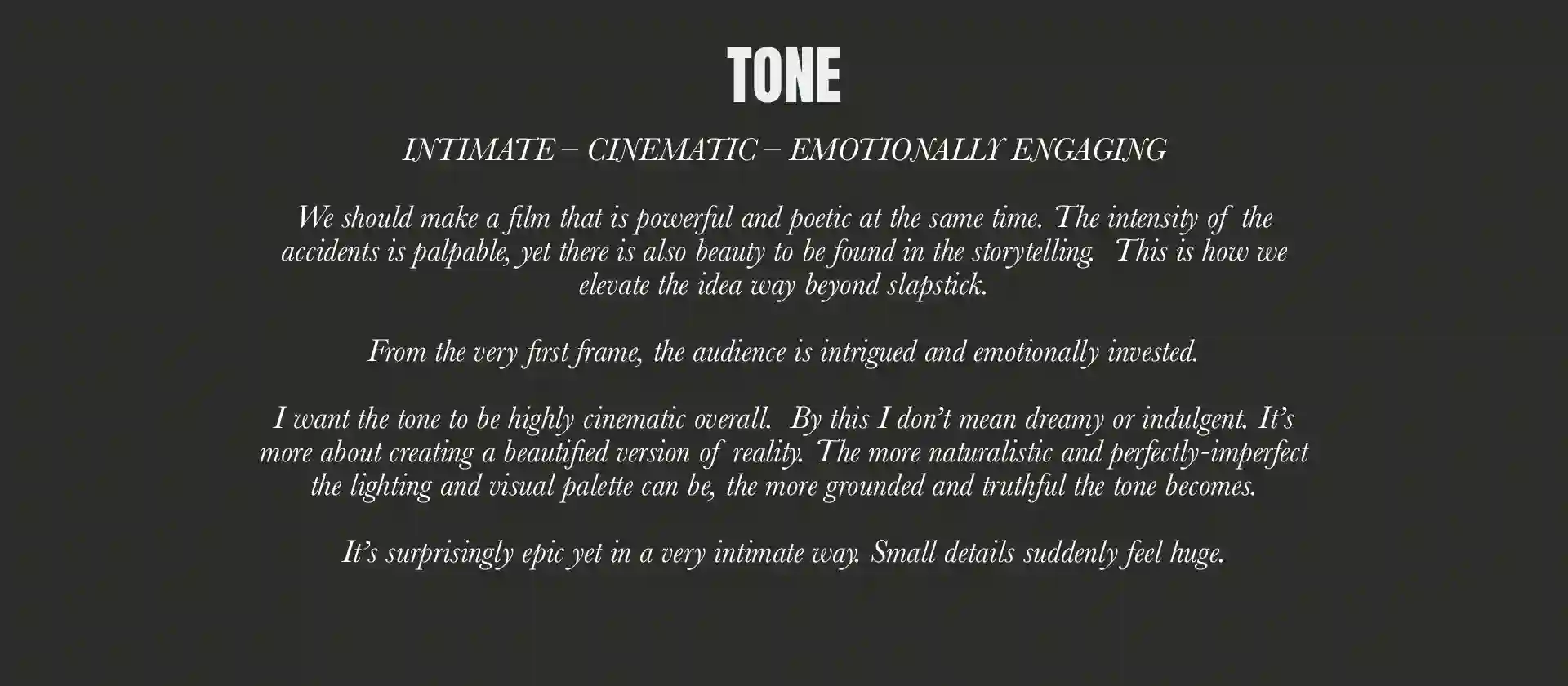
- Tone, Theme, and Genre: Clearly convey the tone (the overall mood or atmosphere), theme (the central message or idea), and genre (the category or style) of your film. This helps potential investors and filmmakers understand the intended audience and marketability.
- Key Scenes or Sequences: Including key scenes or sequences in your treatment can showcase your storytelling abilities and provide a glimpse into the visual potential of the film. These scenes should be impactful and memorable.
By incorporating these essential components into your screenplay treatment examples, you can effectively communicate your story’s vision to industry professionals while demonstrating your skills as a screenwriter.
Diving into Film Treatment Examples
E.T. and The Shining Film Treatments Unveiled
Analyzing actual film treatments from iconic movies like E.T. and The Shining provides valuable insights into the creative process behind these films. By examining these treatments, we can understand how they contributed to shaping the success of these cinematic masterpieces. These written works offer a glimpse into the renowned filmmakers’ approaches, allowing us to appreciate their vision on paper before it was brought to life on the big screen.
Gaining Insight from Successful Film Treatment Examples
Studying additional examples of well-known film treatments can be an excellent source of inspiration for aspiring screenwriters. These examples offer valuable lessons on various aspects, including structure, pacing, and character arcs. By dissecting successful treatments, we can gain a deeper understanding of how effective storytelling techniques are employed within them.
When studying film treatment examples, one can discover how a well-crafted treatment sets the foundation for a compelling story. It outlines the key elements such as plot points, character development, and themes that will drive the narrative forward. For instance, in E.T.’s treatment by Melissa Mathison, we see a clear outline of the friendship between Elliott and E.T., their adventures together, and ultimately their emotional separation.
Engaging Your Audience
Character arcs play a crucial role in engaging audiences emotionally throughout a film’s duration. In many notable film treatments like those for E.T. or The Shining, we can observe how characters undergo transformative journeys, facing challenges and experiencing growth along the way. These examples inspire writers to create multidimensional characters with compelling arcs that resonate with viewers.
Learn from the Best: Study Screenplay Treatment Examples
By studying screenplay treatment examples, aspiring screenwriters can learn from the best in the industry. They can understand how renowned filmmakers craft their stories from initial ideas to fully realized concepts on paper. These treatments offer a window into the creative process and provide valuable insights into storytelling techniques employed by successful filmmakers.
The treatment for The Shining by Stanley Kubrick and Diane Johnson showcases meticulous attention to detail. This example demonstrates how visual descriptions in a treatment can effectively convey mood and tone even before any dialogue is written.
Successful film treatments also provide insight into pacing—the art of controlling the rhythm and tempo of a story. By examining treatments like those for E.T. or The Shining, writers can learn how to balance moments of excitement with quieter scenes that allow characters to develop naturally.
Other Non-Famous examples
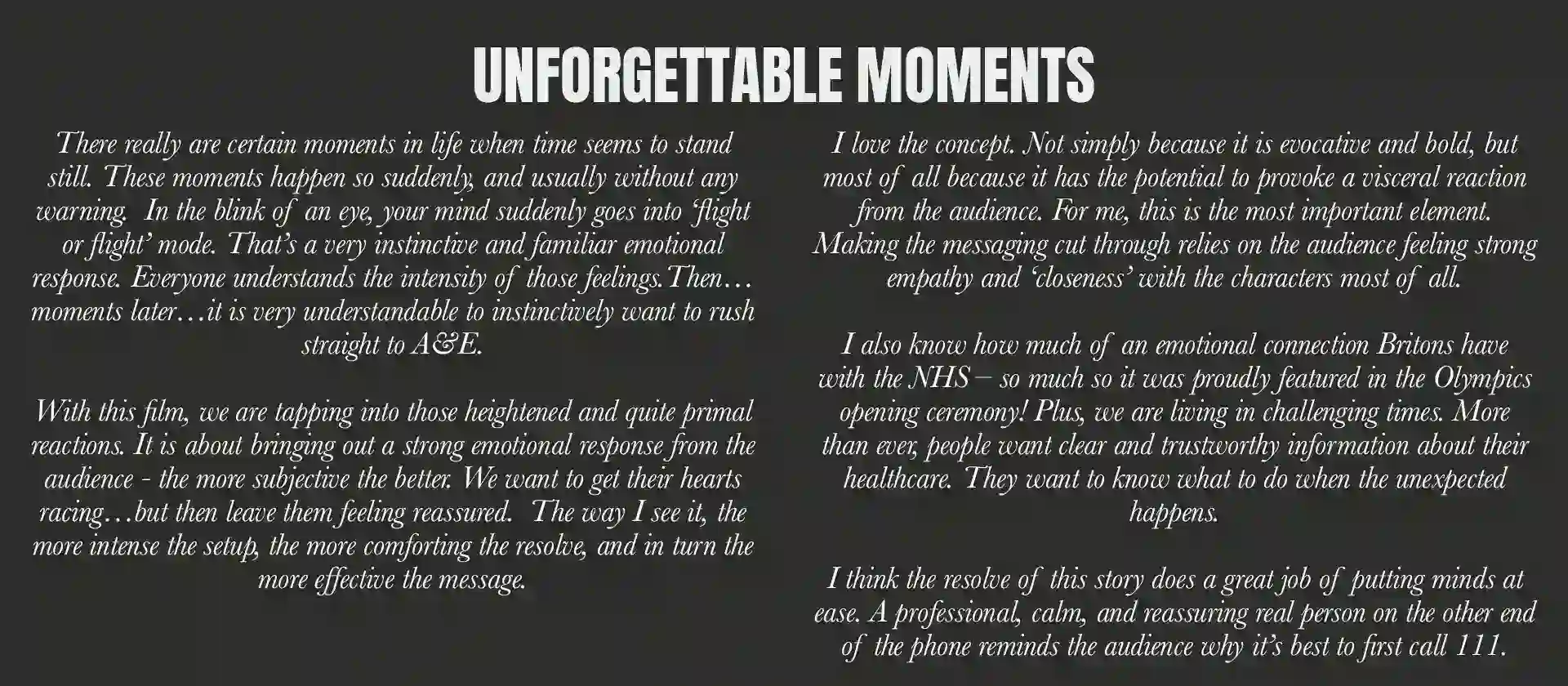
Although we’re not famous ourselves, a lot of the director’s we work for are famous. We help them every day to create amazing screenplay treatment examples. Why not check out a few below:
- Film script treatment example
- Script treatment example
- Script treatment template
- Screenplay treatment template
Crafting Your Own Screenplay Treatment Examples
Step-by-Step Guide to Writing a Film Treatment
Writing a film treatment can be an exciting and challenging process. To help you get started, here is a step-by-step guide that breaks down the stages involved in creating a comprehensive treatment.
- Brainstorming Ideas: Begin by brainstorming ideas for your film. Consider different genres, themes, and characters that resonate with you. Jot down any concepts or storylines that come to mind.
- Organizing Thoughts: Once you have a collection of ideas, organize them into a coherent narrative outline. Determine the main plot points, character arcs, and key moments in your story.
- Crafting an Engaging Narrative Outline: Take your organized thoughts and craft an engaging narrative outline for your treatment. Focus on creating compelling characters, well-defined conflicts, and captivating story arcs.
Length and Layout Considerations for Your Screenplay Treatment Examples
Striking the right balance is crucial. Here are some considerations to keep in mind for your screenplay treatment examples:
Length Guidelines: Striking the Right Balance
- Optimal Length: A film treatment should typically be around 8-10 pages long. This allows enough space to convey the essential elements of your story without overwhelming readers with unnecessary details.
- Readability: Keep in mind that industry professionals often receive numerous treatments to review. Therefore, it’s important to make yours easily digestible and engaging by maintaining concise yet descriptive writing.
- Brevity vs Necessary Details: While brevity is important, ensure that you include all the necessary details required to convey your story effectively. Strike a balance between providing enough information while keeping the treatment concise.
- Common Pitfalls: Avoid overly long treatments that may lose reader interest or become cumbersome to navigate through. Similarly, excessively short treatments may lack depth and fail to showcase the full potential of your story.
Structuring Your Screenplay Treatment Examples Effectively
For writers looking to capture both narrative flow and visual elements, a scriptment can be an effective format. Here are some tips for structuring your scriptment:
- Hybrid Format: A scriptment is a hybrid of a script and treatment, combining narrative descriptions with dialogue. This format allows you to convey both the visual aspects of your story and the character’s interactions effectively.
- Advantages: The advantage of using a scriptment is that it gives readers a sense of how the film will look and feel while still providing a narrative structure. It can be particularly useful when pitching ideas or presenting concepts to producers or directors.
- Maintaining Clarity: When transitioning between dialogue and descriptive sections in your scriptment, ensure clarity by clearly distinguishing between them. Use proper formatting techniques such as indentation or font styles to differentiate between dialogue and narration.
Film Treatment Formats and Templates
Exploring Different Treatment Formats
There are various formats you can consider for your screenplay treatment examples. Two common formats include prose-style and bullet-point outlines.
A prose-style treatment is written in paragraph form, providing a detailed narrative description of the story. This format allows for a more immersive reading experience and helps convey the tone and atmosphere of the film. However, it may be lengthy and require careful organization to ensure clarity.
On the other hand, a bullet-point outline breaks down the key elements of the story into concise points. This format offers a more streamlined approach, making it easier for readers to grasp the main ideas quickly. It also allows for flexibility in rearranging or adding new elements as needed. However, it may lack the depth and descriptive nature of a prose-style treatment.
As a writer, you have the freedom to experiment with different formats based on your individual writing style and preferences. Some writers find that certain stories lend themselves better to one format over another. It’s important to consider how each format affects readability and effectively conveys your story elements.
Utilizing Templates for Your Screenplay Treatment
To assist in organizing information within your screenplay treatment, you can make use of pre-designed templates that are readily available online or through screenwriting software programs.
Using templates offers several benefits. Firstly, they provide a consistent structure throughout your document, ensuring that all necessary components are included. This helps maintain clarity and makes it easier for readers to follow along.
Templates can save you time by providing a framework that guides you through each section of your treatment. They often include prompts or placeholders where you can input specific details about your characters, plot points, and themes.
There are reputable sources where writers can find screenplay treatment templates such as screenwriting websites or software platforms dedicated to supporting screenwriters in their creative process.
The Role of Film Treatments in the Industry
Reasons Why Film Treatments Matter
Film treatments play a crucial role in the movie industry as they serve as industry-standard tools for pitching ideas. These concise documents outline the main elements of a story, including its plot, characters, and themes. By providing a comprehensive overview of the project, treatments help filmmakers secure funding, attract talent, or sell their projects to producers.
Well-crafted treatments also demonstrate a writer’s storytelling abilities. They showcase the writer’s knack for creating engaging narratives and capturing the essence of their vision. A compelling treatment can make all the difference in grabbing the attention of potential investors or collaborators. It serves as a blueprint that conveys the writer’s creative vision and sets the stage for further development.
Exploring Different Uses of a Film Treatment
Film treatments have various uses in addition to traditional screenwriting. They can be used for marketing, development, and collaboration. For marketing purposes, treatments can be turned into teasers or concept trailers to give audiences a taste of the film and create excitement.
Treatments also help with development by providing a roadmap for writers and directors to refine their ideas before writing the full screenplay. Lastly, treatments facilitate collaboration by serving as effective communication tools between different people involved in the project. Successful films like “Die Hard” have started as treatments, showing their potential as starting points for captivating stories.
The Art of Presenting Your Film Treatment
Pitch decks are visual presentations that accompany film treatments during pitches. They serve as a way to enhance the understanding and visualization of a treatment’s concept. By combining concise text, images, and other visual elements, pitch decks provide a comprehensive overview of the story, characters, and themes.
Creating visually appealing and concise pitch decks is crucial in capturing the attention of potential investors or production companies. These presentations should be engaging and easy to follow, allowing the audience to grasp the essence of the treatment quickly.
Creating Impactful Screenplay Treatment Examples
Determining the Ideal Length for Pitch Decks
To maintain audience engagement, it is important to consider the optimal length for your screenplay treatment examples. While there isn’t a strict rule on how long they should be, it is generally recommended to keep them concise and focused. A pitch deck that is too lengthy may lose the interest of those reviewing it.
Condensing key information from your treatment into an effective visual presentation can be challenging but essential. It requires careful selection of plot points, character descriptions, and thematic elements that best represent your story.
Organize Your Screenplay Treatment Examples
When structuring your pitch deck, consider organizing it into sections that convey different aspects of your treatment efficiently. This could include sections dedicated to introducing the main characters, outlining major plot points or acts if applicable (such as in TV shows), showcasing visually captivating images related to your story’s setting or atmosphere.
In addition to textual content, incorporating visuals such as concept art or mood boards can greatly enhance the impact of your pitch deck. These visuals help create a more immersive experience for those reviewing it and allow them to visualize how your treatment will translate onto the screen.
By carefully crafting each slide or section with purposeful content and striking visuals, you can ensure that your treatment pitch deck leaves a lasting impression on potential investors or production companies.
Polishing and Finalizing Your Treatment
Utilizing Feedback to Enhance Your Treatment
To make your film treatment the best it can be, seeking feedback from trusted sources is crucial. By doing so, you can gain valuable insights and perspectives that will help you improve your treatment. Whether it’s fellow writers, industry professionals, or even friends and family who have a good understanding of storytelling, their feedback can provide fresh ideas and identify areas for improvement.
Receiving constructive criticism may come in different forms. You might choose to share your treatment with a writing group or workshop where members can offer their thoughts and suggestions. Alternatively, you could seek out professional script consultants who specialize in providing detailed feedback on treatments. Whichever method you choose, remember that the goal is to gather diverse perspectives that will help you refine your work.
Common Mistakes to Avoid in Your Treatment
While polishing your screenplay treatment examples, it’s important to be aware of common mistakes that writers often make. One mistake is providing too much unnecessary detail or exposition. Remember that a treatment should give a clear overview of your story without getting bogged down in every little detail. Focus on conveying the main plot points and character arcs effectively.
Another mistake is neglecting the importance of pacing within a treatment. Ensure that your treatment flows smoothly from one section to another, capturing the reader’s attention throughout. Consider using concise yet impactful language to maintain momentum and engage readers.
Avoid excessive dialogue within your treatment. While dialogue is a vital aspect of any screenplay, treatments should primarily focus on the narrative and visual aspects of your story. Use dialogue sparingly to highlight key moments or important exchanges between characters.
Tips for Wrapping Up Your Script Treatments
Concluding your treatment effectively is crucial in leaving a lasting impression on readers. Consider ending your treatment with a memorable scene or cliffhanger that leaves the audience wanting more. This can create anticipation and intrigue, making them eager to see the full screenplay.
Another strategy is to provide room for imagination at the end of your treatment. Leave some elements open-ended or ambiguous, allowing readers to envision their own interpretations of certain aspects of the story. This can add depth and intrigue to your treatment.
When wrapping up your script treatment, be mindful of common pitfalls such as rushing through the conclusion or leaving loose ends unresolved. Take the time to craft a satisfying ending that ties up major plot points while still maintaining an element of curiosity.
Beyond the Basics of Film Treatments
Benefits and Purposes of Writing Treatments
Writing film treatments offers several advantages in the screenwriting process. Treatments help streamline ideas, providing a clear roadmap for storytelling choices and character development. By outlining the main plot points, conflicts, and resolutions, treatments allow writers to refine their concepts before diving into full scriptwriting.
Moreover, treatments enhance creativity by encouraging writers to explore different narrative approaches. They provide an opportunity to experiment with various story structures, pacing techniques, and character arcs without the constraints of a complete screenplay. This flexibility allows for greater exploration and refinement of ideas.
In addition to aiding script development, screenplay treatment examples can also serve as valuable marketing tools. A well-crafted treatment can capture the essence of a story in a concise and compelling manner. This can be useful when pitching ideas to producers or studios who may not have time to read an entire script initially. A captivating treatment can generate interest and open doors for further discussions and potential collaborations.
Scriptments in Screenwriting and Their Significance
Scriptments are unique variations of traditional film treatments that combine elements of both scripts and treatments. They provide a more detailed narrative structure while still allowing room for improvisation during production.
These hybrid documents are particularly significant because they bridge the gap between written words on a page and the visual language of cinema. Scriptments often include snippets of dialogue interspersed with descriptive paragraphs that highlight key visual moments or scenes. This format helps convey the intended tone, atmosphere, and pacing of the film more effectively than traditional treatments alone.
Examining Various Types of Scriptments
Scriptments come in various forms depending on the specific needs of the project or filmmaker’s vision. Some scriptments may lean heavily on dialogue to capture character interactions and relationships vividly. These dialogue-heavy scriptments are especially useful for dialogue-driven genres such as romantic comedies or dramas where verbal exchanges play a crucial role in storytelling.
On the other hand, visually-focused scriptments emphasize the visual elements of the story. They paint a vivid picture of the settings, cinematography, and overall visual style that will shape the film. This type of scriptment is particularly advantageous for directors who have a strong visual vision or when visuals are crucial to conveying the story effectively.
Examples abound where successful films originated from unconventional scriptment styles. Quentin Tarantino’s “Pulp Fiction” utilized a non-linear scriptment format to create its distinctive narrative structure. The Coen Brothers’ “Fargo” employed a visually-focused scriptment to capture the stark and snowy landscapes of Minnesota.
Screenplay Treatment Examples Conclusion
In conclusion, this article has provided a comprehensive overview of screenplay treatment examples, from their purpose and formats to the process of crafting and presenting them. We have explored various examples and discussed the role of treatments in the film industry. By understanding the importance of a well-crafted treatment, aspiring screenwriters can enhance their chances of attracting attention from producers and investors.
To excel in writing film treatments, it is crucial to immerse oneself in the world of storytelling and familiarize oneself with successful examples. Aspiring screenwriters should refine their presentation skills and seek feedback from industry professionals to polish their treatments further. By following these guidelines and leveraging the insights shared in this article, writers can increase their chances of turning their screenplay ideas into reality.
Remember, a compelling treatment is often the first step towards getting your script noticed. So, take what you have learned here and start crafting your own captivating film treatments today!