Understanding the Concept
A screenplay treatment is a written document that outlines the main elements of a film script. It is created by the writer to provide an overview of the story on the page. A film treatment, also known as a movie treatment or script treatment, serves as a blueprint for screenwriters, providing a clear roadmap for their storytelling journey in the treatment process. Unlike a full-fledged film script, treatments focus on plot points, character development, and key scenes without delving into dialogue.
A writer often creates treatments as a way to outline their ideas before diving into the script writing process. By omitting dialogue, film treatments allow writers to concentrate on the broader strokes of their narrative, ensuring a solid foundation before diving into the intricacies of writing dialogue in the script. This approach helps writers organize their thoughts and visualize the overall structure of their film treatment or script treatment.
Importance in Script Writing in a Screenplay Treatment Example
Film treatments play a vital role in scriptwriting by acting as guiding tools for screenwriters. These treatments are essential in the film industry as they provide a blueprint for the overall direction of the film. Film treatments provide an essential framework that establishes a clear direction for storytelling and ensures consistency throughout the script.
By outlining major plot beats and character arcs, film treatments streamline the scriptwriting workflow. These concise film treatment documents help writers stay focused on the core aspects of their story while avoiding getting lost in unnecessary details or tangents. As they serve as roadmaps, film treatments save valuable time during the writing process by providing a structured outline to follow.
Role in Pitching Ideas
Film treatments are not only valuable during the writing phase but also throughout the entire film production process. In this competitive industry where time is often limited, treatments offer an accessible way to communicate story concepts quickly and effectively. A well-crafted treatment can captivate potential investors and secure funding for production by showcasing the strength of the story’s narrative arc and its compelling characters. With its condensed format focusing on key elements of the story, a treatment allows industry professionals to grasp its essence swiftly.
Elements of a Film Treatment
Key Components of a Screenplay Treatment Example
Effective treatments consist of several key components that help convey the essence of a story. These components, such as loglines, synopses, character descriptions, and thematic exploration, are essential in developing a film treatment. Loglines are concise summaries that capture the essence of a film treatment in just one or two sentences, grabbing the reader’s attention from the start.
Film treatments, also known as synopses, provide an overview of the major plot points while highlighting unique aspects of the narrative. Character descriptions in a film treatment delve into the personalities, motivations, and conflicts faced by each character. Thematic exploration in a film treatment delves deeper into the underlying messages or ideas explored in the story.
Visual Examples in a Screenplay Treatment Example
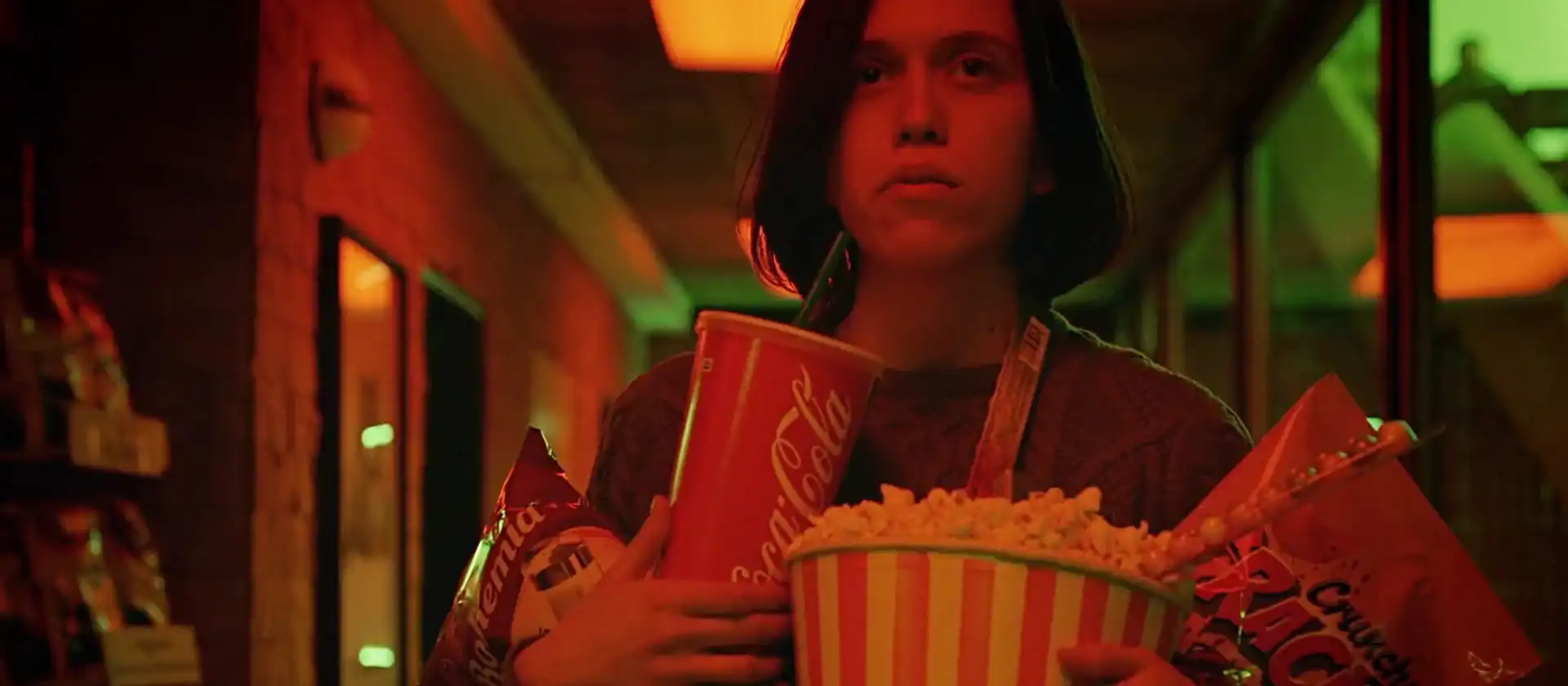
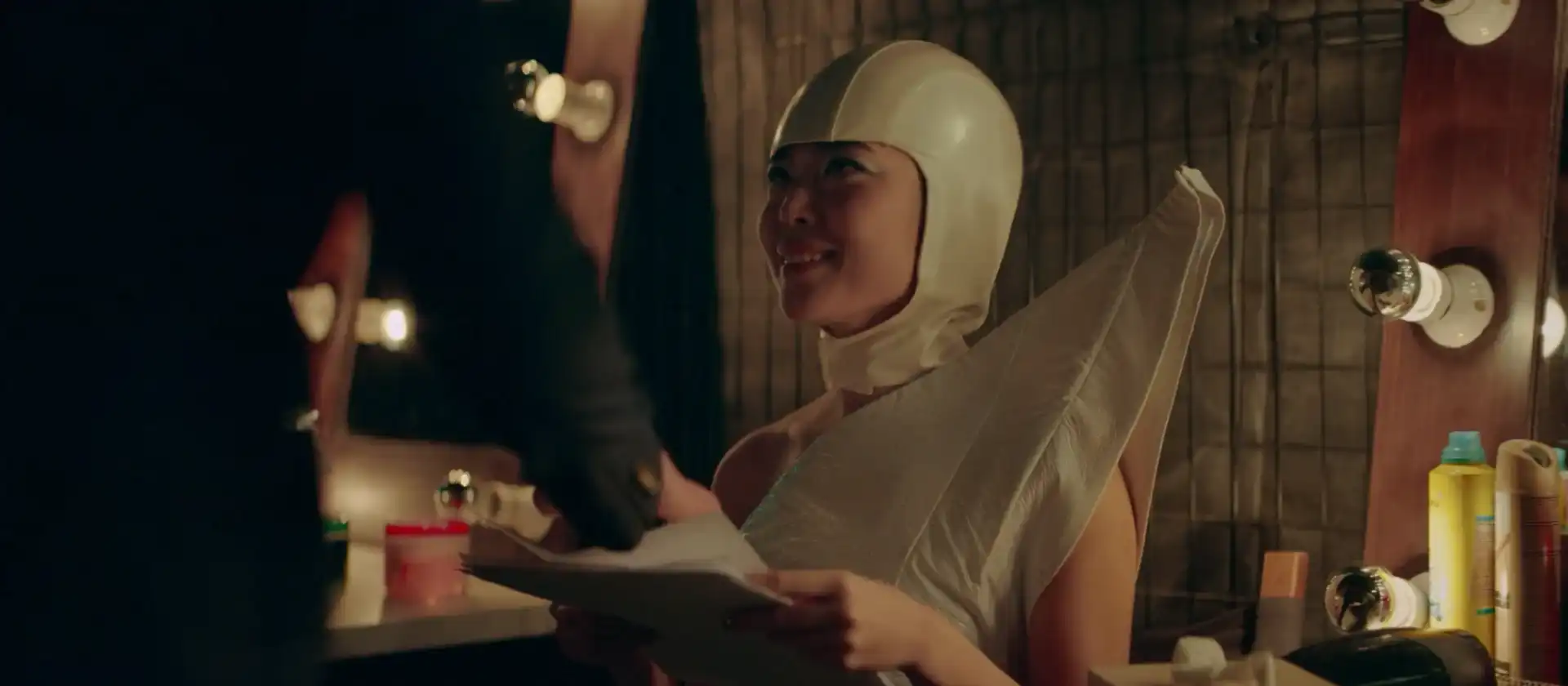
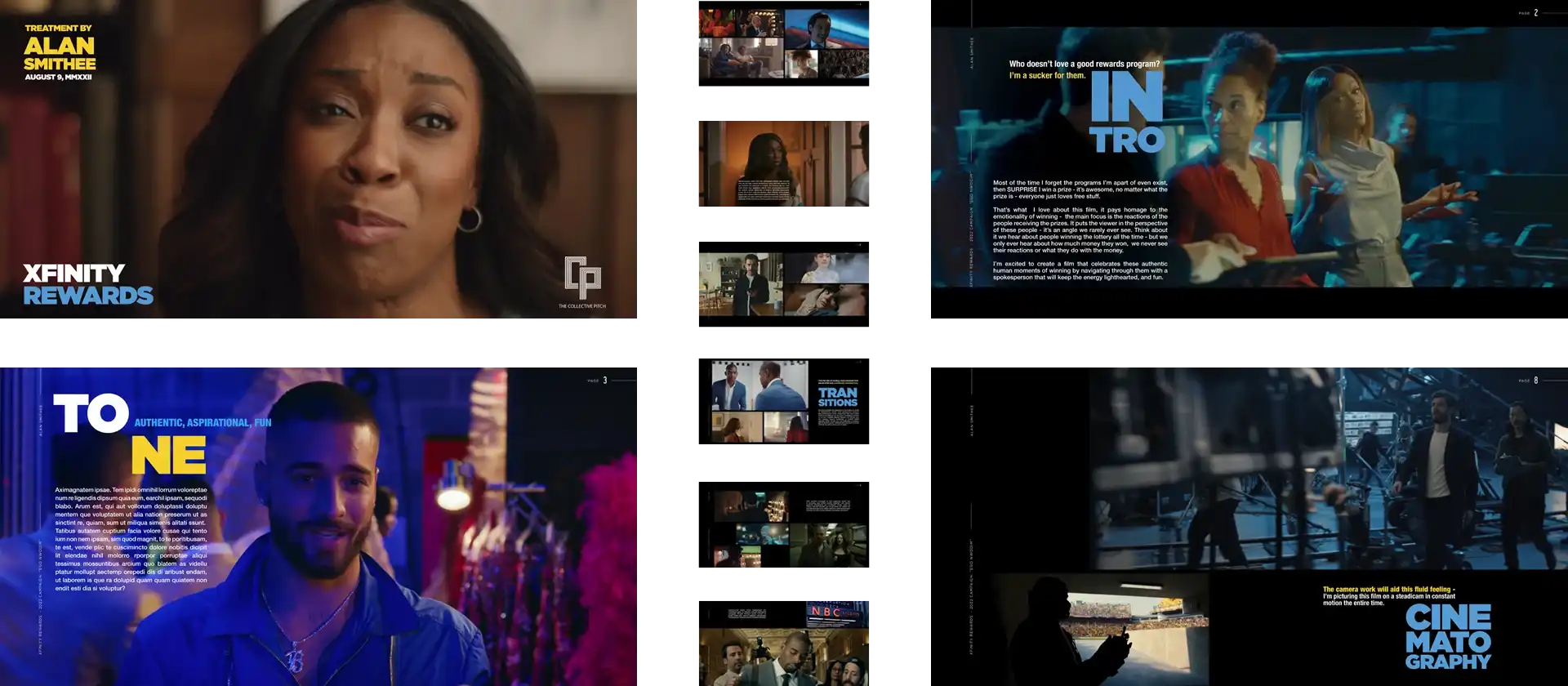
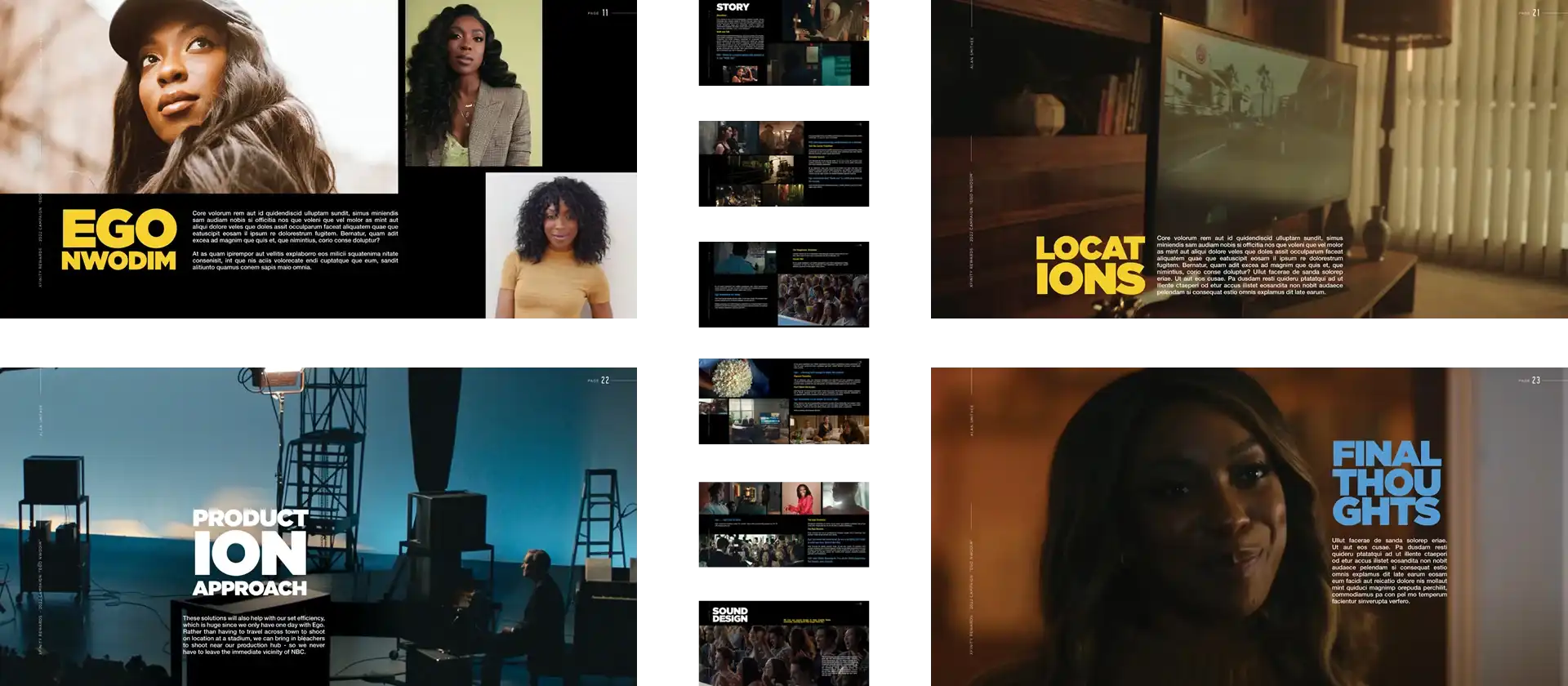
Visual examples can be incredibly helpful. Treatments can be presented using bullet points or paragraphs, depending on personal preference or industry standards. Incorporating visual elements such as images or mood boards can enhance treatment presentations significantly.
These visuals aid in conveying the film treatment’s tone, atmosphere, and visual style to potential readers or investors. By including visual representations within treatments, writers can make them more engaging and captivating. Meanwhile, here’s a few of our own:
- screenplay treatment template
- screenplay treatment PDF
- film script treatment example
- script treatment example
Screenplay Treatment Example Templates and Resources
Film treatment templates are valuable resources for writers looking to create their own treatments efficiently. These pre-designed structures provide a starting point for organizing ideas and ensuring all essential elements are included in the treatment. Templates save time and effort by providing a clear structure to follow.
In addition to templates, there are various resources available that offer guidance on formatting, content organization, and storytelling techniques specifically tailored for film treatments. These resources can assist writers in crafting compelling narratives that effectively communicate their vision to producers or studios.
Accessing these templates and resources not only streamlines the treatment creation process but also ensures that treatments are well-structured and meet industry standards.
By utilizing film treatment templates and exploring available resources, writers can enhance their storytelling skills while effectively conveying their creative vision through these comprehensive documents.
Structuring Your Film Treatment
Length Guidelines
Film treatments are typically kept within a few pages or less to ensure conciseness and effectiveness as a summary of the screenplay. By adhering to length guidelines, writers can focus on essential story elements without getting bogged down in unnecessary details. This allows readers to grasp the overall narrative quickly and easily.
Layout Considerations
When structuring your film treatment, it’s important to consider layout for optimal readability. Utilizing headings, subheadings, and bullet points enhances clarity and comprehension. By breaking up the text into smaller, digestible sections, you make it easier for readers to follow along with the flow of your treatment. A visually appealing layout design facilitates understanding of the treatment’s structure and ensures that key points stand out.
Structural Variations
There are various structural variations that can be employed when crafting a film treatment. Some writers may choose to follow traditional three-act structures, while others may experiment with non-linear formats. The goal is to find the approach that best suits your story’s needs and effectively conveys its unique elements. Adapting the treatment structure allows for creative exploration while maintaining coherence throughout the narrative.
By exploring different structural variations, you have the opportunity to enhance specific plot points or highlight particular aspects of your story. For example, a non-linear format could be used to emphasize flashbacks or parallel storylines. On the other hand, a three-act structure might provide a more straightforward progression from setup to conflict resolution.
Ultimately, finding the right structure for your film treatment requires careful consideration of your story’s themes and objectives. It’s important to strike a balance between creative expression and ensuring that your treatment remains coherent and engaging for readers.
The Writing Process
Tips and Best Practices
There are several tips and best practices that can help you create a compelling and impactful screenplay treatment example. First, it’s important to focus on character motivations. By clearly outlining the desires, goals, and conflicts of your main characters, you can ensure that their actions drive the story forward. Emphasizing conflict is crucial in creating tension and keeping the audience engaged. Highlighting the obstacles and challenges that your characters face will add depth to your treatment.
Another tip is to showcase the unique elements of your story. Whether it’s an unconventional setting or an innovative plot twist, highlighting these aspects will make your treatment stand out from others. It’s also essential to proofread your treatment for clarity. Ensure that your ideas are communicated effectively and eliminate any spelling or grammatical errors.
Using active voice in your writing can make your treatment more dynamic and engaging for readers. Instead of passive phrases like “the action was witnessed,” opt for active ones like “the protagonist witnessed the action.” This brings energy to your narrative.
When describing scenes or settings in your treatment, avoid excessive detail. Focus on capturing the essence of the location without getting bogged down in unnecessary specifics. This allows readers to use their imagination while still understanding the overall atmosphere of each scene.
Step-by-Step Writing Guide
To create an effective screenplay treatment, following a step-by-step writing guide can be immensely helpful. Begin by brainstorming ideas for your story. Consider different plot points, character arcs, and themes that you want to explore.
Exploring Different Treatment Types
Outlines vs. Treatments vs. Scriptments
Outlines, treatments, and scriptments are all different formats that writers use to develop their stories. An outline provides a basic structure of the story, serving as a skeletal framework. On the other hand, treatments offer more detailed summaries without including dialogue. They focus on narratively describing the key elements of the story, such as plot points and character arcs. Lastly, scriptments combine elements of both outlines and treatments by incorporating limited dialogue alongside narrative descriptions.
Understanding these distinctions is crucial for writers as it allows them to choose the most suitable approach for their needs. For instance, if a writer wants to focus on developing a solid structure for their story before delving into specific dialogue or scenes, an outline would be an ideal choice. Conversely, if they want to create a comprehensive summary that captures the essence of their story without getting into too much detail about individual scenes or lines of dialogue, a treatment would be more appropriate.
Comparative Analysis of a Screenplay Treatment Example
Conducting comparative analysis involves studying existing successful treatments within similar genres or styles. By analyzing different approaches used in these treatments, writers can gain valuable insights into effective storytelling techniques specific to their chosen field. This process helps writers understand how successful stories are crafted and inspires new ideas for their own work.
Studying successful treatment examples not only provides inspiration but also offers insights into industry standards and expectations. It allows writers to see firsthand how professionals in their field have approached similar concepts and narratives successfully.
Industry Applications
While treatments are commonly associated with film and television industries, they have applications across various other creative fields as well. For example, video game developers often use treatments to outline the storyline and gameplay mechanics of their games before diving into actual development. Similarly, advertising agencies may utilize treatments when pitching ideas for commercials or marketing campaigns.
The ability to concisely summarize key elements of a concept is highly valuable when pitching ideas across different mediums. Treatments allow writers to effectively communicate their vision and capture the attention of potential collaborators or decision-makers. By broadening their understanding of how treatments are used in different industries, writers can expand their opportunities and explore new avenues for their creative work.
Learning from the Best
Analysis of Our Other Examples
Now that we have explored different treatment types, let’s take a closer look at some professional examples to gain a deeper understanding. By analyzing these examples, we can learn valuable insights and techniques that can enhance our own screenplay treatments.
On our website, we have curated a list of exceptional screenplay treatments for you to study. Let’s delve into each example and see what makes them stand out:
- “The Shawshank Redemption” – This classic film’s treatment captivates readers with its vivid descriptions and compelling characters. The treatment effectively conveys the emotional journey of the protagonist, Andy Dufresne, as he navigates life in prison and seeks redemption.
- “Eternal Sunshine of the Spotless Mind” – This unique treatment showcases an unconventional narrative structure by blending memories and reality seamlessly. The use of fragmented scenes adds depth to the story while keeping readers engaged throughout.
- “Pulp Fiction” – Quentin Tarantino’s treatment for this iconic film demonstrates his signature nonlinear storytelling style. The treatment masterfully intertwines multiple plotlines, creating suspense and intrigue while showcasing memorable dialogue.
- “Birdman or (The Unexpected Virtue of Ignorance)” – This Oscar-winning film’s treatment is notable for its innovative use of long takes and continuous shots. The treatment effectively conveys the frenetic energy of backstage theater while exploring themes of ego, identity, and artistic expression.
- “Whiplash” – Damien Chazelle’s gripping treatment for this intense drama captures the relentless pursuit of excellence in music through its dynamic pacing and visceral descriptions. The treatment immerses readers in the high-stakes world of jazz drumming while highlighting the complex relationship between mentor and student.
What to Study
By studying these examples closely, aspiring screenwriters can gain valuable insights into crafting captivating treatments:
- Pay attention to the use of descriptive language and vivid imagery to bring the story to life in the reader’s mind.
- Experiment with unconventional narrative structures or storytelling techniques to create a unique and memorable experience.
- Focus on creating compelling characters with distinct voices and motivations that drive the story forward.
- Explore themes and motifs that resonate with audiences, adding depth and meaning to your treatment.
- Consider pacing and rhythm as essential elements in conveying tension, emotion, and energy.
Remember, these examples are just a starting point. As you develop your own screenplay treatments, don’t be afraid to experiment, take risks, and find your unique voice as a storyteller. Learning from the best can inspire you but ultimately it is through practice and honing your craft that you will truly excel.
Crafting an Engaging Pitch Deck
Creating a Treatment Pitch Deck
Creating a treatment pitch deck is an essential step in presenting your screenplay idea to potential collaborators or investors. This visual presentation combines images, mood boards, or concept art with concise text summaries to captivate the audience’s attention. By highlighting key aspects of your treatment, the pitch deck enhances the overall impact of your presentation.
A treatment pitch deck serves as a powerful tool to convey the essence of your story concept effectively. The combination of visual elements and written content allows you to showcase the unique elements of your screenplay in a compelling way. Whether it’s showcasing the setting, characters, or important plot points, each slide should provide a glimpse into the world you have created.
Dos and Don’ts in Presentation
When presenting your treatment pitch deck, there are certain dos and don’ts that can make all the difference in capturing and maintaining your audience’s attention. First and foremost, focus on clear communication by speaking confidently and maintaining eye contact with your audience. This helps establish a connection and ensures that you effectively convey the essence of your treatment.
Avoid excessive reading from notes or slides during your presentation. Instead, aim for a more engaging delivery that captivates the audience’s attention. By knowing your material well and speaking naturally, you can create an immersive experience for those listening to your pitch.
Engaging Your Audience
Engaging your audience is crucial when presenting your screenplay treatment pitch deck. To capture their interest from the start, incorporate visual aids such as captivating images or mood boards that reflect the tone and atmosphere of your story. These visuals help create an immediate connection with listeners and draw them into your narrative world.
Storytelling techniques play a significant role in engaging audiences during presentations. Utilize suspenseful moments or inject humor into key parts of your pitch to keep listeners hooked throughout. By conveying passion for your project through both visuals and spoken words, you can inspire your audience to connect with your story concept and support its development.
Remember, an engaged audience is more likely to remember and invest in your screenplay idea. By crafting a treatment pitch deck that combines visual elements, concise text summaries, and captivating storytelling techniques, you can leave a lasting impression on potential collaborators or investors.
Conclusion: Screenplay Treatment Example
In conclusion, understanding the art of crafting a screenplay treatment is essential for any aspiring screenwriter. By defining what a screenplay treatment example is and exploring its various elements, you can effectively structure your ideas and bring your story to life. Learning from successful examples and honing your pitching skills through an engaging pitch deck will greatly increase your chances of capturing the attention of industry professionals.
To further enhance your knowledge and skills in screenplay treatments, consider seeking feedback from trusted peers or mentors in the field. Continue to study and analyze different treatment types used in successful films to gain insights into what works and what doesn’t. Remember, practice makes perfect, so keep writing and refining your treatments until they are polished and compelling. With dedication and perseverance, you can master the art of screenplay treatments and take significant steps towards realizing your dreams as a screenwriter.