Narrative Storytelling vs. Visual Concepts
Film treatments, also known as scripts, and video treatments, which are ideas for a show, serve different purposes in the world of visual storytelling. Whether it’s a script for a film or an idea for a show, these documents are essential in bringing stories to life on the page and on screen. While both film treatment template and video treatment template require careful planning and communication with the production team, they have distinct focuses. Film treatment examples can be helpful in creating a well-structured page.
Film treatments primarily center around narrative storytelling. A script treatment is a page or video treatment template that outlines the plot, characters, and overall structure of a film or screenplay. It is essential for creating a show. These treatments provide a sense of how the story will unfold, including key scenes and character development.
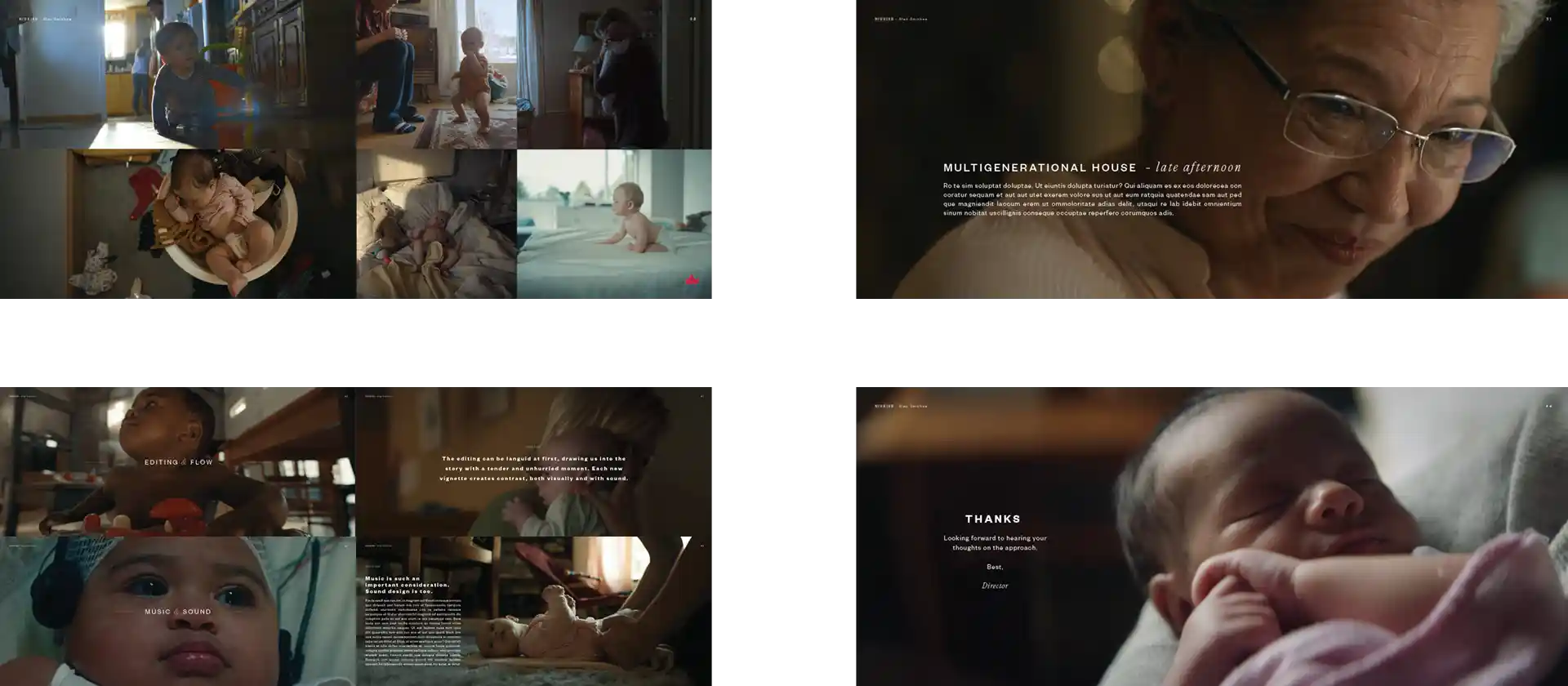
On the other hand, video treatments emphasize visual concepts. They are often used in music videos or commercials to showcase the director’s vision for capturing specific moods or aesthetics. In the film treatment template and script treatment, they are frequently employed to display the director’s vision for capturing particular moods or aesthetics. Video treatments may include details about cinematography techniques, visual effects, or unique camera angles to create a visually captivating experience.
The Importance of Planning and Communication
Regardless of whether it’s a film treatment or a video treatment, meticulous planning is crucial for success. Both types of video, whether it’s a treatment or a template, require clear communication with the production team to align everyone’s vision and ensure smooth execution.
In film treatments, it’s essential to establish a strong narrative foundation that captivates audiences while providing guidance for actors, directors, and crew members during production.
For video treatments, effective communication is vital in conveying the desired aesthetic and tone through visuals alone. This video treatment template allows the production team to understand how to bring these concepts to life on screen.
By meticulously planning and effectively communicating through either type of treatment, filmmakers can set themselves up for success by creating compelling stories or visually stunning videos that resonate with their intended audience.
Benefits and Timing of Creating Film Treatments
Creating a film treatment offers several benefits for filmmakers. The video treatment template allows them to refine their ideas and clarify their creative vision, ensuring that the story they want to tell is effectively communicated. By developing a well-crafted treatment, filmmakers can showcase the marketability of their project, making it more attractive to potential investors and production companies.
One of the key advantages of creating a film treatment is that it sets a solid foundation for the entire filmmaking process. By creating a treatment template and outlining the story, characters, and key plot points early on in the pre-production stage, producers can ensure that everyone involved in the project understands its needs and objectives. This treatment template helps streamline decision-making and keeps the production on track.
Moreover, having a film treatment ready at an early stage can save time in the long run. It allows filmmakers to identify any potential issues or gaps in the story before investing significant resources into production. By addressing these concerns early on, they can make necessary revisions or adjustments without derailing the entire project.
Timing is crucial. Ideally, filmmakers should begin working on treatments as soon as they have a clear concept for their movie. This ensures that they have ample time to develop and refine their ideas before diving into full-scale production.
Exploring Different Video Treatment Templates
Various video treatment templates can provide structure and guidance. These templates are designed to suit different genres and styles of filmmaking, ensuring that your artistic vision is effectively communicated to your audience.
Choosing the right template is crucial in capturing the essence of your concept. It should align with your desired look and feel while showcasing the unique elements of your project. Here are some key points to consider when exploring different video treatment templates:
Structure and Guidance in a Movie treatment template
A movie treatment template serves as a roadmap for organizing your ideas and scenes. They offer a clear format that helps you outline your story, describe key scenes, and define the overall flow of the video. By following a template, you can ensure that all essential aspects of your project are addressed systematically.
Genre-Specific Movie Treatment Template
Different genres require distinct storytelling techniques and visual aesthetics. Whether you’re creating music videos, marketing videos, or TV show treatments, there are genre-specific templates available to cater to each style. These templates take into account the specific requirements and expectations of their respective genres.
Examples for Inspiration
A movie treatment template often comes with examples or case studies that can inspire you during the creative process. These examples demonstrate how other successful projects have utilized the template effectively. They can provide valuable insights into structuring your own treatment and help you visualize how certain elements will translate onto screen.
Accessibility and Ease of Use
Many software platforms offer downloadable video treatment templates in various formats such as PDF or Word documents. These readily available resources make it easy for filmmakers to access professional-grade templates without starting from scratch. Utilizing these pre-designed layouts saves time and ensures consistency in formatting.
Pitch Your Creative Vision: 5 Movie Treatment Templates
Craft a Compelling Pitch
When pitching your creative vision, it’s essential to craft a compelling pitch that grabs the attention of executives. Start by clearly articulating your idea and the overall vision for the video project.
Define the Tone and Feel
To effectively communicate your creative vision, define the tone and feel of the video. Is it light-hearted and comedic or serious and dramatic? Clearly convey how you want viewers to feel when watching the video.
Showcase Your Unique Ideas
Stand out from the crowd by showcasing your unique ideas. Highlight what sets your concept apart from others in terms of storytelling, visuals, or innovative techniques. This will demonstrate your creativity and originality.
Provide Visual References
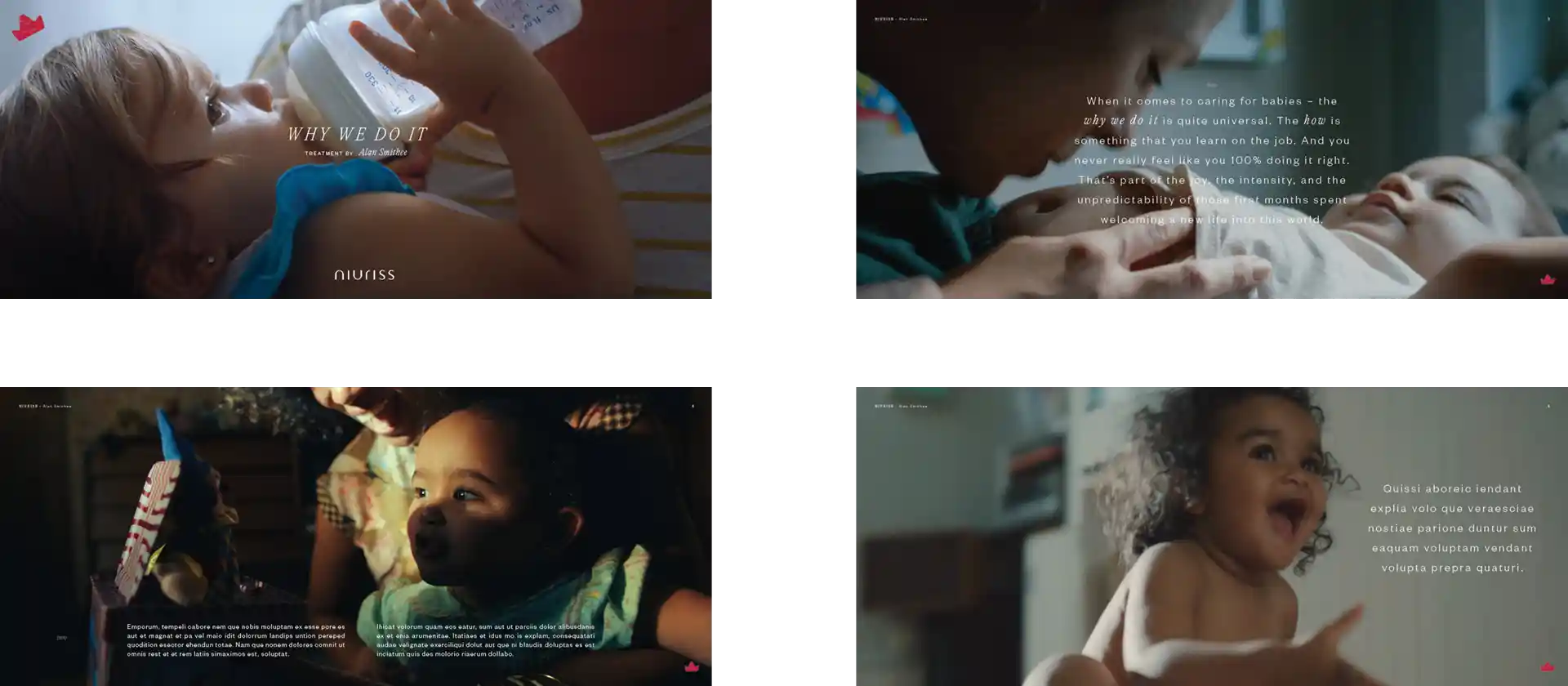
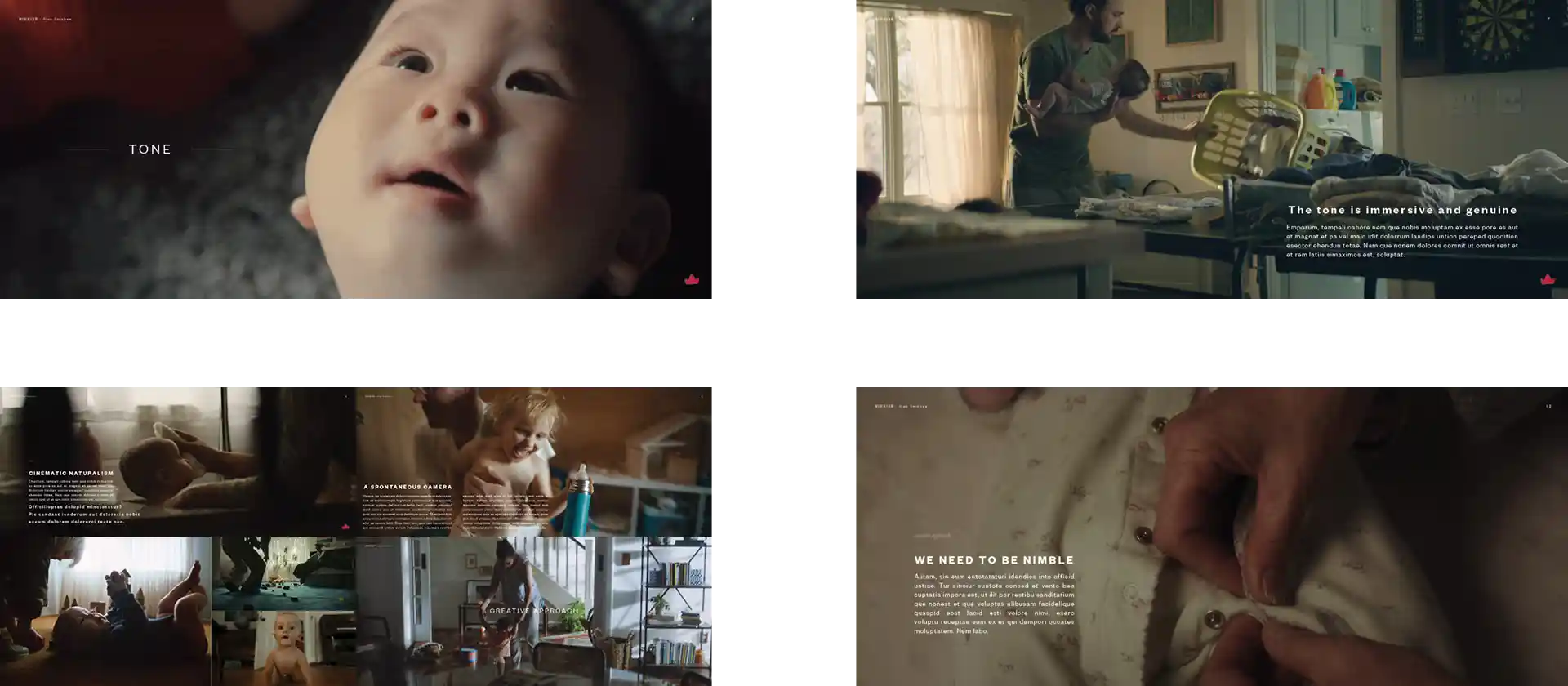
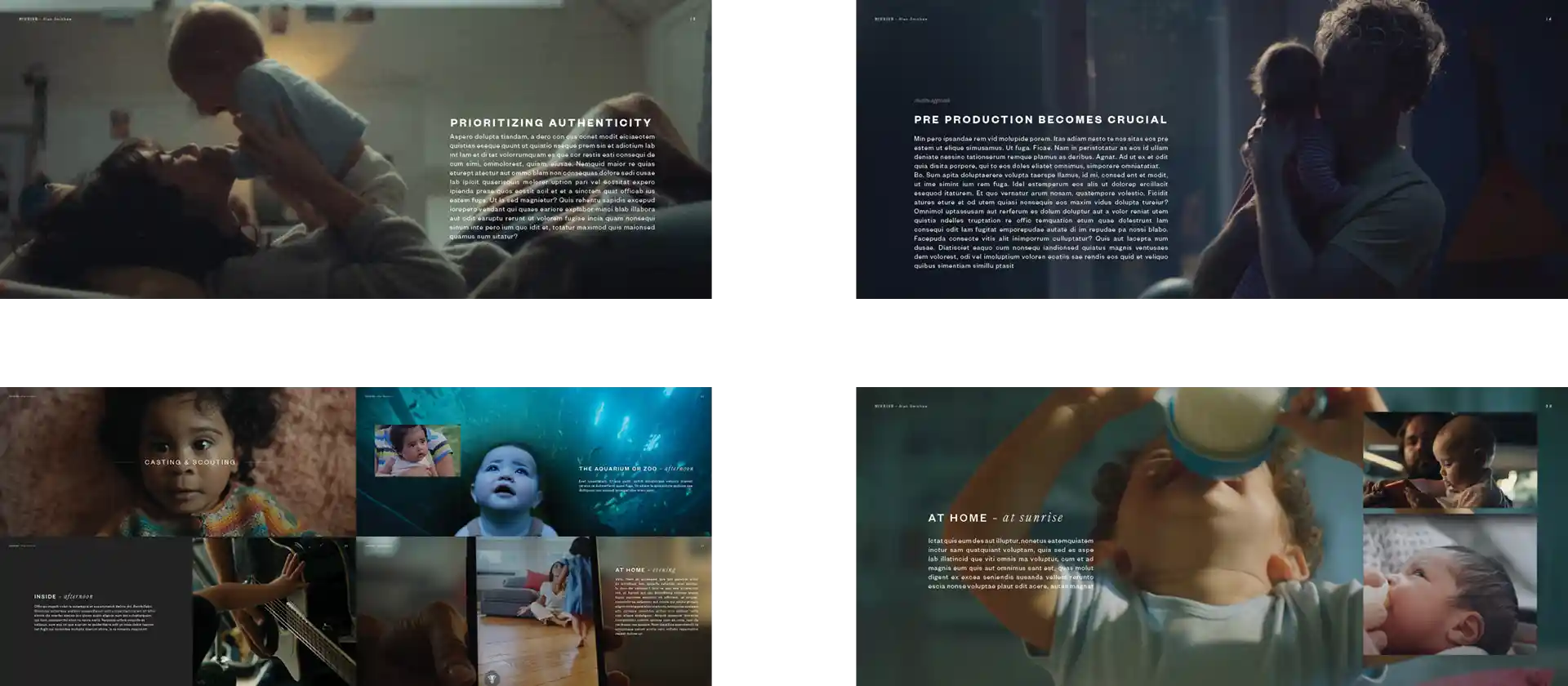
Visual references can be powerful tools to help convey your creative vision. Include images, mood boards, or reference videos that capture the aesthetic, color palette, or visual style you envision for the project. This will give executives a clear understanding of your visual direction. We’ve gathered a few great examples of using visual templates for you below:
- Film Treatment Template
- Example Movie Treatment
- Sample Video Treatment
- Movie Treatment Example PDF
- Screenplay Treatment Template
Outline Key Story Beats
Outline key story beats to provide a glimpse into how the narrative will unfold. Identify important plot points, character arcs, or emotional moments that will engage viewers. This will help executives visualize how your story will captivate audiences.
By following these five video treatment templates – crafting a compelling pitch, defining tone and feel, showcasing unique ideas, providing visual references, and outlining key story beats – you’ll be well-equipped to present your creative vision effectively. Remember to tailor each template to suit the specific needs of your project.
Step-by-Step Guide: How to Write a Movie Treatment Template
Screenwriting Process
Writing a movie treatment template is an essential step in the screenwriting process. It helps you organize your ideas, develop your story, and create a blueprint for your screenplay.
Understanding the Basics
A film treatment is a detailed synopsis of your screenplay that outlines the main plot points, characters, and key moments. It provides an overview of the story from beginning to end, giving potential investors and producers a clear understanding of your vision.
Crafting Your Treatment
To create an effective film treatment, start by crafting a compelling logline that captures the essence of your story in one or two sentences. Then, outline the major plot points and character arcs, ensuring they flow logically and engage the reader.
Tips for Writing
When writing your treatment, keep it concise and focused. Use active language to bring your story to life on paper. Include important details about setting, tone, and themes to give readers a sense of what to expect.
The Structure
Your treatment should have three acts – setup, confrontation, and resolution – just like a screenplay. Each act should be clearly defined with its own set of plot developments and turning points.
Revise and Refine Your Movie Treatment Template
Once you’ve completed your initial draft, take time to review and revise your movie treatment template. Ensure that each scene serves a purpose in advancing the story and developing the characters. Polish your writing by eliminating unnecessary details or subplots that do not contribute to the overall narrative.
Utilize Screenwriting Software
Consider using screenwriting software such as Final Draft or Celtx to format your treatment correctly. These tools can help you stay organized throughout the writing process.
By following these steps and guidelines for writing a film treatment, you’ll be well on your way to creating an engaging blueprint for your screenplay.
Determining the Length and Type of Film Treatment Pitch Deck
Length:
The length of your film treatment can vary depending on various factors such as the complexity of your story, the genre of your film, and the intended purpose of the treatment. It is important to strike a balance between providing enough detail to convey your vision while keeping it concise and engaging.
Type:
There are different types of film treatments that serve different purposes in the filmmaking process. One common type is a “short treatment” which provides a brief overview of the story, characters, and key plot points. This type is often used as a pitch document to generate interest from potential investors or production companies.
Another type is a “long treatment” which goes into more depth, providing additional details about character development, scene descriptions, and dialogue snippets. This type may be used when submitting your project for consideration in competitions or funding applications.
There is the “step outline” which breaks down the story into individual scenes or beats with concise descriptions. This type can be helpful during pre-production for planning purposes.
When deciding on the type of film treatment to create, consider your target audience and their expectations. For example, if you are pitching to industry professionals who are familiar with reading longer treatments, a more detailed approach might be appropriate. On the other hand, if you are pitching to busy executives who prefer shorter documents, a shorter treatment may be more effective.
Remember that regardless of length or type, it’s crucial to make sure your film treatment effectively conveys your unique vision and captures the essence of your story in an engaging way.
Conclusion: The Value of a Movie Treatment Template
Streamlined Pitching Process
Movie treatment templates offer a valuable tool for filmmakers looking to pitch their ideas effectively. These templates provide structure and organization, streamlining the pitching process. By following a movie treatment template, filmmakers can ensure that all necessary elements are included in their pitch deck. This saves time and helps present a cohesive and well-developed story.
Time-Saving and Comprehensive
Utilizing movie treatment templates not only saves time but also ensures that no crucial aspects of the pitch are overlooked. These templates typically include sections for summarizing the story, developing characters, outlining subplots, and describing the visual style or setting. With these guidelines in place, filmmakers can focus on crafting their unique ideas without worrying about missing any key components.
Increased Chances of Success
Presenting a well-structured movie treatment using a template increases the chances of success for filmmakers. By following a standardized format, they can effectively communicate their vision to potential investors, producers, or studios. A clear and concise movie treatment showcases the story’s potential, making it easier for decision-makers to understand and evaluate its marketability.
Movie treatment templates have been used successfully by renowned filmmakers in the past. For example, James Cameron’s movie treatment for “The Terminator” played a crucial role in securing funding for the film. The treatment outlined the story’s three-act structure, introduced compelling characters like Sarah Connor and the Terminator, and established the film’s unique blend of action and science fiction.
In conclusion, movie treatment templates provide invaluable assistance to filmmakers during the pitching process. They streamline the presentation of ideas, save time by ensuring all necessary elements are included, and increase the chances of success by presenting a well-structured narrative. By utilizing these templates effectively, filmmakers can enhance their storytelling abilities and captivate audiences with their cinematic visions.