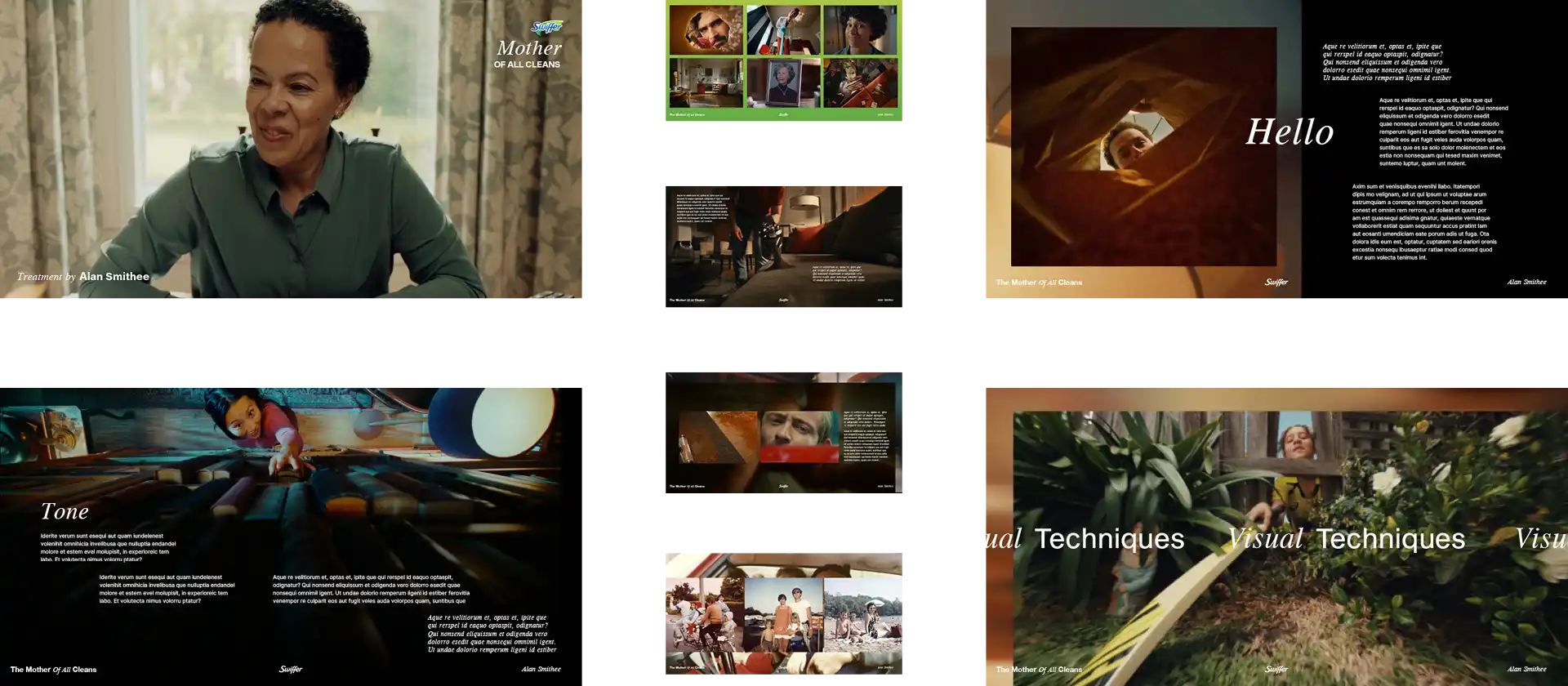
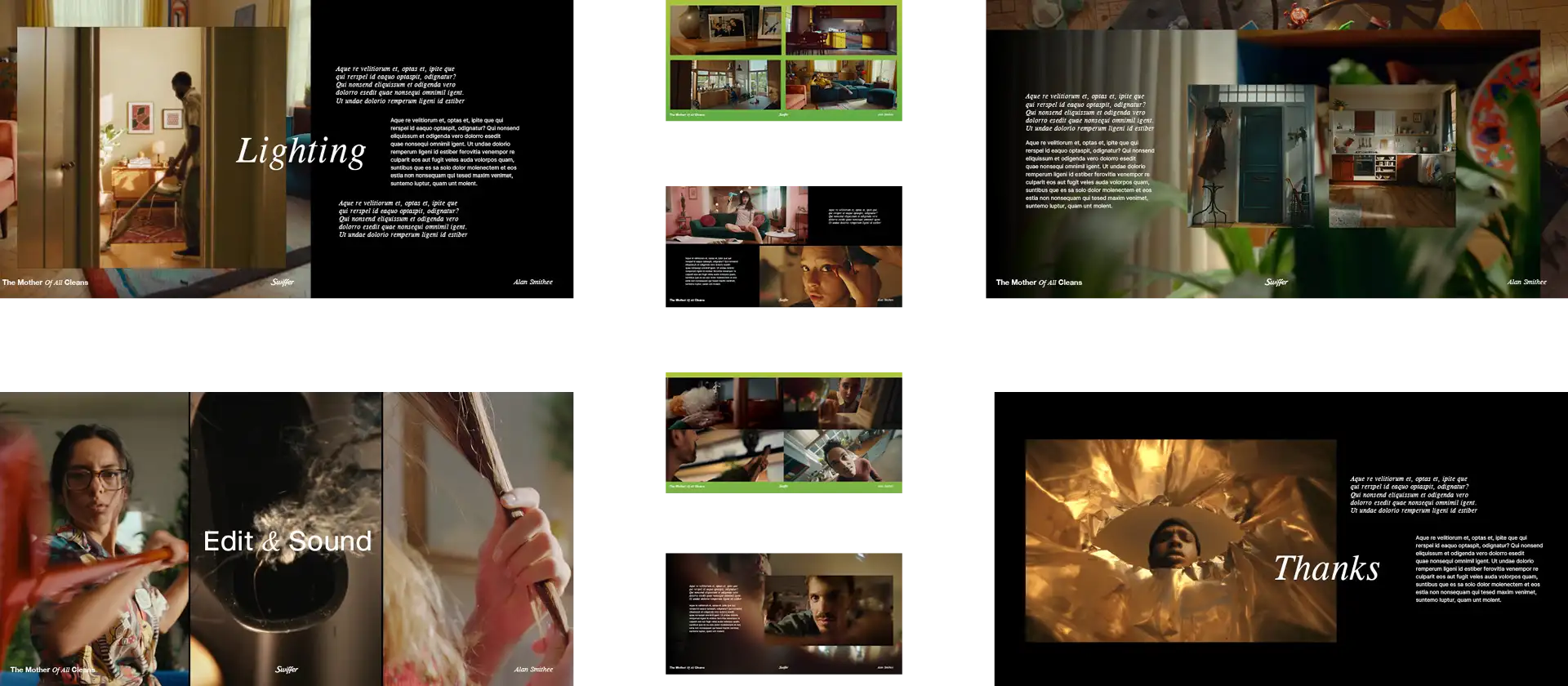
Film treatments play a crucial role in the process of scriptwriting. They serve as a roadmap for writers, helping them organize their ideas and ensure consistency throughout the writing journey. Moreover, treatments for ads act as effective communication tools between writers, directors, and producers.
Here’s why film treatments are essential in scriptwriting:
- Organizing Ideas: Before diving into the actual scriptwriting, it is important to have a clear vision of the story. Film treatments allow writers to outline the key elements of their film script, including characters, plot points, and themes. By organizing these ideas beforehand, writers can streamline their creative process.
- Roadmap for Story: Treatments provide a structured framework for the narrative arc of the story. They outline the major plot points and character development milestones that need to be addressed in the script. This helps writers maintain focus and ensures that all essential elements are included in their final screenplay.
- Consistency: With a treatment in place, writers can ensure consistency throughout their writing process. It serves as a reference point that helps them maintain continuity in terms of character traits, storylines, and overall tone. By referring back to the treatment while writing, they can avoid inconsistencies or deviations from their original vision.
- Effective Communication: Treatments act as valuable communication tools between writers, directors, and producers involved in the filmmaking process. By sharing a well-crafted treatment with others involved in production, everyone gains a clear understanding of the story’s direction. This enables better collaboration and aligns everyone’s creative efforts towards achieving a unified vision.
Difference Between Film Proposal and Film Treatment Format
A film proposal and a film treatment format serve different purposes in the filmmaking elements. While both are essential for securing funding, they focus on distinct aspects of a project.
Marketing vs. Creative Focus
A film proposal primarily emphasizes the marketing aspects of a film project. It outlines crucial details related to budgeting, target audience identification, and distribution plans. This document serves as a comprehensive roadmap for potential investors or production companies to understand the commercial viability of the project.
On the other hand, a film treatment delves into the creative elements of storytelling. It provides an in-depth exploration of characters, plot development, and narrative structure. The treatment format allows filmmakers to showcase their artistic vision and engage readers with captivating storytelling techniques.
Importance in Funding Process
Both the film proposal and treatment play significant roles in securing financial support for a project. However, treatments hold greater emphasis on storytelling elements that captivate potential investors or studios.
- A well-crafted film proposal can attract investors by demonstrating a clear understanding of market trends, financial projections, and distribution strategies.
- Conversely, an engaging treatment format showcases the unique story concept, compelling characters, and immersive plotlines that can entice financiers who prioritize creative excellence.
By presenting a strong combination of both marketing and creative elements through these documents, filmmakers can increase their chances of obtaining funding for their projects.
Understanding the Three Act Structure in Film Treatment Format
The three act structure is a fundamental framework that divides a film treatment into three distinct parts: setup, confrontation, and resolution. Each act plays a crucial role in driving the story forward and engaging the audience.
Act 1: Introducing Characters and Setting up Conflict or Goal
In the first act, the focus lies on character development and establishing the foundation of the story. This is where key characters are introduced, their motivations are revealed, and the central conflict or goal is set in motion. It serves as an opportunity for viewers to become acquainted with the world of the film.
Act 2: Developing Obstacles and Intensifying Conflicts
Act 2 delves deeper into character arcs and intensifies conflicts while building towards a climactic moment. Here, obstacles arise that challenge our protagonists, pushing them closer to their breaking points. This section of the treatment format keeps viewers engaged as they witness characters evolving through trials and tribulations.
Throughout this act, tension rises steadily until reaching its peak before transitioning into Act 3.
Act 3: Resolving Conflicts and Wrapping Up
The final act brings resolution to conflicts established earlier in the treatment format. It provides closure by tying up loose ends and satisfying audience expectations. In this stage, character growth reaches its pinnacle as they overcome challenges faced throughout Acts 1 and 2.
By adhering to this three act structure within film treatment formats, storytellers can effectively engage audiences through well-paced narratives that captivate from start to finish.
Writing an Effective Logline for a Film Treatment
Crafting an engaging logline is crucial. A logline is a one-sentence summary that conveys the genre, protagonist’s goal or conflict, and unique selling point of your story idea.
To write a compelling examples of a logline, consider the following points:
- Convey the essentials: Summarize your plot points concisely to capture the core of your story. Include the protagonist’s goal or conflict, allowing potential readers or investors to understand what drives the narrative.
- Highlight the genre: Clearly indicate the genre of your film treatment in the logline. This helps set expectations and attracts those who are interested in that particular type of story.
- Emphasize uniqueness: Showcase what sets your story apart from others. Is there a twist, an unconventional approach, or a fresh perspective? Highlight these elements to pique curiosity and make your logline stand out.
Crafting a Memorable Logline:
When writing a logline for your film treatment, keep in mind its purpose: grabbing attention from potential investors and executives. A well-crafted logline can captivate their minds and make them eager to learn more about your project.
Remember these key points as you work on creating an effective logline:
- Good title: Incorporate a good title into your logline whenever possible. It adds intrigue and helps create interest right from the start.
- Appeal to anyone: Aim for broad appeal with your logline without losing sight of your target audience. Make it intriguing enough to attract anyone while still resonating with those interested in similar stories.
Crafting an effective logline requires skillful writing that showcases both creativity and clarity. By following these guidelines and incorporating keywords like “logline,” “writing,” “story,” “potential investors,” and “executives,” you can create a powerful one-sentence summary that entices readers and captures the essence of your film treatment.
Step-by-Step Guide for Writing a Film Treatment
Start with an attention-grabbing title that reflects your story’s tone or theme.
Crafting a captivating title is crucial when writing a film treatment. It serves as the first impression and sets the tone for your entire story. Aim for a title that piques curiosity and accurately represents the essence of your script.
Introduce main characters with brief descriptions highlighting their goals or conflicts.
When introducing main characters in your treatment, provide concise descriptions that highlight their motivations, goals, and conflicts. This allows readers to quickly grasp the essence of each character and understand their role within the story.
Outline the major plot points while maintaining clarity and coherence.
In your screenplay treatment, outline the major plot points in a clear and coherent manner. This step provides a roadmap for both yourself and potential readers, ensuring that the story flows logically from beginning to end. Use bullet lists or numbered steps to outline key events or sequences.
Use active language to engage readers while describing key scenes or sequences.
Engage readers by using active language when describing important scenes or sequences within your treatment. By employing vivid verbs and descriptive adjectives, you can create a sense of action and excitement on the page. Remember to be concise yet evocative in conveying these moments.
By following these steps, screenwriters can effectively structure their treatments:
- Craft an attention-grabbing title.
- Introduce main characters with clear descriptions.
- Outline major plot points in chronological order.
- Use active language to describe key scenes or sequences.
This approach helps capture the attention of studio executives, directors, and producers who are looking for compelling stories to bring to life on screen. A well-written treatment provides a comprehensive overview of the whole story while leaving room for imagination.
Whether you’re seeking help from screenwriting software or embarking on writing a full screenplay from scratch, mastering this process will enhance your chances of selling your script and bringing your project to fruition.
Examples of Film Treatments to Inspire Your Writing
By examining these film treatments, writers can gain insights into constructing important scenes that captivate readers or viewers alike. Each example presents unique scenarios that evoke specific emotions in their audiences – whether it’s the awe-inspiring concept of an illusory reality, the poignant exploration of memories and relationships, or the gripping suspense of a relentless underwater threat.
Drawing inspiration from successful film treatments can help writers develop their own compelling stories. By understanding how these examples engage audiences and evoke specific emotions, you can create narratives that resonate deeply with readers or viewers. Film treatments are essential in the world of filmmaking. They serve as blueprints for writers, providing inspiration and guidance when crafting compelling stories.
Here are some notable examples of film treatments that can ignite your creativity:
Conclusion: The Significance of Treatment Format
The treatment format plays a crucial role in the world of script writing. It serves as the blueprint for a film, outlining its structure, characters, and plot in a concise yet engaging manner. By providing a comprehensive overview of the story, it allows filmmakers to effectively communicate their vision to potential investors, producers, and collaborators.
Understanding the importance of treatment format is essential for aspiring screenwriters. It not only helps them refine their storytelling skills but also enables them to pitch their ideas with confidence and clarity. By following the guidelines outlined in this blog post, writers can craft compelling treatments that captivate readers and leave a lasting impression.
So, whether you’re an experienced filmmaker or just starting your journey in script writing, mastering the art of treatment format is a valuable skill that can greatly enhance your chances of success. Take the time to study different examples, learn from established professionals, and practice crafting your own treatments. With dedication and perseverance, you’ll be well on your way to bringing your cinematic visions to life.