Definition and Importance
A film treatment is a document that outlines the story, characters, and key elements of a screenplay. It is an important tool for the writer to develop their script. An example of a film treatment serves as a blueprint for writers and filmmakers to pitch their screenplay and movie treatment ideas to potential investors, producers, and talent. Film treatments, also known as screenplays or scripts, are crucial in securing funding and attracting talented writers and individuals to bring the project to life. Film script treatment examples provide a concise summary of the story’s core elements while highlighting its unique selling points.
Key Elements of an Example of a Film Treatment
To create a compelling film treatment, certain essential elements need to be included. These components help captivate readers and convey the essence of the story effectively. The key elements may vary depending on the specific project, but typically include:
- Logline: A brief one or two-sentence summary that grabs attention and summarizes the central concept.
- Synopsis: A concise overview of the entire story, including major plot points and character arcs.
- Characters: Detailed descriptions of the main characters, their motivations, and relationships.
- Setting: An exploration of the world in which the story takes place, including time period and location.
- Themes: Identification of underlying themes or messages conveyed throughout the narrative.
- Plot Outline: A breakdown of major events in sequential order, highlighting key turning points.
These core elements work together to bring a film treatment to life by providing an engaging snapshot of what audiences can expect from the finished product.
Length and Layout Best Practices
Determining the ideal length for an example of a film treatment is essential for readability and capturing attention. While there is no set rule regarding length, it is generally recommended to keep treatments between 5-15 pages long. This ensures that they are comprehensive enough to convey all necessary information without becoming overly detailed or cumbersome.
There are several best practices to consider:
- Clear Sections: Divide your treatment into clear sections with headings for easy navigation.
- Concise Language: Use clear and concise language to convey your ideas effectively.
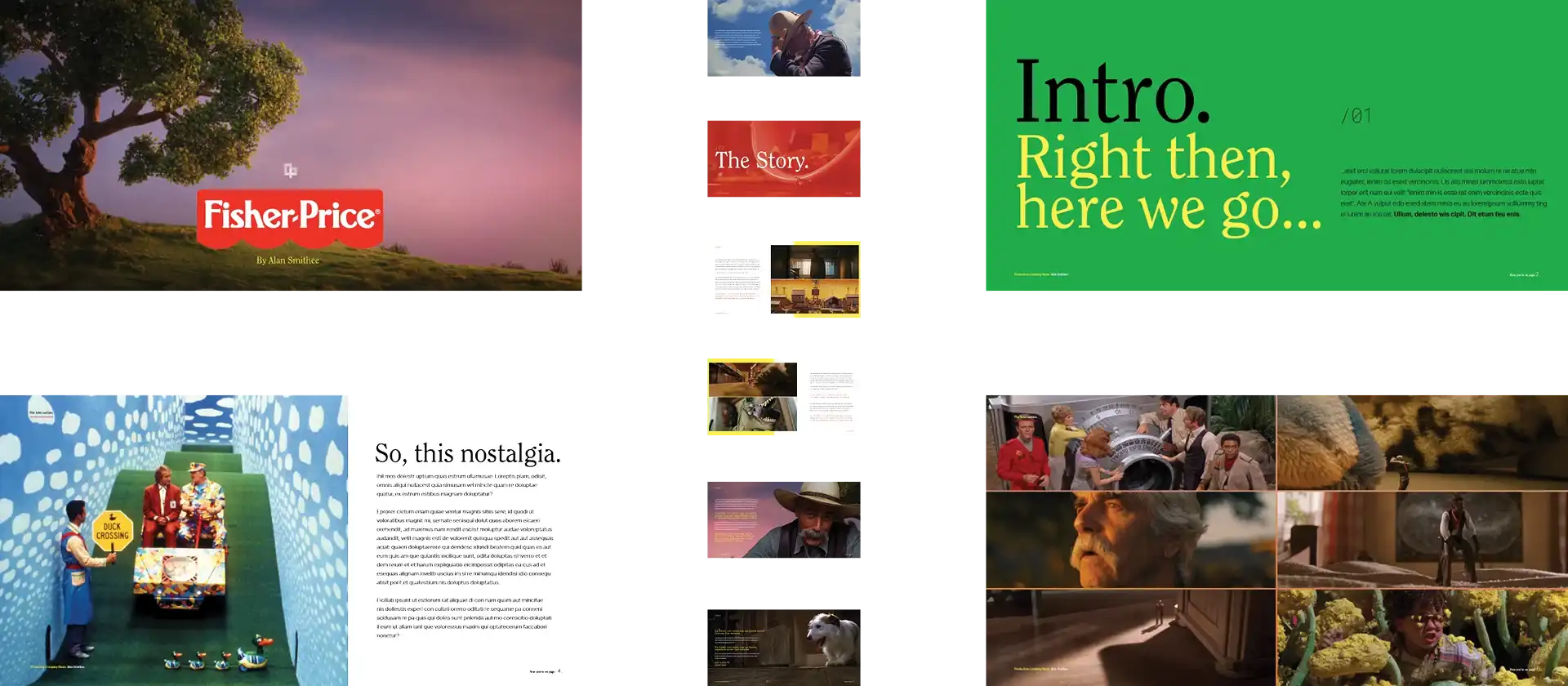
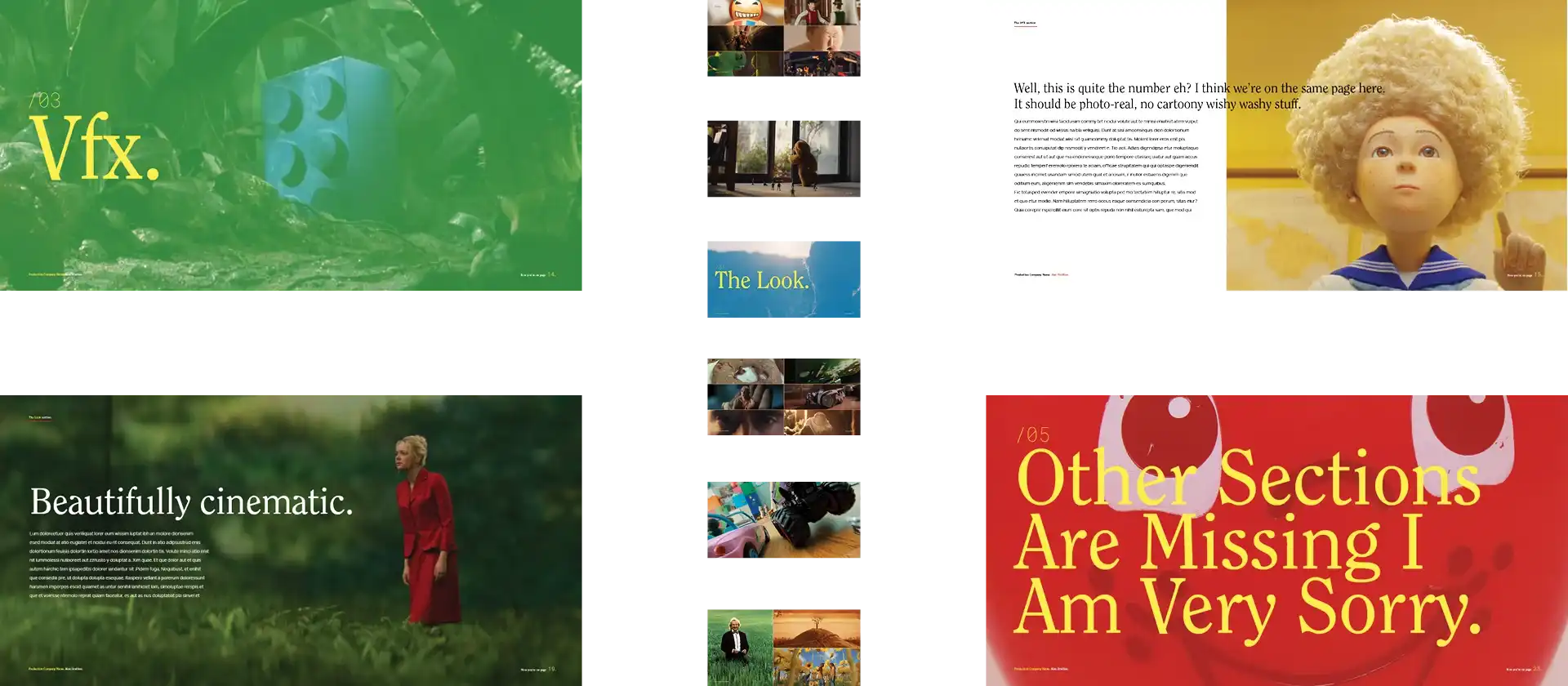
- Visual Appeal: Create an engaging layout by incorporating visuals, such as concept art or mood boards, to help visualize the story.
- Formatting: Use industry-standard formatting guidelines, including font size, margins, and spacing.
By following these best practices, you can create a film treatment that is visually appealing, easy to read, and effectively communicates your vision for the project.
The Example of a Film Treatment Creation Process
Crafting an effective film treatment involves a step-by-step approach that breaks down the process into manageable stages. By following these practical tips, you can navigate each stage and develop a comprehensive film treatment from start to finish.
Step-by-Step Guide to Create Your Example of a Film Treatment
To begin, start by brainstorming ideas for your film and refining them into a cohesive concept. Consider the genre, characters, plot, and themes you want to explore. Once you have a clear vision in mind, outline the key elements of your story.
Next, focus on developing your characters. Give them depth and complexity by exploring their backgrounds, motivations, and conflicts. This will help bring your story to life and engage potential investors or collaborators.
With your concept and characters in place, it’s time to structure your film treatment. Create an outline or synopsis that highlights the major plot points and key moments of your story. This will serve as the foundation for the rest of your treatment.
Now comes the crucial task of writing the actual example of a film treatment itself. Start with a captivating introduction that grabs the reader’s attention and provides an overview of your project. Then, proceed to describe each section of your treatment in detail: logline, synopsis, character descriptions, plot summary, thematic elements, and any other relevant information.
As you write each section, remember to keep it concise yet informative. Use clear language that conveys your vision effectively while maintaining interest throughout.
Essential Components to Include in Your Example of a Film Treatment
When crafting a film treatment that stands out to producers or potential investors, certain essential components should be included:
- Logline: A one-sentence summary that captures the essence of your film.
- Synopsis: A brief summary outlining the main events and conflicts in your story.
- Character Descriptions: Detailed profiles of each main character including their goals, flaws, and relationships.
- Plot Summary: A breakdown of the major plot points from beginning to end.
- Themes: Exploring the underlying messages or ideas that your film aims to convey.
By including these key elements, you can create a well-rounded film treatment that effectively communicates your vision and captures the interest of industry professionals.
Formatting Guidelines and Tips
Formatting plays a crucial role in making your film treatment look professional and visually appealing. Here are some guidelines to follow:
- Use standard screenplay format: This includes using Courier font, double-spacing, and proper margins.
- Organize your content: Use headings, subheadings, and bullet points to structure your treatment clearly.
- Be consistent: Maintain consistency in formatting throughout the document for a polished look.
- Strike a balance between creativity and clarity: While it’s important to showcase your unique style, ensure that the formatting choices enhance readability rather than hinder it.
Remember, a well-formatted example of a film treatment not only showcases your creativity but also demonstrates professionalism and attention to detail.
Example of a Film Treatment and Inspiration
Written Samples from Popular Movies
Examining written samples from successful movies’ treatments can provide valuable insights into the art of storytelling. By analyzing excerpts from renowned films’ treatments, we can understand the techniques used to captivate audiences and create compelling narratives.
For example, let’s take a look at an excerpt from the treatment of the critically acclaimed film “The Shawshank Redemption”:
“Red (40s), a lifer with sad eyes and a gentle smile, sits on his bunk, flipping through a dog-eared magazine. He looks up as Andy (30s), an enigmatic new inmate, approaches.”
This brief but powerful description immediately sets the mood and introduces us to two key characters. The use of concise yet evocative language allows readers to visualize the scene and feel the atmosphere within the prison walls.
Such written samples not only inspire aspiring screenwriters but also serve as effective guides for crafting their own film treatments. By studying these examples, you can learn how to effectively convey ideas, create memorable moments, and establish the desired mood in your own writing.
Case Studies and Analysis
Real-life case studies of film treatments that have led to successful projects offer invaluable lessons for aspiring filmmakers. By examining these case studies, we can gain insights into how specific film treatments have influenced the success of movies.
One notable example is “Jaws,” directed by Steven Spielberg. The treatment for this iconic thriller played a crucial role in its success. It showcased suspenseful scenes that built tension gradually while introducing memorable characters like Chief Brody and Quint. Analyzing this case study enables us to understand how strategic storytelling choices can engage audiences and leave a lasting impact.
Learning from past examples is essential for improving your own film treatment strategies. By studying successful case studies, you can identify common elements that resonate with viewers and adapt them to your unique story ideas.
Tools and Templates
Film Treatment Template for Microsoft Word
If you’re looking for a convenient and user-friendly tool to create your example of a film treatment, look no further than the Film Treatment Template for Microsoft Word. This ready-to-use template is designed specifically for Microsoft Word users, making it accessible to a wide range of filmmakers. By providing a downloadable template, it simplifies the process of creating your film treatment and saves you valuable time.
The Film Treatment Template offers customizable sections and formatting options to suit your specific needs. It includes dedicated sections for the title, logline, synopsis, character descriptions, plot points, and more. With this template, you can easily organize your ideas in a structured manner while ensuring that all essential elements are included.
By utilizing the Film Treatment Template for Microsoft Word, you can focus on crafting your story rather than spending excessive time formatting or designing your document. The template’s intuitive interface allows you to seamlessly input your information into each section without any hassle.
Engaging Pitch Deck Creation
While a well-written film treatment is crucial in capturing the essence of your story, an engaging pitch deck can complement it by visually captivating potential investors or collaborators. A pitch deck is a concise presentation that highlights the key aspects of your film project in an engaging and persuasive manner.
To create an effective pitch deck that complements your film treatment:
- Visualize Your Story: Incorporate visuals such as concept art, mood boards, or still images from similar films to help convey the atmosphere and visual style of your project.
- Craft Compelling Text: Use concise and impactful language to describe the unique aspects of your story, including its genre, themes, and target audience.
- Highlight Key Elements: Showcase important details such as notable cast members or crew attached to the project, production budget estimates if available, or any awards or recognition received during development.
- Create a Cohesive Design: Ensure that your pitch deck has a consistent and visually appealing design. Use complementary colors, clear fonts, and well-organized layouts to enhance readability and professionalism.
- Engage with Multimedia: Incorporate multimedia elements like video clips or audio samples to provide a glimpse into the world of your film project.
Remember, a pitch deck is meant to be a concise summary of your film treatment, so keep it focused and engaging. It should pique the interest of potential investors or collaborators while leaving them eager to learn more about your project.
Incorporating these strategies into your pitch deck creation process can significantly enhance its impact and increase the chances of attracting support for your film project.
The Role of Treatments in Scriptwriting
Reasons to Write an Example of a Film Treatment
Writing a film treatment serves several important purposes for filmmakers. Firstly, it helps them clarify their ideas and refine their storytelling approach. By outlining the main plot points, character arcs, and themes, a film treatment provides a roadmap for the scriptwriting process. It allows filmmakers to solidify their vision and ensure that all elements of the story align cohesively.
Furthermore, a well-crafted example of a film treatment can be an invaluable tool throughout various stages of the filmmaking process. During the development phase, it helps pitch the concept to potential investors or production companies. A compelling treatment can captivate decision-makers and convince them of the project’s potential success. Having a thorough treatment makes it easier to collaborate with other creatives involved in the project, such as directors or producers.
Benefits and Uses in the Industry
Film treatments play a crucial role in the entertainment industry by serving as valuable tools for pitching, development, and production processes. When pitching an idea for a film or television show, having a detailed treatment can make all the difference. It allows creators to present their concept concisely while highlighting its unique selling points. This is especially important when trying to secure funding or partnerships.
In terms of development, film treatments provide a blueprint for screenwriters to work from when crafting their scripts. They help maintain consistency and coherence throughout the writing process by ensuring that key story elements remain intact. Treatments also serve as reference documents during pre-production meetings where creative decisions are made regarding casting choices, location scouting, and visual design.
Moreover, industry professionals heavily rely on film treatments to make informed decisions about which projects to pursue further. Executives at production companies often review numerous treatments before selecting scripts for development or greenlighting productions. Having a well-written treatment can significantly increase the chances of getting noticed and moving forward in this competitive landscape.
Types of Screenwriting Documents
Outlines, Treatments, and Scriptments Explained
There are different types of documents that screenwriters use to bring their stories to life. These include outlines, treatments, and scriptments. Each document serves a unique purpose and has its own characteristics.
An outline is a concise summary of the story’s structure. It provides a broad overview of the plot, highlighting key events and character arcs. Outlines are often used as a blueprint for writing the screenplay itself. They help writers organize their thoughts and ensure a cohesive narrative flow.
On the other hand, treatments delve deeper into the story’s details. They expand on the outline by adding more context, character development, and visual descriptions. Treatments can vary in length but typically range from a few pages to several dozen pages. They provide a comprehensive overview of the story while still allowing room for creativity during the writing process.
Scriptments combine elements of both outlines and treatments. They contain more dialogue than traditional treatments but still maintain some level of narrative description like an outline would have. Scriptments give writers more freedom to explore dialogue and specific scenes while still providing an overall framework for the story.
The choice between using an outline, example of a film treatment, or scriptment depends on various factors such as project requirements and personal preference. For simpler projects or when time is limited, an outline may be sufficient to guide the writing process. Treatments are often used when pitching ideas or seeking funding for a film project as they provide a detailed vision of what the final product will look like.
Different Types of Treatments and Pitch Decks
Within the realm of film treatments, there are different variations based on genres and formats. Action films may have treatment documents that focus heavily on choreographed fight scenes or thrilling chase sequences. Romantic comedies may prioritize witty dialogue exchanges between characters in their treatments.
Pitch decks also play an important role in the film industry. They are visual presentations that accompany a treatment and provide additional information about the project. Pitch decks can vary based on the target audience, project scope, and creative vision. For example, a pitch deck for an animated children’s film may have colorful illustrations and playful fonts to appeal to young viewers, while a pitch deck for a gritty crime thriller may utilize darker visuals and bold typography.
Tailoring treatments and pitch decks to match the specific needs of a project can maximize their impact. By understanding the target audience and aligning the creative elements with their preferences, filmmakers can increase their chances of attracting investors or securing production deals.
Improving Your Treatment
The Role of Feedback on an Example of a Film Treatment
Feedback plays a crucial role in refining your film treatment. It is essential to understand the importance of seeking input from others to strengthen your storytelling approach. Constructive criticism and fresh perspectives can help you identify areas for improvement and enhance the overall impact of your treatment.
It’s important to keep an open mind and be receptive to different viewpoints. Seeking feedback from trusted individuals, such as fellow writers or industry professionals, can provide valuable insights into how your story resonates with others. Their input can help you identify any weaknesses in your treatment and guide you towards making necessary revisions.
One effective strategy for seeking feedback is to join writing groups or workshops where you can share your work with peers who offer constructive criticism. Engaging in discussions about each other’s treatments can lead to new ideas and approaches that you may not have considered before.
Incorporating feedback effectively involves carefully evaluating the suggestions provided and determining which ones align with your vision for the film. Not all feedback will be applicable or beneficial, so it’s important to consider each suggestion thoughtfully. Remember that ultimately, it is your creative vision that should guide the final decisions regarding your treatment.
Mistakes to Avoid
When crafting a film treatment, there are common pitfalls that you should avoid. These mistakes have the potential to weaken the impact of your treatment and hinder its chances of standing out among others.
One mistake is providing too much unnecessary detail in your treatment. While it’s important to paint a vivid picture of your story, including excessive descriptions or lengthy scenes can bog down the reader and detract from the core narrative. Keep your treatment concise while still conveying the essence of your story.
Another pitfall is failing to establish clear character motivations and arcs. Characters drive a story, so it’s crucial for their goals, desires, conflicts, and growth throughout the film to be well-defined in the treatment. Without strong character development, your treatment may lack depth and fail to engage the reader.
Avoid relying too heavily on clichés or predictable plotlines. Audiences crave fresh and original stories, so strive to bring a unique perspective to your treatment. Take risks and explore unconventional narrative choices that will captivate readers and make your treatment stand out.
Additional Resources
Where to Find Examples
If you’re looking for examples of well-crafted film treatments, there are several reliable sources you can explore. Online platforms such as screenwriting websites, forums, and communities often provide access to quality film treatment samples. These platforms allow aspiring writers to share their work and receive feedback from others in the industry. Books on screenwriting and filmmaking often include examples of film treatments that have been successful in capturing the attention of readers and producers alike.
Here’s a few of ours:
Study Material and Further Reading
To master the art of writing example of a film treatment, it’s essential to delve into study materials and additional resources that offer valuable insights. Books written by experienced screenwriters or industry professionals can provide a comprehensive understanding of the elements that make a film treatment effective. Look for titles like “The Screenwriter’s Bible” by David Trottier or “Save The Cat! Writes a Novel” by Jessica Brody, which offer practical advice on crafting compelling narratives.
In addition to books, articles published on reputable websites dedicated to screenwriting can provide valuable guidance. Websites like ScriptMag.com or ScreenCraft.org often feature articles written by industry experts who share their knowledge and expertise on various aspects of writing film treatments.
If you prefer a more structured approach to learning, consider enrolling in online courses that focus specifically on film treatment writing. Platforms like Udemy or MasterClass offer courses taught by renowned filmmakers and screenwriters who provide step-by-step guidance through video lessons and assignments.
Lastly, don’t underestimate the power of reading scripts and watching films. By studying successful films within your chosen genre, you can gain insights into how stories are structured, characters are developed, and themes are explored. Pay attention not only to the final product but also to how these ideas were initially presented in their respective film treatments.
Example of a Film Treatment Conclusion
In conclusion, understanding an example of a film treatment is essential for any aspiring screenwriter. Treatments serve as the blueprint for a movie, outlining the story, characters, and key plot points. By following a structured creation process and utilizing tools and templates, you can effectively develop your treatment and bring your vision to life on the screen. Knowing the various types of screenwriting documents and how they complement each other will enhance your storytelling abilities.
Improving your treatment writing skills takes practice and dedication. By studying examples and seeking inspiration from successful films, you can refine your storytelling techniques and create compelling narratives. Remember to use the resources available to you, such as scriptwriting software or professional feedback, to further enhance your treatment. With a well-crafted treatment in hand, you’ll be one step closer to turning your ideas into captivating movies.
Now it’s time to put your newfound knowledge into action. Start by brainstorming ideas for your next project and begin developing a treatment that showcases your unique voice and storytelling abilities. Remember, every great film starts with a strong foundation, so invest time in crafting a compelling treatment that will captivate audiences and inspire industry professionals. Happy writing!