Defining Film Treatments in Screenwriting
Film treatments are concise summaries that outline the key elements of a screenplay script. They provide an overview of the story, characters, major plot points, and are commonly used in the film industry as a movie treatment or film script treatment. You can find film treatment examples and a film treatment template to help you create your own. Unlike a full script, treatments are typically shorter and focus on capturing the essence of the story rather than providing detailed dialogue or scene descriptions. Film treatments serve as a crucial tool in the pre-production phase, helping writers and producers communicate their vision for a film script.
The Purpose of Film Treatments
The primary objective of a film treatment is to convey the core concept and narrative of a story in a compelling way, ultimately serving as a blueprint for the script. By distilling the essence of a screenplay into its most essential elements, treatments help potential investors, producers, and collaborators quickly understand and evaluate whether a project has commercial viability. A well-crafted treatment can captivate readers by highlighting unique aspects of the story, such as intriguing characters or unexpected plot twists.
Essential Components of a Film Treatment
To create an effective film treatment, several key components should be included to provide a comprehensive overview:
- Plot Summary: A concise summary that outlines the main events and narrative arc of the story, commonly used as a movie treatment or script treatment. This section should highlight key turning points and pivotal moments.
- Character Descriptions: Introduce each major character by providing relevant details about their background, motivations, and relationships with other characters. This helps readers gain insight into their roles within the story.
- Visual Elements: Incorporate visual descriptions to give readers an idea of how certain scenes or settings will look on screen. These details can enhance understanding and create vivid mental images for readers.
- Emotional Impact: Articulate how specific moments in the story evoke emotions in viewers. By conveying emotional depth through words alone, writers can demonstrate their ability to engage audiences on an intellectual and emotional level.
By including these essential components in a film treatment, writers can effectively communicate their vision for a screenplay. It is important to strike a balance between providing enough detail to engage readers while still leaving room for their imagination.
Crafting Your Short Film Treatment Sample
Key Elements for Effectiveness
A successful film treatment captivates readers by incorporating essential elements. These elements include creating compelling conflicts and high stakes to keep the audience engaged throughout the story. By introducing well-developed characters facing challenging situations, you can generate an emotional connection with the reader. Balancing exposition and action is crucial in a film treatment, as it helps maintain a dynamic pace while providing enough information for readers to understand the story.
The Ideal Length for Impact
Determining the optimal length of a short film treatment sample is vital to effectively convey your story. While there are no strict rules regarding length, it is generally recommended to keep treatments concise and focused. Shorter treatments tend to be more impactful, capturing the essence of the story without unnecessary details. Aim for a treatment that can be read quickly yet leaves a lasting impression on the reader. It’s important to consider industry standards when determining the appropriate duration for your treatment, ensuring it aligns with common expectations.
Using Templates for Structure
Utilizing templates can greatly assist in structuring your film treatment efficiently. Templates provide a framework that ensures all necessary elements are included while maintaining a clear narrative flow. They offer guidance on formatting and organizing your ideas, allowing you to focus on storytelling rather than technicalities. Numerous resources are available online where you can find screenplay templates tailored to different genres and formats. You can customize these templates according to your specific storytelling needs, ensuring they align with your vision.
By using templates, you save time and effort in creating a well-structured film treatment that adheres to industry standards while still showcasing your unique storytelling style.
Remember, crafting an effective film treatment requires attention to key elements such as conflict and stakes, finding the ideal length for impact, and utilizing templates for structure. Each of these factors contributes significantly to capturing readers’ attention and conveying your story effectively.
Writing Process and Structure
Step-by-Step Guide to Writing Your Short Film Treatment Sample
Writing a short film treatment sample may seem daunting, but breaking down the process into manageable steps can help you navigate through it with ease. Here’s a step-by-step guide to get you started:
- Start with an idea: Begin by brainstorming ideas for your short film. Think about the theme, characters, and plot that you want to explore.
- Develop your concept: Once you have an idea, develop it further by creating a logline. A logline is a one or two-sentence summary that captures the essence of your story.
- Create a synopsis: Expand on your logline by writing a brief synopsis of your film. This should include the main plot points and key moments in the story.
- Define your characters: Take some time to develop your characters by giving them names, backgrounds, and motivations. Include character breakdowns in your treatment to provide insights into their personalities and roles in the story.
- Outline the structure: Determine how you want to structure your short film treatment sample. Consider dividing it into sections such as logline, synopsis, character breakdowns, and any additional information you want to include.
- Write the treatment: Now it’s time to put pen to paper (or fingers to keyboard) and write the actual treatment! Use clear and concise language while describing each section of your treatment.
- Revise and refine: After completing your first draft, take some time away from it before revisiting it with fresh eyes. Look for areas where you can improve clarity or tighten up the language.
- Seek feedback: Share your short film treatment sample with trusted friends or fellow writers for feedback. Consider their suggestions and make revisions accordingly.
Structure and Layout Considerations
When structuring a film treatment, there are several important considerations to keep in mind:
- Logline placement: Start your treatment with a compelling logline that grabs the reader’s attention and sets the tone for your story.
- Synopsis organization: Structure your synopsis in a logical and coherent way, ensuring that each plot point flows smoothly into the next.
- Character breakdowns: Dedicate a section to provide detailed information about each character, including their names, ages, backgrounds, and motivations.
- Formatting guidelines: Use clear headings and subheadings to separate different sections of your treatment. Consider using bold or italicized text to emphasize key points.
Content Strategies for Treatments
It’s essential to employ effective content strategies that engage readers and convey the essence of your story.
Balancing Information Inclusion
Finding the right balance between providing necessary information and avoiding overload is crucial in a film treatment. By prioritizing essential plot points and character details, you can ensure that your treatment captures the essence of your story while maintaining brevity. It’s important to focus on clarity, conveying the main narrative arc succinctly without overwhelming the reader with unnecessary details.
One way to achieve this balance is by highlighting the most significant turning points in your story. These pivotal moments drive the plot forward and help create emotional impact. Including key character traits and motivations can provide insight into their journey without delving into excessive detail.
What to Exclude in Film Treatments
In order to keep your film treatment concise and focused, it’s important to identify elements that should be excluded. Excessive dialogue, for example, is generally avoided in treatments as they tend to be more visual in nature. Instead of relying on dialogue-heavy scenes, focus on visual storytelling techniques that effectively convey emotions and actions.
Furthermore, specific camera angles are typically not included in film treatments. While they may be relevant during production planning, treatments primarily serve as a written overview of the story rather than a detailed blueprint for filming. By omitting camera angles from your treatment, you allow directors and cinematographers creative freedom while still providing them with a clear understanding of the story.
Avoiding Dialogues in Narratives
Dialogue is often minimized or eliminated altogether when writing film treatments. This approach emphasizes visual storytelling as a means of conveying character interactions and advancing the plot. Instead of relying on dialogue exchanges between characters to reveal their thoughts or feelings explicitly, treatments use action descriptions to illustrate their behavior.
By focusing on visual cues, such as gestures, expressions, and body language, you can effectively communicate the dynamics between characters. This allows readers to visualize the story in their minds and engage with the narrative on a deeper level.
Enhancing Your Treatment with Pitch Decks
The Role of Pitch Decks
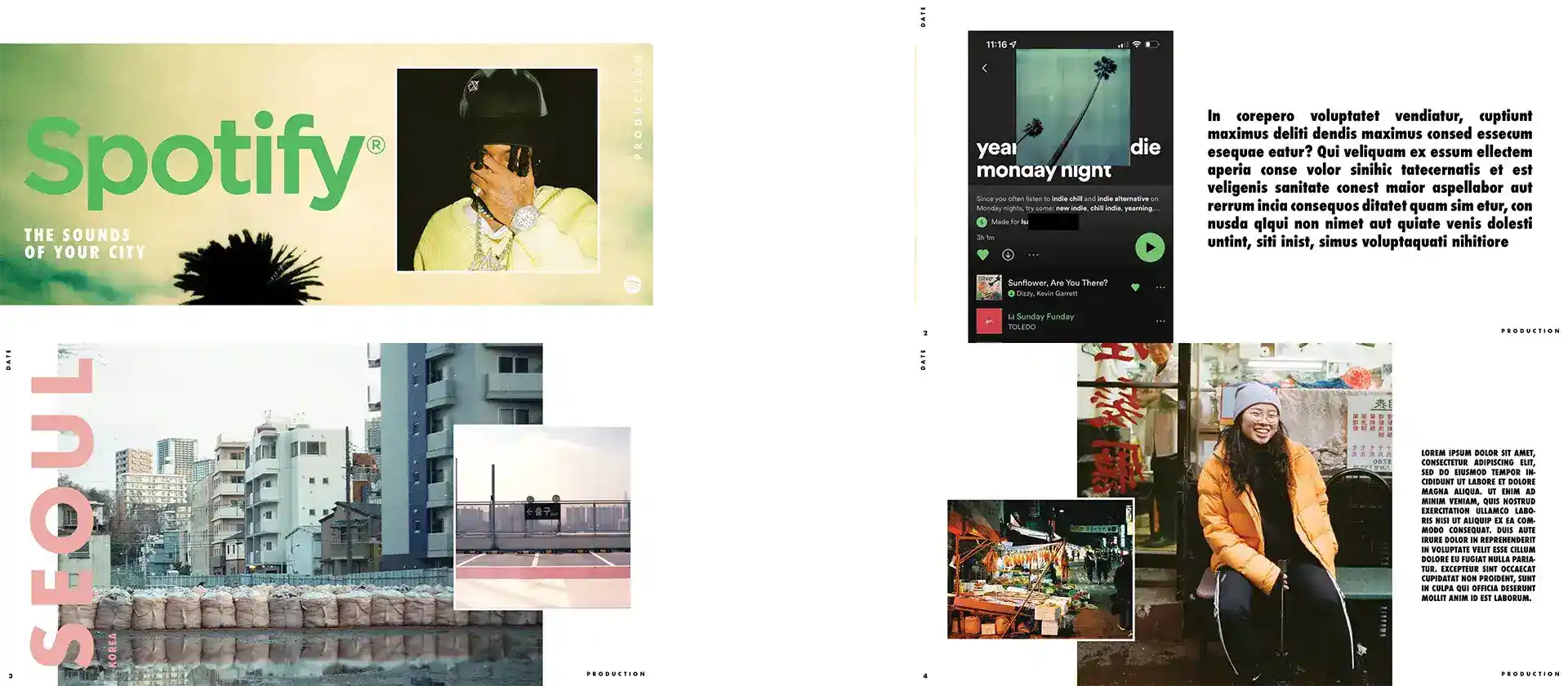
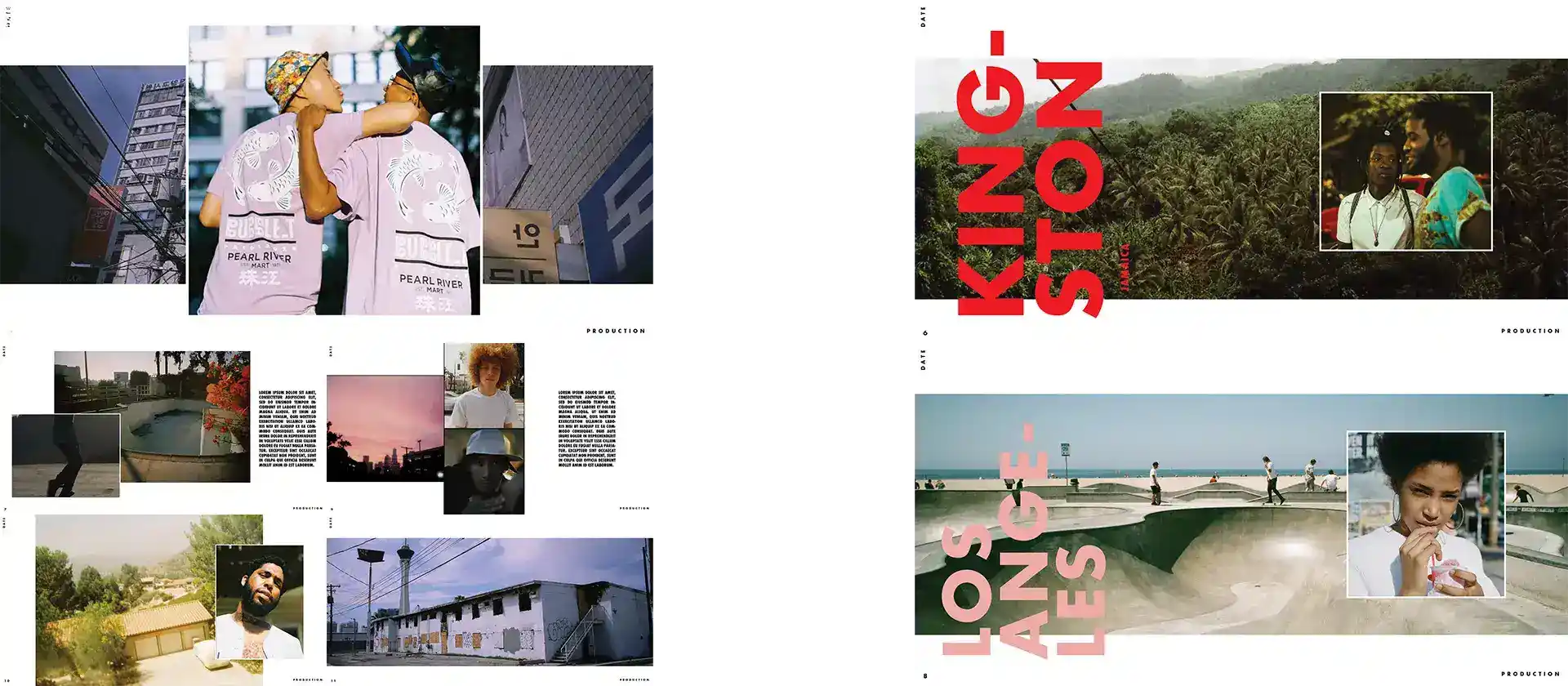
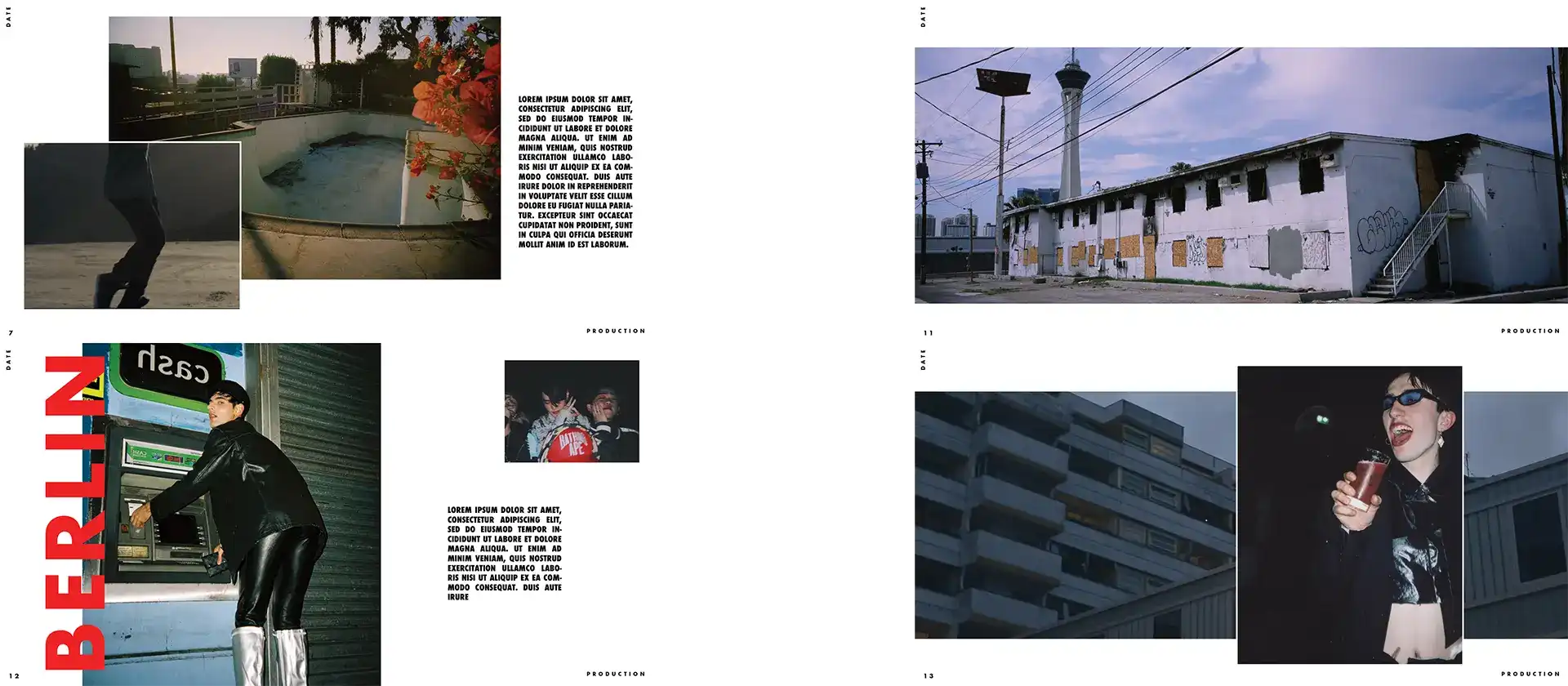
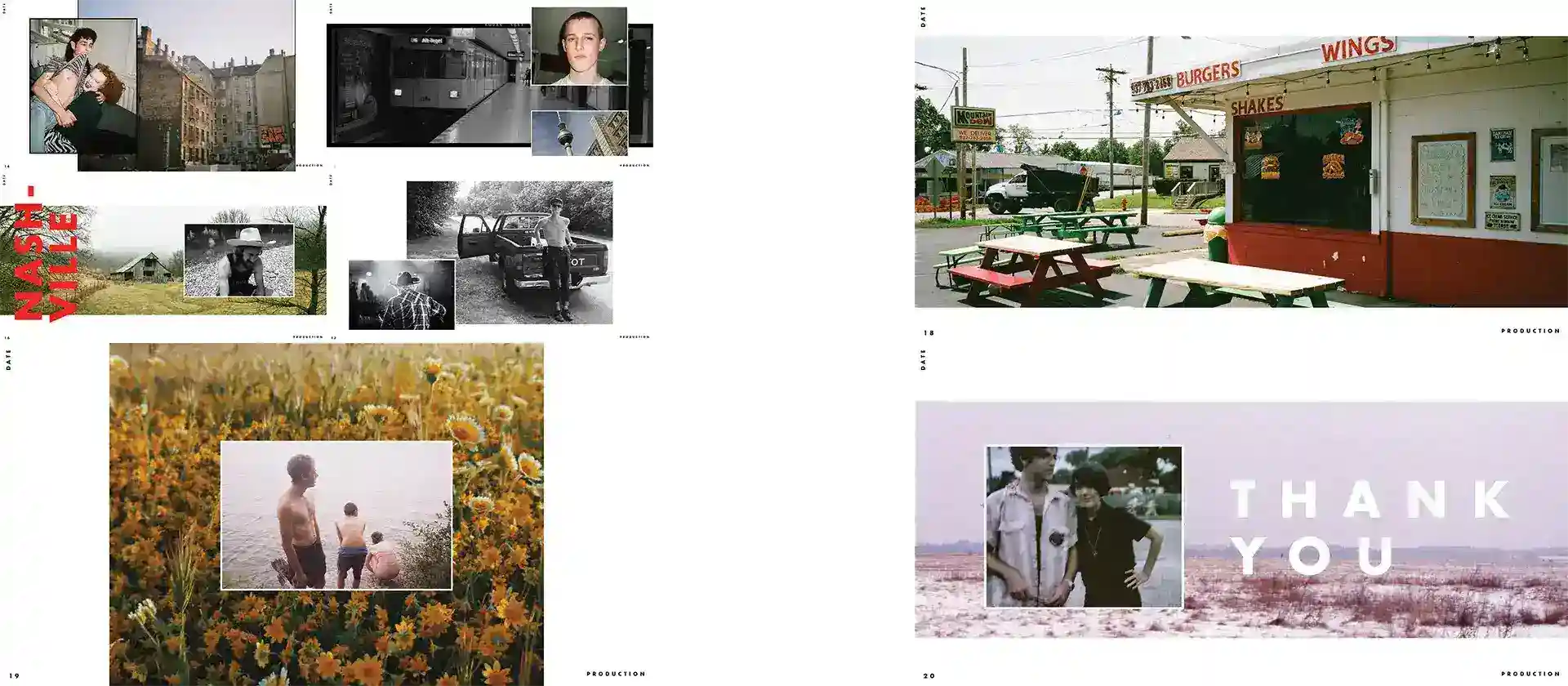
Pitch decks play a crucial role in the film industry. They serve as visual aids that complement film treatments during pitching sessions. While treatments provide a written description of the story, characters, and overall concept, pitch decks enhance the presentation by incorporating graphics and visual elements. These decks help capture the attention of potential investors, producers, or collaborators.
Incorporating captivating images and artwork into pitch decks can make them more engaging and visually appealing. By using high-quality visuals that align with the tone and genre of the project, filmmakers can effectively convey their vision to potential stakeholders. Including key scenes or character designs can give a glimpse into the unique aspects of the film and generate excitement among the audience.
To ensure consistency between the pitch deck and film treatment, it’s important to maintain a cohesive narrative throughout both documents. The pitch deck should complement the treatment by highlighting key points from the written description while adding an extra layer of visual storytelling. This alignment helps create a seamless experience for those reviewing the materials and reinforces the overall concept of the project.
Tips for an Engaging Short Film Treatment Sample
Creating an engaging pitch deck requires careful consideration of various factors. Here are some tips to make your pitch deck stand out:
- Visual Appeal: Incorporate captivating images, artwork, or even short video clips that showcase your project’s unique elements.
- Storytelling: Use concise text to narrate your story effectively within each slide while maintaining clarity.
- Consistency: Ensure consistent branding throughout your pitch deck by using fonts, colors, and design elements that align with your project’s style.
- Simplicity: Keep slides uncluttered with minimal text to avoid overwhelming viewers.
- Impactful Visuals: Utilize visuals strategically to emphasize key plot points or evoke specific emotions relevant to your story.
By following these tips, you can create a pitch deck that captures attention, communicates your vision effectively, and leaves a lasting impression on potential stakeholders.
Deciding Length and Style of Pitch Decks
The length and style of your pitch deck should be carefully considered to maximize its impact. Factors to consider include:
- Presentation Time: Determine the amount of time allocated for your pitch presentation. A shorter presentation may require a more concise and focused pitch deck.
- Audience Preferences: Understand the preferences of your target audience. Some investors or collaborators may prefer shorter pitch decks, while others may appreciate more detailed information.
- Tone and Genre: Choose a style that aligns with the tone and genre of your project.
Refining Your Short Film Treatment Sample
Seeking Valuable Feedback
Seeking feedback on your short film treatment sample is crucial to improving its quality and effectiveness. Constructive criticism from trusted sources can provide valuable insights and help you identify areas that need improvement. Consider sharing your treatment with fellow filmmakers, industry professionals, or mentors who have experience in the field. Their expertise and fresh perspective can offer suggestions for enhancing your storytelling, character development, or plot structure.
Incorporating feedback into your treatment is an essential step in refining it further. Take the time to carefully analyze the comments and suggestions you receive. Look for patterns or recurring feedback that points out weaknesses or areas of confusion in your treatment. Use this feedback as a diagnostic tool to identify any shortcomings and make necessary revisions. By actively addressing the feedback you receive, you can strengthen your treatment and increase its chances of resonating with readers.
Analyzing Successful Examples
Examining successful film treatments from renowned movies can serve as a valuable learning opportunity. By studying these examples, you can gain insights into what made them effective and apply those principles to your own work.
Identify key elements that contributed to the success of these treatments. Look at how they captured the essence of their story in a concise yet compelling manner. Pay attention to their ability to create engaging characters, establish clear goals and conflicts, and evoke emotion through vivid descriptions.
Learning from industry-proven techniques and approaches can help elevate your own writing style. Take note of how successful treatments effectively convey tone, pacing, and visual imagery while leaving room for interpretation by directors and producers.
Common Mistakes to Avoid
To ensure that your film treatment stands out among others, it’s crucial to avoid common mistakes that may hinder its impact.
Firstly, be mindful of overcomplicating your story or overcrowding it with unnecessary details. Keep the focus on the core narrative elements while providing enough information for readers to understand the story’s essence.
Secondly, avoid vague or ambiguous language that may confuse readers. Your treatment should be clear and concise, effectively conveying your vision without leaving room for misinterpretation.
Lastly, proofread and revise your treatment carefully. Typos and grammatical errors can distract readers from fully engaging with your story. Take the time to review your work multiple times, ensuring that it flows smoothly and is free of any technical errors.
By being aware of these common mistakes and taking steps to overcome them, you can enhance the impact of your film treatment and increase its chances of capturing the attention of potential collaborators.
Alternative Approaches to Traditional Treatments
Understanding Scriptments
Scriptments offer an alternative approach to traditional treatments in screenwriting. Unlike standard film treatments that focus on summarizing the plot and describing the characters, scriptments delve deeper into the narrative. They combine elements of a screenplay and a treatment, providing a more detailed exploration of the story.
In contrast to traditional treatments, which are typically written in prose format, scriptments incorporate dialogue and scene descriptions. This allows writers to convey the tone, pacing, and visual style of their intended film more effectively. By including snippets of dialogue and vivid descriptions, scriptments provide a clearer vision for both the writer and potential investors or producers.
However, there are some drawbacks to using scriptments. As they blur the line between treatment and screenplay, they can be time-consuming to create. Writers may find themselves spending more time crafting scenes and dialogue rather than focusing on refining their core story elements. Scriptments may not be suitable for every project or writer’s style as they require a strong grasp of storytelling techniques.
Prose vs. Storytelling Methods
Another alternative approach is to choose between prose-style treatments or more storytelling-oriented methods when developing your short film treatment sample.
Prose-style treatments follow a straightforward narrative structure where key plot points are summarized concisely without much emphasis on creative writing techniques. This method is often preferred by writers who want to present their ideas clearly and efficiently.
On the other hand, storytelling-oriented approaches take a more immersive approach by incorporating elements such as character development, emotional arcs, and visual descriptions. These methods aim to evoke emotions in readers similar to what viewers would experience while watching the final film.
Deciding between these two approaches depends on various factors such as personal writing style, target audience, and overall goals for the short film treatment sample. Prose-style treatments may be better suited for projects with limited resources or tight deadlines where brevity is crucial. Conversely, storytelling-oriented methods may be more appropriate for projects that require a strong emotional connection with the audience.
Initiating the Writing Process
To kickstart the writing process for your short film treatment sample, it’s essential to overcome writer’s block and find inspiration. Engage in activities that stimulate creativity such as reading books, watching movies, or exploring different art forms. Inspiration can strike from unexpected sources!
Setting specific goals and deadlines can also help maintain focus and ensure efficient progress. Break down the writing process into smaller tasks and allocate time for each stage, including brainstorming ideas, developing characters, outlining the plot, and refining dialogue.
Remember to approach the writing process with an open mind.
Learning from the Greats
Examining Famous Film Treatments
Analyzing notable film treatments from renowned movies can provide valuable insights into successful storytelling techniques. By studying these examples, aspiring filmmakers can learn how to effectively convey their ideas and captivate audiences.
For instance, examining the treatment for a critically acclaimed movie like “My Own Private Idaho” reveals the importance of establishing strong character motivations and creating compelling conflicts that drive the narrative forward. Drawing inspiration from such acclaimed examples allows filmmakers to refine their own storytelling skills.
Anatomy of a Screenplay Structure
Understanding the structure of a screenplay is crucial. Breaking down the screenplay structure in relation to a treatment helps filmmakers develop a coherent and engaging story. This includes understanding acts, sequences, and plot points within a treatment context. Adhering to established narrative structures ensures that the story has a clear beginning, middle, and end while maintaining audience engagement throughout.
Industry Significance of Treatments
The film industry heavily relies on film treatments during development stages. Treatments serve as essential tools that influence decision-making processes by providing an overview of the story’s concept and potential marketability. They showcase key elements such as characters, plotlines, themes, and visual style, helping producers envision the final product. Moreover, treatments play a vital role in securing funding for projects as they provide investors with an understanding of the project’s potential success. Treatments also attract talented actors and crew members who are drawn to compelling stories presented in well-crafted treatments.
Final Touches on Your Short Film Treatment Sample
Proper Formatting Guidelines
Formatting your short film treatment sample is crucial to ensure a professional and polished document. By following proper formatting guidelines, you can present your ideas effectively and make it easier for readers to navigate through your treatment.
It’s important to adhere to standard practices. Use a clear and legible font such as Arial or Times New Roman, with a font size of 12 points. Maintain consistent margins of one inch on all sides of the page. Double-spacing is typically preferred for easy readability.
In addition to font and spacing, consider using section headings and subheadings to organize your treatment. This helps break down the content into manageable chunks and allows readers to quickly find specific information they may be looking for.
Consistency is key. Ensure that all sections follow the same format in terms of font style, size, spacing, and indentation. This creates a cohesive look throughout the document and enhances its overall professionalism.
Insights into Scriptwriting Industry Standards
Understanding industry standards for film treatments is essential in creating a compelling sample that meets expectations. By gaining insights into these standards, you can tailor your treatment accordingly and increase its chances of being well-received by industry professionals.
Film treatments vary in length but are generally concise summaries of the story or concept behind a potential film project. They should provide enough detail to capture the essence of the story while leaving room for interpretation by directors or producers.
Industry preferences regarding content can also influence how you structure your treatment. While some professionals prefer a more narrative approach with vivid descriptions, others may prefer a straightforward outline-style presentation focusing on plot points and character arcs. Researching current trends and preferences can help you align your treatment with what industry professionals are looking for.
Keeping up-to-date with evolving trends in scriptwriting is crucial as styles change over time. As technology advances and storytelling techniques evolve, industry standards may shift. Staying informed about these changes ensures that your treatment remains relevant and appealing to potential readers.
Conclusion: Short Film Treatment Sample
In conclusion, crafting a compelling film treatment is essential for capturing the attention of producers, investors, and collaborators. By following the steps outlined in this article, you can create a comprehensive and engaging treatment that effectively communicates your vision and story. From grasping the basics to refining your treatment, each section has provided valuable insights and strategies to help you along the way.
Now armed with this knowledge, it’s time to put it into action. Take the next step and start working on your own film treatment. Don’t be afraid to experiment with alternative approaches or draw inspiration from the greats. Remember to focus on clarity, conciseness, and showcasing your unique voice. With dedication and perseverance, your film treatment can become a powerful tool in bringing your cinematic vision to life.