Definition and Purpose
A treatment sample is a concise summary of a movie’s story, outlining the key elements and plot points. It is written by a writer to provide a scriptwriter with a clear understanding of the story’s direction and structure. The treatment typically consists of several pages, giving an overview of the show’s narrative and characters. Unlike screenplays, treatments focus on providing an overview rather than detailed dialogue or scene descriptions. For a writer, understanding the difference between the two is crucial when it comes to crafting a compelling story. The purpose of a treatment is to communicate the essence of the story to potential collaborators, investors, or producers in a clear and engaging manner. As a writer, it is crucial to create a treatment that effectively conveys the script’s core ideas.
Importance in Script Writing
Treatments play a crucial role in scriptwriting as they help writers organize their ideas and structure the narrative effectively. By creating a treatment before diving into writing the full screenplay, writers can outline the main beats of their script, identify any potential plot holes or inconsistencies, and ensure that the overall structure of the script flows smoothly. Treatments provide writers with a roadmap for their storytelling journey.
Furthermore, a treatment sample is a valuable tools. A well-crafted treatment can capture the attention of industry professionals by showcasing the unique concept, compelling characters, and exciting plot twists within a few pages. The movie treatment, also known as the film script treatment, is a concise document that presents the core elements of the story. It serves as a template for evaluating the potential development of a film.
Key Elements of an Effective Treatment Sample
To create an effective treatment sample, several key elements should be incorporated:
- Compelling Logline: A logline is a one-sentence summary that encapsulates the essence of your movie treatment or script treatment’s story. It should be concise yet intriguing enough to grab attention and generate interest from readers or listeners.
- Well-Developed Characters: Even within a treatment’s limited space, it is essential to introduce well-developed characters who have clear motivations and goals. By providing brief descriptions that highlight their personalities and arcs, you can give readers an insight into how these characters will drive the narrative forward.
- Engaging Synopsis: The synopsis section provides an overview of your film’s plot without going into excessive detail. It should convey both the central conflict and the main story beats, giving readers a sense of the story’s progression and its emotional impact.
- Distinctive Tone and Style: Treatments should reflect the unique tone and style of your film. Whether it’s a comedy, drama, or thriller, the treatment should convey the intended mood and atmosphere through its writing style and language choices.
By incorporating these elements into your treatment, you can create a compelling document that effectively communicates your story to potential collaborators or investors.
Crafting the Film Treatment Sample
Writing a Compelling Narrative
Crafting a compelling narrative is essential. To engage readers, it’s important to incorporate elements that create tension, conflict, and resolution within the storyline. By introducing interesting characters and developing their relationships, you can add depth and intrigue to your treatment.
Visual descriptions play a crucial role in engaging readers as well. By using vivid language to describe settings, costumes, and key scenes, you can help transport the reader into the world of your story. This allows them to visualize the film in their minds and get a sense of its visual appeal.
Essential Components to Include
A well-crafted film treatment should include several essential components. Firstly, character introductions are crucial for setting up the story. Clearly describing each character’s personality traits, motivations, and conflicts helps readers connect with them on an emotional level.
Providing a concise plot summary is vital in your treatment sample. Summarize the main events of your story while highlighting key turning points and moments of suspense or excitement. This gives readers an overview of the narrative arc and helps them understand how the story unfolds.
Key scenes are another important component to include in your treatment. These scenes should showcase pivotal moments that drive the plot forward or reveal important information about the characters or their relationships. Including these scenes helps paint a clear picture of what viewers can expect from the finished film.
Lastly, don’t forget to highlight unique selling points in your treatment. Whether it’s a fresh take on a familiar genre or an innovative storytelling technique, showcasing what sets your project apart from others will pique interest and make it stand out in a crowded market.
Common Writing Mistakes to Avoid
When crafting your film treatment sample, there are common writing mistakes that you should be aware of and avoid making. One mistake is including excessive detail or unnecessary information that bogs down the narrative flow. Keep your descriptions concise and focused, ensuring that every word serves a purpose in advancing the story.
Consistency is key. Make sure that the tone, style, and voice remain consistent throughout the document. Inconsistencies can confuse readers and detract from the overall impact of your treatment.
Avoiding jargon or technical language that may be unfamiliar to readers is also important. While it’s essential to demonstrate your knowledge of filmmaking, using overly complex terminology can alienate readers who may not have a background in the industry.
By being mindful of these common mistakes and taking steps to avoid them, you can create a film treatment that effectively communicates your vision and captivates readers.
Treatment Templates and Examples
Film Treatment Sample Templates for Word
If you’re looking to create a film treatment sample using Microsoft Word, there are various templates available that can assist you in the process. These templates offer different formatting styles and layouts, allowing you to choose the one that best suits your needs. By utilizing these templates, you can save time and ensure a professional appearance for your film treatment.
Samples from E.T. and The Shining
To understand what constitutes an effective film treatment, let’s analyze excerpts from two iconic films: E.T. and The Shining. These examples will provide insights into key elements and techniques used in successful treatments. By examining how these films were pitched through their treatments, we can gain valuable lessons on crafting compelling narratives.
In the treatment sample from E.T., we witness the use of vivid descriptions that transport readers into the world of the story. The treatment effectively conveys the emotional journey of the characters while providing a clear outline of major plot points. This example demonstrates how a well-crafted treatment can capture the essence of a story and engage readers from the start.
Similarly, The Shining’s treatment showcases meticulous attention to detail, setting up an eerie atmosphere right from its opening lines. It employs evocative language to describe crucial scenes and character dynamics, immersing readers in a suspenseful narrative. This sample exemplifies how a treatment can effectively convey tone and atmosphere, setting up expectations for both readers and potential investors.
Downloadable Template Access
To make it easier for aspiring scriptwriters to get started with their own film treatments, downloadable templates are readily available online. These templates come in various formats compatible with different software applications such as Microsoft Word or Google Docs. By providing easy accessibility to these templates, filmmakers can focus more on developing their ideas rather than spending excessive time on formatting.
Having access to downloadable film treatment templates allows writers to experiment with different layouts and structures without starting from scratch. This convenience enables them to focus on the content of their treatments, ensuring that they effectively communicate their vision to potential investors and collaborators.
The Anatomy of a Film Treatment Sample
Understanding the Structure
It is essential to understand its structure. A film treatment sample is typically divided into key sections that help outline the story and provide an overview for potential investors or collaborators. These sections include the title, logline, synopsis, character descriptions, plot points, and conclusion. Each section serves a specific purpose in conveying the essence of the story.
To maintain a cohesive flow throughout the treatment, it is crucial to ensure that each section seamlessly transitions into the next. The title sets the tone for the entire treatment, while the logline succinctly captures the central concept of the film. The synopsis provides an overview of the plot and introduces key characters and their motivations. Character descriptions delve deeper into each character’s background and personality traits.
Critical Elements to Include
In order to create a compelling film treatment, certain critical elements must be included in specific sections. Character arcs play a vital role in engaging audiences by showcasing how characters evolve throughout the story. Plot points are significant events or turning points that drive the narrative forward and create tension or conflict. Thematic elements highlight underlying messages or themes explored within the film.
Conveying tone and atmosphere is also essential in a film treatment as it helps set expectations for readers. Through vivid descriptions of settings and environments, filmmakers can give readers a sense of what they can expect visually from their project.
Treatment Sample Length Guidelines
Finding the ideal length for a film treatment sample can be challenging but crucial for capturing attention effectively without overwhelming readers with unnecessary details. While there are no strict rules regarding length, striking a balance between brevity and sufficient detail is important.
A concise yet informative treatment should aim to capture all essential aspects of the story without losing its essence. Trimming unnecessary content while retaining crucial information ensures that readers stay engaged throughout.
One approach to achieving this balance is by focusing on key plot points and character development while omitting excessive details. By prioritizing the most impactful and compelling elements of the story, filmmakers can create a treatment that captivates readers without becoming overly verbose.
Creating a Pitch Deck for Your Treatment
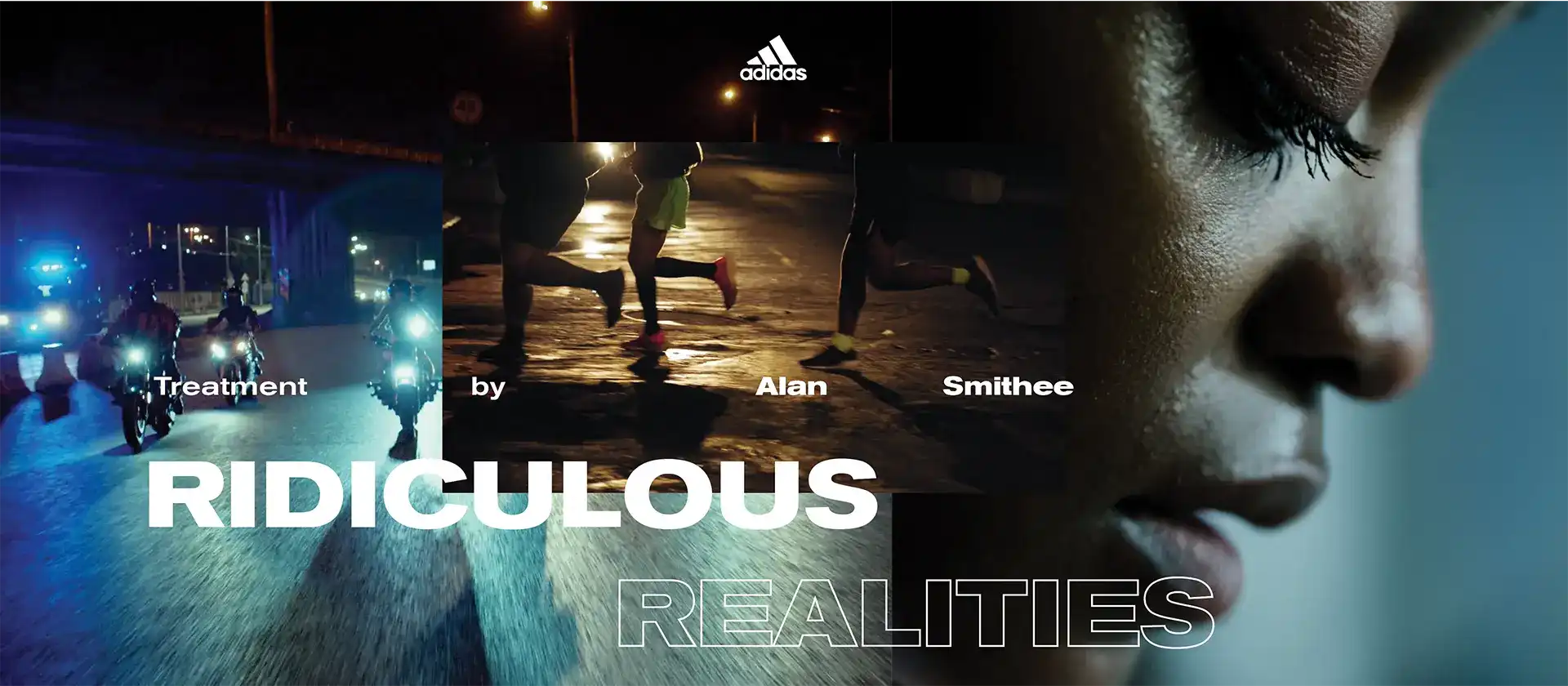
A pitch deck can be an invaluable tool. A pitch deck is a visual aid that enhances your presentation to potential investors or collaborators. By utilizing images, concept art, and mood boards, you can effectively communicate the vision and essence of your treatment.
Importance of Pitch Decks in Treatments
Pitch decks play a significant role in capturing the attention and interest of your audience. They provide a visual representation of your ideas, making it easier for others to understand and engage with your treatment. Instead of relying solely on written descriptions, pitch decks allow you to showcase key elements through compelling visuals.
By incorporating images, concept art, and mood boards into your pitch deck, you can create a captivating narrative that immerses the viewer in the world of your film. This helps them visualize the story, characters, and overall aesthetic you envision for the project. Pitch decks provide a cohesive structure to guide your presentation and ensure that important details are not overlooked.
Engaging Pitch Deck Tips
To create an engaging and visually appealing pitch deck for your treatment sample, consider these tips:
- Consistent Branding: Maintain consistent branding throughout the entire deck by using colors, fonts, and design elements that align with the tone and style of your film.
- Visual Variety: Incorporate a variety of visuals such as still images from relevant scenes or locations, character sketches or designs, and mood boards that evoke the desired atmosphere.
- Multimedia Elements: Enhance engagement by including multimedia elements like videos or audio clips that bring certain aspects of your treatment to life.
- Clear Structure: Organize your pitch deck in a logical manner with distinct sections for each aspect of your treatment – story summary, characters, setting – ensuring clarity for viewers.
Choosing the Right Format
Consider the following for your treatment sample:
- PDF or PowerPoint: Decide whether a PDF or PowerPoint format is more suitable for your needs. PDFs are generally more versatile and can be easily shared across different devices and platforms. On the other hand, PowerPoint presentations offer dynamic transitions and animations that can enhance the visual appeal.
- Recipient Preferences: Take into account the preferences of the recipients who will be viewing your pitch deck. If they have specified a preferred format, ensure that you deliver your presentation in that format.
- Compatibility: Ensure compatibility across various devices and platforms by optimizing your pitch deck for different screen sizes and resolutions.
By selecting the right format for your pitch deck, you can ensure that it is accessible to all viewers and effectively conveys your treatment’s key elements.
Writing Style and Approach
Prose vs. Storytelling in Treatments
There are two main approaches: prose-style and storytelling. Prose-style treatments are written in a straightforward manner, presenting the information concisely without embellishments. On the other hand, storytelling treatments use narrative techniques to engage the reader and create a vivid picture of the story.
Prose-style treatments have their advantages. They provide a clear and concise overview of the story, focusing on key plot points and character arcs. This style is particularly useful when pitching to industry professionals who prefer a more straightforward presentation of ideas. However, prose-style treatments may lack the emotional impact that storytelling can bring.
Storytelling treatments, on the other hand, offer a more immersive experience for readers. By using descriptive language and engaging storytelling techniques, these treatments can capture the essence of the story and evoke emotions in the reader. They allow writers to showcase their unique voice and vision for the project.
Finding the most suitable approach depends on several factors such as the nature of the story being told and the target audience. For example, if you’re pitching a horror film with intricate twists and turns, a storytelling treatment might be more effective in conveying its atmosphere and suspense. On the other hand, if you’re pitching a documentary or non-fiction project where facts take precedence over narrative elements, a prose-style treatment may be more appropriate.
Balancing Information in Your Pitch Deck
Maintaining balance between visuals and written information is crucial when creating pitch decks for your treatment sample. Visual elements such as images or graphics can enhance engagement with your audience but should not overshadow or distract from key details that need to be conveyed effectively.
Tips for achieving this balance include using concise language to convey your story’s core message while ensuring that important information is not overlooked by relying solely on visuals. Including impactful quotes or statistics can also help emphasize key points without overwhelming your audience.
Remember, the purpose of a pitch deck is to provide a clear and compelling overview of your treatment. Each slide should serve a specific purpose and contribute to the overall narrative. By carefully selecting visuals that enhance your story and using concise language to convey important details, you can strike the right balance between information and visual appeal in your pitch deck.
Ideal Length for a Pitch Deck
Less is often more. It’s essential to keep your presentation concise and focused on delivering key points within a reasonable timeframe.
Guidelines suggest that an ideal pitch deck should be around 10-15 slides long, excluding any title or introductory slides. This length allows you to cover all the necessary information without overwhelming your audience with excessive content. Here are a few examples to follow:
A Guide to Screenplay Treatments
Step-by-Step Writing Guide
Writing a screenplay treatment sample can be an exciting and crucial step in the filmmaking process. To help you navigate this journey, here is a step-by-step guide on how to write an effective film treatment.
The Steps
- Start with a compelling logline: Begin by crafting a concise and captivating logline that encapsulates the essence of your story. This one-sentence summary will serve as the foundation for your treatment.
- Introduce your characters: Provide brief descriptions of your main characters, including their names, backgrounds, and motivations. This will give readers a glimpse into who these characters are and what drives them.
- Set up the world: Paint a vivid picture of the world in which your story takes place. Describe the time period, location, and any unique elements that make this setting intriguing or relevant to the plot.
- Outline the plot: Break down your story into key plot points and highlight important events or turning points. Focus on conveying the major beats while maintaining brevity – remember, you’re summarizing rather than writing a full screenplay.
- Develop themes and conflicts: Explore the central themes and conflicts that drive your story forward. What are the underlying messages or ideas you want to convey? How do these themes intersect with your characters’ journeys?
- Showcase character arcs: Detail how your main characters evolve throughout the story – their growth, challenges faced, and lessons learned. Showcasing compelling character arcs adds depth and emotional resonance to your treatment.
- Highlight key scenes: Select pivotal scenes that capture the essence of your story’s tone, tension, or emotional impact. These scenes should demonstrate key moments that drive the narrative forward or reveal significant character development.
- Keep it concise: Remember that treatments are typically shorter than full screenplays – aim for around 10-15 pages maximum (though some may be shorter). Be selective in your storytelling, focusing on the most impactful and essential elements.
What Not to Include
While writing your treatment, there are certain elements you should avoid including. Here are some common pitfalls to steer clear of:
- Excessive detail: Avoid getting bogged down in unnecessary specifics or minutiae. Keep the focus on the essential story elements rather than getting caught up in overly intricate descriptions.
- Unrelated subplots: Stick to the main narrative and avoid introducing unrelated subplots that can distract from the core story. Maintain a clear focus on what drives the central conflict forward.
- Lengthy dialogue: Treatments are not the place for extensive dialogue exchanges. Instead, focus on conveying the essence of conversations or key moments through concise summaries.
From Outlines to Scriptments
Overview of Outlines, Treatments, and Scriptments
Outlines, treatments, and scriptments are essential documents in the process of scriptwriting. Each serves a specific purpose and contributes to the development of a well-crafted screenplay.
An outline is a concise summary of the main plot points and key events in a story. It provides a roadmap for the writer, outlining the structure and flow of the narrative. In contrast, a treatment expands on the outline by delving deeper into character development, themes, and tone. It allows writers to explore their ideas more extensively before diving into writing the actual script.
Scriptments are a hybrid between scripts and treatments. They combine elements of both formats to provide a more detailed overview of the story while still allowing flexibility for changes during the writing process.
Examples by Famous Films
Renowned movies have showcased successful film treatments that effectively captured the essence of their stories. For instance, let’s take a look at “Jurassic Park.” The treatment for this iconic film not only outlined thrilling dinosaur encounters but also explored ethical dilemmas surrounding genetic engineering. This comprehensive treatment laid out crucial plot points while highlighting thought-provoking themes that would later be fleshed out in the screenplay.
Another example is “The Social Network,” which started with an intriguing treatment that emphasized character dynamics rather than focusing solely on plot progression. By providing insight into Mark Zuckerberg’s motivations and interpersonal relationships, this treatment set the stage for an engaging exploration of ambition, betrayal, and friendship in its final script.
Analyzing these examples can inspire aspiring scriptwriters to craft treatments that effectively convey their unique vision while captivating industry professionals.
Reasons Behind Writing Treatments
Writing a treatment sample offers several benefits for scriptwriters. Firstly, they help refine ideas by allowing writers to explore different possibilities before committing to one specific approach. Treatments serve as blueprints for storytelling choices such as pacing, character arcs, and thematic elements.
Moreover, treatments play a crucial role in attracting industry professionals and potential investors. A well-written treatment can captivate readers by showcasing the story’s potential for success. It provides a glimpse into the world of the script, enticing producers, directors, and actors to be part of the project.
Furthermore, treatments assist in clarifying the overall structure of the screenplay. By mapping out key plot points and character development arcs, writers gain a clearer understanding of how their story will unfold. This clarity can help avoid potential pitfalls during the writing process and ensure a more cohesive final draft.
Gathering and Utilizing Feedback
Feedback on Your Film Treatment Sample
Seeking feedback on your film treatment is crucial for its success. Constructive criticism can greatly improve the quality of your treatment and help you address any weaknesses or areas that require further development. Engaging with peers, mentors, or industry professionals can provide valuable insights and fresh perspectives that you may have overlooked.
Receiving feedback allows you to gain a deeper understanding of how your treatment sample resonates with others and whether it effectively communicates your vision. It helps identify any potential gaps in the story, character development, or overall structure. By inviting others to review your treatment, you open yourself up to different viewpoints and ideas that can ultimately strengthen your work.
Constructive criticism plays a vital role in refining your film treatment. It highlights areas that require improvement or clarification, enabling you to make necessary revisions. Embracing feedback shows a willingness to grow as a storyteller and demonstrates your commitment to delivering the best possible version of your film.
Refining the Treatment Based on Critiques
Incorporating feedback into your film treatment is an iterative process that involves careful consideration and evaluation. When receiving critiques, it’s important not to take them personally but rather view them as opportunities for growth.
Start by reviewing the feedback received and identifying common themes or recurring suggestions. Look for patterns in the critiques to pinpoint specific areas that need attention. This could include strengthening character motivations, clarifying plot points, or enhancing dialogue.
Once you have identified these areas for improvement, begin revising your treatment accordingly. Take into account the specific suggestions provided by those who reviewed it while also staying true to your artistic vision. Strive for clarity and coherence throughout the treatment, ensuring that each element serves a purpose in advancing the story.
A Continuous Process
Remember that refining a film treatment is an ongoing process; it may require multiple rounds of revision before reaching its full potential. Each iteration brings you closer to capturing the essence of your story and creating a compelling narrative that engages the audience.
Incorporating feedback not only enhances the quality of your film treatment but also demonstrates your commitment to continuous improvement. It shows that you value collaboration and are willing to listen to others’ perspectives, which is essential in the collaborative nature of filmmaking.
By actively seeking feedback and refining your treatment based on critiques, you increase your chances of creating a captivating film that resonates with audiences. Embrace the feedback process as an opportunity for growth and development, and let it guide you towards crafting a compelling story.
Treatment Sample Conclusion
In conclusion, understanding the fundamentals of crafting a film treatment sample is crucial for any aspiring filmmaker. By following the guidelines provided in this article, you can develop a well-structured and compelling treatment that captures the essence of your story and entices potential investors or producers. Utilizing a director’s treatment template and examples, as well as gathering feedback, can further enhance the quality of your treatment.
To take your filmmaking journey to the next level, it is essential to create a pitch deck for your treatment. This visual representation will help you effectively communicate your vision and engage your audience. Remember to pay attention to your writing style and approach, ensuring clarity and conciseness in conveying your ideas.
By mastering the art of crafting a film treatment, you can increase your chances of success in the competitive world of filmmaking. So go ahead, put these techniques into practice, and bring your stories to life on the big screen!