Defining Film Treatments
Film treatments are written documents that outline the main elements of a screenplay’s story. A screenwriter uses the treatment to develop their script, capturing their unique idea for the movie. Screenplays and film treatment templates provide a summary of key plot points, characters, setting, and themes for screenwriters. They are essential tools for crafting a compelling story on the page. The length and level of detail in treatments can vary depending on the needs of the idea, screenplay, or screenwriter project.
The Three-Act Structure
The three-act structure is a widely used framework in screenplay storytelling. It provides a clear roadmap for screenwriters to follow during the treatment process. Act 1 of a screenplay serves as the setup, introducing the audience to the characters and establishing the conflict or problem that will drive the story forward. This act sets the stage for what’s to come.
In Act 2 of a screenplay, the conflict is further developed, and tension builds as obstacles are presented to the protagonist. This act is often considered the longest part of a film screenplay because it explores different aspects of the story and allows for character growth and development.
Lastly, Act 3 brings resolution to the conflict. The screenplay provides closure by resolving unanswered questions or conflicts presented earlier in the film. This screenplay act ties up loose ends and offers a satisfying conclusion for audiences.
Film Treatment vs. Script Outline
While both film treatments and screenplay outlines serve as planning tools for filmmakers, they have distinct differences in their focus and level of detail.
Film treatments primarily focus on providing a narrative summary of the story. They offer an overview of key plot points, character arcs, and thematic elements without delving into specific scenes or sequences. Treatments allow filmmakers to get a sense of how their story flows before diving into writing a full script.
On the other hand, script outlines go into more specific detail about individual scenes or sequences within each act. They provide guidance for writing dialogue, describing action sequences, and capturing important visual moments on screen. Script outlines help ensure consistency across multiple drafts by mapping out each beat of a scene.
It’s important to note that while treatments may be more flexible in terms of structure and length, script outlines adhere closely to the three-act structure and provide a more detailed roadmap for writing the screenplay.
Crafting Your Film Treatment
Step-by-Step Writing Guide
To create a compelling film treatment, there are several steps you need to follow. Let’s explore each one in detail.
Research and Inspiration
Conducting thorough research is essential when crafting your film treatment. It helps you gather accurate details and historical context if necessary. By drawing inspiration from various sources, such as books, articles, or real-life events, you can generate unique ideas for characters or plot twists. Research aids in understanding genre conventions or thematic elements that are relevant to the story you want to tell.
Developing a Logline
Crafting an effective logline is crucial for grabbing the attention of industry professionals. A logline succinctly summarizes the premise of your film in just one or two sentences. It should highlight what makes your story compelling or unique, enticing readers to learn more about it. Take the time to refine your logline until it accurately captures the essence of your film.
Establishing Setting and Tone
In your film treatment, it’s important to establish where and when the story takes place. This provides readers with essential context about the world in which your characters exist. Tone refers to the overall mood or atmosphere conveyed through language choices, descriptions, and other elements of storytelling. Clearly defining the tone helps audiences understand how they should perceive and engage with your story.
Key Elements to Include
When crafting your film treatment, there are key elements that you must include to ensure a well-rounded narrative.
Characters and Plot Points
Introduce main characters with brief descriptions that emphasize their roles within the story. Outline key plot points that drive the narrative forward, including major conflicts and turning points. Make sure that each character’s actions align with their motivations and contribute meaningfully to the overall story arc.
Identifying Themes
Themes are underlying messages or ideas explored in a film. Identifying these themes early on in the treatment ensures consistency throughout your storytelling process. Themes add depth and resonance to your story, resonating with audiences on an emotional level.
Visual Style and Tone
Describe the visual style of your film, such as its color palette or cinematography choices. Establishing the tone through visual cues helps readers envision how scenes will be portrayed on screen. The visual style and tone should align with the genre and overall storytelling approach you have chosen for your film.
Crafting a well-structured film treatment requires careful attention to detail and a clear understanding of each element’s purpose.
Layout and Length Considerations
There are several factors to consider regarding its layout and length. This section will delve into some important considerations that can help you create an effective and well-structured treatment.
Standard Treatment Lengths
Film treatments can vary in length, ranging from a single page to around 20 pages. The specific length often depends on industry standards or the requirements of the project at hand.
Shorter treatments, typically one to three pages long, tend to focus on the core elements of the story. They provide a concise overview of the plot, characters, and major turning points. These brief treatments offer a snapshot of the story’s key components without diving into too much detail.
On the other hand, longer treatments, ranging from five to twenty pages or more, provide a more detailed exploration of the story. They include comprehensive scene descriptions and may even include snippets of dialogue. Longer treatments allow for a deeper understanding of how each moment unfolds within the narrative.
Formatting for Clarity
To ensure clarity and readability in your film treatment, it is essential to use the proper treatment format techniques. Clear organization helps readers navigate through different sections seamlessly.
Consider using headings or subheadings to divide your treatment into distinct sections such as “Synopsis,” “Character Descriptions,” “Plot Summary,” or “Scene Breakdown.” These headings act as signposts that guide readers through your treatment’s structure.
Pay attention to indentation, spacing, and font styles for consistency throughout your document. Properly formatted treatments not only enhance professionalism but also make it easier for readers to follow along with the narrative flow.
Detailed vs. Brief Treatments
When creating a film treatment, you have two options: detailed or brief. Each approach serves its purpose depending on your goals and preferences.
Detailed treatments provide an in-depth breakdown of each scene within your story. They meticulously describe character actions, dialogue, and the overall progression of events. This level of detail helps readers visualize how each moment unfolds, giving them a clearer vision of your story’s execution.
On the other hand, brief treatments focus on conveying essential plot points without extensive scene descriptions or dialogue snippets. They provide a high-level overview of the story, allowing readers to grasp the core elements quickly. Brief treatments are often used as initial pitches or summaries to gauge interest in a project.
The Role of Feedback and Revision
Seeking Constructive Criticism Before finalizing your film treatment, it is crucial to share it with trusted peers or industry professionals for feedback. This step allows you to gain valuable insights and perspectives that can enhance the overall quality of your treatment. When seeking constructive criticism, aim for feedback that not only highlights the strengths of your story but also points out areas that need improvement. By receiving input from others, you can identify blind spots and refine your treatment further.
Iterative Revisions Writing a film treatment often involves multiple revisions. Each revision provides an opportunity to refine various aspects of your story, including character arcs, plot structure, and overall storytelling. Embracing the iterative nature of this process allows you to explore different possibilities and experiment with new ideas. With each round of revision, you can polish your treatment until it reaches its full potential.
Incorporating Feedback Effectively When evaluating the feedback received on your film treatment, it is essential to consider how it aligns with your original vision for the story. While some suggestions may be valuable and improve the narrative, others may not resonate with your creative intent. It is crucial to strike a balance between incorporating helpful suggestions and staying true to your artistic vision. Use feedback as a tool for growth rather than feeling discouraged by criticism.
By incorporating feedback effectively, you can enhance the overall quality of your film treatment while maintaining its authenticity. Remember that every piece of input should be evaluated critically before making any adjustments. Stay open-minded but also trust in your instincts as a storyteller.
Practical Tips for Writers
Dos and Don’ts in Writing Treatments
When crafting a film treatment, it’s crucial to follow certain guidelines to captivate readers. Do clearly convey the story’s core elements and unique selling points, ensuring that your treatment stands out from the rest. Avoid including excessive dialogue or scene descriptions that may bog down the treatment and make it less engaging. Instead, focus on using concise language while maintaining clarity throughout.
Developing Compelling Characters
Compelling characters are at the heart of any successful film. To create memorable characters, screenwriters should craft individuals with distinct personalities, motivations, and conflicts that drive the narrative forward. Ensure that your characters undergo growth or transformation throughout the story to create compelling arcs that resonate with audiences. It’s also important to avoid relying on stereotypes by giving your characters depth and complexity.
Outlining the Plot Effectively
An effective plot structure is essential for keeping readers engaged from beginning to end. When outlining your film treatment, establish clear goals, obstacles, and stakes for the protagonist’s journey. This will help create a sense of urgency and keep readers invested in the story. Strive for a balance between suspenseful moments, character development, and thematic exploration to maintain a captivating narrative flow.
Examples and Analysis of Film Treatments
Successful Treatment Case Studies
Analyzing successful film treatments from renowned movies can provide valuable insights into their strengths and how they effectively conveyed the essence of their stories. By studying case studies across different genres, we can identify common elements of engaging treatments within specific contexts.
For example, let’s take a look at the treatment for the Oscar-winning film “The Shawshank Redemption.” The treatment effectively captured the emotional journey of its main character, Andy Dufresne, as he navigated the harsh realities of prison life. Through vivid descriptions and compelling dialogue, the treatment showcased themes of hope, friendship, and resilience that resonated with audiences.
Breakdown of Noteworthy Examples
Examining noteworthy examples of film treatments across various genres or eras allows us to gain insights into effective storytelling techniques used in those cases. These examples stand out among others within their respective industries due to their exceptional execution.
One such example is the treatment for “Jurassic Park,” which successfully combined thrilling action sequences with thought-provoking ethical dilemmas surrounding genetic engineering. The treatment expertly balanced moments of tension and awe-inspiring spectacle while exploring complex themes about humanity’s relationship with nature.
In contrast, let’s consider the treatment for “Lost in Translation,” directed by Sofia Coppola. This indie darling focused on capturing intimate moments between two characters who formed an unlikely bond in Tokyo. The treatment emphasized atmosphere and character development over traditional plot-driven storytelling, creating a poignant exploration of loneliness and connection.
Other Cases On Our Website
Conclusion
Crafting a well-structured film treatment is crucial for capturing the attention of industry professionals and bringing your cinematic vision to life. By understanding the key elements of a film treatment, such as its layout, length considerations, and the role of feedback and revision, you can create a compelling document that effectively communicates your story. Differentiating your treatment with unique elements and incorporating practical tips for writers will further enhance its impact.
To succeed in this competitive industry, it is essential to approach your film treatment with a structured and authoritative tone. Showcasing your knowledge and confidence in your storytelling abilities will make your treatment stand out. Remember to seek feedback from trusted sources and revise accordingly to refine your work. Lastly, immerse yourself in examples and analysis of successful treatments to gain inspiration and insights into what makes a compelling story pitch.
Now armed with the knowledge and tools provided in this article, it’s time to put them into action. Start crafting your film treatment today, taking into account all the guidelines discussed. With dedication, perseverance, and a well-crafted treatment, you can increase your chances of catching the attention of industry professionals and turning your cinematic vision into reality.
What is the structure of a film treatment?
A film treatment typically follows a standard structure, including an introduction that sets the tone and provides a brief overview, followed by a synopsis that outlines the main plot points. It also includes character descriptions, key scenes, and sometimes dialogue snippets to give a sense of the story.
Why is it important to have a structured film treatment?
Having a structured film treatment helps filmmakers and producers communicate their vision effectively. It provides a clear roadmap for the story, ensuring consistency in storytelling and allowing potential investors or collaborators to understand the project’s potential.
How long should a film treatment be?
Film treatments can vary in length depending on the complexity of the story. Generally, treatments range from 5 to 30 pages. However, it’s important to keep them concise while still providing enough detail to convey the essence of your story.
Are there specific guidelines for formatting a film treatment?
While there are no strict rules for formatting film treatments, it’s essential to make them visually appealing and easy to read. Use proper headings, subheadings, paragraphs, and ensure consistent formatting throughout. Including industry-standard elements like title page and contact information can also enhance professionalism.
Can I include visual references in my film treatment?
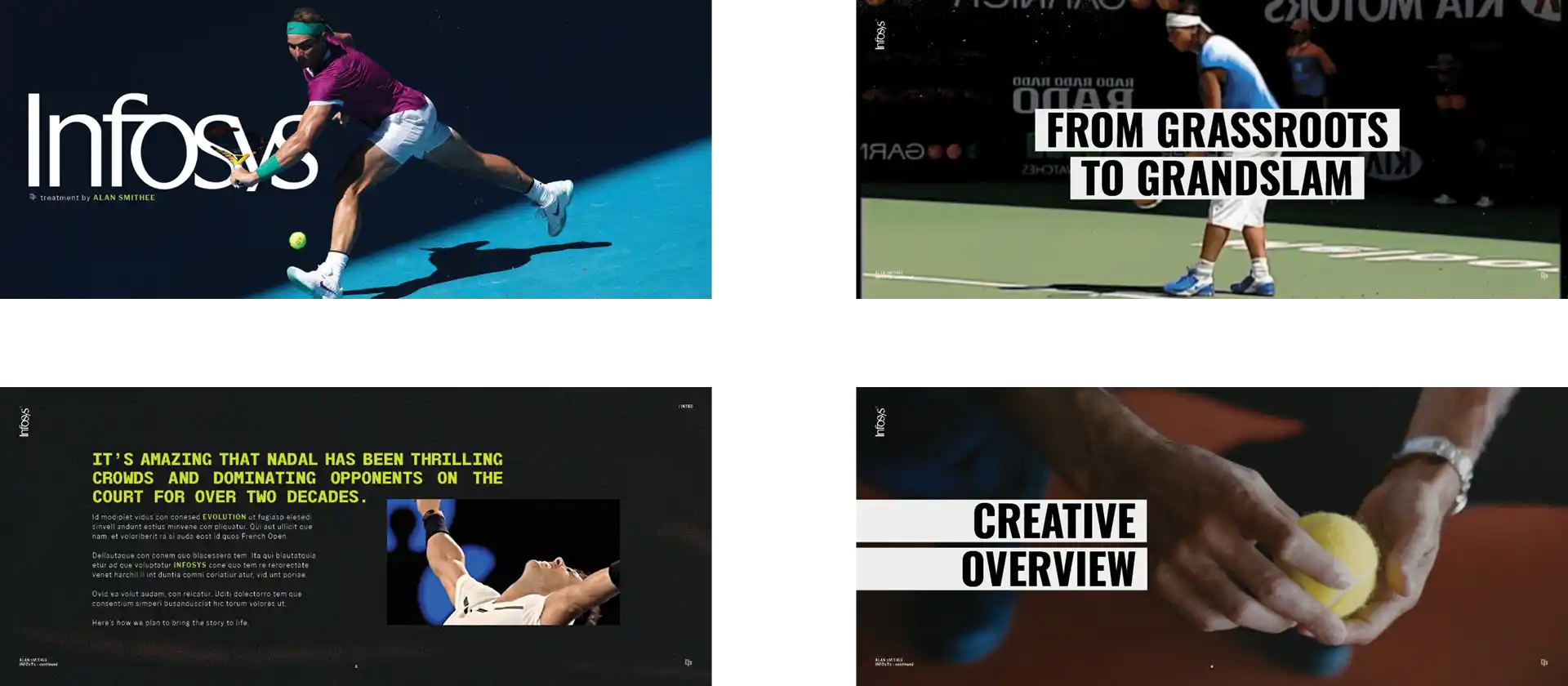
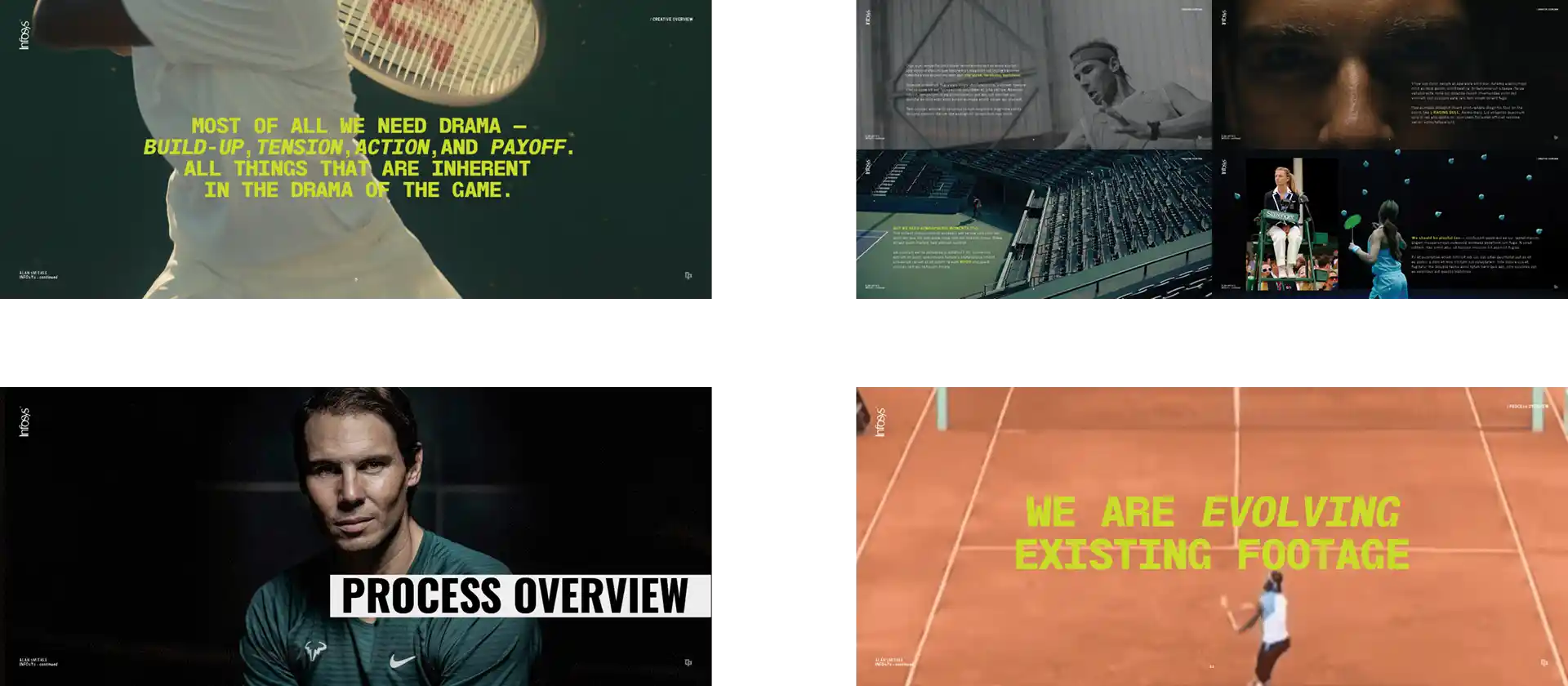
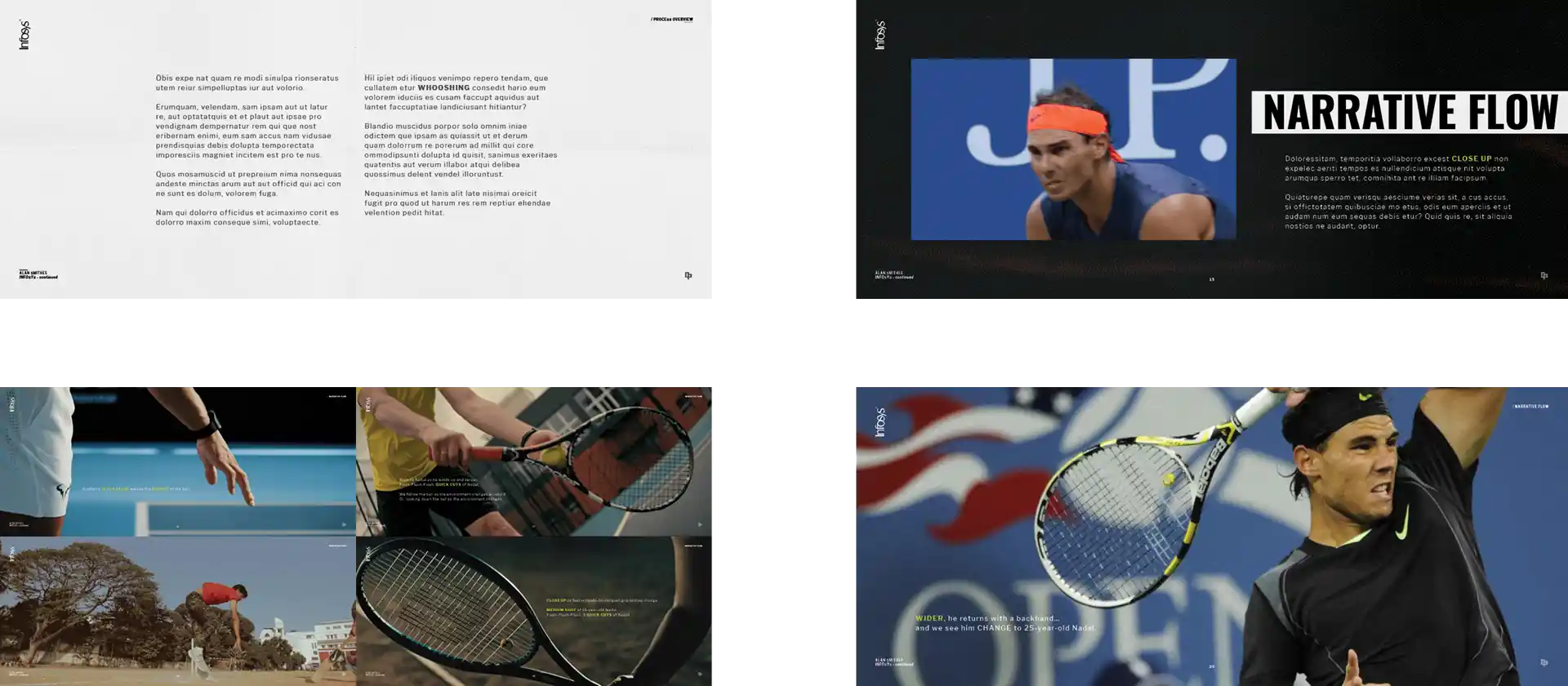
Yes! Visual references such as concept art or reference images can be included in your film treatment. They help visualize key locations, characters, or visual style you envision for your project. Just make sure they are relevant to enhance understanding without overwhelming the document with unnecessary visuals.
How long should a treatment be?
There is no set length for a treatment as it can vary depending on its purpose and requirements. However, treatments generally range from one to twenty pages. It’s important to remember that brevity is key when writing treatments. Focus on conveying the main elements of your story concisely and effectively.
What elements should be included in a treatment?
A treatment typically includes an overview of the story’s concept, main characters, major plot points, and key scenes. It should also convey the emotional tone and themes of the film while giving an overall sense of its structure.
How do I make my treatment stand out?
To make your treatment stand out, focus on crafting compelling characters and an engaging storyline. Use vivid language to evoke emotions and create visual imagery that captures the essence of your story. Highlight unique elements or twists that set your film apart from others in its genre.
How do I handle feedback and revisions?
Feedback is an essential part of the writing process. Be open to constructive criticism and use it to improve your treatment. Take note of any suggestions or areas for improvement, but also trust your instincts as a writer. When revising, focus on strengthening the key elements of your story while ensuring clarity and coherence.