Purpose and Importance
A film treatment is a crucial tool for filmmakers as it serves multiple purposes in writing and developing an idea. Firstly, the script treatment provides a detailed explanation of the film’s concept, plot, and characters, as part of the treatment process. This allows potential investors and collaborators to understand the vision of the project more clearly. A well-written treatment can captivate their interest and persuade them to get involved in the production.
A film treatment plays a vital role in pitching a film idea to studios or production companies. It acts as a concise summary of the story, highlighting its unique aspects and potential market appeal. By presenting a compelling treatment, filmmakers can increase their chances of securing funding or getting their project greenlit.
Key Elements
When using a sample film treatment format, several key elements need to be considered. First and foremost is character development. It is essential to provide detailed descriptions of the main characters’ backgrounds, motivations, and arcs. This helps readers visualize the characters and understand their roles within the story.
Another important element is establishing a clear narrative structure. A well-structured treatment outlines the beginning, middle, and end of the story while maintaining coherence and pacing. It should effectively convey major plot points, conflicts, and resolutions without going into excessive detail.
Length and Layout Considerations
Film treatments typically range from 5 to 15 pages in length. While there is no strict rule regarding page count, it is crucial to strike a balance between providing sufficient information while keeping it concise enough for easy readability.
In terms of formatting options for treatments, many writers choose to follow screenplay format guidelines. This includes using industry-standard font (Courier or Courier New), proper margins (approximately 1 inch on all sides), and capitalizing character names when they first appear in action lines.
Readability and organization are key factors in creating an effective film treatment. Breaking down sections with clear headings or subheadings helps guide readers through different aspects of the story. Using paragraphs and bullet points can help structure information in a visually appealing and easily digestible manner.
Writing a Film Treatment: A Step-by-Step Guide
Crafting an Attention-Grabbing Logline
A logline is a concise summary of your film that grabs the reader’s attention. It serves as a hook to entice them to read further. To create an engaging logline, focus on highlighting the unique aspects of your story and creating intrigue. Keep it short and punchy, capturing the essence of your film in just one or two sentences. For example, “A young wizard must battle dark forces to save the world” is a captivating logline for the Harry Potter series. Look to successful films for inspiration and study their loglines to understand what makes them effective.
Developing Compelling Characters
Well-developed characters are crucial in your sample film treatment formatas they drive the story and engage the audience emotionally. When working within limited space, it’s important to make every word count when introducing your characters. Focus on their defining traits, motivations, and conflicts that will shape their journey throughout the film. Create characters that are relatable and memorable, allowing readers to connect with them on an emotional level. Emphasize character arcs – how they evolve and change over the course of the story – as this adds depth and complexity.
Establishing the Setting
Effectively describing the setting in a film treatment helps transport readers into the world of your story. Use descriptive language to capture the atmosphere, time period, or location succinctly. Paint a vivid picture with carefully chosen words that evoke emotions and immerse readers in your narrative world. For example, instead of simply stating “a small town,” you could describe it as “a quaint coastal village nestled between rolling hills.” Consider how each element of the setting contributes to the overall tone and mood of your story.
When describing settings in your treatment, be mindful not to overwhelm readers with excessive detail or lengthy descriptions. Keep it concise but impactful by focusing on key elements that are integral to the story. Remember, your goal is to provide enough information to give readers a clear sense of the environment without bogging them down with unnecessary specifics.
The Do’s and Don’ts of Film Treatments
What to Include
There are several essential elements that should be included. Firstly, it is important to provide a clear and concise summary of the story. This includes outlining the main characters, their motivations, and the central conflict that drives the narrative.
In addition to the story summary, it is crucial to include key plot points and major events that occur throughout the film. This helps give readers a sense of the overall structure and pacing of the story. It is also important to highlight any unique or standout elements of the script, such as memorable dialogue or visually striking scenes.
While brevity is key in the sample film treatment format, it is still necessary to provide enough detail for readers to understand and visualize the story. Strike a balance between being concise and providing enough information for readers to grasp the essence of your screenplay.
However, there are common mistakes or omissions that should be avoided when writing a film treatment. One such mistake is neglecting character development. It’s important to give each character depth and complexity by showcasing their personalities, goals, and conflicts.
Another common pitfall is failing to convey tone or atmosphere effectively. Use descriptive language that evokes emotions and sets the mood for your story. Avoid excessive exposition or unnecessary details that can bog down your treatment.
What to Exclude
While certain elements are crucial in a full screenplay, they are typically not included in a film treatment. Specific camera angles or shot descriptions do not need to be mentioned as they will be determined during production. Focus on conveying the story rather than technical aspects.
To streamline your treatment further, exclude subplots or minor characters that do not significantly impact the main storyline. Keep your focus on highlighting key aspects of your story without getting sidetracked by unnecessary details.
Remember that brevity is essential in a film treatment; avoid lengthy descriptions or excessive dialogue. Instead, focus on capturing the essence of your story in a concise and engaging manner.
Making Your Sample Film Treatment Format Stand Out
Engaging Pitch Decks
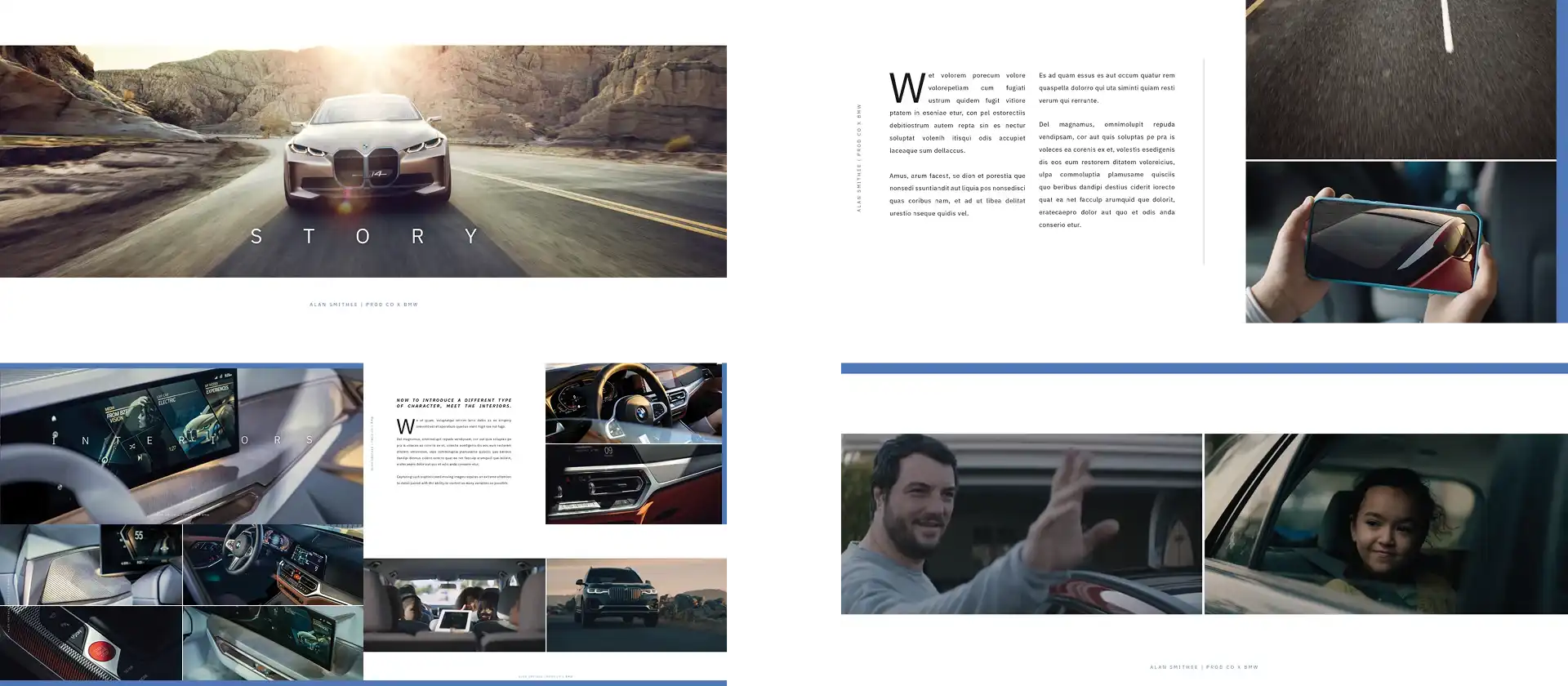
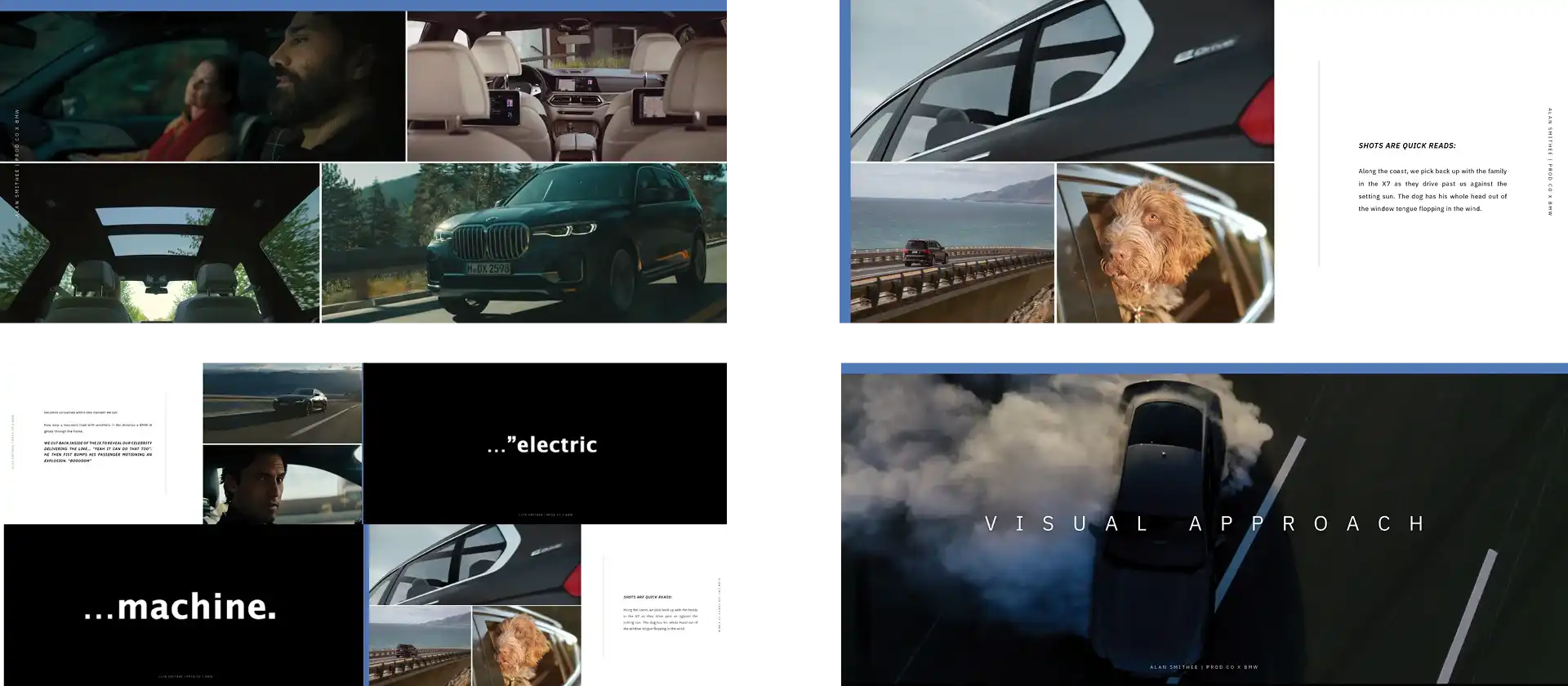
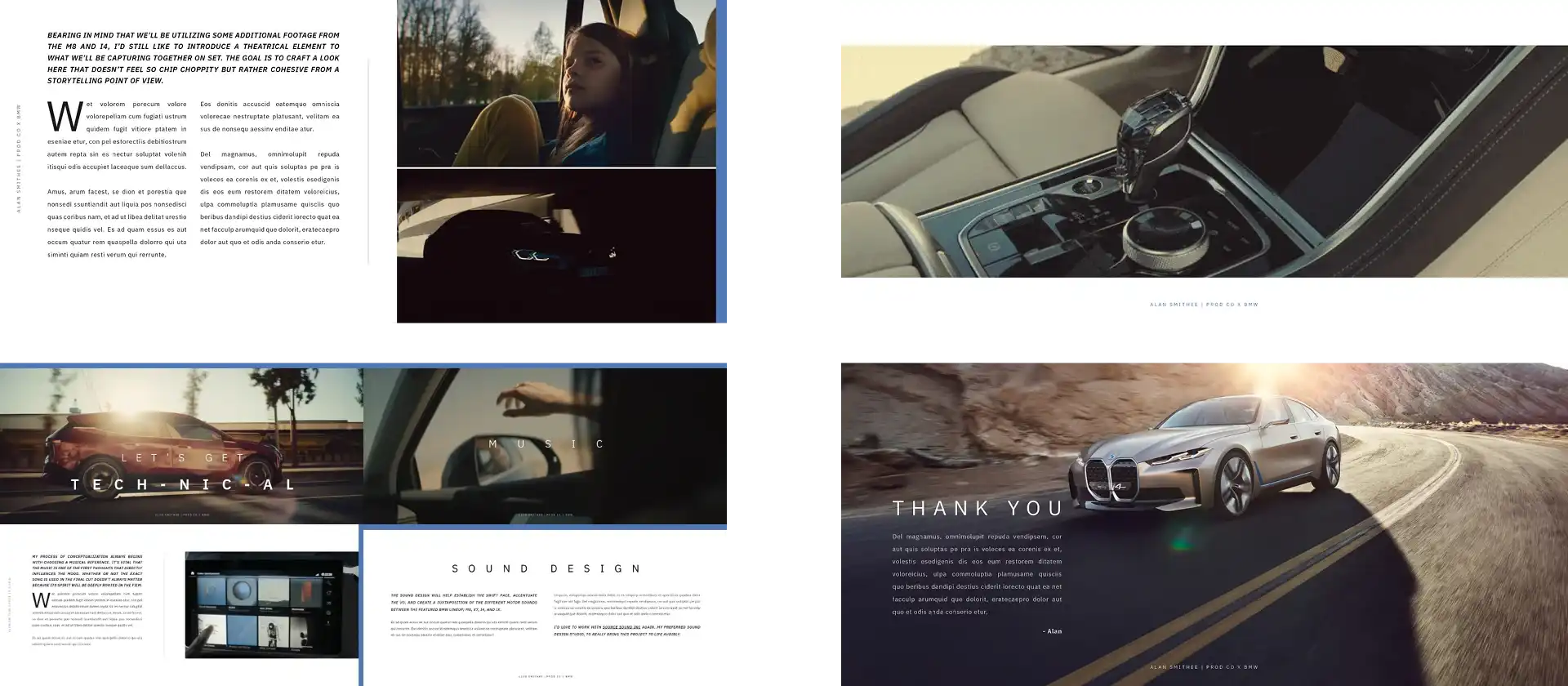
Pitch decks play a crucial role in pitching film projects. These visual presentations help capture the attention of potential investors, producers, or studios by providing a concise overview of your film treatment. To create an engaging pitch deck, it is essential to strike a balance between visually appealing design and informative content.
When designing your pitch deck, consider using eye-catching visuals such as high-quality images or concept art that effectively convey the tone and atmosphere of your film. Incorporate a clear and compelling logline that succinctly summarizes the essence of your story. Include key details about the characters, plot, and themes to give potential investors a comprehensive understanding of your project.
Aligning your pitch deck with the treatment is crucial for coherence and consistency. Ensure that the information presented in your pitch deck corresponds with what is outlined in your treatment. This alignment helps reinforce the central ideas and narrative structure proposed in your treatment, making it easier for investors to visualize how the story will unfold on screen.
Tips for Effectively Using a Sample Film Treatment Format
To enhance the quality of your film treatment, consider these practical tips:
- Begin with a captivating hook: Start your treatment with an attention-grabbing opening that immediately engages readers and entices them to continue reading.
- Clearly outline the story: Provide a clear synopsis of the main plot points while avoiding unnecessary details or excessive exposition.
- Develop compelling characters: Introduce well-rounded characters with distinct personalities, motivations, and arcs that readers can connect with emotionally.
- Showcase unique elements: Highlight any unique aspects of your story such as innovative storytelling techniques or unconventional narrative structures that set it apart from others.
- Keep it concise: While it’s important to provide enough detail to paint a vivid picture of your story, avoid overloading your sample film treatment format with unnecessary information or lengthy descriptions.
- Proofread and revise: After completing an initial draft, take the time to review and revise your treatment for clarity, coherence, and grammar errors. Consider seeking feedback from trusted peers or industry professionals to ensure your treatment is polished and professional.
By following these tips, you can create a compelling film treatment that stands out from the competition. Remember to avoid common pitfalls such as excessive exposition or vague descriptions that may confuse or disengage readers. Take the time to revise and refine your treatment until it accurately reflects your vision for the film.
Learning from the Best
Examples of Successful Sample Film Treatment Formats
It can be incredibly helpful to learn from successful examples in the industry. By analyzing what makes these treatments effective and engaging, you can draw inspiration while maintaining your own originality.
Renowned films have showcased examples of well-crafted film treatments that have captivated audiences worldwide. One such example is the treatment for “The Shawshank Redemption.” This film treatment effectively outlines the story’s premise, characters, and plot points in a concise yet engaging manner. It provides a clear understanding of the tone and themes of the film, which ultimately contributed to its success.
By studying successful sample film treatment format works like these, you can identify common elements that contribute to their effectiveness. One key aspect is the ability to capture attention from the very beginning. Strong openings that immediately grab the reader’s interest are crucial for making an impact. Providing clear character descriptions that evoke emotions helps readers connect with your story on a deeper level.
Visual Storytelling in the Sample Film Treatment Format
Furthermore, successful treatments often excel at conveying a strong sense of visual storytelling. Using vivid language and descriptive imagery allows readers to visualize scenes in their minds, creating a more immersive experience. Effective treatments also strike a balance between providing enough detail to engage readers while leaving room for interpretation and imagination.
While drawing inspiration from successful treatments is valuable, it is essential to maintain your own originality throughout the process. Incorporating unique elements into your treatment will help it stand out among others in a competitive industry. Consider adding personal touches or innovative storytelling techniques that align with your creative vision.
Get Inspired from Some of Our Examples!
While you’re here, you can gain inspiration or knowledge on how successful advertising and film treatments in the modern age look. Why not check out a few of our examples below?
- Sample Film Treatment Format
- Film Script Treatment Example
- Movie Script Treatment Examples
- Script Treatment Format
- Script Treatment Sample
Conclusion
Congratulations! You now have a solid understanding of film treatments and how to write one that stands out. By following the step-by-step guide and avoiding common mistakes, you can create a compelling treatment that captures the essence of your film and grabs the attention of producers.
But don’t stop here! Keep learning from the best in the industry and continue refining your craft. Study successful treatments, watch films with a critical eye, and seek feedback from trusted sources. Remember, every great filmmaker started somewhere, and with dedication and perseverance, you can turn your ideas into reality.
So go ahead, put pen to paper (or fingers to keyboard) and start crafting that amazing film treatment. The world is waiting for your unique story to be told!
How important is using the correct film treatment format?
Using the correct film treatment format is crucial as it helps convey your story effectively to producers, directors, and investors. It showcases your professionalism and understanding of industry standards, increasing the chances of your script being considered seriously.
What are the key elements of a film treatment?
A film treatment should include essential elements such as the title, logline, synopsis, character descriptions, plot summary, and thematic exploration. These components provide a comprehensive overview of your story and help captivate readers’ attention.
Are there specific formatting guidelines for a film treatment?
While there isn’t a universal standard for formatting film treatments, it’s recommended to follow industry practices. Use standard screenplay formatting with clear headings and subheadings. Keep paragraphs concise and use present tense when describing scenes or events.
Can I include dialogue in my film treatment?
Including dialogue in a film treatment is generally not necessary. The focus should be on summarizing the story rather than providing detailed dialogue exchanges. However, if certain lines are crucial to conveying the essence of a scene or character interaction, you can include them sparingly.
Should I include visual references in my film treatment?
Visual references can enhance your film treatment by providing visual cues that support your storytelling vision. Including images or reference links to similar films or visuals can help convey the mood, tone, or style you envision for your project.
What is the standard format for a film treatment?
Film treatments typically follow a standardized format that consists of several key elements. These include a title page with the project’s title, writer’s name, and contact information. The treatment itself usually begins with a logline or brief summary followed by a detailed synopsis of the story. It may also include character descriptions, key plot points, and thematic elements.
How long should a film treatment be?
The length of a sample film treatment format can vary depending on the project and its requirements. In general, it is recommended to keep the treatment between 5 to 15 pages in length. This allows for sufficient detail without overwhelming readers with excessive information.
What should be included in a film treatment?
A comprehensive film treatment should provide an overview of the story while highlighting its unique aspects and potential appeal to audiences. It should introduce compelling characters, describe their motivations and conflicts, outline major plot points, and convey the overall tone or mood of the film.
Can I submit my treatment without a screenplay?
While it is possible to submit a treatment without having written a full screenplay, it is generally advisable to have at least an outline or rough draft of your script before submitting your treatment. Having a complete screenplay demonstrates your commitment to developing your project further.
Are there any industry standards for submitting film treatments?
Submission guidelines for film treatments can vary depending on individual production companies or organizations; therefore, it is crucial to research specific requirements when submitting your work. Some companies may prefer physical copies sent by mail while others accept digital submissions via email or online platforms.