Understanding Their Role in Filmmaking
Film treatments serve as a crucial bridge between the initial concept of a film and its execution. Script treatments play a vital role in helping filmmakers communicate their vision to others involved in the production process. By providing an overview of the story, characters, and key elements, treatments enable collaboration and ensure that everyone is on the same page.
Key Elements Every for All Treatment Writing Examples
A well-crafted treatment should include several essential components. Firstly, it should feature a concise logline that captures the essence of the film’s premise. This one-sentence summary hooks the reader and gives them a glimpse into what makes the story compelling. A treatment should provide a synopsis that outlines the main plot points and narrative arc, giving readers a sense of how events unfold.
Character descriptions are also crucial in treatments as they introduce key players in the story. These descriptions should highlight their personalities, motivations, and relationships with other characters. Furthermore, establishing tone, genre, and setting within the treatment helps set expectations for readers and provides context for understanding the story’s atmosphere.
Clear conflict is another important element to include in a treatment. By outlining the obstacles or challenges that characters face, treatments create tension and engage readers’ interest. It is equally important to present a resolution or potential outcome for these conflicts to provide closure to the narrative.
Step-by-Step Treatment Writing Examples
To create an effective treatment, following a structured approach can be immensely helpful. Start by brainstorming ideas for your film and identifying its core concept. Once you have clarity on your story’s foundation, begin crafting your logline – this will serve as your guiding light throughout the writing process.
Next, develop a detailed synopsis that covers all major plot points while maintaining brevity. Break down your story into acts or sections if necessary to ensure clarity and coherence.
Afterwards, focus on character development by creating compelling descriptions for each major character. Consider their backgrounds, motivations, and how they contribute to the story’s conflicts and resolutions.
As you progress, remember to establish the tone, genre, and setting of your film within the treatment. This helps readers understand the overall mood and atmosphere you aim to create.
Wrapping it Up
Finally, ensure that your treatment has a clear conflict that drives the narrative forward. Describe the main obstacles or challenges faced by your characters and provide a resolution or potential outcome that satisfies the reader.
Throughout the writing process, organize your ideas in a logical manner to maintain consistency and coherence. Revise and refine your treatment until it effectively captures your vision for the film.
Film treatments are invaluable tools in bringing stories to life on screen. By understanding their role in filmmaking, incorporating key elements, and following a step-by-step template, filmmakers can effectively communicate their vision while collaborating with others involved in production.
Crafting Your Treatment Writing Examples
Writing Techniques and Styles
Writers have the opportunity to experiment with different writing techniques and styles. One of the key considerations is whether to use prose or storytelling approaches. Prose style treatments typically focus on providing detailed descriptions of scenes, characters, and plot points in a straightforward manner. On the other hand, storytelling techniques involve conveying the essence of the story through engaging narratives that capture the reader’s imagination.
The choice between prose and storytelling depends on factors such as genre and target audience. Prose treatments are often favored for genres like thrillers or action films where concise descriptions are crucial for building tension and maintaining pacing. Storytelling approaches, on the other hand, can be more effective for genres like fantasy or drama where creating an emotional connection with the reader is paramount.
To illustrate successful utilization of both approaches, let’s take a look at some examples. In “Jurassic Park,” Michael Crichton’s treatment uses prose to vividly describe the park’s attractions and suspenseful moments. In contrast, Quentin Tarantino’s treatment for “Pulp Fiction” employs storytelling techniques to weave together multiple interconnected narratives.
Excluding Dialogue Effectively
In film treatments, dialogue is often minimized or excluded altogether. This is because treatments aim to convey the overall story without getting caught up in specific lines of dialogue. Instead, writers must find alternative strategies to effectively convey character interactions.
One approach is through visual storytelling. By describing actions, expressions, and gestures, writers can paint a vivid picture of how characters interact without relying solely on dialogue exchanges. For example, instead of writing out a conversation between two characters arguing about their past relationship, a treatment might depict one character throwing away old photographs while another looks on with tears in their eyes.
By utilizing visual cues and descriptive language effectively, writers can create powerful scenes that engage readers without relying heavily on dialogue alone.
Adding Personal Voice to Your Treatment
Infusing your unique voice into a film treatment can make it stand out from the rest. While professionalism is important, incorporating your personal style and creativity can add an extra layer of authenticity to your writing.
One way to showcase your personal voice is through the use of vivid descriptions and evocative language. By painting a clear picture in the reader’s mind, you can create a memorable reading experience. Injecting humor or wit when appropriate can help your treatment stand out and leave a lasting impression on the reader.
However, it’s essential to strike a balance between professionalism and creativity. The treatment should still convey necessary information about the story, characters, and plot while showcasing your unique voice.
Length Considerations and Detailed Structuring
It’s important to adhere to industry standards. While there is no set rule, most treatments range from 5-15 pages. Feel free to take a look at a few examples of an appropriate length for any treatment:
- Film script treatment example
- Sample film treatment format
- Screenplay treatment example
- Film pitch deck example
- Screenplay treatment template
The Script Treatment Framework
Six Critical Components for Your Treatment
A well-crafted treatment is essential for effectively conveying your film idea to producers, directors, and potential investors. To ensure your treatment is comprehensive and compelling, there are six critical components that should be present in every treatment.
- Logline: Start with a concise and captivating logline that summarizes the essence of your story in just a sentence or two. This hooks the reader’s attention and provides a clear understanding of what your film is about.
- Synopsis: Provide a brief summary of the main plot points, highlighting key events, conflicts, and character arcs. This section gives an overview of the story without going into too much detail.
- Character Descriptions: Introduce your main characters by providing vivid descriptions that capture their personalities, motivations, and relationships with other characters. Including this information helps the reader visualize the characters and their roles in the story.
- Themes: Explore the underlying themes or messages conveyed in your film. Discussing these themes adds depth to your treatment and allows readers to connect with the emotional core of your story.
- Visual Elements: Paint a visual picture by describing important settings, locations, or visual motifs that play a significant role in your film’s storytelling. This helps create a visual experience for readers as they imagine how your film will look on screen.
- Treatment Format: Present your treatment using clear formatting guidelines such as font size, spacing, and paragraph structure to make it easy to read and navigate. Consistency in formatting ensures professionalism and enhances readability.
How These Components Come Together
- Example 1: Title: “The Lost Treasure”
- Logline: A group of adventurous kids embarks on a thrilling journey to find hidden treasure while overcoming obstacles along the way.
- Synopsis: In a small coastal town, four friends stumble upon an ancient map that leads them on an exciting treasure hunt. As they face dangerous traps and encounter unexpected allies, they learn the true meaning of friendship and bravery.
- Character Descriptions: Meet Jake, the fearless leader with a heart of gold; Emily, the brainy problem-solver; Max, the comic relief with a knack for mischief; and Sarah, the determined go-getter who keeps everyone motivated.
- Themes: The power of teamwork, embracing adventure, and discovering inner strength.
- Visual Elements: Breathtaking ocean views, mysterious caves, hidden clues in old pirate maps.
- Treatment Format: Clear headings for each section, consistent font size and spacing.
By incorporating these components into your treatment like in this example, you can effectively communicate your film idea to potential collaborators.
Utilizing Word Processing Software Effectively
Utilizing word processing software can greatly enhance your workflow.
Pitch Decks and Their Importance
Crafting Engaging Film Treatment Pitch Decks
Crafting an engaging film treatment pitch deck is essential for filmmakers looking to secure funding for their projects. A pitch deck serves as a visual representation of the treatment, capturing the attention of potential investors and conveying the project’s unique selling points. By combining the power of visuals with compelling storytelling, filmmakers can create a captivating pitch deck that leaves a lasting impression.
When designing a visually appealing pitch deck, it is crucial to align its content with the treatment itself. The pitch deck should complement and enhance the information presented in the treatment, providing a cohesive narrative that showcases the project’s potential. By ensuring consistency between the treatment and pitch deck, filmmakers can reinforce their key ideas and make a persuasive case for investment.
Choosing the Right Type of Treatment or Pitch Deck
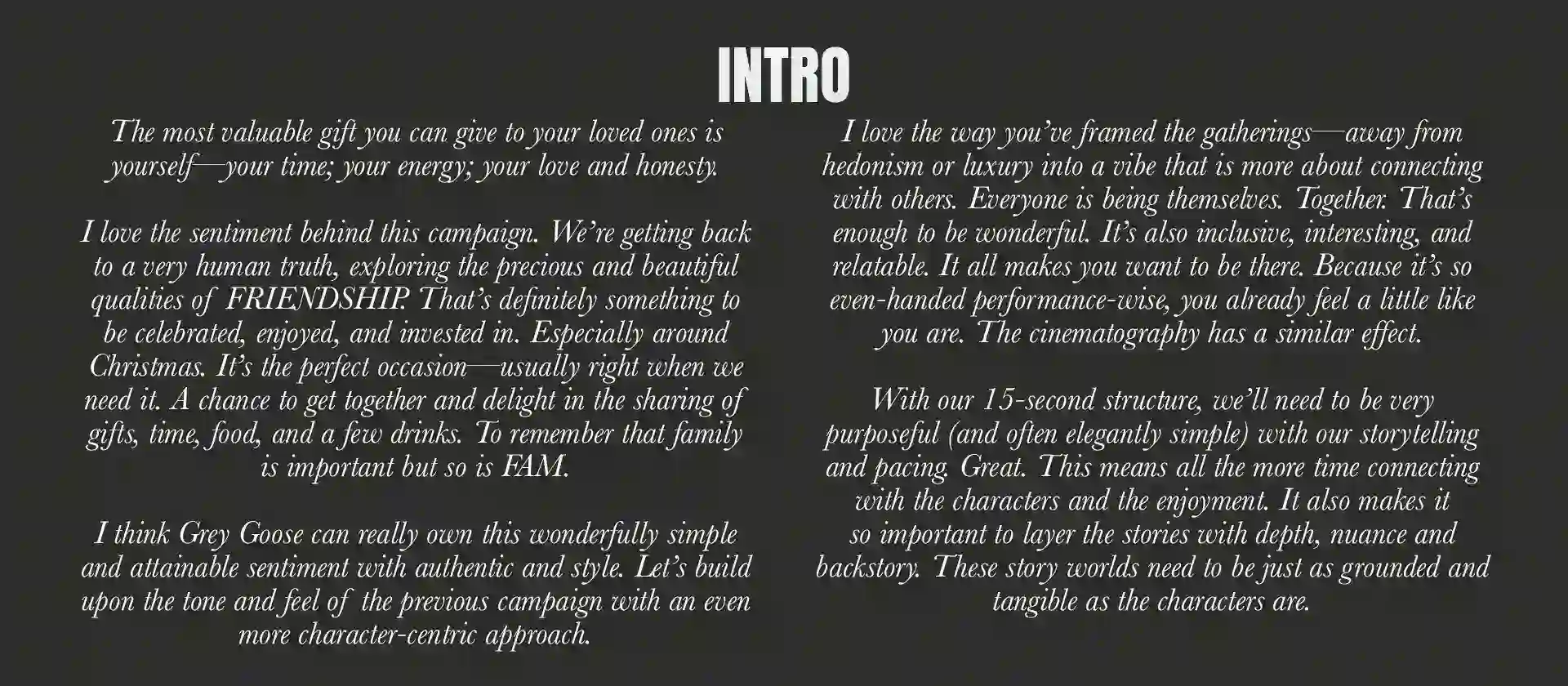
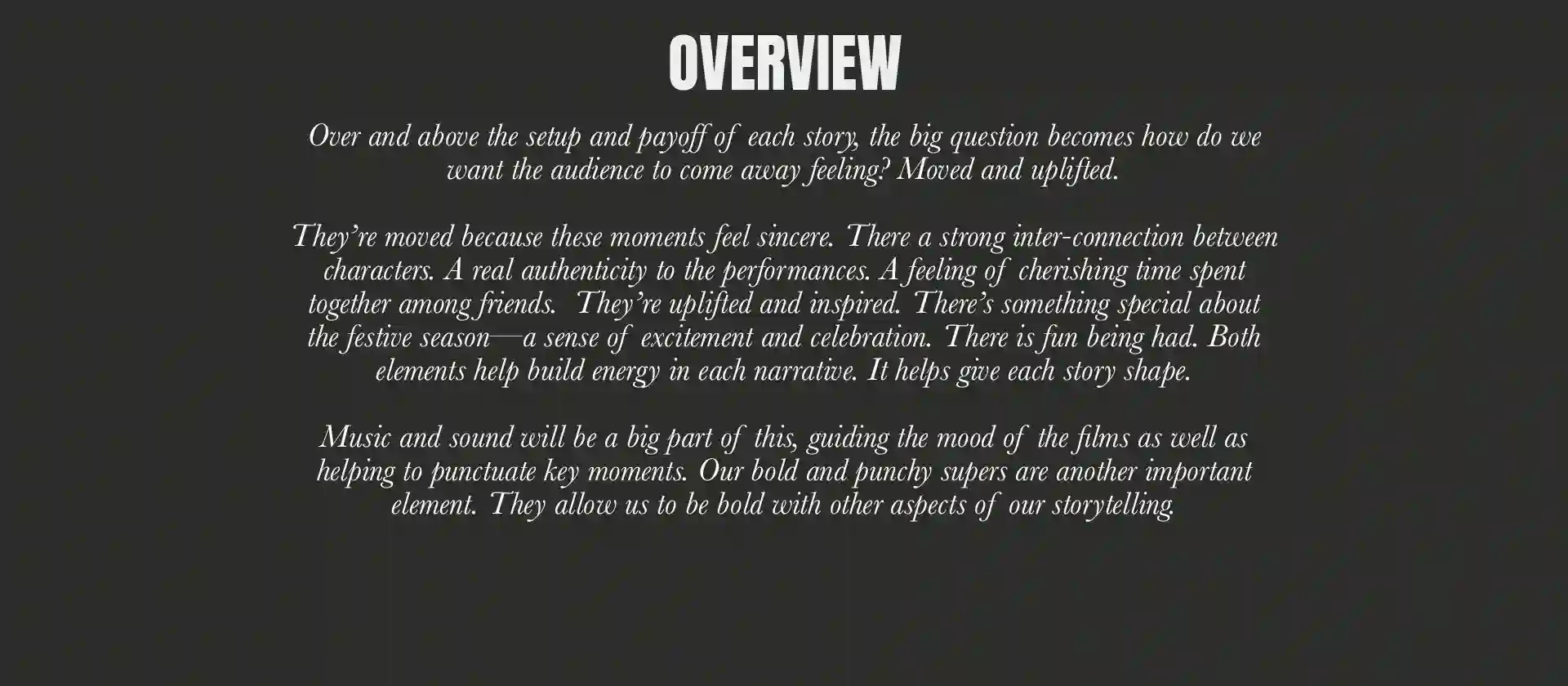
Filmmakers have various options. Different types of treatments, such as short treatments, long treatments, or visual treatments, offer distinct advantages depending on the scope and complexity of the project. Short treatments may be ideal for concise pitches, while long treatments allow for more detailed exploration of characters and plotlines. Visual treatments utilize images or storyboards to provide a visual representation of the film’s aesthetic.
Similarly, there are different formats available for creating pitch decks. Slide presentations can effectively convey information in a structured manner, allowing filmmakers to highlight key elements of their project through slides with concise text and compelling visuals. Digital portfolios provide an interactive experience by incorporating multimedia elements such as videos or animations.
By carefully considering their project’s requirements and target audience preferences, filmmakers can choose the most suitable treatment or pitch deck format that effectively communicates their vision.
Determining the Ideal Length for Pitch Decks
Determining an appropriate length for pitch decks is crucial to maintain audience engagement during presentations. Factors such as presentation time limits and target audience attention spans should be taken into account when deciding on the length of a pitch deck. A concise and focused pitch deck that conveys key information effectively is more likely to captivate potential investors.
To condense information without sacrificing essential details, filmmakers can employ strategies such as using impactful visuals, summarizing key points concisely, and utilizing bullet points or lists to present information in a clear and organized manner. By streamlining the content, filmmakers can ensure that their pitch decks are concise, engaging, and leave a lasting impression on investors.
Samples and Examples to Guide You
Written Examples Illustrating Effective Treatments
Successful films often have well-crafted treatments that effectively convey the story, characters, and tone. By examining these written examples, aspiring writers can extract valuable lessons and techniques for their own treatment writing. For instance, let’s take a look at the treatment for the film “The Shawshank Redemption.” This treatment brilliantly captures the essence of the story by vividly describing the main character’s journey from imprisonment to redemption. Aspiring writers can learn from this example how to create compelling narratives that engage readers from start to finish.
Notable Examples of Outstanding Film Treatments
There are several notable films that gained recognition due to their exceptional treatments. One such example is “Pulp Fiction,” which revolutionized storytelling with its non-linear structure and distinctive characters. The treatment for this film stood out by effectively conveying the unique tone and style that director Quentin Tarantino envisioned. Another remarkable example is “Gone Girl,” where the treatment successfully captured the suspenseful atmosphere and intricate plot twists that made the film a gripping thriller. Aspiring writers can draw inspiration from these examples to elevate their own treatment writing by focusing on creating memorable characters and captivating narratives.
Where to Find Additional Resources and Examples
For those seeking additional guidance in treatment writing, there are various resources available. Websites like ScreenCraft provide valuable insights into crafting effective treatments through articles, interviews, and examples from successful films across genres. Books such as “Save The Cat!® Writes A Novel” by Jessica Brody offer practical tips on developing strong story structures, including treatments. Online communities like Reddit’s r/Screenwriting subreddit allow writers to connect with others in their field and share knowledge about treatment writing.
Platforms like The Black List offer access to sample treatments from a wide range of genres, providing aspiring writers with real-world examples they can study and learn from. By exploring these resources, writers can gain a deeper understanding of the nuances of treatment writing and further refine their skills.
The Writing Process Unveiled
Initiating the Writing Process for Your Treatment Writing Examples
To start writing a treatment, it’s important to have a clear plan in mind. Begin by brainstorming ideas and jotting down key elements of your story. This will help you organize your thoughts and create a solid foundation for your treatment. Once you have your ideas, outline the structure of your treatment. Break it down into sections such as the logline, synopsis, character descriptions, and plot points. This will provide a roadmap for your writing process and keep you focused on the essential elements of your story.
Writer’s block can be a common hurdle when starting any type of writing project. Overcome this obstacle by setting aside dedicated time for writing and establishing a routine. Don’t be afraid to write imperfectly; the goal is to get words on paper and refine them later. Remember that treatments are not set in stone and can be revised as needed.
Seeking Feedback on Your Film Treatment
Seeking feedback is an integral part of the treatment writing process. Constructive criticism from others can offer valuable insights that help improve your treatment. Consider sharing your work with trusted beta readers or joining writing groups where you can exchange feedback with fellow writers.
Beta readers can provide fresh perspectives and identify areas where clarification or improvement is needed in your treatment. They may also offer suggestions on how to enhance character development or strengthen plot points. Writing groups offer a supportive environment where you can receive feedback from multiple individuals who share similar goals.
Feedback helps refine your treatment by highlighting its strengths and weaknesses. It allows you to address any inconsistencies or gaps in storytelling, ensuring that your treatment resonates with readers and captures their attention.
Reasons Why Treatment Writing Examples is Crucial
Investing time in crafting a well-developed treatment is crucial for several reasons:
- Attracting Industry Professionals: A compelling treatment showcases your storytelling abilities, attracting industry professionals such as producers, directors, and agents. It serves as a sample of your writing style and narrative skills, opening doors to potential collaborations and opportunities.
- Securing Funding Opportunities: A well-crafted treatment can be instrumental in securing funding for your film project. It provides potential investors with a clear understanding of the story, characters, and overall vision. This increases the likelihood of financial support for production.
- Serving as a Roadmap: A treatment acts as a roadmap throughout the filmmaking journey. It helps you stay focused on the core elements of your story, guiding you through the writing process and ensuring consistency in storytelling.
By investing time in creating a strong treatment, you lay the foundation for success in the film industry.
Adding Professionalism to Your Treatment
The Value of Not Providing Free Treatments
Providing free treatments may seem like a generous gesture, but it’s important to consider the potential drawbacks. One key concern is the lack of proper agreements in place. Without clear terms and conditions, you may encounter difficulties in protecting your work and intellectual property rights.
Furthermore, giving away treatments for free can diminish their perceived value. If others perceive your work as being freely available, they may not take it as seriously or recognize its true worth. This can undermine your professionalism and make it harder to establish yourself as a credible writer.
To address these concerns, it’s advisable to explore alternative approaches when sharing your treatment ideas. Instead of providing a written document upfront, consider pitching your ideas verbally. This allows you to gauge interest and engage in discussions without revealing all the details. Alternatively, you can protect your creative work by signing non-disclosure agreements (NDAs) before sharing any confidential information.
Key Components in a Captivating Treatment Writing Examples
Creating an engaging and captivating film treatment requires careful attention to certain key components. First and foremost, a strong opening is crucial to grab the reader’s attention from the very beginning. Whether it’s an intriguing hook or an impactful scene description, setting the right tone sets the stage for what’s to come.
Compelling characters are another essential element of a successful film treatment. Well-developed protagonists with distinct personalities and motivations draw readers into the story and make them emotionally invested in their journey.
A clear narrative arc is equally important for holding the reader’s interest throughout the treatment. A well-structured storyline with rising action, climax, and resolution keeps readers engaged and eager to see how events unfold.
In addition to these elements, evoking emotions is vital in capturing the reader’s imagination. By creating moments that resonate with audiences on an emotional level, you can leave a lasting impact and make your treatment memorable.
Lastly, leaving room for imagination is key. While providing enough detail to convey your vision, it’s important not to overly prescribe every aspect of the story. Allowing readers to fill in some gaps with their own imagination fosters a sense of ownership and excitement.
A Comprehensive Guide with a Free Template
If you’re looking for a comprehensive guide on treatment writing, you’ve come to the right place. This article provides all the necessary information and resources you need to enhance your treatment writing skills.
To make things even better, we offer a free template that you can use as a starting point for your own treatment projects. The template includes sections for each essential component discussed earlier, ensuring that you cover all the crucial aspects of an effective film treatment.
By following this guide and utilizing the provided template, you’ll be equipped with the tools and knowledge needed to create professional and captivating treatments that stand out from the crowd.
Finalizing Your Treatment Writing Examples
Examining Various Samples and Their Impact
Analyzing different treatment samples across various genres is a valuable exercise in understanding their impact. By studying these examples, writers can gain insights into the specific elements that contribute to their effectiveness. For instance, examining treatments from successful films can reveal how the writer effectively captures the essence of the story, develops compelling characters, and creates engaging conflicts. These samples also showcase the writer’s ability to create vivid visuals and establish a unique tone or atmosphere.
One way to approach this analysis is by identifying patterns or techniques that consistently appear in well-crafted treatments. For example, in action films, treatments often contain dynamic descriptions of thrilling sequences and high-stakes conflicts. On the other hand, romantic comedies may emphasize witty dialogue and charming character interactions. By recognizing these genre-specific conventions, writers can adapt successful techniques from existing samples into their own treatment writing.
Wrapping Up with Final Thoughts on Treatment Writing Examples
Summarizing key takeaways from this article regarding script treatments underscores their importance in the filmmaking process. A well-crafted treatment serves as a blueprint for the entire film project and helps convey the vision to potential collaborators such as producers and directors. It provides a clear roadmap for storytelling, ensuring that all essential story beats are captured before diving into scriptwriting.
By applying newfound knowledge and techniques discussed throughout this article, writers can enhance their treatment writing endeavors significantly. They can incorporate captivating elements from different genres while maintaining their unique voice and style. Furthermore, they should strive to create treatments that are concise yet evocative, capturing the essence of the story while leaving room for interpretation.
Conclusion: Treatment Writing Examples
Crafting a compelling film treatment is an essential step in the filmmaking process. It serves as the blueprint for your movie, capturing the essence of your story and enticing potential investors, producers, and collaborators. By following the script treatment framework and adding professionalism to your treatment, you can elevate its impact and increase your chances of success.
Samples and examples play a crucial role in guiding you through the writing process. They provide valuable insights and inspiration, helping you understand how to structure your treatment and effectively communicate your vision. As you finalize your film treatment, remember to pay attention to detail and ensure that it aligns with your overall creative vision.
In conclusion, a well-crafted film treatment not only showcases your storytelling abilities but also demonstrates your professionalism and dedication to your project. Use the knowledge gained from this article to refine your writing skills, create a compelling treatment, and take the next step towards bringing your cinematic vision to life.