Setting clear goals for your screenplay and scene in your short film treatment is crucial to its success. By understanding the significance of these goals in the context of your film idea, you can effectively plan and secure financing for your screenplay and scene.
By understanding the importance of setting clear goals for your screenplay and effectively planning its financing, you can navigate the challenges inherent in creating compelling narratives within limited resources. Whether it’s a scene or an entire film project, having a solid plan is crucial to success. Remember to align your creative vision with financial constraints while ensuring that your screenplay treatment reflects both artistic integrity and feasibility of the scene.
Key Points of Consideration While Financing Your Project
Having clear goals for your screenplay is essential in providing direction and purpose to each scene of your film. It allows you to focus on what you want to achieve with your screenplay, whether it’s showcasing your skills as a filmmaker, exploring specific themes, or reaching a particular audience in a scene.
- Securing Financing: Effective planning plays a vital role in securing financing for your film screenplay. Investors and potential backers will be more inclined to support your screenplay project if they see that you have a solid plan for each scene in place. Creating a compelling pitch deck that outlines the purpose, theme, structure, treatment, screenplay, and scene of your film can greatly enhance your chances of attracting financial support.
- Aligning Vision with Constraints: Short films often operate within limited budgets, making it crucial for filmmakers to carefully plan their screenplay and scene. When writing a screenplay, it’s crucial to find creative strategies that align your vision with the financial constraints of the scene. Consider how budget considerations can shape the overall look and narrative of your film screenplay and scene while still maintaining its impact.
- Shaping Your Treatment: The treatment is an essential document that outlines the story, characters, and key elements of your screenplay or scene. Budget considerations can influence the treatment of a screenplay by determining factors such as location choices, production design options, casting decisions, and even the overall scene. By being mindful of these constraints during the writing process, you can create a treatment that showcases both creativity and feasibility in the scene.
Step-by-Step Guide: Writing a Short Film Treatment
To create an engaging and well-rounded short film treatment, it’s important to follow a systematic approach that includes setting the scene. By incorporating essential elements at each step of the writing process, you can develop a successful screenplay treatment that captivates both readers and potential investors. One crucial step in this process is creating a compelling scene that engages the audience and drives the story forward.
By following this step-by-step roadmap, you can create a compelling document that showcases your storytelling skills. Remember to read other successful treatments as examples to gain inspiration and insights into what works in the industry. With dedication and practice, you can refine your scriptwriting abilities and increase your chances of success as a screenwriter.
Steps to Increase Your Chances at Success in a Short Film Treatment
- Brainstorming Ideas: Begin by brainstorming ideas. Consider unique concepts, intriguing characters, and compelling themes that resonate with your target audience. Explore different perspectives and possibilities to find the most promising narrative direction.
- Developing Cohesive Narratives: Once you have selected an idea, focus on developing a cohesive narrative structure. Outline the key events, plot points, and character arcs that will drive your story forward. Ensure that each element contributes to the overall arcs and engages the audience emotionally.
- Structuring and Formatting: Mastering the art of structuring and formatting is crucial for creating an effective treatment. Use industry-standard screenwriting software or templates to ensure proper formatting in terms of dialogue, action descriptions, and scene transitions. This will make your treatment more professional and easier to read.
- Crafting Compelling Characters: Pay attention to creating well-defined characters who evoke empathy or curiosity from the reader. Develop their backgrounds, motivations, conflicts, and relationships in a way that adds depth to your story.
- Including Visual Descriptions: In addition to capturing the essence of your story through words, incorporate visual descriptions that help paint a vivid picture in the reader’s mind. Use concise yet evocative language to convey specific details about settings, costumes, lighting, or any other visual aspects relevant to your narrative.
- Polishing Your Treatment: Before finalizing it, review it meticulously for clarity, coherence, grammar errors or typos. Ensure that it flows smoothly from start to finish while maintaining a consistent tone and style.
Crafting an Effective Logline for Your Short Film Treatment
Crafting a concise and attention-grabbing logline for your short film treatment is crucial. It serves as a powerful tool to captivate potential investors, producers, and audiences alike.
Crafting an effective logline requires careful consideration of plot points, narrative format, and storytelling techniques. By mastering this skill, you can create a captivating pitch deck that entices industry professionals and leaves them eager to learn more about your project’s unique concept and storyline.
Remember, every word counts when crafting a logline – so choose them wisely to make a lasting impression!
Key Components of a Strong Logline
- Character: Introduce the main character of your story in a compelling way. Highlight their unique traits or circumstances that make them stand out.
- Conflict: Clearly convey the central conflict or problem that the character faces. This could be an internal struggle or an external obstacle they must overcome.
- Stakes: Emphasize what is at stake for your character if they fail to resolve the conflict. This adds tension and urgency to your story.
Tips and tricks to Make Your Logline Stand Out
- Be specific: Use vivid language to paint a clear picture of your story’s premise.
- Keep it concise: Aim for brevity while still conveying the essence of your narrative.
- Focus on uniqueness: Highlight what sets your story apart from others in its genre.
- Create intrigue: Spark curiosity by leaving some details open-ended, encouraging further exploration.
Examples of Compelling Loglines from Successful Short Films
- “A young artist struggles with self-doubt as she races against time to complete her masterpiece before losing her eyesight.”
- “In a world where emotions are forbidden, two star-crossed lovers risk everything to defy societal norms and experience true love.”
Three-Act Structure: Enhancing Your Short Film Treatment
Understanding how to apply the three-act structure can greatly enhance storytelling. By breaking down your film idea into three distinct acts, you can create a more engaging narrative that captivates your audience from start to finish.
To gain inspiration and insight into successful short films utilizing this model, explore examples such as “The Lunch Date,” “Six Shooter,” and “The Phone Call.”
By incorporating the three-act structure into your short film treatment, you can create a compelling and well-polished project that resonates with both audiences and potential collaborators, such as actors and production companies.
Remember, the key is to use this as a guide rather than a strict formula. Adapt it to suit your unique story while keeping in mind the importance of engaging storytelling within the constraints of shorter formats.
Act Structure
Each act serves a specific purpose and contributes to the overall flow of your story within the limited runtime constraints. Here’s a breakdown of what each act entails:
- Act 1 – Setting the Stage:
- Introduce your main characters and establish their goals, motivations, and conflicts.
- Include an inciting incident that propels the story forward and grabs the audience’s attention.
- Set up important scenes that lay the foundation for the plot and character arcs.
- Act 2 – Building Tension:
- Develop subplots and introduce new challenges or obstacles for your main characters.
- Explore themes and deepen character relationships through pivotal scenes.
- Keep the audience engaged by maintaining a steady pace while gradually building towards a climax.
- Act 3 – Resolution:
- Bring all storylines together in a satisfying conclusion.
- Resolve conflicts, provide closure for character arcs, and deliver on the themes established earlier.
- Craft impactful final scenes that leave a lasting impression on your audience.
Other Techniques in a Three Act Structure of a Short Film Treatment
When adapting traditional three-act structure principles to fit within limited runtime constraints, consider these techniques:
- Condense scenes: Focus on essential moments that drive the plot forward while omitting unnecessary details.
- Streamline subplots: Simplify complex storylines by intertwining them with the main plot or removing nonessential elements.
- Utilize efficient dialogue: Make every word count by ensuring dialogue reveals character traits, advances the story, or conveys important information concisely.
Utilizing a Short Film Treatment for Decision-Making during Shoots
Short film treatments serve as valuable reference tools during the shooting process. They effectively communicate the creative vision to the cast and crew, streamlining decision-making on set and saving time and resources.
Utilizing short film treatments is not only a good idea but also an essential step in ensuring efficient communication and decision-making throughout the shoot. By providing a clear roadmap for all involved parties, these treatments become indispensable tools that contribute significantly to successful productions.
Remember: A well-crafted one can make all the difference between confusion on set and a smooth-running production.
Tips and Tricks to Utilize Your Short Film Treatment During Shooting
- Reference Tool: Treatments provide a roadmap for the video’s production, outlining key elements such as plot points, main characters, and setting. This allows everyone involved to have a clear understanding of the story, theme, and tone.
- Communication: By using them, screenwriters can effectively convey their ideas and desired mood or energy to the production team. The treatment acts as a written synopsis that captures the essence of the film idea.
- Streamlined Decision-Making: During shoots, having an effective treatment helps in making decisions quickly. It serves as a guide for choosing appropriate locations, deciding on specific scenes or subplots to include, and even determining which art or mask designs will enhance the overall narrative.
- Real-Life Scenarios: Production companies often rely on a short film treatment when pitching projects to executives or potential investors. These treatments showcase the creative vision in a concise manner and help demonstrate how key elements will come together to engage the audience.
Examples: Inspiring Examples
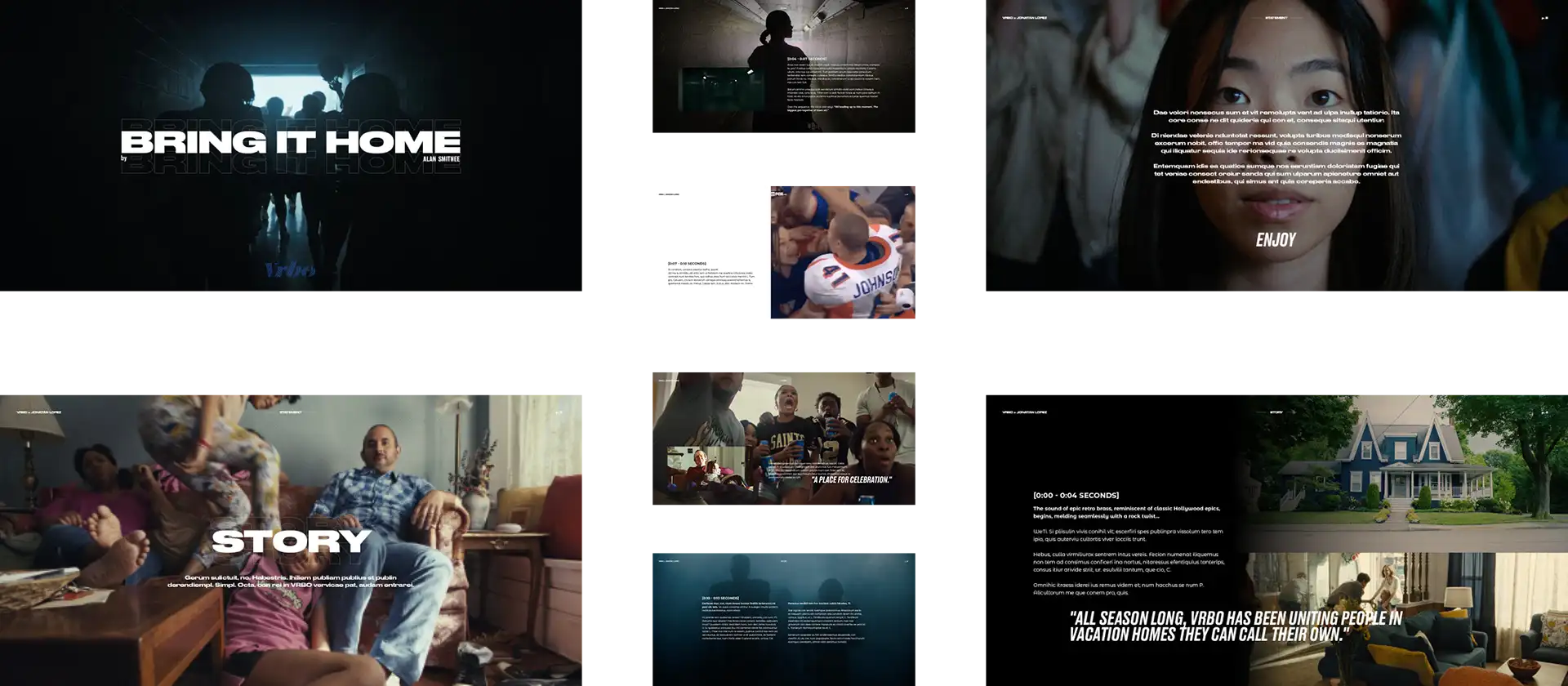
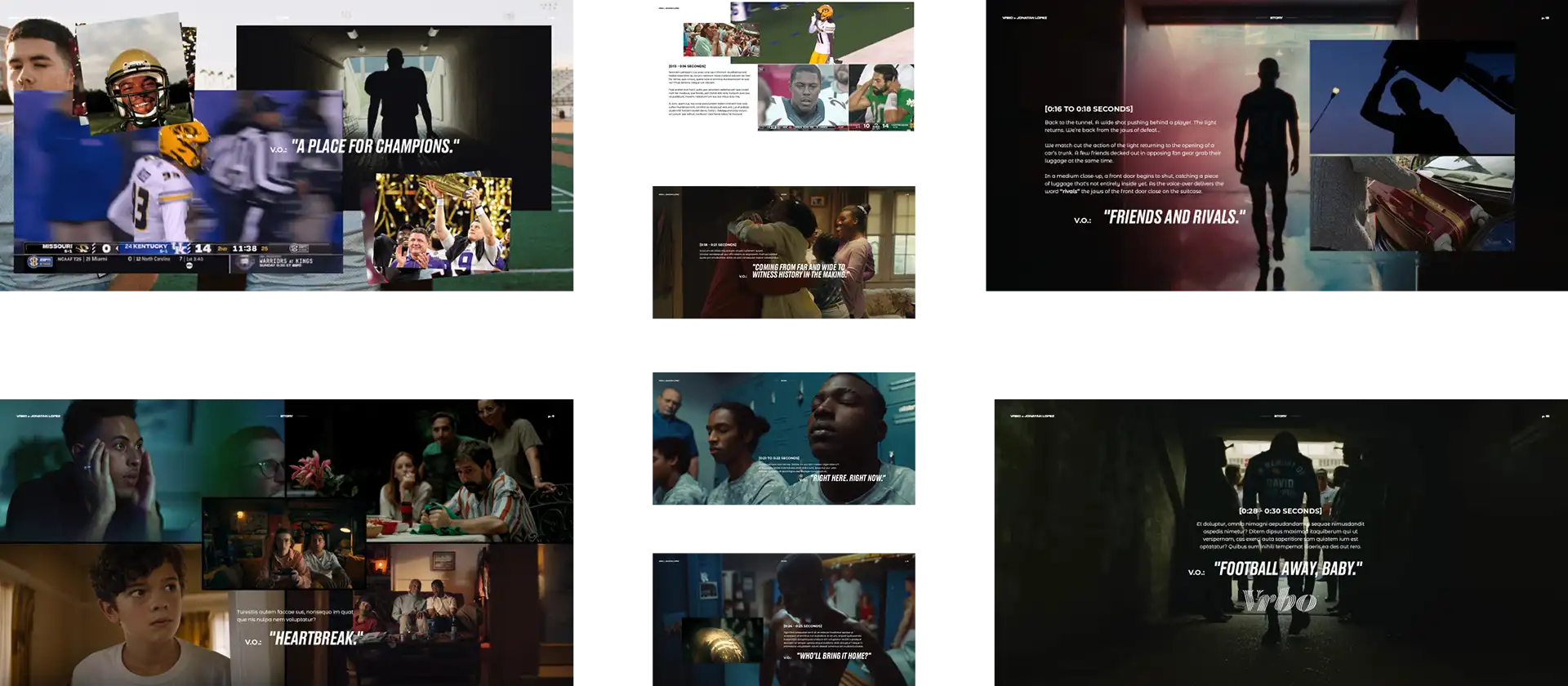
Gain inspiration from successful short film treatments that have made an impact in the industry. Explore diverse genres and storytelling approaches showcased in these inspiring examples. Learn from the strengths of each example and apply them to your own short film treatment writing process. Discover how these exemplary examples effectively engage audiences within limited runtime.
By exploring these inspiring examples, anyone can gain valuable insights into effective storytelling techniques while crafting their own impactful movie experiences.
Key Take Aways in These Examples
- Embrace unique perspectives: Draw inspiration from films that tackle unconventional themes or present stories from underrepresented voices.
- Experiment with narrative techniques: Analyze how different examples use flashbacks, nonlinear storytelling, or other creative devices to captivate viewers.
- Craft compelling characters: Study how well-developed protagonists and supporting cast members contribute to engaging narratives within limited screen time.
- Apply lessons learned:
- Adapt successful elements: Identify aspects from these inspiring examples that align with your vision and incorporate them into your own treatment ideas.
- Customize templates: Utilize existing frameworks as starting points for structuring your story, tailoring them to suit your specific concept and style.
- Engaging audiences effectively:
- Efficient exposition: Observe how these establish context quickly without sacrificing depth or leaving viewers confused.
- Visual storytelling mastery: Analyze visual cues, cinematography choices, and editing techniques employed to evoke emotions and convey meaning concisely.
Conclusion: Mastering the Art of Short Film Treatment
In conclusion, mastering the art of short film treatment is crucial for filmmakers looking to bring their vision to life. By understanding the importance of setting clear goals and securing financing, writers can ensure that their short films have a solid foundation. Following a step-by-step guide and crafting an effective logline further enhance the treatment’s quality, helping filmmakers communicate their ideas concisely and compellingly. Utilizing the three-act structure provides a framework for storytelling that captivates audiences from beginning to end. Finally, using these documents as decision-making tools during shoots allows for efficient production and ensures that every scene contributes to the overall narrative.
For aspiring filmmakers seeking success in the world of short films, it is essential to master the art of creating compelling treatments. By following these guidelines, one can develop a strong foundation for their projects and increase their chances of attracting financing and gaining recognition in the industry. Remember to stay focused on your goals, refine your storytelling skills, and use a short film treatment as valuable tools throughout your filmmaking journey.
What is a short film treatment?
A short film treatment is a concise document that outlines key elements of a proposed short film, including its story concept, characters, plot points, themes, and visual style. It serves as a blueprint or roadmap for filmmakers during pre-production.
How long should a short film treatment be?
A short film treatment typically ranges from one to five pages in length. It should be concise yet comprehensive enough to convey all necessary information about the story.
Can I submit my short film treatment to festivals or competitions?
Yes! Many festivals and competitions accept submissions in various formats, including a short film treatment. However, always check each specific event’s guidelines before submitting your work.
Should I include dialogue in my short film treatment?
While dialogue is not a requirement, it can be helpful to include snippets of dialogue that showcase the characters’ voices and give a sense of the film’s tone. However, focus on conveying the story and visual elements primarily.
How can I make my short film treatment stand out?
To make your short film treatment stand out, ensure that your concept is unique and compelling. Create well-developed characters, establish clear goals and conflicts, and demonstrate a strong understanding of storytelling techniques. Polish your writing to make it engaging and professional.