Understanding the Concept
A sample movie treatment is a written document that outlines the story, characters, and key plot points of a film. It serves as the foundation for developing a script and bringing an idea to life on the show. A script treatment is an essential part of the treatment process. It serves as a blueprint for the screenplay and helps filmmakers communicate their vision to producers, investors, and other stakeholders. Unlike other script formats, such as screenplays or outlines, treatments focus on providing a detailed narrative description of the story rather than dialogue or scene directions. Some famous movies that began with treatments and evolved into successful scripts include “Star Wars,” “E.T. the Extra-Terrestrial,” and “Jurassic Park.”
Importance in Filmmaking
Film treatments play a crucial role in helping filmmakers pitch their ideas effectively. By presenting a compelling treatment, filmmakers can capture the attention of potential investors and secure funding for their projects. Treatments provide an overview of the story’s concept, characters, and themes, allowing financiers to evaluate whether it aligns with their interests and investment goals. Furthermore, treatments serve as a roadmap for the final screenplay by establishing a clear structure and direction for the film.
Key Elements
When crafting a movie treatment, there are several essential components to consider. Firstly, character development is vital in creating engaging stories that resonate with audiences in a film script treatment. In fact, using a film treatment template can help guide the process. To get a better understanding, let’s take a look at some film treatment examples. A well-developed protagonist with clear motivations and conflicts adds depth to the narrative in a film script treatment. Using a film treatment template can help provide structure and organization to the process. Looking at film treatment examples can also offer inspiration and guidance. Outlining character arcs allows for meaningful growth throughout the film.
Balancing plot summary with visual storytelling is another crucial aspect of writing an effective treatment. While providing an overview of major plot points is necessary to convey the story’s progression, incorporating visual descriptions helps bring it to life in readers’ minds. By using vivid language and imagery, treatments can evoke emotions and create anticipation for key moments.
The Anatomy of a Film Treatment
Structure and Length
A movie treatment is a crucial document that outlines the story, characters, and key elements of a film.It is recommended to keep a treatment concise and focused. Generally, treatments range from 5 to 30 pages, depending on the complexity of the story.
In terms of structure, there are common sections found in most treatments. These include an introduction that provides an overview of the story and its genre, followed by a synopsis that summarizes the plot in a clear and engaging manner. Character descriptions help paint a vivid picture of each character’s traits and motivations.
To effectively organize ideas within the treatment format, it’s essential to have a clear understanding of your story’s narrative arc. Start with an attention-grabbing opening that sets the tone for your film. Then, proceed with well-defined acts or sequences that build upon each other to create tension and excitement. Finally, conclude with a satisfying resolution or cliffhanger.
Effective Prose Format
Writing engaging prose is vital when crafting a sample movie treatment. To captivate readers’ attention, utilize descriptive language that creates vivid imagery in their minds. Paint scenes with words by incorporating sensory details such as sights, sounds, smells, tastes, and textures.
Maintaining a consistent tone throughout the treatment is also crucial. Whether you aim for humor or suspense or any other emotion, ensure your writing style aligns with your desired tone. This helps transport readers into the world you’ve created and enhances their overall experience.
Adding Personal Voice
Infusing your personal voice into the movie treatment can make it stand out from others while showcasing your unique style as a writer. By injecting your own creativity and flair into the narrative description or dialogue snippets, you can leave an impression on readers.
However, it’s important to strike a balance between personal voice and industry standards. While adding your own touch, make sure the treatment still adheres to the expected format and conventions. This ensures that industry professionals can easily understand and evaluate your story.
Crafting Your Sample Movie Treatment
Five Steps to Writing
Crafting a compelling film treatment requires a systematic approach. Follow these five steps to create an engaging sample movie treatment that captivates readers and lays the foundation for your screenplay.
- Researching and Brainstorming: Before diving into writing, take the time to research and brainstorm ideas. Watch films in your genre, read books or articles related to your concept, and immerse yourself in the world you want to create. This will help you develop a strong foundation for your treatment.
- Outlining the Story: Begin by outlining the main plot points of your story. Define the beginning, middle, and end, ensuring there is a clear narrative arc that keeps the audience engaged from start to finish. Include key events, character development moments, and any twists or surprises that add depth to your story.
- Developing Characters: Flesh out your characters by giving them distinct personalities, motivations, and goals. Describe their physical appearance, emotional traits, and how they fit into the overall story. Don’t forget to include any character arcs or transformations they may undergo throughout the film.
- Writing Engaging Scenes: Write scenes that showcase pivotal moments in your story with vivid detail. Use descriptive language to paint a clear picture in the reader’s mind without overwhelming them with unnecessary information. Focus on creating impactful dialogue that reveals character dynamics and advances the plot.
- Revising and Polishing: Once you have completed a draft of your film treatment, take the time to revise and polish it further. Read through it multiple times for clarity, coherence, and consistency in tone. Consider seeking feedback from trusted peers or mentors who can provide constructive criticism to improve its overall quality.
Incorporating Feedback
Seeking feedback on your film treatment is crucial for its growth and refinement. Here are some strategies for incorporating constructive criticism:
- Find Trusted Readers: Share your treatment with individuals who have experience or knowledge in the film industry. They can offer valuable insights and suggestions to strengthen your story.
- Consider Different Perspectives: Listen to feedback from various sources to gain a well-rounded understanding of how your treatment is perceived. Take note of recurring comments or concerns that may need addressing.
- Analyze Feedback Objectively: Approach feedback with an open mind and consider it as an opportunity for growth. Separate personal attachment from the work and focus on making improvements based on the suggestions provided.
- Revise and Refine: Use the feedback received to revise and refine your treatment. Address any areas that need clarification, strengthen character arcs, or enhance plot elements based on the input you’ve received.
Inspiration from Successful Examples
Study Material Overview
To enhance your understanding of a sample movie treatment, it’s crucial to explore resources and references that provide valuable insights. Books, articles, and websites dedicated to the art of film treatment writing can serve as excellent study material. By studying existing treatments, you can gain inspiration and improve your own writing skills.
There are various resources available. Books such as “The Screenwriter’s Bible” by David Trottier or “Save the Cat!® Writes a Novel” by Jessica Brody offer valuable guidance on crafting effective treatments. These books not only provide detailed explanations but also include sample treatments for you to analyze.
In addition to books, there are numerous articles and websites that discuss movie treatments in depth. Websites like ScriptMag.com and TheScriptLab.com offer a wealth of information on screenwriting techniques, including samples of successful movie treatments. These online platforms often feature breakdowns of popular films’ treatments, giving you a chance to learn from established writers.
Find Inspiration in Successful Film Treatments
Studying existing treatments can greatly benefit your own writing process. By analyzing successful examples, you can observe how professional writers structure their ideas and develop compelling narratives within the constraints of a treatment format. Pay attention to the way they introduce characters, outline plot points, and convey the emotional arcs of their stories.
Moreover, exploring different types of movies through their respective treatments allows you to understand how various genres approach storytelling differently. For example, analyzing a treatment for a romantic comedy versus a thriller can highlight distinct narrative techniques employed in each genre.
By immersing yourself in these resources and studying real-world examples, you’ll gain valuable insights into what makes an engaging treatment. This knowledge will help you refine your own storytelling skills and increase your chances of capturing the attention of producers or investors when pitching your project. Meanwhile, we’ve gathered a few of our own below:
Differentiating Screenwriting Documents
Outlines Versus Treatments
Outlines and treatments are two distinct screenwriting documents that serve different purposes in the script development process. An outline is a concise summary of the main plot points, character arcs, and key scenes of a screenplay. It provides a roadmap for the writer to follow while crafting the script. On the other hand, a treatment is a more detailed narrative description of the story, including dialogue snippets and visual elements.
It depends on the stage of your writing process and personal preference. Outlines are often used as initial planning tools, enabling writers to organize their ideas and structure their story effectively. They provide a high-level overview of the screenplay without delving into too much detail. If you prefer working with bullet points or short summaries, outlines can be an excellent choice.
However, if you want to delve deeper into your story’s nuances and explore its visual and emotional aspects before diving into the actual screenplay writing, treatments might be more suitable. Treatments allow you to flesh out your characters’ motivations, describe vivid settings, and convey the overall tone of your story in greater detail. They can help you refine your storytelling techniques and ensure that every element is well thought out before embarking on writing the full script.
In many cases, outlines and treatments work hand in hand during the screenwriting process. While an outline provides structure and guidance for writing each scene, a treatment allows you to add depth and richness to those scenes by incorporating sensory details and character emotions.
The Purpose of a Sample Movie Treatment
A scriptment is another screenwriting document that bridges the gap between treatments and screenplays. It combines elements from both formats – providing narrative descriptions like treatments while incorporating some dialogue snippets like screenplays.
The purpose of a scriptment is twofold: first, it serves as an exploratory tool for the writer to flesh out their story and characters in more detail. It allows them to experiment with different narrative techniques, dialogue exchanges, and visual imagery before committing to a full screenplay. Second, a scriptment can be used as a pitching document to attract producers and financiers by providing them with a comprehensive understanding of the story’s potential.
Several successful movies have originated from scriptments. For example, James Cameron’s “Avatar” began as an extensive scriptment that allowed him to develop the intricate world of Pandora and its unique creatures. Similarly, Quentin Tarantino’s “Inglourious Basterds” started as a 165-page scriptment that showcased his distinctive dialogue style and storytelling approach.
Templates and Guides for Treatments
Microsoft Word Template Guide
Using pre-designed templates in Microsoft Word can be a helpful tool. These templates provide a structured format that you can easily follow, saving you time and effort. With just a few clicks, you can have a professional-looking treatment ready to go.
Customizing these templates is also an option, allowing you to tailor the document to fit your specific needs. You can modify fonts, colors, and layouts to match your desired aesthetic or branding. This customization ensures that your treatment stands out and reflects your unique vision.
When using a template, it’s important to consider formatting and organization. Make sure to utilize headings, subheadings, and bullet points effectively to create clear sections within your treatment. This helps readers navigate through the document easily and understand the flow of your story.
Step-by-Step Writing Guide for a Sample Movie Treatment
Writing a sample movie treatment may seem like a daunting task, but breaking it down into manageable steps can make the process much easier. A step-by-step writing guide provides detailed instructions on each stage of creating a treatment.
Start by outlining the key elements of your story: the main characters, their goals and conflicts, and the overall plot structure. This initial brainstorming phase sets the foundation for your treatment.
Next, focus on expanding each element into more detailed descriptions. Dive deeper into character backgrounds, motivations, and relationships. Develop compelling scenes that highlight pivotal moments in the story.
As you write your treatment, be mindful of common pitfalls to avoid. One such pitfall is providing too much unnecessary detail or dialogue. Treatments should give an overview of the story without getting bogged down in every minute aspect.
Another important aspect is maintaining consistency throughout your treatment. Ensure that character names are spelled consistently and that plot points align with earlier sections of the document.
By following these step-by-step guidelines, you’ll find yourself with a well-crafted movie treatment that effectively communicates your story.
Perfecting the Pitch Deck
Benefits of a Sample Movie Treatment
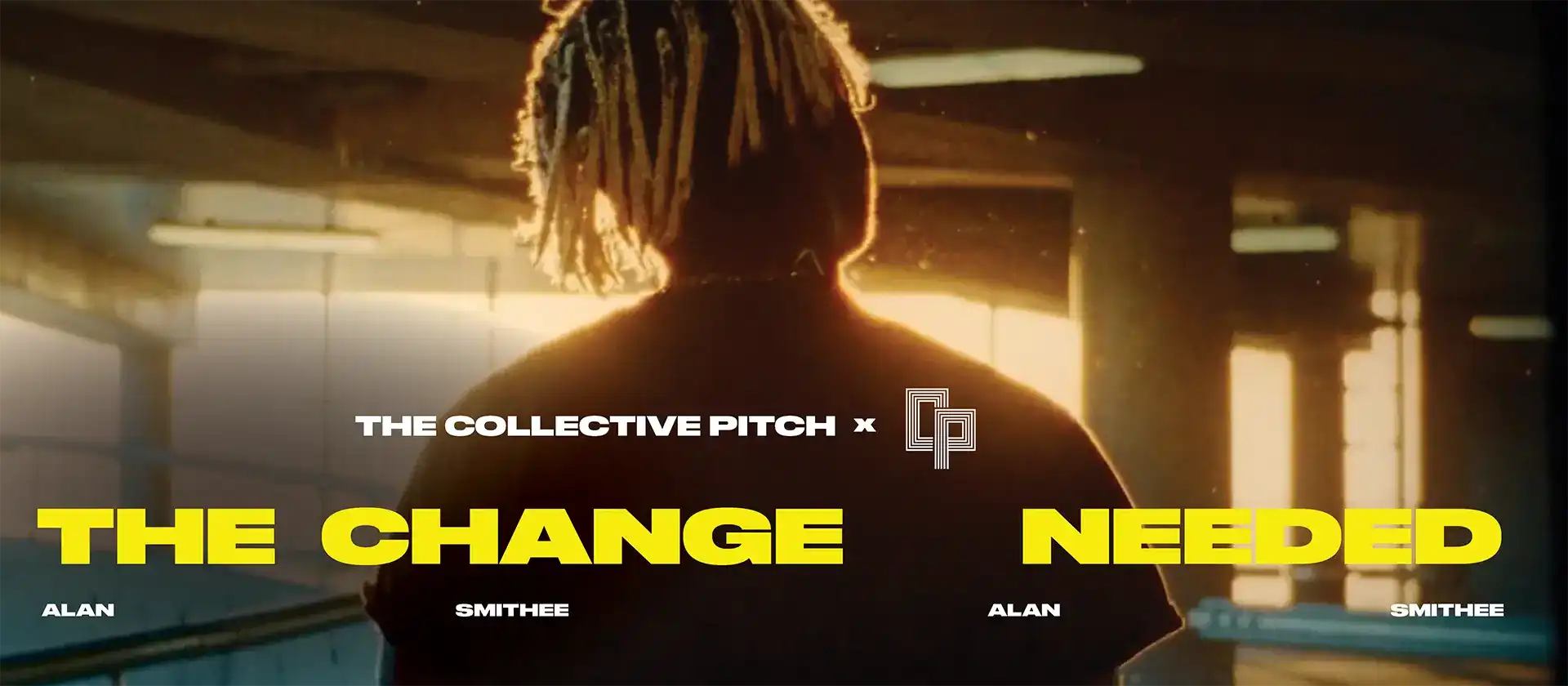
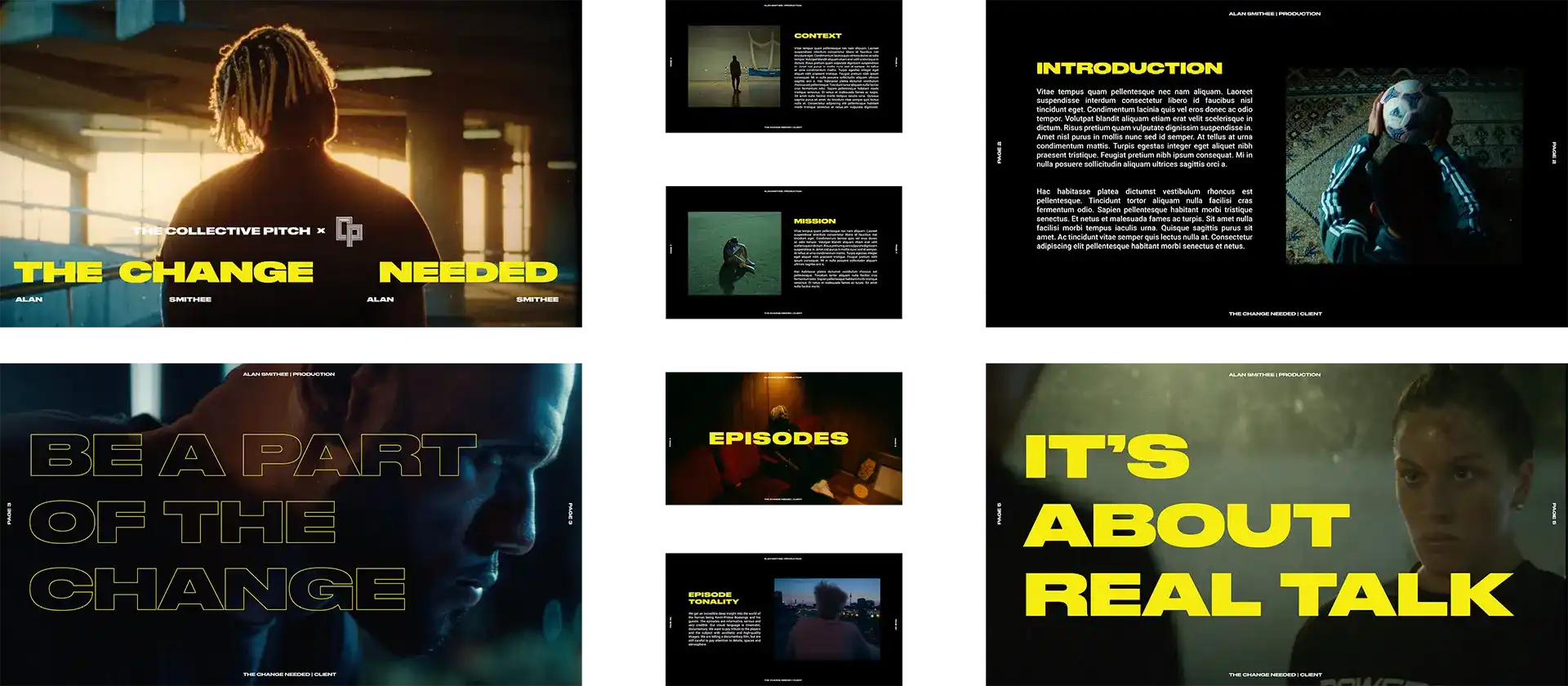
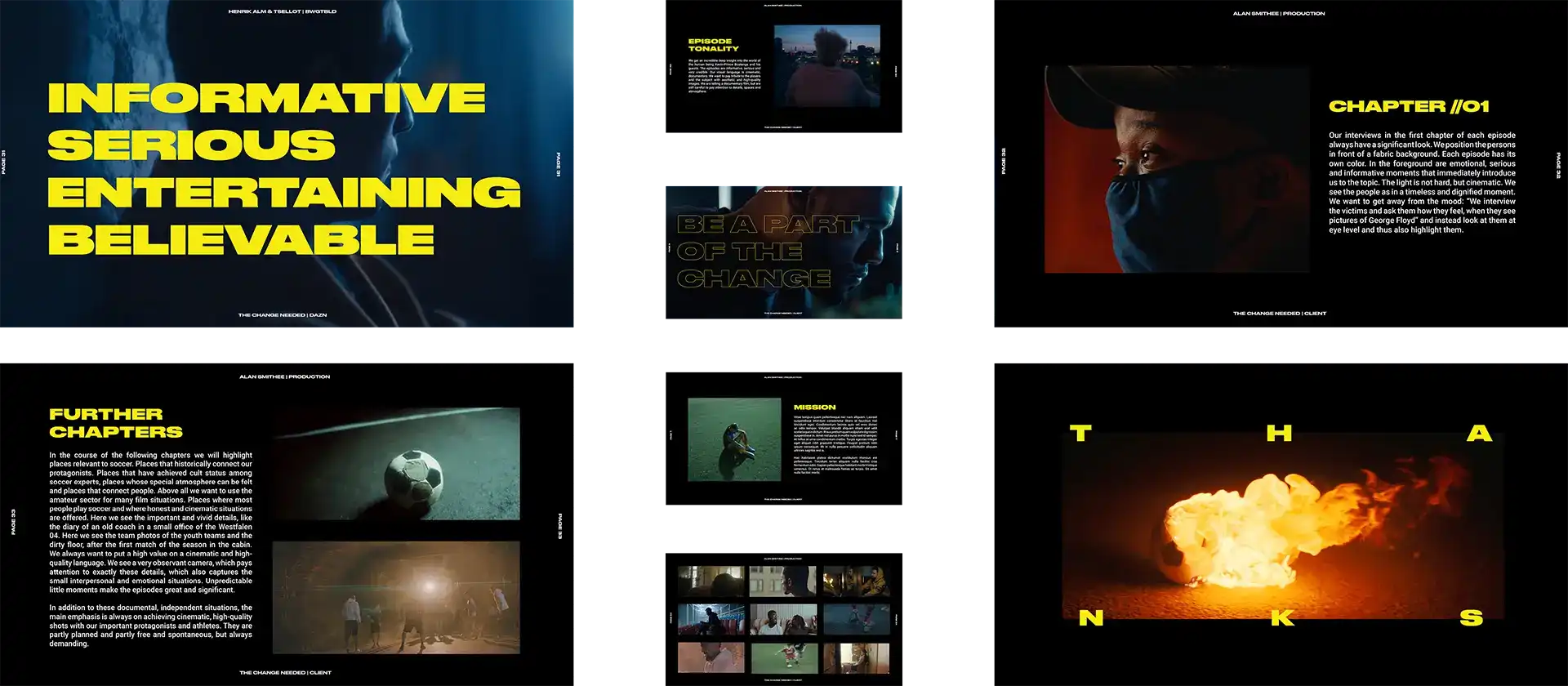
Creating a pitch deck alongside your treatment can offer numerous advantages. First and foremost, it allows you to present your movie idea in a visually appealing and engaging manner. By incorporating visual elements such as images, graphics, and charts into your pitch deck, you can effectively convey the essence of your story and captivate the attention of potential investors.
A treatment pitch deck serves as a powerful tool to enhance your pitch presentation. It provides a structured framework that helps you communicate key aspects of your movie concept concisely and persuasively. With a well-designed pitch deck, you can highlight the unique selling points of your film, showcase its market potential, and demonstrate why it is worth investing in.
To create an impactful treatment pitch deck, there are several tips to keep in mind. Firstly, ensure that the design is visually appealing by using high-quality images and compelling graphics. These visuals should align with the tone and genre of your movie while effectively conveying its core message.
Consistency between the content of your treatment and pitch deck is crucial. Make sure that the information presented in both aligns seamlessly so that potential investors can easily follow along. This consistency helps establish credibility and demonstrates that you have thoroughly thought through every aspect of your film’s development.
Tips for Engaging Decks
When crafting your treatment pitch deck, it’s essential to make it visually engaging to capture the interest of potential investors from the start. Here are some strategies to consider:
- Use eye-catching imagery: Incorporate captivating visuals that evoke emotions or set the mood for your film. This can include stills from similar movies or concept art that represents key scenes.
- Keep it concise: Avoid overwhelming investors with too much text on each slide. Instead, use bullet points or short sentences to convey key information succinctly.
- Utilize storytelling techniques: Structure your pitch deck like a compelling narrative, with a clear beginning, middle, and end. This will help investors connect with your story and understand its potential.
- Highlight market research: Include data and statistics that demonstrate the market demand for your film’s genre or target audience. This can help investors see the commercial viability of your project.
- Showcase your team: Introduce key members of your creative team, such as the director, writer, or producer. Highlight their past successes or relevant experience to instill confidence in potential investors.
By implementing these tips and strategies, you can create an engaging treatment pitch deck that effectively communicates the unique aspects of your movie concept while capturing the attention and interest of potential investors.
Legal and Technical Aspects
Copyright Considerations for Your Sample Movie Treatment
Understanding copyright protection for your sample movie treatment is crucial. Copyright gives you the exclusive rights to reproduce, distribute, display, and perform your work. It ensures that others cannot use or profit from your creative ideas without permission.
To safeguard your intellectual property rights, there are a few steps you can take. First, document your movie treatment in a tangible form, such as writing it down or saving it digitally. This provides evidence of when you created the work. Consider registering your treatment with the U.S. Copyright Office or relevant copyright authorities in your country. Registration strengthens your legal standing and allows you to pursue legal action if someone infringes on your rights.
Consulting legal professionals who specialize in copyright law is highly recommended. They can provide expert advice tailored to the film industry and help ensure that all necessary precautions are taken to protect your movie treatment. They can guide you through the intricacies of copyright law and assist in drafting contracts if needed.
Conclusion: Sample Movie Treatment
In conclusion, crafting a compelling sample movie treatment is essential for capturing the attention of producers, investors, and collaborators. Through this article, we have explored the various elements and considerations involved in creating a successful treatment. From decoding film treatments to perfecting the pitch deck, we have provided insights and practical tips to help you navigate this crucial stage of the filmmaking process. By understanding the anatomy of a film treatment and drawing inspiration from successful examples, you can effectively communicate your vision and story to potential stakeholders.
Now armed with knowledge and resources, it’s time to put your creativity into action. Start crafting your own film treatment using the templates and guides we have shared. Refine your pitch deck and consider the legal and technical aspects that will ensure your project’s success. Remember, a well-crafted film treatment not only showcases your storytelling abilities but also demonstrates your professionalism and dedication to bringing your cinematic vision to life. So go ahead, take the next step, and bring your movie dreams closer to reality.