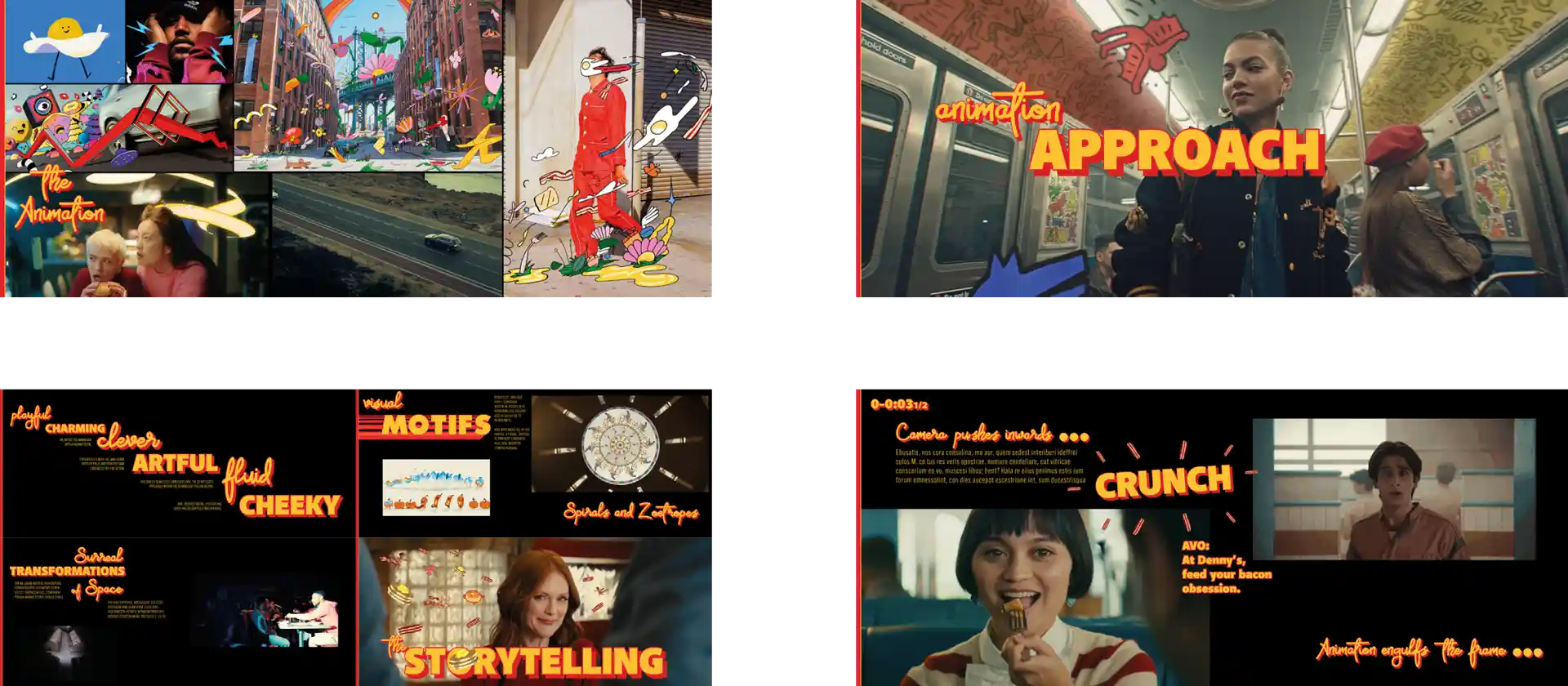
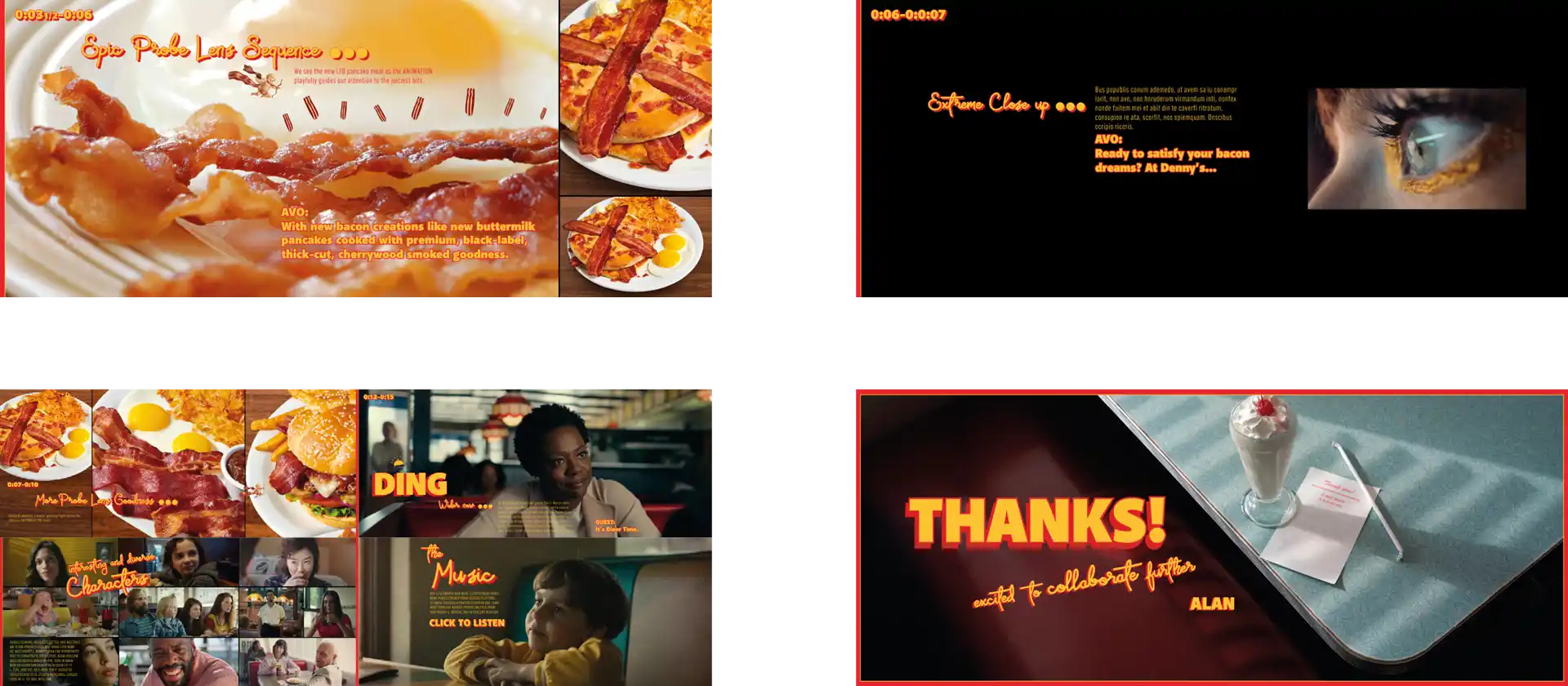
Film Treatment: Definition and Importance
A film treatment is a document that outlines the story, characters, and tone of a film. It is the foundation on which writers build their scripts. The film treatment template is a blueprint for the movie, providing clear vision to investors and collaborators. It is a helpful tool to write the script treatment and can be used as film treatment examples. A well-crafted film treatment is crucial in attracting funding and support for the project. It is important to write a treatment that effectively communicates the vision and potential of the film, as this can greatly impact the decision-making process of potential investors and supporters.
Investors and studios often rely on treatments to evaluate the potential of a film. When it comes to securing funding, it is crucial for filmmakers to write compelling treatments that showcase the unique aspects of their project. These written summaries provide a glimpse into the story, characters, and overall vision of the film, helping investors and studios make informed decisions. By effectively conveying the essence of the film through your comedy treatment example, filmmakers can increase their chances of attracting financial support and getting their projects off the ground. By presenting a compelling narrative with engaging characters, a treatment helps convince them of the project’s viability. This is why it is important to write a treatment that effectively showcases the story and characters. It allows them to visualize how the movie treatment and script treatment will unfold on screen and assess its marketability.
Moreover, film treatments streamline the production process by providing a roadmap for filmmakers. Movie treatments serve as reference material throughout pre-production, guiding decisions regarding casting, locations, and cinematography. By having a comprehensive treatment in place, filmmakers can ensure that everyone involved is aligned with their creative vision.
The Purpose and Formatting of Film Treatments
The primary purpose of a film treatment is to outline the essential elements of the story. This includes introducing key characters, describing their motivations and conflicts, and highlighting major plot points. Treatments establish the desired tone or atmosphere of the film.
To create an effective film treatment, it is important to follow common formatting guidelines. Treatments are typically written in present tense and third person narrative style. They should be concise yet descriptive enough to convey the essence of the story.
Clarity is essential when formatting a treatment as it helps readers understand your vision easily. Visual storytelling techniques such as vivid descriptions can enhance comprehension while allowing readers to visualize scenes in their minds.
Conciseness is also crucial since treatments need to provide enough information without becoming overly detailed or lengthy. Balancing brevity with sufficient detail ensures that readers get a sense of what makes your comedy unique without overwhelming them with unnecessary information.
Why You Need a Script Treatment for Your Comedy Film
Comedy films particularly benefit from having a script treatment. Humor relies heavily on timing, delivery, and comedic beats. A well-crafted treatment allows writers to map out these elements in advance, ensuring that the humor translates effectively onto the screen.
By outlining comedic beats in a comedy treatment example, writers can refine jokes and gags, maximizing their comedic impact. They can experiment with different punchlines and setups to find what works best for each scene. This level of planning helps avoid potential pitfalls that may arise when trying to generate laughs on set without proper preparation.
Furthermore, a comedy treatment provides an opportunity to fine-tune the pacing of the film. It allows writers to structure the story in a way that maintains a consistent rhythm throughout, ensuring that jokes land at just the right moments.
Crafting Your Comedy Treatment Example
How to Write a Comedy Treatment Example
Writing a comedy treatment example requires a specific approach to capture the essence of humor and engage your audience. Here are some step-by-step instructions to help you craft an engaging comedy treatment:
- Start by outlining the main plot points: Begin your treatment by summarizing the key events and story arc of your comedy film. This will serve as the foundation for your treatment.
- Incorporate comedic elements: To make your comedy treatment stand out, include witty dialogue, physical gags, or situational humor that aligns with the tone of your story. These elements will add depth and entertainment value to your treatment.
- Capture the unique comedic voice: Emphasize capturing the distinct comedic voice throughout your document. Whether it’s through clever wordplay or absurd situations, ensure that the humor shines through in every aspect of your treatment.
Writing Techniques for an Impactful Comedy Treatment Example
To create an impactful comedy film treatment that stands out from others, consider employing these writing techniques:
- Create memorable characters: Develop characters with distinct comedic traits that resonate with the audience. Give them quirks, flaws, or eccentricities that contribute to their comedic appeal.
- Use pacing and timing effectively: Comedy relies heavily on timing and rhythm. Experiment with different pacing techniques to enhance comedic effect in your treatment. Consider using pauses, quick-fire dialogue exchanges, or well-timed punchlines to keep the audience engaged.
- Surprise elements: Inject surprise elements into your comedy film treatment to catch the audience off guard and generate laughter. Unexpected twists, humorous reveals, or unconventional resolutions can add excitement and amusement to your story.
Tips for Creating Engaging Character Biographies in a Treatment
Developing well-rounded characters is crucial when crafting a comedy film treatment. Here are some tips for creating engaging character biographies:
- Clear motivations: Ensure that each character has clear motivations that drive their actions and contribute to the comedic situations in your film. Understanding their goals and desires will help you create compelling and relatable characters.
- Inject humor into character descriptions: Add humor to your character descriptions within the treatment itself. Use witty language, funny anecdotes, or amusing observations to bring your characters to life on the page.
- Relatable and likable characters: Create characters that the audience can connect with by making them relatable and likable. Give them qualities or experiences that resonate with viewers, allowing them to root for the characters’ success and find humor in their journeys.
Crafting a comedy treatment requires careful attention to detail and an understanding of what makes people laugh.
Structuring Your Comedy Treatment Example
Length and Structure of a Film Treatment
The length of a comedy treatment example can vary, but it is generally recommended to keep it concise and focused. A treatment that is too long may lose the attention of readers, while one that is too short may not provide enough detail. Aim for a length between 5 to 15 pages, depending on the complexity of your story.
There are different approaches you can take. The three-act structure is commonly used in many films, including comedies. It consists of an introduction (Act 1), rising action and conflict (Act 2), and resolution or climax (Act 3). This structure helps create a clear narrative arc that engages the audience.
However, comedy treatments also have room for experimentation with non-linear storytelling techniques. You can play with the order of events or use flashbacks to add comedic effect. Just make sure that these stylistic choices serve the story and enhance the humor.
Balancing brevity with necessary details is crucial when writing a comedy treatment. While you want to keep it concise, you also need to include essential elements such as character introductions and plot summaries. Provide enough information to give readers a sense of the comedic tone and style without overwhelming them with unnecessary details.
Elements of a Film Treatment: Examples from Popular Films
To understand what makes a successful comedy treatment, let’s analyze some popular films and identify key elements present in their treatments.
In the treatment for “Bridesmaids,” we see effective character introductions that establish their unique personalities and comedic potential. The plot summary highlights the main conflict – Annie’s struggle as maid of honor – while incorporating humorous setups like food poisoning at a bridal shop.
Similarly, in “Superbad,” the treatment introduces us to relatable teenage characters navigating hilarious situations involving parties, fake IDs, and high school drama. The treatment’s plot summary captures the essence of the film’s comedic premise, setting up funny scenarios and interactions between the characters.
These examples demonstrate how well-crafted character introductions, engaging plot summaries, and clever comedic setups contribute to the overall success of comedy films. By including these elements in your treatment, you can create a compelling story that resonates with audiences.
The Role of Story Arcs in TV Show Treatments
Story arcs play a significant role in TV show treatments as they help create engaging narratives that span multiple episodes or seasons. They provide an overarching structure that keeps viewers invested in the storylines and characters.
For example, “Friends” utilizes story arcs to develop relationships among its ensemble cast over ten seasons.
Protecting and Presenting Your Work
Protecting Your TV Show Treatment from Theft
To protect your ideas, limit who you share them with and use non-disclosure agreements (NDAs). Copyright registration is another option for protection. Keep your treatment confidential during pitching and submission by being selective about who you share it with and using watermarks on copies or files.
Submitting Your TV Show Treatment to Networks and Production Companies
Submitting your TV show treatment professionally increases its chances of being noticed by networks and production companies. Start by researching potential recipients who may be interested in projects similar to yours. Craft personalized queries or cover letters highlighting why you believe their network or production company would be a good fit for your show.
When submitting your TV show treatment, make sure it includes all necessary components: a logline, synopsis, character descriptions, and sample episodes if applicable. A logline should succinctly capture the essence of your show in one or two sentences while the synopsis provides a more detailed overview.
To grab attention, craft compelling loglines and synopses that showcase what makes your show unique and captivating. Focus on key aspects like the premise, main characters, conflicts, and potential audience appeal.
How to Write an Engaging Film Pitch Deck
Creating an impactful pitch deck alongside your film treatment can significantly enhance its chances of shining in the competitive market. A pitch deck is a visual presentation that provides an overview of your project and helps communicate your concept effectively.
When structuring your pitch deck, consider including sections like the elevator pitch, story synopsis, target audience analysis, market research findings, competitive analysis, and visual elements such as concept art or mood boards.
Dealing with Industry Challenges
Dealing with Rejection of Your TV Show Treatment
Receiving rejection can be disheartening, but it’s important to remember that it is a common part of the pitching process in the entertainment industry. Instead of letting rejection discourage you, try adopting coping mechanisms to handle it better. Take some time to process your emotions and remind yourself that rejection does not define your worth as a writer or the quality of your work. Seek support from fellow writers or mentors who can provide encouragement and guidance during this challenging time.
Use rejection as an opportunity for growth by seeking feedback on your TV show treatment. Embrace constructive criticism and learn from it to improve your work. Actively listen to what industry professionals have to say about your treatment and consider their suggestions for enhancing its strengths and addressing any weaknesses. Remember, feedback is valuable in refining your ideas and making them more appealing to potential buyers.
Despite facing rejection, it’s crucial not to give up on pursuing opportunities in the industry. Perseverance is key when navigating through the competitive world of television production. Keep refining your TV show treatment based on feedback received, continue networking with industry professionals, and explore different avenues for pitching your ideas. Success often comes after multiple rejections, so stay determined and resilient in pursuing your dreams.
Avoiding Mistakes When Writing Comedy Treatments
When writing comedy treatments, it’s important to avoid common mistakes that can hinder the effectiveness of your work. Here are some examples that demonstrate consistency, clarity, and coherence:
- Comedy writers for hire
- Hire a comedy writer
- Comedy examples literature
- TV treatment example
The Writing Process Explained
Step-by-Step Guide to Writing a Comedy Treatment Example
Creating a comprehensive TV show treatment may seem daunting, but by breaking it down into manageable steps, the process becomes much more approachable. Start by brainstorming ideas for your show, considering different genres and themes that interest you. Once you have a concept in mind, outline the main characters and their arcs. Then, develop a plot summary that captures the essence of your show’s storylines. As you progress, remember to stay organized and focused throughout the writing process.
Key Components of a TV Show Treatment
A well-rounded TV show treatment should include several key components that make it engaging and marketable. First and foremost, focus on character development. Create compelling and relatable characters with clear goals, conflicts, and growth potential. Include plot summaries for each episode or season arc to showcase your storytelling abilities. Thematic exploration is also crucial; delve into the underlying themes and messages you want your show to convey. By including these elements in your treatment, you provide a solid foundation for pitching your idea to industry professionals.
Incorporating Series Format and Episode Outlines into Your Comedy Treatment Example
When crafting your comedy treatment example, consider how the series format impacts its structure. Ensure that you clearly articulate whether it is an episodic or serialized format so that readers understand the narrative flow of your show. If applicable, incorporate episode outlines or season arcs within your treatment to demonstrate long-term story potential while still providing closure in individual episodes. This helps showcase both the overall vision of your series as well as its episodic appeal.
Expanding Your Screenwriting Toolkit
Understanding the Uses of Scriptments in Filmmaking
Scriptments play a crucial role in film production by bridging the gap between scripts and treatments. They provide a detailed narrative structure while allowing for improvisation and creativity during the filming process. For example, scriptments can be particularly useful when working on projects that require a balance between a structured storyline and room for improvisation, such as comedy films. By using scriptments, filmmakers can outline the key plot points and character arcs while leaving room for comedic timing and spontaneous dialogue.
Outlines, Treatments, and Scriptments: A Comparison
The outlines, treatments, and scriptments each serve unique purposes in the pre-production process. An outline provides a broad overview of the story’s structure, highlighting major plot points and character development. Treatments expand upon outlines by delving deeper into the narrative elements, including scene descriptions and character motivations. On the other hand, scriptments offer even more detail by incorporating dialogue and specific instructions for actors.
Knowing when to use each type of document is essential for effective screenwriting. If you have a clear vision of your story’s structure but want to leave room for improvisation during filming, using a scriptment can be beneficial. However, if you’re still exploring various ideas or need to pitch your concept to potential investors or collaborators, a treatment might be more appropriate as it provides a comprehensive overview of your story without getting too bogged down in specifics.
Collaboration and Creativity
Thoughtful Collaboration in Creating a TV Show Treatment
The collaboration process plays a crucial role in the creation of a TV show treatment. Writers, producers, and directors need to come together to refine ideas and strengthen the overall concept. By pooling their expertise and perspectives, they can create a treatment that is well-rounded and engaging.
To effectively collaborate during the treatment creation process, it is important to maintain open communication channels. This allows for the free exchange of ideas and encourages constructive feedback. Regular meetings or brainstorming sessions can help ensure that everyone’s input is considered and incorporated into the treatment.
In addition to open communication, it is essential to establish a sense of trust among team members. Each person should feel comfortable sharing their ideas without fear of judgment or criticism. This fosters a collaborative environment where creativity can thrive.
Benefits of Putting Your Voice into the comedy Treatment Example
Injecting your unique voice into the comedy treatment example can make it stand out from others. It allows you to showcase your writing style while still adhering to industry standards. By infusing your personality into the treatment, you create a distinct tone that resonates with readers.
Personalization is key when putting your voice into the film treatment sample. Consider incorporating elements that reflect your own experiences or interests. This not only adds authenticity but also helps create an emotional connection with readers.
However, it’s important to strike a balance between personalization and meeting industry expectations. While showcasing your voice, ensure that the treatment still follows established storytelling conventions and structure. This demonstrates your ability to adapt while maintaining your unique perspective.
Importance of Wrapping Up Script Treatments Correctly
The conclusion of script treatments holds significant importance as it leaves a lasting impression on readers. Avoid common mistakes such as rushing through the ending or leaving loose ends unresolved. Instead, provide satisfying resolutions while still leaving room for further development.
A well-crafted conclusion should tie up any major plot points or character arcs. It should leave the reader with a sense of closure and fulfillment, while also hinting at potential future storylines. This helps to create intrigue and leaves the door open for further exploration.
Consider the impact of your final words in the treatment. They should be impactful and memorable, leaving a lasting impression on readers. Use concise and powerful language to convey the essence of your story and its potential.
Leveraging Templates and Examples
Why You Should Consider Using a Film Treatment Template
Utilizing film treatment templates can offer numerous benefits when starting your own projects. These templates serve as valuable starting points, allowing you to structure your ideas and concepts effectively. By using pre-existing templates, you can save time and effort in creating a framework for your story.
Film treatment templates also streamline the writing process by providing a consistent format to follow. They ensure that essential elements like character development, plot progression, and thematic exploration are included in your treatment. This consistency helps maintain coherence throughout your storytelling.
If you’re unsure where to find reliable film treatment templates, there are many resources available online. Screenwriting websites, industry blogs, and filmmaking communities often provide downloadable templates that you can customize according to your project’s needs. By leveraging these resources, you can access proven frameworks that have been used by successful filmmakers.
Benefits of Writing a Script Treatment for Your Film Project
Crafting a script treatment before diving into the full screenplay offers several advantages:
- Refining Ideas: A script treatment allows you to explore different narrative possibilities and refine your story concept. It helps identify potential issues early on, allowing you to address them before investing significant time in writing the entire screenplay.
- Streamlining the Writing Process: By outlining key plot points, character arcs, and thematic elements in a treatment, you create a roadmap for your screenplay. This roadmap streamlines the writing process by providing clarity and direction as you develop each scene.
Conclusion: Make Your Own Comedy Treatment Example
Crafting a comedy treatment requires a combination of creativity, structure, and industry knowledge. By understanding the fundamentals of comedy treatments and implementing a structured approach, you can effectively showcase your comedic concept to industry professionals. Throughout this article, we have explored the key elements of a comedy treatment, from crafting compelling characters and plotlines to protecting your work and navigating industry challenges.
Now armed with this knowledge, it’s time to put it into action. Start by applying the techniques and strategies discussed in this article to develop your own comedy treatment. Use the templates and examples provided as a guide, but don’t be afraid to infuse your unique voice and comedic style into your work. Remember, the journey of a comedy writer is filled with challenges, but with perseverance and dedication, you can bring laughter to audiences around the world.