- A good documentary treatment captivates with a powerful logline, a concise synopsis, rich character development, narrative structure, and visual style to generate interest and secure funding.
- Credibility demands diligent research and accuracy, with verified sources and current information maintained during the entire production.
- Sentimental narrative and universal motifs aid in capturing an international market and guarantee the documentary strikes a chord.
- Visual language and style decisions can be consistent and enhance the messaging, using visuals and layout to reinforce comprehension.
- Ethical concerns, such as fairness, openness, and diverse representation, earn trust with audiences and uphold responsible journalism.
- By expecting typical obstacles and promoting teamwork and flexibility, directors can avoid issues during treatment writing and filming.
Anatomy of an Example of Documentary Treatment
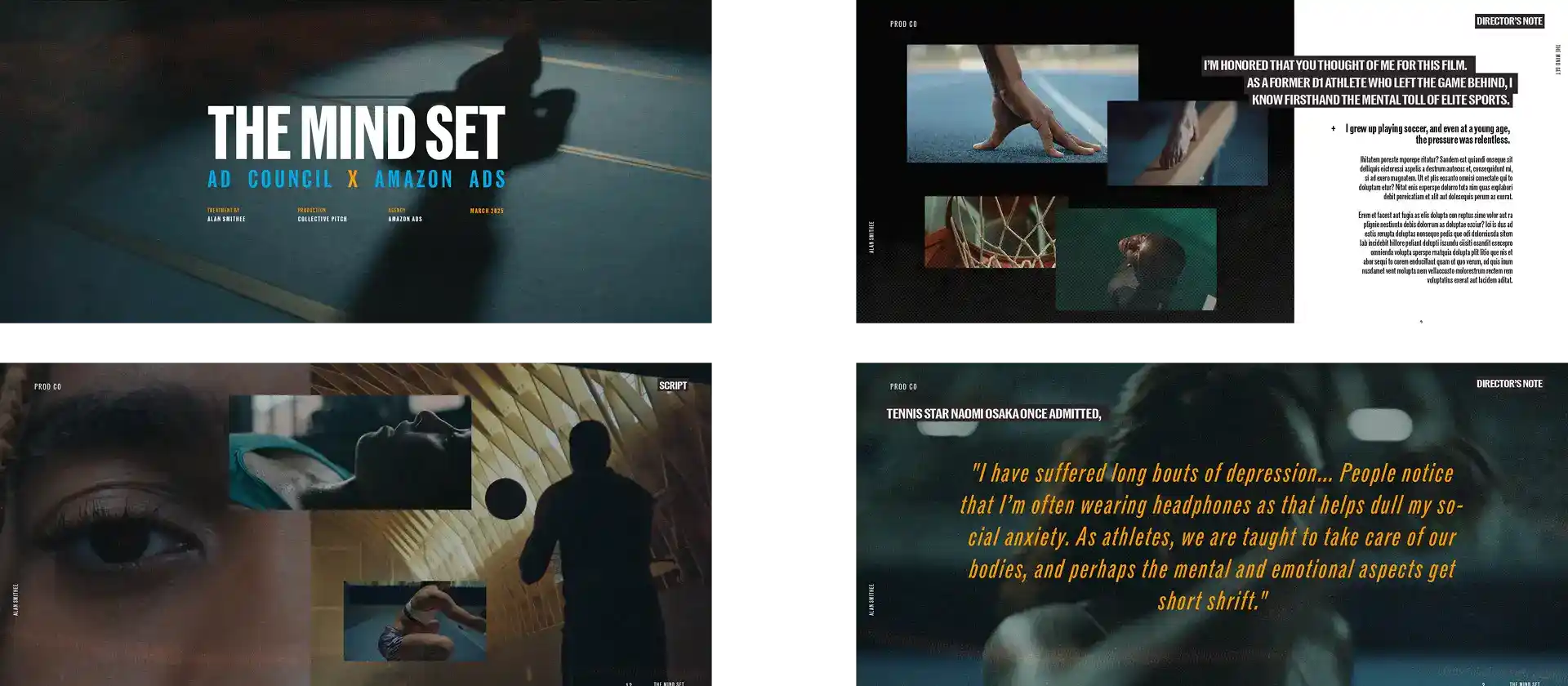
A documentary treatment is a film blueprint that describes the vision, intent and execution plan. A treatment film example serves as a link between the idea and the final work, providing a framework and definition for both artistic and logistical decisions. Lenders, investors and collaborators lean on the treatment to measure the project’s promise, so clarity and conciseness are paramount.
A short film treatment sample doesn’t just describe; they convince by detailing their story, characters and production style in a compelling way. Each of the sections below is a building block in this process.
1. The Logline
A logline condenses your entire documentary into a sentence or two. It’s what everyone notices first, so it has to catch the viewer’s attention immediately. That is, concentrate on the subject, the documentary’s specific perspective, and its relevance.
For instance, “One village’s battle to rescue their river from contamination exposes the worldwide power of grassroots effort.” A solid logline catches the reader’s attention and makes them want to know more, be it a viewer, producer, or potential sponsor.
2. The Synopsis
The synopsis is a brief summary that describes the entire story arc. It’s not just what, but why. It needs to identify the broad themes and goals, for example, investigating justice, optimism or determination.
The synopsis has to demonstrate the emotional arc—what audiences will experience emotionally as the story unfolds. To take an example, a movie about city farmers would emphasize both the fight and little successes. Be concise, but make sure it exposes what makes THIS story unique from all the rest.
3. The Characters
Doc characters are usually actual folks, not professional thespians. Their narratives must resonate as authentic and human. Identify who drives the story: maybe it’s a teacher in a remote school or a scientist in the Arctic.
Explain what defines them: their origins and their aspirations. Illustrate how each falls under the central theme: whether providing hope, conflict, or a fresh perspective. If someone brings a rare insight, write it down. Strong character sketches help the audience relate on a personal level.
4. The Structure
Structure organizes the film, segmenting it into acts or sections. Describe how the story will arc, for example, from problem to struggle to outcome or alternating between locations. Each section should escalate the previous, maintaining momentum.
Without transitions, you’d lose the viewer. A three-act or chapter-based format is commonly chosen. What is important is that the structure fits the message and tone.
5. The Style
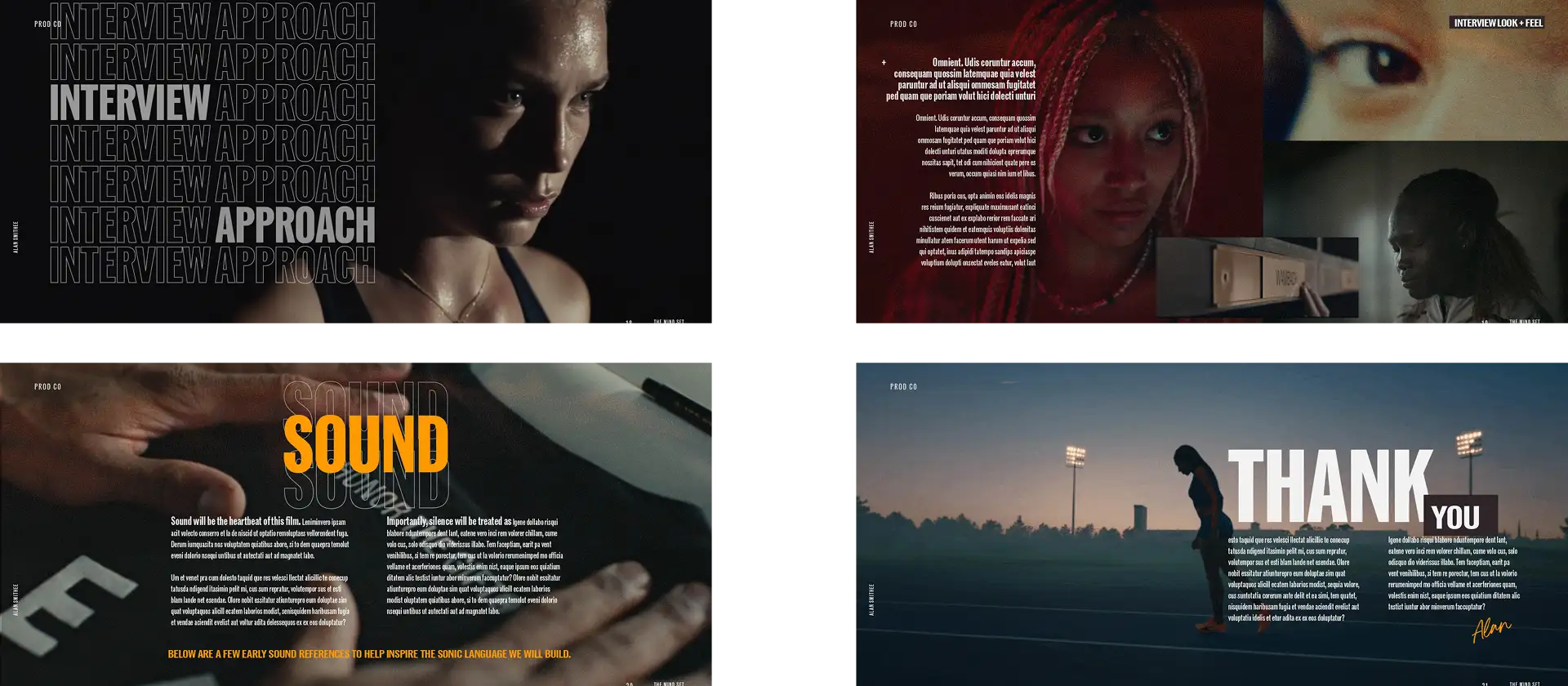
This section describes the film’s look and sound. Will it employ interviews, voiceover narration, archival material or animation? Your style should suit the subject and mood, such as handheld cameras for a raw, boots-on-the-ground approach or slow-motion to emphasize emotion.
Special touches, perhaps a signature color scheme or incorporating local music, can make your documentary stand out. Style isn’t simply aesthetic. It creates the world in which your viewers become engrossed with the narrative.
Narrative Blueprint in Your Example of Documentary Treatment
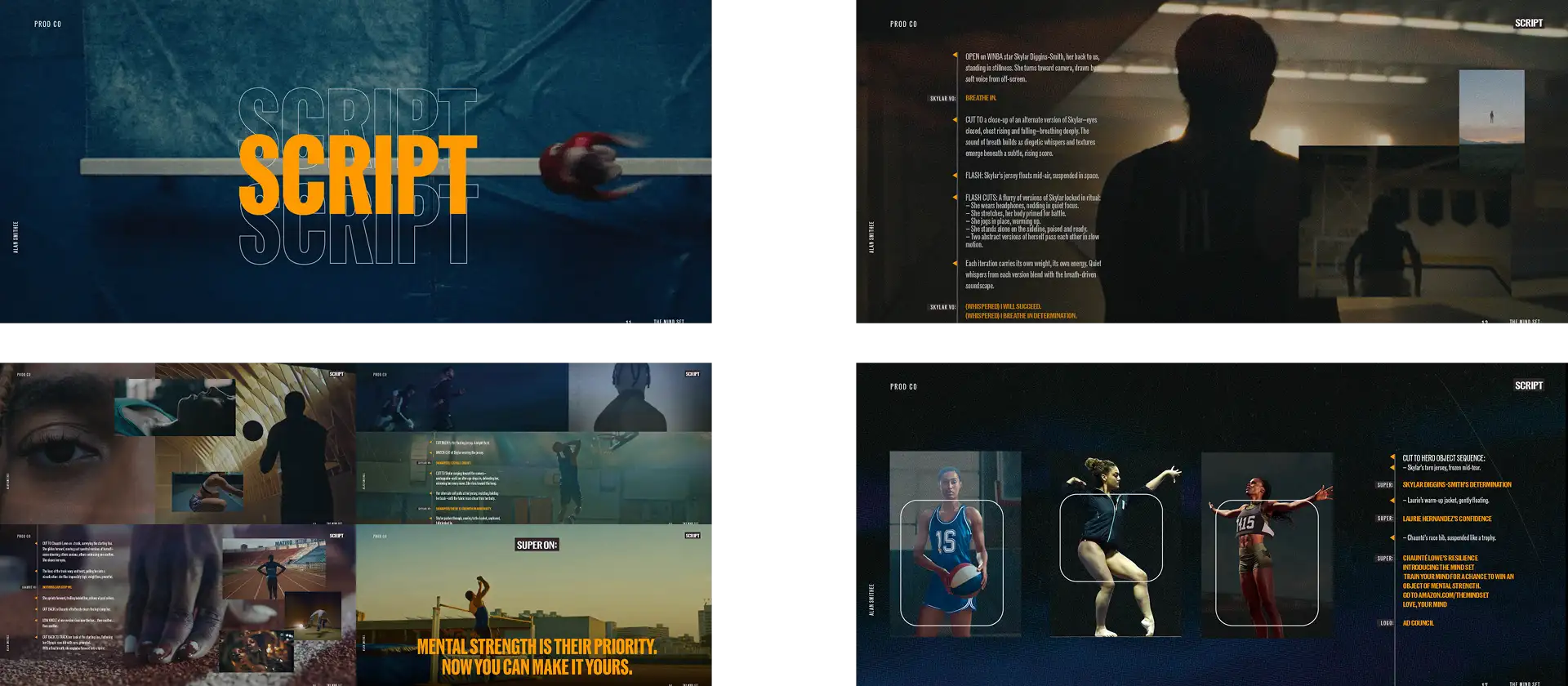
An example of documentary treatment begins with a narrative blueprint, which frames the story as it comes to life on screen. This design outlines the main story beats and how the viewer will transition between scenes. The outline is not merely a synopsis. It walks you through what the story is, who the key characters are, and how each piece connects to the other.
The narrative blueprint should align with the documentary’s objectives. If the objective is to educate, your roadmap will emphasize data, expert insight, and strong imagery. If it is about inspiration, it might dwell more on individual tales or optimistic shifts.
In each instance, the example of documentary treatment must suit the story’s message. This way, the schedule serves the broader concept, not simply a series of arbitrary scenes. A good blueprint doesn’t lose sight of the finished film. It’s what weaves together all the pieces—interviews, footage, facts, even voiceovers—so they fall together as a cohesive unit.
The objective is to have a movie that’s satisfying, not patchwork. This treatment keeps teams on track even as things shift, ensuring your story and message are clear at every stage.
Creative Alchemy
An example of documentary treatment unites truth and artistry to sculpt vérité narratives. Creative alchemy ensures that the work is both authentic and compelling by combining research, passion, and subject. This approach employs innovative storytelling, mixes quantitative rigor with creative expression, and embraces innovative formats that make the story pop.
Researching an Example of Documentary Treatment
A documentary’s spine is detailed research. That is, digging into news, books and expert reports to develop a complete picture of the subject. Conversations with those who experienced the topic bring depth. Transforming case studies demonstrates the subject at work, rendering it tangible beyond statistics and numbers.
All the new data keeps the tale current. Research means peeping new studies to keep the work fresh.
|
Data Source
|
Type
|
Example Usage
|
|
Interviews
|
Primary
|
Survivor stories, expert views
|
|
Case Studies
|
Real-world
|
Local community impact
|
|
Reports
|
Statistical
|
Trends over last five years
|
|
News Articles
|
Contextual
|
Timeline of key events
|
Emotion
Storytelling connects with the audience’s emotion. Employing actual voices, sounds, and images can ignite compassion. Key moments, such as a subject hitting a turning point or revealing a personal struggle, do wonders to connect with your viewers.
Displaying unfiltered, authentic moments establishes faith and relationships. Emotion transports concepts from the mind to the heart, where they have more staying power. Timing these scenes properly is essential for maximum effect.
|
Key Moment
|
Emotional Response
|
|
Family reunion after crisis
|
Relief, hope
|
|
Confession of past mistake
|
Vulnerability, empathy
|
|
Overcoming setback
|
Inspiration, motivation
|
|
Farewell or loss
|
Sadness, reflection
|
Theme
Themes direct the mood and focus of the documentary. They help form the narrative’s direction and provide audiences with something to latch on to. Good themes remain constant but can manifest in subtle, hushed ways just as much as grand climaxes.
They weave facts with emotion, so the piece does more than educate; it resonates.
- Resilience in the face of hardship
- The impact of technology on daily life
- Community bonds during crisis
- Search for justice and fairness
Visual Language for the Example of Documentary Treatment
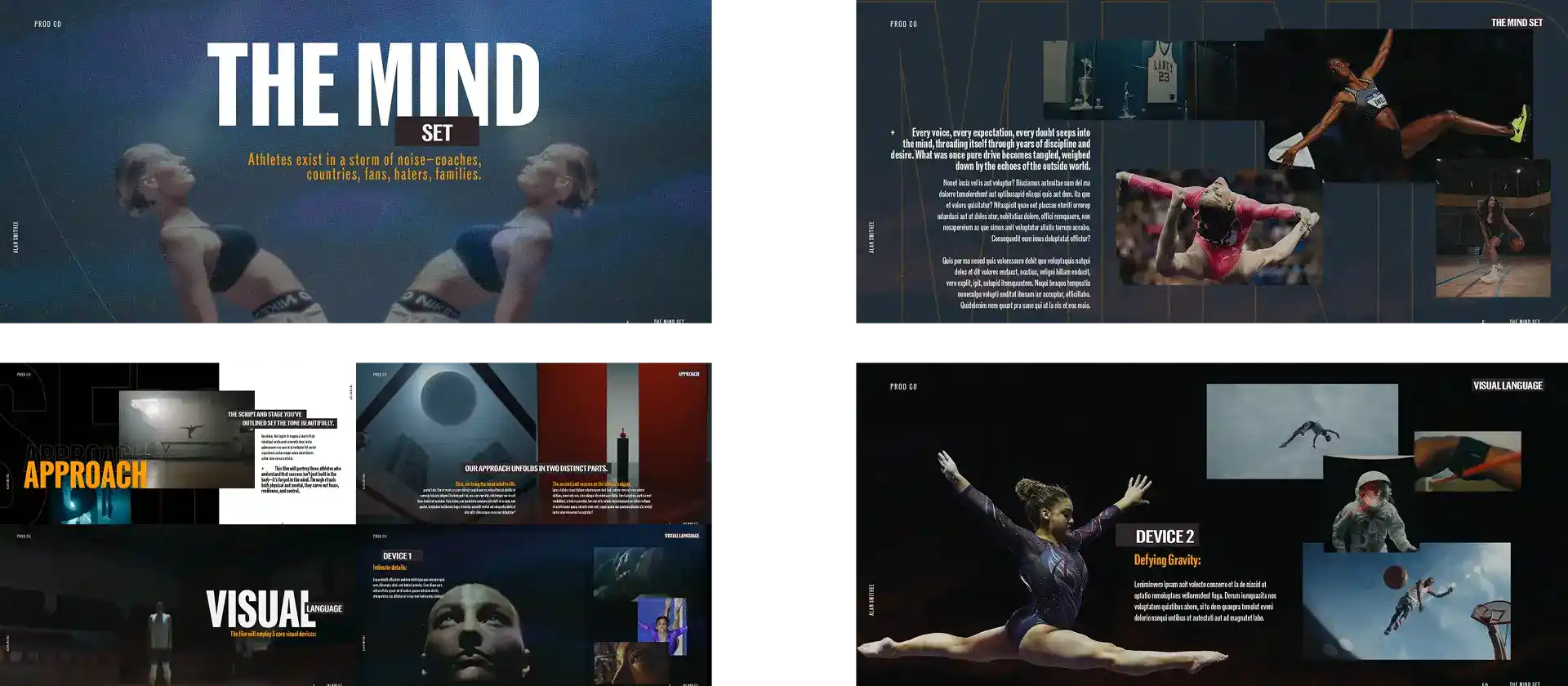
A distinct visual language informs a documentary, its tone and its audience. It establishes a mood for the entire narrative and aids in maintaining the clarity of your message. Every documentary has that choice about how it looks. The look has to be consistent with the message.
Visual language aids comprehension and retention. When people witness something happening for themselves, it impacts them more than simply hearing statistics. For instance, visualizing the slow melting of a glacier over time provides a starker sense of change than statistics alone.
A few simple visualizations, such as maps, charts, or even animations, go a long way in deconstructing tough topics. Symbols, like a locked door or a broken toy, can make big ideas accessible. By viewing, not just listening to, the narrative, listeners can bond on a more intimate level.
Ethical Framework
An ethical framework infuses every aspect of a documentary’s treatment. This includes clear standards for honesty, fairness, and respect for all parties involved. Filmmakers have an obligation to their subjects, their viewers, and society at large to present authentic narratives without prejudice or misrepresentation.
These ethics aren’t just rules; they’re the foundation of trust, enabling audiences to view the documentary as a credible witness. Without this, even the most inspiring stories can fall flat.
Accuracy
Indisputably, accuracy is at the core of documentary ethics. Every fact, quote, and claim has to be verified. This means spending time verifying facts, cross-checking interviews, and tracking down the originals.
Disinformation travels quickly and can frame people’s thoughts on a subject. If a documentary misattributes the cause of a disease or misconstrues a political event, it can influence attitudes long after the credits stop rolling.
Getting it right keeps the doc honest and safeguards its credibility. When viewers catch them lying or finding half-truths, they begin to mistrust not just one documentary, but the entire format. That’s why precision is not just a best practice; it’s a defense against forfeiting public trust.
Transparency
Transparency about documentary filmmaking is respectful to the viewer. That means being open about how interviews are arranged, how footage is cut, or if there are sponsors. If a director has a connection to the topic, mentioning it up front prevents confusion.
When viewers are aware of the process and decisions behind the curtain, they can evaluate the piece in its complete context. Open conversation assists. Few filmmakers blog or tweet updates about their process.
It allows people to witness the process, not just the result. It can establish an authentic connection between producers and audiences. Revealing any bias or potential conflicts, like being funded by groups with a vested interest, keeps it fair, too.
Representation
Fair representation is representing people of all kinds of lives, not just a thin slice. A health documentary, for example, has an obligation to seek out voices across age, gender, and cultural boundaries. This deepens the narrative and resonates with more audiences globally.
Storytelling as inclusivity tears down walls. When people see themselves on screen, they feel heard and validated. It defies old assumptions and provides space for new to develop.
Wider representation is what makes the movie accessible. It contributes to cultivating a more equitable perspective in the culture, as the media frequently informs how we view one another. By leaving room to hear all sides, directors can inspire broader insight and compassion.
Common Hurdles in an Example of Documentary Treatment
Creating a documentary treatment is not simply writing a story outline. As writers, we run into roadblocks, both large and small, that can either decelerate or derail the process. Many hurdles are shared by both novice and experienced filmmakers. Understanding them can help teams anticipate and keep the project advancing.
One struggle is crafting the narrative in a way that appeals to both investors and audiences. Frequently, the therapy needs to provide a firm direction yet allow for flexibility. For instance, if a story tracks a worldwide occurrence, information or central figures can shift rapidly. Teams need to be prepared to rework the documentary film treatment template as the story evolves.
Another frequent problem is appropriateness and tone. Therapies must establish the tone without scripts or melodrama. They need to capture the soul of the story, not the statistics. If it’s too dry, funders will lose interest. If it’s too dramatic, the team stands to lose trust.
It’s better demonstrated with brief, concrete documentary treatment examples. For example, if the movie addresses climate change, the example of documentary treatment might employ an actual farmer’s narrative rather than simply weather stats.
Conclusion: Example of Documentary Treatment
A strong documentary treatment PDF puts the project in the right tone. It provides a precise direction for the narrative, tone and theme. A great treatment can be a powerful tool in pitching the idea and it helps guide the entire team. It describes the essential substance, the visual style and the tone. Good treatments keep it simple and honest. They keep all of us on track, from the initial outline to final cut. For anyone who’d like to give it a whirl, see an example of documentary treatment and get started with a mini treatment. Try to use direct language and specific scenes. Keep the facts straight. I’d love to hear from fellow lovers of strong story – your thoughts and tips. Your comments assist us and we are grateful for helps others such as me to learn and grow in this work.
What is an example of documentary treatment?
An example of documentary treatment It preempts questions about story, structure, visual style, and creative vision before filming begins.
Why is narrative structure important in a documentary treatment?
Something like the following will give you a clear narrative structure to help guide the storytelling process. It helps audiences track the doc’s clear through line and its mission.
How does a treatment help with visual planning?
It tells us about the look, the feel, the style and techniques you are planning to use in the documentary. The treatment screenplay example assists the production crew in coordinating camera shots, tones and backgrounds.
What ethical issues must be considered in a documentary treatment?
An example of documentary treatment must consider privacy, informed consent, and fairness. This ensures the documentary honors all involved and is ethically sound.
What are common challenges in writing a documentary treatment?
Typical struggles are concept, story definition, and creative versus factual balance. A clear structure and careful research can overcome these obstacles.
Can an example of documentary treatment change during production?
Yes, treatments are frequently updated as new information or footage comes in. This flexibility lets the story evolve organically within the spirit of the initial vision.
Who uses a documentary treatment?
Producers, directors, and funding bodies see treatments. They help convey the vision, garner support, and organize production logistics.