- Film treatments help screenwriters organize their thoughts and structure their stories effectively.
- Movie treatments are a crucial part of the treatment process for writers. They allow writers to explore different narrative possibilities before diving into the full script. Here is an example of a movie treatment to give you an idea of how it works.
- Treatments also serve as valuable communication tools between writers, directors, and producers.
Film script treatments are a useful tool for screenwriters in the writing process. By providing an overview of the story, characters, and plot points, treatments help writers establish a clear direction for their screenplay. Here’s why film treatments are essential:
- Organizing Thoughts and Structure: Writing example film treatments allows screenwriters to map out their ideas and ensure a cohesive storyline. It helps the film script writer identify key components such as character arcs, plot twists, and thematic elements in their treatment. By outlining these details in advance, writers can maintain focus throughout the writing process of a script treatment.
- Exploring Narrative Possibilities: Before committing to a full screenplay, screenwriters can use treatments to explore various narrative options. This allows them to experiment with different storylines, character development, and dialogue without investing extensive time in writing a complete script.
- Effective Communication Tool: Film treatments serve as a means of communication between screenwriters, directors, and producers. They provide an overview of the project’s vision and allow stakeholders to understand the writer’s intent clearly. This ensures everyone is on the same page.
Filmmaking Software
When creating a film treatment using screenwriting software or simply pen and paper, there are several key elements worth considering:
- Begin with an engaging summary that sets the mood for the movie treatment.
- Introduce main characters by providing brief descriptions of their names, personalities, and roles within the story.
- Outline important plot points or moments that drive the narrative forward.
- Describe key locations or settings that play significant roles in shaping the story’s world.
Step-by-Step Guide: How to Write a Film Treatment
To create an engaging example film treatments, follow these steps:
- Start with a compelling logline that captures the essence of your story in one sentence. This concise summary should entice readers and give them a glimpse into the heart of your screenplay.
- Outline the main plot points, including the setup, conflict, climax, and resolution. Provide a clear structure for your story, allowing readers to understand its progression and key turning points.
- Include vivid descriptions of key scenes, characters, and visual elements to bring your treatment to life. Paint a vibrant picture with your words so that readers can visualize the world you are creating on screen.
- Utilize screenplay format when writing your treatment. Familiarize yourself with industry standards such as proper margins, scene headings, action lines, dialogue formatting, and character introductions.
- Craft well-developed characters who resonate with the audience. Describe their motivations, personalities, and arcs within the treatment to showcase their growth throughout the story.
- Present your treatment as a prose document rather than a full screenplay or scriptment. While it should be detailed enough to convey your vision effectively, it should also allow room for collaboration and interpretation during later stages of development.
By following this step-by-step guide and incorporating these essential elements into your film treatment writing process, you can create a captivating blueprint for your screenplay that captures both imagination and attention.
Reasons Why Writing Film Treatments is Important
Writing example film treatments is crucial for writers, providing several reasons to invest time in this process. Here are the key reasons why writing a film treatment is important:
- Refining your story concept and identifying potential flaws or gaps: A film treatment allows you to flesh out your story idea and identify any weaknesses or inconsistencies. By outlining the main plot points, character arcs, and themes, you can refine your concept and ensure it has a solid foundation.
- Testing the viability of your idea before investing time in writing a full screenplay: Instead of diving straight into writing a screenplay, creating a film treatment allows you to test the waters. By outlining the major beats of your story and exploring its potential, you can assess whether it has enough substance to sustain an entire script.
- Attracting industry professionals by showcasing your storytelling skills: A well-crafted film treatment serves as a powerful tool to impress industry professionals. It demonstrates your ability to craft compelling narratives, develop engaging characters, and construct captivating story arcs. Agents, producers, and directors often rely on treatments as a preliminary gauge of a writer’s talent.
By following these steps and investing time in writing an example film treatment, writers can refine their concepts, test their ideas’ viability before committing fully to screenplays while attracting industry professionals through their storytelling skills.
Description of Main Characters in Example Film Treatments
In an example film treatment, providing detailed character descriptions is essential to create engaging and relatable main characters. These descriptions should highlight their physical appearance, personality traits, and motivations, allowing the audience to connect with them on a deeper level.
Each main character plays a crucial role in the overall story arc and interacts with other characters in unique ways. By understanding how they contribute to the narrative, we can appreciate their significance within the film.
Here are some key points to consider when describing main characters:
- Physical Appearance: Describe their distinctive features, such as hair color, eye shape, or clothing style. This helps visualize the character and sets them apart from others.
- Personality Traits: Highlight their strengths, weaknesses, quirks, or any defining characteristics that shape their behavior throughout the story.
- Motivations: Explore what drives each character’s actions and decisions. Are they seeking revenge? Longing for love? Striving for success? Understanding their motivations adds depth to their journey.
To illustrate these aspects further, let’s delve into two main characters from our example film treatment:
- Character Name: Sarah Thompson
- Physical Appearance: Sarah has fiery red hair cascading down her shoulders and piercing green eyes that reflect her determination.
- Personality Traits: She possesses a quick wit combined with a strong sense of justice. However, she struggles with self-doubt due to past failures.
- Motivations: Sarah is motivated by her desire to prove herself after being underestimated by others. Her goal is to expose corruption within her community.
- Character Name: Michael Johnson
- Physical Appearance: Michael is tall with an athletic build and has a charismatic smile that draws people towards him.
- Personality Traits: He exudes confidence and charm but hides a vulnerable side beneath his outgoing nature. Michael values loyalty above all else.
Determining the Ideal Length for a Film Treatment Pitch Deck
One of the key considerations is determining its length. To help you craft effective example film treatments that capture the essence of your story, here are some important factors to keep in mind:
- Consider industry standards: Typically, film treatment pitch decks range from 10 to 15 pages. Following this guideline ensures that your pitch deck remains concise and focused while providing enough information to showcase your project.
- Present key information concisely: With limited space available, it’s crucial to present the most important aspects of your film treatment in a succinct manner. Highlight the core elements such as the logline, main characters, plot overview, and unique selling points of your project.
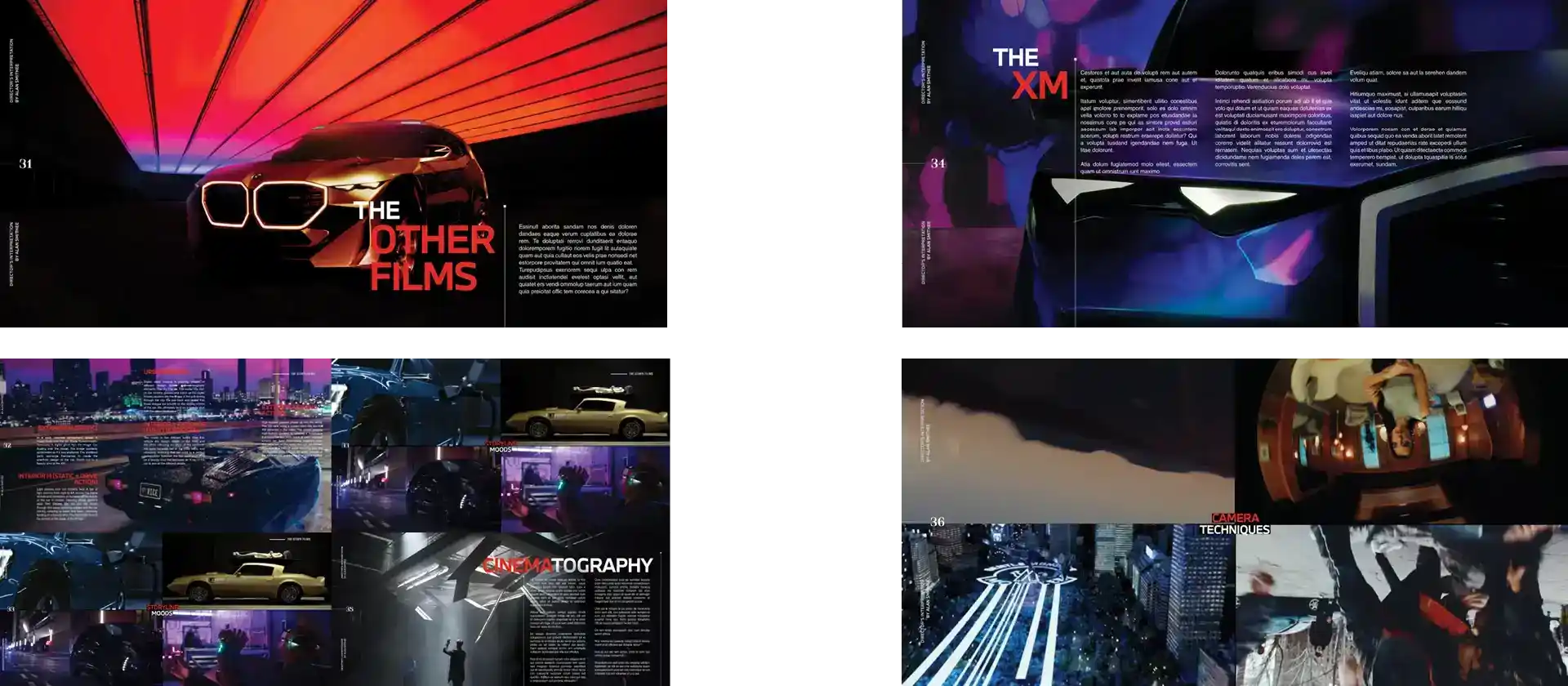
- Use visuals sparingly but effectively: While visuals can enhance understanding and engagement, it’s important not to overwhelm your pitch deck with excessive images or graphics. Choose visuals that complement and reinforce your written content rather than distract from it.
By adhering to these guidelines when crafting your film treatment pitch deck, you can create a compelling document that effectively communicates the essence of your story within the ideal length range. Remember to focus on presenting key information concisely while using visuals thoughtfully to enhance understanding and engagement.
Now you have a solid foundation for creating an impactful film treatment pitch deck that will captivate potential investors and collaborators alike.
Our Favorite Treatments
- Explore notable example film treatments from successful movies across various genres.
- Discover how these treatments effectively convey the story, tone, and visual style of the films.
- Gain inspiration from different storytelling techniques and narrative structures employed in these examples.
Having a well-crafted treatment is essential. A film treatment serves as an overview or blueprint for a movie, providing key components such as characters, plot points, locations, and dialogue. It gives filmmakers a sense of the story’s mood. Thus, it helos them visualize the world they want to create on screen.
These treatments serve as a useful tool for writers in the screenwriting process and can be seen as a diagnostic tool to check if their ideas are working effectively.
Here are some noteworthy film treatment examples:
- Zorro – The treatment for this classic adventure film outlines the main characters’ journey through an exciting plot filled with action-packed scenes and memorable moments.
- TV Show – The treatment for this television series provides an in-depth overview of each episode’s storyline, character arcs, and key details about the show’s world.
- Movie – This film’s treatment captures the essence of its unique concept by outlining its central theme, compelling characters, and plot twists that keep viewers engaged from beginning to end.
- Screenplay Treatment – This example demonstrates how a detailed screenplay treatment can guide writers through their writing process by mapping out important scenes and character development.
By examining these film treatment examples closely, aspiring screenwriters can gain valuable insights. This helps them with effective storytelling techniques used in different genres. They can learn how to structure their narratives in a way that captivates audiences while staying true to their own creative vision.
Other Examples of Successful Film Treatments
Specific films that gained recognition and acclaim based on their compelling treatments include:
- “The Social Network”: The treatment effectively captured the intense drama behind the creation of Facebook, showcasing the complex character dynamics and the high-stakes world of entrepreneurship.
- “Gone Girl“: The treatment masterfully conveyed the suspenseful and twisted story, highlighting the unreliable narrators and shocking plot twists that kept audiences on the edge of their seats.
- “Black Swan”: The treatment artfully depicted the psychological journey of a troubled ballerina, emphasizing the dark and haunting atmosphere that permeated throughout the film.
These example film treatments translated into engaging screenplays by:
- Developing well-rounded characters: The treatments provided detailed descriptions of each character’s motivations, flaws, and relationships, allowing screenwriters to bring them to life with depth and authenticity.
- Crafting compelling storylines: The treatments outlined captivating narratives with intriguing plot points and unexpected twists, providing a roadmap for screenwriters to construct gripping scripts.
Key elements that made these treatments stand out to industry professionals
- Unique vision: Each treatment presented a fresh perspective or innovative approach to storytelling, capturing the attention of producers looking for original ideas.
- Strong sense of mood: The treatments effectively conveyed the desired atmosphere or tone through vivid descriptions of settings, cinematography choices, and overall ambiance.
By reading these examples, writers can gain valuable insights into effective film treatments. They can learn how to:
- Use concise prose: Treatments should provide an overview of the story without unnecessary details or lengthy exposition. Concise writing allows readers to grasp key components quickly.
- Focus on essential plot points: Highlighting crucial moments in your treatment helps convey your story’s structure while keeping readers engaged throughout.
Additional Resources for Learning and Improving Film Treatments
Find online courses, books, or workshops dedicated to teaching the art of writing film treatments.
- Explore online platforms like Udemy, Coursera, or Skillshare for comprehensive courses on film treatment writing.
- Check out renowned screenwriting books such as “Save the Cat!” by Blake Snyder or “Story” by Robert McKee.
- Attend workshops or webinars conducted by industry experts to gain insights into effective treatment writing techniques.
Join screenwriting communities or forums where you can receive feedback and learn from experienced writers.
- Engage with online communities like Reddit’s r/Screenwriting or Stage 32’s screenwriting forums for valuable feedback and advice.
- Participate in virtual meetups or networking events organized by professional screenwriters to connect with seasoned practitioners.
Study additional resources such as example film treatments or case studies for further guidance.
- Utilize screenplay templates available on software like Final Draft, Celtx, or WriterDuet to structure your film treatments effectively.
- Analyze sample treatments from successful films to understand narrative arcs and storytelling techniques employed in different genres. We’ve gathered a list of ours below:
- Read case studies that delve into the development process of notable projects to gain practical knowledge about real-world challenges faced by filmmakers.
By exploring these resources, aspiring filmmakers can enhance their understanding of film treatment writing. Online courses provide structured learning opportunities while books offer in-depth knowledge. Engaging with screenwriting communities allows individuals to learn from experienced writers and receive constructive feedback. Studying screenplay templates, example film treatments, and case studies offers practical guidance for creating compelling film treatments. Remember that mastering this skill takes time and practice. Therefore, it is essential to remain patient and persistent throughout the learning journey.
Conclusion: Key Takeaways
In conclusion, understanding the importance of film treatments in screenwriting is crucial for aspiring filmmakers. By following a step-by-step guide on how to write a film treatment, writers can effectively communicate their vision. Describing the main characters in a film treatment helps bring them to life and allows readers to envision their roles. Determining the ideal length for a film treatment pitch deck ensures that it is concise yet comprehensive.
Exploring examples of successful film treatments provides valuable insights into what works and what doesn’t in this creative process. By studying these examples, writers can gain inspiration and learn from established professionals in the industry. It is also important to utilize additional resources available for learning and improving film treatments. Besides, continuous improvement is key in any craft.
To further enhance your understanding of film treatments, consider delving into related topics such as screenplay structure, character development techniques, and effective pitching strategies. Remember that mastering the art of writing compelling film treatments takes time and practice. So keep honing your skills, seeking feedback from peers or mentors, and staying up-to-date with industry trends.
What is the purpose of a film treatment?
A film treatment serves as a detailed synopsis or outline of a movie idea before it becomes a full-fledged screenplay. Its purpose is to convey the story’s concept, characters, plot points, themes, tone, and overall vision to potential investors or producers.
How long should a film treatment be?
The ideal length for a film treatment varies depending on its purpose. Generally, it should be concise yet comprehensive enough to capture the essence of the story within 5-15 pages.
Are there any specific formatting guidelines for writing a film treatment?
While there are no strict formatting rules for writing a film treatment, it’s essential to present your ideas clearly and professionally. Use a standard font (such as Courier or Times New Roman), double spacing, and include a title page with your contact information.
Can I use film treatments for other purposes besides pitching to investors?
Absolutely! Film treatments can also be used as a roadmap for your own creative process. They help you flesh out your ideas, refine the story structure, and ensure consistency throughout the writing process.
Are there any legal protections for film treatments?
Film treatments are not protected by copyright law alone. It is recommended to register your treatment with the relevant copyright office or consider using non-disclosure agreements (NDAs) when sharing your ideas with potential collaborators or investors.