- A good movie pitch covers the logline, the synopsis, the characters, the tone, and the audience.
- In all parts of your example of a pitch for a movie, clarity and brevity are paramount to captivate and hold interest from the powers that be as swiftly as possible.
- Various formats, including verbal pitches, one-pagers, and pitch decks, have their own benefits. The appropriate format depends on the situation.
- Focusing on an attention-grabbing hook and the emotional journey of your characters will differentiate your pitch and make it resonate with industry people.
- Looking at good examples of pitches from across genres is educational and inspiring for your own projects.
- The more you share and polish your pitch via networking, competitions, and feedback, the better your chances in the film biz.
Example of a Pitch for a Movie Anatomy
What is pitch anatomy? A successful movie pitch is a concise, structured communication that presents a film’s core concept and market potential. Each piece — logline, synopsis, characters, tone, audience — serves a specific function. Clarity and brevity are essential whether a pitch is three minutes or an hour. A well-crafted film pitch deck, sometimes combined with a one-sheet or proof of concept, emphasizes what the film is and its significance, while keeping the listener’s focus.
1. The Logline
A logline is the movie’s pulse in 1-2 lines, essential for a compelling film pitch. It should include the protagonist, their objective, and the consequences. For example: “A young scientist risks everything to save her city from an underground threat before midnight strikes.” Utilizing strong, visual words allows people to envision the story immediately. The logline’s tone should align with the film genre—comedy, drama, thriller—so readers have a sense of what to anticipate.
2. The Synopsis
The synopsis captures the essence of the story in a brief, one-page summary, serving as an essential component of an effective film pitch deck. It begins with the setup, follows with the primary conflict, and suggests the resolution without revealing every twist. The wording needs to intrigue and excite, but not drown in minutiae. The best synopses keep it simple, flowing from start to key moments to finish in linear order, making it a valuable tool for your next pitch meeting.
3. The Characters
We open every protagonist with a quick sketch that captures their identity and motivation, which is essential for an effective film pitch. A sample: “Maya, a stubborn botanist, seeks to revive a dying forest despite her past failures.” Unique quirks or inner conflicts help make them real, and since compelling characters drive the plot, their journeys should circle back to your movie’s messages, fitting the tone of your movie pitch deck.
4. The Tone
Tone refers to the film’s atmosphere—humorous, suspenseful, optimistic, or serious. In your film pitch deck, the pitch should use words that trigger the correct emotion. If the story is suspenseful, select crisp and urgent words to create an effective screenplay pitch. Tone informs character behavior and plot development, ensuring it aligns with your audience’s hopes for the film.
5. The Audience
It should specify who the film is for—adults, families, or a niche group. Understanding the audience’s preferences allows the film pitch deck to demonstrate how the narrative aligns with current trends and its market potential. Relatable heroes and timely themes make it easier to bond, making the effective screenplay pitch more compelling. A good understanding of your audience can help direct what details to emphasize in the pitch.
Crafting The Hook of a Pitch
A good example movie treatment begins with a hook that captures attention quickly and tees up the central concept. It’s the first impression. Your hook has to be crisp, clear, and memorable. High-concept ideas are great hooks because they cut to the core of the story in a line or two. For instance, lines such as “What if a fancy law firm was actually a Mafia front?” or “What if scientists could clone dinosaurs from ancient mosquito blood frozen in amber?” illustrate both the story’s world and huge stakes. These brief loglines assist producers or agents in grasping the concept immediately, which is essential when time is limited.
A killer hook can begin with an audacious claim or an inquiry that leaves people curious to find out. The objective is to ignite curiosity and leave room for follow-up or a deeper conversation. For example, saying ‘What if you woke up every day in someone else’s body?’ grabs listeners’ attention and gets them to start imagining all the possible story paths. Throwing in a dash of surprise or conflict never hurts, either. Putting tension in there, such as having a character compelled to battle their clone, forges an emotional connection and makes the story memorable.
Parts of the Hook
To construct a hook, it’s not just about the shiny idea. It needs to align with the heart and style of the story. If the movie is a slow-burn drama, a hook about a hush-hush family secret will probably be your best bet. For low-concept stories, such as those built around lush dialogue or complex character developments, it’s more challenging to distill the allure. Here, hooks may employ analogies. For instance, it’s “Before Sunrise” meets “Lost in Translation” to assist others in imagining the tone.
A finely made hook is the film’s selling point. It can transcend borders and go viral if it’s clear and new. The hook must suit the crowd, be it world viewers, genre fans, or festival circuits. By making it simple to share and difficult to forget, the hook increases the likelihood that the movie pitch deck will be noticed. This is crucial for writers preparing for their next pitch meeting, as a strong hook can elevate their chances of success in competitive example of a pitch for a movie festivals.
Choosing the appropriate format is crucial when presenting a movie pitch. The smart pick usually varies by context, such as pitch festivals, studio meetings, or casual networking events. Both formats have their merits and disadvantages, so flexibility is key. Writers and creators tend to blur formats or experiment, hoping to grab the listener’s or reader’s attention while conveying the story’s core concept.
- Verbal pitch. * Advantages: Fast, personal, flexible. Good for building rapport. Allows instant feedback. * Disadvantages: Easy to forget details. Nerves may affect delivery. Hard to share visually.
- One-Pager * Advantages: Clear, brief, and easy to pass around. It is ideal for quick review and highlights main story points.* Disadvantages: It lacks visual appeal, may feel dry, and has limited space for depth.
- Pitch Deck * Advantages: Visual, dynamic, and engaging. It shows tone and style. It helps stand out.* Disadvantages: Time-consuming to make. It is not always allowed. It needs design skill.
Verbal Pitches
Checklist for a strong verbal pitch:
- Understanding the Pitch Logline: A logline is a 1 to 2 line clear statement of what the story is about.
- Engaging hook that grabs attention early
- Brief summary of protagonist, setting, and main conflict
- Defined stakes and what makes the story unique
Practicing irons out jitters and allows you to concentrate on the logline and the story hook. Walking through the story ahead of time is confidence building. Add personal touches or anecdotes so the idea comes alive.
Hold the listener’s attention by narrating the example of a pitch for a movie as a mini-story. Set the scene in words, including some specifics about the hero’s quest, the environment, and the stakes.
Be prepared to stop and take questions. If they inquire, talk more about themes, the ending, or what makes your film unique.
- Logline at the top
- Short synopsis (5–8 sentences) covering the arc
- Brief character descriptions
- Tone and genre in a line or two
- Any special notes (visual style, target audience)
A one-pager is one clean sheet you can pass around at festivals or meetings. It tends to use bullet points for easy scanning, allowing readers to rapidly spot what pops.
Presenting it visually clean, with whitespace, bold section headers, and maybe a pop of color aids recall.
Full Movie Pitch Deck
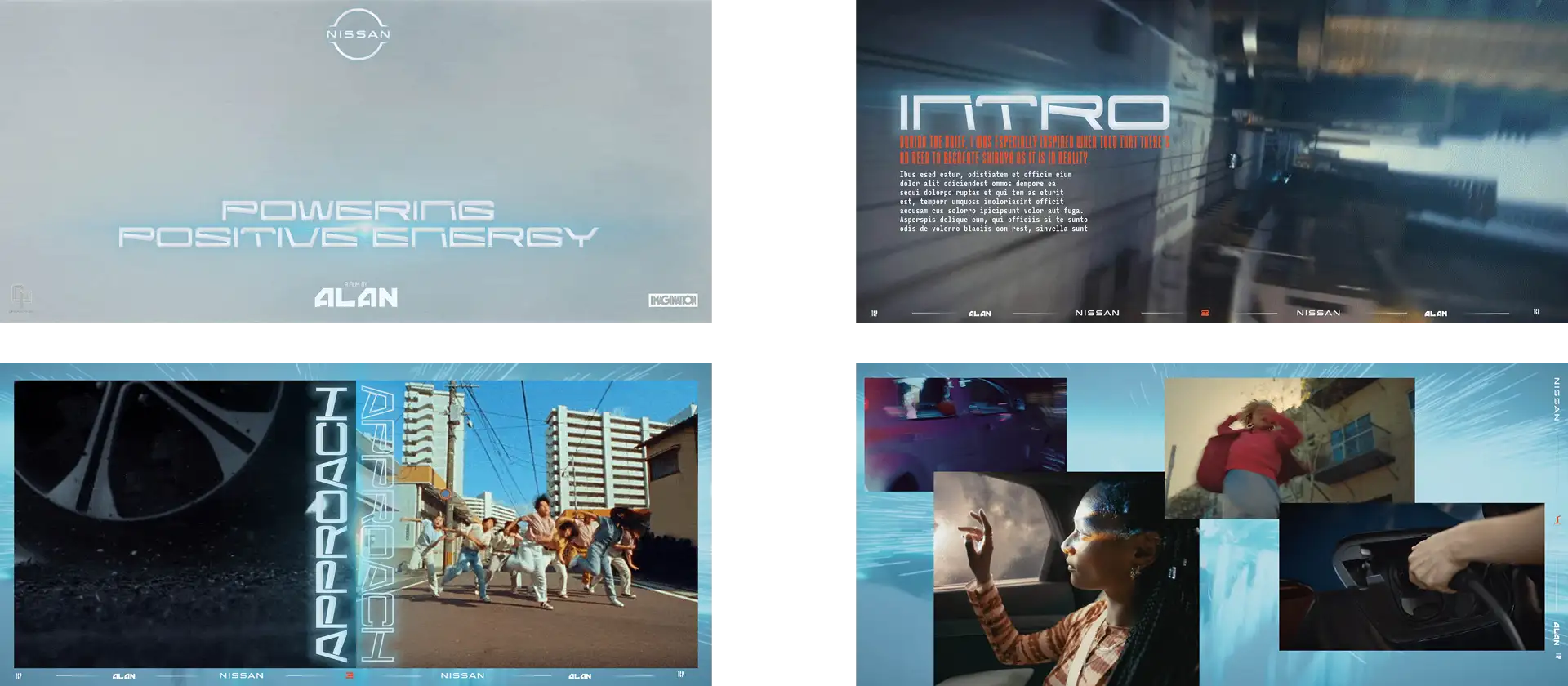
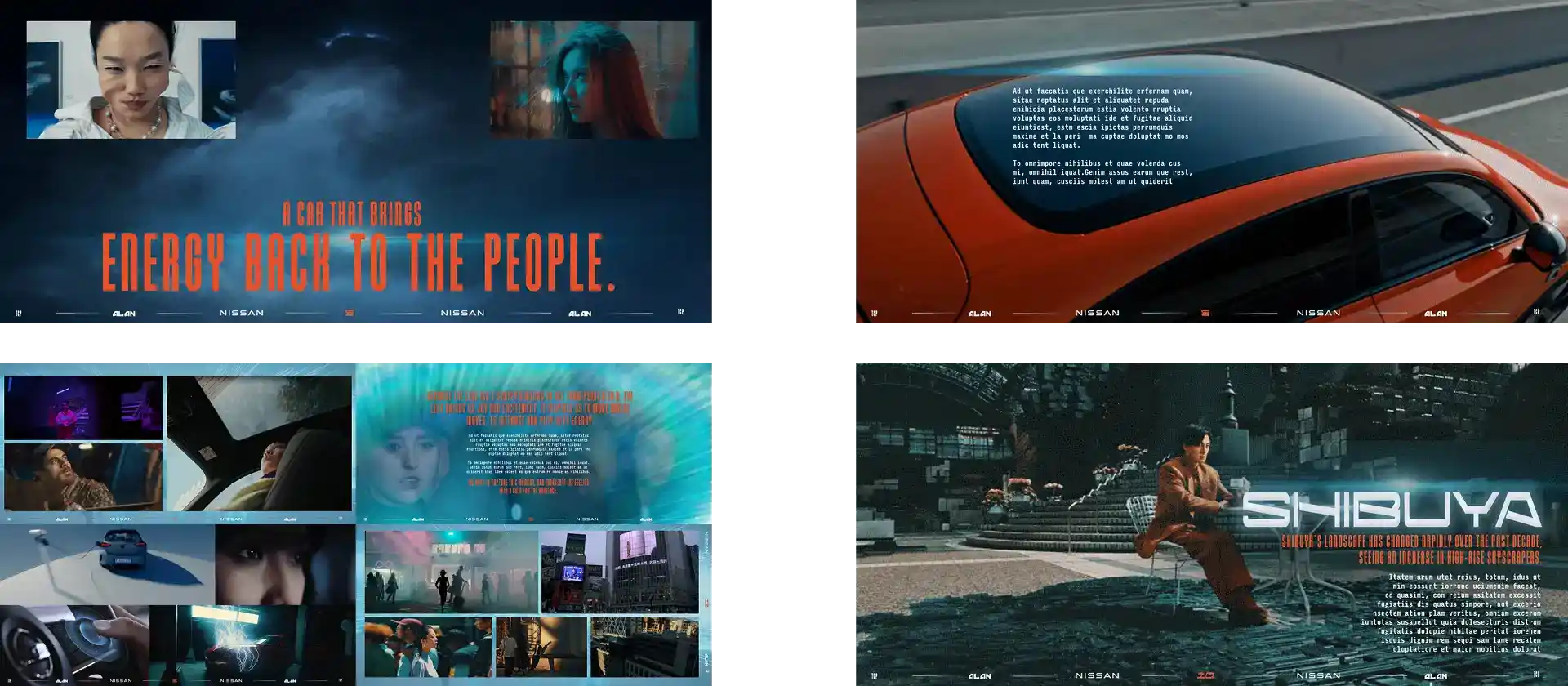
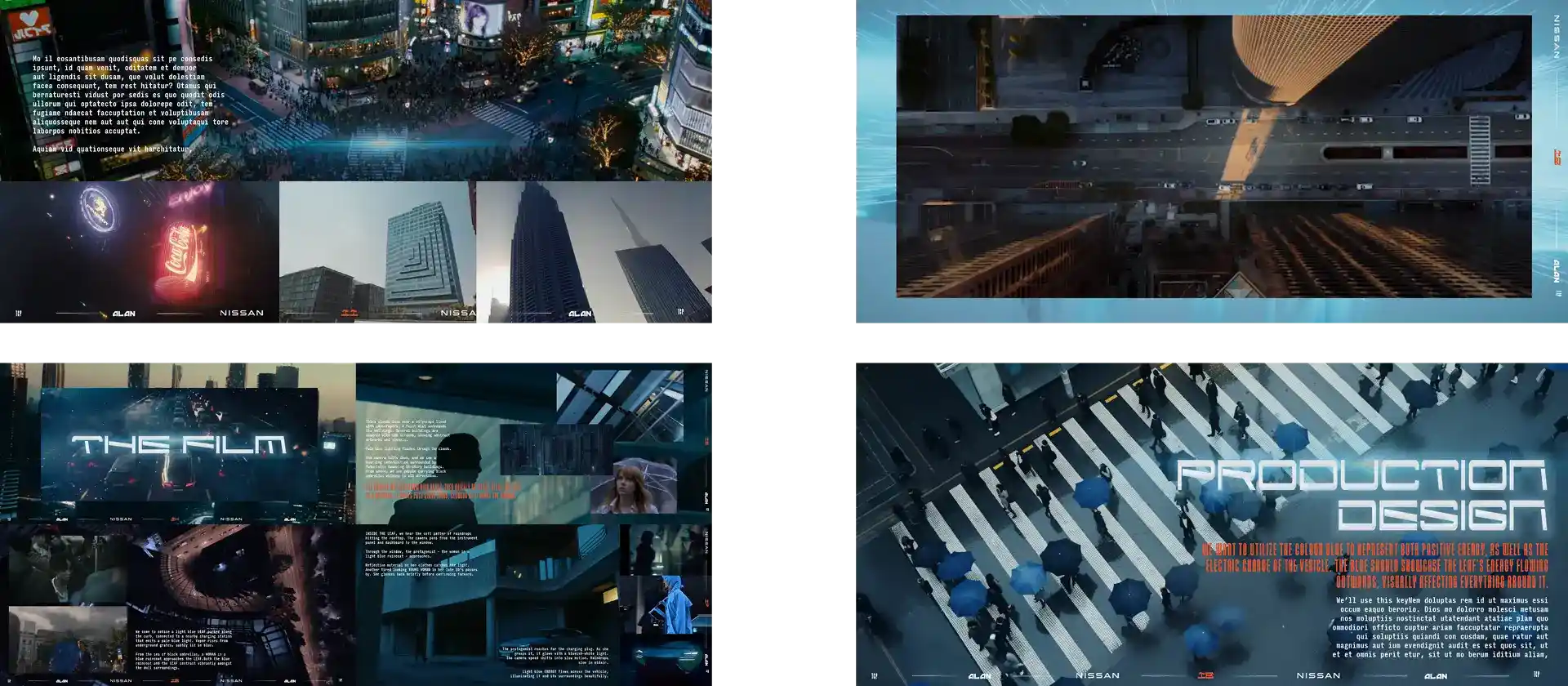
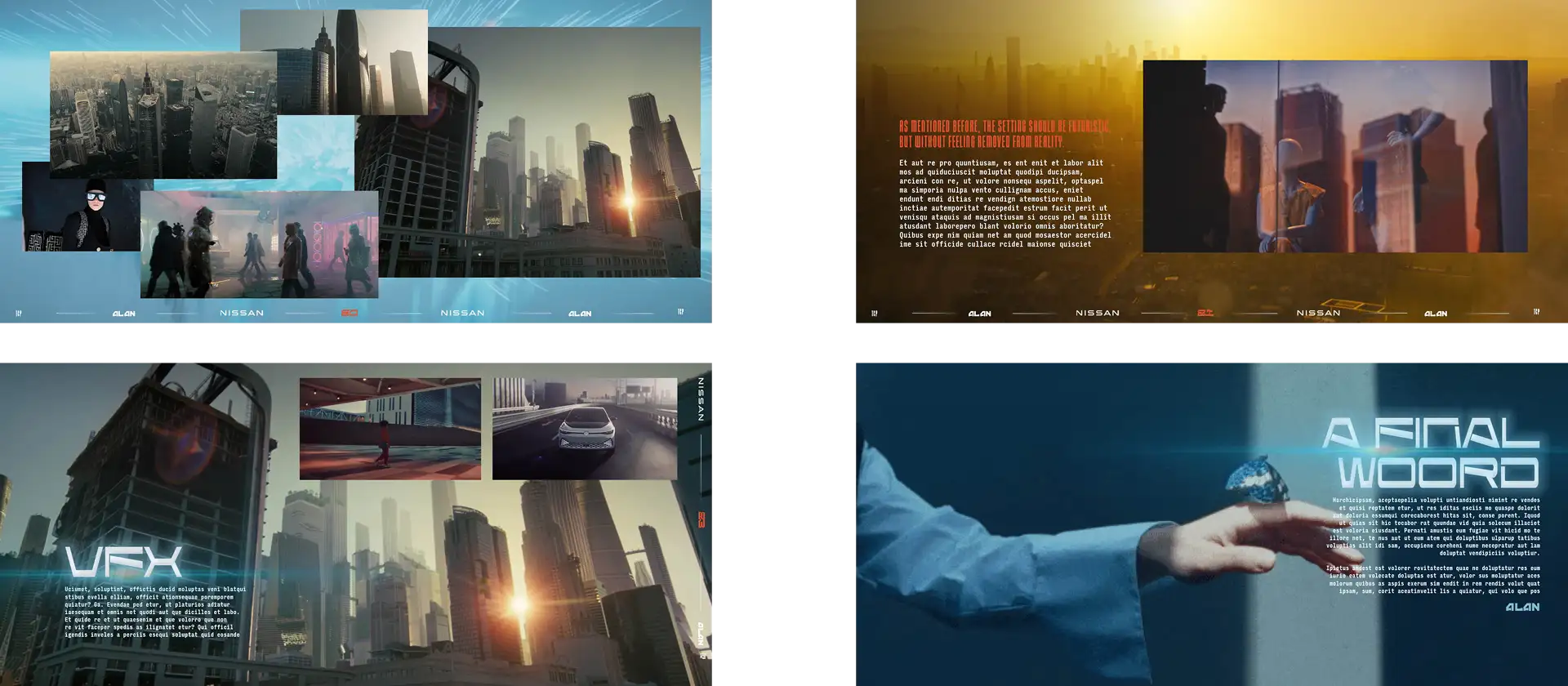
An example of a pitch for a movie deck employs slides to illustrate the narrative’s tone and concept. Slides might include character profiles, story beats, key themes, and sample images for mood. This format works well for demonstrating tone, especially in genres such as sci-fi or comedy.
Add visuals: mood boards, stills, or concept art. Graphics and charts can fragment text and simplify information to understand.
Line up slides so that one leads into the other. Begin with the logline, then move to plot, characters, setting, and marketing potential. Tone and images should fit the film’s genre and probable audience.
The Human Element
It’s the human element that forms a compelling story in a movie pitch beyond just plot and visuals. About The Human Element makes characters, emotions, and real-world stakes leap into focus, resonating with audiences and the gatekeepers who greenlight projects. By linking characters to the larger systems they inhabit, the film pitch deck can demonstrate how humans do not exist outside of nature but are an integral part of the broader whole. This perspective humanizes the narrative and emphasizes that while we are not unique in how we affect the Earth, the decisions we make do matter. Leveraging this reality can make pitches feel more applicable and concrete.
Emotional Connection Examples
|
Emotional Connection
|
Storytelling Strategy
|
Example Use in Pitches
|
|
Empathy
|
Build relatable leads
|
Show a parent fighting for family in a crisis
|
|
Hope
|
End with growth
|
Character learns to heal after loss
|
|
Urgency
|
Raise stakes quickly
|
City faces disaster, time runs out
|
|
Wonder
|
Frame the world as vast
|
Explorer sees world with new eyes
|
|
Responsibility
|
Call for stewardship
|
Protagonist changes to protect nature
|
Writers often rely on real experiences or stories to enhance their writing and make their pitch sound sincere. For example, a filmmaker who grew up near a contaminated river might propose a narrative about a tiny town demanding pure water. This personal connection can assist producers and audiences in relating to the narrative. It allows the example of a pitch for a movie to illustrate how people feel connected to something greater than themselves, a sentiment many experience but find difficult to articulate.
The human arc in cinema frequently follows a character’s transformation in the face of change. This journey can reflect human reactions to environmental or societal shifts. For instance, a story might track a scientist employing narrative medicine—storytelling to heal communities impacted by climate change. This type of screenplay pitch intertwines the intimate and the universal, making the risks resonate.
When pitching, demonstrating genuine enthusiasm can make a project stand out. Producers want not only to be entertained but also inspired or challenged. By exhibiting care for both the characters and the world they inhabit, the pitch can indicate that the movie will possess both heart and pertinence.
Real World Example of a Pitch for a Movie
Pretty much 2-minute movie pitches are really a blend of brevity and impact, crucial for a successful film pitch deck. Many effective screenplay pitches use a simple formula: merge two familiar ideas or genres to create something new, like “Jaws in space” for “Alien.” Others distill the heart of the story into 5 to 8 sentences, emphasizing the stakes, tone, and emotional pull. Whether it’s a one-paragraph summary or a 30-second “elevator pitch,” the secret is to make it easy for decision-makers to grasp your story when they peruse hundreds of submissions. Even rejected pitches can help writers polish their style and crystallize their ideas.
- Die Hard on a bus (Speed) – explicit stakes, familiar setup with a twist.
- Jurassic Park”—science meets chaos, with danger and wonder balanced.
- ‘Home Alone’ for adults” (“Panic Room”)—relatable premise, heightened peril.
- ‘The Godfather’ – family loyalty versus crime, as a generational saga.
- ‘Groundhog Day’ as a war flick (“Edge of Tomorrow”) is a new genre mashup.
The Thriller
A thriller pitch fares best when it skulks toward tension, high stakes, and rising danger. The pitch should demonstrate what’s at stake and why every decision is significant. Pacing is the secret sauce. Each sentence should build suspense, suggesting possible twists or menace without revealing too much.
Thriller characters, for instance, encounter ethical quandaries or internal phobias, which drive the narrative. With crisp, evocative language, let the example of a pitch for a movie sound urgent and visual: for example, “A detective races against time to stop a string of cryptic murders. Each clue leads closer to someone he trusts.
The Comedy
A good comedy pitch emphasizes wit, timing, and relatable scenarios. Jokes resonate most effectively when they arise from character quirks or awkward backdrops. For example, “A socially awkward chef fakes his way into a cooking contest judged by his ex-girlfriend.
Comedic pitches should demonstrate style, such as dry wit, slapstick, or satire, and suit the taste of the target audience. Originality shines, particularly if you can bring a fresh perspective to daily life or reverse a cliché.
The Drama
Drama pitches emphasize emotion and character development. They frequently revolve around universal conflicts, such as loss, love, or redemption. For instance, a example of a pitch for a movie could be: ‘After losing her job, a single mom rebuilds her life and reconnects with her son.’
You need to demonstrate the themes and conflicts that will engage audiences. Dialogue and small moments all count and allude to the soul of the story. It is human problems and honest feelings that pull people in.
Sharing Your Pitch
Sharing a movie pitch is about a lot more than just sharing your story idea! It’s the first step to getting noticed and backed by the film world, so you have to be sharp, succinct, and prepared to make an impression. First impressions count. An elevator pitch should take no more than 30 to 60 seconds. You need to get to the point and hook the decision maker. These folks might read hundreds of pitches a year, so you want yours to be short, lively, and cover the core of your story, key characters, and its appeal. Describe your pitch in 2 to 3 sentences. For instance, you could begin, “A young teacher in rural India battles village traditions to open the first school for girls, risking martyrdom yet motivating her community.” This kind of film pitch reads character, place, conflict, and stakes immediately.
Where to Share Your Example of a Pitch for a Movie?
Networking events, film festivals, or pitch meetings. Even serendipitous encounters, such as running into an executive at a film market, can be the opportune moment. A short, sharp pitch is just the thing for these moments. For longer meetings, a 10 to 20 slide pitch deck works well. This could include images, mood boards, your plot down to a sentence or two, and what makes your film unique. Others now turn to online platforms, such as dedicated pitch video treatment example pdf sites or producer forums, to access a broader audience. These techniques get your project noticed by various relevant parties.
A marketing plan is crucial for sharing your pitch. This strategy needs to demonstrate what makes your film special and who is going to want to see it. For instance, emphasize if your film represents an underrepresented narrative on screen or targets a rapidly expanding segment of the audience. Plain, clear facts about your audience, how similar films have performed, or your unique themes can help your movie treatment example pdf.
Getting feedback is all part of it. Industry insight can help mold your pitch. Be open to adaptation and continue refining your example of a pitch for a movie and your story. Plot and character thinking keeps your project robust even as you disseminate it.
Conclusion: Your Next Example of a Pitch for a Movie
Good movie pitches sing out with clear language, genuine passion, and a cutting edge. Awesome pitches deliver the heart of the story quickly, like a fast chat that hooks your attention. Use no more than a few short, sharp lines and let the big moments sparkle. Open up a little about you — why you care about this story — and keep it simple.
Each pitch represents the beginning of a new journey. The right pitch can light up a room, make people sit up and take notice, and unlock huge opportunities. Wish to share your concept? Experiment with fresh examples of pitches, shuffle your language, and observe how each pitch resonates.
Keep studying, keep pitching, and keep your story authentic.
What is an example of a pitch for a movie?
A movie pitch deck emphasizes the plot, personalities, and distinctive features to generate appeal from producers or backers.
How long should a movie pitch be?
A movie pitch typically lasts one to two minutes when delivered orally or is crafted as a concise single page pitch deck when written.
What makes a good movie pitch?
The great film pitch examples in the book are clear and compelling movie script treatment examples, featuring a strong hook that effectively sets up your main characters and highlights why this story matters.
Can you give an example of a movie pitch?
For example, in a compelling film pitch, ‘A young boy befriends an alien stranded on Earth, and together they attempt to assist the alien in getting home while evading government agents,’ illustrates a core concept for a standout example of a pitch for a movie.
Movie pitches, whether verbal or written, often include a well-crafted film pitch deck tailored to the audience.
Why is the hook important in a movie pitch?
The hook seizes interest immediately, making the concept stick while establishing a style for the remainder of the film pitch deck.
How can I share my movie pitch with industry professionals?
You can present your film pitch at pitch festivals or special ‘pitch events’ or simply by email. Always follow submission guidelines and find the appropriate contacts.