Film Treatment Essentials
A film treatment is a crucial document that outlines the key components of a movie’s story, characters, plot, and show. The script treatment serves as a blueprint for filmmakers to capture the essence of their vision. Unlike screenplays or outlines, treatments provide a concise summary of the narrative without delving into specific dialogue or scene details.
The main components of a sample of a treatment include the title, logline (a one-sentence summary), and synopsis (a brief overview). Treatments often include character descriptions, major plot points, and thematic elements. By focusing on these essential elements, treatments provide an overview that allows filmmakers to convey the core aspects of their story effectively.
Purpose and Significance in Filmmaking
Film treatments play a significant role in the filmmaking process. Film treatment examples serve as crucial blueprints that guide directors, producers, and other stakeholders throughout production. Treatments help establish the tone and visual style of a film while capturing its unique essence.
One vital purpose of treatments is to attract investors and producers by showcasing the potential commercial viability of a project. A well-crafted treatment can communicate the emotional impact and marketability of a story more efficiently than lengthy scripts or detailed outlines. This ability to captivate stakeholders with a concise yet compelling narrative is what makes treatments so valuable in securing financial support for projects.
Moreover, treatments allow filmmakers to refine their storytelling skills before diving into full screenplay development. They offer an opportunity to experiment with different narrative structures and explore various character arcs without committing extensive time or resources. By distilling complex ideas into concise summaries, treatments enable filmmakers to evaluate the overall effectiveness of their stories before proceeding further.
In addition to attracting investors and aiding creative development, treatments also facilitate collaboration among team members. The succinct nature of treatments allows for easier sharing among writers, directors, producers, and other creatives involved in bringing a film to life. This collaborative aspect ensures that everyone involved has a shared understanding of the story’s vision, making it easier to align efforts and work towards a common goal.
The Anatomy of a Film Treatment
A film treatment is a crucial document in the world of filmmaking, serving as a blueprint for a potential movie. It provides an overview of the story, characters, and visual elements that make up the film’s narrative. To create an effective sample of a treatment, there are several key elements to consider.
Key Elements in this Sample of a Treatment
When crafting a sample of a treatment, it is essential to include specific elements that give readers a clear understanding of the story. These elements typically consist of a logline, synopsis, and character descriptions. The logline serves as a concise summary of the film’s premise and hooks the reader’s attention from the start. The synopsis provides a more detailed overview of the plot, highlighting major story beats and key moments.
Balancing brevity with sufficient detail is crucial in engaging readers. While it is important to be concise in conveying information, providing enough detail allows readers to visualize the story effectively. Outlining plot points and major story beats helps maintain clarity while ensuring that readers can follow along with the narrative flow.
Sample of a Treatment Length and Content Considerations
Determining the appropriate length for a film treatment depends on various factors such as genre, target audience, and purpose. In general, treatments range from one to twenty pages in length. Shorter treatments are often preferred for pitching purposes or initial project development.
Concise storytelling plays a vital role in capturing readers’ attention while providing enough information for visualization. It is crucial to strike a balance between brevity and clarity when writing a sample of a treatment. Including vivid descriptions and compelling language helps paint a vivid picture in readers’ minds without overwhelming them with unnecessary details.
Considering the target audience is also important when deciding on content depth. If the treatment is intended for industry professionals or investors familiar with filmmaking terminology, it may delve into technical aspects more extensively. However, if it aims to engage general readers or potential viewers who may not have extensive knowledge about filmmaking, it is crucial to strike a balance between providing information and keeping the treatment accessible.
Visual Research and its Benefits
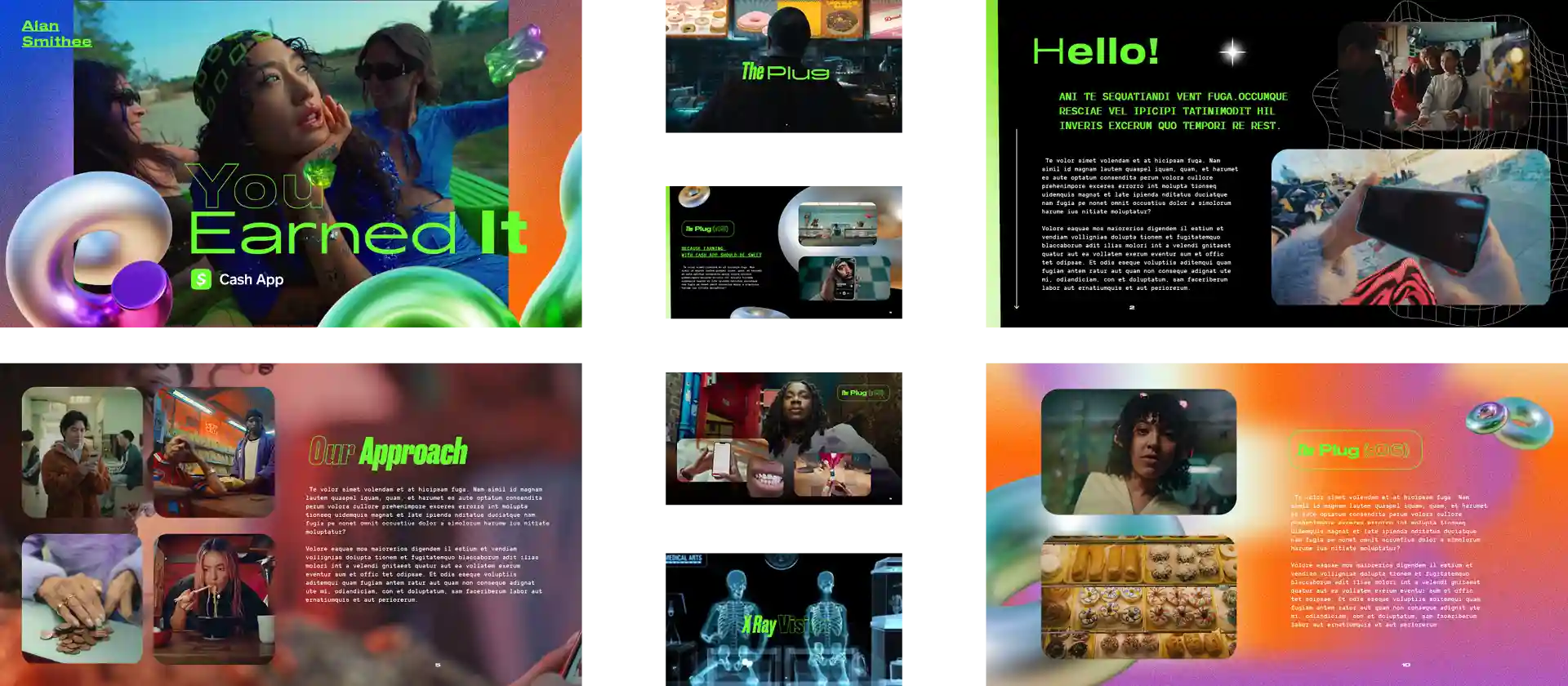
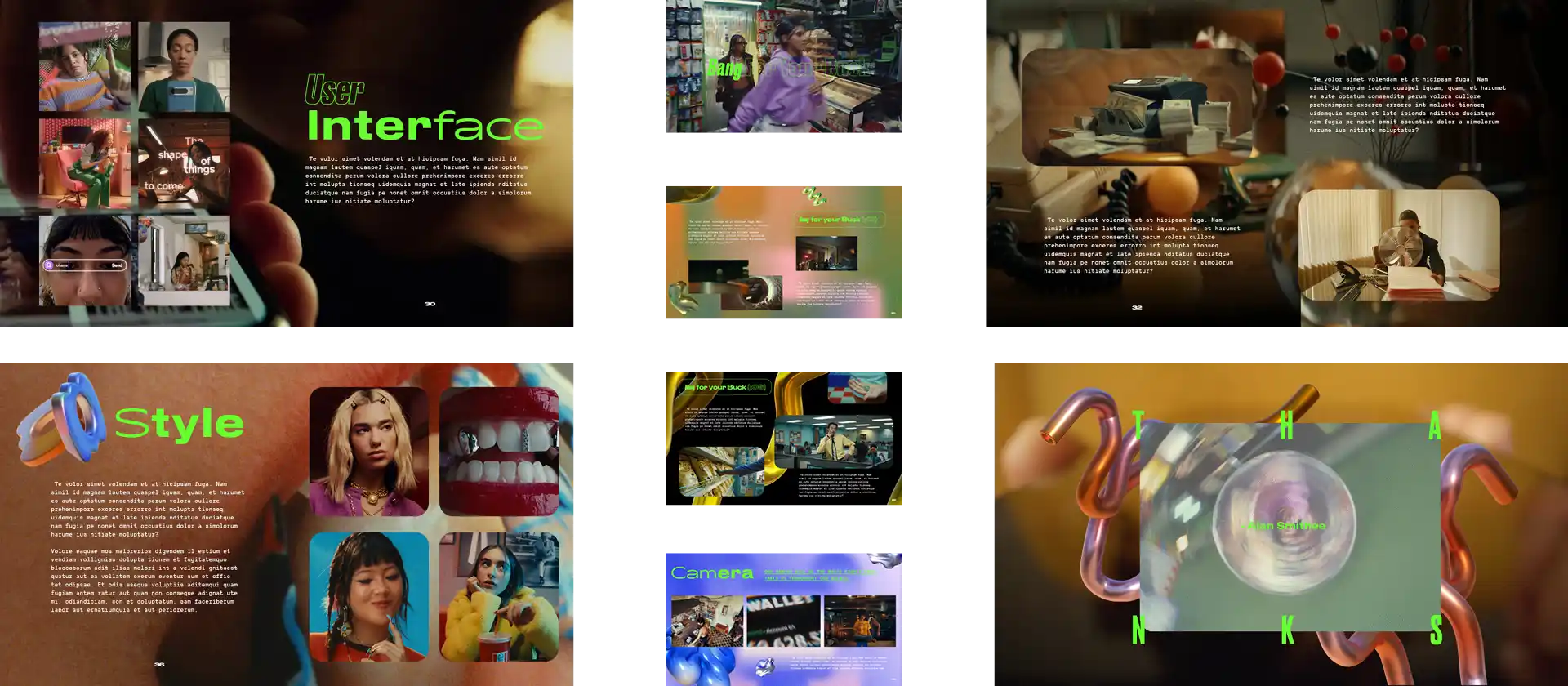
Visual research plays a significant role in enhancing the visual storytelling aspect of a film treatment. Incorporating images, references, and mood boards helps convey the desired look and feel of the film. These visual elements provide readers with a clearer understanding of the aesthetic vision behind the story.
Utilizing visual aids can capture readers’ attention more effectively than relying solely on text. Images can evoke emotions, set the tone, and create an immersive experience for readers. By incorporating visuals into a sample of a treatment, filmmakers can better communicate their artistic vision to potential collaborators or investors.
Crafting Your Film Sample of a Treatment
Writing Without Dialogue
Techniques for effectively conveying story elements without relying on dialogue can make your film treatment more engaging and impactful. Instead of solely depending on characters’ conversations, you can use descriptive language, actions, and visuals to communicate emotions and plot points. By painting vivid pictures with words, you allow readers to visualize the scenes in their minds. This approach not only enhances the reader’s experience but also showcases your storytelling skills.
Conveying Mood and Atmosphere
To immerse readers in the story world, it is crucial to convey specific moods and atmospheres within your sample of a treatment. One effective strategy is to utilize sensory details that appeal to the readers’ senses, such as sight, sound, smell, taste, and touch. By describing settings in detail and setting the right emotional tone from the beginning, you create an immersive experience for the reader. Whether it’s a suspenseful thriller or a heartwarming romance, evoking the desired mood will captivate readers and make them eager to see your vision come to life on screen.
Infusing Your Unique Voice into Your Sample of a Treatment
Infusing your unique voice into the treatment allows you to stand out among other submissions. Incorporate your personal writing style by using creative metaphors or poetic descriptions that reflect your distinct storytelling approach. However, while showcasing creativity is important, maintaining clarity and professionalism is equally crucial. Strike a balance between expressing yourself authentically and ensuring that your sample of a treatment remains accessible for readers.
One way to achieve this balance is by focusing on strong character development. Through well-crafted character descriptions and actions, you can bring depth and authenticity to your story without relying heavily on dialogue. Showcasing each character’s motivations, quirks, and conflicts will engage readers emotionally while highlighting your ability to create compelling narratives.
Another aspect of infusing your unique voice involves incorporating thematic elements that are meaningful to you as a writer. Explore themes that resonate with you personally and explore them through the story. By doing so, you add depth and substance to your treatment, making it more memorable and thought-provoking.
Crafting a film treatment is an opportunity to showcase your skills as a storyteller. By employing techniques for writing without dialogue, conveying mood and atmosphere effectively, and infusing your unique voice into the treatment, you can create a compelling narrative that captivates readers from start to finish. Remember to strike a balance between creativity and professionalism while staying true to your own style. With these tips in mind, you are well on your way to crafting an outstanding film treatment that leaves a lasting impression.
Templates and Scriptments in Screenwriting
Utilizing Treatment Templates
Using pre-designed treatment templates offers several benefits for screenwriters. These templates provide a structured framework that guides the writer through the process, ensuring that no crucial elements are overlooked. By following a template, writers can streamline their writing process and maintain consistency throughout their sample of a treatment.
Customization is another advantage of using treatment templates. While templates provide a foundation, they can be tailored to suit individual project needs. Writers can modify sections, add or remove elements, and adapt the template to fit their unique vision for the story.
We also suggest gaining inspiration from other’s treatments like the ones below:
Understanding Scriptments
Scriptments serve as a hybrid between treatments and screenplays in the world of filmmaking. They offer a unique approach to storytelling that combines narrative prose with dialogue and scene descriptions.
Scriptments are typically used when a screenwriter wants to present a more detailed version of their story compared to traditional treatments but without fully developing it into a complete screenplay. This allows them to explore key plot points, character arcs, and important scenes while still retaining some flexibility in the overall structure.
One key element that sets scriptments apart from traditional treatments is the inclusion of dialogue. Unlike treatments which focus primarily on summarizing the story beats, scriptments incorporate actual lines of dialogue between characters. This helps convey the tone, dynamics, and relationships within the story more effectively.
In addition to dialogue, scriptments also include scene descriptions that provide visual cues for how each scene should be presented on screen. This gives filmmakers and producers a clearer understanding of how various moments will translate visually.
Scriptments are particularly useful when pitching ideas for films or television shows as they offer potential investors or production companies a more immersive experience compared to just reading a traditional treatment. It allows them to get a better sense of the story’s potential on screen.
To summarize, utilizing treatment templates can greatly benefit screenwriters by providing structure and consistency while allowing customization based on individual project needs. Scriptments, on the other hand, offer a unique storytelling approach that combines narrative prose with dialogue and scene descriptions, providing a more detailed version of the story compared to traditional treatments. They are particularly useful for pitching ideas to potential investors or production companies.
Step-by-Step Guide to Writing a Film Sample of a Treatment
Writing Your Draft
Crafting an effective treatment draft requires a step-by-step approach. Start by outlining the key elements of your story, including the plot, characters, and setting. This will serve as a roadmap for your sample of a treatment.
When structuring the narrative, consider the three-act structure commonly used in storytelling. Begin with an engaging introduction that hooks the reader and sets up the conflict. Develop your characters by giving them clear goals, motivations, and conflicts that drive the story forward.
Pacing is crucial in a treatment. Ensure that each scene flows smoothly into the next, maintaining a balance between action and dialogue. Use concise language to convey your ideas effectively.
Once you’ve completed your initial draft, it’s important to revise and refine it. Take time to review your treatment for clarity, coherence, and consistency. Look out for any plot holes or weak areas that need strengthening.
Refining Your Treatment with Feedback
Seeking feedback from trusted sources can greatly enhance the quality of your treatment. Share your draft with fellow writers or industry professionals who can provide valuable insights.
When incorporating feedback into your treatment, consider different perspectives and suggestions offered by others. Take note of constructive criticism and use it as an opportunity to improve weak areas or address any inconsistencies in your story.
Feedback can help you identify areas where further development is needed. It may highlight character arcs that require more depth or plot points that need clarification. Embrace feedback as a tool for growth and refinement.
Remember to stay open-minded during this process; not all feedback will align with your vision for the story. Use discernment when deciding which suggestions to incorporate while staying true to your creative vision.
By refining your treatment based on feedback received, you can strengthen its overall quality and increase its chances of capturing attention from potential producers or investors.
The Power of Examples and Pitch Decks
Analyzing Successful Sample of a Treatment
Analyzing successful examples of film treatments can provide valuable insights into what makes a treatment effective. By examining renowned sample of a treatment as case studies, we can identify common elements that contribute to their success. These case studies allow us to learn from established filmmakers’ approaches to storytelling in their treatments, giving us inspiration and guidance for our own projects.
Creating a Compelling Pitch Deck
A pitch deck is an essential tool in the film industry for conveying the potential of your project to investors or producers. It serves as a visual presentation that complements your treatment and highlights its key aspects. Crafting a visually appealing pitch deck is crucial in capturing the attention of your audience and effectively conveying the unique qualities of your project.
When creating a pitch deck, it’s important to include specific components that showcase the strengths of your treatment. This may include an engaging title slide, a concise synopsis, compelling visuals such as concept art or storyboards, information about the target audience, market analysis, and details about the production team.
To ensure that your pitch deck effectively conveys your project’s potential, consider these tips:
- Keep it concise: Focus on presenting only the most relevant information and avoid overwhelming your audience with excessive details.
- Use visuals strategically: Incorporate eye-catching visuals that support and enhance the narrative of your treatment.
- Highlight unique selling points: Clearly articulate what sets your project apart from others in terms of its story, characters, themes, or innovative elements.
- Showcase market viability: Include research or data that demonstrates there is an audience demand for projects similar to yours.
- Practice delivery: Rehearse presenting your pitch deck so you can confidently communicate its contents during meetings or presentations.
By following these guidelines and creating a compelling pitch deck that complements your treatment effectively, you increase the chances of capturing interest from potential investors or producers who can help bring your project to life.
Showcasing Project Strengths through Pitching
Significance of Sample of a Treatment Pitches
Pitches play a crucial role in the film industry, as they are instrumental in securing funding, partnerships, or production deals for projects. While treatments provide a detailed overview of a film project, pitches offer a concise and compelling presentation that highlights its unique selling points. A well-crafted pitch has the power to capture the attention of industry professionals and generate interest in the project.
Sample Pitches and Their Role
Examining successful film pitches can provide valuable insights into how to effectively showcase project strengths. These sample pitches serve as tangible examples that demonstrate key selling points and highlight what makes a project stand out from the rest. By analyzing their structure and content, aspiring filmmakers can gain inspiration and learn how to craft their own compelling pitches.
One example of a successful film pitch is “The Social Network.” The pitch for this project focused on highlighting the captivating story of Mark Zuckerberg’s journey in creating Facebook. It emphasized the timely nature of social media and its impact on society, making it an intriguing concept for potential investors and audiences alike. This pitch ultimately led to funding and resulted in an award-winning film.
Another noteworthy example is the pitch for “La La Land.” The creators presented this musical as a modern-day homage to classic Hollywood films, combining elements of romance, drama, and music. The pitch successfully conveyed the unique blend of nostalgia and contemporary storytelling that made “La La Land” an appealing prospect for production companies. As we know now, this pitch resonated with audiences worldwide, earning critical acclaim and multiple Academy Awards.
Effective pitches often follow a specific structure to engage listeners from start to finish. They typically begin by capturing attention with an intriguing hook or logline that encapsulates the essence of the project in just a few sentences. Then they proceed to elaborate on the story’s core elements while highlighting its marketability, target audience appeal, and potential for success. Visual aids, such as concept art or mood boards, may also be incorporated to enhance the pitch’s impact.
Writing Tips for a Memorable Film Treatment
Techniques for Engagement for Your Sample of a Treatment
Strategies for capturing and maintaining the interest of your audience during a pitch: One effective strategy is to start with a compelling hook or opening line that grabs attention. This could be an intriguing question, a thought-provoking statement, or an engaging anecdote. By immediately piquing their curiosity, you can draw listeners in and make them eager to hear more.
Incorporating storytelling techniques to engage listeners emotionally: Storytelling is a powerful tool that allows you to connect with your audience on an emotional level. By weaving narratives into your sample of a treatment, you can create relatable characters, build suspense, and evoke empathy. This will not only captivate your listeners but also make them invested in the story you are presenting.
Using visual aids, multimedia, or interactive elements to enhance engagement: Visual aids such as concept art, storyboards, or mood boards can help bring your vision to life and make it easier for others to visualize your ideas. Incorporating multimedia elements like video clips or audio samples can add depth and richness to your presentation. Interactive elements such as interactive prototypes or virtual reality experiences can also provide an immersive experience that keeps your audience engaged throughout the pitch.
Must-Have Components
Identifying essential components that should be included in every film treatment: A strong film treatment should include key elements such as a logline (a concise summary of the story), character descriptions (including their goals and motivations), a detailed synopsis outlining the plot’s major beats, and sample scenes that showcase the tone and style of the film. These components work together to give potential investors or producers a clear understanding of what they can expect from the project.
Avoiding common pitfalls or omissions that may weaken a treatment’s impact: One common mistake is providing too much unnecessary detail in certain areas while neglecting other crucial aspects of the sample of a treatment. It’s important to strike a balance and ensure that each component receives the attention it deserves. Be mindful of grammar, spelling, and formatting errors as they can detract from the professionalism and credibility of your treatment.
Ensuring clarity, coherence, and professionalism throughout the document: Your film treatment should be clear and concise, avoiding excessive jargon or technical language that may confuse or alienate readers. It’s essential to maintain a logical flow between sections, ensuring that each element connects seamlessly with the next. Finally, proofread your treatment thoroughly to eliminate any typos or grammatical mistakes that could undermine its overall impact.
By implementing these writing tips for a memorable film treatment, you can effectively engage your audience during a pitch while including all the necessary components for a strong and impactful document.
Finalizing Your Film Sample of a Treatment
Wrapping Up with Confidence
Now that you have put in the hard work and creativity to develop your film treatment, it is essential to finalize it with a strong conclusion. This final section of your sample of a treatment allows you to summarize the main elements of your story, leaving a lasting impression on the reader. Take this opportunity to highlight the unique aspects of your film and emphasize why it deserves attention.
Before considering your treatment complete, take the time to review and proofread it thoroughly. Look out for any errors or inconsistencies in grammar, spelling, or formatting. A polished and error-free treatment shows professionalism and attention to detail. It also ensures that your ideas are communicated clearly without any distractions.
As you approach the next steps in the filmmaking process, such as pitching your project or sharing it with potential collaborators, having confidence in your treatment is crucial. The thoroughness and thoughtfulness you put into its creation will shine through when discussing your film with others. Remember that a well-crafted treatment demonstrates not only your storytelling abilities but also your commitment and dedication as a filmmaker.
Downloadable Writing Guides
To further enhance your understanding and skills in creating film treatments, consider accessing downloadable resources and writing guides that are specifically tailored for this purpose. These resources can provide valuable insights into structuring treatments effectively, developing compelling characters, crafting engaging dialogue, and refining plot points.
There are numerous online platforms where you can find these resources for free or at a minimal cost. Look for reputable websites or organizations dedicated to supporting aspiring filmmakers and screenwriters. They often offer comprehensive guides that cover various aspects of film development, including treatments.
In addition to downloadable guides, there may be recommendations for further reading or reference materials related to film treatments. These books or articles can deepen your knowledge of storytelling techniques specific to the film industry and provide examples from successful films.
By utilizing these additional resources, you can expand your knowledge base while honing your skills in crafting captivating film treatments. Remember, the more you learn and practice, the better equipped you will be to create treatments that captivate readers and attract attention to your film projects.
Conclusion: Sample of a Treatment
In conclusion, writing a film treatment is an essential step in the screenwriting process. It serves as a blueprint for your film, outlining the story, characters, and key elements that will bring your vision to life. By following the step-by-step guide provided in this article and utilizing templates and examples, you can craft a compelling sample of a treatment that showcases the strengths of your project. Pitching your treatment effectively can help you attract the attention of industry professionals and increase your chances of getting your film made. So, take the time to refine your treatment, make it memorable, and confidently present it to potential collaborators or investors. With dedication and a well-crafted film treatment, you can set yourself on the path to success in the world of screenwriting.