Defining a Film Treatment
A movie treatment, written by a writer, is a blueprint for filmmakers and producers that outlines the key elements of a story, serving as a guide for creating a script. A film treatment, also known as a movie treatment or script treatment, provides an overview of the plot, characters, and themes. This treatment process gives stakeholders a clear understanding of the story’s potential. Unlike screenplays, which are more detailed and formatted for production, treatments focus on presenting the core narrative in a concise and compelling manner. A script, on the other hand, is a written document that outlines the dialogue and actions of characters in a film or play.
Key Elements of an Effective Example of Screenplay Treatment
An effective example of screenplay treatment encompasses several crucial elements. Firstly, when creating a film treatment, it is important to include a logline—a one or two-sentence summary that captures the essence of the story. A film treatment, also known as a movie treatment or script treatment, should always begin with a compelling logline. This succinct description helps grab attention and generate interest. Treatments typically feature a synopsis that provides an overview of the plot, highlighting key events and turning points.
Moreover, in a film treatment, character descriptions play a vital role in conveying the personalities and motivations of the main characters. By providing vivid details about their traits and backgrounds, treatments help readers envision how these characters will drive the story forward.
Furthermore, storytelling is paramount in creating an engaging treatment. The film treatment should have a well-defined narrative structure with clear setups, conflicts, and resolutions that captivate readers from beginning to end. A strong treatment effectively communicates both the external events driving the plot as well as internal character arcs.
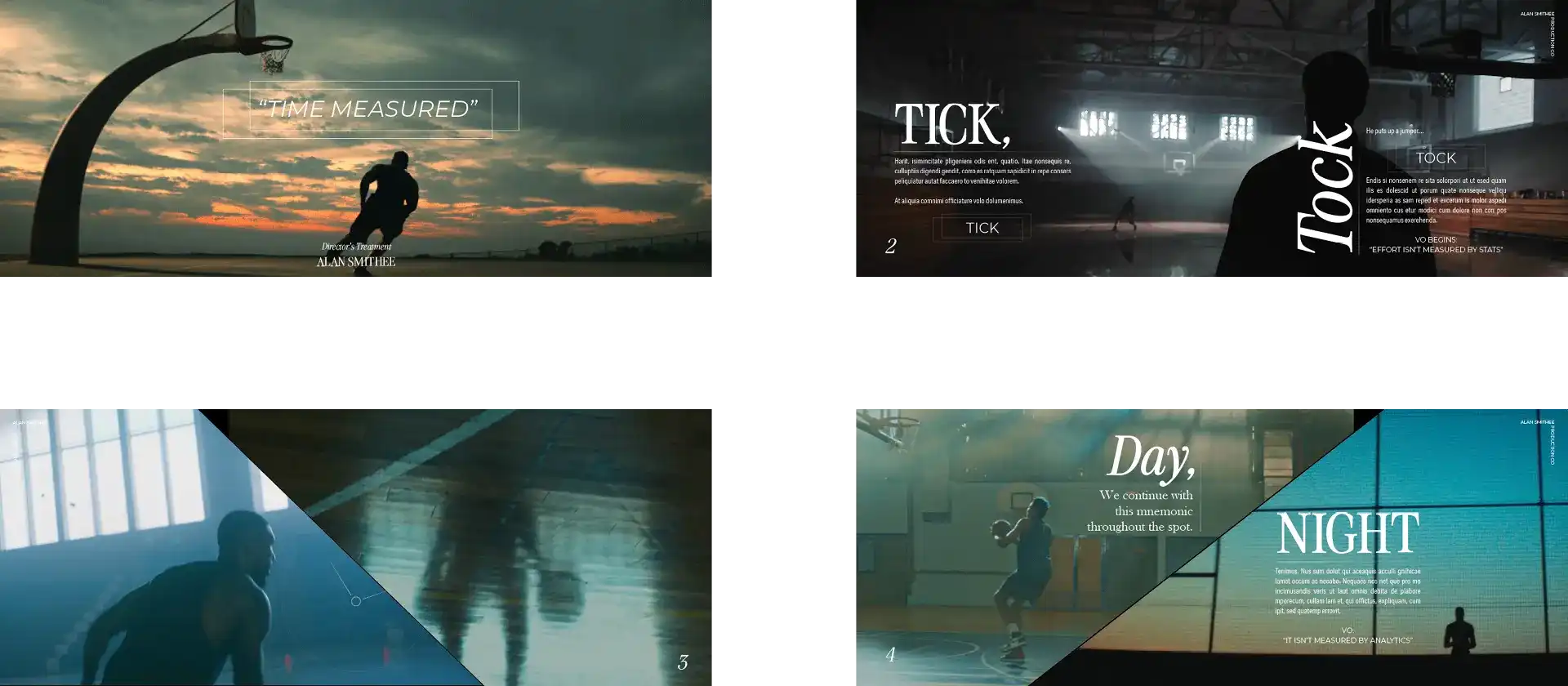
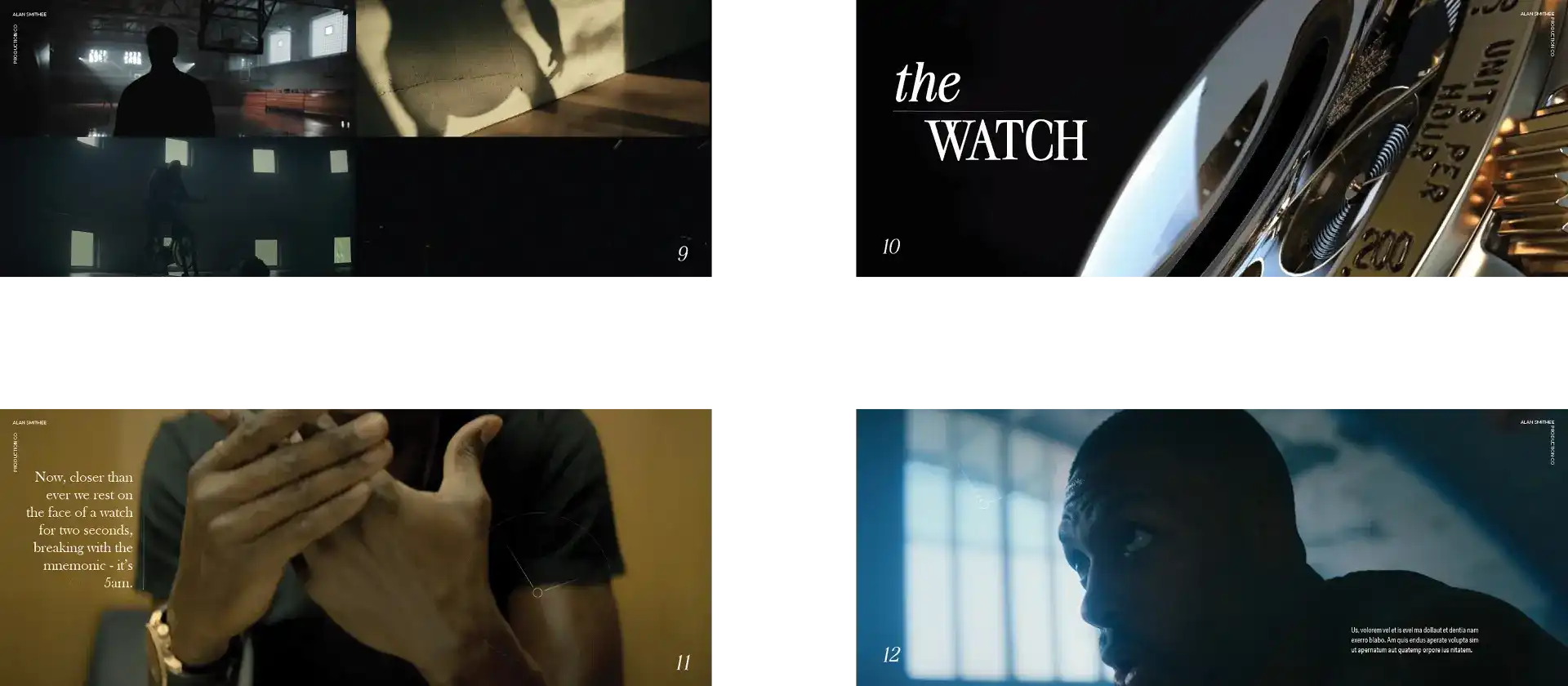
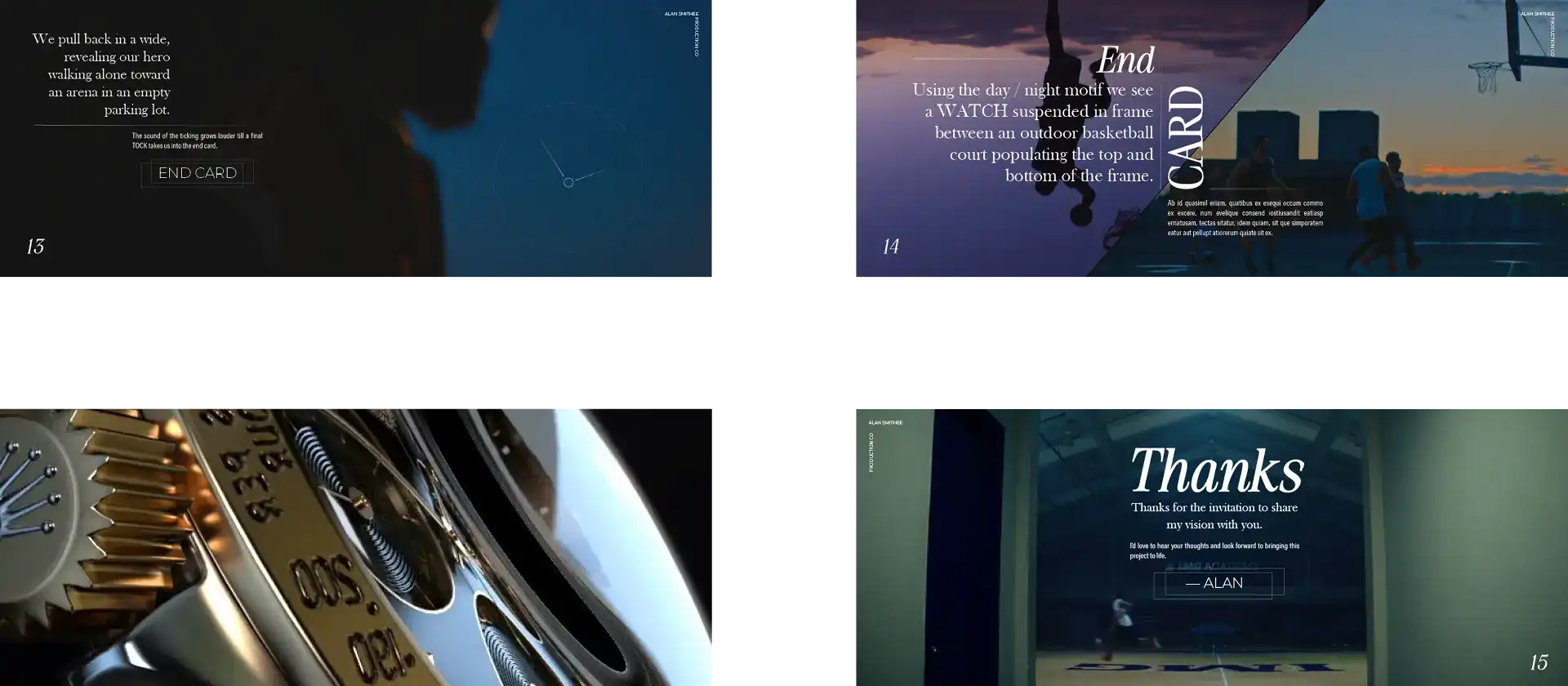
To enhance reader comprehension further, visual descriptions can be incorporated into treatments. By painting vivid images with words—describing settings, costumes, or other visual elements—the treatment can evoke emotions and create a more immersive experience for readers.
Length Requirements for Film Treatments
Film treatments vary in length depending on factors such as genre and complexity. Generally speaking, film treatments range from 2 to 10 pages long. Shorter treatments tend to be more concise while still capturing the essence of the story effectively.
The ideal length of a film treatment allows writers to convey essential information without overwhelming readers with unnecessary details. However, when writing a film treatment, it’s important not to sacrifice clarity or leave out vital elements in the pursuit of brevity. Striking a balance between conciseness and completeness is key.
Ultimately, the length of a example of screenplay treatment should be determined by what best serves the story. A complex narrative with multiple characters and intricate plotlines may require a longer treatment to adequately convey its nuances. On the other hand, a simpler film treatment with fewer characters might be effectively summarized in just a few pages.
The Significance of Treatments in Screenwriting
Role in Filmmaking Process
Treatments play a crucial role in the filmmaking process. They serve as a valuable tool for pitching ideas to producers and investors, providing a concise summary of the story, characters, and overall vision of the film. By presenting a well-crafted treatment, screenwriters can effectively communicate their creative concepts and generate interest in their project.
Moreover, treatments guide pre-production decisions such as budgeting and casting choices. Producers rely on treatments to assess the feasibility and marketability of a film. A detailed treatment can help determine how much funding will be required and identify potential risks or challenges that may arise during production. Treatments influence the overall creative direction of a film by establishing the tone, style, and themes that will be explored.
Benefits of Scriptments in Development
In addition to traditional treatments, there is another format known as scriptments that offers unique advantages during the development phase. Scriptments are a hybrid form between scripts and treatments, allowing for more flexibility and exploration while still capturing both dialogue and narrative elements in one document.
One major benefit of using scriptments is the freedom they provide for writers to experiment with different scenes, dialogue exchanges, or plot developments without being bound by strict formatting rules. This allows them to fully explore their ideas before committing to a full-fledged screenplay.
Furthermore, a example of screenplay treatment offers an efficient way to convey both visual storytelling elements and character interactions simultaneously. By combining dialogue with descriptive narrative passages within one document, scriptments provide a comprehensive overview of how scenes will unfold on screen.
Crafting a Compelling Film Treatment
Step-by-Step Writing Guide
Crafting a compelling film treatment requires careful thought and planning. Here is a step-by-step guide to help you navigate the process:
- Brainstorming: Start by brainstorming ideas for your story. Consider the main plot points, characters, and themes you want to explore.
- Outlining: Once you have your ideas, create an outline for your treatment. This will serve as a roadmap for your story and help you stay organized.
- Engaging Openings: Begin your treatment with an engaging opening that hooks the reader. You can start with a captivating scene or introduce an intriguing character to grab their attention from the start.
- Satisfying Endings: Just like any good story, your treatment should have a satisfying ending that leaves the reader wanting more. Tie up loose ends and provide closure while leaving room for future development.
- Refining and Revising: After completing your first draft, take time to refine and revise your treatment. Look for areas where you can improve pacing, character development, or plot structure to make it even stronger.
Formatting Guidelines for Clarity
Proper formatting is essential in creating a clear and professional example of screenplay treatment. Consider these guidelines:
- Present Tense: Write your treatment in present tense to give it immediacy and make it feel more like a movie playing out in real-time.
- Capitalizing Character Names: Capitalize character names when introducing them for the first time in the treatment. This helps distinguish them from other elements of the story.
- Clear Subheadings: Use subheadings to break down different sections of your treatment such as “Act One,” “Character Descriptions,” or “Key Plot Points.” This enhances organization and makes it easier for readers to follow along.
- Bullet Points: Utilize bullet points to highlight important details or key plot points. This helps to emphasize crucial information and makes it more digestible for readers.
Common Mistakes to Avoid in Your Example of Screenplay Treatment
While crafting your film treatment, be aware of common mistakes that can hinder its effectiveness:
- Excessive Detail: Avoid getting bogged down in unnecessary details. Focus on the main plot points and character arcs, keeping the treatment concise and engaging.
- Lack of Focus: Stay true to the central story and avoid introducing too many subplots or unnecessary characters. Keep the focus on what drives the main narrative forward.
- Proofreading and Editing: Always proofread your treatment for errors in grammar, spelling, and punctuation. Edit for clarity and coherence to ensure a polished final product.
By following these guidelines, you can craft a compelling example of screenplay treatment that captivates readers and showcases the potential of your story.
Anatomy of a Successful Treatment Example
Breaking Down Classic Film Treatments
Renowned film treatments provide valuable insights into the structure and storytelling techniques that have shaped some of the most iconic movies in history. By analyzing these treatments, we can gain a deeper understanding of how they influenced the final films and contributed to their success.
In examining classic film treatments, it becomes apparent that screenwriters make deliberate creative choices when crafting these documents. They carefully construct a narrative arc that captivates readers and conveys the essence of their vision for the film. These treatments often include vivid descriptions of characters, settings, and key plot points, allowing producers and directors to envision the story before it is brought to life on screen.
Analysis of Noteworthy Example of Screenplay Treatment
Contemporary film treatments continue to push boundaries and showcase innovative approaches to storytelling. These examples have garnered attention and acclaim for their unique visions and captivating narratives.
One such example is Charlie Kaufman’s treatment for “Eternal Sunshine of the Spotless Mind.” Kaufman deftly weaves together elements of science fiction, romance, and psychological drama in his treatment, creating an intricate story that explores memory, love, and identity. His use of visual descriptions allows readers to visualize key scenes with remarkable clarity, enhancing their understanding of the story’s emotional depth.
Another noteworthy example of screenplay treatment is Quentin Tarantino’s treatment for “Pulp Fiction.” Known for his nonlinear storytelling style, Tarantino employs this technique effectively in his treatment by presenting interconnected stories that unfold out of chronological order. This approach adds an element of surprise and intrigue, keeping the audience engaged and invested in the narrative.
These treatments demonstrate the power of visual descriptions in conveying the intended tone and style of a film. By utilizing vivid language and precise imagery, screenwriters can effectively communicate their creative vision to both industry professionals and potential audiences.
Using Templates and Tools to Your Advantage
Film Treatment Template Essentials
A film treatment template is an invaluable tool for aspiring screenwriters. It provides a structured framework that ensures all the essential elements of a screenplay treatment are included. These templates typically consist of sections such as a logline, synopsis, and character descriptions.
By using a template, you can organize your ideas in a coherent manner and maintain consistency throughout your treatment. The logline section allows you to succinctly summarize the core concept of your story, while the synopsis provides a brief overview of the plot. Character descriptions help you flesh out the main characters and their motivations.
Customizable templates are readily available online, allowing you to tailor them to your specific needs. Whether you prefer a more traditional approach or want to experiment with different formats, there is a wide range of templates to choose from. These templates not only save time but also serve as handy references while developing your screenplay.
Get Inspired with Our Templates
Feel free to take a look at a few of the example templates we have on our site:
Microsoft Word as a Creation Tool
Microsoft Word is an incredibly useful tool for creating film treatments due to its versatility and user-friendly interface. With its extensive formatting options, you can easily structure your treatment according to industry standards. You can adjust fonts, margins, and spacing to ensure that your document looks professional.
Collaboration is made easy with Microsoft Word’s built-in tools. You can invite others to review and edit your treatment simultaneously, facilitating seamless teamwork among writers or producers involved in the project. Version control features allow you to keep track of changes made during the editing process.
To further streamline the creation process, consider utilizing templates specifically designed for film treatments within Microsoft Word itself or through add-ons available online. These templates provide pre-formatted sections for various aspects of your treatment, making it easier for you to focus on crafting compelling content rather than worrying about formatting details.
Using Microsoft Word as your creation tool also offers compatibility advantages since it is widely used across industries. This ensures that your example of screenplay treatment can be easily shared and accessed by others, regardless of their preferred software.
Engaging Presentation Techniques for Pitches
Writing a Captivating Pitch Deck
Pitch decks are visual presentations that accompany film treatments during pitching sessions. They serve as a powerful tool to capture the attention of potential investors or producers and convey the essence of your screenplay in a concise and visually appealing manner. To create an engaging pitch deck, consider incorporating the following tips:
- Visuals: Utilize eye-catching visuals that align with the theme and tone of your screenplay. Include images, illustrations, or even snippets from your storyboards to bring your vision to life.
- Graphics: Use infographics or charts to present key information such as market research, target audience demographics, or financial projections. This helps potential investors understand the commercial viability of your project.
- Key Information: Highlight the most compelling aspects of your screenplay in a clear and concise manner. Focus on key plot points, unique selling propositions, and any notable achievements or awards associated with your project.
By combining visuals, graphics, and key information effectively, you can create a pitch deck that not only grabs attention but also provides a comprehensive overview of your screenplay.
Prose vs. Storytelling in Pitches
There are two main approaches: prose-style pitches and storytelling-based pitches. While both have their merits, incorporating storytelling techniques can be particularly effective in engaging potential investors or producers emotionally.
- Effectiveness: Storytelling allows you to create an emotional connection with your audience by immersing them in the world of your screenplay. By using vivid descriptions and relatable characters, you can transport listeners into the heart of the story and make them invested in its success.
- Emotional Engagement: Through storytelling, you can tap into universal themes and emotions that resonate with people on a deeper level. This emotional engagement increases the likelihood that investors will connect with your project on an emotional level rather than just evaluating it based on its commercial potential.
To strike the right balance between prose and storytelling elements in your pitch, consider the preferences of your target audience. Some investors may respond better to a more straightforward, business-oriented approach, while others may be drawn to the emotional impact of a well-crafted story.
The Art of Feedback and Revision
Incorporating Constructive Criticism in Your Example of Screenplay Treatment
Seeking feedback and constructive criticism during the treatment writing process is crucial. It allows you to gain valuable insights into your work, identify strengths, and address weaknesses. When receiving feedback, it’s important to maintain an open mindset and be receptive to suggestions.
Feedback provides a fresh perspective and helps you refine your screenplay treatment. It allows you to see your work through the eyes of others, highlighting areas that may require improvement or clarification. By incorporating constructive criticism, you can enhance the overall quality of your treatment.
To effectively incorporate feedback, consider these tips:
- Listen attentively: Pay close attention to what others have to say about your treatment. Be open-minded and avoid becoming defensive.
- Identify patterns: Look for recurring comments or suggestions from different sources. This can indicate areas that need further attention.
- Prioritize changes: Determine which feedback aligns with your vision for the treatment. Focus on addressing the most critical points first.
- Collaborate with others: Engage in discussions with fellow writers or industry professionals who can provide valuable input. Their diverse perspectives can offer fresh insights.
Remember that incorporating feedback doesn’t mean blindly accepting every suggestion. You are still the author of your screenplay treatment, and it’s essential to maintain your unique voice and vision throughout the revision process.
Refining Your Example of Screenplay Treatment with Peer Insights
Sharing your example of screenplay treatment with peers for feedback and insights is a beneficial practice. Peers can offer a different lens through which to view your work, helping you identify blind spots or areas that may require further refinement.
Here are some reasons why peer insights are valuable:
- Diverse perspectives: Peers bring their own experiences, opinions, and backgrounds into the review process. This diversity can shed light on aspects you might have overlooked.
- Honest critique: Peers often provide honest feedback without any ulterior motives, allowing you to receive genuine opinions about your treatment.
- Supportive environment: A trusted peer review group can create a supportive atmosphere where everyone feels comfortable sharing their work and offering constructive criticism.
To make the most of peer insights, consider these tips:
- Establish a reliable peer review group: Find fellow writers or industry professionals who are committed to providing thoughtful feedback. Ensure that the group consists of individuals with diverse backgrounds and perspectives.
- Set clear guidelines: Establish guidelines for giving and receiving feedback within your peer review group. This will ensure that the feedback is constructive, respectful, and focused on helping each other improve.
- Be open to suggestions: Embrace the opportunity to learn from your peers’ insights. Consider their suggestions carefully and evaluate how they align with your vision for the treatment.
By leveraging peer insights, you can refine your screenplay treatment further and strengthen its overall impact.
Expanding Screenwriting Knowledge
Study Material and Resource Exploration
To further enhance your understanding of treatment writing, there are various study materials and resources available. Books, articles, and online resources can provide valuable insights into the art of treatment writing. Consider exploring books such as “The Screenwriter’s Bible” by David Trottier or “Save the Cat!” by Blake Snyder, which offer practical tips and techniques for crafting effective treatments. Online platforms like ScreenCraft and The Black List also provide a wealth of information on screenwriting.
Engaging with screenwriting communities and forums can be immensely beneficial for networking and learning from fellow writers. Platforms like Reddit’s r/Screenwriting or websites like Stage 32 allow you to connect with other aspiring screenwriters, share ideas, ask questions, and receive feedback on your work. These communities can serve as a source of inspiration and support throughout your journey as a treatment writer.
Attending workshops or courses focused on example of screenplay treatment writing can significantly enhance your skills in this area. Look for reputable institutions or organizations that offer programs specifically tailored to screenwriters. The Sundance Institute or the New York Film Academy are just a few examples of institutions that provide comprehensive workshops or courses designed to improve your understanding of treatments and their role in the screenwriting process.
Learning from Screenwriters’ Scriptments
Studying scriptments written by established screenwriters can be an invaluable resource for expanding your knowledge of treatment writing. Scriptments are hybrid documents that bridge the gap between treatments and full scripts, offering a glimpse into the creative choices made by experienced writers.
Analyzing these scriptments allows you to understand how professional writers approach storytelling within this unique format. By examining their structure, character development, dialogue, and pacing, you can gain insights into effective techniques employed by successful screenwriters.
For example, studying Quentin Tarantino’s scriptment for “Inglourious Basterds” reveals his distinctive style in crafting compelling scenes and dialogue. By dissecting the scriptment, you can observe how Tarantino effectively conveys his vision on paper while maintaining the essence of a treatment.
Scriptments also showcase the evolution of a story from its initial treatment to a more fleshed-out script. This progression offers valuable lessons in transforming ideas into fully realized narratives. By observing how experienced writers refine their treatments into scripts, you can learn to develop your own stories with clarity and depth.
Example of Screenplay Treatment Conclusion
In conclusion, understanding the fundamentals of a example of screenplay treatment is crucial for screenwriters looking to create compelling stories and pitch their ideas effectively. Treatments serve as a blueprint for the screenplay, providing a clear and concise summary of the story, characters, and key plot points. By crafting a well-written treatment, writers can not only communicate their vision but also attract the attention of producers and investors.
To enhance your treatment writing skills, consider using templates and tools that provide structure and guidance. Mastering engaging presentation techniques can help you deliver a captivating pitch that stands out from the competition. Remember to embrace feedback and revision as essential parts of the creative process, allowing your treatment to evolve and improve over time.
By expanding your knowledge of screenwriting through continuous learning and exploration, you can refine your craft and increase your chances of success in the industry. So, keep honing your skills, studying successful treatments, and staying up-to-date with industry trends. The world of screenwriting is waiting for your unique stories to be brought to life.