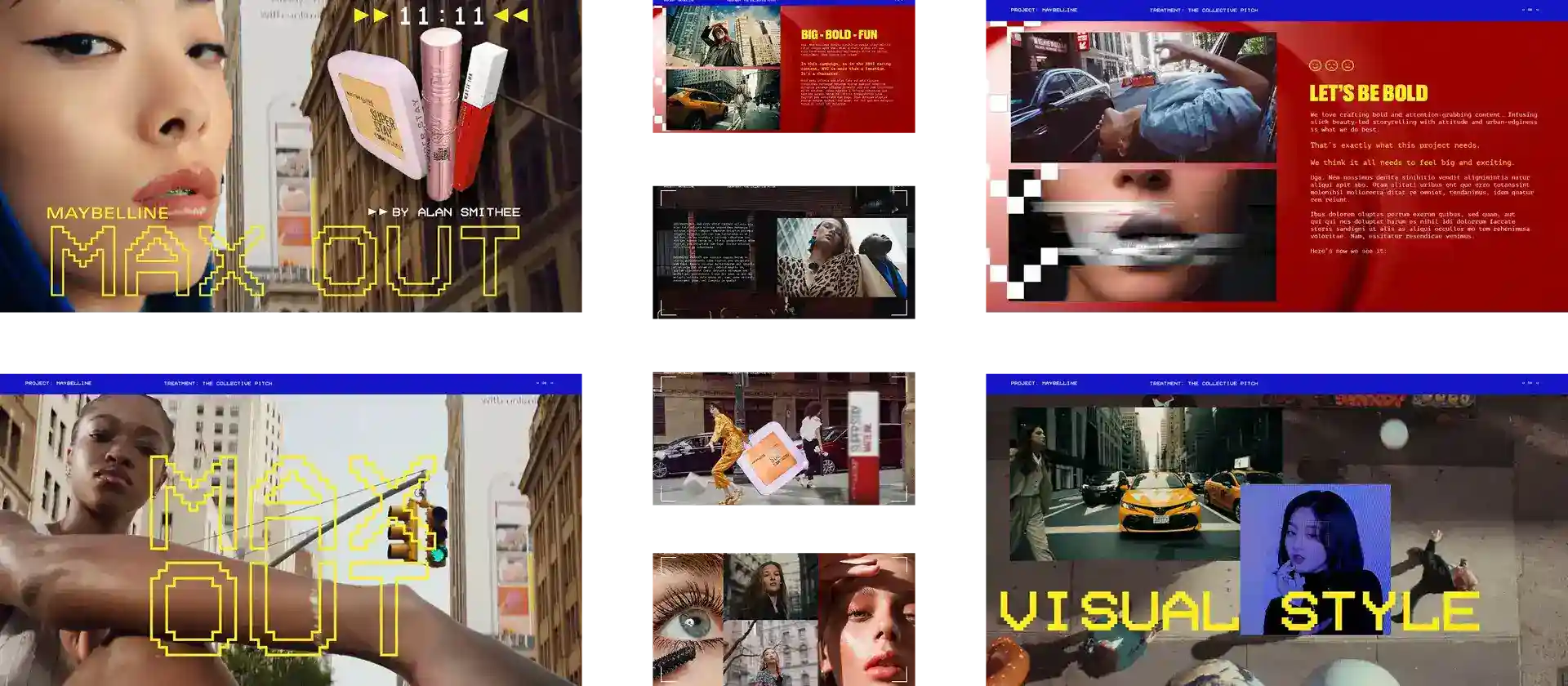
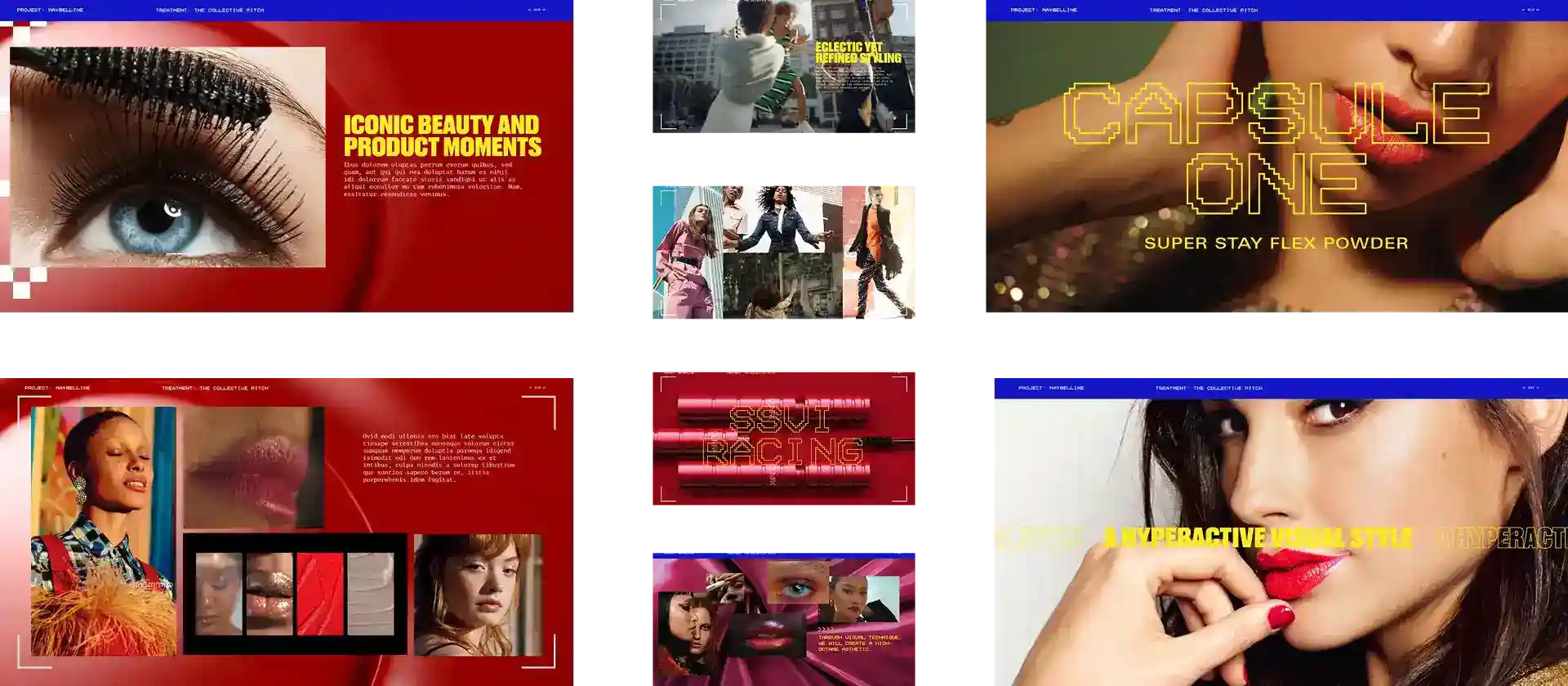
- Clearly defining the vision and core theme of your treatment film is essential for aligning all creative and technical elements with the intended message and audience.
- By balancing written narrative with visual storytelling, I deepen the emotion and ensure that both forms play a substantial role in the film.
- At the heart of a good treatment film example is a solid logline, tightly developed characters, a neat arc, consistent visuals, and a unique sonic identity.
- From sourcing of footage to editing rhythm, graphics overlays and sound design, you implement the strategies that make your productions accessible and relevant in front of worldwide audiences.
- By designing an emotional blueprint and concentrating on empathy, desire, and engagement, key elements that enable a deep and lasting connection with viewers from all walks of life.
- Incorporating the treatment film into strategic scenarios like pitch decks, grant applications, and investor meetings amplifies the project’s impact and circumvents potential traps with forward thinking and transparent dialogue.
Defining The Vision
Like any treatment film, it begins with a vision that informs every decision. Your core theme helps shape story, style, and mood. Defining the vision up front keeps teams aligned. This vision is the map for creative and technical work.
Below are the key elements that outline the heart of a treatment film’s theme:
- Main conflict or idea
- Emotional tone (hope, loss, discovery, etc.)
- Setting and time period
- Main character’s journey
- Key visual motifs
- Style of dialogue or narration
- Underlying message or question
Written vs. Visual Treatment Film Example
Written descriptions establish plot, character, and theme. These words provide a skeleton for the narrative. Their scope is constrained by imagination and language.
Visual storytelling, on the other hand, allows audiences to experience the story. A tight shot of a trembling hand can demonstrate anxiety better than a page of prose portraying it. The right color palette or camera angle can change mood in seconds.
The combination of text and images adds complexity to the storytelling. For instance, a script may mention ‘a feeling of yearning,’ but a wide shot of a single person silhouetted against the sunset animates that sensation.
Each approach adds unique strengths: words clarify, images evoke. Depending too much on either can make the story tedious or incomprehensible. Balance is important. Sometimes visuals can hide a weak script. Strong writing can cover for crude visuals, but the best treatment film example mix the two.
Purpose
A great treatment film knows what it’s all about. Maybe it aims to educate, convince, motivate, or amuse. For instance, a mental health campaign treat will be different than one promoting a new product.
This intent informs everything, from casting to color grading. If your purpose and message don’t match, your film will wander and be unfocused. If awareness is the objective, then the tone and scenes need to back that up.
Thus, it directs style—animation might work for a children’s book, interviews for a documentary. The alignment between intention and the film’s actual content influences how audience members relate to it. When purpose and delivery resonate, engagement increases and the message resonates more deeply.
Audience
Knowing your audience informs every aspect.
- Age range
- Cultural background
- Language
- Education level
- Viewing habits and platforms
For example, a younger, international audience might like quick edits, music, and vibrant colors. Older eyes may prefer slower pacing and juicy dialogue.
So, try out ideas on actual individuals in your audience. Question what hooks them or bores them. Let this feedback shift the tone, pace, and even narrative structure. The objective is to create something that works within the audience’s world and feels authentic to them.
Core Components
These treatment film examples are built on a few obvious pillars that define their essence. Together, they construct a narrative that’s easy to digest and lingers with the audience. By emphasizing clarity, paring excess, and leveraging feedback, these core components assist any treatment film example in remaining powerful and accessible.
1. The Logline
The logline is a concise, provocative sentence that encapsulates the film. It has to show what makes the story special and why it’s important. Something like ‘A young woman races against time to solve a puzzle that could save her family’ indicates what’s at stake, who’s involved, and teases the mood.
Thus, the logline serves as a north star for the project, keeping the team on course. Writers send the logline to friends or collaborators to find out if it’s clear and tempting. If folks look puzzled or ask the wrong questions, it’s a clue that it needs to be worked on.
Simply put, a great logline is frequently honed and pruned until it provides just the right image.
2. Character Essence
Your protagonists have to be authentic and human. This mean their core characteristics, such as courage, uncertainty, or fidelity, must glimmer throughout each scene. For instance, a lead who begins timid but becomes bold provides the audience with someone to cheer for.
Demonstrating these shifts brings the narrative to life. Depth comes from crisp motivations, like desperately wanting to protect your home or prove your self-worth. These motivations allow viewers to relate and see themselves in the narrative.
Likewise, each decision and action your character takes should serve the movie’s theme and purpose.
3. Narrative Arc
A good narrative arc keeps the story moving and the viewer engaged. This includes outlining the exposition, rising action, climax, and resolution. Plot points like a betrayal or a surprise twist prevent things from moving.
The narrative shouldn’t stall or gallop. Pacing the viewing experience gives the movie treatment example PDF more impact. It needs to have tension that builds, then eases so the audience has a chance to inhale before the next wave.
It’s this thoughtful equilibrium that leaves the movie fulfilling from beginning to end.
4. Visual Tone
The movie’s gaze narrates. Choosing a palette, lighting patterns, or camera movements establishes the tone right away. For a tense thriller, crisp blues and sharp shadows might work best. Soft light and golden hues can assist in a warm drama.
Maintaining the visual style consistent provides the movie with a powerful identity. Experimenting with various appearances in the initial scenes demonstrates what suits. Selections should serve the narrative without calling too much attention to themselves.
5. Sonic Identity
Sound can build or shatter a film’s world. A good soundtrack complements the film’s tone. Imagine soft piano during silent scenes or tense strings during thriller sequences. City noise and birdsong, along with ambient sounds, build depth.
Trying out music and effects during drafts assists in locating the proper ambiance. It should never drown out the story but work with the visuals to draw people in. Early viewer feedback can help identify what shines and what does not work.
Creative Execution
As you’ll see, a treatment film example works best when creative decisions align with the story vision and objectives. Execution demands cautious moves, clever collaboration, and navigation of transformation. All of it from locating footage to constructing sound crafts the transmission of the message and the experience of the viewer.
Tight teamwork, defined roles, and a common mission nurture the idea into a robust and crisp final edit.
Footage checklist – image sharpness, color match, framing. See if the shooting matches the story’s mood and tempo. If it’s a source, it must be trusted and licensed. Every clip should bolster that theme or message.
Likewise, look out for cluttered backgrounds, bad lighting, or incompatible resolution. Combining original video treatments with stock footage provides additional flexibility. Use original shots for the moments of uniqueness and stock for the filler or hard to obtain footage.
Stock sites such as Pexels or Adobe Stock assist in bridging gaps and match style and quality. Each frame should contribute to the story’s tone. Clips that don’t fit can jar the flow or disorient viewers.
Also, categorize every file according to a scene, date, or shot type. Folders or editing software tags will help you find and use them quickly.
Editing Rhythm
Then, aim for a consistent creative pace that makes sense within the context of the story. Fast cuts are great for action, but slow fades are perfect for drama. Hold the viewer’s attention by coordinating visual pace with narrative tension.
Transition from one shot to another with simple cuts, dissolves or wipes. Every decision needs to assist the tale, not divert. Experiment with various edit styles, such as jump cuts to create energy or extended takes to set the mood.
Lastly, revise until every scene is vivid and intuitive. Review and ensure each cut aids the flow. See if the story hangs together and sounds authentic to its tone. Repair pieces that feel wonky or overhang.
Graphic Overlays
Above all, images and words need to appear only when they assist the observer. Title cards, lower thirds, or simple icons can direct or emphasize key points. Nothing sappy, in your face or too flashy.
Likewise, try matching colors and fonts to the film’s look. Too many graphics clutter the screen and distract from the story. Experiment with various locations and dimensions for overlays.
Then, try it on a few screens and find out what looks best. Modify as necessary so nothing impedes the viewer.
Sound Design
Next, Layer it up, using clean dialogue first, then music, and lastly effects. Another trick is to use soft background music for ambiance or cutting effects for dramatic moments. Select music that complements the film’s mood and conveys emotion.
Equalize all volumes so words come through and nothing disappears. Test mixes on headphones and speakers. Shuffle elements up or down until the blend seems just right.
Finally, keep tweaking sound as editing continues. Little things, like cutting down music or amplifying a sound cue, can really take scenes to another level.
The Emotional Blueprint of Your Treatment Film Example
An emotion blueprint in a treatment film example is a map that guides the audience’s emotional journey from beginning to end. This blueprint is the backbone of the film’s tone and directs each technical and creative decision. It defines what moments should pop, how the images and music complement each other, and ensures every emotion supports the larger narrative.
The blueprint isn’t about exposing emotion; it’s about constructing a route for your listener to follow. Each bullet below illustrates how to map this blueprint for powerful results.
Evoking Feeling
Scenes are constructed to generate emotion by utilizing close-up shots of faces, color palettes to establish mood, and sounds that suit the moment. A heated argument in a cramped apartment would employ harsh lighting and rapid-fire edits, creating tension for the audience. A tender reunion could reveal its subtle glimmer and graceful sway, allowing the second to exhale.
Actors’ expressions and body language are significant too. An anxious glance or a trembling hand will tell more than a thousand words. Directors tend to request subdued responses so that the audience can complete the blanks. Music coincides with the movie’s tone. A dreary piano track makes a loss sting more and high-energy drums pace the adrenaline.
Silence, too, is a weapon, pulling out tension or solitude. Filmmakers experiment with these beats before small audiences, observing for genuine responses. If a sad moment doesn’t get tears or a tense scene doesn’t make you squirm, they adjust the visuals or the sound until the emotion is there.
Building Empathy
They build characters with backstories and flaws that seem authentic. If a character experiences a failure, such as a missed opportunity or a lost friend, audiences will sympathize more if they understand why it stings. Movies portray the challenges and successes.
When a character struggles and grows, it reflects our own highs and lows. Authors employ voiceovers, flashbacks, or cherished possessions to pull readers closer, allowing them to witness what the character experiences. Times when characters open up, maybe confiding or collapsing, draw the audience in and personalize their journey.
Creating Desire
Plots dangle breadcrumbs and mini-mysteries, provoking curiosity. A mystery box in a room or a character’s strange appearance can arouse intrigue. Tension with challenges that must be overcome exists in a race against the clock or a distant monster.
The stakes are kept clear: if the hero fails, someone gets hurt or something big is lost. This keeps the audience committed to the resolution. Cliffhangers or surprise twists at the end of a scene propel us to remain invested and poised for what’s next.
Strategic Integration in Your Treatment Film Example
A treatment film example is not just a creative vision. It is a strategic asset that must operate in a larger context. For serious impact, the film needs to slot into the broader ambitions of a team or initiative. In other words, it must align the movie’s objectives with what the group or organization desires to accomplish.
The film serves as a powerful means to spread concepts, clarify difficult subject matters, or mobilize. Used strategically, it can help mold brand identity, employee cohesion, or fundraising efforts. Keeping the film’s message consistent across all implementations is essential. This ensures that all of us are looking at the same narrative regardless of the location or the person.
Pitch Deck (Also Known as a Treatment Film Example)
The pitch deck is a concise, crisp series of slides that needs to highlight the most compelling aspects of your treatment film. Begin by selecting what scenes, themes, or images distinguish the movie. Combine these with hard facts, like your target audience numbers or anticipated reach, to support your arguments.
For instance, use a chart to illustrate where the film fits in a marketing plan or use a storyboard to describe the narrative. Always customize the pitch deck for whoever will see it. If your audience is a creative panel, use more visuals and fewer buzzwords. If it’s for business leaders, add more data and clear objectives.
This shift in emphasis maintains people’s attention and makes your movie script treatment examples resonate with their desires. It aids you to workshop your pitch, so you can discuss the film with ease. Being able to recite your key points from memory means you won’t trip over yourself, and your message will come across loud and clear.
Grant Application
Including your treatment film example in a grant application to distinguish it. Begin by demonstrating how the movie will create an impact, like educating a cause or imparting a skill. Strategic integration CLIPS/IMAGES THAT DEMONSTRATE THE FILM’S TONE AND REACH.
If your film is to help a community, discuss stats about the group and how the film will assist them. Ensure the film’s objectives are aligned with the purpose of the grant. For instance, if it’s a youth education grant, demonstrate how the movie will educate or motivate youth.
Include simple to digest graphs or brief script quotes to pack your submission with additional impact. A crisp, compelling visual narrative makes your suggestion simpler to grasp and more likely to garner assistance.
Investor Meeting
At investor meetings, your treatment film should illustrate where the project is heading. Play a snippet or project mood boards to capture the market feel and aesthetic. Use the film to demonstrate how the project will address a niche or satisfy a demand.
Investors might want to hear about expenses, target audience, or what makes the film exceptional. Plan straightforward responses. Rehearse your talk so you don’t flounder or sound tentative. Your conviction and the movie’s focus will make an impact.
Common Pitfalls in Any Treatment Film Example
Treatment film examples can assist teams in making strong projects. There are habits where it goes wrong. These are the kinds of pitfalls that bog down work, make us stress out, or produce weak outcomes. Mistake-learning, talkative, flexible teams stand a much better chance of making magic.
Here are some examples of where it usually messes up and easy ways to fix it.
- Over-explaining ideas can make the story dull.
- Forgetting copyright rules causes delays and legal risks.
- Technical mistakes can lower the quality of the film.
- Not getting feedback or missing team talks causes confusion.
- Being rigid stops the project from moving past problems.
- Not reviewing past work means repeating old mistakes.
- Waiting too long to solve small issues allows them to fester and grow.
Over-Explaining
Telling too much causes movies to be boring or unwatchable. When you explain every fact, your audience’s attention wanes. Most importantly, the best movies demonstrate key information in action, not just in dialogue.
For instance, instead of long narration describing a character’s mood, a close-up shot or subtle music can do more. Teams have to trust the audience to bridge some of the voids. Trimming conversations and narration makes tales concise.
Eliminating unnecessary lines makes scenes go faster. Early viewer feedback can identify where the film is over-explanatory. By hearing this feed, teams can discover areas to streamline the script or use visuals instead. This keeps the film taut and attention held.
Copyright Issues You May Encounter in Your Film Treatment Example
|
Issue
|
Best Practice
|
Example/Tip
|
|
Unlicensed footage
|
Secure licenses before using clips
|
Use public domain or buy stock video
|
|
Background music
|
Obtain music rights or use royalty-free tracks
|
Websites offer free or paid legal music
|
|
Artwork and graphics
|
Ask permission for any third-party images
|
Hire artists or use original graphics
|
|
Script content
|
Check for plagiarism in scripts
|
Use plagiarism checkers and write original
|
Copyright blunders can be expensive. Securing permissions for footage, music, and images should begin early. Teams can circumvent these issues through the use of royalty-free or in-house content.
It’s good to conduct a quick workshop explaining copyright fundamentals so nobody slips up and makes an expensive mistake.
Technical Flaws
Good technical work makes a film look and sound professional. Even minor audio or lighting mistakes can pull viewers out. Testing all audio and video components prior to final cut is essential.
Easy fixes like donning headphones to detect poor sound or noticing trembly camerawork make all the difference. For instance, testing mics and lights prior to that initial shoot saves you time and headaches down the road.
If it’s outside the team’s skill set, getting help — like hiring a sound mixer or editor — can improve the film. Even a rapid expert read catches what others gloss over.
So don’t skip technical tests, teams — even if you have a tight deadline. This saves you from issues that are difficult or costly to resolve downstream.
Conclusion: Treatment Film Example Insights
A good treatment film has vision, sharp detail, and real feeling. Each step molds the story, from initial concepts to full scenes and moods. A treatment film example unites teams, provides directors and crews with a roadmap, and establishes the trajectory towards impactful films. Consider films such as ‘Gravity’ or quick takes for huge brands. These begin with a defined treatment that exhibits the manner, glance, and heart. Steer clear of fuzzy words or mixed signals to keep everyone on course. Apply actual cases and simple language to establish credibility and ignite inspiration. For film work, a treatment demonstrates expertise, thoughtfulness, and appreciation for the art. Give them a shot on your next project and watch your tale shine.