-
A film treatment is a comprehensive outline for your narrative, structuring the script and conveying vision effectively to collaborators and financiers alike.
-
Unlike a basic plot summary, a film treatment example pdf digs into the themes, the characters’ motivations, and the distinctive narrative qualities that make your project stand out.
-
A successful movie treatment example PDF needs a hook. It needs to be marketable, and the voice needs to be consistent throughout, both professionally and creatively.
-
A structured format, comprising a title page, logline, character summaries, brief synopsis, and a powerful ending, maintains consistency and clarity for readers.
-
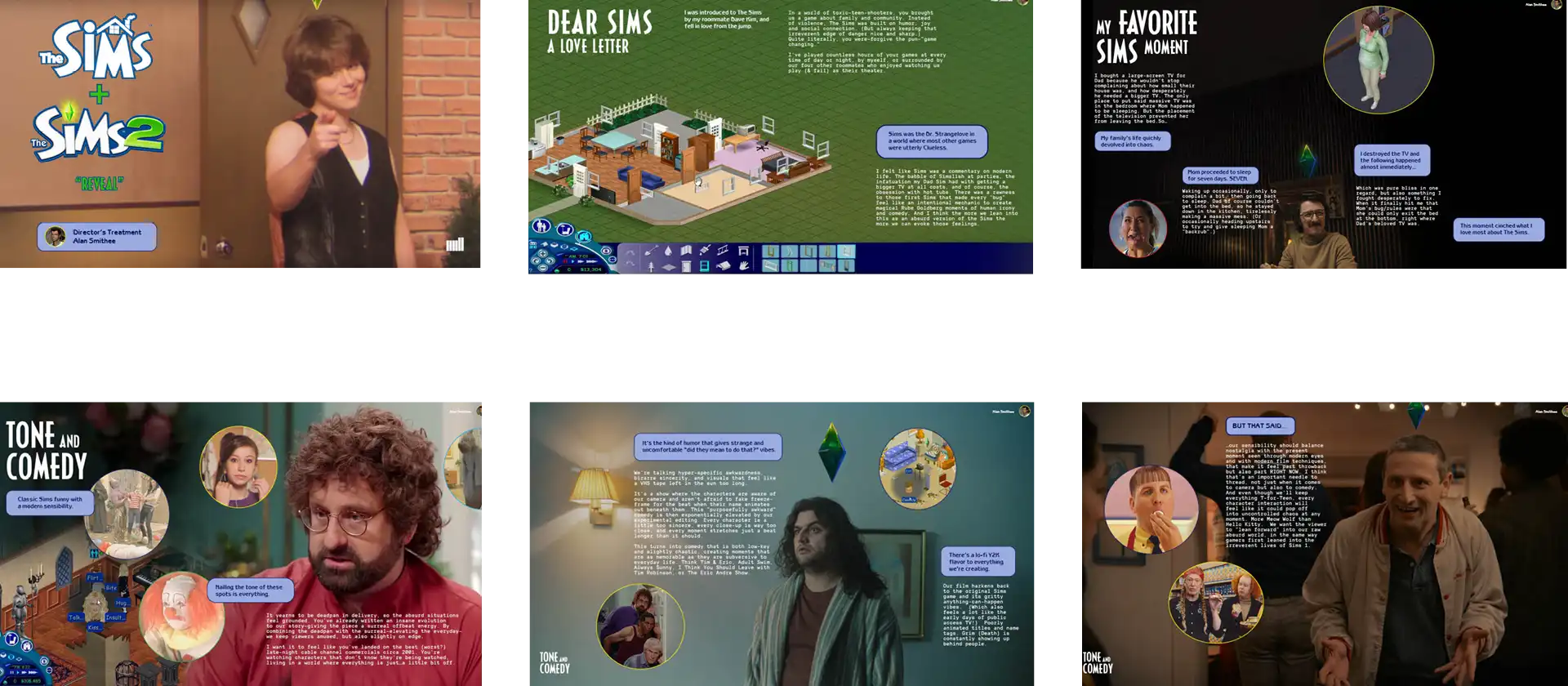
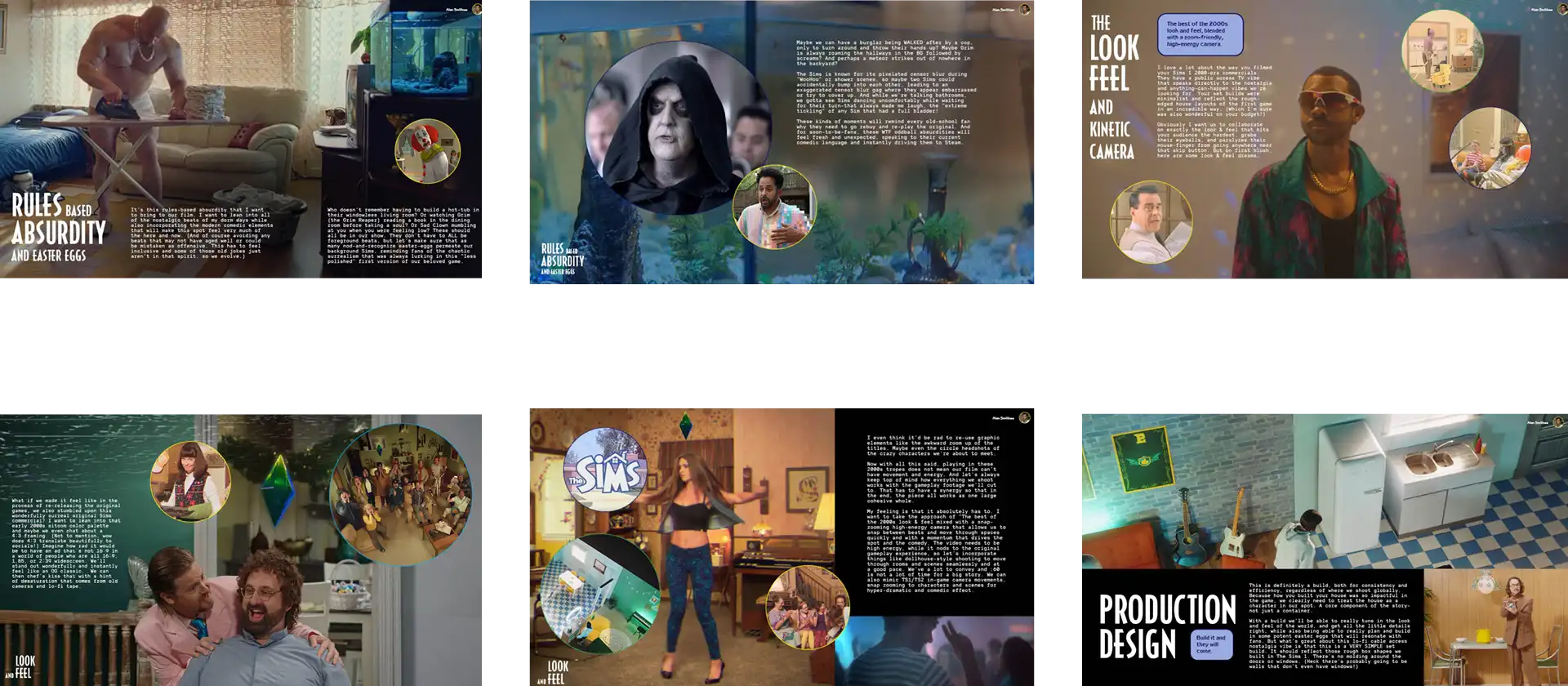
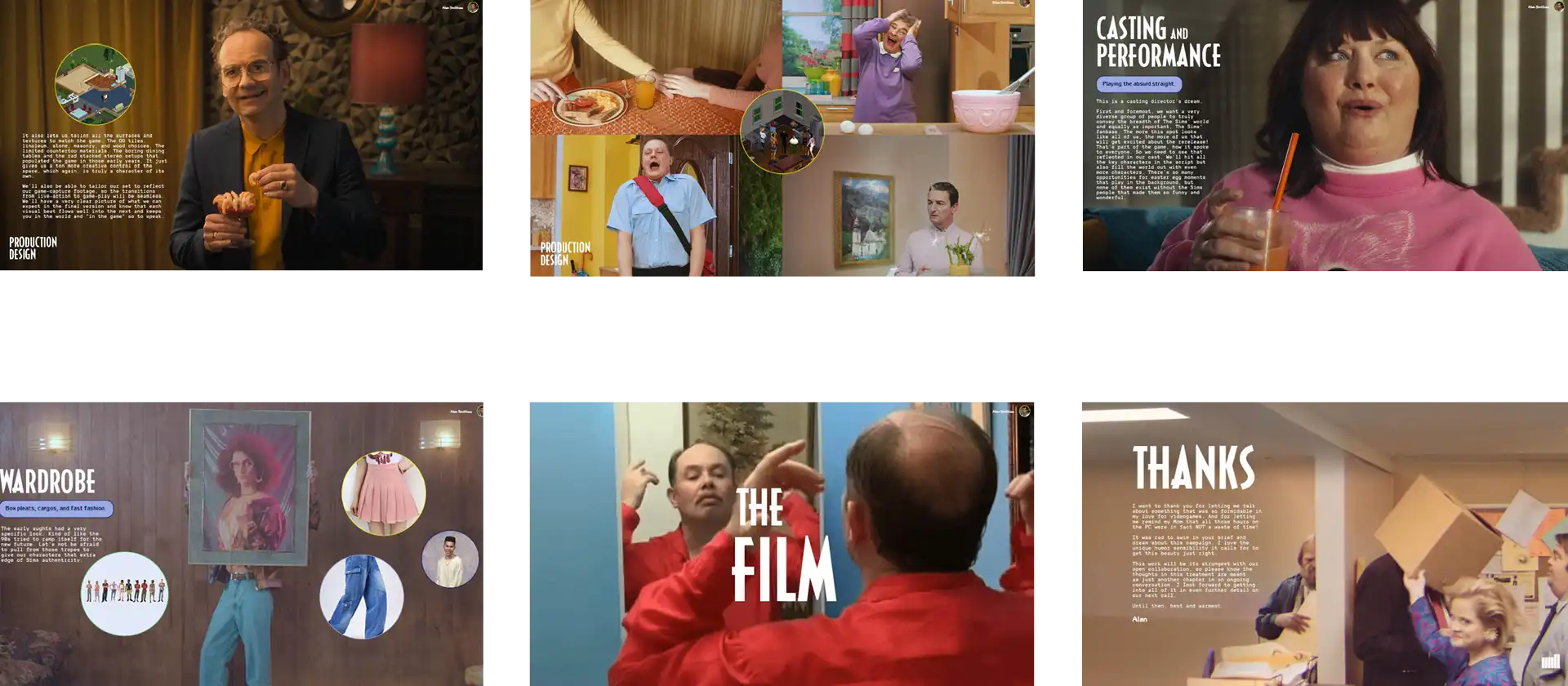
Strong director’s treatments utilize narrative economy, visual vocabulary, and emotional arcs to transform their film treatments into compelling, unforgettable storytelling that is easy to digest.
-
Professional PDF design, clean formatting, and thinking of your audience make your treatment easier to read, more trustworthy, and ultimately more effective.
The Core Concept: Film Treatment Example PDF
A film treatment example pdf is the master plan for a story. It leads the project from idea to screen. Treatments distill the essence of the story into concrete, useful form. They assist everyone who reads it—be they producers, investors, or creative partners—to visualize what the film will be prior to any script writing.
If you want backing or capital, a treatment is the handshake. It needs to be concise, digestible, and demonstrate the movie’s perspective compellingly. Treatments concentrate on the main line, excising subplots or noise. They keep your story grounded and make it feasible for everyone involved to operate from the same page.
This step prepares you to write the script, craft the characters, and direct all creative decisions.
Beyond a Summary: Make a Great Film Treatment Example PDF
Here’s where the film treatment extends beyond simply restating the plot. A summary reports what occurs in sequence. A treatment justifies why it’s significant. Treatments explore the deeper roots: themes, moods, and what drives the characters.
They explain not just what the narrative is but why it’s significant. For instance, a logline could read, “A young woman journeys to a faraway city to locate her missing sister.” A treatment, by contrast, would describe her ambitions, her anxieties, and how the city itself influences her quest.
Writers employ treatments to demonstrate the core concept of their story. They search for the underlying motifs, perhaps loss, growth, or justice, and demonstrate how these frame each action. Treatments emphasize character transformations and audience reactions. A great director treatment PDF should inspire and create buzz
A good treatment reads like a story, not a dry outline. It drags the reader in with powerful scenes and shimmering moments. Writers should approach their film treatment example pdf as an opportunity to pull others into their universe.
|
Feature
|
Why It Works
|
Example Element
|
|
Strong Opening Hook
|
Grabs interest in first sentences
|
Start with a crisis scene
|
|
Visual Descriptions
|
Helps reader picture the film
|
“Rain pounds neon-lit streets”
|
|
Clear Characters
|
Makes people memorable
|
Motives shown, not just told
|
|
Market Potential
|
Shows relevance to trends or audiences
|
“Appeals to fans of thrillers”
|
A good treatment hooks interest immediately. It begins with a hook that draws producers to read on. It’s not enough to tell a story; the treatment must demonstrate why the film will market.
Writers should consider audience, trends, and what makes the movie unique in a saturated market. For example, the pitch for ‘Juno’ leveraged humor and a strong voice to convince producers to give it a green light. Marketable treatments make explicit who is going to want to see the film and why.
Your Creative Voice, Make your own Film Treatment Example PDF
Authors need to allow their personal voice to shine through. Personality is king; a dull treatment is easy to skip. Balance is needed: the screenplay treatment pdf must feel professional but not stiff.
A writer’s voice can elevate a project to something that demonstrates what only they can add to the material. Tone matters consistently. If the movie is going to be noirish, make the treatment compact and brooding.
If it is a comedy, allow some wit to peek through the writing. This allows readers to visualize the finished movie and develop confidence in the creator’s vision.
The Film Treatment Example PDF Blueprint
A film treatment is the most important shaping document for a screenplay — the middle ground between an idea and the final screenplay. It serves as a roadmap for the project, defining story aspects and assisting collaborators to see where the story is headed. The treatment’s format facilitates transparent dialogue and artistic synergy, key among writers, producers, and stakeholders.
A good treatment blueprint is convincing, clear, and adaptable. Below are the fundamental components and their optimal structuring:
- Title Page:
To provide you with a professional foothold, the title page grounds the film treatment examples pdf. It needs to have the project’s title, author’s name and current contact information. The design has to be clean, with neutral margins and an easy-to-read typeface.
The title itself should suggest the story or its tone, making the reader feel like they understand what the film is about, e.g., Gravity, Whiplash. Uniformity on all title pages in treatments is important as it communicates professionalism and helps you get noticed.
1. The Title Page
Put the project title in the middle and your name and contact details at the bottom. Don’t be cluttered. Something catchy, like “Lost in Translation,” will make your project memorable!
Utilize the same format per film treatment example pdf for a standardized look.
2. The Logline
A logline is a tight, one-sentence summary of the story’s essence. It should be specific and pique curiosity, explaining the hero, his objective, and the central conflict.
For instance, “A linguist rushes to talk to aliens before world war breaks out” (“Arrival”) has clarity and stakes. Writing a great logline is about emphasizing the tension and using as few words as possible.
3. The Characters
Identify your protagonists and their story arcs. Observe what motivates them, their important connections, and their transformation.
Each description should be brief and punchy, but rich enough to demonstrate their sophistication. Complex characters, for example, a flawed mentor or a well-meaning villain, give the narrative depth.
4. The Synopsis
Outline the plot’s key events, not structure. Highlight turning points, character decisions and ramifications through the narrative.
The synopsis should be energetic, not merely informative, so it holds the reader’s attention and educates at the same time.
5. The Conclusion
Rehash your bullet points and remind the reader what makes the story special. Close with a bang, telling them why this movie has to get made.
Call your interested readers or investors to action.
Mastering the Craft of a Film Treatment Example PDF
Mastering film treatment writing is an iterative process informed by ongoing learning, studying professional examples, and openness to revision. By reading successful treatments and screenplays, writers begin seeing how others solve creative problems. Suddenly, it becomes easier to spot patterns and effective techniques.
Consistent feedback from peers and professionals is key. It provides fresh viewpoints and highlights blind spots. Skill is not just talent. Little steps, consistent work, and humility to feedback cultivate talent over time.
Narrative Economy
- Focus on the core plot and avoid tangents.
- Use concise language to keep scenes tight.
- Remove unnecessary characters or subplots.
- Prioritize scenes that advance the main narrative.
- Minimize exposition; show rather than tell.
- Use dialogue sparingly, letting action drive the story.
Trimming any detail that doesn’t advance the story is crucial. Your readers should never feel adrift in an ocean of data. Each sentence must accomplish a specific mission, whether that’s revealing character, advancing plot, or setting tone.
For instance, if you’re working on a film treatment example pdf about a young inventor, concentrate on her major inventions and failures instead of painting a picture of each member of her family. Active voice keeps the prose crisp and immediate, critical in treatments where clarity and forward momentum count.
Rather than saying ‘the device was built by Anna’, say ‘Anna builds the device’. This accelerates the pace of your story and enhances the suspense.
Visual Language
To master this craft, you need to become a visual storyteller. Writers, look at every scene through a lens and describe what the audience will see. In other words, demonstrate mood and movement instead of telling mood.
Both imagery and tone color the readers journey with the story. Craft scenes with language—depict light, color, and setting, but don’t go overboard with the adjectives. For example, ‘One lamp flickered against the wet cellar wall’ works better than cataloging each item in the room.
Descriptive language has to conjure up images in the reader’s mind. Use verbs that suggest something is happening, such as “shadows creep” and “rain lashes the glass.” Align visuals with themes: for a story about isolation, focus on empty spaces and muted tones.
Emotional Arc
Charting emotional peaks and valleys leads the reader along the character’s path. Find turning points where stakes shift, such as loss, joy, and decision. These transitions ought to be obvious.
The audience relates when characters are confronted with common battles. Construct intimacy with authentic responses and little specifics. For example, a character who pauses before apologizing rings true.
Your growth should be apparent. Demonstrate how things compel transformation, not just in situation but in conviction or perspective. Emotional stakes, what the character has to lose or gain, need to remain clear, like risking a friendship to tell the truth.
Strategic Film Treatment Example PDF Design
Treat yourself to a real human changing. Strategic decisions about layout, font, and branding can make a document pop while remaining crisp and usable. For readers around the world, it is clever to construct something that is elegant and available wherever it is opened.
Readability First
Font choice is important because text needs to be crisp and readable. Sans serif fonts such as Arial or Helvetica provide onscreen clarity and are effective for all audiences. Forget fancy or script fonts. They are great in a logo but hinder your reader’s pace in a paragraph.
Spacing is an easy yet potent tool. Allow sufficient margin on either side, say 2.5 cm, so the text doesn’t start to get claustrophobic. Line spacing of 1.2 to 1.5 keeps these text blocks open and less tiring to scan. White space around paragraphs aids readers in breaking and digesting.
Disrupt large copy. Employ headings to designate each section and bulleted points for lists, so concepts don’t blend together. Strategic PDF Design–A sample PDF with obvious chapter titles, short text blocks, and simple lists is much easier to skim and retain.
Proofreading is mandatory. Even a tiny typo or grammar gaffe can distract or drag down reading or make the file look less professional. At least run a spell check and read it aloud before you save the PDF.
Visual Hierarchy
Direct eyes with layout. Top heading, bold or bigger to outline. They can be smaller, but they need to pop from the text. Put important plot points or summaries in bold or highlight boxes. Readers can then locate the central beats at a glance.
Structure the big-to-small idea flow. Begin with a title, then section break it into chunks. Employ visual cues, such as boldface, color, or spacing, to distinguish one block from the next. Don’t try to squeeze too much on one page, which confuses readers and obscures the main themes.
A neat layout beats a cluttered one. Unset additional images or shapes that aren’t meaningful. Strategic PDF Design – A sample PDF with clean blocks, some well-positioned images and defined lines separating the sections allows the story to shine.
Branding Elements
Personal branding makes your film treatment example pdf stand out. Put your logo on the cover page or header, and keep it small so it doesn’t overwhelm. Choose a color scheme with three or four colors that suit your style and use it for headings, lines, or accent shapes.
Choose one or two fonts to use throughout to establish a consistent appearance. Content consistency content consistency content consistency! If your treatment comes in a series, make them look consistent across documents. Use the same logo, colors, and layout for each file, so readers immediately know who created it. This establishes trust.
Branding ought to assist, not distract. Logos and colors need to fade into the page. When in doubt, make content front and center and let branding be the supporting player.
The Reader’s Journey
Nailing the reader’s journey is at the heart of an effective film treatment example pdf. A serious treatment doesn’t just tell your story; it makes sure every section is geared to holding readers’ attention. Thinking ahead to what the reader is thinking, what questions they will have and how you can lead them through the story makes for a more coherent, engrossing experience.
Writers have to think about narrative — how to capture the reader’s attention early and how to keep her enticed with logic and good structure.
Evoking Emotion
Tapping into emotion requires more than strong language. Utilize actual, common experiences or obstacles your readers can identify with. Present a character struggling with a hard decision—perhaps a relative caught between allegiance and aspiration, or a companion confronted with an ethical quandary.
True stakes pull your readers in. Write what comes out of the character’s mouth naturally, not something that seems forced or theatrical. This instills faith and brings the tale to life! Small moments work too: a pause before confession or a smile at the wrong time.
Suspense and reward are important. Pose questions early—will the hero leave home, will the friends forgive each other? Work these out thoughtfully, so the emotional trip feels justified.
Building Trust
Credibility begins with research. Know your story’s world. If it’s a medical drama, get the terms right. If it’s a period piece, check the details. Readers pick errors early. Support decisions with objective facts and straightforward reasoning.
Use a clean, readable format for your film treatment PDF. Uniform formatting and perfect prose demonstrate that you respect the reader’s time. Be upfront with your intentions. If the story is fiction, indicate as much. If you aspire to investigate a social problem, describe that.
This humility breeds faith in your vision and demonstrates that you honor the reader’s part in the magic.
Inspiring Vision
A great film treatment example pdf will paint a vivid image. Try to be brief and visual — show the world, not simply tell about it. For example, ‘Rain-drenched Berlin, neon lights come alive on deserted streets’ is better than ‘The city is lonely’.
Show the potential for impact: will your story start a conversation or offer new hope? Explain how it applies to the modern world. Let your enthusiasm shine, but temper it.
Readers respond to projects with mission and specific targets. Ensure your vision shines through on each page so the reader is swept into something special.
Common Pitfalls of a Film Treatment Example PDF
Writers often fall into common pitfalls when writing a film treatment, stemming from vague formatting, sloppy editing or a general disregard for industry standards. Identifying these problems early can improve the quality and effectiveness of your treatment. Use this checklist: avoid overwriting, stay specific, follow formatting rules, self-edit, get feedback, and always learn from past drafts.
Overwriting Your Film Treatment Example PDF
Over-detail can encumber a treatment. When you load on too much backstory or side notes, it buries core ideas and makes them difficult to locate. This bogs the reader down and impedes their ability to detect the true narrative.
Writers will occasionally try to jam in every idea, but this clutter causes both the core plot and pacing to suffer. Fixate on what pushes the narrative ahead. Put your scenes, character arcs, and primary conflicts front and center.
List the key actions and character turns that characterize the film’s arc. No long asides or detailed scene descriptions—that’s for a script, not a film treatment example pdf.
Summary – Be concise and precise. Short sentences and direct word choices allow readers to understand your vision. Use revision as pruning. Ask: does this sentence add value? If not, slice it.
Two editing passes can uncover and eliminate redundant details, hazy concepts, and padding.
Vague Concepts
Vagueness will frustrate your producers or readers. A treatment should identify characters, locations, and make clear the central narrative. Not “something happens” or “the hero is challenged.
Replace with concrete actions: “Maria risks her job to expose the fraud,” or “The storm floods the coastal town, forcing an evacuation.” Generalizations render the story forgettable.
Instead, leverage actual examples to demonstrate what is at stake and what drives people. If a character is “brave,” show how: “She stands up to the mayor during the protest.” This sets a vivid image in the reader’s mind.
Describe themes and what drives characters. Don’t say, ‘Well, the story is about family,’ describe how family informs decisions and tensions. Specific motivations help readers relate and observe the trajectory.
Dodging these fuzzy pitfalls constructs a robust and arresting treatment.
|
Guideline
|
Reason
|
|
Use clear headings
|
Helps organize and guide the reader
|
|
Standard font, 12 pt, Arial
|
Ensures easy reading and professionalism
|
|
Double line spacing
|
Aids clarity and space for notes
|
|
One-inch margins
|
Keeps content tidy and consistent
|
Headings, font size, and spacing should be consistent. A haphazard layout takes the focus away from your information and makes you look inexperienced.
Before posting, compare your approach to example formats or sector PDFs. A clean layout indicates that you are serious and detail-oriented.
Run down the formatting checklist one last time before you send out your film treatment example pdf. These little steps, such as lining up the text, page numbers, and checking headers, instill trust and make your story shine.
Conclusion: Film Treatment Example PDF
To write a solid film treatment example pdf, stay clear and be honest. Begin with a compelling core concept. Construct each part with clear, concise language. Present your tale in simple steps. Apply intelligent formatting in your PDF to aid readers in tracking. No highfaluting words or long rambling sections. Break up text with white space and bold points. True stories resonate. Who would have thought good treatments open doors in the film world? Stay away from notorious pitfalls such as fluff or silly prose. Use actual examples and maintain a keen focus. To improve, read more treatments, get feedback, and keep writing. Experiment with fresh tips, expose your work, and discover what sticks. Your next film begins on the page—make it count!