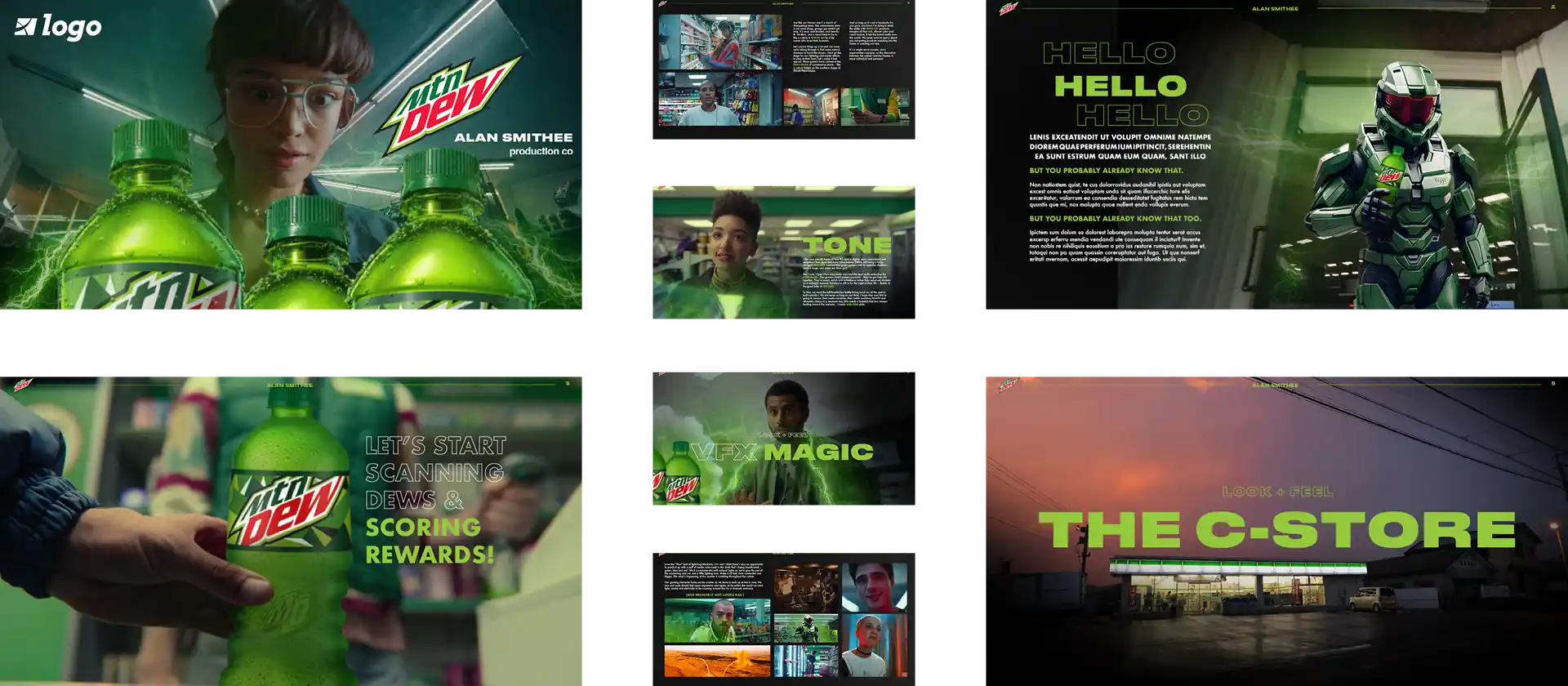
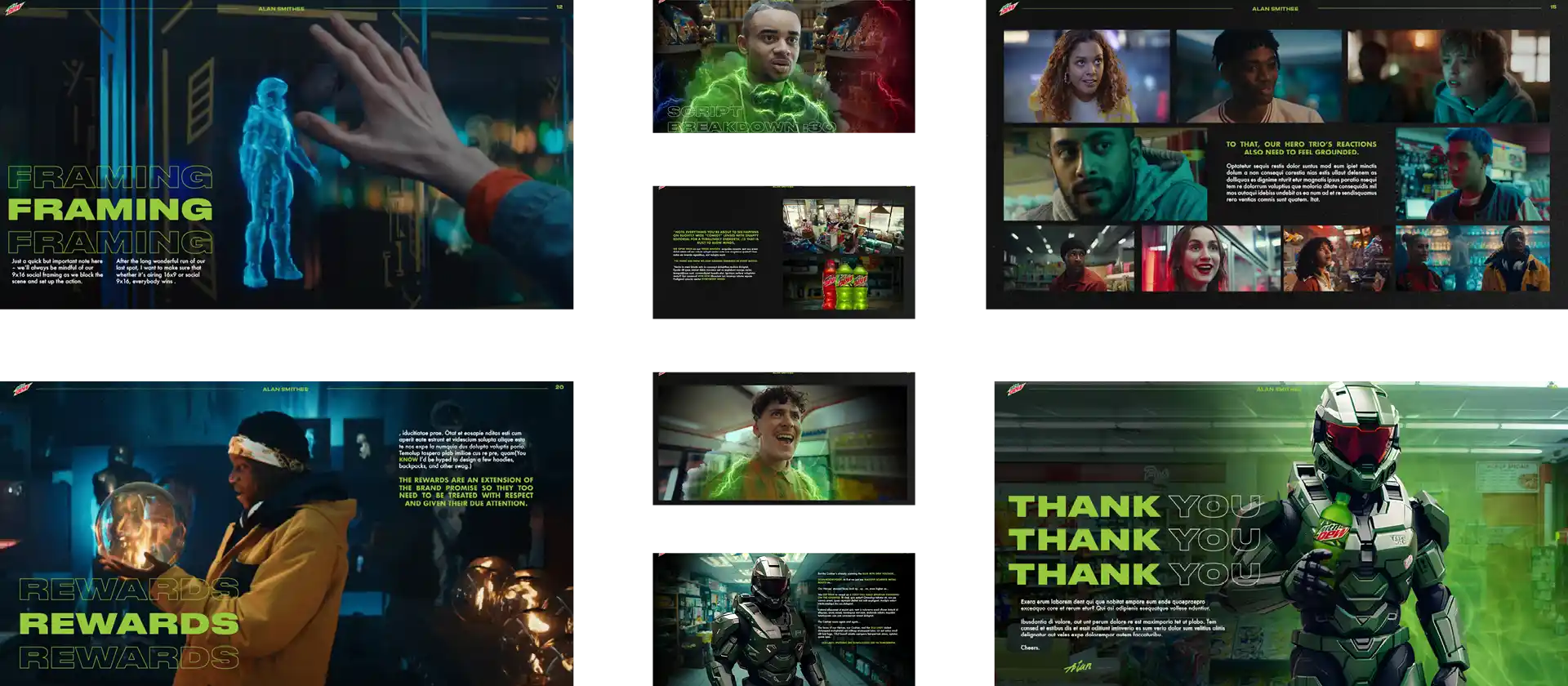
Film treatments play a crucial role in the development process of a film project. They not only help secure funding for movies but also assist filmmakers in effectively pitching their ideas to producers. Clarity and structure are essential elements that contribute to the success of a movie treatment. Let’s explore these points further:
Role of film treatments in securing funding for movies
Film treatments serve as a blueprint for potential investors, providing them with an overview of the story, characters, and vision behind the film project. By presenting a compelling treatment, filmmakers can attract financial support and bring their creative ideas to life.
How film treatments help filmmakers pitch their ideas to producers
When approaching producers, having a well-crafted movie treatment is vital. It allows filmmakers to succinctly communicate their concept, showcasing its unique selling points and capturing the attention of industry professionals. With a strong treatment, filmmakers can effectively convey their vision and generate interest from potential backers.
Importance of clarity and structure in a film treatment
A clear and structured movie treatment ensures that all key elements are presented cohesively. It outlines the plot, character arcs, themes, and visual style, allowing readers to understand the filmmaker’s creative intentions easily. A well-organized treatment enhances readability and helps convey the story’s essence concisely.
Examples of successful films that started with strong treatments:
Numerous successful films have emerged from solid treatments. For instance:
Differentiating Between a Film Treatment and an Outline
Understanding the key differences between a treatment and an outline is crucial. Both serve as essential tools for filmmakers, but they vary in purpose, level of detail, and narrative depth.
Purpose and Level of Detail in an Outline Compared to a Treatment
An outline functions as a skeletal framework for the screenplay or film. It provides a high-level overview of the story’s structure, highlighting major plot points, character arcs, and key scenes. Unlike treatments that delve into narrative depth, outlines focus on organizing the main elements without delving into extensive descriptions or dialogue.
How Treatments Provide More Narrative Depth Than Outlines
In contrast to outlines’ concise nature, treatments offer a deeper exploration of the story. They provide a comprehensive written document that captures the essence of the film through vivid descriptions, character motivations, thematic elements, and emotional beats. Treatments allow filmmakers to convey their vision with more nuance and detail than what can be achieved through an outline alone.
Why Both Treatments and Outlines Are Essential Tools for Filmmakers
While outlines offer structure and organization, treatments bring life to the story by fleshing out its core elements. Filmmakers rely on both these tools throughout different stages of development. Outlines provide guidance during early brainstorming sessions and help maintain clarity while writing the script. On the other hand, treatments allow filmmakers to pitch their ideas effectively by showcasing the unique aspects that make their film compelling.
Understanding the Key Elements of a Film Treatment
In the world of filmmaking, a movie treatment serves as an essential part of the pre-production process. It provides a comprehensive overview of the story, setting the foundation for what will eventually become a captivating cinematic experience. Let’s dive into the key elements that make up a film treatment.
Overview of Essential Components
A well-crafted movie treatment encompasses several crucial components that help bring the story to life. These include:
- Tone: Establishing the desired emotional atmosphere and mood.
- Genre: Defining the category or style in which the film belongs.
- Setting: Describing the time and place where events unfold.
Plot Summary, Character Descriptions, and Major Story Beats
To ensure clarity and coherence, a film treatment should include concise yet engaging summaries of its plot. This allows producers and potential investors to grasp its core narrative quickly. Character descriptions breathe life into protagonists and antagonists alike, enabling readers to visualize their traits and motivations. Major story beats outline significant events or turning points that drive the plot forward.
Capturing Essence and Emotional Core
A successful movie treatment goes beyond mere storytelling; it captures the essence and emotional core of the narrative. By evoking emotions within readers, be it joy, sadness, or suspense, treatments create an immersive experience even before production begins.
By understanding these key elements and incorporating them effectively into your film treatment, you lay a solid foundation for transforming your vision into reality on screen. Craft each component with care to entice potential collaborators while providing them with a clear understanding of your creative vision.
Remember that every element in your treatment must work harmoniously together to convey your unique story concept convincingly. So take your time refining each aspect until they blend seamlessly to captivate readers from start to finish.
Step-by-Step Guide to Writing a Film Treatment with Examples
By following these steps and incorporating examples of well-crafted film treatments throughout the process, you can create a compelling film treatment that captivates readers and showcases your storytelling abilities.
Structuring and Formatting Your Film Treatment
- Break down the structure of your film treatment into clear sections.
- Use headings and subheadings to organize your ideas.
- Include a brief synopsis, character descriptions, and plot summary.
- Format your treatment using industry-standard screenplay formatting guidelines.
Crafting Engaging Opening Paragraphs
- Grab attention with a compelling hook that sets the tone for your story.
- Introduce the main characters or central conflict in an intriguing way.
- Create curiosity by hinting at what’s to come without giving too much away.
- Make sure your opening paragraphs entice readers to continue reading.
Effective Storytelling Techniques within Treatments
- Show, don’t tell: Use vivid descriptions and action-driven language to bring your story to life on the page.
- Utilize dialogue snippets to showcase character interactions and dynamics.
- Incorporate visual cues that convey the mood, setting, and atmosphere of key scenes.
- Balance brevity with enough detail to engage readers’ imaginations.
Revising, Editing, and Polishing Your Final Draft
- Review your treatment for clarity, coherence, and consistency.
- Check for any plot holes or inconsistencies in character motivations.
- Edit for grammar, punctuation, and spelling errors.
- Seek feedback from trusted peers or fellow screenwriters for constructive criticism.
- Polish your final draft by fine-tuning dialogue, refining descriptions, and ensuring a smooth flow.
Summarizing the Plot in Your Film Treatment
Crafting a captivating film treatment requires condensing complex plots into concise summaries while maintaining intrigue. Remember, when summarizing your film in treatment, utilize keywords such as screenplay treatment, logline, plot points, synopsis, and narrative format throughout your writing to optimize its visibility within relevant searches.
By following these guidelines and employing effective storytelling techniques, you can create a powerful film treatment that captures attention and leaves industry professionals eager to explore your full screenplay further.
Guidelines and Techniques on Plot
Here are some techniques to help you strike the right balance between brevity and providing sufficient detail to captivate readers:
- Highlight key plot points: Identify the most crucial elements of your story and ensure they are prominently featured in your treatment. This will give readers a clear understanding of the narrative’s direction.
- Craft compelling loglines or taglines: Create concise and attention-grabbing lines that encapsulate the essence of your story. A well-crafted logline can pique curiosity and entice industry professionals to explore your screenplay further.
- Maintain narrative format: Present your film treatment in a structured manner, following the standard scriptment or screenplay format. This helps convey the flow of scenes, allowing readers to visualize how the story unfolds.
- Balance detail with intrigue: While it is important to provide enough information to engage readers, avoid overwhelming them with excessive details. Focus on conveying key plot points while leaving room for imagination and anticipation.
- Use an engaging overview: Begin your treatment with a compelling summary that provides an overview of the story without giving away all its surprises. Hook readers from the start by introducing intriguing characters or unique settings.
Describing the Characters in Your Film Treatment
Creating memorable characters is essential when crafting a film treatment. By employing concise descriptions, you can captivate the audience and leave a lasting impression.
Remember that when describing your characters in a film treatment, you want to pique the interest of investors and others who may be reading it while leaving room for imagination. Use vivid language that evokes emotions and allows readers to visualize each character vividly.
By effectively conveying character arcs, showcasing relationships, and using concise yet impactful descriptions, you can create compelling characters that resonate with both investors and audiences alike.
Tried and True Strategies to Consider
- Introduce characters with impact: Craft character introductions that immediately grab the attention of your readers, whether they are potential investors or fellow writers. Highlight unique traits or quirks that make your characters stand out.
- Convey character arcs and motivations: Clearly outline the growth and development of your main characters throughout the story. Show how their motivations drive their actions and decisions, allowing the audience to connect with them on a deeper level.
- Showcase relationships between characters: Explore the dynamics between different characters in your treatment. Whether it’s love, friendship, or rivalry, these relationships add depth and complexity to your story. Describe how these connections evolve over time.
- Avoid excessive detail while creating well-rounded characters: While it’s important to provide enough information about your characters, be mindful not to overwhelm readers with unnecessary details. Focus on key aspects that reveal their personalities, backgrounds, and goals.
Bonus Tip: Excluding Dialogue in Your Film Treatment
One crucial aspect is often left out – dialogue. While dialogue plays a vital role in the final film, excluding it from the treatment can actually enhance the storytelling process. Here’s why:
- Explanation of why dialogue is typically omitted from film treatments
- Film treatments serve as concise summaries of the story, focusing on its key elements and structure.
- Omitting dialogue allows writers to convey the essence of their story without getting bogged down in specific lines or conversations.
- By excluding dialogue, filmmakers can focus on capturing the overall tone and atmosphere they want to create.
- How to convey character interactions and emotions without dialogue
- Utilize visual cues: Show characters’ body language, facial expressions, and gestures to convey their emotions and reactions.
- Use descriptive prose: Paint vivid pictures with words that evoke emotion and provide insight into characters’ thoughts and feelings.
- Employ symbolism: Incorporate symbolic objects or actions that represent characters’ relationships or internal conflicts.
- Importance of focusing on visual storytelling in a treatment
- Visual storytelling is at the core of filmmaking; it engages audiences on a sensory level.
- Emphasizing visuals in your treatment helps potential investors, producers, or collaborators envision how your story will translate onto the screen.
- Highlight significant visual moments or sequences that capture attention and create an impact.
- Balancing action, description, and emotion to compensate for lack of dialogue
- Craft dynamic action sequences that propel the plot forward while revealing character traits.
- Provide detailed descriptions of settings, costumes, and cinematography choices to set the desired mood.
- Infuse emotional depth by exploring characters’ inner thoughts through introspective narration.
Exploring Various Types of Film Treatments: Original Draft vs Presentation
Differentiating between original draft treatments and presentation treatments:
- Original draft treatments serve as a blueprint for the film, outlining the plot, characters, and major story beats.
- Presentation treatments are designed to captivate potential investors or producers, focusing on the marketability and unique selling points of the film.
Purpose and audience for each type of treatment:
- The purpose of an original draft treatment is to provide a comprehensive vision of the film to guide the production team. It serves as a reference point throughout the filmmaking process.
- Presentation treatments target potential investors or producers with a persuasive pitch. They emphasize the commercial viability and creative elements that make the film stand out.
Examples showcasing how original drafts differ from presentation treatments:
- In an original draft treatment, details about character development, plot progression, and thematic elements are thoroughly explored. This document aims to convey the essence of the story to everyone involved in its creation.
- On the other hand, presentation treatments focus on grabbing attention quickly. They often include eye-catching visuals, concise summaries highlighting key selling points such as genre appeal, unique concepts, or notable talent attached.
Tips for tailoring your treatment based on its intended use
- For an original draft treatment:
- Provide detailed character descriptions and their arcs.
- Outline major plot points and key scenes.
- Elaborate on themes and motifs explored in your film.
- When creating a presentation treatment (pitch deck):
- Craft a compelling logline that quickly captures interest.
- Highlight marketability factors such as genre trends or target demographics.
- Incorporate visual elements like concept art or mood boards to enhance impact.
By understanding these distinctions between original drafts and presentation treatments, filmmakers can effectively communicate their vision while adapting it to suit different audiences’ needs.
Conclusion: Key Takeaways from “Film in Treatment”
Congratulations! You’ve now reached the end of our blog post on “Film in Treatment.” Throughout this journey, we’ve explored the importance of film treatments in the filmmaking process and learned how to write an effective treatment step by step. By understanding the key elements of a film treatment and differentiating it from an outline, you’re equipped with valuable knowledge to bring your cinematic vision to life.
So what’s next? It’s time for you to put your newfound knowledge into action. Grab a pen, a blank sheet of paper, and unleash your creativity. Start crafting your own film treatment using the techniques we’ve discussed. Remember, a well-written treatment can be the foundation for a successful movie pitch or screenplay.
Don’t let doubts or fears hold you back; take that leap of faith and dive into the world of filmmaking. With dedication and practice, you’ll soon find yourself immersed in a captivating story that will captivate audiences around the globe.
Can I use a film treatment as a pitch document?
Absolutely! A well-crafted film treatment can serve as an excellent pitch document when presenting your movie idea to producers or investors. It provides them with a clear understanding of your story’s concept, characters, and plot points without having to read through an entire screenplay.
Should I include dialogue in my film treatment?
While it’s generally recommended to exclude dialogue from your film treatment, there may be instances where including snippets of dialogue can enhance certain scenes or showcase unique character traits. However, keep it minimal and focus primarily on conveying the story through narrative descriptions.
How long should a film treatment be?
There is no strict rule regarding length. However, most treatments typically range from 5-15 pages in length. The goal is to provide a concise and engaging overview of your story, capturing the reader’s attention while leaving room for their imagination to fill in the details.
Can I use film treatments for different types of movies?
Absolutely! Film treatments can be utilized for various genres and formats, including feature films, documentaries, short films, and even television series. The key is to adapt your treatment to suit the specific requirements and expectations of each medium.
Do I need to register my film treatment with a copyright office?
While it’s not mandatory to register your film treatment with a copyright office, it is highly recommended. Registering your work provides legal protection and evidence of ownership in case of any disputes or infringements. Consult with a legal professional or visit your local copyright office for detailed information on how to protect your intellectual property.
Remember, each filmmaker’s journey is unique, so don’t be afraid to explore new techniques and experiment with storytelling styles that resonate with you.