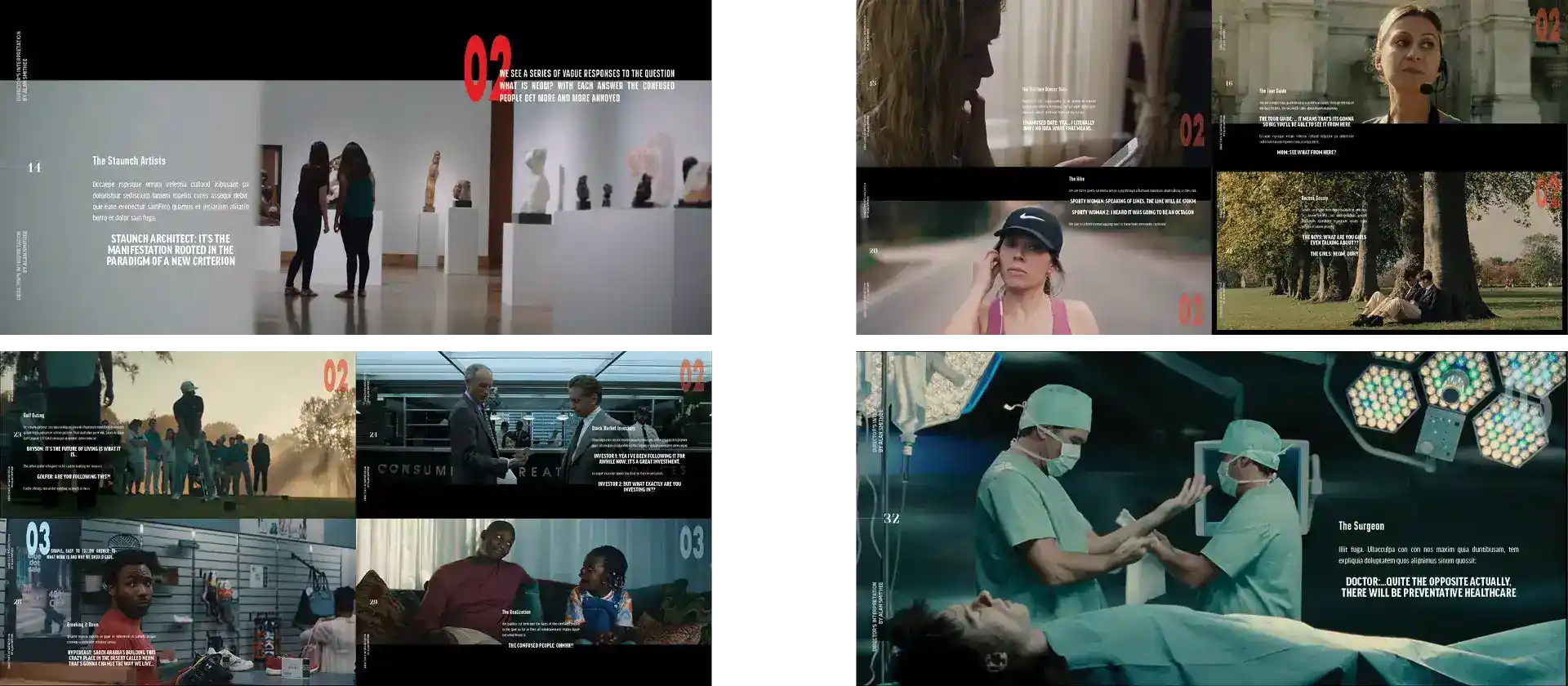
Film treatments, written by screenplay writers, play a crucial role in the industry, helping filmmakers pitch their ideas to producers and investors. These professionally crafted documents, known as screenplays or film treatments, serve as a roadmap for the writer of a movie or television project, outlining its goals and objectives. Writing a screenplay or film treatment is an essential step in the process of creating a successful film or TV show.
A well-crafted treatment not only helps you, as a writer, clarify your ideas but also serves as a powerful tool to pitch your project to potential investors or collaborators. Creating a great example of treatment is like your secret weapon to impress decision-makers. That way it helps you to secure the resources needed to bring your movie treatment vision to life.
Example of Treatment and Their Essential Role in Film
- Pitching writing ideas to producers and investors: A treatment is an effective medium for writers to present their ideas in a concise and compelling manner. A movie treatment or film treatment provides a detailed overview of the story, characters, and key plot points, allowing producers, investors, and clients to quickly grasp the potential of the project.
- Securing funding for film projects: Producers often rely on treatments when seeking financial support for their film ventures. A well-written treatment plan can showcase the viability of the project, increasing its chances of securing funding from investors who are looking for promising client opportunities.
- Attracting talented actors and crew members: An example of treatment also serve as a tool for attracting talented individuals to join a film production. By highlighting the unique aspects of the story, character arcs, and overall vision. These also can entice actors and crew members who want to be part of an exciting project.
Step-by-step guide to writing a film treatment with examples
Crafting captivating plans for a film treatment is the first step in creating compelling logline or elevator pitch. This concise summary of your movie treatment story should grab the reader’s attention and entice them to want more film treatment.
A typical film treatment follows a prose format, providing a detailed overview of your screenplay without diving into every scene or dialogue. It serves as a comprehensive film treatment plan that showcases the essence of your movie while leaving room for creative interpretation.
Key Points to Remember When Writing a Treatment
- Craft an attention-grabbing logline or elevator pitch.
- Develop engaging character descriptions and arcs.
- Outline main plot points and story progression.
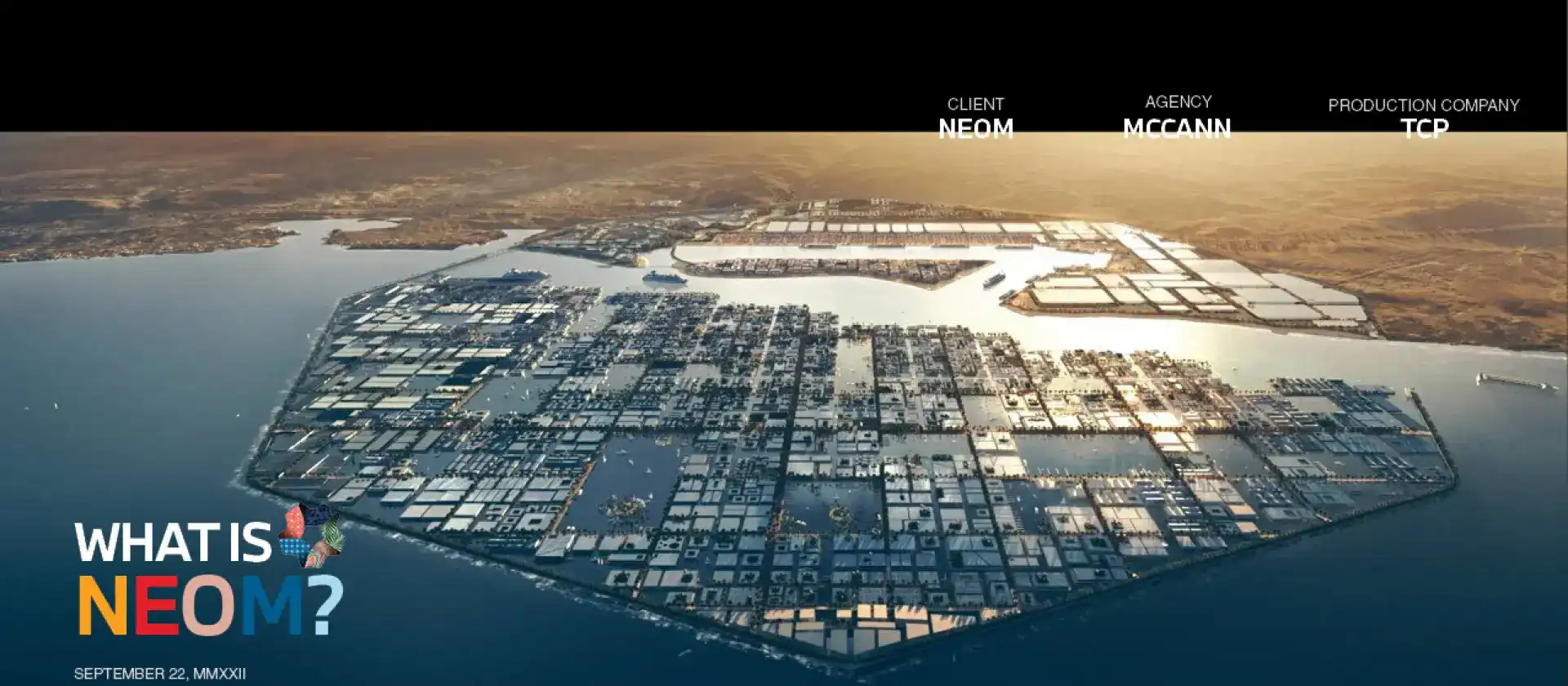
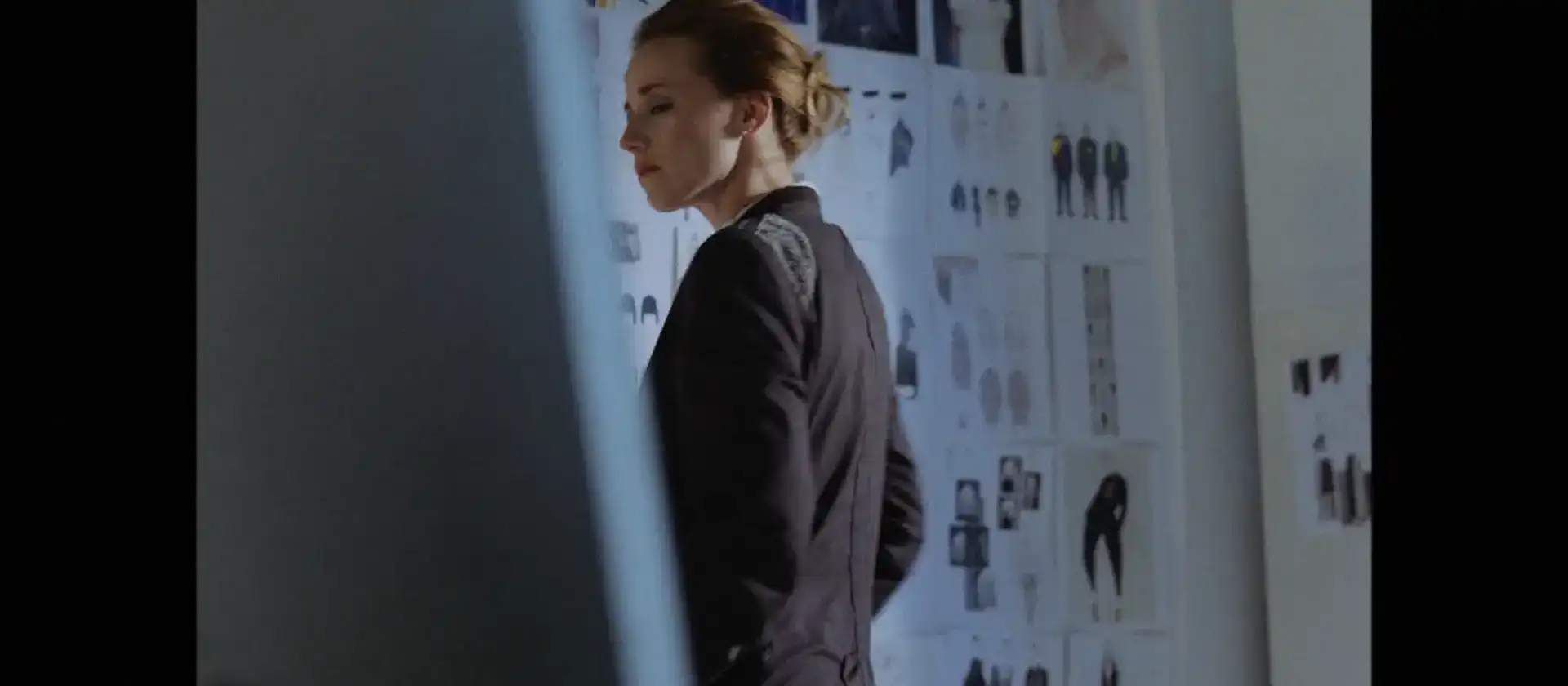
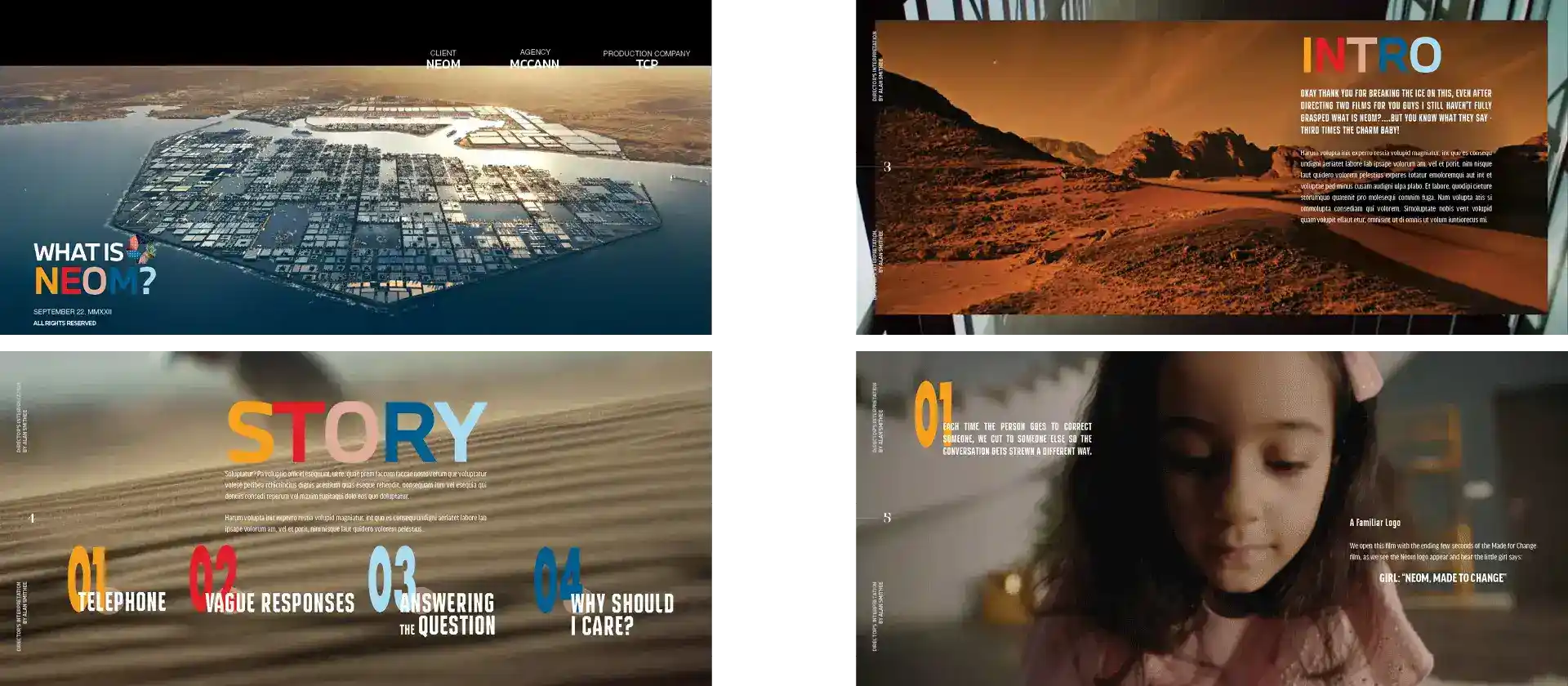
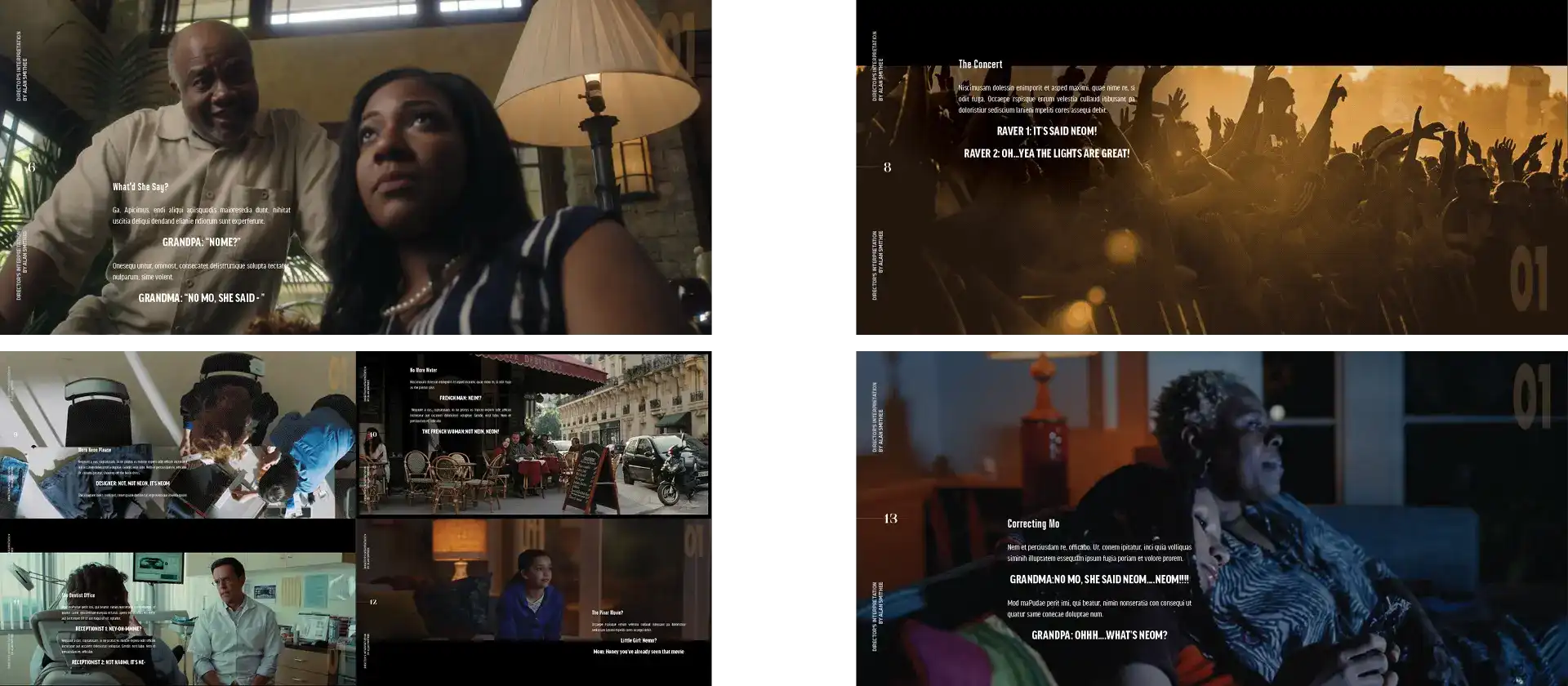
- Incorporate visual elements to enhance impact.
By following this step-by-step process, you can create effective film treatment plans that capture the essence of your screenplay while intriguing potential investors or collaborators. Keep in mind that treatments are often used as part of pitch decks or plans when seeking funding or pitching ideas to clients.
Movie Treatment Examples and Tips
Movies, particularly those with a well-crafted film treatment, have the power to captivate audiences with their compelling stories and memorable characters. These films can provide valuable insights. Crafting an effective movie treatment is crucial in turning ideas into cinematic masterpieces. Having a well-thought-out plan for your movie is essential to ensure its success. Having a well-thought-out plan for your movie is essential to ensure its success.
Crafting an exceptional movie treatment requires practice, but having a plan and examining successful examples can help guide your work. Whether you’re pitching your film or television show idea or seeking assistance in developing your concept further, exploring film treatment templates can be a valuable tool in creating a plan. Remember, by infusing your unique ideas with a strong storytelling plan and clear structure, you can create a compelling treatment that grabs attention and leaves a lasting impact.
Key Elements of Effective Treatments
Effective treatments have certain key elements that make them stand out. One important element in a film treatment is strong storytelling, which engages the audience by unfolding a suspenseful and emotionally deep narrative. The treatment plans should be carefully crafted to ensure a compelling and impactful story.
Another element in film treatment is the use of vivid imagery, which creates a visual experience for viewers by describing scenes and settings in great detail. Additionally, having a clear narrative structure is crucial.
Outline a cohesive film treatment plot that takes viewers on a captivating treatment journey while also maintaining clarity in the treatment plans. While conveying essential story details, it’s important to keep your treatment concise and stick to your plan. Avoid overwhelming readers with unnecessary information.
A well-crafted treatment plan provides enough information to pique interest without going overboard.
Example of Treatment: Successful Movies You May Know
Let’s explore some movie treatment examples from popular films like “The Shawshank Redemption” and “Pulp Fiction,” and uncover the key elements that make them so impactful. When creating a movie treatment, it is important to have a clear plan in place. When creating a movie treatment, it is important to have a clear plan in place.
- Film Treatment Examples:
- “The Shawshank Redemption” is a film that brilliantly portrays the journey of Andy Dufresne, a banker wrongfully convicted of murder, as he navigates life in prison while maintaining hope for freedom. Throughout the film, Andy develops a plan to escape and ultimately achieves his goal.
- “Plan” your viewing of “Plan” your viewing of “Pulp Fiction”: Known for its nonlinear storytelling, this treatment weaves together interconnected stories of crime, redemption, and dark humor.
The Importance of Script Treatments for Films and Additional Reading
Serving as Blueprints for Screenplays
Script treatments play a vital role in guiding screenwriters throughout the writing process. By providing an organized document that outlines the story’s structure and main beats, script treatments help writers maintain focus and ensure consistency in their storytelling. Having a plan in place is crucial for writers to stay on track and deliver a cohesive narrative. Having a plan in place is crucial for writers to stay on track and deliver a cohesive narrative. These treatments act as roadmaps that allow screenwriters to navigate through their ideas while keeping track of character development, plot progression, and overall narrative flow.
Exploring Additional Resources for Script Development
For those seeking further guidance on script development and treatment, there are various resources available to delve deeper into this craft and explore treatment plans. Books like “Save the Cat!” by Blake Snyder or “Story: Substance, Structure, Style and The Principles of Screenwriting” by Robert McKee offer valuable insights into creating compelling scripts. Articles from reputable websites such as ScreenCraft or The Script Lab provide practical tips on enhancing screenwriting skills and developing effective treatment plans.
Enhancing Collaboration Among Creative Team Members
Utilizing script treatments can foster improved collaboration among creative team members involved in filmmaking. By having a clear outline of the treatment plans for the story’s direction early on, directors, producers, and other stakeholders can better align their visions with that of the screenwriter. This collaborative approach ensures everyone is on the same page regarding character arcs, major plot points, thematic elements, and treatment plans.
Bonus Tip: Excluding Dialogue in Treatments
Dialogue should be avoided in film treatments:
- Dialogues can limit the imagination of future collaborators by explicitly dictating character interactions in treatment plans.
- Including dialogue in treatments can make them longer and harder to read, potentially losing the attention of readers.
Alternative ways to convey character interactions without dialogue:
- Utilize visual storytelling techniques to show character dynamics, emotions, and treatment plans through actions, expressions, and gestures.
- Use descriptive language to paint a vivid picture of the scene and create a strong atmosphere that conveys the intended mood. When developing treatment plans, it is essential to use descriptive language that paints a vivid picture of the scene and creates a strong atmosphere to convey the intended mood. When developing treatment plans, it is essential to use descriptive language that paints a vivid picture of the scene and creates a strong atmosphere to convey the intended mood.
Benefits of focusing on visual storytelling in treatments:
- Visual storytelling allows for more creative interpretation of treatment plans by future collaborators, fostering collaboration and innovation.
- It helps capture the essence of a story visually, making it easier for readers to visualize how the treatment plan will translate onto the screen.
Leave room for interpretation by future collaborators:
- Allowing room for interpretation in the treatment plan encourages creativity among directors, actors, and other members of the production team.
- Collaborators can bring their unique perspectives and ideas to enhance the story without being constrained by a specific treatment plan.
Conclusion: Summary of “Example of Treatment”
Congratulations! You’ve now learned all about film treatments and how to write an effective one. Film treatments are crucial in the industry as they provide a concise summary of the story, characters, and overall vision for a film. By following our step-by-step guide and checking out the movie treatment examples we provided, you have all the tools you need to create your own compelling treatment.
Now it’s time to put your newfound knowledge into action by creating a comprehensive treatment plan. Grab a pen and paper or fire up your computer, and start crafting that amazing film treatment. Remember to be clear, concise, and let your creativity shine through when developing your treatment plan. And don’t forget to share your treatment plan with others for feedback – collaboration can often lead to even better ideas!
Meanwhile, check out a few more of our director’s treatments:
Can I use a treatment instead of a script when pitching my film?
Yes, absolutely! While scripts are typically used for production purposes, treatments can be highly effective when pitching your film idea to producers or studios. They provide a quick overview of the treatment plan story without diving into every detail like a full script would. A well-written treatment can capture attention and generate interest in your project.
Should I include dialogue in my treatment?
It’s generally recommended to exclude dialogue from your treatment. The purpose of a treatment is to focus on the main beats of the story rather than specific lines of dialogue. Including dialogue can distract from the overall narrative flow and make the treatment feel cluttered. However, if there are certain key lines or exchanges that are crucial to understanding the story and developing an effective treatment plan, you can include them sparingly.
How long should a film treatment be?
There is no strict rule regarding length for film treatments, but it’s best to keep them concise and engaging. Aim for around 5-10 pages (or roughly 1-2 pages per act) to ensure you cover all essential elements of your treatment plan while maintaining brevity. Remember, treatments should provide a clear overview without getting bogged down in excessive details.
Can I use visuals or images in my treatment?
Yes, incorporating visuals or images can be a great way to enhance your treatment and visually convey your ideas. You can include concept art, storyboards, or reference images to help illustrate the tone, style, key visuals, and treatment of your film. Just make sure the treatment they receive is relevant and supports the overall narrative.
Should I copyright my film treatment?
While it’s not mandatory to copyright your film treatment, it’s generally a good idea to protect your work. Copyright registration provides legal evidence of ownership and can be helpful in the future when disputes arise regarding ownership or treatment. Consult with a legal professional or copyright expert for guidance on the best approach for protecting your intellectual property.