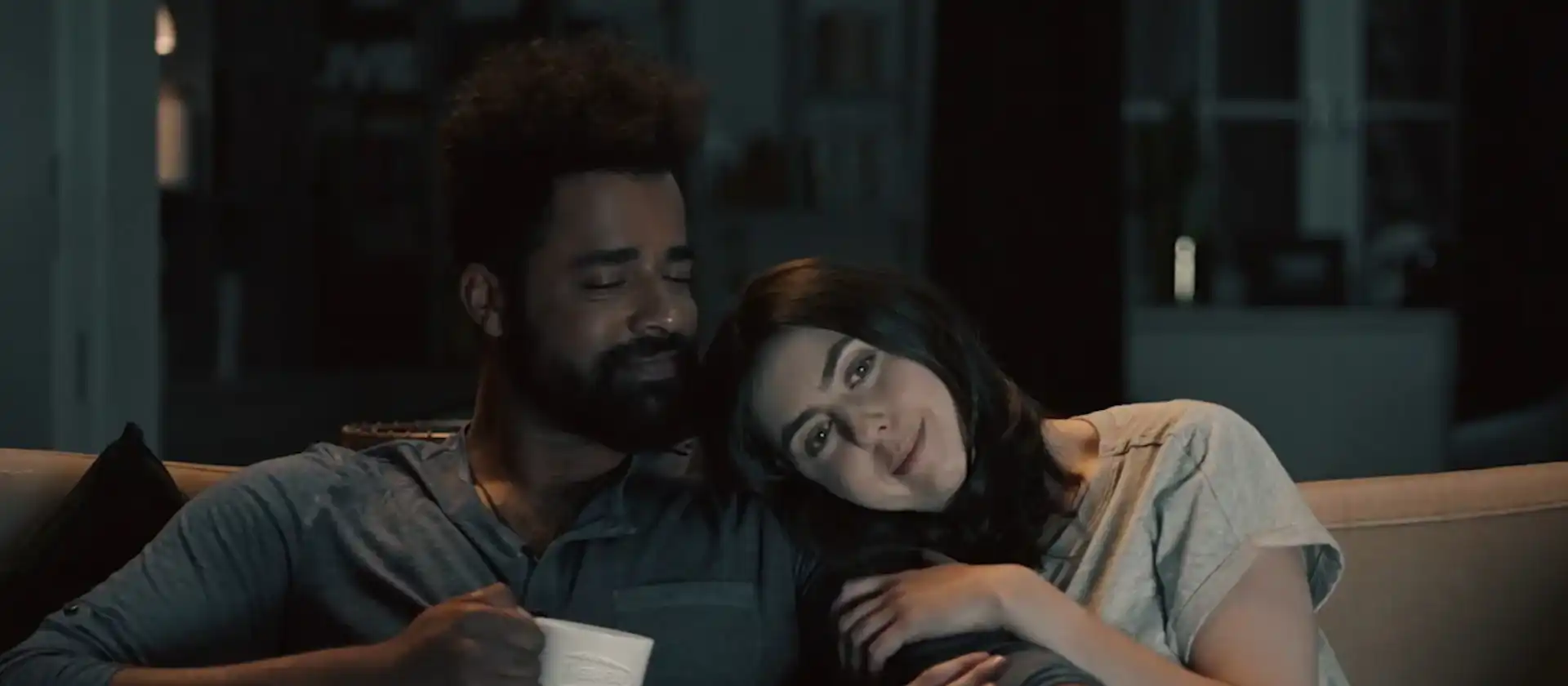
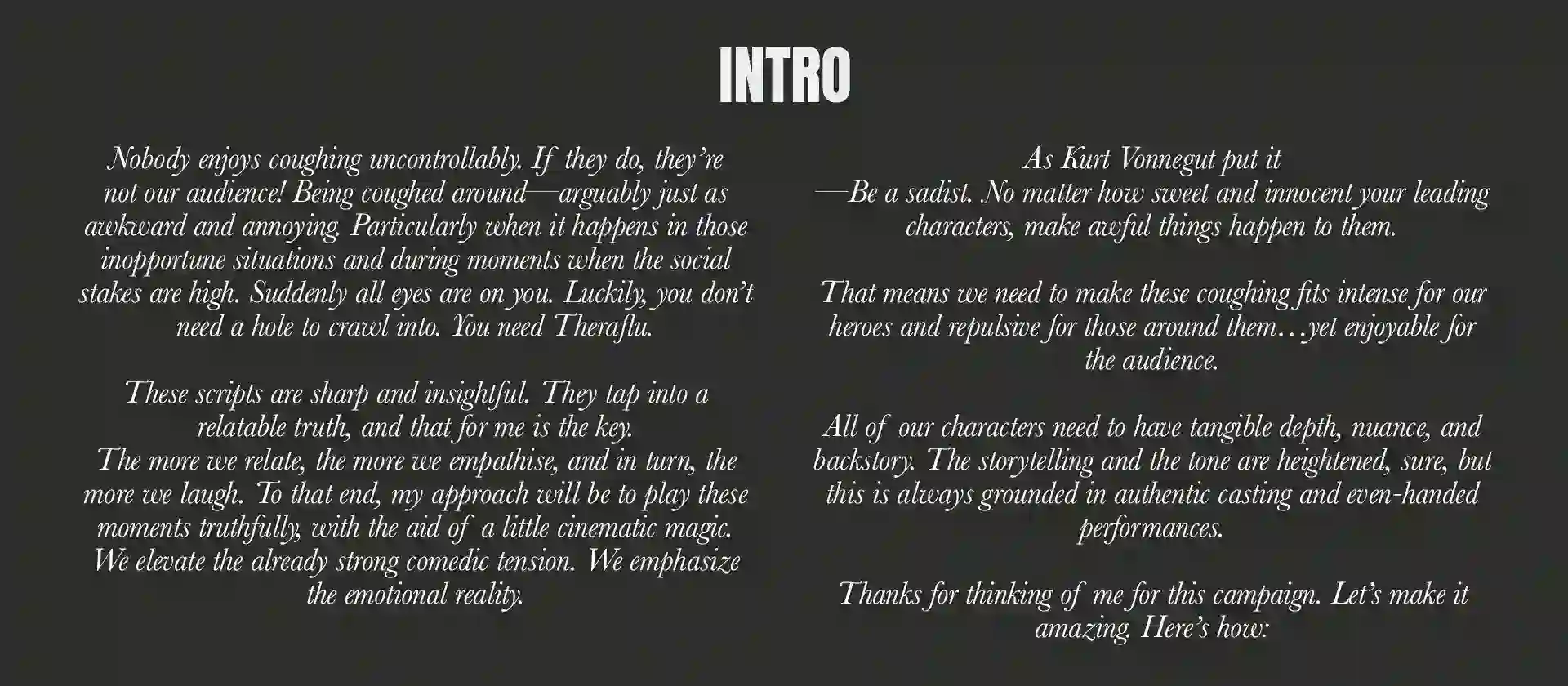
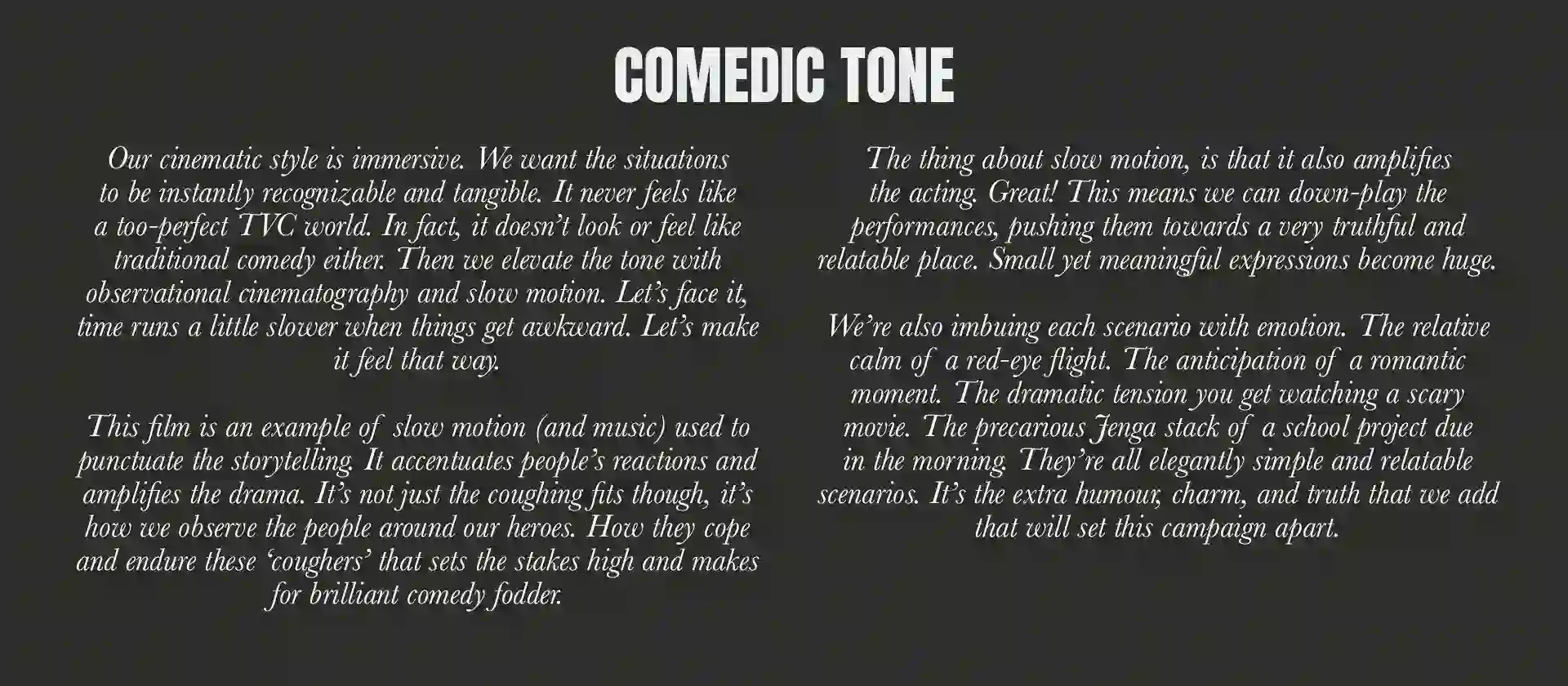
Film treatments, created by a writer, serve as blueprints for movies, outlining key elements like plot, characters, themes, and script. The writer creates a detailed script, which serves as a creative treatment for filmmakers to follow during production.
A Creative treatment is essential for several reasons
- Communication: Treatments help writers effectively communicate their ideas to producers, investors, and collaborators in the film industry. By presenting a well-crafted treatment, they can convey the essence of their vision in a concise and engaging manner.
- Cohesive Vision: Film treatments ensure that everyone involved in the project shares a common understanding of the story’s direction. This cohesion is crucial for maintaining consistency and avoiding conflicts during production. When creating a film treatment, using a creative treatment template can help ensure that the creative vision remains intact throughout the production process.
- Visual Storytelling: A well-written treatment allows writers to explore different visual storytelling techniques. They can experiment with camera angles, lighting, and other stylistic choices to enhance the overall cinematic experience with creative treatment.
- Diagnostic Tool: Treatments act as diagnostic tools for screenwriters to evaluate their ideas before diving into full screenplay writing. It enables them to identify any flaws or inconsistencies in the creative treatment, story structure, or character development early on.
- Pitching Value: When pitching a film idea to industry executives or studios, having a compelling treatment is vital. It helps capture their interest with a creative treatment, presenting an intriguing concept with well-defined characters and an engaging plot.
- Examples: Looking at film treatment examples from successful projects can inspire writers and provide guidance on how to craft their own treatments effectively.
The Impact of Writing and Design in a Strong Creative Treatment Example
Well-crafted writing in a creative treatment sample captivates readers’ attention from the start. By using a unique writing style, treatments can stand out and leave a lasting impression on their audience. Compelling narratives, persuasive language, and concise messaging all contribute to creating an engaging experience for readers through creative treatment.
Effective design elements enhance the visual appeal of treatments, making them more engaging. Thoughtful use of color schemes, typography, and layout can draw readers in and keep them interested throughout the treatment. Visual cues such as images, infographics, and illustrations also play a crucial role in conveying information effectively through creative treatment.
A combination of compelling writing and thoughtful design creates powerful treatment examples. When writing and design collaborate, their creative treatment amplifies each other’s impact. A well-written treatment with poor design may not grab attention or communicate its message effectively. Similarly, visually stunning designs without compelling content or a creative treatment may fail to engage readers on a deeper level.
To Create a Strong Treatment, Do the Following:
- Craft captivating narratives that resonate with your target audience.
- Use persuasive language to convey key messages effectively.
- Keep the messaging concise to maintain reader interest.
- Incorporate creative treatment by using visually appealing design elements such as color schemes and typography.
- Utilize images, infographics, or illustrations to enhance visual engagement.
By following these guidelines for combining effective writing with impactful design elements, you can create powerful creative treatment examples that capture attention and leave a lasting impression on your audience. You can also learn from our following examples:
- movie script treatment examples
- sample film treatment
- sample film treatment format
- film script treatment example
- video treatment example
Creating a Visually Captivating Film Treatment: Enhancing Storytelling and Mood
Visual storytelling techniques, such as creative treatment, help convey the intended atmosphere or tone of a film. By incorporating various visual elements, such as mood boards or concept art, treatment ideas can be brought to life visually. The strategic use of color schemes, typography, and layout further enhances the emotional impact within treatments.
By incorporating these visual storytelling techniques into your film treatment, you can effectively convey the intended atmosphere or tone to studios and potential collaborators. Remember to stay true to your creative vision while keeping in mind how each element contributes to the overall narrative.
A Visually captivating treatment has the following:
- Mood boards and concept art: Utilize these tools to visually represent the desired creative treatment, mood, or tone of your film. Including creative treatment images that capture specific moments or settings can help paint a vivid picture in the reader’s mind.
- Color schemes: Choose colors that align with the intended atmosphere of your film. For example, warm tones like reds and oranges may evoke feelings of passion or intensity, while cool blues might create a sense of tranquility.
- Typography: Select fonts that complement the overall theme and genre of your film. Bold and edgy fonts may suit an action-packed adventure, while elegant scripts could enhance a romantic storyline.
- Layout: Experiment with different layouts to emphasize key elements within your treatment. Consider using larger images for impactful scenes or utilizing whitespace to create a minimalist aesthetic.
Bringing Your Story to Life: Characters and Dialogue in Creative Treatments
Detailed character descriptions provide insights into their personalities, motivations, and arcs. Well-written dialogue samples showcase character interactions and give a sense of their voices. Strong character development through treatments helps readers envision memorable performances.
In screenplay treatments, writers delve into the intricacies of their characters’ traits, creating vivid descriptions that bring them to life on the page. By providing detailed information about a character’s personality, motivations, and growth throughout the story, these treatments offer valuable insights for both the reader and eventual production team.
Characters in the Creative
Character development plays a crucial role in creative treatments as it enables readers to visualize captivating performances. By highlighting key plot points and emphasizing the growth of main characters, writers can create compelling arcs that resonate with audiences. The treatment acts as a blueprint for future scenes by outlining important moments in the story where characters undergo significant changes or face challenges.
By focusing on character detail and engaging dialogue within creative treatments, writers can effectively convey their vision for a screenplay. These elements allow readers to immerse themselves in the story world while enabling production teams to understand the intended tone and atmosphere.
How Much Should You Include? Finding the Right Balance in a Creative Treatment Example
Including enough detail is crucial to convey your vision effectively without overwhelming readers. Balancing brevity with sufficient information ensures that key aspects are not overlooked or misunderstood. Striking the right balance allows readers to grasp your concept while leaving room for interpretation.
Writers often struggle with how much detail to include. On one hand, providing too little information can leave readers confused and unable to fully understand the story or concept. On the other hand, overwhelming them with excessive details can be off-putting and hinder their ability to engage with the material.
Remember that a creative treatment is not meant to be a full screenplay or script; rather, it serves as a diagnostic tool that presents an overview of your idea in an engaging way. By finding the right balance between providing enough detail and leaving room for interpretation, you can create a compelling creative treatment that captures industry executives’ interest while allowing for their input and collaboration.
Guidelines to Balance your Creative Treatment Example
- Start with a clear outline: Begin by outlining the main characters, plot points, and themes of your story. This will provide a solid foundation for your creative treatment.
- Focus on key scenes: Highlighting important scenes that capture the essence of your story will give readers a sense of its overall tone and style.
- Provide character insights: Briefly describe your main characters’ personalities, motivations, and arcs to help readers connect with them on an emotional level.
- Set the mood: Use descriptive language to convey the desired mood or atmosphere of your project. This can help readers visualize how you envision certain scenes unfolding.
- Showcase dialogue snippets: Including snippets of dialogue can give readers a taste of your writing style and allow them to get a sense of how characters interact with each other.
Harnessing the Potential of Film Treatments
Film treatment examples are a powerful tool that can inspire and guide other filmmakers in their own projects. By studying successful treatments, creators can gain valuable insights into different storytelling approaches and techniques.
Analyzing treatment examples serves as a diagnostic tool for understanding how to craft compelling narratives. It allows filmmakers to learn from past successes and avoid common pitfalls. Whether it’s a television project, a spec script, or a film treatment, examining these examples provides a sense of what works and what doesn’t.
Key Reasons You’ll Find Them Invaluable
- Inspiration: Treatment examples ignite creativity by showcasing innovative storytelling methods. They stimulate fresh ideas and encourage filmmakers to think outside the box.
- Guidance: By observing how others have approached their projects, creators gain practical guidance on structuring their own narratives. They can learn from the choices made by successful filmmakers and apply those lessons to their own work.
- Reference: Treatment examples act as references for filmmakers seeking to understand different genres or styles of storytelling. They provide concrete examples of how specific elements were executed effectively.
- Avoiding Pitfalls: Examining failed treatments is just as important as studying successful ones. Analyzing unsuccessful projects helps creators identify common mistakes and steer clear of them in their own work.
- Learning from Others: Treatment examples allow creators to tap into the collective wisdom of experienced professionals who have already navigated the complexities of storytelling. This shared knowledge can help aspiring filmmakers improve their craft and make informed decisions throughout the creative process.
Film Treatment Examples: Inspiring and Informative Samples
- Showcase a variety of treatment examples from notable films and ads.
- Highlight unique aspects of storytelling, writing style, or visual presentation.
- Offer inspiration and insights into the creative process behind successful projects.
Film treatments are essential documents in the industry that outline the vision for a movie or television show. By examining various film treatment examples, we can gain valuable insights into the art of crafting compelling stories. These examples demonstrate how different elements such as themes, format, and structure come together to create captivating narratives.
Informative Creative Treatment Examples
- The Shawshank Redemption – This example showcases an engaging screenplay format with vivid descriptions that transport readers into the world of Shawshank State Penitentiary. The treatment effectively captures the emotional journey of its characters while exploring themes of hope, friendship, and redemption.
- Inception – The film treatment for Inception demonstrates Christopher Nolan’s unique storytelling style. It presents complex ideas in a visually stunning manner while maintaining clarity throughout. The example highlights the importance of balancing exposition with action sequences to keep audiences engaged.
- Stranger Things (TV Show) – This TV show treatment template provides an excellent framework for developing captivating episodic content. It outlines each season’s overarching plotlines while delving into individual character arcs within each episode. The example emphasizes the importance of creating compelling storylines that hook viewers from start to finish.
- Mad Men (TV Show) – The treatment for Mad Men offers insights into crafting a period drama set in the advertising industry during the 1960s. It explores character-driven narratives against a backdrop of social change, providing inspiration for those seeking to develop thought-provoking television shows centered around specific industries or time periods.
Examples of Inspiring Film Treatments for Writing Skills Improvement
- Enhance your writing skills with specific film treatment examples.
- Learn effective storytelling techniques, character development, and dialogue writing.
- Craft compelling narratives in your own work by studying these featured treatments.
By studying these inspiring film treatments, aspiring screenwriters can gain valuable insights into effective storytelling techniques such as character development, dialogue writing, and thematic exploration. With dedication and practice using screenwriting software like [mention relevant software], individuals can hone their skills as they embark on their own creative journeys as screenwriters.
Remember: Each film treatment offers a unique perspective on storytelling;
The world of screenwriting offers a wealth of inspiration for aspiring writers looking to improve their craft. By examining successful film treatments, individuals can gain valuable insights into the art of storytelling. Here are some examples that showcase effective techniques in screenwriting.
A Creative Treatment Example to Follow
- “The Shawshank Redemption” – This critically acclaimed film demonstrates the power of a well-developed protagonist and their journey towards redemption. The treatment expertly explores themes of hope, friendship, and resilience.
- “Eternal Sunshine of the Spotless Mind” – Known for its unique narrative structure, this film showcases the creative use of non-linear storytelling to convey complex emotions and relationships. The treatment provides an excellent example of how to experiment with chronology and perspective.
- “Pulp Fiction” – Quentin Tarantino’s masterpiece is renowned for its sharp dialogue and unconventional narrative structure. By analyzing the treatment, writers can learn how to create memorable characters through engaging conversations and unexpected plot twists.
- “Whiplash” – This intense drama delves into the pursuit of greatness through the tumultuous relationship between a student drummer and his demanding music teacher. The treatment highlights the importance of conflict, tension, and character dynamics in driving a compelling story forward.
Conclusion: The Importance and Potential of Creative Treatments
Congratulations! You’ve made it through an enlightening journey exploring the world of creative treatment examples. By delving into the importance of film treatments, the impact of writing and design, and the art of visually captivating storytelling, you’ve gained valuable insights into enhancing your own creative endeavors.
Now armed with a deeper understanding of how characters and dialogue bring stories to life, as well as finding the right balance in your treatments, you’re ready to unleash your creativity on new horizons. Remember, inspiration can be found everywhere, so keep seeking out those inspiring film treatment examples that fuel your passion for storytelling.
As you continue on this creative path, embrace the potential within you. Use these examples as stepping stones to further hone your writing skills and improve your craft. Believe in yourself and trust that every story you tell has the power to captivate hearts and minds. So go forth with confidence, create fearlessly, and let your unique voice shine through!
Can I use creative treatment examples for other forms of media besides films?
Yes! While creative treatment examples are commonly used in filmmaking to pitch ideas or secure funding for projects, they can also be applied to other forms of media such as television shows, novels, or even video games. The principles of strong storytelling and engaging visuals are universal across various mediums.
Are there any legal considerations when using someone else’s film treatment example?
It’s essential to respect intellectual property rights when using someone else’s work as a reference or inspiration. If you come across a film treatment example that resonates with you, make sure to seek permission from the original creator before incorporating any elements into your own projects. It’s always best to give credit where credit is due.
How do I find inspiring film treatment examples?
There are several ways to discover inspiring film treatment examples. One approach is to explore renowned filmmakers’ portfolios or production companies’ websites, where they often showcase their past projects and treatments. Film festivals, industry conferences, and online communities dedicated to filmmaking can be excellent sources for finding inspiring examples.
Can I share my own film treatment examples with others?
Absolutely! Sharing your film treatment examples with others can be a great way to receive feedback, gain exposure, and connect with fellow creatives. Consider joining writing groups or online forums where you can exchange ideas and showcase your work. Remember that constructive criticism can help you grow as a storyteller.
How long should a creative treatment example be?
There is no set length for a creative treatment example as it can vary depending on the project and its requirements. However, it’s generally recommended to keep it concise while effectively conveying the essence of your story. Aim for clarity and brevity, focusing on key elements such as plot, characters, tone, and visuals.