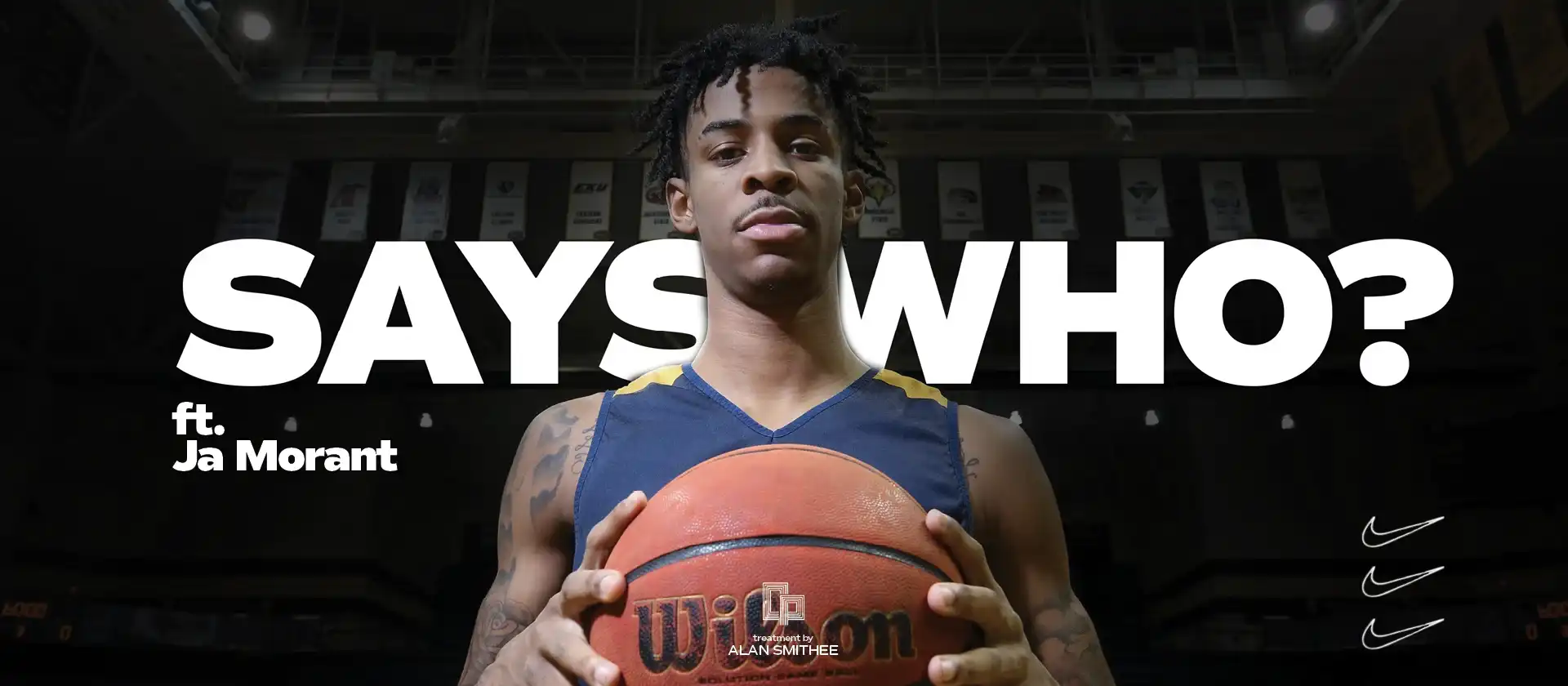
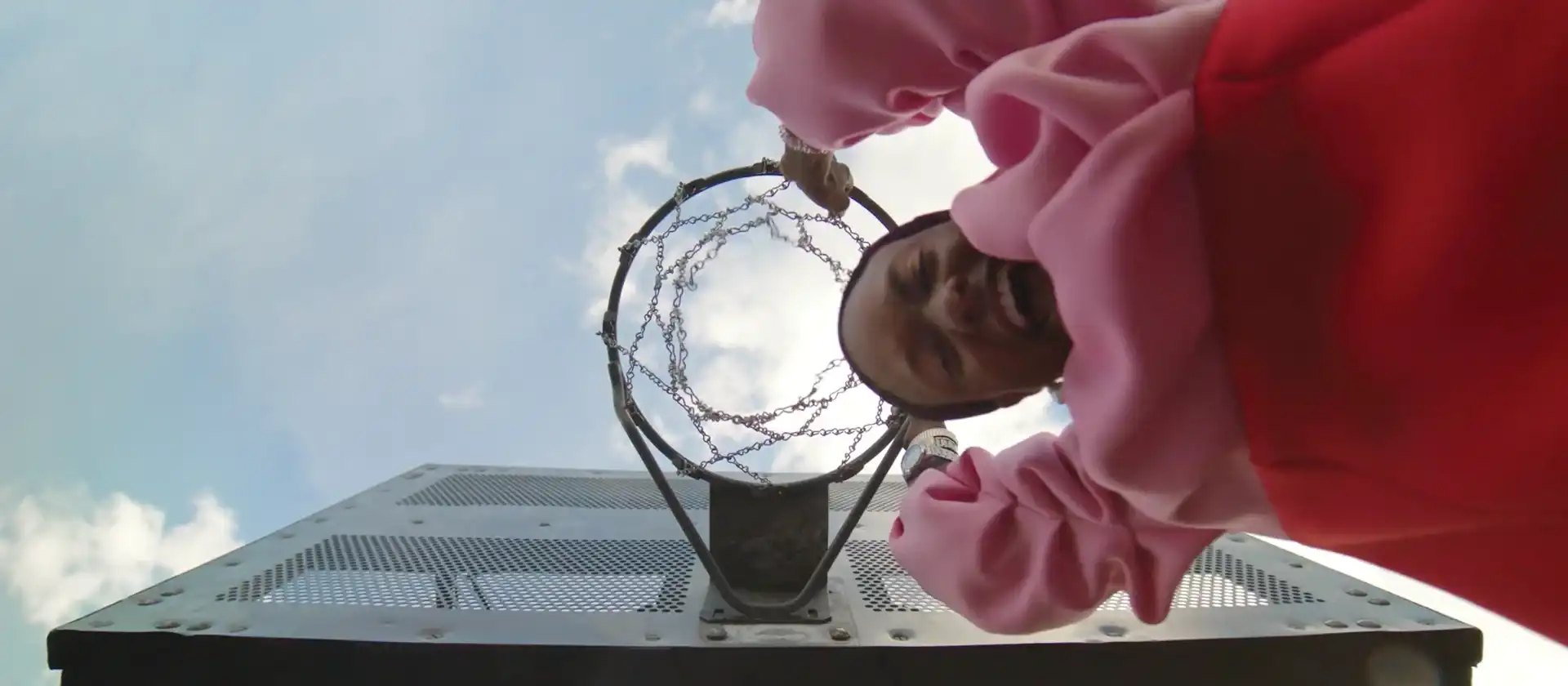
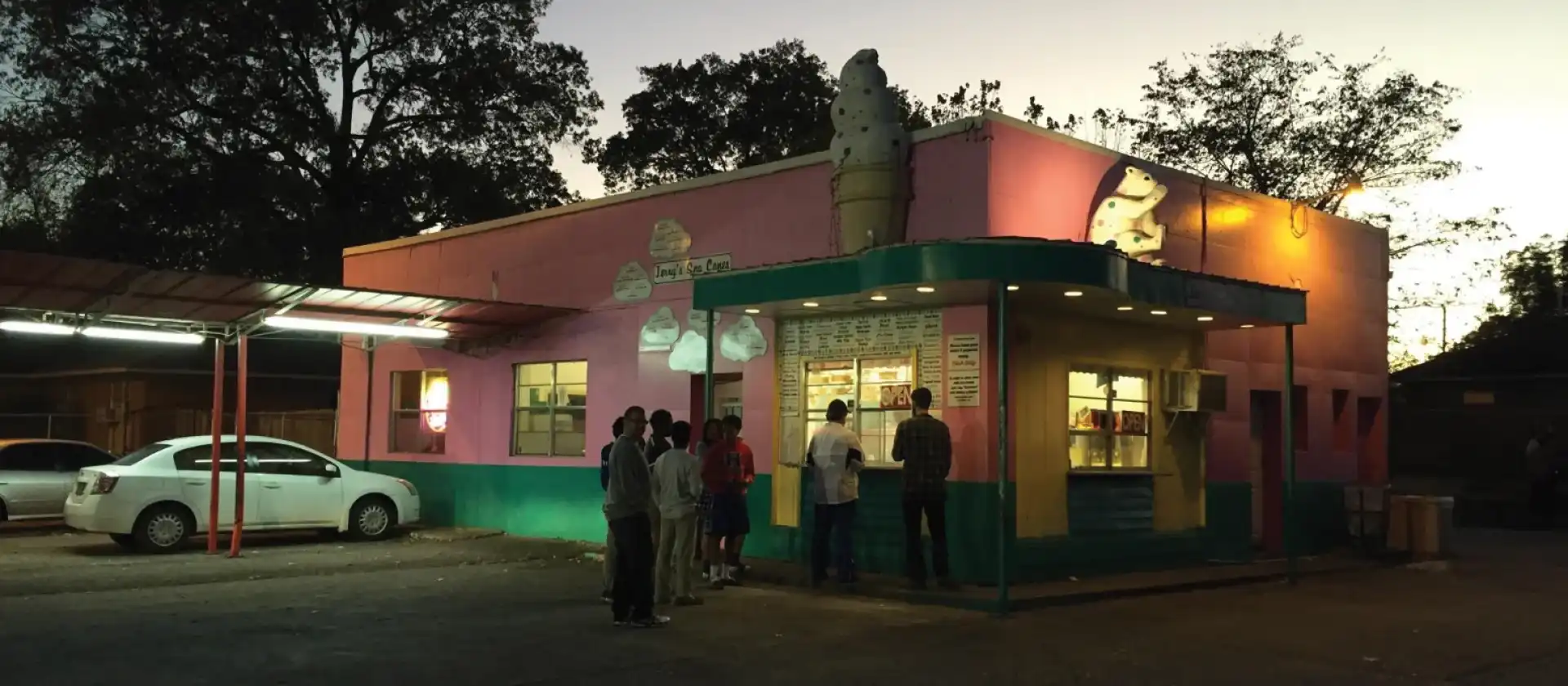
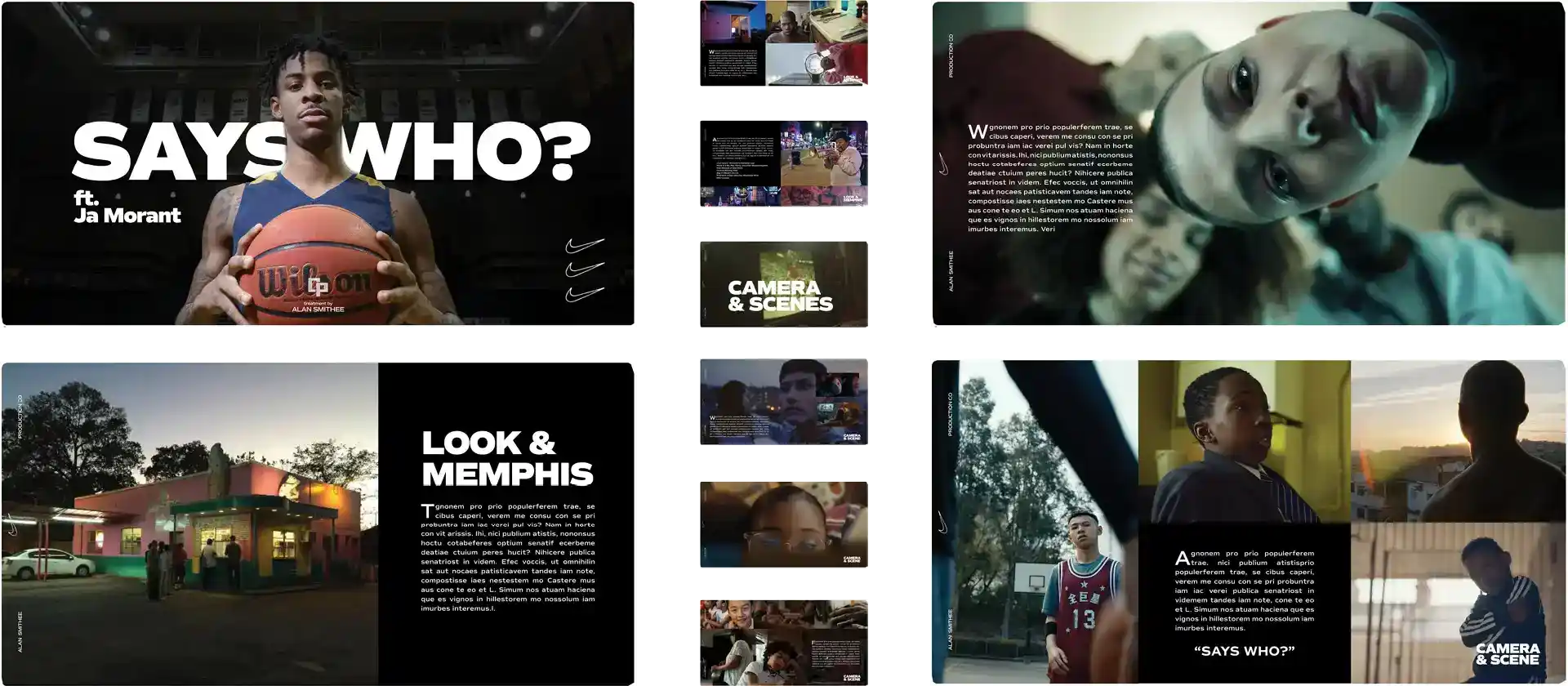
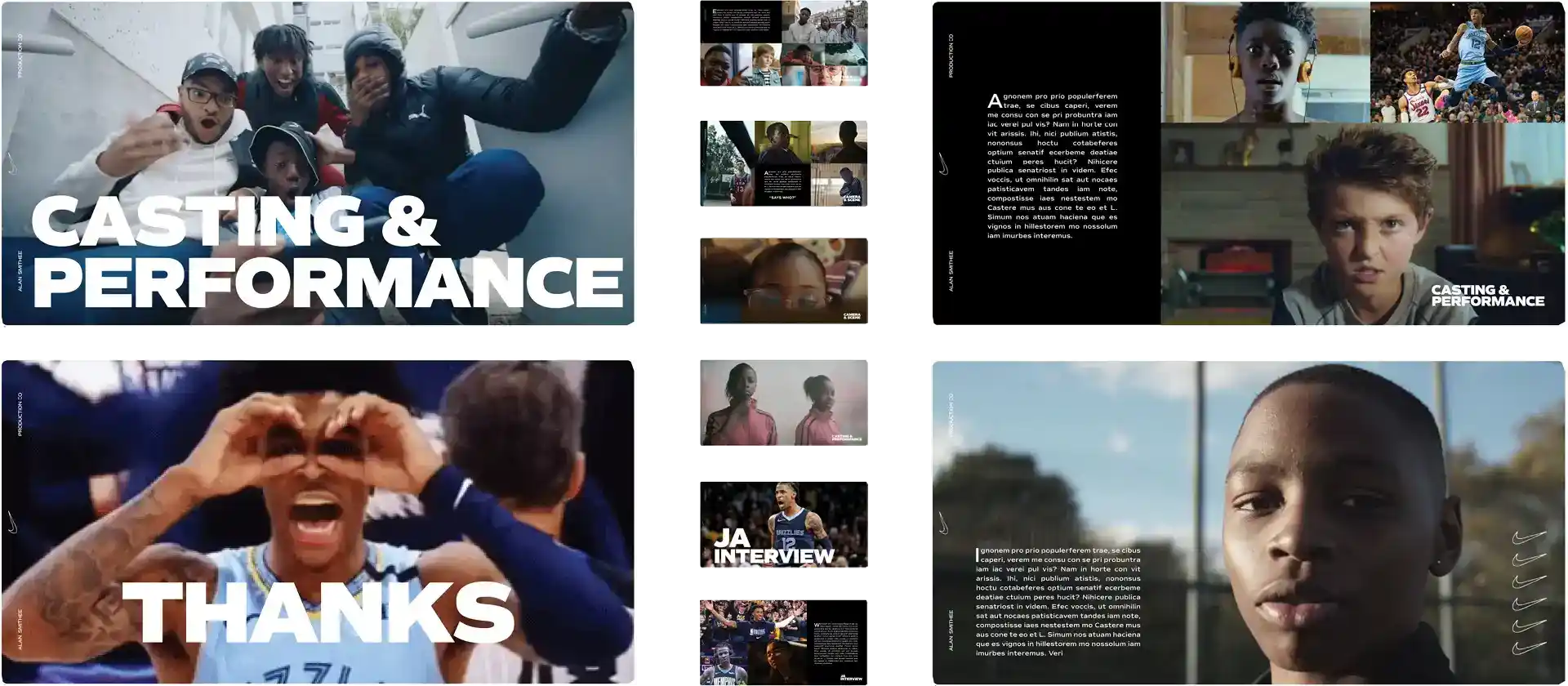
In simple terms, a video treatment is a written document that outlines the vision, concept, and execution plan for short film and documentary projects. It provides an idea for short films and serves as a guide for their development. It provides background information for the artist, sets the tone for writing, and guides the creative direction of the documentary and music video briefing.
Whether it’s music videos, short films, or documentaries, these serve as blueprints for bringing ideas to life on screen. Whether you’re an artist creating a new song or a filmmaker working on a script, they are essential for visualizing your vision.
Where are Video Treatments Used?
They are widely used across various sectors such as film, advertising, and music. Treatments are essential for artists to pitch their song ideas, as well as for scriptwriters to present their script concepts. Moreover, they help filmmakers and directors communicate their vision to producers and clients effectively through the use of script, music video briefing, pitch, and music video treatment.
By providing a clear roadmap, director’s treatments ensure everyone involved in the production of a short film is on the same page regarding creative choices, music, and production elements. This is essential for pitching the film and ensuring that the song chosen for the film aligns with the overall vision.
Where Can I Find Examples?
Successful examples of treatments in the music industry can be seen in popular films like “Inception” or memorable commercials like Apple‘s “1984.” These masterpieces were brought to life by meticulously crafted treatment that captured the essence of their music, pitch, and song.
Now that we understand what they are and their importance in the pre-production process, let’s delve deeper into how they are used in the music and short film industries and explore some inspiring examples along the way.
Purpose and Elements of a Video Treatment
A treatment serves as the roadmap and foundation for any music video project. The music video briefing is a crucial document for the pitch and production process. It clarifies objectives, goals, and creative ideas while providing essential information to guide the music video director in creating a compelling short film.
A well-crafted treatment for a short film not only communicates the vision and tone of the final product but also serves as a powerful sales tool when pitching to music labels or artists.
Key Elements of Your Video Treatment
When creating a treatment for a short film pitch, several key elements, such as music, should be included to ensure its effectiveness. These elements help convey the pitch, idea, problem, or story behind the music video in a concise manner.
By incorporating these essential components of music into your treatment, you lay a solid foundation for success. Remember to tailor each treatment according to the specific requirements of your project, whether it’s a music video, short film, documentary, or any other type of video production.
Keep in mind that client input is invaluable throughout the treatment process. Collaborate closely with the director on the music video to ensure their vision aligns with yours and make necessary adjustments along the way.
Essential Components of an Effective Video Treatment
- Captivating Opening: Start with a bang! A captivating music video opening is essential to hook your audience from the very beginning. Consider creative ways to grab their attention and make them curious about what’s to come in your music video treatment.
- Synopsis or Approach: A few paragraphs providing an overview of the narrative or visual approach for your pitch.
- Character Descriptions: Information about the main characters involved in the music video, including their roles, personalities, and pitch.
- Visual Elements: Describe the visual aspects required for video production, such as locations, props, costumes, and special effects. Provide detailed information that helps paint a clear picture of how the music video will look.
- Music and Sound Design: If applicable to your project, include relevant information about music, sound design, or voice-over narration. These music elements can enhance the overall impact of your video.
- Addressing Challenges in Music Video Treatments: Anticipate potential challenges or limitations that may arise during production and propose solutions for overcoming them. This demonstrates your problem-solving skills and ensures a smoother music video treatment production process.
What Other Things Do I Need for Video Treatments?
To effectively present a video treatment for music, different formats can be utilized based on preference and requirements.
- Written Document: A detailed written description of the music video, including all necessary information.
- Storyboard: Visual representation through sequential drawings or illustrations.
- Mood Board: Collage of images, colors, and textures that evoke the desired atmosphere.
By incorporating these elements into a compelling video treatment format, filmmakers can showcase their creative ideas with enthusiasm while providing potential collaborators with valuable insights into how they plan to bring a music video to life. Having a good music video treatment in hand helps establish credibility within the industry and facilitates discussions about budgeting and filming logistics.
Steps for Writing a Professional Video Treatment
Music video treatments play a crucial role in shaping your ideas and ensuring that your treatment aligns with the project requirements. Conducting thorough research on the subject matter or target audience of a music project is crucial when writing a video treatment. This step allows you to gather background information and gain a deeper understanding of the creative direction needed for music videos.
By following these steps for writing a professional video treatment, you can create an engaging document that captures the essence of your idea while effectively communicating it to clients, filmmakers, or music video directors. With careful planning and attention to detail, you’ll be one step closer to bringing your vision of music from concept to final video release.
1. Outline and Structure
Organize your thoughts and ensure a coherent narrative roadmap. Consider including story beats, locations, key moments, and music video in this outline to give your treatment a clear direction.
2. Incorporate Emotional Hooks and Gimmicks
Captivate your audience by creating an emotional connection with viewers through relatable narratives or impactful visuals in your music video treatment. Remember that a music video treatment serves as an opportunity to showcase your creative ideas while providing essential information about the music project.
3. Determine the Project’s Feasibility Inside Constraints
Balance creativity with feasibility when developing a music video treatment. While it’s important to be creative and think outside the box, it’s equally crucial to consider budgetary constraints. Find ways to balance your creative ideas for a music video treatment with what is feasible within the resources available for production.
4. Sell Your Idea Hard
Showcase the innovative aspects or unique selling points of your music video project. Whether it’s a groundbreaking concept, cutting-edge production techniques, exceptional talent, or an amazing music video involved, make sure these aspects shine through in your treatment.
5. Write the Thing
Craft clear and concise sentences to effectively convey ideas within limited space, such as in a music video treatment. Avoid using flowery language or unnecessary jargon. Instead, focus on communicating your music video treatment vision in a way that resonates with both the client and target audience.
That doesn’t mean you don’t use descriptive language throughout the project. Utilize vivid language in your music video treatment: Use descriptive words and phrases to paint a visual picture in readers’ minds. This helps them envision the music, scenes, characters, and emotions conveyed in the video.
6. Read Your Video Treatments Out Loud!
Review and revise the initial draft of your video treatment to ensure coherence and alignment with project requirements, especially in relation to music. Pay attention to the flow of ideas, grammar, spelling, and overall readability when writing a music video treatment. This step allows you to refine your music video treatment further before presenting it as a sales tool or pitching it to producers.
Quick Tips for Engaging Video Treatments
Crafting effective treatments can be a challenging task, but with these pro tips, you’ll be well on your way to creating compelling pitch documents that capture attention. Making a compelling and engaging pitch requires a combination of creativity. This includes storytelling techniques, and an understanding of the unique selling points that set your project apart.
By following these guidelines and incorporating these key points into your project, you can create captivating and memorable music productions that resonate with music audiences.
- Start with a clear narrative or concept in music: Develop a strong storyline or central idea that will guide your music video production from start to finish.
- Collaborate with a talented production team: Surrounding yourself with skilled people in areas such as filming, editing, storyboarding, and music video treatment will enhance the quality of your final product.
- Focus on effective editing techniques: Pay attention to pacing, transitions between shots, and overall flow during post-production. Well-executed editing can greatly enhance the impact of your video, especially when it is accompanied by the right music.
- Tailor treatments for specific genres: When pitching music videos or short films to potential collaborators or clients, adapt your document to match the style and tone of the genre you’re working with.
Things to Never Forget in Video Treatments
- Keep it concise: When writing your music video treatment, it’s essential to strike a balance between providing enough detail and keeping things concise. Be sure to convey key ideas without overwhelming your reader.
- Proofread and edit your music video treatment: Before finalizing your treatment, take the time to proofread and edit it thoroughly. Pay close attention to clarity, grammar, and spelling errors. A polished treatment shows professionalism and attention to detail.
- Provide killer visuals: Support the written aspect of the treatment with beautiful visual imagery that are a mood board of your ideas.
- Seek feedback on your music video treatment: Don’t hesitate to seek feedback from peers or industry professionals on your project. Their insights can provide valuable perspectives and help improve the overall quality of your pitch document.
Key Takeaways for Writing Successful Video Treatments
Congratulations! You’ve now learned the key elements and steps to craft compelling music videos. By following these guidelines, you’ll be well on your way to creating engaging music videos that captivate your audience. Remember, a successful music video starts with a clear purpose and includes essential components such as the story arc, visual references, production details, and music.
To take yours to the next level, don’t forget to inject creativity, passion, and music into your writing. Show off your unique voice and style in your project to make them stand out from the rest. And most importantly, have fun with it! Now check out a few of our examples: video treatment example PDF, TV commercial template, and music video treatment template.
How long should a video treatment be?
The length of a music video treatment can vary depending on the project’s complexity and music requirements. In general, when creating a treatment, it’s best to keep it concise yet comprehensive. When creating a this document, it is important to aim for around 15-30 pages visually or approximately 1000-1500 words.
The treatment serves as a blueprint for the video’s concept and execution. It outlines the visual elements, storyline, and overall aesthetic of the video. By following this structure, you can effectively communicate your vision to the director and production team. Whether you are an artist or a filmmaker, the treatment is an essential tool in bringing your creative vision to life. It serves as a blueprint for the video’s concept and execution. It outlines the visual elements, storyline, and overall aesthetic of the video.
By following this structure, you can effectively communicate your vision to the director and production team. Whether you are an artist or a filmmaker, it’s is an essential tool in bringing your creative vision to life.
Should I include budget estimates in my video treatment?
Including budget estimates in your video treatment is not necessary unless specifically requested by the client or production team. However, when discussing the production of music videos, it may be important to consider the potential costs involved. However, when discussing the production of music videos, it may be important to consider the potential costs involved. Focus on conveying the creative vision, storytelling elements, technical aspects, and music of the video rather than financial details.
Can I use images or visual references from other sources in my video treatment?
While it’s acceptable to use images or visual references from other sources as inspiration for your music video treatment, ensure that you have permission or proper licensing rights for any copyrighted material used. It’s always best to create original visuals whenever possible.
Is it important to tailor my video treatment based on the target audience?
Absolutely! Understanding your target audience is crucial when crafting an effective video treatment, especially if it revolves around music. Tailor your language, tone, and content according to their preferences, interests, and demographics to maximize engagement.
How do I protect my ideas when sharing a video treatment?
When sharing a video treatment about music, it’s essential to establish a mutual understanding of confidentiality with the recipient. Consider using non-disclosure agreements (NDAs) to protect your ideas and ensure they are not shared or used without your permission.