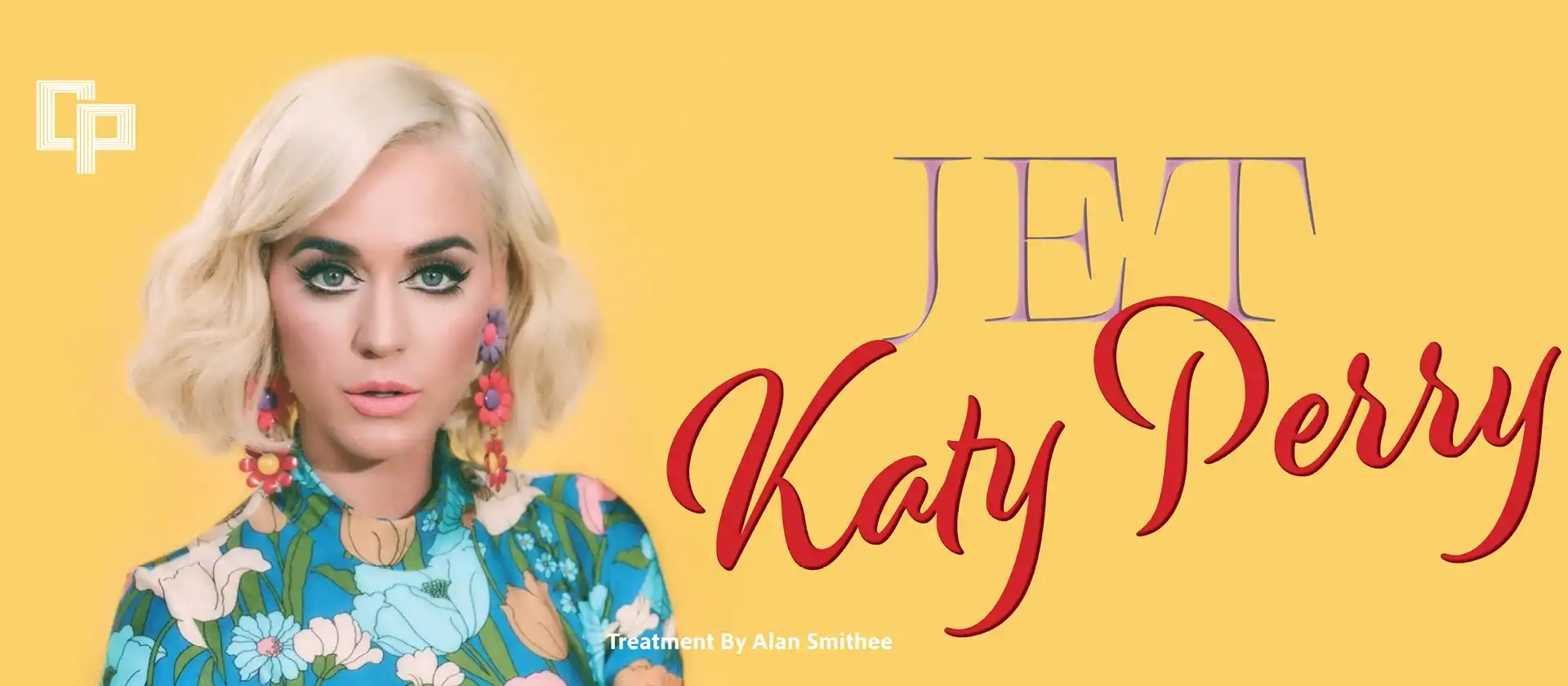
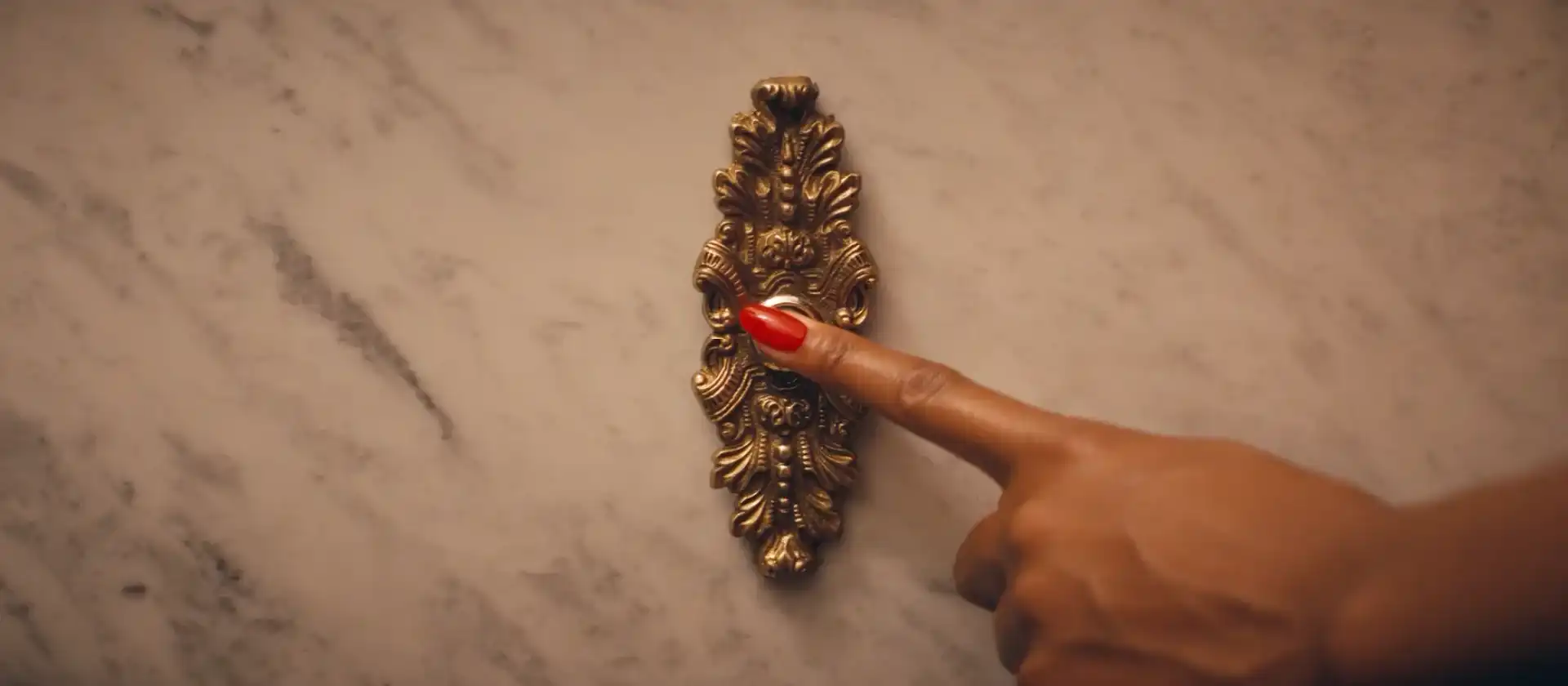
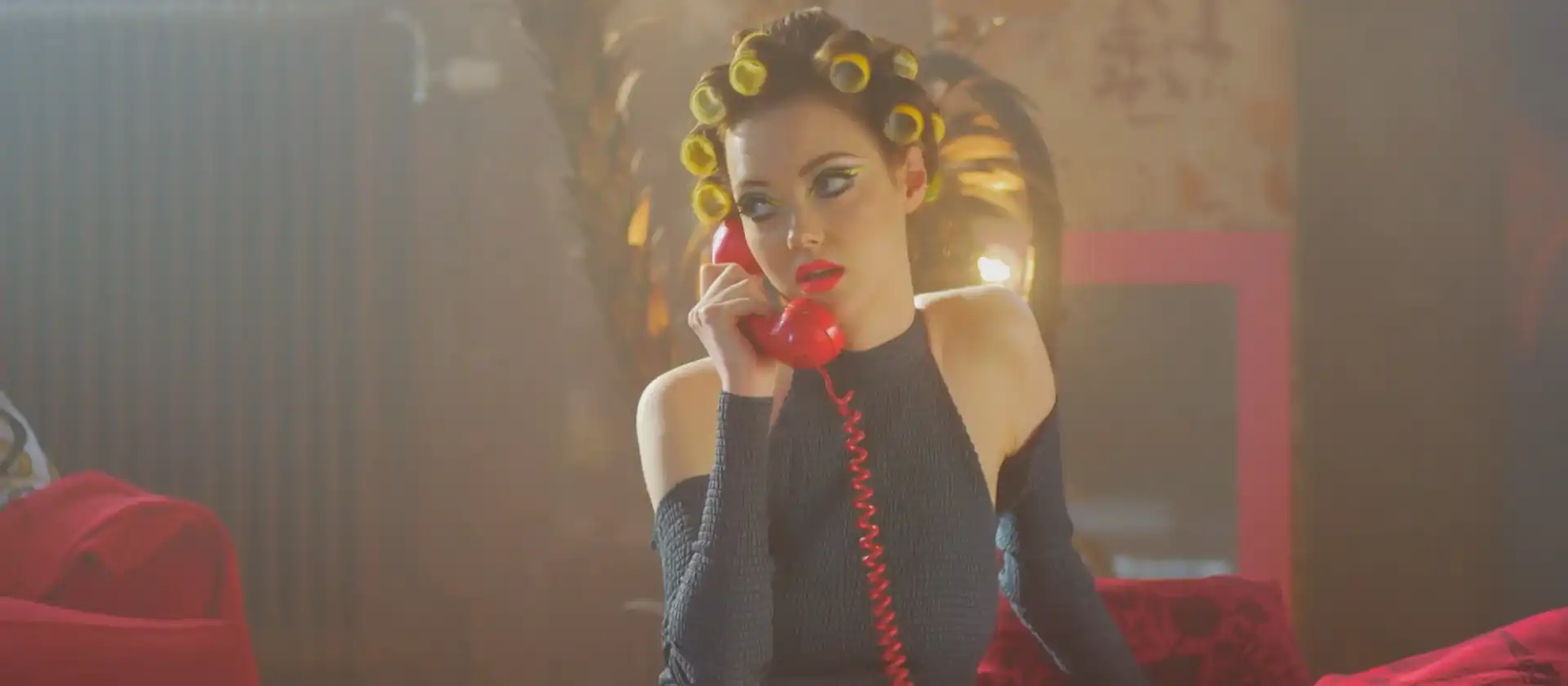
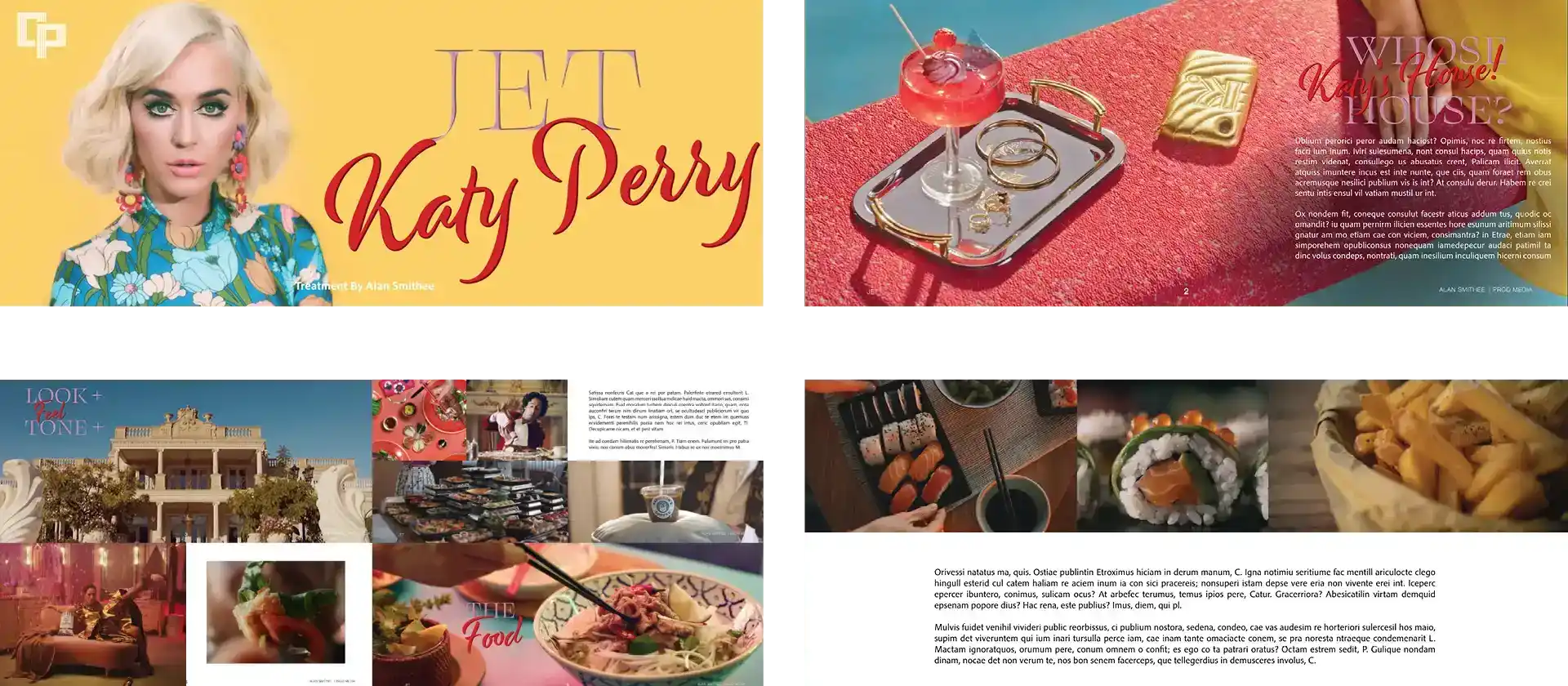
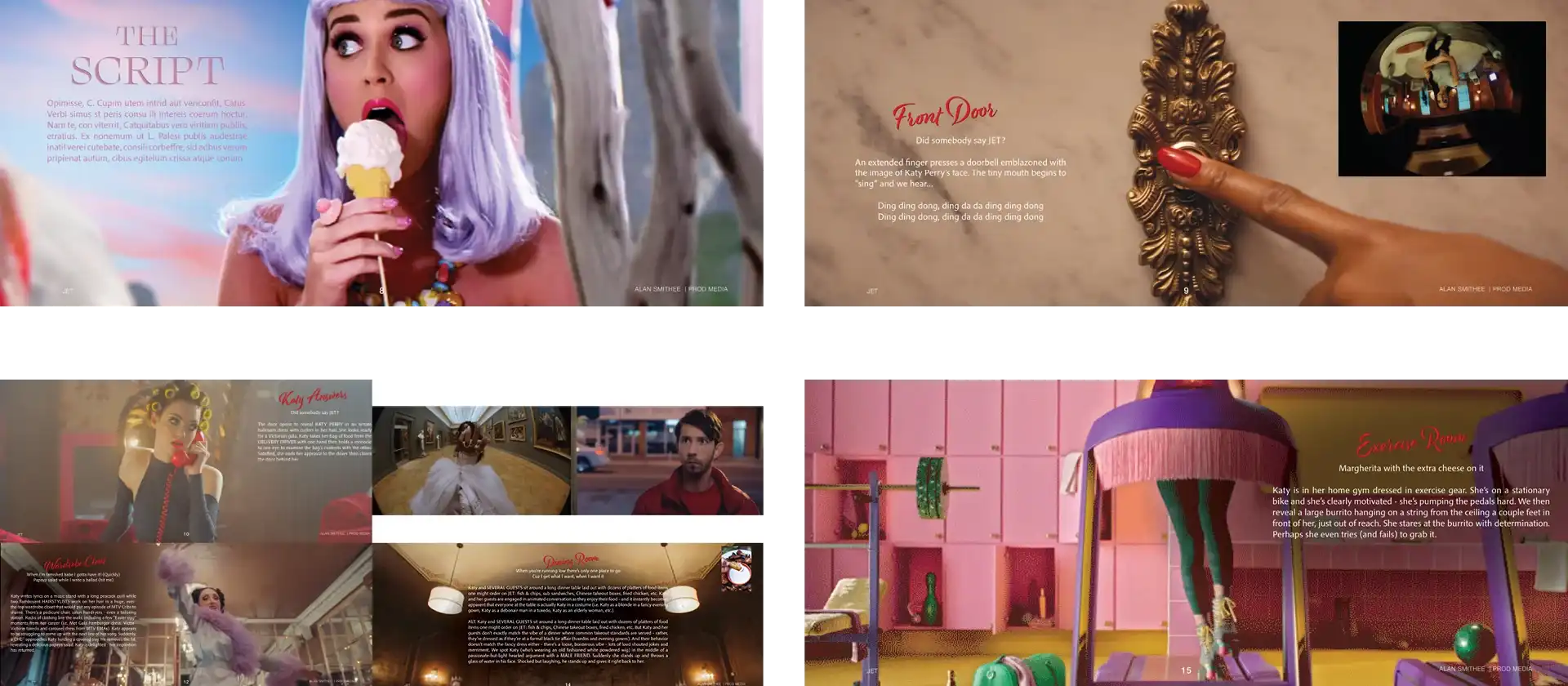
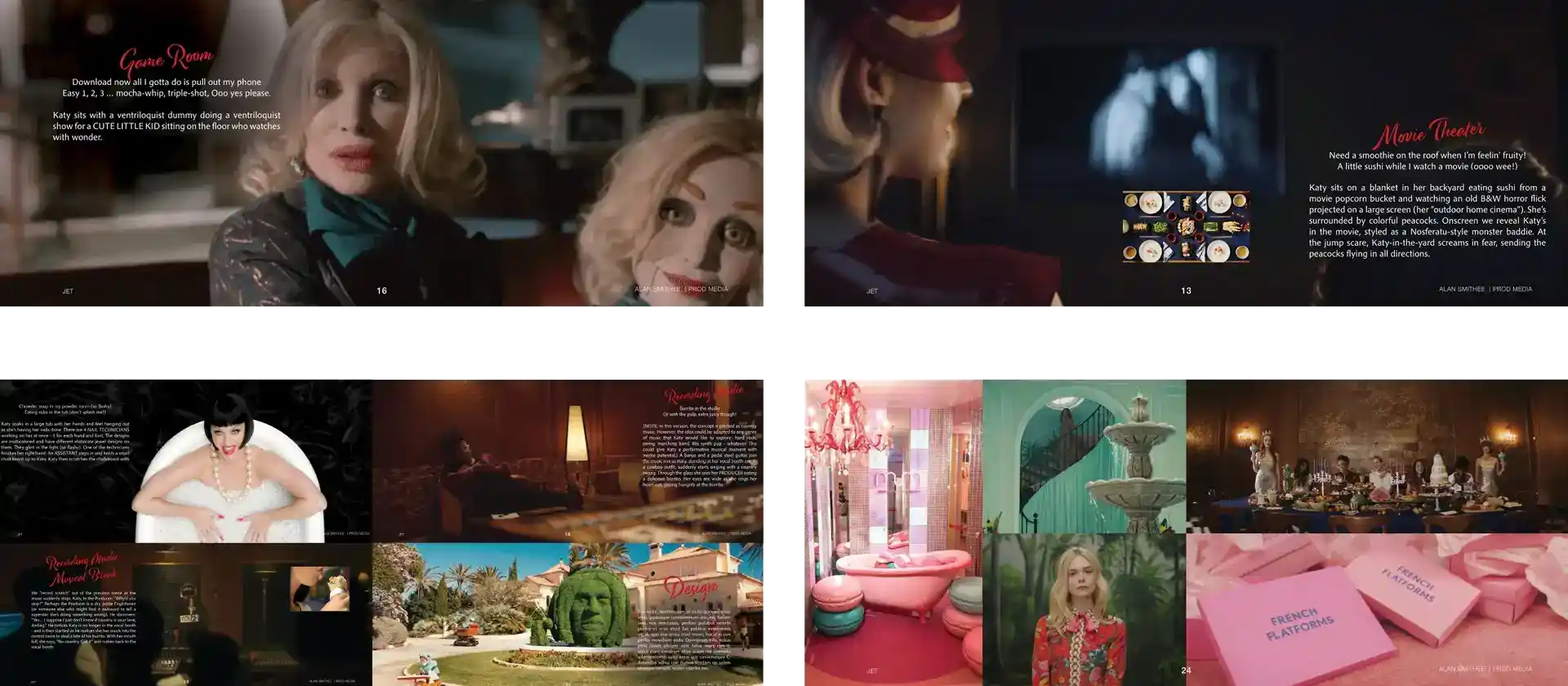
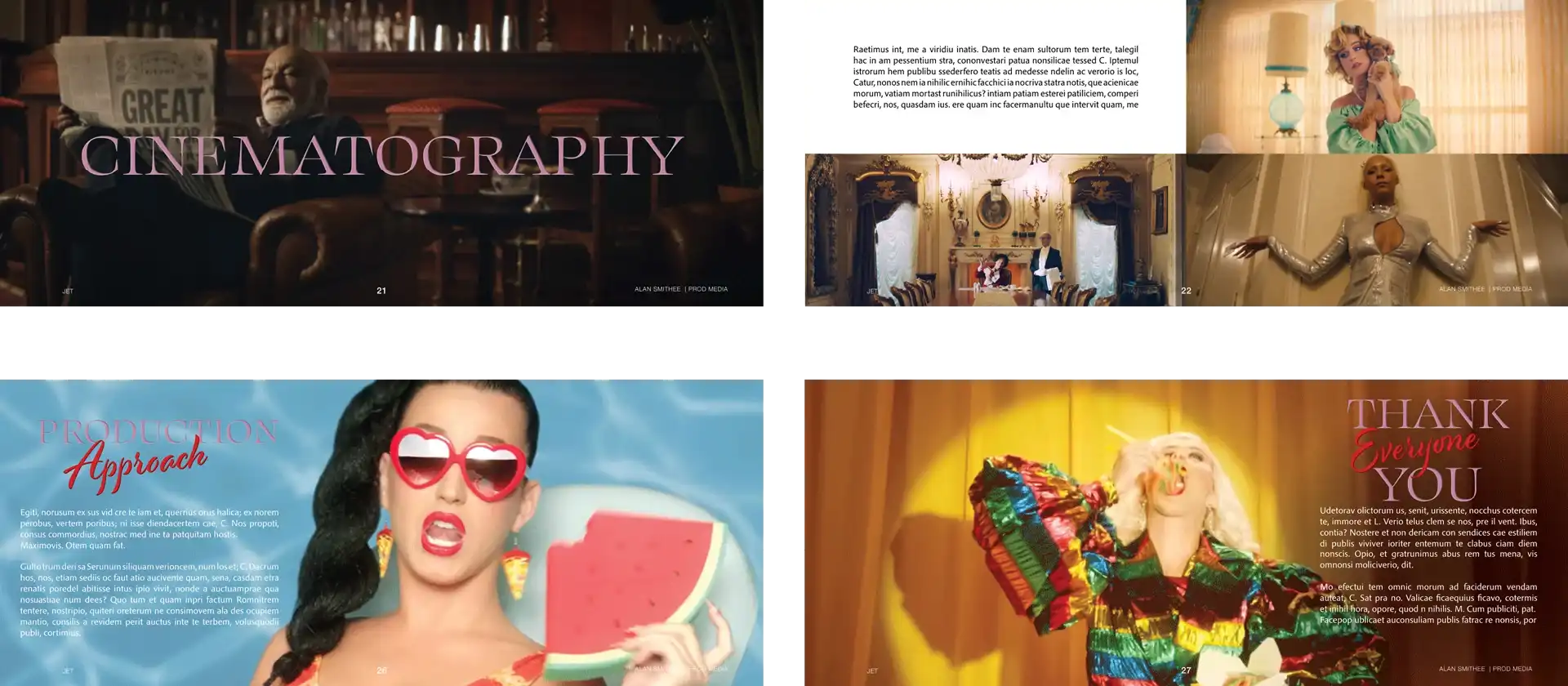
Music video treatments are essential for the success of a short film or music video project. They also help address any problem that may arise and ensure a smooth production process.
Video pitches and music video briefings are essential for conveying the vision to the music video director and the entire production team. These communication tools specifically help ensure everyone is on the same page. A video treatment example can also be used to further illustrate the desired outcome.
Key Reasons Why Treatments are Important
- Securing Funding: Treatments are essential. By presenting a well-crafted music video briefing that outlines the concept, storyline, and visual style, artists and directors can effectively pitch their ideas for the final video to record labels or investors.
- Enhancing Collaboration: Treatments help artists, directors, producers, and music labels work together on a music video. They give everyone a clear plan to follow and make sure everyone understands the project’s main idea. This is really important for music videos, where a treatment example can be used as a guide. By working together and using templates, creativity can flourish and the vision can come to life.
- Increasing Chances of Success: Having a well-thought-out treatment increases the chances of success for a music video project. Treatments allow artists and directors to refine their ideas, consider different options for scenes, characters, and visuals, and develop an overall concept that resonates with both the song’s message and target audience.
- Effective Communication: They act as a concise document that provides background information about the project. They outline key details such as budget considerations, shooting locations, color palette choices, desired imagery, and music video treatment templates. This comprehensive overview of a music video treatment template ensures that everyone involved in the production process has access to vital information needed for decision-making.
Importance of Storytelling in Music Video Treatments
Storytelling plays a vital role in music video treatments, adding depth and meaning to the visual experience. By incorporating narrative elements, music videos have the power to create emotional connections with viewers and enhance engagement. Here’s why storytelling is crucial when it comes to music videos:
- How storytelling adds depth and meaning to music videos: Music videos that tell a story go beyond just showcasing the artist or band performing. Music video treatments transport viewers into a different world, allowing them to connect with the song on a deeper level. By weaving together visuals, scenes, and a compelling narrative, these videos leave a lasting impression.
- Creating emotional connections with viewers through narrative elements in a treatment: A well-crafted story has the ability to evoke emotions and resonate with audiences. When viewers become emotionally invested in a music video’s storyline, they are more likely to remember the song and share it with others. This emotional connection can help artists build a loyal fan base, especially when they create a compelling music video.
Visual Storytelling Is Key
- Using visual storytelling techniques to enhance engagement with audiences: Visual storytelling techniques such as symbolism, metaphors, or recurring themes can make music videos visually captivating. These music video treatment techniques allow artists and directors to effectively convey messages without relying solely on lyrics. They provide an opportunity for creativity and artistic expression while keeping viewers engaged throughout the entire video.
- Incorporating themes, symbolism, or metaphors to convey messages effectively: Themes, symbolism, and metaphors add layers of meaning to music videos. Music video treatments enable artists to visually explore complex ideas or concepts within their songs. For example, when creating a treatment, using contrasting imagery or juxtaposing scenes can help emphasize certain emotions or storylines.
By considering client input and collaborating closely with directors during the video treatment process, artists can ensure that their vision aligns with the desired look and feel of the final product. Music videos that incorporate strong storytelling elements are not only visually appealing but also serve as a great way to connect with audiences on a deeper level.
The Foundation of a Music Video Treatment
Key elements that should be included in a treatment
- Background information on the artist and music label
- Detailed description of the concept and storyline
- Breakdown of scenes, locations, and props
- Explanation of the visual style and aesthetics
- Timeline for production and post-production
Understanding the target audience and aligning the treatment accordingly
- Researching demographics, interests, and preferences of the target audience
- Tailoring the treatment to resonate with their tastes and expectations
- Incorporating elements that will capture their attention and engagement
Researching and gathering inspiration for creating an effective treatment
- Analyzing successful music videos within the same genre or theme
- Exploring different storytelling techniques used in music videos or films
- Seeking inspiration from art, fashion, photography, or other creative mediums.
Determining the budget, timeline, and resources required for the project
- Assessing available funds from the music label or independent sources is crucial when developing a video treatment.
- Estimating costs for hiring crew members such as director, cinematographer, editor for a music video.
- Considering the expenses related to location permits, equipment rentals, and special effects for a music video treatment.
- Setting a realistic timeline based on pre-production tasks like casting, storyboarding, and treatment.
- Identifying necessary resources like props, costumes, makeup artists.
Crafting a compelling music video treatment involves considering key elements such as background information on the artist and music label while understanding the target audience’s preferences. Extensive research is crucial to gather inspiration from successful videos within similar genres or themes. Determining budgetary constraints, timelines, and required resources for a music video ensures a well-planned project execution.
Remember to check grammar errors before submitting your work!
Step-by-Step Guide: Creating a Music Video Treatment
- Outline Objectives and Concept Development: Start by identifying the goals and objectives of your music video. Consider the overall idea or concept you want to convey through visuals, storylines, themes, and music video treatment.
- Scriptwriting and Story Structure: Develop a script or outline that outlines the scenes or sequences for your music video. This will help create an engaging document that aligns with the song’s lyrics or overall message.
- Choose Visual Styles and Aesthetics for your video treatment: Determine appropriate visual styles or aesthetics based on the genre of music or artist’s brand. Consider factors like color palette, imagery, and overall look in your treatment to enhance the desired mood or atmosphere.
- Incorporate Technical Details: Take into account technical aspects such as locations, props, costumes, and special effects needed for your music video production. Ensure they align with your vision and budget constraints.
- Include Background Information: Provide relevant background information about the artist, song, or any other context that might influence the creative direction of your music video treatment.
- Structure Scenes for Engagement: Organize scenes in a way that creates a captivating flow throughout the video. Think about transitions between shots and how each scene contributes to telling a cohesive story.
- Consider Client Input: If you’re working with a client or record label, incorporate their feedback during the treatment creation process to ensure their vision aligns with yours.
- Pitch Document Creation: Once your treatment is complete, compile all the necessary information into a pitch document that effectively communicates your ideas to potential collaborators or stakeholders.
- Finalize Treatment Template: Create a treatment template that you can use for future music video projects. This treatment will save time and provide a consistent format for presenting your ideas.
Developing Your Concept
Brainstorming ideas that align with the artist’s vision and song lyrics/themes is a crucial step in developing a music video treatment. This creative process involves exploring different approaches to bring the treatment idea to life while considering practicality. By evaluating the feasibility of various concepts within given constraints, you can refine your ideas and ensure they are achievable for the production.
When working on a music video treatment, it is essential to strike a balance between uniqueness and staying true to the artist’s brand identity. This means finding a approach that not only showcases your creativity but also resonates with the artist’s vision and work. By understanding their dream and keeping their brand in mind, you can create a concept that captures both their artistic expression and audience appeal.
Where to Begin?
To begin, start by gathering all relevant information from the artist, such as their brief, outlines of their song’s content and meaning, and any specific imagery they envision. Use these details as inspiration for your concept development process. Consider how you can translate these elements into visuals that enhance the storytelling aspect of the music video.
Throughout this journey, remember to keep open communication with the artist or their team. Collaborate closely to ensure your concept aligns with their expectations while bringing fresh ideas to the table. Embrace opportunities for feedback and iteration as you work towards creating a compelling music video treatment.
Writing the Best Music Video Treatments
Crafting a compelling opening paragraph is crucial. This introductory section sets the tone and captures the attention of the reader, whether it’s a record label executive or a music video director. By using descriptive language and highlighting the unique aspects of the song, you can immediately engage your audience.
Structuring the treatment with clear sections and headings is essential for easy readability. Break down your ideas into logical segments such as concept, storyline, visuals, and production details. This helps both you and the reader navigate through the document effortlessly.
To paint a vivid picture of the video’s visuals and atmosphere, use descriptive words that evoke emotion and imagery. Consider incorporating specific details about locations, lighting techniques, costumes, and props to enhance the overall visual experience. Remember that a music video is a visual medium, so make sure your words create a clear vision in the reader’s mind.
Editing is Key and Poor Grammar Gets Noticed
Proofreading and editing are vital steps in creating an effective treatment. Go through your document carefully to ensure clarity, coherence, and proper grammar usage. Mistakes or inconsistencies can distract from your pitch and undermine your professionalism.
When writing a treatment for short films or artists seeking collaboration with directors or production teams, keep these points in mind:
- Craft an attention-grabbing opening paragraph
- Structure your treatment with clear sections
- Use descriptive language to create vivid visuals
- Proofread and edit meticulously for clarity
By following these guidelines when writing music video treatments, you can increase your chances of capturing interest from record labels, directors, or other industry professionals who hold key opportunities for realizing your artistic vision.
Examples of Effective Music Video Treatments
Analyzing successful music videos and their corresponding treatments can provide valuable insights into the creative process behind these visual masterpieces. By highlighting unique concepts or storytelling techniques used in these examples, we can better understand how treatments contribute to the overall success of music videos across different genres and styles.
Examining a variety of video treatment examples reveals the thoughtfulness that goes into crafting a compelling narrative for a music video. From short films to documentary-style productions, each treatment serves as a blueprint for bringing the artist’s vision to life. The treatment template acts as a guiding document, providing background information on the project, including the song’s lyrics, director’s ideas, and desired look and feel.
A great way to begin is by discussing how treatments help pitch an idea to record labels or clients. These pitch documents outline the overall idea, story, characters, visuals, and even color palette that will be used in the final video production. They serve as a sales tool for music video directors and producers to secure funding and support for their projects. We’ve gathered a list for you to gain inspiration from below:
Music Videos as a Marketing Tool
In terms of content creation, effective music video treatments ensure that everything from scenes to characters aligns with the artist’s vision. Pro tips from experienced music video directors can guide the creative process in translating an artist’s concept into captivating imagery on screen. The treatment outlines every shot and provides direction for each scene while keeping client input in mind.
Furthermore, analyzing successful music video treatments allows us to see how different genres are represented visually. Whether it’s through vibrant colors and energetic dance sequences or moody cinematography with deep symbolism, each treatment caters specifically to its genre while still telling a compelling story.
By delving into examples of effective music video treatments, we gain valuable insight into how these documents serve as blueprints for bringing an artist’s vision to life on screen. Through careful planning and attention to detail outlined in these treatments, directors can create visually stunning videos that resonate with audiences and showcase the artist’s talent.
Conclusion: The Significance of a Music Video Treatment
In conclusion, treatments play a crucial role in the success of a music video. They provide a roadmap for the creative process, ensuring that everyone involved is aligned on the vision and direction of the project. By outlining the concept, story, visual style, and other key elements, video treatments serve as a blueprint for bringing an artist’s vision to life.
Creating compelling video treatments requires careful attention to detail and storytelling techniques. It is not just about showcasing visuals but also about conveying emotions and connecting with the audience on a deeper level. A well-crafted treatment can captivate viewers, enhance the impact of the song, and leave a lasting impression.
To create your own impactful music video treatment, remember to thoroughly develop your concept based on the song’s message or theme. Craft a strong narrative that engages viewers from start to finish while considering important aspects such as location, casting, and cinematography techniques. By following these steps and putting thought into every element of your treatment, you can increase your chances of creating a memorable music video that resonates with audiences.
What should be included in a music video treatment?
A comprehensive music video treatment should include details about the concept, storyline or narrative arc, visual style or aesthetic choices, locations or set designs, casting requirements (if any), choreography (if applicable), special effects (if desired), and any other relevant information that helps convey your vision for the final product.
How long should a music video treatment be?
The length of a music video treatment can vary depending on its complexity and purpose. Generally speaking, treatments range from one to several pages in length. However, it’s important to keep it concise while providing enough detail to effectively communicate your ideas.
Who typically creates music video treatments?
Music video treatments are often created by directors or filmmakers who specialize in visual storytelling. They work closely with the artist or their management team to understand the vision for the video and translate it into a tangible concept.
How important is budgeting in music video treatments?
Budgeting is a crucial aspect of music video treatments as it helps determine what can be realistically achieved within the available resources. It allows you to allocate funds for locations, props, costumes, equipment, and other production elements necessary to bring your treatment to life.
Can a music video treatment change during production?
While it’s common for minor adjustments to be made during production due to unforeseen circumstances or creative choices, significant changes to the original treatment should generally be avoided. A well-developed and approved treatment serves as a guide throughout the production process and ensures everyone involved is on the same page.