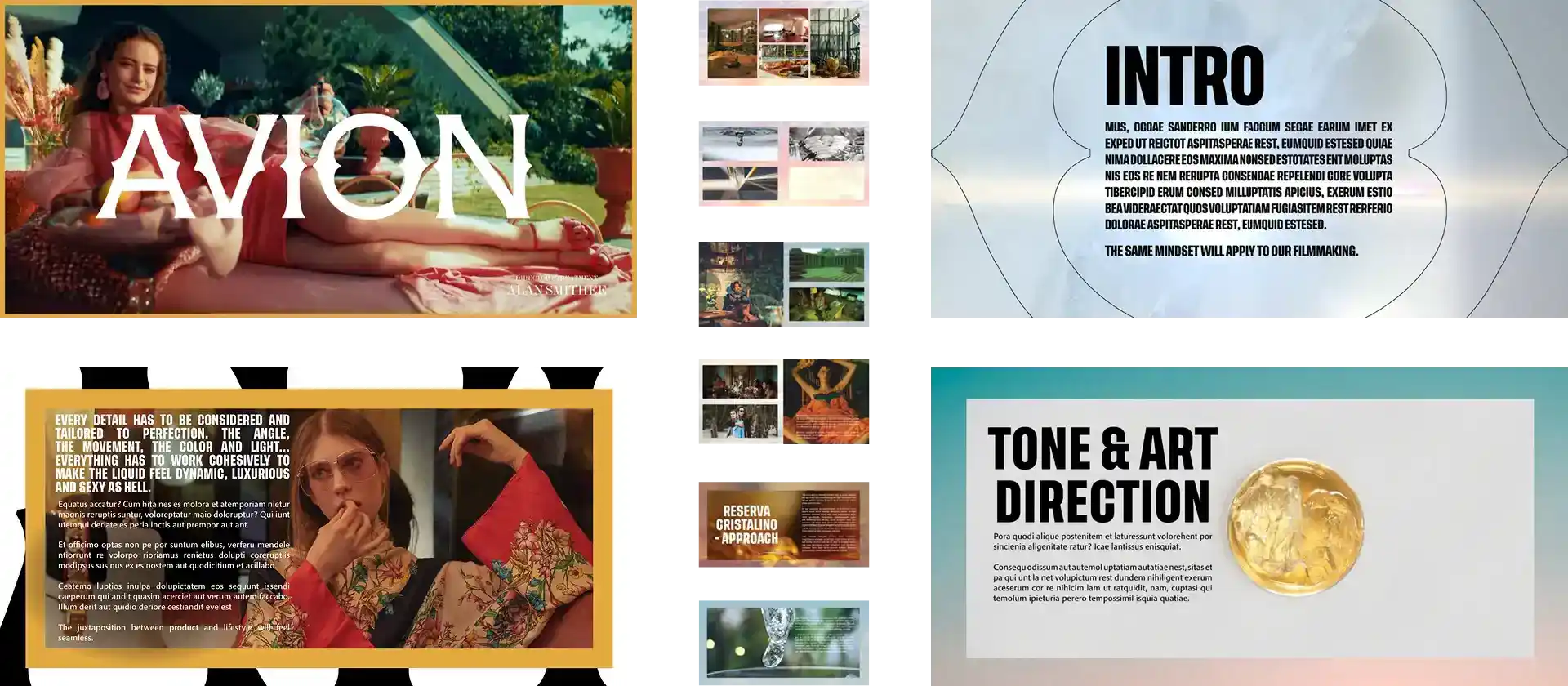
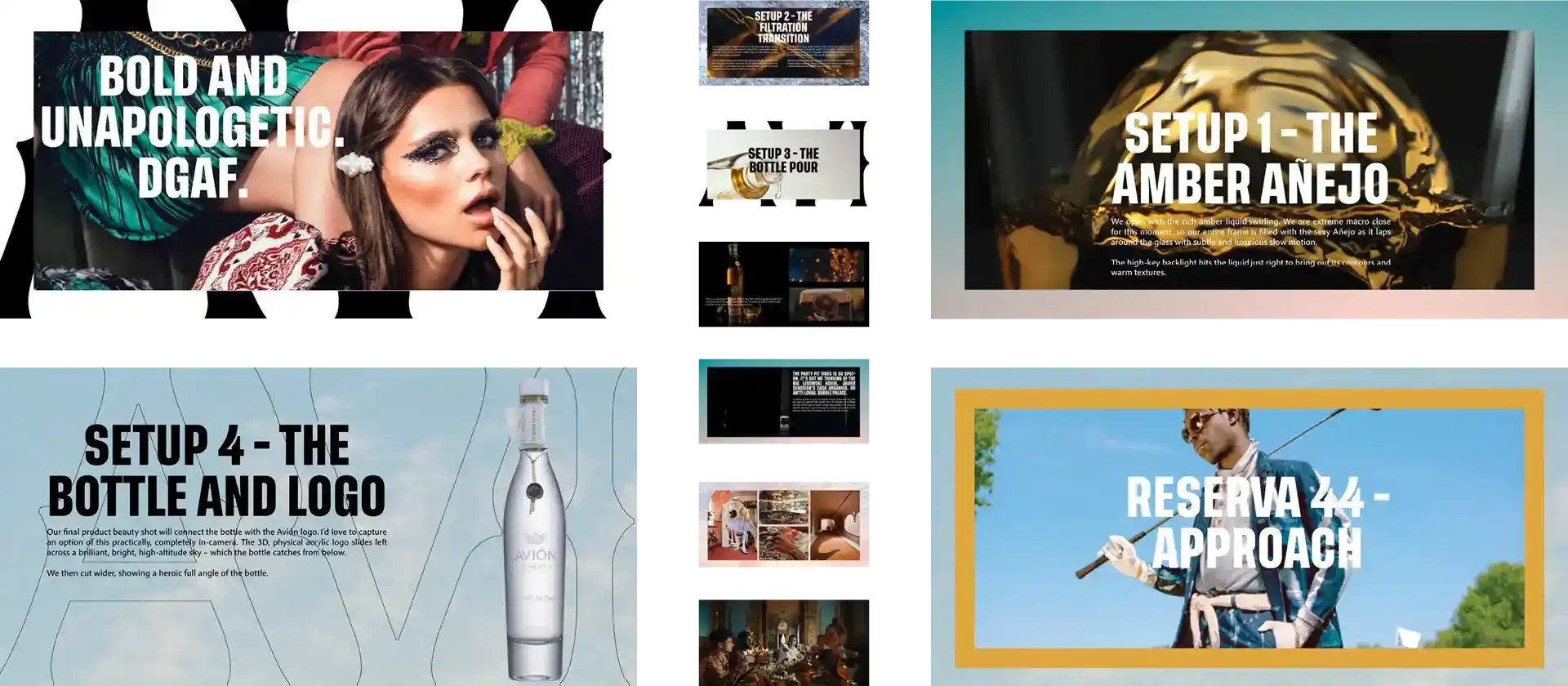
Music video treatments play a crucial role in the creative process of producing a short film or a music video project. The script and pitch for the project are developed based on these treatments. Music video briefings are an essential tool for music labels to request a music video treatment script. They serve as a tool to outline the concept, story line, and visual elements that will bring the song to life on screen. Here’s why music video treatments are essential:
- Clear Communication: Music video treatments provide a breakdown of the action, scenes, imagery, script, and pitch that will be incorporated into the final video. This ensures that everyone involved in the music label production, from artists to cinematographers, understands the pitch and music video treatment request and can work together harmoniously.
- Opportunity for Collaboration: Music video treatments act as an invitation for collaboration between artists, directors, and other creatives involved in the production process. It provides them with a shared starting point to discuss ideas and contribute their unique perspectives.
- Documenting Vision: A music video treatment serves as documentation of an artist’s vision or dream for their song’s visual representation. It captures their desired look, feel, and atmosphere while providing context for decision-making throughout production.
Step-by-Step Guide to Writing a Music Video Treatment
To create an engaging music video that captures the essence of a song, it is crucial to follow a step-by-step guide. Here’s how you can write a compelling music video treatment:
- Listen and Understand: Begin by immersing yourself in the song, listening to it multiple times. Pay attention to its mood, lyrics, and potential visuals that come to mind.
- Develop a Concept: Craft a concept that aligns with the artist’s vision while considering budgetary constraints. Think creatively and brainstorm ideas that will bring the song to life visually.
- Outline the Structure: Organize your treatment into sections like synopsis, storyboard, locations, casting, and post-production details. This ensures a comprehensive plan for executing your vision.
- Create a Synopsis: Summarize your concept in a concise synopsis that captures the essence of the story you want to tell through the music video.
- Storyboard Visuals: Use visual storytelling techniques by creating a storyboard that illustrates key scenes or shots you envision for each part of the song.
- Consider Locations and Casting: Determine suitable locations for filming based on your concept and identify potential actors or performers who can bring your vision to life.
- Include Post-Production Details: Mention any specific post-production requirements such as special effects or editing styles that will enhance the final product.
Music Video Treatment Template Creation: A Guide to Making your Own
By following this step-by-step guide, you can effectively write a music video treatment that showcases your creative process while staying true to the artist’s vision and working within budgetary constraints.
Formatting Your Treatment
To create a compelling music video treatment, it is essential to follow professional formatting techniques. By employing font consistency and proper headings, you can ensure clarity in your presentation. Here are some key points to consider:
- Font Consistency: Maintain a consistent font throughout your music video treatment to give it a polished and professional look. This helps in conveying information clearly and avoids distractions.
- Proper Headings: Utilize appropriate headings to organize different sections of your treatment effectively. This enhances readability and makes it easier for the reader to navigate through the document.
When crafting your music video treatment, remember to include relevant information that showcases your expertise and creative vision:
- Contact Details: Provide clear contact details so that interested parties can easily reach out to you regarding the music video treatment request or collaboration opportunities.
- References: Include references to previous work or inspirations that demonstrate your experience in music video production. This can help establish credibility and showcase your unique style.
Making a bold statement with your Music Video Treatment Template
To make your treatment impactful, strike a balance between being concise yet detailed enough to convey your creative vision effectively:
- Conciseness: Keep the treatment succinct by focusing on the most important aspects of your music video concept. Avoid unnecessary details that may distract from the core message.
- Detailed Vision: Despite being concise, ensure that your treatment provides enough detail for others to understand and visualize your creative direction. Use vivid language, images, or sketches if necessary.
By following these guidelines for formatting your music video treatment, you can present yourself as a professional music video director capable of delivering outstanding visual experiences aligned with the artist’s vision. Remember to adapt this format according to specific requirements set by record labels or artists while maintaining an engaging style unique to you.
Tips for Improving the Quality of Music Video Treatments
To create compelling music video treatments that captivate audiences and impress music labels, follow these pro tips:
- Research current trends: Stay up-to-date with the latest music video trends to ensure your treatment is fresh and innovative. Incorporate elements like visual glitches or hidden storytelling techniques to make your treatment stand out from the competition.
- Collaborate for diverse perspectives: Engage in a collaborative writing process by involving others in the brainstorming phase. Gather insights from different team members, such as directors, producers, or artists, to refine your ideas and enhance the overall vision of your treatment.
- Incorporate unique visual elements: To make your music video treatment visually captivating, consider incorporating unique visual elements that align with the song’s narrative or theme. Experiment with color palettes, imagery, camera angles, and scene transitions to bring your treatment to life.
- Craft a compelling story: Develop a strong narrative for your music video treatment that complements the song’s lyrics and evokes emotions in viewers. Focus on creating engaging characters and memorable scenes that contribute to an immersive experience.
- Include background information: Provide relevant background information about the artist, their style, and previous work to give context to your treatment. This helps demonstrate your understanding of their brand and enhances the credibility of your pitch document.
- Format it effectively: Organize your music video treatment in a clear and concise format that presents all necessary details without overwhelming readers. Consider using bullet points or short paragraphs for easy readability.
Examples of Effective Music Video Treatments
Taking inspiration from successful music videos like Beyoncé’s “Formation” or Childish Gambino’s “This Is America,” can provide valuable insights into creating effective music video treatments. By analyzing these treatments, we can understand how they translate concepts into visually captivating experiences.
Studying various genres’ music videos allows us to explore diverse approaches used in different treatments. This exploration helps us understand the techniques and elements that contribute to a compelling music video treatment. Meanwhile, here are a few of our favorite director’s treatment examples:
- Video treatments
- Sample video treatment
- Music video treatment
- Video treatment example PDF
Considerations for your Music Video Treatment
When crafting a music video treatment, it is essential to consider the narrative, visuals, and sound that will bring the concept to life. The treatment should effectively convey the story, action, and hidden elements within the song through scenes and imagery.
Key Details to include in your Director’s Treatment
To create an impactful treatment document, it is crucial to include key details such as the color palette, visual glitches, and any unique elements that will enhance the final video’s overall idea. Incorporating a breakdown of scenes or chapters can help organize the creative process.
Pitching your Music Video Concept
During the pitch process, presenting the treatment in an interview-style setting with an empty chair can be a powerful way to engage with potential collaborators or record labels. This approach allows for client input while showcasing your passion for the project.
A music video treatment serves as both a sales tool and a creative brief for your production team. It should clearly communicate your vision while highlighting why your idea stands out among others in today’s competitive landscape.
Utilizing Templates for Efficiency and Consistency
Music video treatment templates are a valuable tool in the visual medium of music videos. They provide a structured framework that streamlines the treatment writing process, making it easier to convey your vision to collaborators. By using these templates, you can ensure consistency in formatting, allowing others to understand your creative direction more effectively.
One of the key benefits of treatment templates is their customizability. You can adapt them to fit the unique requirements of each music video project, tailoring them to suit different genres, styles, and themes. This flexibility saves time and effort as you don’t have to start from scratch with every new project.
When creating a music video treatment, a template offers several advantages:
- Efficiency: Templates enable you to focus on the content rather than spending excessive time on formatting. With predefined sections for describing visuals, narrative elements, and production details, you can quickly fill in the necessary information without getting bogged down by structure.
- Consistency: Using consistent formatting throughout your treatments helps collaborators understand your vision better. Whether it’s specifying camera angles or describing choreography sequences, having a standardized format ensures everyone is on the same page.
- Adaptability: Music video projects vary greatly in terms of style and tone. A treatment template allows you to modify aspects such as color palettes or use of specific visual effects according to the needs of each project. This adaptability ensures that your treatments accurately reflect your creative choices.
Conclusion: Harnessing the Power of Music Video Treatment Templates
In conclusion, music video treatment templates are an invaluable tool for artists, directors, and producers in the music industry. They provide a structured framework that guides the creative process and ensures consistency and efficiency in conveying the vision of a music video. By following a step-by-step guide, formatting your treatment correctly, and incorporating tips for improvement, you can elevate the quality of your music video treatments.
Utilizing music video treatment templates not only saves time but also enhances collaboration among team members. With clear instructions and a standardized format, everyone involved in the production can easily understand and contribute to bringing the treatment to life. Moreover, by studying examples of effective treatments, you can gain inspiration and insight into what works best in capturing attention and conveying emotions through visuals.
To take advantage of this powerful tool, start by exploring various music video treatment templates available online or create your own based on industry standards. Experiment with different approaches while staying true to your artistic vision. Remember to adapt each template to suit your unique style and concept. By harnessing the power of music video treatment templates, you can effectively communicate your creative ideas and increase your chances of success in the competitive world of music videos.
How do I find suitable music video treatment templates?
There are several ways to find suitable music video treatment templates. You can search online platforms dedicated to providing resources for filmmakers or visit websites that specialize in offering customizable templates specifically designed for music videos. Networking with professionals in the industry or joining online communities related to filmmaking can provide valuable recommendations for reputable sources.
Can I modify a pre-existing template?
Absolutely! While it’s important to maintain consistency within the structure of a template you own, you should feel free to modify it according to your specific needs and creative vision. Templates serve as a starting point that can be customized based on factors such as genre, budget constraints, or storytelling preferences. Adapt the template to fit your unique style and concept, ensuring that it effectively communicates your artistic vision.
How can music video treatment templates enhance collaboration?
Music video treatment templates enhance collaboration by providing a clear framework that all team members can reference and understand. By utilizing a standardized format, everyone involved in the production process, from directors to cinematographers to editors, can easily grasp the vision and contribute their expertise. This streamlined approach fosters effective communication and ensures that everyone is working towards a shared goal.
Can I use a music video treatment template for different genres of music?
Yes! Music video treatment templates can be adapted for different genres of music. While certain elements may vary depending on the genre’s specific aesthetic or storytelling requirements, the overall structure and purpose of the treatment remain relevant across various musical styles. Flexibility is key when utilizing templates – customize them based on individual songs’ needs while staying true to your artistic vision and maintaining consistency within your brand identity.