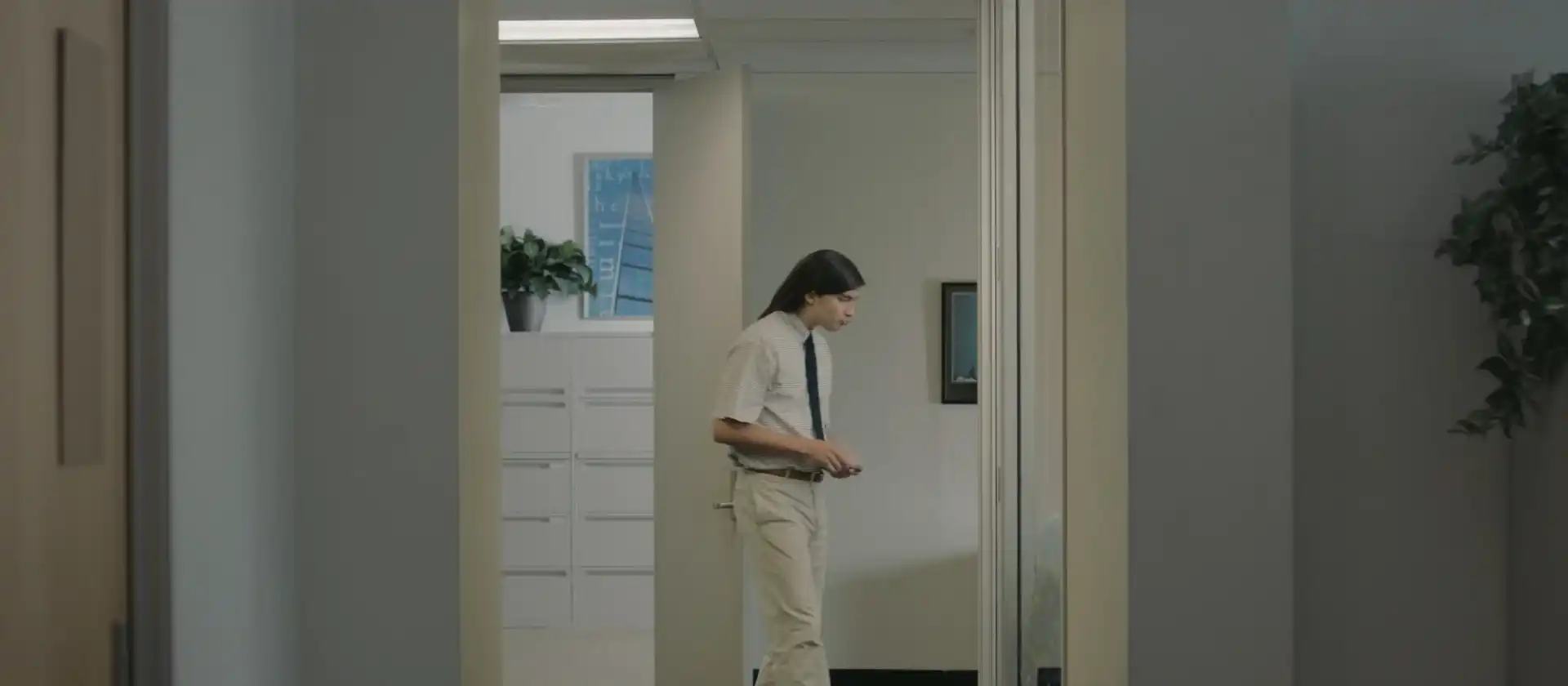
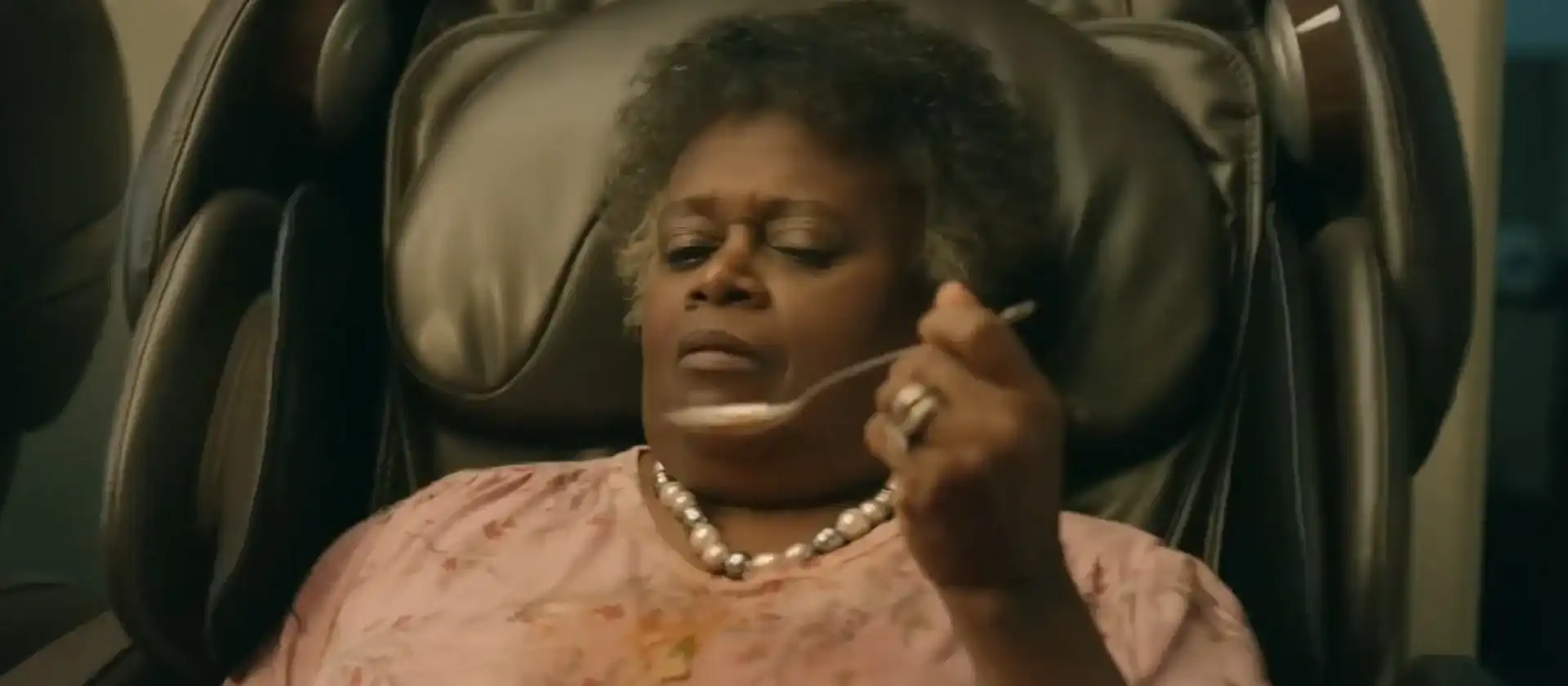
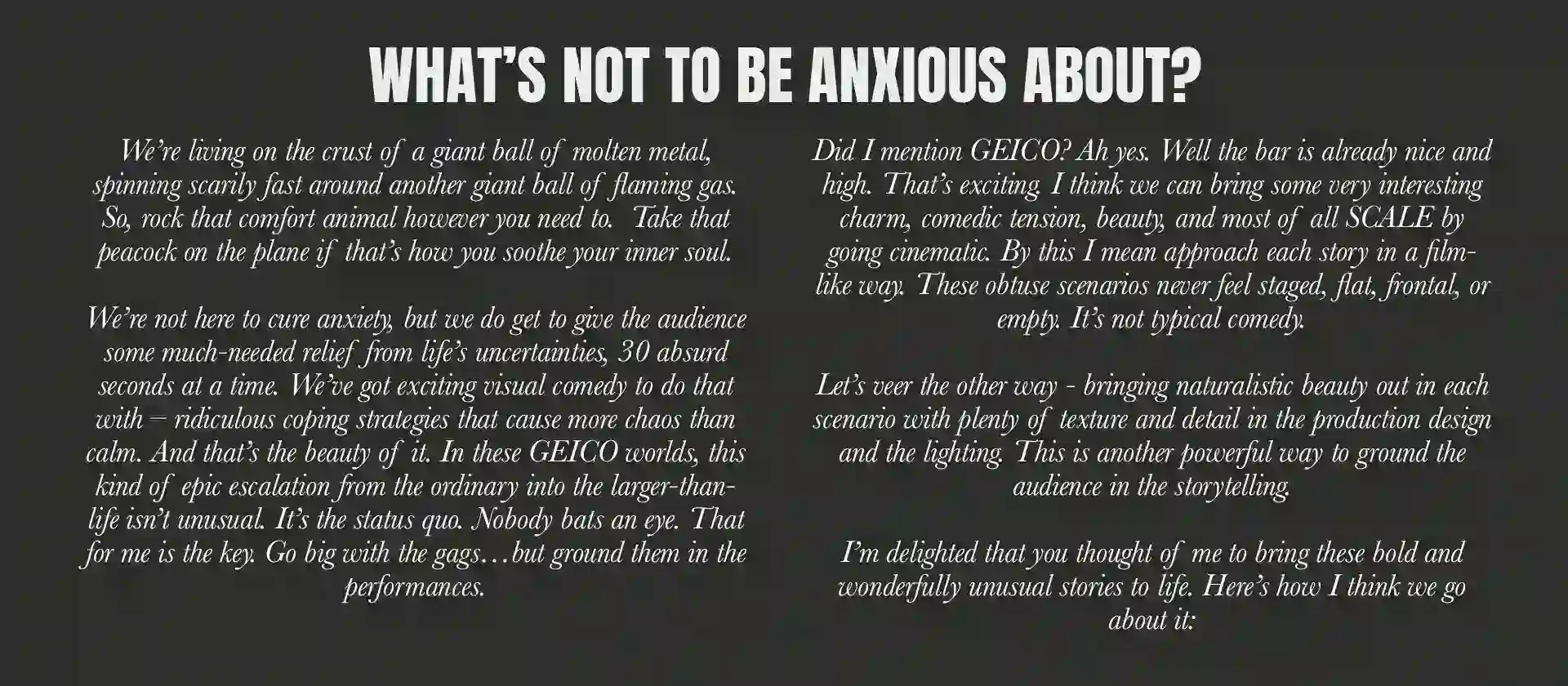
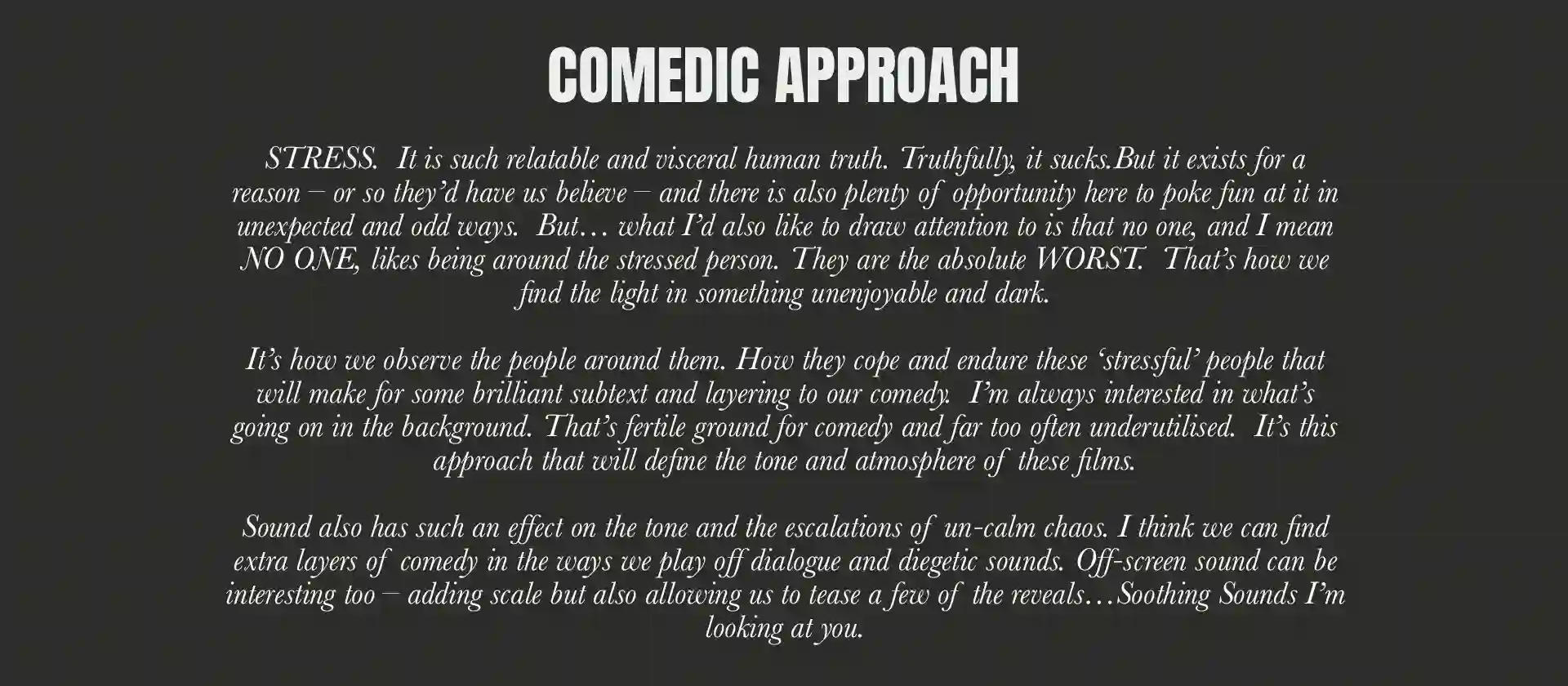
A writer’s treatment plays a crucial role in the script phase, offering numerous benefits and enhancing collaboration between writers, directors, and producers. Let’s explore why writer’s treatments are so important:
- Pitching and securing funding: A well-crafted writer’s treatment serves as a powerful tool for pitching ideas to potential investors or studios. It provides a concise summary of the screenplay or scriptment, highlighting its key filmmaking elements and captivating the reader’s attention. By effectively communicating the concept, structure, and narrative of the project, treatments significantly increase the chances of securing funding.
- Streamlining development process: Treatments help streamline the development process by providing a clear outline of the story. They serve as roadmaps for writers, guiding them through each scene and ensuring that all necessary information is included. This structured approach saves time and prevents unnecessary rewrites during later stages.
- Effective idea communication: Treatments are invaluable. Writers can use them to articulate their vision for a film or TV show, capturing essential details without getting bogged down in lengthy scripts. By presenting key plot points, character arcs, and thematic elements concisely, treatments allow stakeholders to grasp the essence of the project quickly.
- Enhancing collaboration: Collaborative efforts between writers, directors, and producers are greatly enhanced through treatments. These documents facilitate discussions by providing a shared understanding of the project’s direction. With everyone on board from an early stage, creative decisions can be made collectively with clarity and efficiency.
Elements of a Treatment: Six Critical Components
An effective writer’s treatment comprises several key elements that contribute to its success. These components play a crucial role in capturing the essence of a story and conveying it to potential investors or collaborators. By carefully crafting each aspect, writers can create a compelling treatment that showcases their story idea in an engaging and concise manner.
By incorporating these six critical components into their writer’s treatment, writers can effectively convey their story idea, engage potential collaborators or investors, and increase the chances of turning their vision into a reality.
Clear Goals and Objectives:
Establishing clear goals and objectives is vital when creating a treatment. This helps outline the purpose and direction of the project, allowing readers to understand the intended outcome. By defining these goals upfront, writers can ensure that their treatment remains focused and aligned with their vision.
Compelling Character Descriptions:
Crafting vivid character descriptions within a treatment brings the story’s protagonists to life on the page. Writers should provide concise yet captivating details about each character’s personality, motivations, and conflicts. This helps readers visualize the characters and become invested in their journey.
Plot Structure and Narrative Arc:
Outlining the plot structure and narrative arc is essential for conveying the story’s progression in a writer’s treatment. Writers should highlight key plot points, major conflicts, and pivotal moments to give readers an overview of how events unfold throughout the screenplay or script. This provides a glimpse into the overall storytelling approach.
Concise Scene Summary:
Including a summary of significant scenes allows writers to showcase specific moments that drive the narrative forward. By providing brief but impactful descriptions of key scenes, writers can demonstrate their ability to create visually compelling sequences that enhance the overall storytelling experience.
Act Structure Overview:
Presenting an overview of the act structure within a treatment offers insight into how the story unfolds over time. Writers should briefly outline each act’s purpose, highlighting important milestones or turning points along the way. This gives readers an understanding of how different sections contribute to building tension or resolving conflicts.
Overall Treatment Energy:
Infusing energy into every aspect of the writer’s treatment is crucial. Writers should strive to create a document that exudes passion and excitement for the story idea. By using dynamic language, evocative descriptions, and showcasing the unique qualities of their project, writers can captivate readers and leave a lasting impression.
Crafting an Effective Writer’s Treatment: Step-by-Step Guide
Crafting a comprehensive writer’s treatment is an essential part of the writing process. It helps writers organize their ideas and create a roadmap for their work. Here’s a step-by-step guide to creating an effective writer’s treatment:
- Brainstorm Ideas: Start by brainstorming ideas related to your writing project. Consider themes, characters, plot points, and any other elements that are important to your story.
- Organize Coherently: Once you have a list of ideas, organize them coherently in your treatment. Group related ideas together and ensure there is a logical flow between sections.
- Write Engaging Synopses: A writer’s treatment often includes synopses of key scenes or chapters. Use techniques that capture attention and make readers want to know more about your story.
- Refine and Polish: After completing the initial draft of your writer’s treatment, take some time to refine and polish it. Pay attention to grammar, punctuation, and overall clarity.
By following these steps, you can create a comprehensive writer’s treatment that serves as a valuable tool throughout the writing process.
Other Tips and Other Formats
Remember that crafting an effective writer’s treatment involves careful consideration of each element in order to produce the best possible result for your writing project. The process may take time but will ultimately help you stay organized and focused on your goals.
So whether you’re working on a novel, screenplay, or any other form of written work, invest the time in creating a well-crafted writer’s treatment—it will undoubtedly help you bring your vision to life with greater ease and clarity.
Now go ahead and start crafting your own effective writer’s treatment using this step-by-step guide! Happy writing!
Utilizing the Three-Act Structure in Film Treatments
The three-act structure is important in storytelling. It helps make movies interesting. There are three parts: setup, confrontation, and resolution. In the setup, characters and problems are introduced. In the confrontation, there are challenges and excitement. The resolution, everything gets solved and characters change. Using this structure helps writers make good movies and communicate their ideas clearly.
By incorporating the three-act structure into film treatments, writers can create compelling narratives that resonate with audiences and increase the chances of their projects being greenlit for production.
Choosing the Right Type of Writer’s Treatment or Pitch Deck
By thinking about these things and weighing the pros and cons, you can choose the right writer’s treatment or pitch deck for your project. Whether it’s a short form treatment that gives a quick summary or a visually exciting pitch deck that grabs attention, picking the right format can help you succeed in the competitive world of writing and pitching.
Different types of writer’s treatments:
- Short form: A short overview of your project, talking about the story, characters, and themes.
- Long form: A more detailed document that explores your project in depth, including the plot, characters, and visual references.
- Deciding which type is best for your project: Think about the nature and scope of your project. Do you need to show complex visuals or intricate storylines? Consider your audience and how they might prefer different formats. For example, investors may like pitch decks because they are easy to understand.
Examples and Case Studies of Successful Writer’s Treatments
Successful writer’s treatments play a crucial role in the creation of remarkable films and TV shows. By examining notable examples, we can gain valuable insights into how these treatments effectively convey their stories while highlighting unique approaches taken by different writers.
By analyzing these examples and other success stories in film and television, we can observe how writer’s treatments contribute significantly to project success. These documents serve as blueprints for screenwriters and producers alike, guiding them through the creative process with style and precision.
Let’s explore some case studies that demonstrate the excellence of writer’s treatments:
Conclusion: Key Takeaways from Writer’s Treatment
Congratulations! You now have a solid understanding of the importance of a writer’s treatment in the script phase. A well-crafted treatment can be the foundation for a successful screenplay, helping you clarify your ideas, structure your story, and pitch it effectively to industry professionals. By following the step-by-step guide we provided and utilizing the three-act structure, you can create an engaging and compelling treatment that captivates readers and potential investors.
Now it’s time to put your newfound knowledge into action. Start crafting your own writer’s treatment using the critical components we discussed earlier. Remember to be clear, concise, and persuasive in your writing. Show off your unique voice and storytelling skills while maintaining consistency in your argument. Don’t forget to include evidence or examples that support your ideas.
What is the difference between a writer’s treatment and a screenplay?
A writer’s treatment is a detailed document that outlines the main plot points, characters, themes, and tone of a story before it is developed into a full-fledged screenplay. It serves as a blueprint for writers to organize their ideas and communicate them effectively to others involved in the filmmaking process. On the other hand, a screenplay is the final written form of a film or television show that includes dialogue, scene descriptions, camera angles, and other technical details.
How long should a writer’s treatment be?
There isn’t an exact length requirement for a writer’s treatment as it can vary depending on the project and individual preferences. However, treatments are typically around 5-15 pages long. The key is to provide enough detail to convey your story but also keep it concise and engaging.
Can I use visuals or graphics in my writer’s treatment?
Yes! Including visuals or graphics can enhance your writer’s treatment by giving readers a visual representation of key scenes, characters, or settings. It can help bring your story to life and make it more compelling. Just ensure that the visuals are clear, relevant, and support your overall narrative.
Should I register my writer’s treatment with a copyright office?
While it’s not mandatory to register your writer’s treatment with a copyright office, it is generally recommended to protect your intellectual property. Registering your treatment provides legal evidence of ownership and can be useful in case of any disputes or infringements in the future.
Can I use a writer’s treatment for pitching my script idea?
Absolutely! Writer’s treatments are often used as pitch documents to present your script idea to producers, agents, or studios. A well-crafted treatment can effectively communicate the essence of your story and generate interest in potential collaborators or investors.
Are there any specific formatting guidelines for a writer’s treatment?
Unlike screenplays that have strict formatting rules, writer’s treatments offer more flexibility in terms of structure and layout. However, it is important to maintain clarity and organization throughout the document. Use headings, subheadings, bullet points, and paragraphs to make it easy for readers to follow along.