Importance in Screenwriting
A strong television show treatment is crucial for attracting industry attention to your film. As writers, it’s essential to have a compelling pitch deck for TV that showcases your vision for a show. A film treatment is a concise summary of your show concept, written by writers, allowing executives and producers to quickly grasp the potential of your script treatment. By clearly outlining the story, characters, and themes, writers can streamline the script writing process and maintain focus throughout the development phase of a film. Treatments are a necessary tool that writers need to effectively convey their ideas. Moreover, treatments also effectively communicate your vision to potential collaborators, ensuring writers and filmmakers are on the same page and thus working towards a unified goal.
Distinctive Treatment Types
There are various types of TV treatments that serve different purposes for film writers depending on their goals and audience. Writing a script is an essential part of the film-making process. One-page summaries are essential for writers when creating a film treatment or script treatment. They serve as a concise format to capture the essence of your show concept, providing a high-level overview. This type of writing treatment is specifically useful for script writers when pitching their idea or submitting it to writing competitions where brevity is essential.
On the other hand, detailed outlines offer a more comprehensive exploration for writers of your show’s structure, plot points, and character arcs when writing a script. These treatments provide a deeper understanding of how the series will unfold over time for writers and fans alike, delving into each episode’s storyline and the art of writing. Moreover, detailed outlines are essential when writing and presenting your idea to potential showrunners or production companies who require a more thorough understanding of the narrative.
In some cases, hybrid approaches can be employed by combining elements from both one-page summaries and detailed outlines. This allows you to strike a balance between conciseness and depth while still effectively conveying your vision. Also, by tailoring treatment styles based on specific goals and target audiences, you can enhance the impact of your pitch or submission.
TV Treatment Example and It’s Role
A TV treatment example PDF play an integral role in screenwriting by capturing the essence of your show concept concisely while providing valuable guidance during development. They act as powerful tools for attracting industry attention by communicating your vision with clarity and precision. Whether you opt for a one-page summary or detailed outline depends on factors such as pitch requirements, competition guidelines, or individual preferences.
By mastering the art of crafting compelling TV treatments, you can effectively showcase your creativity and storytelling abilities. Treatments serve as the gateway to turning your ideas into a fully-fledged television series, opening doors to exciting opportunities in the entertainment industry.
Crafting Your TV Show Treatment Step-by-Step
Developing the TV Show Idea
To create a compelling TV show treatment, it’s crucial to start with a strong and captivating idea. One strategy for generating ideas is to draw inspiration from your own experiences, interests, or observations. Think about what makes your concept unique and how it can stand out in the crowded television landscape.
Once you have an initial idea, it’s important to refine and develop it into a fully-formed premise. Consider the genre, target audience, and potential marketability of your concept. Is there a specific theme or central conflict that drives the story? Take time to brainstorm different angles and possibilities to ensure your idea is well-rounded.
Originality is key when shaping your TV show idea. While it’s natural to be influenced by existing shows or genres, strive to bring a fresh perspective or unique twist to your concept. This will help distinguish your series from others and make it more appealing to potential viewers.
Creating Character Biographies
Crafting well-rounded and engaging characters is essential in creating a successful TV show treatment. Start by developing character biographies that delve into their backgrounds, personalities, motivations, and goals. This will help you understand who they are as individuals and how they contribute to the overall narrative.
In limited space within the treatment, focus on highlighting key aspects of each character’s journey rather than providing exhaustive details. Consider their arcs – how they grow or change throughout the series – as well as their relationships with other characters. Character dynamics play a significant role in driving plot progression and creating compelling conflicts.
Outlining Main Story Arcs
When outlining main story arcs for your TV show treatment, think beyond individual episodes and consider overarching narratives that span multiple episodes or even seasons. Craft compelling conflicts that keep viewers engaged while also allowing room for twists and surprises along the way.
Balancing episodic plots with long-term narrative development is essential for maintaining audience interest. Each episode should have its own self-contained story while also contributing to the larger story arc. This can be achieved by incorporating subplots, character development, and foreshadowing future events.
Writing the TV Show Treatment Components
Constructing a Compelling Elevator Pitch
Master the art of condensing your entire show concept into a concise pitch statement. This elevator pitch is crucial in capturing the attention of potential producers, network executives, or investors. By learning techniques to generate intrigue and convey uniqueness, you can make your pitch stand out from the crowd. Tailoring your elevator pitch for different target audiences is essential as it allows you to highlight specific aspects that may resonate with each group.
Episode Outline Essentials
To create a compelling TV treatment sample, it’s important to delve into the key components of a well-crafted episode outline. This outline serves as a roadmap for each individual episode within your series. By understanding how to structure episodes effectively, including act breaks and cliffhangers, you can maintain audience engagement and anticipation throughout the season. Pacing plays a crucial role in keeping viewers hooked, so mastering this aspect is vital. Focusing on character development helps to create depth and relatability within each episode.
Incorporating Series Format and Main Narrative
Integrating the overall series format into your TV treatment is crucial for showcasing the long-term vision of your show. By effectively conveying the main narrative arc while leaving room for flexibility, you provide an enticing glimpse into what viewers can expect over multiple seasons. Balancing standalone episodes with ongoing storylines adds depth and complexity to your show’s universe. This balance keeps audiences engaged while providing opportunities for character growth and plot progression.
Polishing Your TV Show Treatment
TV Show Treatment: A Key Element for Success
A well-crafted TV show treatment is crucial for capturing the attention of producers and networks. It serves as a blueprint that outlines the concept, characters, and storyline of your show. By providing a clear and compelling overview, it entices potential buyers to invest in your project.
The Importance of a Film Treatment Approach
When developing your TV show treatment, consider adopting elements from the film treatment approach. This can elevate the quality and impact of your document. Just like in film treatments, focus on creating vivid descriptions that paint a visual picture in the reader’s mind. Use concise language to convey the tone, atmosphere, and emotions you want to evoke.
Crafting an Engaging TV Show Concept
The concept is the foundation of your TV show treatment. It should be unique, captivating, and marketable. Consider what makes your idea stand out from other shows already on air. Is it an innovative twist on a familiar genre? Does it explore timely themes or offer fresh perspectives? Clearly articulate why audiences will be drawn to your concept.
Developing Memorable Characters
Compelling characters are essential for any successful TV show. Take time to develop well-rounded individuals with distinct personalities, goals, and conflicts. Give them depth by exploring their backstories and motivations. Include character arcs that allow them to grow and change over time.
Plotting an Engrossing Storyline
Crafting an engrossing storyline is crucial for keeping viewers engaged throughout multiple episodes or seasons. Outline the major plot points, conflicts, and resolutions that will drive each episode forward while maintaining an overarching narrative arc. Consider incorporating twists and surprises to keep audiences hooked.
Showcasing Your Writing Style
Your writing style should shine through in every aspect of your TV show treatment. Use engaging language that captures the essence of your story while remaining concise and clear. Avoid excessive exposition and let the story speak for itself. Showcasing your unique voice and storytelling abilities will make your treatment stand out.
Highlighting the Potential Cast
While not always necessary, mentioning potential cast members can add credibility and excitement to your TV show treatment. Identify actors who could bring your characters to life and mention their suitability for the roles. However, be mindful that casting decisions are ultimately up to the producers and networks.
Formatting and Presentation
A well-formatted and visually appealing TV show treatment is more likely to grab attention. Use a professional font, appropriate spacing, and clear headings to enhance readability. Include a title page with the show’s title, genre, logline, and contact information. Consider adding visual elements such as concept art or mood boards to provide a visual representation of your vision.
By focusing on these key elements when polishing your TV show treatment, you increase its chances of standing out in a competitive market. Remember to tailor it specifically for each potential buyer while staying true to your creative vision.
Learning from Successful Examples
Examining Successful Treatment Examples
Analyzing real-life examples of successful TV treatments can provide valuable inspiration and insights for aspiring television creators. By studying these examples, you can gain a deeper understanding of what makes a treatment effective and captivating. Take the time to analyze the strengths and weaknesses of existing treatments in the industry, as this will help you identify key elements to incorporate or avoid in your own treatment.
Examining successful TV treatment examples allows you to see firsthand how different approaches contributed to the success of their respective shows. Look for patterns or commonalities among these treatments that may have resonated with audiences. Consider how they effectively introduced characters, established compelling storylines, and created an engaging world.
Analyzing Film Treatment Pitch Decks
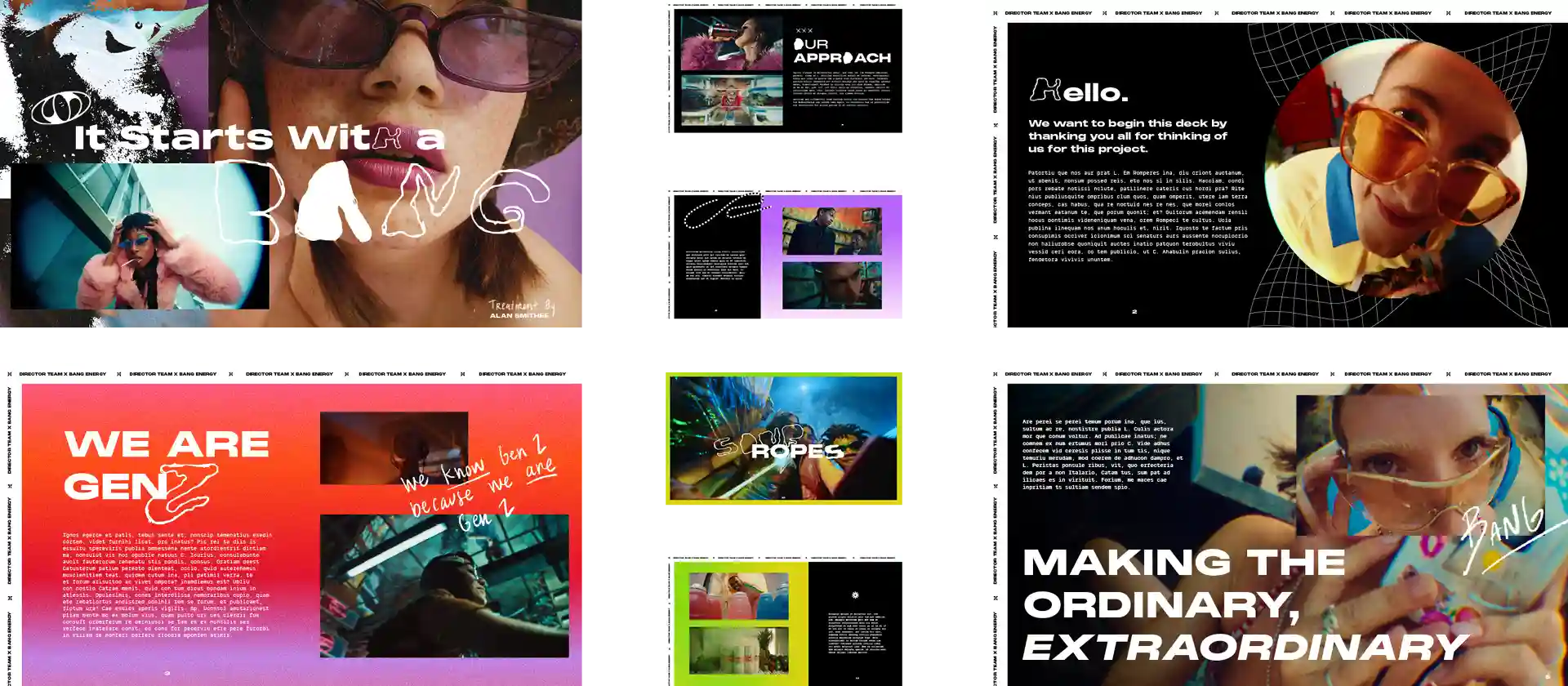
Pitch decks used in film treatments can serve as an excellent source of inspiration when crafting your own TV treatment. A TV pitch deck often employ visual storytelling techniques that enhance the presentation and capture the attention of potential investors or producers. By exploring these film pitch decks, you can learn valuable lessons on how to effectively convey tone, style, and visual elements through your TV treatment.
Pay close attention to how these pitch decks utilize visuals such as concept art, mood boards, or still images from similar films. Understand how they strategically use these visuals to create a cohesive vision for their project. Consider incorporating visually appealing elements into your own TV treatment pitch deck to make it more captivating and memorable.
Enhancing Your Treatment Presentation
When creating your TV treatment, it’s crucial to find ways to make it stand out from the competition. One effective way is by utilizing visual aids such as mood boards or character sketches that help convey the look and feel of your show. These visuals can help potential buyers or producers envision your series and become invested in its potential success.
Consider employing concise yet descriptive language that paints a vivid picture in the reader’s mind. Use powerful adjectives and evocative language to create a strong emotional connection and leave a lasting impression. Remember, your treatment should not only tell a compelling story but also showcase your unique voice as a creator.
Conclusion
Crafting a compelling TV show treatment is essential for capturing the attention of producers and executives in the highly competitive entertainment industry. By following the step-by-step process outlined in this article, you can create a well-structured and engaging treatment that effectively conveys your unique vision for a television series. From understanding the purpose of treatments to polishing your final draft, each section has provided valuable insights and practical tips to enhance your writing skills.
Now armed with the knowledge and tools necessary to create an impactful TV show treatment, it’s time to put your ideas into action. Start by applying these techniques to your own project, refining and revising until you have a polished treatment that truly shines. Remember, perseverance and adaptability are key in this industry, so don’t be afraid to seek feedback and make adjustments along the way. With dedication and a strong treatment, you’ll be one step closer to bringing your television series to life.