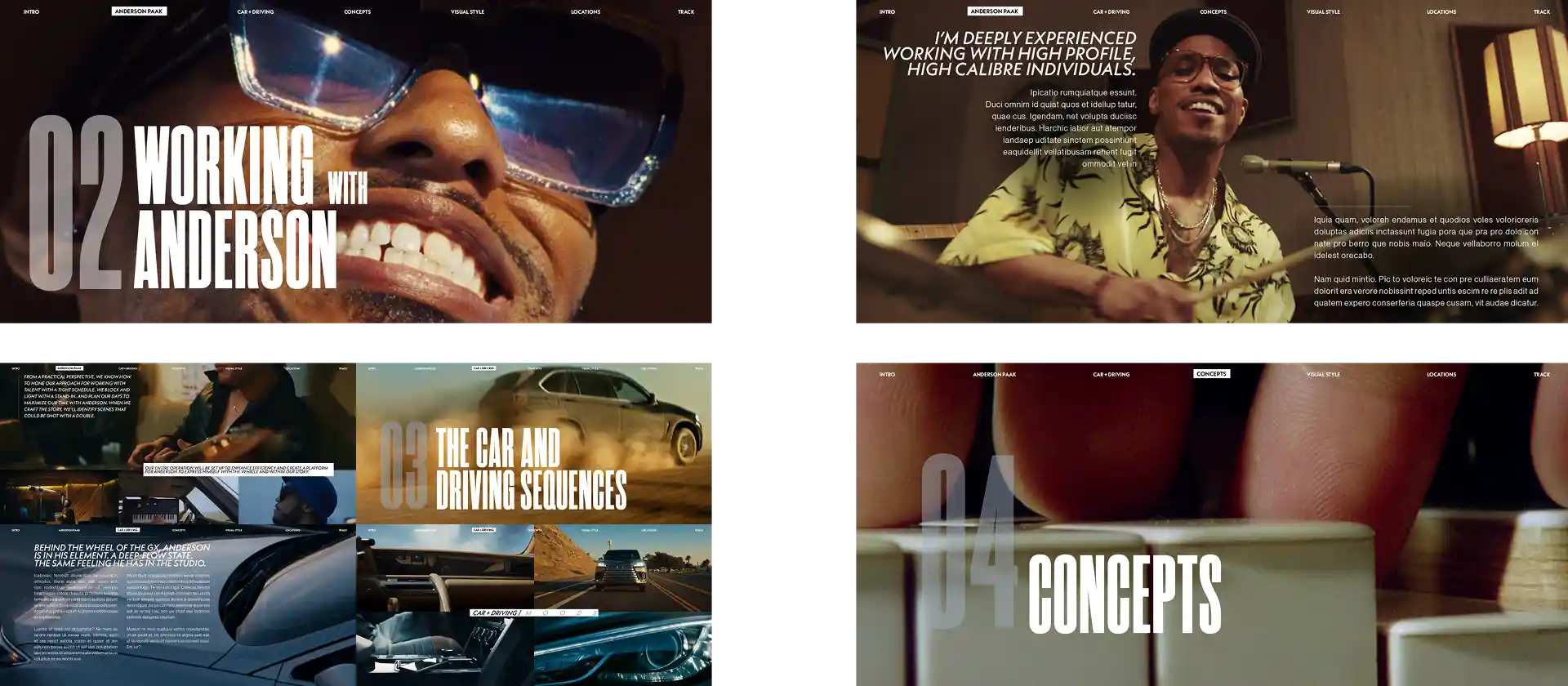
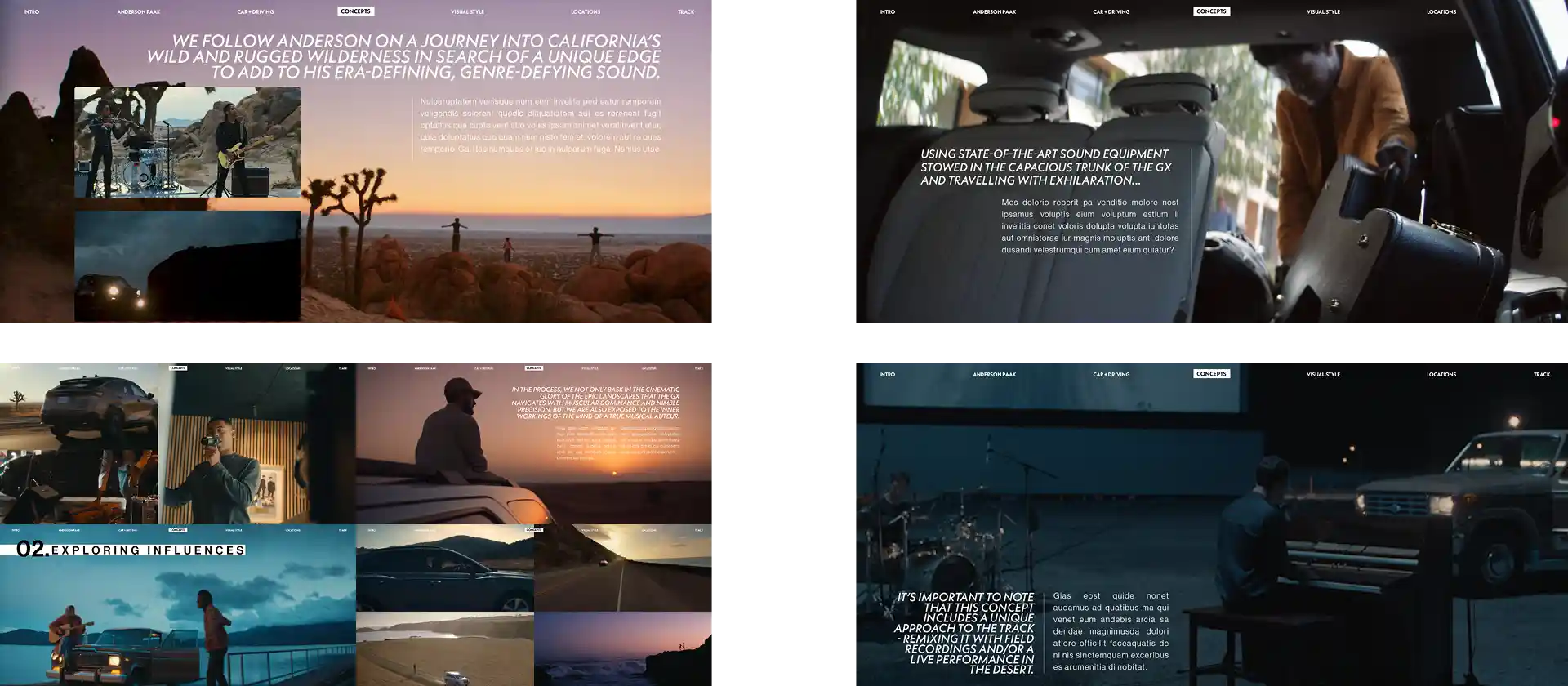
Commercial treatments are an essential aspect of the advertising industry, providing a roadmap for production companies and agencies to create captivating campaigns that resonate with consumers. These treatments serve as detailed proposals outlining the creative vision, concept, and execution plan for commercials.
Production companies and agencies rely on commercial treatments to effectively communicate their ideas to clients. By presenting a well-crafted treatment, commercial advertising companies can showcase their expertise in translating brand messages into visually compelling stories and sales pitches. This enables them to secure client projects and establish long-lasting partnerships.
The benefits of using commercial treatments during pre-production planning cannot be overstated. It is a crucial time for the company to craft a compelling sales pitch that will attract and engage the customer. They allow production companies and agencies to align their creative vision with client expectations, ensuring a seamless collaboration throughout the entire process.
Furthermore, these treatments provide a clear roadmap for all stakeholders involved in the project, minimizing misunderstandings and maximizing efficiency. This helps to enhance the sales pitch by saving time and demonstrating value to the prospect.
Examples of Successful Commercial Pitch Campaigns
Numerous successful sales pitch campaigns have utilized meticulously crafted commercial treatments to achieve outstanding results in a short time. These campaigns have effectively captured the attention of prospects and generated impressive sales numbers. Here are some notable examples:
- Nike’s “Just Do It” campaign: The commercial treatment showcased athletes pushing their limits while emphasizing the brand’s commitment to inspiring individuals to reach their full potential.
- Coca-Cola’s “Share a Coke” campaign: The treatment highlighted personalization by featuring bottles with individual names, evoking a sense of connection among consumers.
- Apple’s “Get a Mac” campaign: The treatment portrayed humorous interactions between personified Mac and PC characters, effectively communicating Apple’s superiority in user experience.
These examples demonstrate how commercial treatments can elevate advertising campaigns by capturing attention, resonating with audiences, and driving consumer engagement.
How to Effectively Pitch a Product in Commercial Advertising
Identifying Target Audience Needs and Desires
To create an impactful sales pitch for your prospects, it’s crucial to understand the needs and desires of your target audience. By conducting thorough research and analysis, you can identify what motivates and resonates with your sales pitch prospects. Consider these strategies:
- Conduct surveys or interviews to gather insights directly from your target market.
- Analyze data from social media platforms to gauge their interests and preferences.
- Study competitor advertisements that have successfully targeted a similar audience.
Crafting a Compelling Story or Message for the Product Pitch
A captivating story or message is essential for grabbing attention and engaging your audience. Follow these tips when crafting your commercial advertising pitch:
- Start with a hook: Begin with an attention-grabbing statement or question that piques curiosity.
- Create relatable characters: Develop personas that reflect your target audience, enabling them to connect emotionally with the story.
- Highlight benefits: Clearly communicate how your product solves their problems or fulfills their desires.
- Use storytelling techniques: Incorporate narrative elements like conflict, resolution, and transformation to make the pitch more memorable.
Showcasing Unique Selling Points and Competitive Advantages
In commercial advertising, it’s vital to emphasize what sets your product apart from competitors. Here’s how you can effectively showcase your unique selling points in your sales pitch.
- Identify the features, benefits, or qualities that differentiate your product from others in the market.
- Highlight any awards, certifications, or endorsements that validate its superiority.
- Use persuasive language and visuals in your sales pitch to convey why choosing your product is advantageous.
Delivering a Persuasive and Memorable Product Pitch
The delivery of your sales pitch plays a significant role in the effectiveness of your commercial advertising. Employ these techniques for maximum impact:
- Be confident: Display enthusiasm and belief in the product throughout the pitch.
- Keep it concise: Present key information succinctly to avoid overwhelming your audience.
- Use visuals: Incorporate eye-catching images, videos, or infographics to enhance understanding and retention.
- Include a call-to-action: Clearly state what action you want the audience to take after viewing the advertisement.
By implementing these sales strategies and tips, you can create a compelling commercial pitch that resonates with your target audience, effectively promotes your product, and drives desired sales outcomes.
The Benefits of a Concise Commercial Pitch
Advantages of conveying information succinctly in a commercial pitch:
- Increased attention span and engagement from viewers with concise pitches
- The sales pitch is all about the ability to effectively deliver key messages within limited time frames.
- Higher likelihood of retaining viewer interest throughout the ad
Brevity is key. By keeping your sales pitch short and to the point, you can reap numerous benefits that will help drive the success of your advertisement.
Keeping the Viewer Engaged in a Commercial Pitch
One of the main advantages of a concise commercial pitch is its ability to capture and hold viewers’ attention. In today’s fast-paced world, people have shorter attention spans than ever before. This can pose a challenge when delivering a sales pitch.
Long-winded explanations or convoluted messaging in a sales pitch are more likely to lose their interest. However, by delivering your sales pitch in a clear and succinct manner, you can quickly grab their attention and keep them engaged throughout the ad.
Conveying the Key Message
Another benefit of conciseness is the ability to effectively convey key messages within limited time frames. Whether it’s a 15-second spot or a one-minute ad, every second counts. By distilling your message down to its core essence, you ensure that important information is communicated efficiently without overwhelming or confusing your audience.
Furthermore, a concise commercial pitch increases the likelihood of retaining viewer interest throughout the entire advertisement. When presented with lengthy or wordy sales pitches, viewers may lose focus or become disinterested before reaching the end. However, by using concise language and impactful visuals, you can maintain their attention from start to finish.
The Importance of Practicing Your Pitch
Practicing your commercial pitch is crucial for a successful presentation. Improving your sales skills not only boosts confidence, fluency, and delivery, but also prevents common mistakes or stumbling during presentations. By rehearsing your pitch, you can improve its overall effectiveness and make a lasting impact on potential clients.
Rehearsing your pitch before presenting it offers several benefits. Here’s why it’s essential:
- Enhancing Confidence, Fluency, and Delivery: Regular practice builds confidence and helps you become more comfortable with delivering your pitch. It enables you to speak fluently without hesitation or stumbling over words.
- Avoiding Common Mistakes: Through practice, you can identify any weak points in your pitch and work on improving them. This includes refining your message, eliminating jargon or technical terms that might confuse the audience, and ensuring a smooth flow from one point to another.
- Improving Overall Effectiveness: Practicing allows you to fine-tune your pitch by focusing on key messages and highlighting the most compelling aspects of your product or service.
- Making an Impact on Potential Clients: A well-rehearsed pitch demonstrates professionalism and dedication to potential clients. It shows that you have put effort into crafting a persuasive sales message tailored specifically to their needs.
Conclusion: Wrapping Up Your Commercial Pitch
Congratulations on completing the sections leading up to the conclusion of your commercial pitch! You’ve gained valuable insights into the world of commercial treatments, learned effective strategies for pitching products in advertising, understood the importance of conciseness, and discovered the power of practice. Now it’s time to bring it all together and make your pitch shine.
To wrap up your commercial pitch successfully, remember to focus on clarity, creativity, and confidence. Craft a compelling story that showcases the unique selling points of your product or service. Keep it concise, avoiding unnecessary fluff or jargon that might confuse your audience. Practice delivering your pitch with enthusiasm and conviction until you can do it effortlessly.
Now go out there and seize every opportunity to present your commercial pitch with passion and flair! Remember, confidence is key when engaging potential clients or agencies. Embrace feedback as an opportunity for growth and refinement. With these next examples, you’re ready to make waves:
How long should my commercial pitch be?
Your commercial pitch should ideally be no longer than 2-3 minutes. It needs to capture attention quickly and deliver a concise message that leaves a lasting impact.
Should I include statistics in my commercial pitch?
Including relevant statistics can add credibility to your pitch. However, be cautious not to overload your audience with too many numbers; focus on highlighting key data points that support your main selling points.
Is humor effective in a commercial pitch?
Humor can be a powerful tool in capturing attention and making your pitch memorable. However, use humor strategically and ensure it aligns with your target audience’s preferences.
How can I tailor my commercial pitch for different audiences?
Research each specific audience beforehand to understand their needs, values, and pain points. Then adapt your messaging accordingly to resonate with them on a deeper level.
What should I do if I get nervous during my commercial pitch?
Nervousness is natural, but preparation is key to overcoming it. Practice your pitch extensively, visualize success, and take deep breaths to calm your nerves before presenting.