Treatment Fundamentals
Firstly, a treatment is a concise narrative description of a film’s plot, characters, and general message. It also outlines the story in lay terms without the embellishment of a treatment screenplay example. Think of film treatments examples as the schematic for the script, providing a transparent view into the core of the narrative.
Furthermore, this is typically the document that you’ll use as your opening pitch when selling a movie idea to producers, studios, or investors. It allows decision-makers to rapidly sense the story’s shape, tone, and potential so they can determine if the project aligns with their objectives. A powerful treatment is concise, accessible, and hits upon all of the important elements, in particular, the core conflict and the protagonists’ arcs.
|
Component
|
Description
|
Example
|
|
Title
|
Name of the project
|
“The Silent Path”
|
|
Logline
|
One-sentence summary of the story
|
“A mute boy must cross a war zone to save his sister.”
|
|
Synopsis
|
Concise summary of the plot, 1–3 pages
|
|
|
Main Characters
|
Brief descriptions of key characters
|
“Ana, a doctor hiding her past; Tomas, a desperate father”
|
|
Setting
|
Description of time and place
|
“Modern-day Mumbai streets during monsoon season”
|
|
Theme
|
Core idea or message
|
“Redemption through sacrifice”
|
|
Plot Outline
|
Key events and turning points, in sequence
|
|
|
Tone and Style
|
Short note on the feel or look of the film
|
“Dark, gritty realism with bursts of hope”
|
Lastly, clarity and conciseness are key. Treatments have to tell the story in a very digestible manner, with no superfluous words or asides. This transparent approach allows readers to visualize the movie’s structure and potential immediately.
The Purpose
Film treatments examples help contour a project in its formative stages by presenting the narrative prior to drafting the screenplay. They allow authors to gather their thoughts and identify any holes in the story or characters.
Meanwhile, a good treatment is a marketing tool, providing producers and studios with a brief glimpse of what the movie will be. It aids in securing backing because investors like to have a straightforward summary before they pony up money. Overall, treatments give the entire team a shared vision, so you’re all on the same page right from the beginning!
The Structure
- Title and logline
- Short summary or synopsis
- Main character descriptions
- Outline of the plot, divided by acts or sequences
- Setting and tone notes
- Themes and key conflict
About half the treatments run 1-5 pages. They’re typed, single spaced and plain font. Each topic should be simple to identify, with bold headings and small blocks of text.
To construct a nice flow, start with the logline, shift to the synopsis, then provide character and plot details. You should cover each major plot point and character development significantly, but avoid lengthy subplots or extraneous dialog.
The Audience
Specifically, treatments are most important for producers, agents, studio heads, and occasionally directors. Understanding the audience for the treatment guides the prose and the points to emphasize.
If your audience is an action film producer, emphasize the story’s big moments and tight pacing. For a festival jury, exhibit novel themes or character development. Tailor the tone and style to the reader’s taste, and employ strong, simple words to maintain their interest.
Lastly, make it effortless to visualize and impossible to resist.
Deconstructing Examples
Film treatments are a bridge between concept and script, revealing not only what the story is but how it feels, sounds, and moves. By deconstructing multiple treatment examples TV, scribes notice obvious trends and select the appropriate implements for their own craft. Genre and tone influence the mood and specifics of the treatment, and the top examples strike a balance between style and clarity. Examining success and failure aids writers in understanding craft and audience.
1. The World-Builder
A few film treatments examples distinguish themselves by constructing a world that pops to life. Chiefly, these emphasize time, location, and regulations. When the world is also weird, every note matters.
Furthermore, consider the ‘Blade Runner’ effect, where rain, neon and the crush of urban throngs saturate every frame. Good world-builders employ sensory cues—what the characters hear, see, or smell—to anchor the reader. Additionally, a strong world builds trust: when the rules are clear, even the wildest plot twists make sense.
Moreover, weak treatments skip logic or use fuzzy settings, which leaves readers adrift or disoriented.
2. The Character Study
A character-driven treatment certainly focuses on inner life. Consequently, it’s not about location, it’s about the human beings. Strong examples also show what a character wants and fears, often through tight backstory or a line of dialogue: “I’d rather starve than beg.
These tips let readers witness the individual’s arc prior to the scripting. Here’s the treatment for “Good Will Hunting.” It’s a model—Will’s pain, pride, and wit color every scene. Weak character treatments gloss motives and bypass growth, which makes arcs feel imposed.
Consequently, incorporating these short dialogue bits assists in demonstrating, not narrating, character voice.
3. The High-Concept
High-concept film treatments examples begin with a risque notion. They need a hook, something that can be described in a sentence, like “A lawyer finds out he’s been defending ghosts.
These treatments leverage that hook to grab readers quickly, explaining what makes the idea fresh and how it will play on screen. Good high-concept treatments remain clear, even as the premise becomes more complex.
Weak ones drown in specifics or don’t demonstrate why the idea is significant. The trick is to describe sufficiently without losing the gleam.
4. The Genre-Blender
Others mash up genres to create something new. Tossing a comedy into the mix of your horror or sci-fi romance infuses the story with an exciting new edge.
What a good genre-blender does is set out firm boundaries for each style and slip across them without getting lost, however. Shaun of the Dead” is a perfect case in point. Chiefly, it alternates scares and laughs by changing gears smoothly, not abruptly, jolting the reader.
The trick is to not let one genre drown out the other. Writers can use this approach to shatter molds and shock viewers, but equilibrium is crucial or the narrative implodes.
Crafting The Narrative
Firstly, a film treatment is the bridge between a raw idea and a full script, allowing writers to establish tone, structure and direction before getting into heavy production work. All terrific film treatments examples rely on simple steps and ingredients to craft a compelling narrative for both creative teams and decision makers.
- Begin with a logline — a sentence or two that captures attention.
- Go on to a summary describing the overall arc, major plot points, and story flow.
- Sketch the characters — who they are, what they want, how they change.
- Indicate significant plot turning points and demonstrate defined story transitions.
- Think about pacing, making the treatment unfold at an organic rate.
- Construct the Story. Build in conflict and resolution to demonstrate stakes and emotional pay-off.
- Go for specifics, but do not drown in minutiae.
- End with a powerful wrap-up and leave a definitive impression of the film’s journey.
However, structure and pacing define how readers experience a treatment. A well-paced document moves through set-up, escalation, climax, and resolution without stalling on any of these. Highlight three to five key plot points—inciting incident, midpoint, and climax—to help readers understand the story’s primary beats. Conflict and resolution bring momentum and emotional investment.
The Logline
- Short: One or two sentences only
- Clear: Avoids jargon or vague language
- Specific: Names the protagonist, main goal, and challenge
- Unique: Shows what sets the story apart from others
- Compelling: Suggests conflict or stakes
A good logline captures the essence of your movie. For instance, “An idealistic young teacher in a remote village battles local corruption to shield her students” immediately establishes your hero, your world and your tension. By testing loglines with others—other writers, friends, or online communities—you get a sense if the idea resonates or needs revision.
The Synopsis
The synopsis provides a succinct overview of the film’s narrative, brushing across all significant beats, character developments, and central tension without getting bogged down. A synopsis, unlike a treatment that can be multiple pages and incorporate visual style or tone, focuses on the narrative’s skeleton.
Consequently, it needs to encapsulate the hero’s journey, significant turns, and conclusion. It is crucial to keep the prose lean and not drift. For example, “After losing his job, a single parent enters a citywide race to prove his worth and rebuild family trust, facing rivals and personal doubts along the way.
The Characters
Well-constructed characters are the soul of any treatment. Sketch them out with a couple hard characteristics—age, occupation, drive—not long winded histories. Additionally, show how they connect: Are they allies, rivals, or mentors? How do they transform throughout the plot?
Showcasing your advance does. Perhaps an introverted student discovers boldness, or a jaded detective encounters optimism. Unique characteristics that make them memorable include a jittery laugh, a petulance, and a special gift.
These niceties assist readers in getting to know the humans behind the storyline, not just characters on a stage.
The Emotional Core
A film treatment’s real strength frequently lies in its emotional heart. This is where the emotional core of the story throbs, connecting the tale to the broader human condition. A good treatment does more than sketch out plot; it charts the heartbeat of the movie’s emotions, engaging the reader’s sense of empathy.
The skill of being able to do this in a straightforward, simple, non-flowery way is what transforms a treatment from synopsis to something memorable.
- Explore themes like love, loss, hope, betrayal, or redemption.
- Show inner struggles or changes the main character faces.
- Use moments that echo across cultures and backgrounds.
- Allow room for happiness, grief, awe, or terror to appear.
- Be certain the path is sincere and straightforward.
Establishing the Tone in Film Treatments Examples
Tone introduces everything that comes next. It needs to come up in the first lines and remain constant. For instance, a noir crime drama might begin with staccato, edgy sentences. A light comedy would employ simple, cheerful language.
Your word choice, sentence length, and even your rhythm all impact tone. Writers will use terse, staccato sentences for thrillers or meandering, conversational ones for meditative tales.
Tone and genre alignment is important. Readers anticipate an emotional payoff of a certain type from horror, romance, or historical drama. If the tone wanders, the treatment becomes untrustworthy.
Evoking Mood
Mood is the emotional aura that lingers in the atmosphere while the narrative progresses. In therapies, mood assists readers to imagine not only what occurs, but how it feels. Using gritty, direct language establishes tone fast.
Not ‘the room was sad,’ but ‘grey light poured through cobwebbed windows, throwing shadows long and thin.’ Visual images play well here. To describe colors, sounds, even smells engages people.
Metaphors and similes probe further. Her hope was as fragile as morning frost” conveys both mood and stakes. Simple tools, used well, allowed the mood to sink in. Each mood—tense, free, warm or cold—ought to correspond with the film’s intent.
Defining Theme
Themes are what give meaning. They can be brazen, such as justice or revenge, or nuanced, such as the price of maturity. Good treatments identify these themes up front, then weave them through important scenes.
Clarity goes a long way. Readers should know what the story says about its heart concepts. For instance, if a movie poses the question, ‘What is freedom?’ depict decisions and sacrifices associated with freedom.
Hard topics engage thinking. Treatments that nudge questions—“Is peace worth sacrifice?” or “Can one person change a broken system?”—make readers crave more. Writers shouldn’t be afraid of tough or complex subject matter, provided they remain transparent and truthful in their depiction of it.
Visual Language of Film Treatments Examples
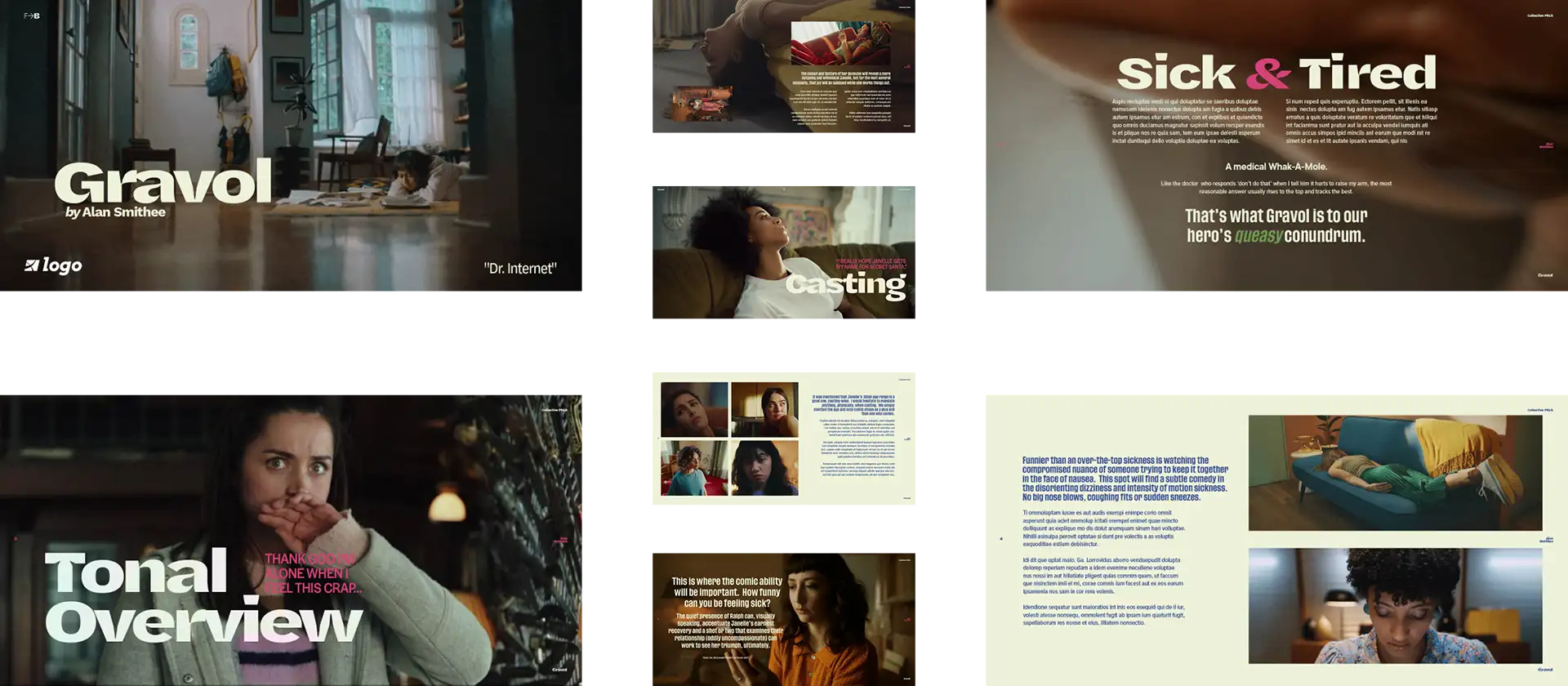
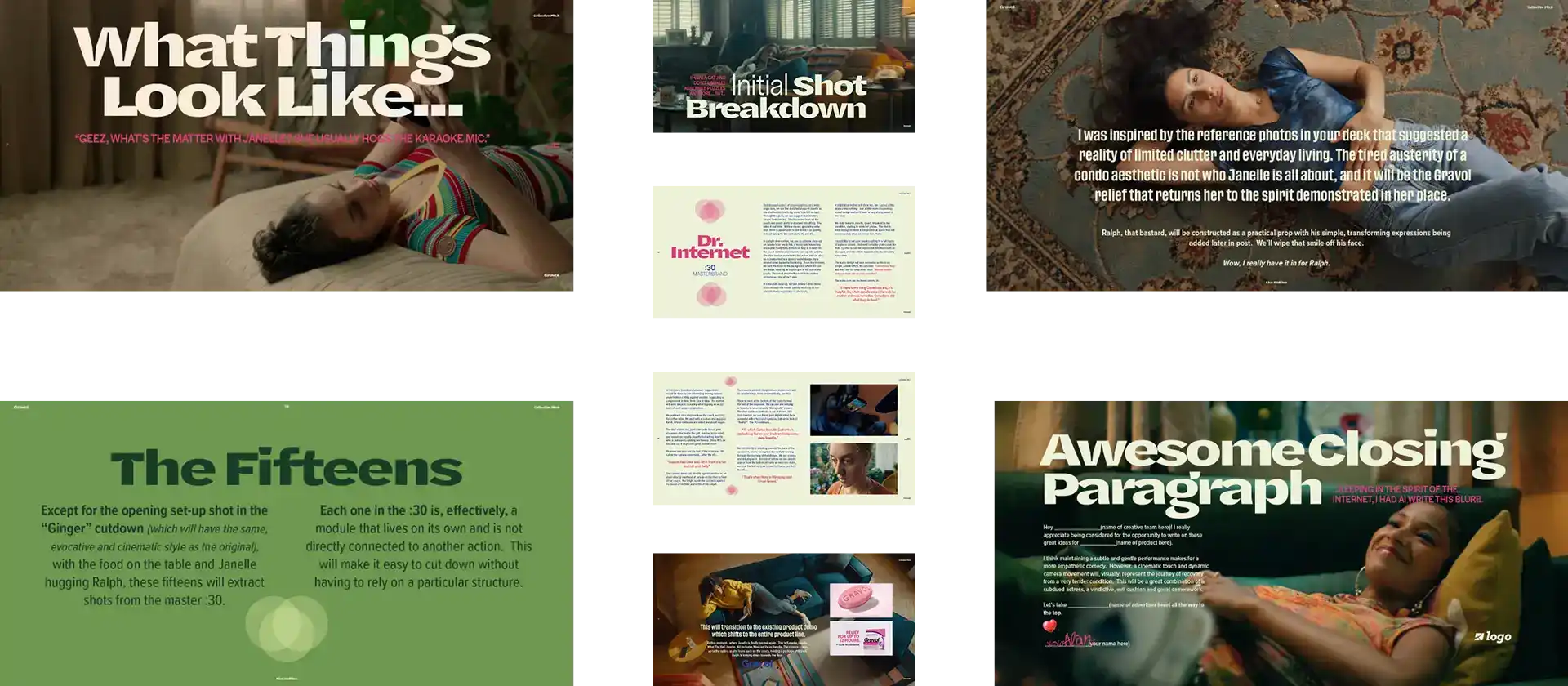
Visual language helps shape how a reader visualizes the world of a treatment. It imbues the treatment with a sense of place, mood and tone, making the story tangible before a camera ever rolls. A good treatment doesn’t read like a script or a pitch. Instead, it functions more like a lens, allowing readers to visualize every aspect of the world and action as if they were watching it unfold.
When a treatment is visually oriented, it pops for producers and directors who need to envision the story, not just read about its arc or themes. Writers employ various methods to incorporate visuals into their treatments. Some rely on color cues, talking about a ‘cold blue dawn’ or ‘golden light spilling through cracked blinds’ to assist with mood and time.
Common Pitfalls
Screenwriters writing film treatments examples fall into a few traps that can bog down or sometimes halt forward momentum on their project. These pitfalls vary from plain writing errors to more nuanced issues around tone and clarity. The table below summarizes some of the most common pitfalls, each described with a concise definition and a specific example illustrating how they appear in actual treatments.
|
Mistake
|
Description
|
Example
|
|
Using vague language
|
Lacks detail, making scenes or characters feel flat
|
“John has a problem.” (What problem? Why does it matter?)
|
|
Overloading with backstory
|
Adds too much history, slowing the narrative
|
“Since childhood, Maria loved the sea, her father, his job…”
|
|
Skipping structure
|
Ignores the natural arc, causing confusion
|
Jumping from opening scene to climax with no buildup
|
|
Overuse of technical jargon
|
Uses film or industry terms not known to most readers
|
“The protagonist’s arc is a classic inciting incident.”
|
|
Neglecting proofreading
|
Leaves typos, grammar errors, or unclear phrasing
|
“He walk to the window and see’s the sun.”
|
|
Lack of feedback
|
Misses outside input, so problems go unnoticed
|
Submitting a draft without having anyone else read it
|
Other Common Pitfalls in Film Treatments Examples
We tend to use big words or industry jargon in our film treatments, believing it sounds more professional. Generally, this can harm the narrative’s lucidity. Moreover, readers who aren’t familiar with film jargon or insider lingo may miss the message or tune out. Instead, simple words and plain speech assist us all in catching the plot and the tone, regardless of our background.
Additionally, feedback means soliciting others—writers, friends, or mentors—to review the treatment and identify holes or areas where the story is confusing. Candid feedback will catch problems the writer overlooked, from plot inconsistencies to stilted dialogue.
It also tries to see if the therapy works for a stranger to the concept. It can feel risky to share a draft early, but this is where you shape a strong, polished final piece.
Conclusion: Film Treatments Examples
Film treatments provide writers a way to structure tales quickly. They primarily help demonstrate plot, mood, and style in a quick read. Moreover, great treatments get back to the essentials, maintain the incisive voice, and reach exactly the appropriate tone. Posters show how easy words describe powerful stories and true emotions. Writers employ a crisp plan to steer the team and keep the project humming along. A good film treatment saves time and clarifies ideas before scripts become bloated. To improve it, test drive concepts, peruse other treatments, and exchange notes with friends or classmates. Lastly, be daring, be honest, and keep it simple. Subsequently, each attempt guides you and hones your craft.